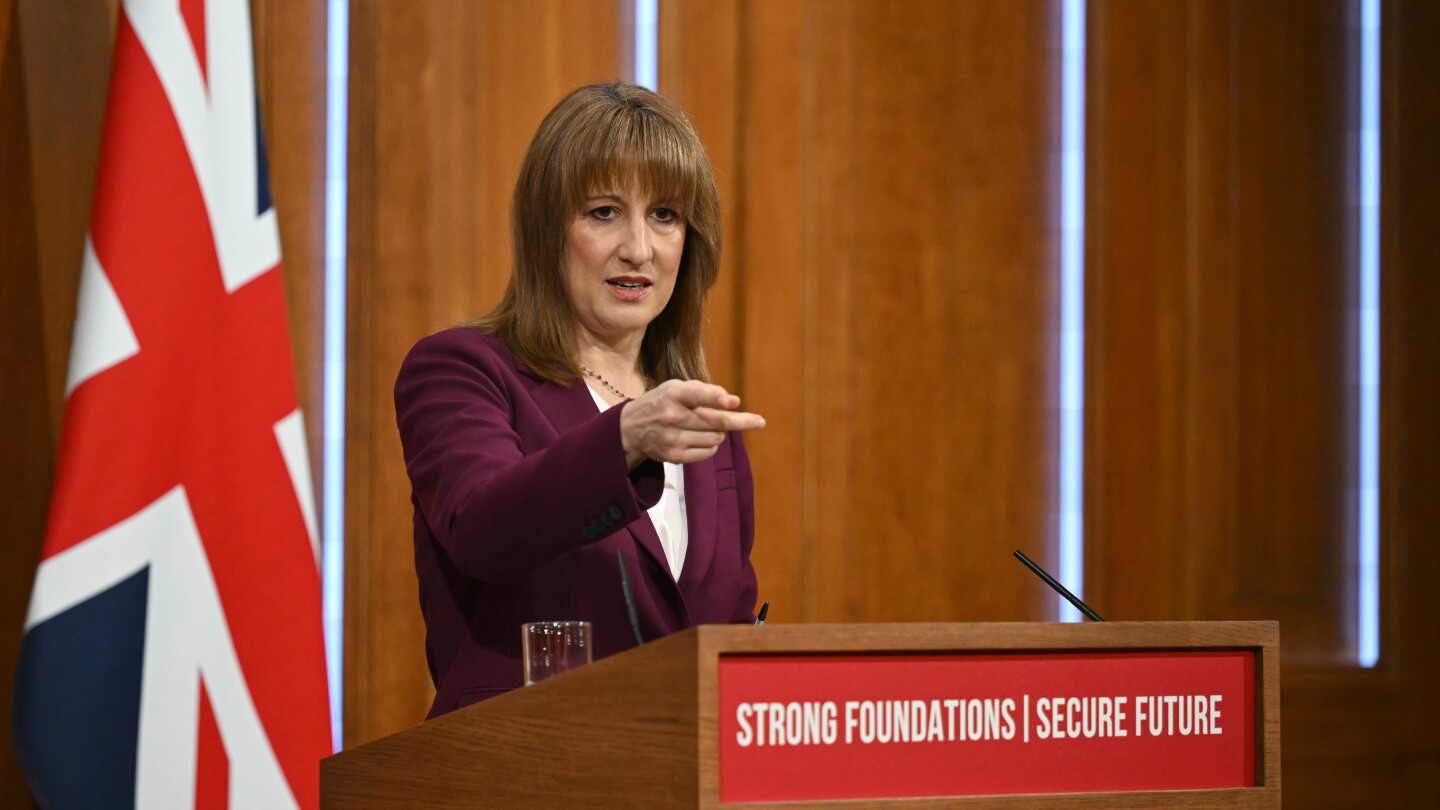
In a significant pre-budget announcement, UK Treasury Chief Rachel Reeves has indicated that tax increases are likely in the forthcoming budget, scheduled for November 26. Reeves, in an unusual move, addressed the public and financial markets three weeks ahead of the budget, preparing them for potential hikes in income and sales taxes. This decision marks a departure from her earlier election pledge to avoid such increases. Reeves emphasized the necessity of collective contribution to secure the nation’s future, hinting at broad tax adjustments. She attributed the need for these measures to several factors, including the UK’s substantial £2.6 trillion national debt, lower-than-expected productivity, and global economic challenges such as U.S. President Donald Trump’s tariffs, volatile supply chains, and rising government borrowing costs. Reeves also pointed to the economic mismanagement by the previous Conservative government, which has left the UK particularly vulnerable. Despite these challenges, Reeves aims to deliver a budget focused on growth, fairness, and strengthening public services, while reducing national debt and controlling inflation. However, her approach has faced criticism for being overly pessimistic and for increasing business taxes in the previous budget. Additionally, Reeves has been under scrutiny for allegedly renting out her London house without a proper license, a mistake for which she has apologized.
分类: business
-

Shein bans all sex dolls after outrage over childlike products
Global online retail giant Shein has announced a worldwide ban on the sale of sex dolls, particularly those with ‘a childlike appearance,’ following accusations of hosting such products on its platform. The decision comes after France’s Directorate General for Competition, Consumer Affairs and Fraud Control flagged concerns over the weekend, describing the listings as having ‘little doubt as to the child pornography nature of the content.’ Shein responded swiftly, permanently banning all seller accounts linked to such products and temporarily removing its adult products category as a precaution. The company has also initiated a thorough review of its platform, vowing to implement stricter controls on sellers and enhance its keyword blacklist to prevent circumvention of restrictions. Executive Chairman Donald Tang emphasized Shein’s unwavering stance against child exploitation, stating, ‘The fight against child exploitation is non-negotiable for Shein. We are tracing the source and will take swift, decisive action against those responsible.’ The controversy erupted just days before Shein’s planned opening of its first permanent outlet in Paris, where protesters gathered outside the BHV department store. France’s finance minister threatened to ban the Singapore-based retailer from the country if it continued to sell the offending products. This incident adds to Shein’s existing scrutiny over its fast-fashion environmental impact and labor practices.
-

Starbucks to sell majority stake in China business
Starbucks has announced a groundbreaking $4 billion deal with investment firm Boyu Capital, selling a 60% stake in its China operations. Under the agreement, Starbucks will retain a 40% stake in its Chinese retail business and maintain ownership of its brand in the region. The coffee giant, which entered China in 1999, has faced increasing competition from local brands like Luckin Coffee, despite being the country’s second-largest market outside the U.S. The partnership with Boyu Capital, described as a ‘significant milestone,’ underscores Starbucks’ commitment to long-term growth in China. The company plans to expand its footprint from 8,000 to 20,000 outlets and introduce new beverages and digital platforms. Boyu Capital, known for its investments in retail, financial services, and technology, brings deep consumer insights to the collaboration. The deal, set to finalize by mid-2025, follows months of uncertainty after former CEO Laxman Narasimhan hinted at strategic partnerships to bolster competitiveness. This move mirrors similar strategies by global brands like KFC and Pizza Hut, which spun off their Chinese operations in 2016. Starbucks has faced declining sales in China due to the pandemic, reduced consumer spending, and fierce competition. Luckin Coffee, with its lower prices and aggressive expansion, now operates more stores than Starbucks in China. Despite price cuts to compete, Starbucks has seen profit margins shrink. Under CEO Brian Niccol, the company is revamping its menu, hiring more baristas, and scaling back automation efforts as part of a broader turnaround strategy. With over 40,000 outlets worldwide, Starbucks continues to navigate challenges in one of its most critical markets.
-
For small states, air links can be the first step in welcoming international investment
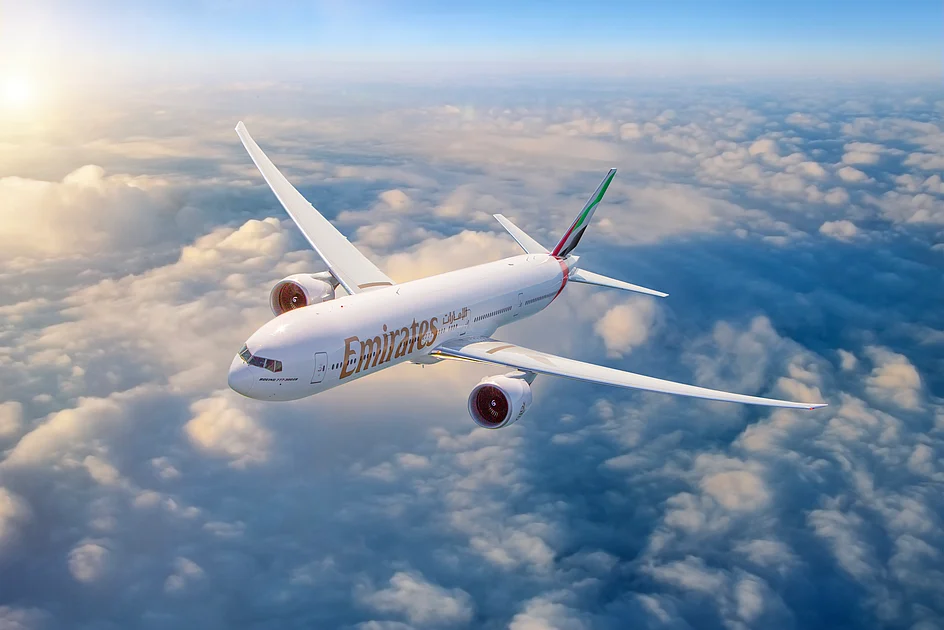
In the early 1980s, the Maldives was among the world’s poorest nations, with a fragile economy and minimal global presence. Today, it stands as a testament to transformation, with a tripled population, per capita income exceeding $18,000, and significant improvements in health, education, and life expectancy. A key driver of this success? Air connectivity. In 1987, Emirates launched biweekly flights to Malé, a bold move that unlocked the Maldives’ potential as a global tourism hub. Today, Emirates operates multiple daily flights, supporting a tourism sector that contributes nearly a third of the nation’s GDP. This story underscores the pivotal role of air links in economic development, particularly for small states. Airlines not only facilitate tourism but also attract investment, foster innovation, and reduce operational friction for international businesses. They enable students to study abroad, entrepreneurs to access new markets, and nations to integrate into the global economy. Antigua and Barbuda, a small island nation, recognizes this potential. Recent discussions with Emirates on potential air routes aim to deepen connectivity and economic opportunities. The nation has also signed bilateral air service agreements with Qatar and visa waiver agreements with several African countries, positioning itself as a hub between the Caribbean, the Middle East, and Africa. These efforts are part of a broader strategy to attract visitors, investment, and partnerships. However, as small states expand their air networks, they must balance growth with environmental responsibility. Emirates’ commitment to sustainable aviation fuel and cleaner technologies aligns with this vision, offering a model for sustainable development. Air connectivity is more than a logistical tool; it is a catalyst for transformation, unlocking potential and fostering resilience in small states.
-
Starbucks sells 60% stake in China business in $4 billion deal
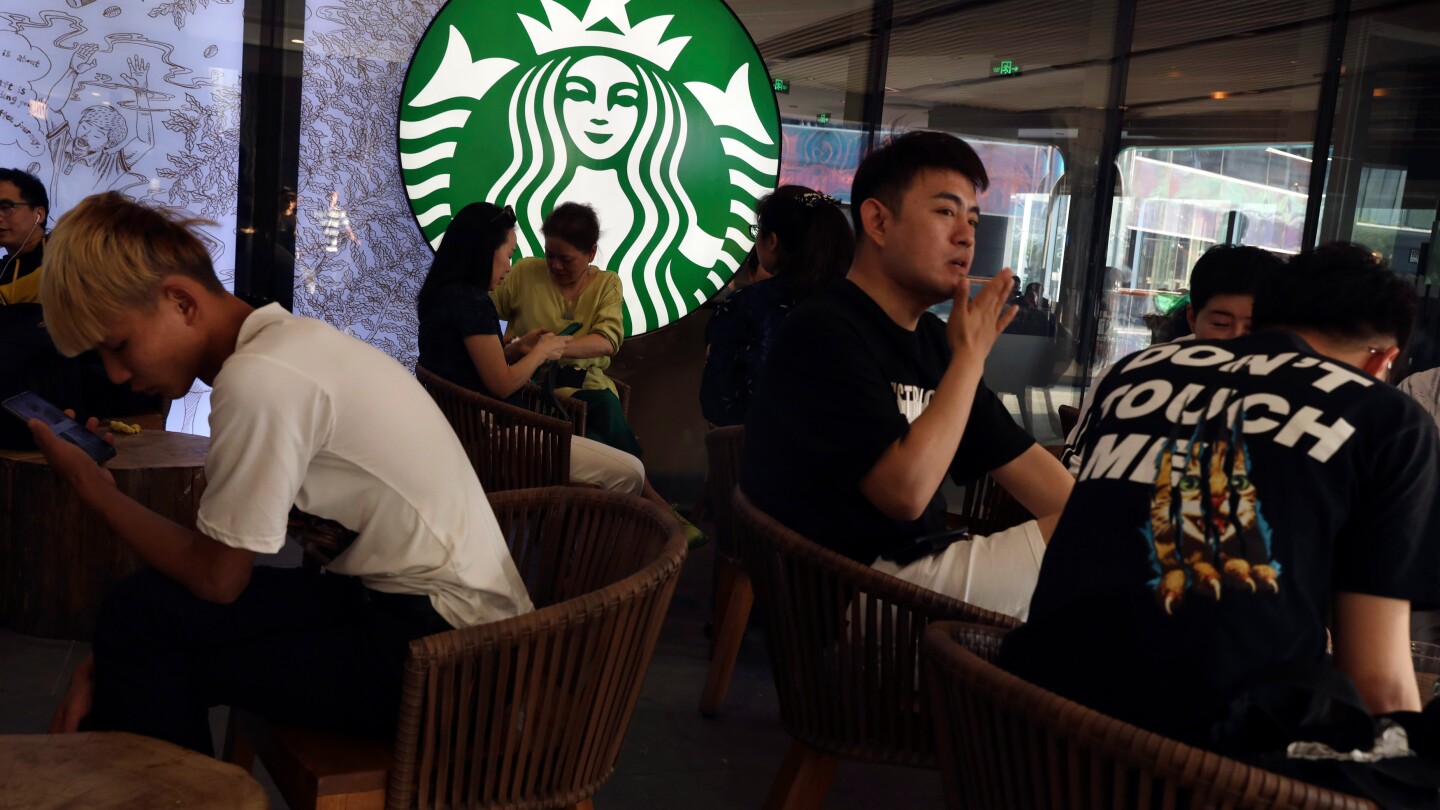
Starbucks announced on Monday a strategic joint venture with Chinese investment firm Boyu Capital, aimed at strengthening its retail operations in China. Under the agreement, Boyu will acquire a 60% stake in Starbucks’ Chinese retail business, valued at $4 billion, while Starbucks retains a 40% interest and continues to own and license its brand. The deal brings the total value of Starbucks’ China operations to over $13 billion, encompassing the sale proceeds, its retained stake, and future royalties.
-

Air India flight from San Francisco to Delhi makes precautionary landing in Mongolia
An Air India flight traveling from San Francisco to Delhi via Kolkata was forced to make a precautionary landing in Ulaanbaatar, Mongolia, on November 2, 2025, following suspicions of a technical issue mid-flight. The airline confirmed that flight AI174 landed safely, and necessary inspections are currently underway. Air India has assured passengers that it is collaborating with partners to expedite their journeys and minimize disruptions. The airline expressed regret for the inconvenience caused, emphasizing that passenger and crew safety remains its utmost priority. This incident follows a similar occurrence on October 25, when another Air India flight on the Vienna-New Delhi route was diverted to Dubai due to a suspected technical issue. In that instance, the aircraft underwent checks in Dubai before resuming its journey, with passengers kept informed and provided refreshments during the delay. Air India continues to address such situations with transparency and efficiency, reinforcing its commitment to safety and passenger care.
-

Introducing CANÉZA as the visionary behind a $1bn legacy launches a new era of modern perfumery
Marking a transformative chapter in the world of perfumery, Canéza, a visionary fragrance house rooted in the legacy of Rasasi, has officially debuted at Beautyworld Middle East 2025. Founded by Anis Abdul Razak Kalsekar, co-owner of Rasasi Group and the creative force behind iconic scents like Hawas and La Yuqawam, Canéza introduces 22 meticulously crafted perfumes that blend artisanal craftsmanship with modern sophistication. The brand aims to make luxury accessible, bridging the gap between heritage and innovation. Canéza’s portfolio includes flagship fragrances such as Uomo and Gold, alongside signature collections like Iconic, Velvet, and Mezmar. Each scent reflects European perfumery excellence fused with contemporary sensibilities, offering long-lasting, ethically sourced, and IFRA-compliant compositions. Beyond its formulations, Canéza embodies a philosophy of ‘Modern Luxury, Made Accessible,’ with every detail, from weighted glass bottles to minimalist packaging, crafted with precision and sustainability in mind. As a digital-first brand, Canéza will launch globally in December 2025, with plans for expansion into Europe, India, Russia, and Southeast Asia in 2026. This debut signals a new era of perfumery, where luxury becomes a medium for personal expression.
-
Kimberly-Clark to buy Tylenol-maker for more than $40bn
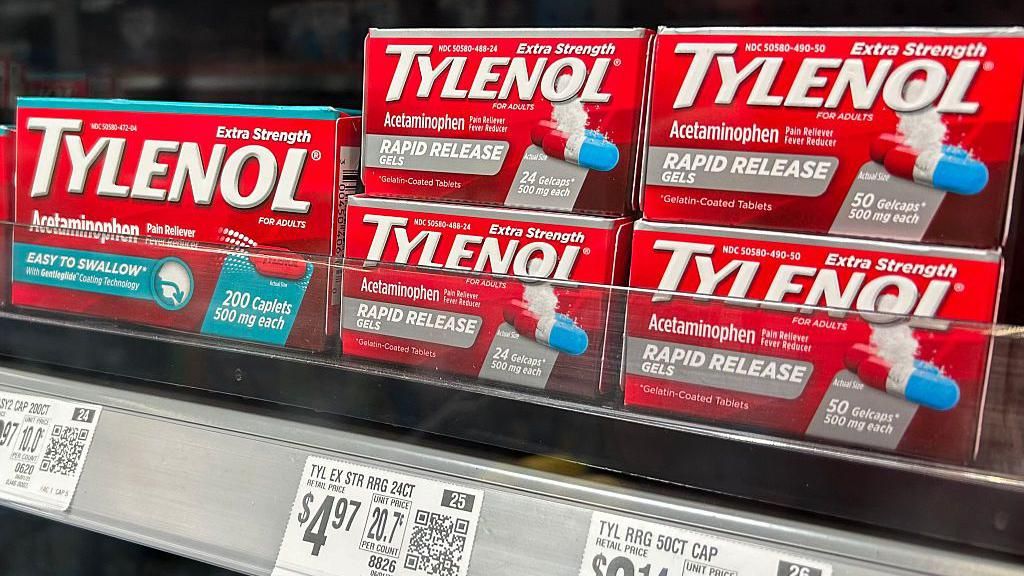
In a landmark $40 billion cash-and-stock transaction, Kimberly-Clark, the maker of Kleenex and Huggies, is set to acquire Kenvue, the company behind Tylenol and other household brands like Band-Aid and Neutrogena. The deal aims to create a consumer goods powerhouse, combining some of the most widely used health and wellness products globally. However, the acquisition comes amid significant challenges for Kenvue, including declining sales, legal battles, and controversies surrounding its products. The Trump administration recently linked Tylenol use during pregnancy to autism, a claim disputed by scientists, which further impacted Kenvue’s stock performance. Kenvue, spun off from Johnson & Johnson in 2023, has seen its shares drop nearly 30% over the past year, making it a target for activist investors pushing for a sale. The merger, expected to close in the second half of next year, will generate $32 billion in combined sales this year, according to executives. While Kenvue shares surged 17% following the announcement, Kimberly-Clark’s stock fell over 10%, reflecting investor skepticism about the deal’s risks. Kenvue also faces a lawsuit from the Texas attorney general alleging the company concealed potential risks of its products to children’s brain development. Additionally, Johnson & Johnson, Kenvue’s former parent, has been embroiled in lawsuits over its talcum powder products, accused of containing asbestos, which the company denies.
-
Coinvesting Capital launches UAE-focused real estate fund with DIFC–Luxembourg framework
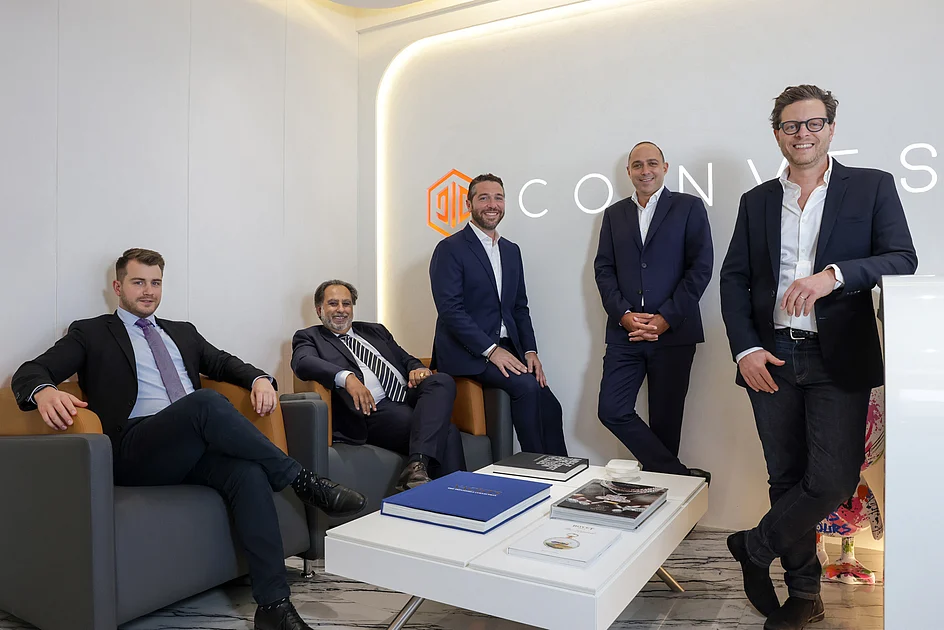
Coinvesting Capital Ltd, a Dubai International Financial Centre (DIFC)-based asset manager regulated by the Dubai Financial Services Authority (DFSA), has unveiled the Coinvesting Bread Real Estate Fund L.P. This innovative fund is structured under a dual framework, combining DIFC and Luxembourg regulations, marking a significant milestone in the UAE’s real estate sector. The fund’s DIFC component operates as an exempt fund under DFSA oversight, while its Luxembourg counterpart, Coinvesting Bread Real Estate Fund SCSp, is in the process of registration with the Commission de Surveillance du Secteur Financier (CSSF). Caibuo Capital S.à r.l., a CSSF-licensed management company, has been appointed to manage the fund. This dual structure aligns with two of the world’s most robust financial frameworks, ensuring institutional governance and global accessibility. The initiative is the first of its kind, offering regulated access to the UAE real estate market through a DIFC-Luxembourg framework. It highlights the UAE’s transition from a regionally dynamic property market to one integrated into the global investment landscape. Michael Ruben, CEO of Bread Capital Ltd, and David Szerer, CMO of Bread Capital Ltd, have been appointed as directors, bringing extensive asset management and capital markets expertise to the fund. Eddy Abramo, CEO of Coinvesting Capital Ltd, emphasized that the fund underscores the UAE’s credibility as a destination for institutional capital, combining DIFC oversight with Luxembourg’s accessibility to align with international standards. This development reinforces the UAE’s growing reputation as a financial hub, attracting cross-border investment amid record real estate activity, government reforms, and sustained foreign inflows.
-
‘Labubu’ dolls recalled in Kuwait are counterfeit, clarifies official distributor
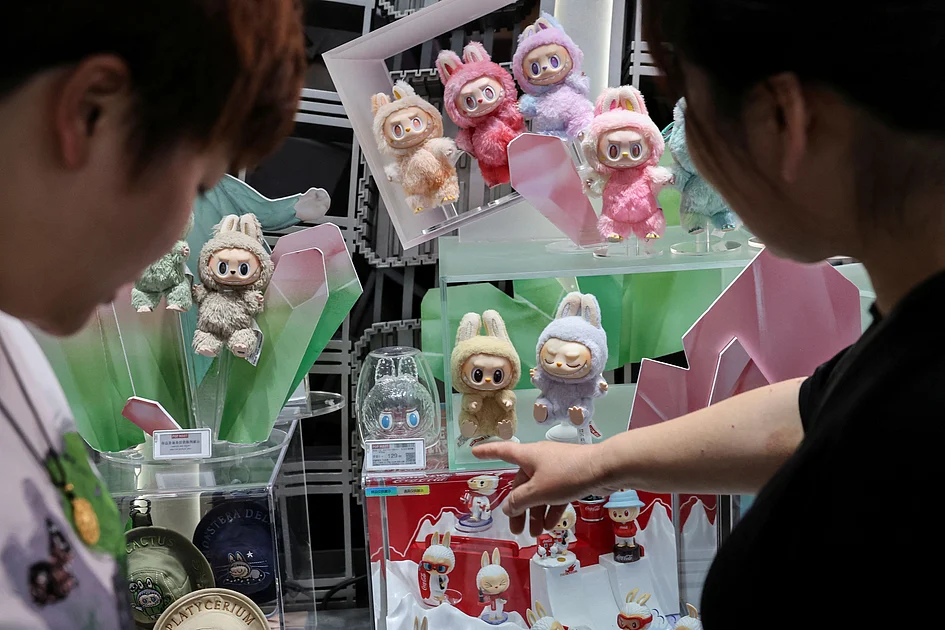
Following reports of Kuwait recalling Labubu dolls due to safety concerns, Pop Mart, the official manufacturer and distributor of the popular toy, has clarified that the recalled products are counterfeit. The Kuwaiti Ministry of Commerce and Industry had issued a recall for the product (TOY3378 Labubu) after discovering a manufacturing defect that caused parts to detach easily, posing a suffocation risk to children. The ministry urged consumers to return the product for a refund. However, Pop Mart has confirmed that TOY3378 is not an authentic Labubu doll and emphasized that it neither manufactured nor authorized the sale of the recalled items. The company stated that the counterfeit products are ‘entirely unrelated’ to its legitimate offerings. Pop Mart has reached out to Kuwaiti authorities to address the issue and reiterated its commitment to intellectual property protection and consumer safety. The company assured that its Labubu dolls undergo rigorous safety testing and comply with international standards. Pop Mart also advised customers worldwide, including in Kuwait, to purchase Labubu dolls exclusively through its official flagship stores, certified online platforms, and authorized retailers to avoid counterfeit products.