
Italian tax police have initiated the seizure of assets valued at €1.29 billion ($1.5 billion) from Luxembourg-based holding company Lagfin, the controlling shareholder of premium spirits giant Campari Group. The move comes as part of an ongoing investigation into alleged tax evasion. A judge in Monza, located northeast of Milan, authorized the precautionary seizure, which stems from a tax audit following Lagfin’s merger with its Italian subsidiary. Lagfin, established in 1995 and closely tied to the family of Campari Group Chairman Luca Garavoglia, holds over 80% of Campari’s voting rights and more than 50% of its shares. In a statement, Lagfin emphasized that the investigation is unrelated to Campari Group and asserted its commitment to compliance with all applicable laws, including Italian tax regulations. The company vowed to vigorously defend itself against the allegations. Campari Group, renowned for its iconic red aperitif and ownership of global brands like Aperol, Grand Marnier, and several tequilas and bourbons, has yet to comment on the matter. Lagfin assured that the seizure would not impact its controlling stake in Campari.
分类: business
-
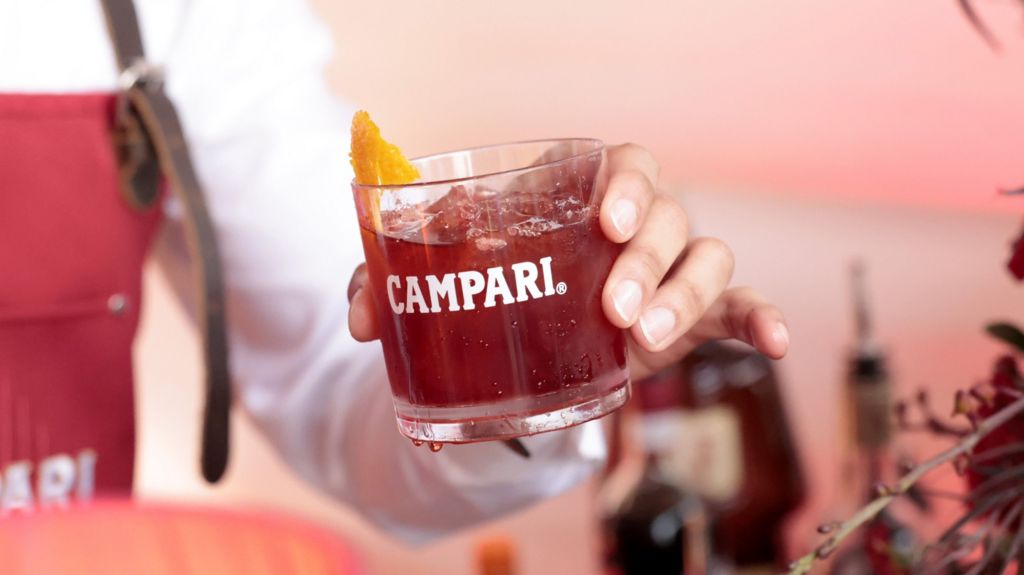
Police seize €1.3bn from Campari owner over alleged tax evasion
Italian authorities have seized shares worth €1.3 billion (£1.1 billion; $1.5 billion) from Luxembourg-based Lagfin, the controlling entity of the Campari Group, as part of an ongoing investigation into alleged tax evasion. The confiscation follows a year-long probe into the company’s financial activities, particularly its absorption of its Italian subsidiary. Prosecutors allege that Lagfin failed to pay taxes equivalent to the value of the seized shares during the merger process. Campari, the renowned producer of spirits such as Aperol, Grand Marnier, and Courvoisier, has stated that neither the company nor its subsidiaries are involved in the case. However, Campari’s chairman, Luca Garavoglia, is reportedly under investigation. Lagfin, which holds over 50% of Campari’s shares and 80% of its voting rights, has maintained that it has always adhered to tax obligations across all jurisdictions. The investigation, initiated by Milan prosecutors last year, uncovered €5.3 billion in undeclared capital gains between 2018 and 2020, on which the company allegedly failed to pay an ‘exit tax’—a levy imposed on firms relocating their headquarters abroad. Italian financial newspaper Il Sole 24 Ore also reported accusations that Lagfin transferred Italian assets to foreign ownership solely for tax benefits. Garavoglia, a billionaire who inherited Campari from his late mother, and Giovanni Berto, head of Campari’s Italian branch, are both implicated in the case. Campari, one of the world’s largest spirits producers, is valued at approximately €7 billion on the Milan Stock Exchange. The company traces its origins to 1860, when Gaspare Campari’s homemade bitter liqueur gained popularity at his Milan bar. By 1904, the family began commercial production, and from the 1990s, the firm expanded by acquiring other alcohol brands.
-
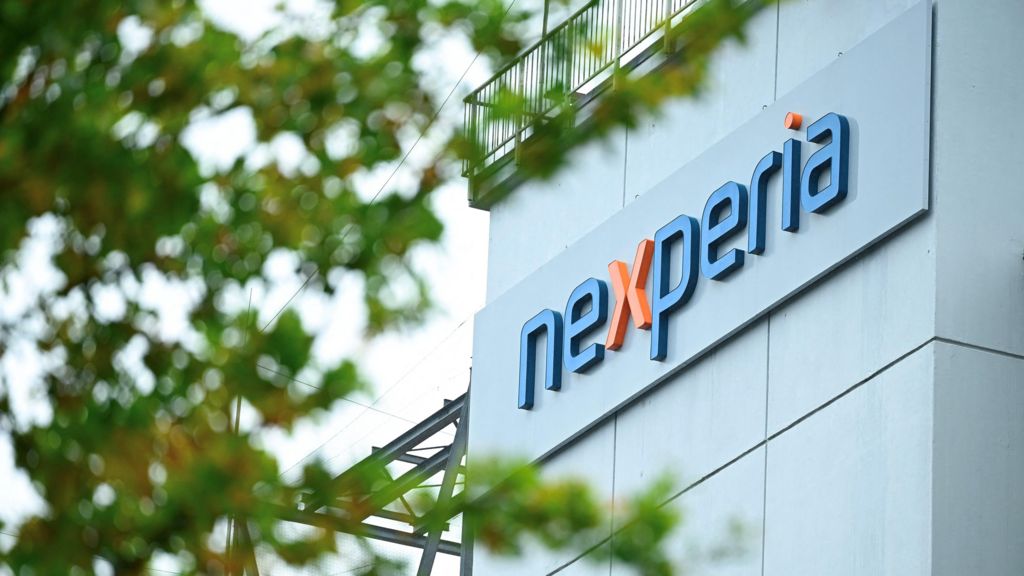
China to loosen chip export ban to Europe after Netherlands row
In a significant policy shift, China has announced plans to relax its ban on chip exports, a measure initially imposed in response to the Netherlands’ takeover of Nexperia, a Chinese-owned semiconductor manufacturer based in the Netherlands. The Dutch government invoked a Cold War-era law in September to seize control of the company, citing ‘serious governance shortcomings’ and concerns over chip availability during emergencies. This move prompted China to halt the re-export of completed Nexperia chips to Europe, sparking alarm among automotive manufacturers, who rely heavily on these components. Approximately 70% of chips produced in the Netherlands are sent to China for final processing before being re-exported globally. In a statement released on Saturday, China indicated it would ‘comprehensively consider the actual situation of enterprises and grant exemptions to exports that meet the criteria,’ though specific details remain unclear. Beijing also criticized the Dutch government for ‘improper interference in the internal affairs of enterprises,’ attributing the disruption of global supply chains to these actions. Nexperia, now under Dutch control, has informed customers it will cease sending chips to China for processing, according to a recent letter obtained by Reuters. The European Automobile Manufacturers’ Association (ACEA) had previously warned that Nexperia chip supplies would dwindle within weeks unless the Chinese ban was lifted, potentially halting vehicle production. The decision to ease export controls follows a meeting between US President Donald Trump and Chinese President Xi Jinping in South Korea, where semiconductor trade was reportedly discussed. The White House is expected to release a fact sheet detailing a new trade agreement with China, including the resumption of Nexperia exports. This development comes amid broader geopolitical tensions, including the US government’s 2024 decision to place Chinese chipmaker Wingtech on its ‘entity list’ over national security concerns. In the UK, Nexperia was compelled to sell its Newport silicon chip plant due to similar security apprehensions, though it retains a facility in Stockport.
-

A Vermont cycling apparel company is trying to survive Trump’s tariffs. Will the Supreme Court help?
In Burlington, Vermont, Terry Precision Cycling, a company specializing in women’s cycling gear, finds itself at the heart of a legal battle with far-reaching implications. President Donald Trump’s sweeping tariffs, first announced in April, have placed immense financial strain on small businesses like Terry Precision Cycling. The company, which has navigated thin profit margins and pandemic-era challenges over its 40-year history, now faces existential threats due to the increased costs of imported materials.
-

Businesses are running out of pennies in the US
The discontinuation of the US penny has created a ripple effect across businesses, leaving many struggling to manage cash transactions. Earlier this year, the Trump administration halted the production of the one-cent coin, citing excessive costs and inefficiency. Since the US Mint officially ceased minting pennies in May, the shortage has intensified, with banks unable to replenish their supplies. This has forced retailers to adopt creative solutions, such as rounding cash transactions to the nearest five cents. However, this practice has sparked confusion and financial strain, particularly for businesses reliant on cash payments. Dylan Jeon, senior director of government relations at the National Retail Federation, highlighted the widespread impact, noting that the shortage affects any business handling cash. Convenience stores, in particular, have been hit hard, with industry giant Kwik Trip estimating losses of up to $3 million this year due to rounding down transactions. While some cities mandate exact change, many retailers are opting to round down to avoid legal disputes and customer dissatisfaction. Mark Weller, executive director of Americans for Common Cents, emphasized the disproportionate effect on lower-income Americans who rely on cash transactions. He argued that the savings from discontinuing penny production may be offset by the increased demand for nickels, which are more expensive to produce. As the shortage persists, calls for federal guidance on rounding practices and transaction management have grown louder. Despite the challenges, pennies remain in circulation, often forgotten in pockets or stored in jars, leaving businesses and consumers alike navigating an uncertain financial landscape.
-

Is it time for crypto enthusiasts to be hopeful again?
After years of volatility and uncertainty, cryptocurrency enthusiasts are beginning to see signs of optimism in the market. With easing trade tensions between the US and China, increased regulatory clarity, and a supportive stance from the US government, the crypto landscape appears to be shifting toward a more favorable environment. The recent flash crash that wiped out $19 billion seems to have been overshadowed by these developments, sparking renewed hope among investors.
-
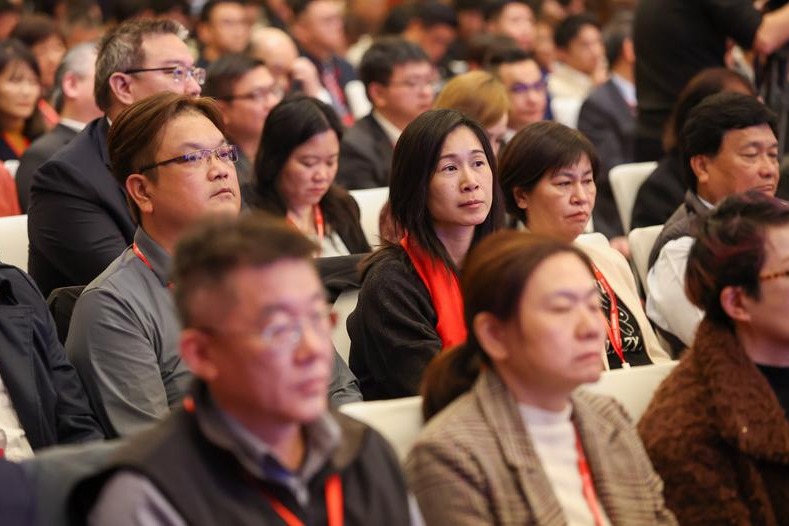
Officials from mainland and Taiwan pledge economic and trade cooperation
Officials from the Chinese mainland and representatives from Taiwan have reaffirmed their commitment to enhancing cross-Strait economic, cultural, and people-to-people exchanges, as well as deepening integrated development. This pledge was made during the closing ceremony of the four-day Tianjin-Taiwan Investment and Trade Fair, held in Tianjin. Since its inception in 2008, the fair has successfully facilitated over 350 projects, attracting intended investments totaling approximately 123.8 billion yuan ($17.2 billion). This year, 32 new projects with Taiwanese investment were established in Tianjin, with a total contractual investment of $31.78 million (230 million yuan), underscoring the robust vitality and vast potential of Tianjin-Taiwan economic and trade cooperation. Themed ‘Integrating for New Development, Creating a Shared Future,’ this year’s event focused on exploring cooperation in sectors such as medical and health care, the yacht economy, and catering and processing. Song Tao, head of both the Taiwan Work Office of the Communist Party of China Central Committee and the Taiwan Affairs Office of the State Council, emphasized the principle that the two sides of the Strait are one family, actively promoting cross-Strait economic and cultural exchanges and cooperation. Zhang Gong, deputy secretary of the Communist Party of China Tianjin Municipal Committee and mayor of Tianjin, extended a warm welcome to young people from Taiwan to pursue their dreams in the city. Before the opening ceremony, Song met with Hsiao Hsu-tsen, vice-chairman-designate of the Chinese Kuomintang party, and his delegation in Tianjin. Hsiao praised Tianjin for its unique charm, profound historical and cultural heritage, and spirit of inclusiveness, openness, and innovation. He encouraged young people from Taiwan to visit the Chinese mainland more often, emphasizing that the future of the Chinese nation depends on the cooperation and shared prosperity of the youth on both sides of the Strait.
-
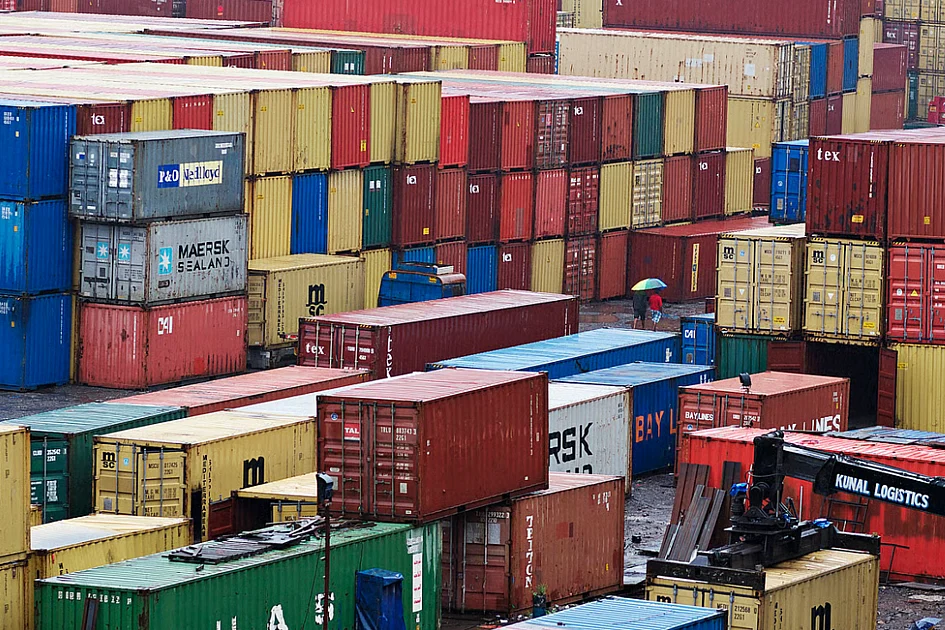
Dubai’s DP World to invest $5 billion in India’s logistics, port infrastructure
In a landmark announcement at India Maritime Week 2025 in Mumbai, Dubai-based global logistics giant DP World unveiled plans to invest $5 billion in India’s logistics and port infrastructure. This significant commitment builds on the company’s three-decade-long partnership with India, during which it has already invested $3 billion. The new funding aims to enhance supply chain efficiency, strengthen multimodal connectivity, and bolster both export and domestic trade capabilities. The announcement was made in the presence of Sarbananda Sonowal, India’s Minister of Ports, Shipping and Waterways, alongside the signing of five strategic Memorandums of Understanding (MoUs).
Sultan Ahmed bin Sulayem, Group Chairman and CEO of DP World, emphasized the company’s enduring commitment to India’s growth. ‘DP World has been a part of India’s growth story for nearly three decades,’ he stated. ‘This investment and our new partnerships reaffirm our dedication to advancing India’s maritime and logistics industry, solidifying its position as a global trade leader.’ Bin Sulayem highlighted the alignment of DP World’s initiatives with India’s national programs, including PM Gati Shakti, Sagarmala, and the Maritime Amrit Kaal Vision 2047, which aim to create a connected, self-reliant India.
The five MoUs cover diverse areas such as green coastal shipping, shipbuilding and repair, skill development, and advanced freight mobility. Key collaborations include Unifeeder’s partnership with Sagarmala Finance Corporation Limited to promote eco-friendly coastal shipping, Cochin Shipyard Limited’s agreement with Drydocks World to expand ship repair facilities, and a tripartite MoU to enhance skill development in shipbuilding. Additionally, DP World will collaborate with Cochin Port Authority to upgrade the International Container Transshipment Terminal (ICTT) in Kochi and work with Deendayal Port Authority and Nevomo to install a 750-meter MagRail Booster pilot track, a step toward automated, low-emission port operations.
With a network spanning over 200 locations in India and supporting more than 24,000 direct and indirect jobs, DP World’s latest investment is poised to significantly boost India’s maritime capabilities and create thousands of new employment opportunities.
-

Regulator strengthens IP protection in Greater Bay Area
In a significant move to enhance intellectual property (IP) protection, China’s National Intellectual Property Administration (CNIPA) has intensified its efforts in the Guangdong-Hong Kong-Macao Greater Bay Area (GBA). This initiative aims to foster high-quality regional development by optimizing public services and supporting innovation across key industries such as high-end equipment manufacturing, new energy, and next-generation information technology. Heng Fuguang, CNIPA’s spokesperson, announced these developments at a recent press conference, highlighting the establishment of six national-level IP protection centers, eight rapid IP protection stations, and six platforms to assist entities in resolving overseas IP disputes. A priority examination channel has also been implemented, expediting the review of 16,000 patents in the first half of 2025. Additionally, the GBA has seen the formation of an IP mediation center, with over 60 mediators from Hong Kong and Macao successfully resolving more than 1,700 disputes. To cultivate IP talent and support high-level international cooperation, CNIPA has partnered with Peking University to establish an international IP academy and collaborated with the Ministry of Justice to train lawyers specializing in foreign-related matters. Internship opportunities for Hong Kong patent examiners and technical training for Macao IP officials have also been provided. As of June 2025, the GBA boasts 817,000 valid invention patents and over 8.52 million registered trademarks, accounting for one-sixth of the national total. The Hong Kong-Guangzhou-Shenzhen innovation cluster, ranked first globally in the 2025 Global Innovation Index, underscores the region’s growing prominence in the global innovation landscape.
-
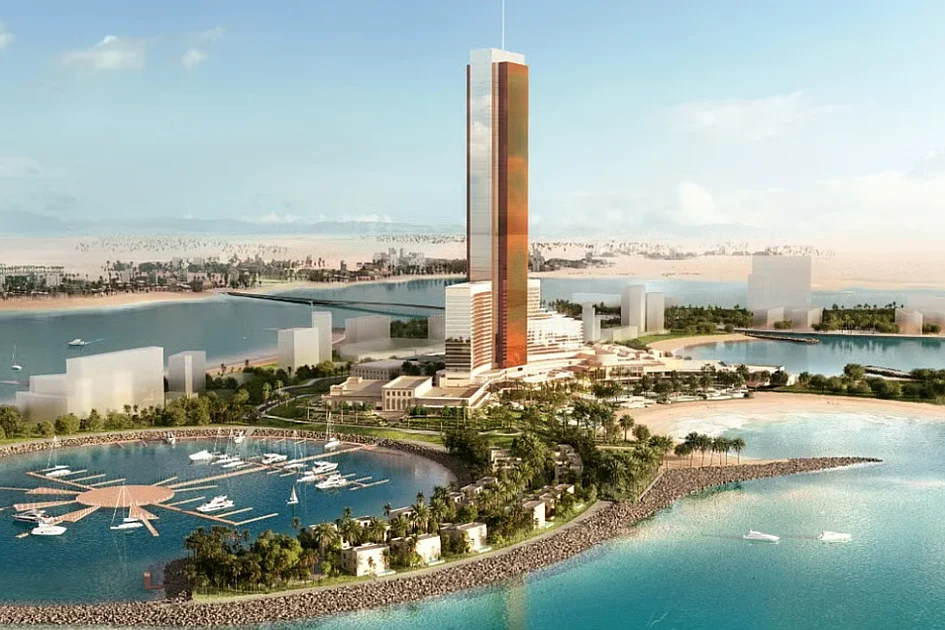
UAE: RAK’s Wynn expected to create bigger tourism boom than Macau, Singapore
Ras Al Khaimah (RAK), one of the UAE’s seven emirates, is poised to witness an unprecedented tourism boom with the launch of the Wynn Al Marjan Island Resort in 2027. According to Tariq Bsharat, Chief Strategy and Business Development Officer at Marjan Island’s top management, the project is expected to drive a 65% surge in visitor numbers in its first year, surpassing the growth rates seen in Macau and Singapore during their integrated resort launches. By 2030, RAK is projected to welcome over 5.5 million visitors annually, accounting for nearly 10% of all international tourists to the UAE. The resort’s impact will extend beyond tourism, catalyzing growth in real estate, retail, hospitality, and food & beverage sectors. Studies by Colliers and EY predict that the emirate’s population will grow from 400,000 to over 600,000 by 2030, necessitating new housing and infrastructure. Real estate prices in RAK have already surged since the project’s announcement in 2022, with off-plan apartment rates nearly tripling and villa prices rising by 92%. Bsharat emphasized that the Wynn project will not only attract visitors but also spur significant investment in hospitality and residential developments. Drawing parallels with Wynn’s successes in Macau and Singapore, Bsharat highlighted that RAK’s case is unique, as it represents the first Wynn resort in a burgeoning destination. The project is expected to position RAK as a global tourism and leisure hub, reshaping its economic and social landscape.