分类: business

  • Dubai real estate posts strongest year on record as market shifts toward sustainable growth

    Dubai real estate posts strongest year on record as market shifts toward sustainable growth

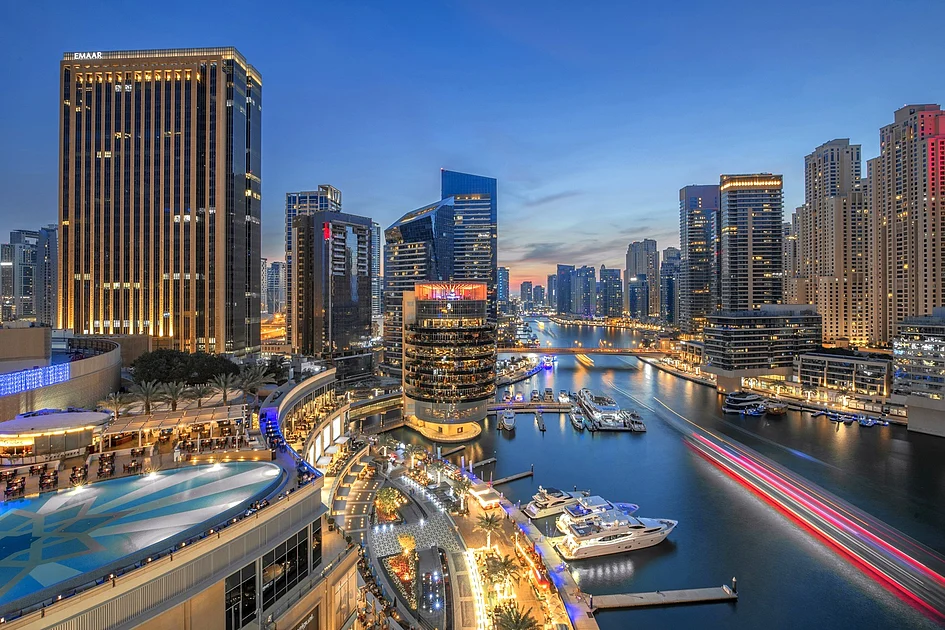
    Dubai’s property market achieved unprecedented milestones in 2025, registering a historic Dh546.8 billion in residential sales across 202,349 transactions according to Engel & Völkers Middle East’s Annual Market Report. This remarkable performance not only broke previous records but also signaled a fundamental transformation in market dynamics toward sustainable, fundamentals-driven growth.

    The market’s extraordinary expansion was characterized by broadening demand across all property segments and locations. Apartments continued to dominate transaction volumes, comprising 83% of all deals with 167,841 transactions valued at Dh328.5 billion – representing a 31.8% increase from 2024. This growth was fueled by robust off-plan activity alongside sustained demand in established communities, reflecting confidence in Dubai’s ongoing development pipeline.

    Off-plan sales emerged as a particularly significant driver, accounting for 64.8% of all residential transactions. This trend highlighted both persistent investor appetite and constrained availability of ready properties in the secondary market. Engel & Völkers emphasized that secondary market activity remained limited by supply constraints rather than weak demand.

    The villa segment demonstrated substantial growth with total sales value reaching Dh141.2 billion, a 30.5% year-on-year increase. Demand proved especially strong in the Dh4 million to Dh8 million price bracket, with families and long-term investors increasingly committing to new master-planned communities beyond traditional prime neighborhoods.

    Townhouses achieved record transaction volumes with 22,904 deals, increasing 4.6% from 2024, while sales value climbed to Dh74.4 billion. This performance underscored sustained demand for family-oriented housing options amid Dubai’s growing population and evolving lifestyle preferences.

    Dubai’s luxury property market remained exceptionally strong with 6,765 transactions exceeding Dh10 million. Palm Jumeirah maintained its leadership in the ultra-prime segment, while Jumeirah and La Mer consolidated their positions as key luxury hubs. The year witnessed several landmark transactions, including a Dh550 million off-plan penthouse at Bugatti Residences in Business Bay and a Dh425 million villa sale in Emirates Hills.

    Industry executives attributed Dubai’s market success to fundamental strengths including political stability, competitive tax environment, world-class infrastructure, and clear long-term vision. According to Daniel Hadi, Chief Executive of Engel & Völkers Middle East, 2025 represented a defining year that demonstrated both exceptional scale and evolving market maturity.

    Looking forward to 2026, market analysts anticipate a more selective phase characterized by consolidation and differentiated performance across segments. The overall outlook remains positive with expectations of stability, depth, and continued opportunity as growth becomes increasingly driven by sustainable fundamentals rather than transient momentum.
  • Sharjah Islamic Bank proposes 20% cash dividend as it posts net profit of Dh1.3 billion for 2025

    Sharjah Islamic Bank proposes 20% cash dividend as it posts net profit of Dh1.3 billion for 2025

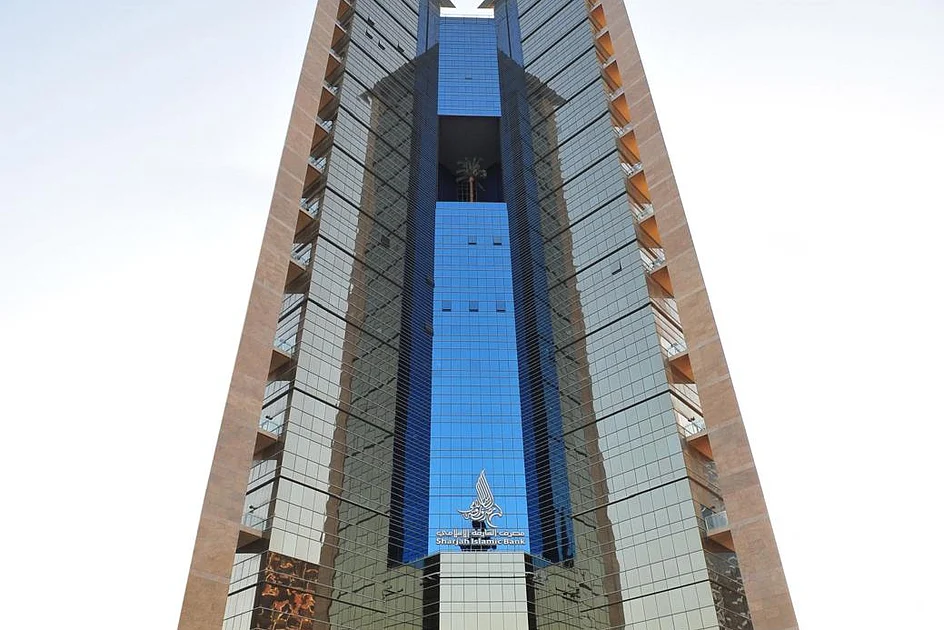
    Sharjah Islamic Bank has demonstrated remarkable financial resilience by announcing a net profit of Dh1.32 billion for fiscal year 2025, representing a substantial 26% increase from the previous year’s Dh1.05 billion. This outstanding performance has prompted the Board of Directors to recommend a generous 20% cash dividend distribution, significantly higher than the 15% payout in 2024, pending shareholder approval at the upcoming General Assembly.

    The bank’s financial expansion was particularly evident in its asset growth, with total assets surging by 14% to reach Dh90.3 billion, compared to Dh79.2 billion at the close of 2024. This robust growth was primarily fueled by a notable 19.6% increase in customer financing, which climbed to Dh45.6 billion from Dh38.1 billion in the preceding year.

    Revenue streams showed impressive diversification as income from Islamic financing investments and sukuk grew by 4.7% to approximately Dh3.9 billion. Meanwhile, net fees and commission income experienced exceptional growth, skyrocketing by 50% to reach Dh598.8 million. This contributed significantly to the bank’s total operating income, which expanded by 14% year-on-year to approximately Dh2.5 billion.

    Despite strategic investments in human capital development and technological infrastructure that pushed general and administrative expenses to Dh897.5 million (a 15.2% increase), the bank maintained strong operational efficiency. Operating income before impairment provisions grew by 13.3% to Dh1.6 billion, underscoring effective cost management practices.

    The institution’s risk management framework yielded substantial improvements, with net impairment on financial assets remaining stable at Dh217.0 million. Notably, the non-performing financing ratio decreased significantly to 3.8% from 4.9%, while the coverage ratio strengthened to 109% from 99.5%, reflecting enhanced portfolio quality.

    Customer deposits reached Dh55.7 billion, resulting in a healthy financing-to-deposit ratio of 81.8%. The bank maintained strong liquidity buffers at 22.3% of total assets, amounting to Dh20.2 billion. Profitability metrics showed consistent improvement, with return on average assets reaching 1.55% and return on average equity climbing to 14.78%.

    In a strategic move to bolster future growth, the Board approved a proposal to increase the bank’s capital, subject to regulatory approvals. This initiative will enable existing shareholders to subscribe to new shares, strengthening the capital base while ensuring compliance with regulatory requirements and supporting sustainable long-term returns.

  • Trump sues JPMorgan for $5bn over account closure after Capitol riot

    Trump sues JPMorgan for $5bn over account closure after Capitol riot

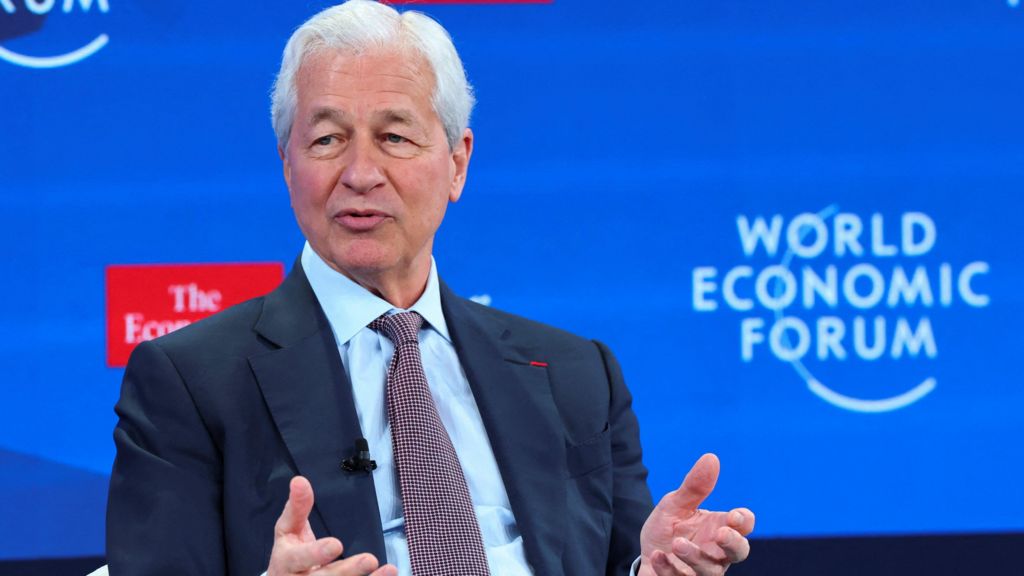
    Former President Donald Trump has initiated a $5 billion legal action against JPMorgan Chase, the United States’ largest financial institution, alleging the bank unlawfully terminated his accounts for politically motivated reasons. The lawsuit, filed in Florida, names both the corporation and its longstanding Chief Executive Jamie Dimon as defendants.

    The legal complaint asserts that JPMorgan Chase inflicted “considerable financial and reputational harm” upon Trump and his business enterprises when it abruptly discontinued their banking relationships in 2021. This action occurred shortly after the January 6th Capitol riot, during which Trump supporters violently disrupted the congressional certification of presidential election results.

    Trump’s legal team contends the account closures represented a “key indicator of a systemic, subversive industry practice that aims to coerce the public to shift and re-align their political views.” The filing specifically alleges the bank acted upon “unsubstantiated, ‘woke’ beliefs that it needed to distance itself from President Trump and his conservative political views.”

    Additionally, the lawsuit accuses JPMorgan of trade libel for allegedly placing Trump’s name and those of his associated businesses and family members on a shared “blacklist” identifying individuals with histories of “malfeasant” activity—a measure reportedly authorized personally by Dimon.

    JPMorgan Chase has vigorously denied these allegations, with a spokesperson stating “the suit has no merit” and emphasizing that “JPMC does not close accounts for political or religious reasons.” The bank clarified that account termination decisions stem from assessments of “legal or regulatory risk for the company,” citing existing “rules and regulatory expectations” that compel such actions.

    The financial institution expressed support for administrative efforts “to prevent the weaponisation of the banking sector” while noting it has petitioned multiple administrations to modify regulations that create these contentious situations.

    This legal confrontation represents the latest escalation in tensions between Trump and Dimon, who has recently criticized several administration policies including proposed credit card regulations, immigration approaches, and posturing toward the Federal Reserve.

    The lawsuit emerges amid broader regulatory scrutiny concerning ‘debanking’ practices. Last month, federal regulators identified nine major banks that had made “inappropriate distinctions” among customers based on business activities, particularly affecting sectors including oil and gas, private prisons, and adult entertainment.

  • Latest addition to Shiziyang Bridge constructions brings main tower above 300 meters

    Latest addition to Shiziyang Bridge constructions brings main tower above 300 meters

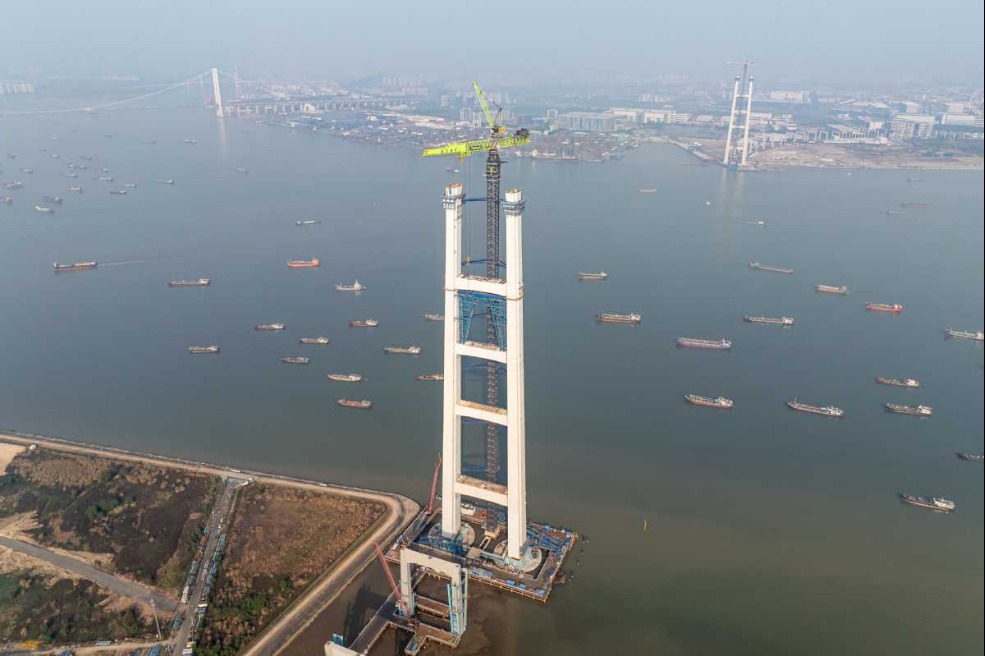
    In a significant advancement for regional connectivity, the primary tower of the Shiziyang Bridge has exceeded the 300-meter construction threshold following the successful installation of a critical bridge segment on Thursday. This engineering marvel forms an integral component of the Shiziyang Link initiative within the rapidly developing Guangdong-Hong Kong-Macao Greater Bay Area.

    Project engineers revealed exceptional precision in the construction process, with current alignment measurements registering minimal deviation of under 3 millimeters. According to Zhang Jian, deputy manager of the T8 section at CCCC Second Harbor Engineering, the structure requires only 40 additional meters to achieve its planned summit of 342 meters.

    Upon completion, the monumental tower spanning the Pearl River estuary will approximate the vertical scale of a 110-story skyscraper, as confirmed by the Guangdong Transportation Group. The engineering team employs an innovative assembly technique, constructing each tower leg from 62 massive steel shell segments manufactured to exacting specifications.

    Chief Engineer Zhang Taike provided additional timeline details, indicating the tower is projected to reach its full height around April, with catwalk construction scheduled to commence during the latter half of the year. This infrastructure project represents a critical transportation link designed to enhance economic integration throughout China’s most dynamic regional economic zone.

  • Sharjah property prices not ‘peaked’ yet, set to rise over 10% in 2026

    Sharjah property prices not ‘peaked’ yet, set to rise over 10% in 2026

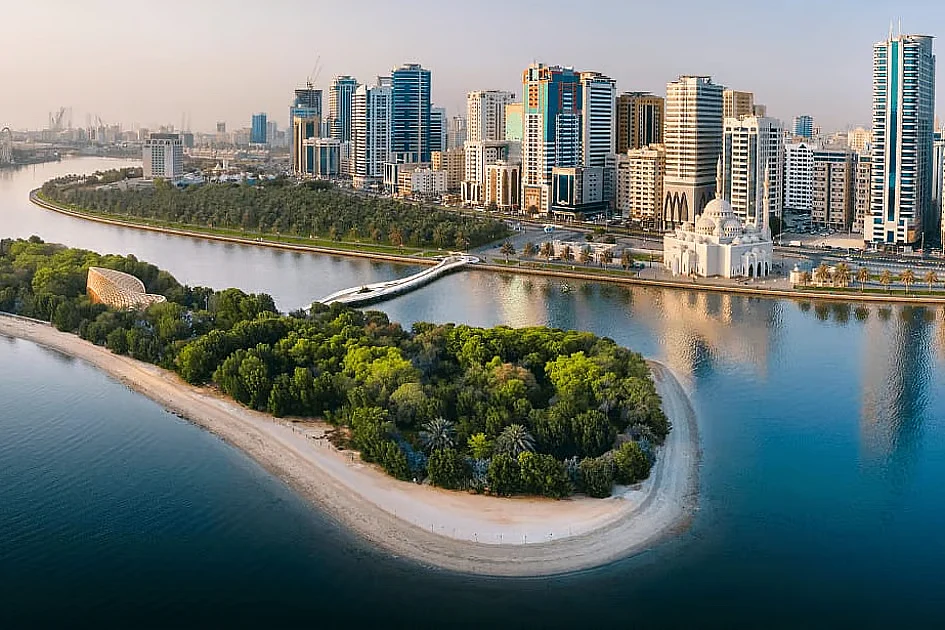
    Sharjah’s property market is poised for another year of significant growth, with industry executives projecting price increases exceeding 10% throughout 2026. This optimistic outlook emerged during the ACRES 2026 exhibition at Expo Centre, where market leaders identified multiple factors driving the emirate’s sustained real estate expansion.

    The recent legislative reform allowing all nationalities to invest in Sharjah’s real estate market has created unprecedented momentum. Amer Al Zarooni, General Manager of Asas Real Estate Company, confirmed that 2025 delivered record transactions with property values appreciating between 10-12%. He anticipates similar performance this year, projecting approximately 10% capital appreciation driven by dramatically increased foreign investor participation.

    Market stability remains a key differentiator for Sharjah. Unlike more volatile markets, Sharjah’s growth pattern demonstrates logical, steady progression rather than wild fluctuations. Lamia Al Jewaied, Head of Studies and Research Bureau at Sharjah Real Estate Registration Department, emphasized that property prices haven’t yet peaked, indicating continued strong returns for investors.

    Multiple structural advantages support this growth trajectory. The emirate’s central geographic location, family-oriented environment, and inclusive investment policies create a compelling market foundation. Government support through facilitative regulations and project encouragement further strengthens real estate company performance, according to Ali Mohammed Mousa, CEO of North Coast Real Estate.

    Specific market segments show particularly strong momentum. Raymond Khouzami, Vice Chairman of Al Thuriah Group, noted waterfront properties experiencing heightened demand with 2025 price increases reaching 20% in some cases. Construction material costs contributed to these increases, though high demand remains the primary driver.

    The convergence of demographic growth, tourism expansion, and supportive government policies creates ideal conditions for sustained market development. Noreen Nasralla, Senior Vice President for Marketing Strategy and Branding at Alef Group, highlighted market stability as a central government focus that will continue attracting both residents and investors throughout the coming year.

  • Indian expats in UAE upset over IndiGo’s plan to halt lone Dubai–Bhubaneswar flight

    Indian expats in UAE upset over IndiGo’s plan to halt lone Dubai–Bhubaneswar flight

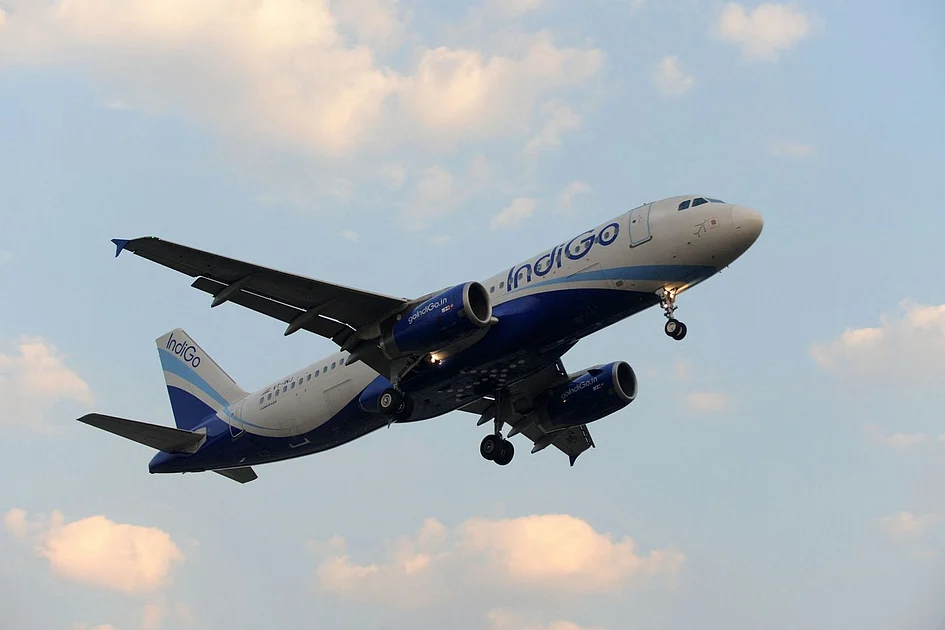
    The Odia expatriate community in the United Arab Emirates has voiced significant distress over IndiGo Airlines’ apparent decision to terminate its exclusive direct flight connection between Dubai and Bhubaneswar. This strategic aviation link, operating tri-weekly on Mondays, Wednesdays, and Fridays, represents the only non-stop service bridging the Gulf region with the capital of Odisha in eastern India.

    Current booking data on IndiGo’s digital platforms indicates the suspension will take effect in late March, with no reservations being accepted beyond this period. This development has generated considerable anxiety among frequent travelers, families maintaining transnational connections, and business professionals who rely on this direct routing.

    The Dubai-Bhubaneswar route, inaugurated with considerable ceremony in May 2023 after nearly a decade of community advocacy, has evolved into a vital transportation artery. It dramatically reduces travel duration between the regions while eliminating the necessity for multiple transfers through other Indian aviation hubs.

    Amiya Kumar Mishra, President of Odisha Samaj UAE, characterized the potential discontinuation as profoundly disappointing. “The launch culminated seven to eight years of persistent effort and represented a monumental achievement for our diaspora,” Mishra stated. “Its termination would adversely impact families, professionals, and commercial enterprises simultaneously.”

    Contrary to the airline’s apparent rationale, passengers report consistently high demand for the service. Dubai-based media professional Sudhashisee Dash, who recently traveled on the route, confirmed the flight operated at full capacity—a pattern she described as typical. This robust passenger load appears inconsistent with the commercial justification for route termination.

    The suspension follows the recent discontinuation of the Abu Dhabi-Bhubaneswar service last month, compounding connectivity challenges for the Odia community across the UAE. Collectively, these developments have severed direct air links between Odisha and two major Emirates.

    The issue has transcended community concerns to attract political attention within Odisha. The opposition Biju Janata Dal (BJD) has formally urged state government intervention to protect international connectivity, while Odisha Samaj UAE has petitioned the state’s Chief Secretary for immediate action to preserve this critical aviation link.

  • TEPCO shuts down just-restarted nuclear plant

    TEPCO shuts down just-restarted nuclear plant

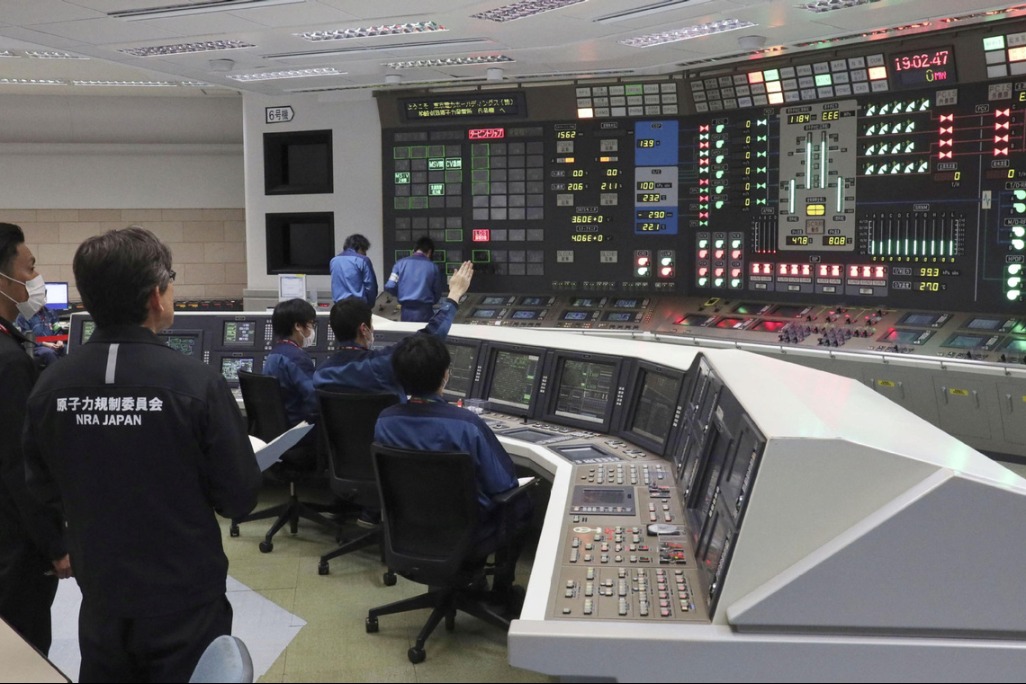
    Tokyo Electric Power Company (TEPCO) has initiated an emergency shutdown of the recently recommissioned Unit 6 reactor at its Kashiwazaki-Kariwa nuclear facility in Japan’s Niigata Prefecture. The unexpected closure occurred on Thursday, merely days after the reactor resumed operations, following the activation of a critical safety alarm system.

    The shutdown represents a significant setback for Japan’s nuclear energy revival efforts and raises fresh concerns about operational safety protocols at TEPCO facilities. The Kashiwazaki-Kariwa plant, recognized as one of the world’s largest nuclear power stations, had been undergoing gradual reactivation following extensive safety upgrades implemented after the 2011 Fukushima Daiichi nuclear disaster.

    While specific details regarding the nature of the alarm remain undisclosed, TEPCO officials confirmed the automatic safety systems functioned as designed, promptly initiating the shutdown sequence. The company has launched a comprehensive investigation to determine the root cause of the alarm activation and assess whether any technical malfunctions or system anomalies triggered the safety response.

    The incident occurs against the backdrop of Japan’s ongoing energy policy reevaluation, with the government seeking to balance nuclear power integration with stringent safety requirements. This development is particularly notable given TEPCO’s historical challenges in maintaining public trust following the Fukushima catastrophe, which necessitated a complete overhaul of the utility’s safety culture and operational procedures.

    Energy market analysts suggest the shutdown may temporarily affect regional power supply stability and could influence broader discussions about Japan’s energy security strategy. The situation continues to develop as TEPCO engineers work to diagnose the issue and establish a timeline for potential reactor restart, pending regulatory approval.

  • Colombia imposes tariffs and halts energy sales to Ecuador as trade feud escalates

    Colombia imposes tariffs and halts energy sales to Ecuador as trade feud escalates

    In a significant escalation of cross-border tensions, Colombia has declared immediate economic countermeasures against Ecuador, implementing a 30% tariff on select Ecuadorian imports and suspending all electricity exports to its neighbor. This decisive action comes as a direct response to Ecuador’s previous imposition of similar trade barriers, marking a rapid deterioration in bilateral relations between the two Andean nations.

    The trade dispute originated from Ecuadorian President Daniel Noboa’s public statements highlighting an $852 million trade deficit with Colombia and expressing concerns about inadequate security cooperation along their shared border—a region notorious for criminal organizations and international drug trafficking operations.

    Colombian authorities expressed astonishment at Ecuador’s unilateral trade measures, emphasizing that bilateral cooperation continues through established joint mechanisms including military and anti-narcotics operations. Official trade data reveals a substantial imbalance: from January to November 2024, Ecuador exported $760 million worth of goods to Colombia while importing $1.8 billion in Colombian products.

    Colombia’s new tariff structure affects 20 specific Ecuadorian products representing approximately $250 million in annual trade. Commerce Minister Diana Marcela Morales characterized the measures as temporary while reaffirming Colombia’s commitment to seeking diplomatic resolution through negotiation.

    Simultaneously, Colombia’s Ministry of Mines and Energy announced an indefinite suspension of electricity exports to Ecuador, framing the decision as a necessary precaution to protect national energy security. Energy Minister Edwin Palma condemned Ecuador’s initial tariffs as “economic aggression” while highlighting Colombia’s previous energy assistance—during Ecuador’s severe power crisis in late 2024, Colombia supplied roughly 90% of its exportable capacity (approximately 450 megawatts) to stabilize Ecuador’s grid.

    Business communities in both nations have expressed grave concerns about immediate economic consequences. Oliva Diazgranados, executive director of the Colombian-Ecuadorian Chamber of Commerce, reported widespread alarm among member companies regarding potential impacts on corporate development, sales projections, and employment stability. Diazgranados noted that while businesses bear the immediate brunt, the underlying tensions stem primarily from security rather than trade issues.

  • China’s grain output hits new high in 2025

    China’s grain output hits new high in 2025

    China has achieved a remarkable agricultural milestone by setting a new national record for grain production during the 2025 harvest season, according to official data released by the Ministry of Agriculture and Rural Affairs on January 22, 2026.

    The comprehensive annual report reveals that total grain output reached approximately 714.9 million metric tons, representing an increase of 8.4 million tons compared to the previous year’s production levels. This achievement marks the second consecutive year that China has maintained grain production above the significant threshold of 700 million metric tons.

    This record harvest becomes particularly noteworthy given the substantial agricultural challenges faced throughout the growing season. Multiple regions across China experienced significant climate-related difficulties, including severe drought conditions, extensive flooding events, and unusually prolonged rainfall patterns that threatened crop viability in various agricultural zones.

    The sustained agricultural success demonstrates China’s strengthened resilience in food security management and advanced farming capabilities. Technological advancements in agricultural practices, improved irrigation systems, and enhanced crop management techniques have collectively contributed to overcoming environmental challenges while maintaining consistent production growth.

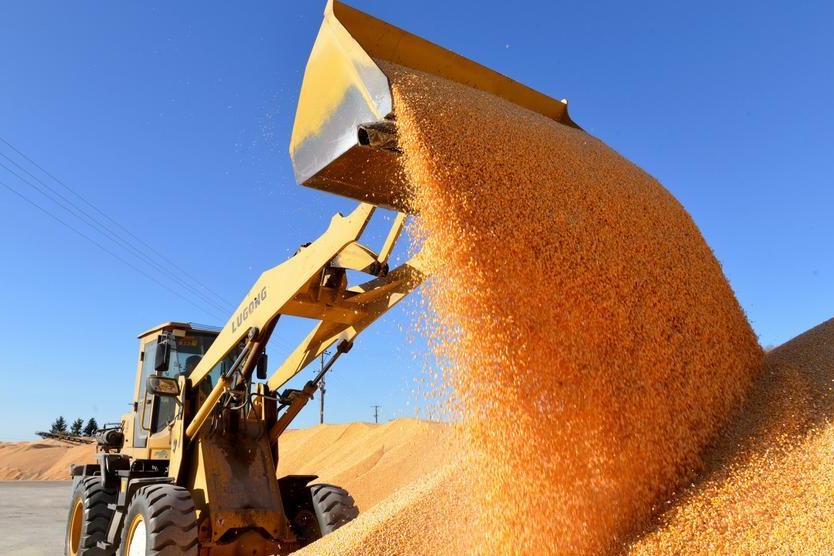
    Northeastern China’s Heilongjiang province, represented by the Beidahuang Group’s farming operations, exemplified the successful harvest efforts. Photographic documentation from October 23, 2025, shows agricultural professionals operating specialized equipment to manage and arrange dried corn kernels at processing facilities, highlighting the scale and modernization of China’s agricultural sector.

    This sustained production growth reinforces China’s strategic position in global food security and demonstrates the effectiveness of ongoing agricultural modernization initiatives despite increasing climate volatility challenges worldwide.

  • Chinese EVs, batteries gain world market share as Trump backs oil

    Chinese EVs, batteries gain world market share as Trump backs oil

    China has solidified its position as the undisputed leader in clean-energy supply chains, capturing approximately 70% of both the global electric vehicle and battery markets in 2025. This remarkable dominance comes as U.S. energy policy under former President Donald Trump continues to prioritize traditional oil and gas resources, creating a stark contrast in global energy strategies.

    According to the China New Energy Vehicle Industry Development White Paper (2026) jointly published by the Beijing-based Yiwei Institute of Economics (EVTank) and the China Battery Industry Research Institute, China accounted for 70.3% of global new-energy vehicle sales last year. Global sales reached 23.54 million units, representing a significant 29.1% year-on-year increase.

    The report reveals divergent trends across major markets. European EV sales surged 30.5% to 3.77 million units, while the United States experienced minimal growth at just 1.72%, reaching 1.60 million units. The U.S. market stagnation was largely attributed to expired federal tax credits, with monthly sales dropping to approximately 80,000 units in the final quarter of 2025 and market penetration remaining at 9.6%.

    China’s supremacy extends to the power-battery sector, where Chinese companies commanded 69.4% of global installations in the first eleven months of 2025. Data from South Korea’s SNE Research shows six Chinese firms ranking among the world’s top ten suppliers, with CATL leading at 38.2% market share, followed by BYD at 16.7%.

    This shifting balance has prompted experts like Dang Wang, a research fellow at Stanford University’s Hoover Institution, to argue that global energy and manufacturing dynamics are decisively tilting toward China. In a New York Times opinion piece titled “Trump Is Obsessed With Oil, But Chinese Batteries Will Soon Run the World,” Wang contends that China’s electrification strategy is fundamentally reshaping global competition.

    The geopolitical landscape continues to evolve as nations adopt different approaches to Chinese EV imports. While the U.S. maintains 100% tariffs and the EU has implemented anti-subsidy duties ranging from 17.4% to 38.1%, Canada recently reduced its tariffs to 6.1% and increased import quotas. The United Kingdom, post-Brexit, has never imposed additional tariffs on Chinese EVs.

    Market projections indicate sustained growth, with global new-energy vehicle sales expected to reach 28.5 million units in 2026 and 42.7 million by 2030, potentially exceeding 40% market penetration worldwide.