分类: business

  • Barclays predicts surge in GCC IPOs as UAE strengthens position as global listing hub

    Barclays predicts surge in GCC IPOs as UAE strengthens position as global listing hub

    Barclays projects significant growth in initial public offerings across the Gulf Cooperation Council region as the United Arab Emirates solidifies its position as a premier global listing destination. According to Nikita Turkin, Head of CEEMEA Equity Capital Markets at Barclays, favorable market conditions including declining global interest rates, subdued volatility, and receding inflation are creating an optimal environment for equity capital market activities.

    The GCC region has demonstrated remarkable resilience since its breakthrough year in 2022, maintaining substantial IPO momentum despite periodic market fluctuations. Turkin revealed that more than 50 companies are currently considering public offerings, characterizing this as “one of the strongest IPO pipelines globally.” This robust activity translated to IPOs constituting 45% of total ECM volumes in the previous year, with issuance reaching approximately $12 billion—comparable to 2023 levels.

    Barclays is reinforcing its regional presence through expanded research coverage, enhanced local sales teams, and securing a provisional operating license in Saudi Arabia. This strategic expansion builds upon the bank’s five-decade presence in the Gulf, reflecting long-term commitment to the region’s financial ecosystem.

    The UAE’s exchanges have emerged as particularly dynamic venues, with Turkin praising Dubai Financial Market and Abu Dhabi Securities Exchange for their “commercial and proactive” regulatory approach. He noted that UAE authorities demonstrate exceptional agility in updating regulations to meet market needs, often outperforming major European exchanges in responsiveness.

    This regulatory sophistication is transforming the UAE into a credible alternative to traditional international exchanges, with Turkin predicting that within ten years, companies from beyond the GCC will routinely choose UAE listings. Despite oil price concerns, investors remain focused on fundamental economic factors rather than crude volatility, with the UAE’s non-oil sectors now contributing 70-74% of GDP.

    The region demonstrates growing market maturity through increased utilization of sophisticated financial instruments including accelerated bookbuilds, fully marketed offerings, and rights issues. Cross-border listing activity continues to evolve, with most companies preferring local listings while maintaining flexibility between Saudi and UAE exchanges. For businesses with substantial US growth exposure, American listings remain relevant, but Gulf markets have now firmly established themselves on the global financial landscape.
  • UAE emerges as a global luxury retail powerhouse driven by tourism, neutrality and next‑gen wealth

    UAE emerges as a global luxury retail powerhouse driven by tourism, neutrality and next‑gen wealth

    The United Arab Emirates is solidifying its position as a premier global luxury retail destination, propelled by strategic geopolitical positioning, robust tourism infrastructure, and evolving consumer demographics. According to Deloitte Middle East experts Joerg Meiser and Devi Nilayangode, this transformation results from deliberate economic planning and adaptive retail strategies surpassing traditional luxury capitals.

    The nation’s diplomatic equilibrium serves as a foundational advantage, maintaining strong ties with both Western and Eastern economic powers. Trade data reveals substantial commercial engagement, with UAE-US trade reaching $47.9 billion in 2024 while UAE-China trade approached $95 billion in 2023. This balanced positioning creates a stable environment for luxury retailers operating within global supply chains.

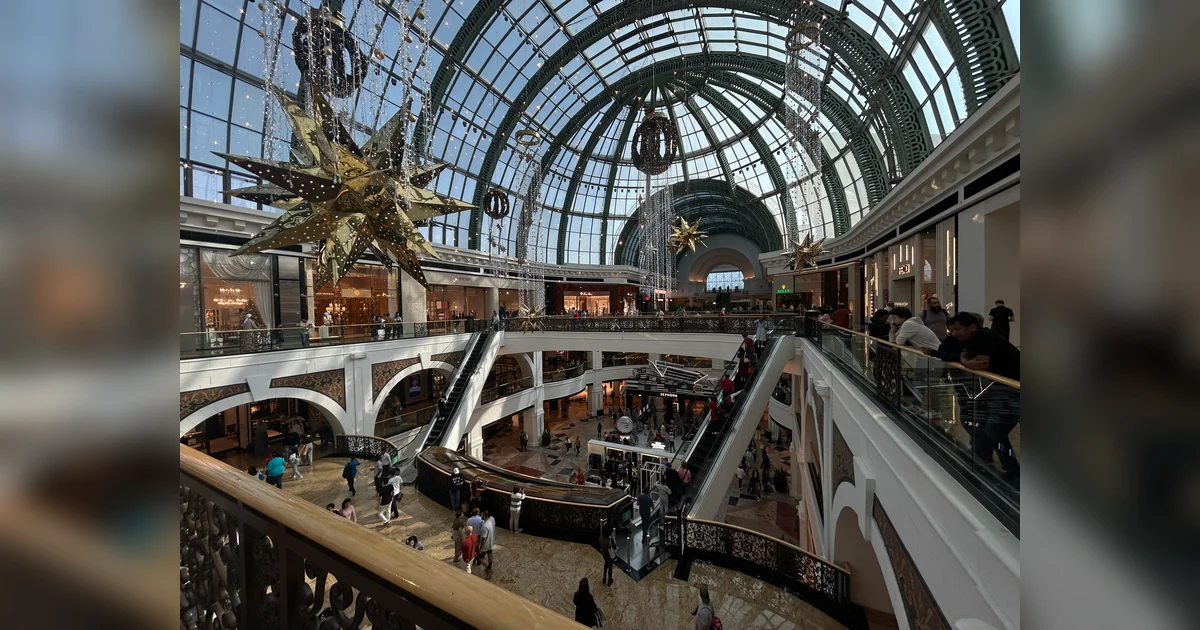
    Beyond geopolitics, the UAE has developed sophisticated retail infrastructure that transcends conventional shopping experiences. Dubai Mall’s Fashion Avenue ranks among the world’s top 15 most expensive retail locations, while tourism-driven retail spending accounts for over 40% of all visitor expenditures. The retail landscape extends beyond flagship destinations to include integrated experiences at Yas Mall, cultural waterfront dining at The Galleria, and emerging hubs in Sharjah and Al Ain.

    Regulatory advancements have further strengthened the sector’s credibility. The UAE’s removal from the FATF grey-list in early 2024 signaled enhanced financial governance, coinciding with the nation’s leading position in attracting high-net-worth individuals worldwide.

    Despite these advantages, the UAE continues developing cultural depth to match established luxury capitals. Unlike Paris and London’s centuries-old fashion institutions, the Emirates are consciously building cultural legitimacy through initiatives supporting immersive activations and high-value experiences.

    Capturing the lucrative Chinese luxury market represents a particular opportunity, requiring retailers to adopt digital-first engagement strategies and Mandarin-language services. Meanwhile, family enterprises that traditionally dominated Gulf retail must modernize governance structures and digital capabilities to remain competitive.

    The future luxury landscape will increasingly prioritize experiential consumption, wellness integration, and personalized omnichannel engagement. As global wealth transfers to younger generations valuing experiences over mere transactions, the UAE’s evolving ecosystem positions it as both a shopping destination and innovation launchpad for the luxury industry’s next chapter.

  • Dr. Sultan Ahmed Al Jaber tops 2026 ICIS top 40 power players

    Dr. Sultan Ahmed Al Jaber tops 2026 ICIS top 40 power players

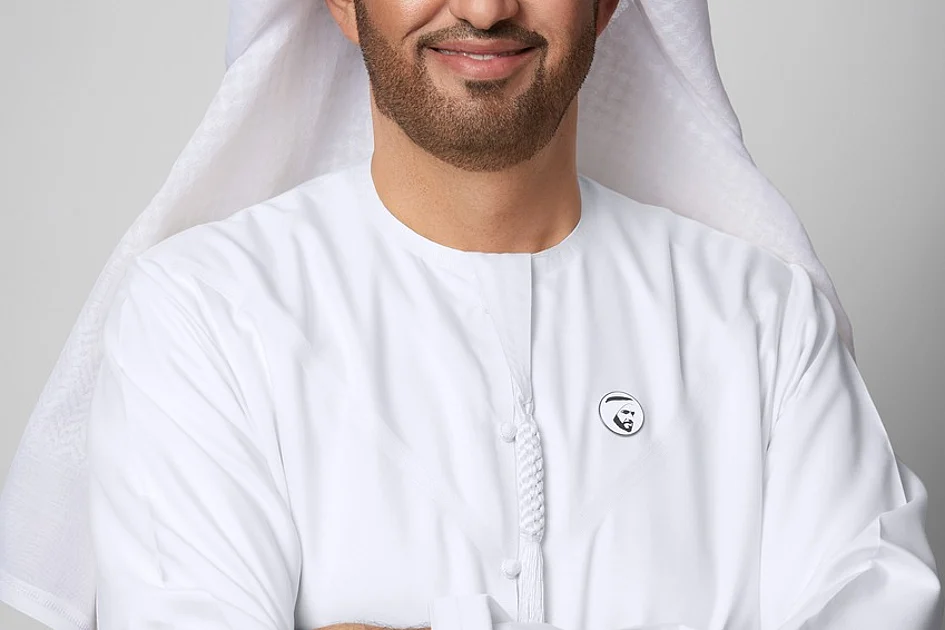
    Dr. Sultan Ahmed Al Jaber, UAE Minister of Industry and Advanced Technology and CEO of ADNOC, has secured the premier position in the 2026 ICIS Top 40 Power Players list, recognizing his exceptional leadership in shaping the global chemical industry. This prestigious ranking by Independent Commodity Intelligence Services (ICIS) Group highlights executives driving substantial positive impact within their organizations and across the international chemicals sector.

    The recognition follows Dr. Al Jaber’s previous accolade as ICIS CEO of the Year in 2025 and acknowledges his strategic vision in two landmark developments: the creation of Borouge Group International (BGI) and the successful acquisition of German polyurethanes producer Covestro through ADNOC’s investment vehicle, XRG.

    Industry analysts note that the forthcoming merger between Abu Dhabi-based Borouge, Austria’s Borealis, and Canada’s NOVA Chemicals will establish BGI as a dominant force in global polyolefins production. Joseph Chang, Global Editor of ICIS Chemical Business, emphasized that these strategic moves are fundamentally transforming the chemical industry landscape.

    With global chemical demand projected to grow by 70% by 2050, these consolidations position Abu Dhabi as a central hub in the chemicals value chain. XRG’s expansion strategy aims to establish the entity among the world’s top three chemical providers, significantly enhancing the UAE’s industrial capabilities.

    The ICIS selection process evaluates leaders across multiple criteria including project execution, profitability, shareholder value creation, mergers and acquisitions, innovation support, and implementation of environmental, social, and governance (ESG) standards. The global editorial team at ICIS assesses each candidate’s distinction and visionary approach to industry challenges and opportunities.

  • Holcim UAE joins IRENA’s alliance for industry decarbonisation

    Holcim UAE joins IRENA’s alliance for industry decarbonisation

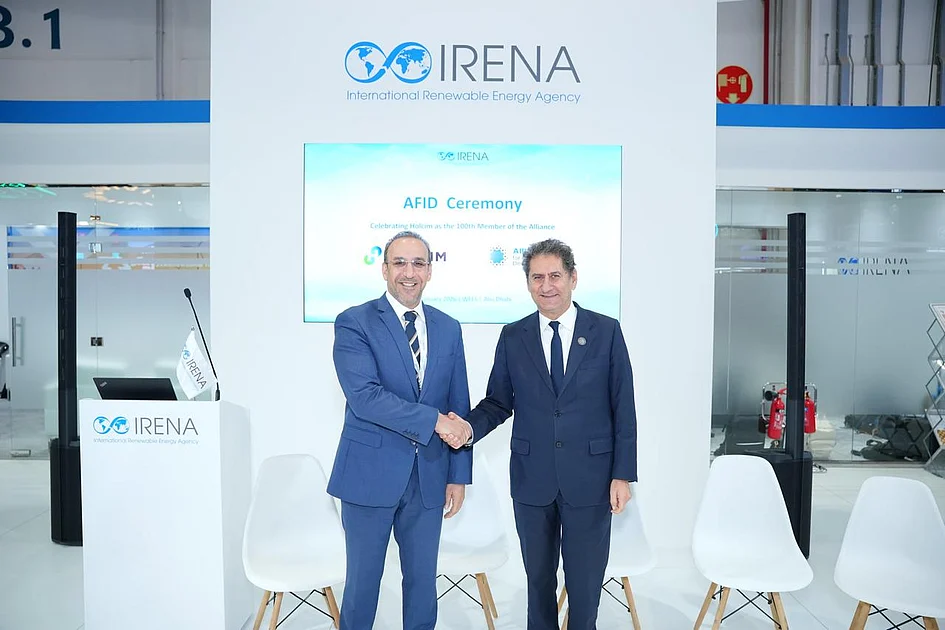
    In a significant move to accelerate industrial decarbonization, Holcim UAE has officially become a member of the Alliance for Industry Decarbonization (AFID), an initiative spearheaded by the International Renewable Energy Agency (IRENA). The membership was formalized during Abu Dhabi Sustainability Week in January 2026, marking a strategic evolution in the company’s sustainability journey from operational improvements to sector-wide leadership.

    The AFID coalition brings together governments, international organizations, and leading industrial players to implement transformative technologies and practices across hard-to-abate sectors. Holcim’s participation enables the company to contribute its substantial expertise in sustainable building materials and solutions to policy dialogues that will shape the future of industrial activity in the UAE and beyond.

    According to Ali Said, CEO of Holcim UAE and Oman, “Industry decarbonization requires practical action at scale, supported by the right policy direction. Joining AFID allows Holcim to engage at that intersection, bringing perspective shaped by practical experience to conversations that matter for the UAE’s low-carbon future.”

    The alliance focuses on multiple priority areas including renewable energy adoption, carbon capture utilization and storage, circular economy principles, green hydrogen development, human capital development, and climate-aligned finance. These initiatives align closely with Holcim’s long-term sustainability strategy, which integrates environmental considerations throughout its operations, investment decisions, and value chain partnerships.

    This collaboration represents a concerted effort to bridge the gap between industrial implementation and policy development, ensuring that regulatory frameworks and investment signals are informed by real-world industrial experience and practical decarbonization challenges.

  • Paolo Maldini adds his name to growing list of global celebrities setting up base in the UAE

    Paolo Maldini adds his name to growing list of global celebrities setting up base in the UAE

    Italian football legend Paolo Maldini has joined the growing roster of international celebrities establishing strategic investments in the United Arab Emirates, specifically aligning with Ras Al Khaimah’s rapidly expanding luxury hospitality sector. The AC Milan icon has partnered with RRS International Development for the launch of NH Collection Ras Al Khaimah Al Marjan Island Hotel & Apartments, a $100 million mixed-use development scheduled for completion in 2027.

    In an exclusive interview, Maldini revealed his attraction to the project stemmed from a personal introduction to RRS’s founders and their straightforward, founder-led methodology. ‘The approach felt genuinely serious—focused on destination development, hospitality concepts, and long-term asset growth without unnecessary pressure or theatricality,’ Maldini stated.

    The former defender emphasized Ras Al Khaimah’s unique appeal compared to other emirates, noting its ‘calmer rhythm, natural surroundings, and accessibility.’ He described the emirate as a place that ‘integrates seamlessly into real life rather than representing a complicated plan.’

    Market data substantiates Maldini’s investment rationale. Ras Al Khaimah’s real estate market demonstrated remarkable performance throughout 2025, achieving double-digit growth fueled by investor demand, luxury developments, and vigorous off-plan activity. Apartment sales prices escalated by 30.4%, while villa prices witnessed an extraordinary 41.9% increase.

    According to CBRE analytics, the emirate registered a 39% year-on-year surge in residential prices during Q1 2025, predominantly driven by branded and waterfront developments, particularly those situated on Al Marjan Island. This artificial archipelago has emerged as the epicenter of buyer demand, with average apartment prices climbing 21.3% to Dh1,328 per square foot in 2025.

    Maldini perceives Al Marjan Island as cultivating a distinctive identity rather than merely constructing a skyline, creating hospitality and leisure experiences designed to encourage repeat visits and sustain long-term value. Enhanced infrastructure, including significant road-capacity improvements between Dubai and Ras Al Khaimah expected to reduce travel time by 45%, further bolsters investor confidence.

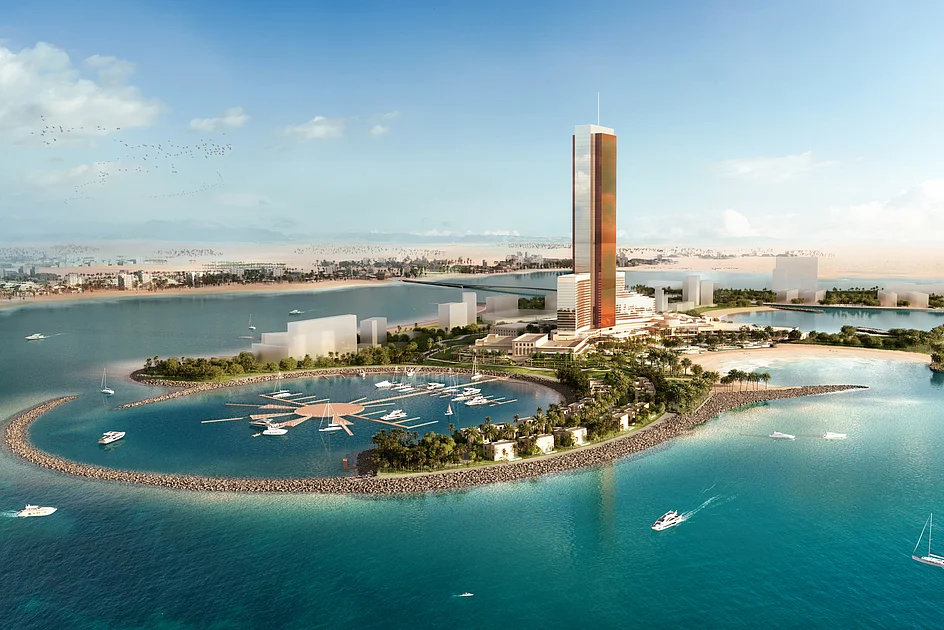
    The broader economic context provides additional momentum, with Ras Al Khaimah’s economy projected to maintain approximately 4% annual growth through 2027, supported by sustained tourism and real estate investment. The upcoming Wynn Al Marjan Island integrated resort development further reinforces these favorable conditions.

    Maldini articulated his investment philosophy, contrasting boutique luxury with mere extravagance: ‘Authentic luxury isn’t about quantity—it’s about quality. This project exemplifies curated design and a serene atmosphere rather than excessive opulence.’

    The developer’s decision to retain approximately 50% of the inventory signaled strong confidence in the asset’s long-term appreciation potential, a factor that significantly influenced Maldini’s participation.

    Beyond individual endorsement, market metrics paint a compelling picture. Ras Al Khaimah’s property transactions doubled to Dh15.08 billion in 2024, reflecting intensifying international investor interest. The market maintains competitive rental yields, with Al Marjan Island apartments delivering approximately 5.75% gross yields alongside annual capital appreciation of 15-20% in premium segments.

    Maldini summarized his cross-industry perspective: ‘In football, discipline creates longevity. In real estate, discipline creates value.’ With disciplined developers, increasing global attention, and an evolving luxury-hospitality ecosystem, Ras Al Khaimah—and particularly Al Marjan Island—appears positioned for its most robust investment cycle to date.

  • Ras Al Khaimah’s off‑plan real estate market is entering one of its most dynamic phases

    Ras Al Khaimah’s off‑plan real estate market is entering one of its most dynamic phases

    Ras Al Khaimah’s property sector is experiencing unprecedented transformation, with Al Marjan Island positioned as the epicenter of the emirate’s real estate renaissance. Market analytics reveal a remarkable 21% year-on-year surge in average price per square foot as of early 2026, signaling a fundamental restructuring of regional investment patterns.

    The catalytic force behind this economic acceleration is the rapidly progressing Wynn Al Marjan Island resort, a $5.1 billion integrated luxury destination scheduled for its 2027 inauguration. Construction milestones, including the recent topping out of the project’s tower, have generated substantial market confidence, creating what industry specialists term a “pre-opening squeeze” that continues to elevate prices while diminishing available inventory.

    This development surge coincides with Ras Al Khaimah’s record-breaking tourism performance, which welcomed 1.35 million overnight visitors in 2025. The growing hospitality investments are simultaneously reinforcing long-term residential demand, particularly within the off-plan segment that attracts both regional and international investors seeking early market positioning.

    Demonstrating this premium market trend, ELEVATE’s ultra-exclusive Sky Mansion at Mondrian Al Marjan Island Beach Residences recently transacted for Dh38 million shortly after the project’s groundbreaking ceremony. This record-setting sale of the development’s signature residence occurred within hours of its market release, establishing new benchmarks for luxury waterfront properties in the Northern Emirates.

    Concurrently, Source of Fate (SOF) has initiated construction on Miraggio, their flagship luxury waterfront development, following the achievement of Dh1 billion in sales with 50% of units secured through pre-construction bookings. This substantial investor commitment reflects growing confidence in Ras Al Khaimah’s premium real estate offerings.

    Further enhancing the island’s prestige, One Broker Group has been appointed exclusive sales partner for AARK Developers’ $1.4 billion Karl Lagerfeld-branded residential project. This fashion-house-integrated development, featuring over 600 sea-facing residences with direct beach access and proximity to the Wynn Resort, represents another strategic enhancement to Al Marjan Island’s luxury portfolio.

    Market analysts conclude that Ras Al Khaimah is undergoing a strategic transition from secondary market status to becoming a significant investment destination, where early participants stand to gain substantial advantages from continued price appreciation and rental yield growth ahead of the Wynn Resort’s operational debut.

  • First-of-its-kind pearl auction held utilizing Hainan FTP

    First-of-its-kind pearl auction held utilizing Hainan FTP

    In a groundbreaking event for luxury goods trading, Sanya’s Heren Gold and Jewelry Industry Park hosted the inaugural Tahitian black pearl auction leveraging Hainan Free Trade Port’s zero-tariff policy on January 24, 2026. This historic auction represents the first application of FTP’s preferential policies for high-end pearls, marking a significant milestone in China’s luxury market liberalization.

    The auction, held at the Yazhou Bay Science and Technology City, was strategically designed to demonstrate Hainan’s evolving role as a global jewelry trading hub. By implementing tariff-free policies specifically for premium pearls, the event showcased how the FTP is transforming the island’s economic landscape and consumer market dynamics.

    This initiative aligns with broader national efforts to position Hainan as a premier international tourism and consumption destination. The successful execution of this pearl auction establishes a new operational model for high-value goods transactions within the free trade port, potentially setting a precedent for other luxury commodities.

    Industry observers note that the event’s significance extends beyond immediate commercial transactions, representing a strategic test case for specialized luxury markets within China’s broader free trade ecosystem. The auction mechanism developed for these Tahitian black pearls could serve as a template for future high-end goods trading platforms throughout the region.

    The convergence of jewelry expertise, tariff innovation, and international market access demonstrates Hainan’s growing sophistication in global luxury trade networks. This development occurs against the backdrop of China’s continuing economic reform initiatives and its increasing integration with international luxury markets.

  • The blueprint of a coffee empire: Roasters grows from Jumeirah villa to world record holder

    The blueprint of a coffee empire: Roasters grows from Jumeirah villa to world record holder

    DUBAI – What began as a personal quest for coffee perfection in a Jumeirah villa has transformed into a record-breaking global brand that has redefined Dubai’s premium coffee culture. Roasters, co-founded by CEO Konstantin Harbuz and his wife, has evolved from a curiosity-driven project into a prestigious empire with 11 locations across the city.

    The journey started with a simple vision: create a space serving the world’s finest coffee. Their inaugural villa location featured pioneering elements including Dubai’s first coffee shop rooftop terrace, VIP rooms, and live roasting facilities. By 2021, overwhelming customer response—evidenced by consistent weekend queues—captured the attention of major developers Dubai Holding and Emaar, leading to simultaneous flagship openings at JBR and Dubai Mall.

    Behind the brand’s exceptional standards lies a deeply personal approach. The founders travel extensively to source rare beans from 24 coffee-producing countries, including exclusive Cup of Excellence winners. Operational excellence is maintained by over 300 employees, with quality assurance led by certified Q graders and a head roaster ensuring uncompromising standards across all locations.

    The Roasters differentiation strategy combines champion-level coffee consistency with strategic location planning. The company employs a data-driven approach analyzing demographics, customer mentality, and emerging trends in each district, adapting branches to neighborhood characteristics while maintaining core identity.

    In a landmark achievement, Roasters secured the Guinness World Record for the world’s most exclusive coffee experience through carefully sourcing limited coffee lots and navigating rigorous verification processes. The accomplishment generated extraordinary global exposure, with over 1,000 international media outlets covering the story within two weeks.

    Beyond premium beans, the brand has developed substantial culinary offerings including all-day dining, artisan bakery items, signature desserts, and recently introduced caviar and truffle menus that have gained remarkable popularity.

    The company’s expansion strategy includes four additional UAE locations in 2026 to strengthen GCC presence, followed by international expansion beginning with a Hong Kong flagship opening in April 2026. This marks the start of Roasters’ mission to share Dubai-born coffee excellence globally.

    Reflecting on the brand’s evolution, Harbuz emphasizes the profound fulfillment derived from serving over 750,000 guests in 2025 alone. Most earnings are reinvested into growth and personnel development, representing the founders’ commitment to giving back to Dubai by positioning the city as a true global coffee capital.

  • Future of travel: GCC’s mega airports to handle 500 million passengers annually

    Future of travel: GCC’s mega airports to handle 500 million passengers annually

    The Gulf Cooperation Council (GCC) is poised to revolutionize global aviation infrastructure with unprecedented investments exceeding $100 billion in airport development projects. These strategic initiatives will enable the region’s airports to accommodate over 500 million passengers annually within the next decade, fundamentally reshaping international travel patterns and economic dynamics.

    According to aviation experts and industry analysts, this transformation is driven by massive fleet expansions and cutting-edge technological implementations that will enhance route networks, operational efficiency, and passenger experiences. The development includes mega-hubs in Dubai and Riyadh alongside significant expansions of secondary airports in Abu Dhabi, Sharjah, Jeddah, Doha, and Muscat.

    Recent data reveals remarkable growth trajectories, with the top ten Gulf airports recording an 11% year-on-year increase in passenger traffic, handling 327 million travelers in 2024 compared to 293 million in 2023. The aviation sector has evolved from merely supporting economic growth to becoming a primary engine of economic transformation across GCC nations, deeply integrated into national diversification strategies and labor markets.

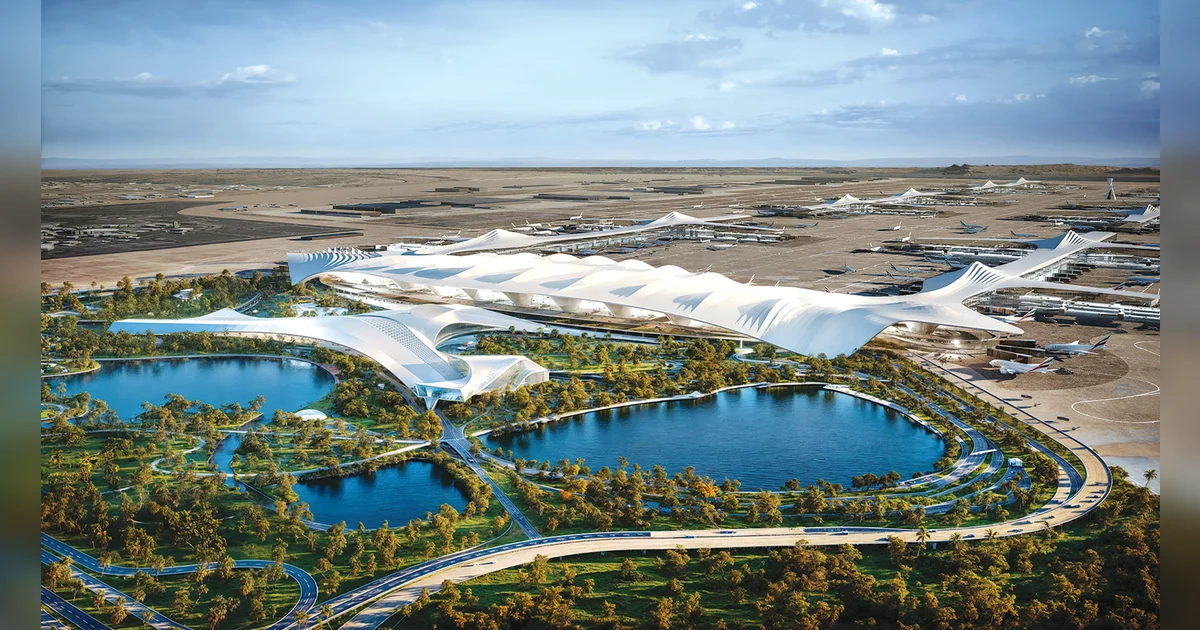
    Saudi Arabia has committed approximately $50 billion to aviation infrastructure, including the ambitious King Salman International Airport in Riyadh. Meanwhile, Dubai is developing the $35 billion Al Maktoum International Airport, which upon completion will be five times larger than Dubai International Airport (DXB) with capacity for 260 million passengers annually. DXB itself is projected to exceed 96 million passengers this year, approaching its maximum capacity.

    Smaller GCC states are pursuing specialized niches in cargo, multimodal logistics, and tourism connectivity. Oman has announced plans for six new airports by 2028-29, Kuwait’s Terminal 2 expansion will increase capacity to 25 million passengers, and Bahrain is planning a greenfield facility on a reclaimed island as current infrastructure reaches its limits.

    Technological innovation represents a cornerstone of this transformation. GCC airports are implementing facial recognition systems, AI-driven solutions, advanced biometric processing, and streamlined security protocols that will eliminate the need for removing liquids and laptops during screening. These developments promise to reduce processing times dramatically, potentially enabling passengers to move from airport entry to departure gates within minutes.

    Despite these advancements, significant challenges remain. The concentration of passenger demand within compressed timeframes intensifies competition for skilled professionals across multiple markets. The logistical complexity of transitioning operations from DXB to Al Maktoum International Airport presents substantial operational hurdles. Additionally, regional geopolitical tensions and infrastructure constraints at expanding airports pose ongoing concerns.

    The competitive landscape extends beyond the GCC, with developments in Turkey’s Istanbul airport and India’s new facilities in Delhi and Mumbai representing additional market pressures. Nevertheless, the GCC’s strategic investments in aviation infrastructure position the region to maintain its leadership in global aviation connectivity and economic diversification for decades to come.

  • ‘Hopes are high’: Dubai event woos Emiratis, expats to invest in Sri Lanka

    ‘Hopes are high’: Dubai event woos Emiratis, expats to invest in Sri Lanka

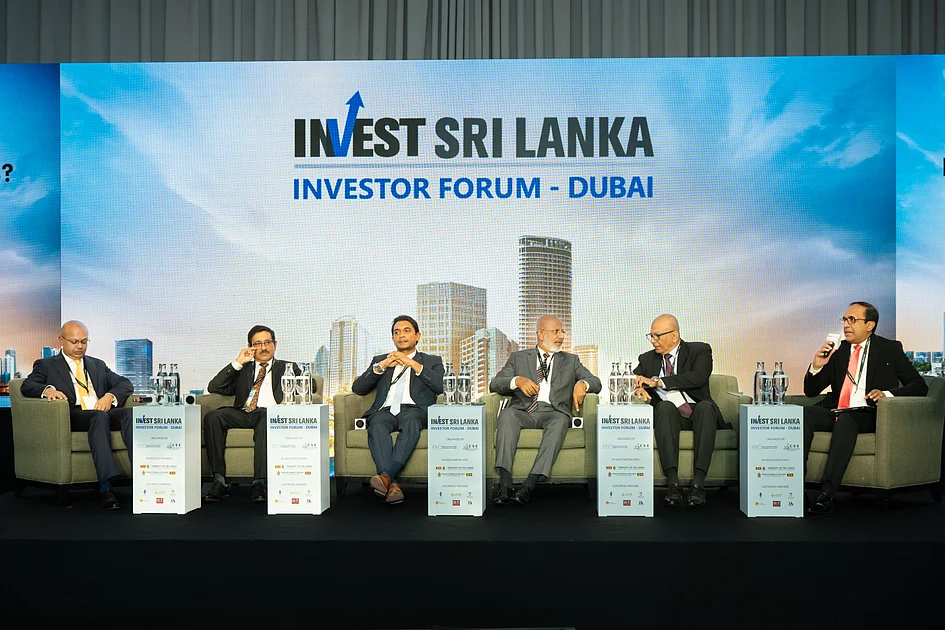
    Dubai has become the focal point for Sri Lanka’s ambitious campaign to attract foreign investment from the United Arab Emirates, with government officials and financial experts presenting the island nation as a prime destination for capital deployment. At the Invest Sri Lanka Investor Forum held in Dubai, representatives highlighted the country’s remarkable economic turnaround and diverse investment prospects.

    Sri Lankan authorities emphasized their nation’s exceeding of fiscal and economic targets over the past two years, coupled with comprehensive modernization initiatives and digital transformation of government services. These developments have created what officials describe as a ‘more stable and predictable’ investment environment, supported by streamlined governance frameworks and attractive incentives including tax holidays.

    Investment opportunities span multiple sectors, with tourism emerging as particularly promising. Naveen Gunawardane, Managing Director and Co-Founder of Lynear Wealth Management, identified significant potential in developing resort areas beyond Colombo, noting a shortage of quality accommodations in coastal regions. ‘There’s a massive opportunity over the next couple of years for companies to set up hotels in resort areas,’ Gunawardane emphasized, pointing to the Southern coast and Eastern belt as key development zones.

    The construction sector likewise shows strong growth prospects, rebounding from previous contractions with renewed infrastructure projects and increased residential development. Additionally, logistics, agriculture, IT services, energy, and renewable energy present compelling opportunities for UAE investors.

    Professor Arusha Cooray, Sri Lankan Ambassador to the UAE, highlighted the existing bilateral agreements that provide solid legal foundations for investor protection. ‘Sri Lanka is a very attractive destination to invest in, not just in terms of lifestyle, but numerous opportunities now available through government reforms,’ she stated, specifically mentioning Colombo Port City as an emerging financial and trade hub.

    The Central Bank of Sri Lanka projects economic growth between 5-7%, supported by what Governor P. Nandalal Weerasinghe characterized as ‘the right balance of monetary policy.’ The investment push extends beyond major portfolios to include ordinary expatriates, who can participate through mutual funds with initial investments as modest as a few hundred dollars.

    With approximately 350,000 Sri Lankans residing in the UAE—whose remittances contribute significantly to Sri Lanka’s GDP—the campaign leverages both institutional investment channels and individual expatriate participation in the nation’s economic revitalization.