
The UAE Media Council has announced an extension to the registration deadline for the Advertiser Permit, a regulatory measure introduced in July 2025 to enhance transparency, professionalism, and consumer protection in digital advertising. Originally set to take effect later this month, the new deadline for registration is now January 31, 2026. This permit is mandatory for anyone sharing advertisements, whether paid or unpaid, on social media platforms, websites, or apps. The permit is valid for one year and must be renewed annually. Failure to renew within 30 days of expiration will result in cancellation. Applicants must be at least 18 years old, with exceptions for minors requiring a legal guardian to hold the activity licence. UAE citizens and residents must obtain a trade licence in electronic media, while visitors can secure the permit through a licensed agency within the country. This initiative underscores the UAE’s commitment to regulating the digital advertising landscape, ensuring ethical practices and safeguarding consumer interests.
分类: business
-
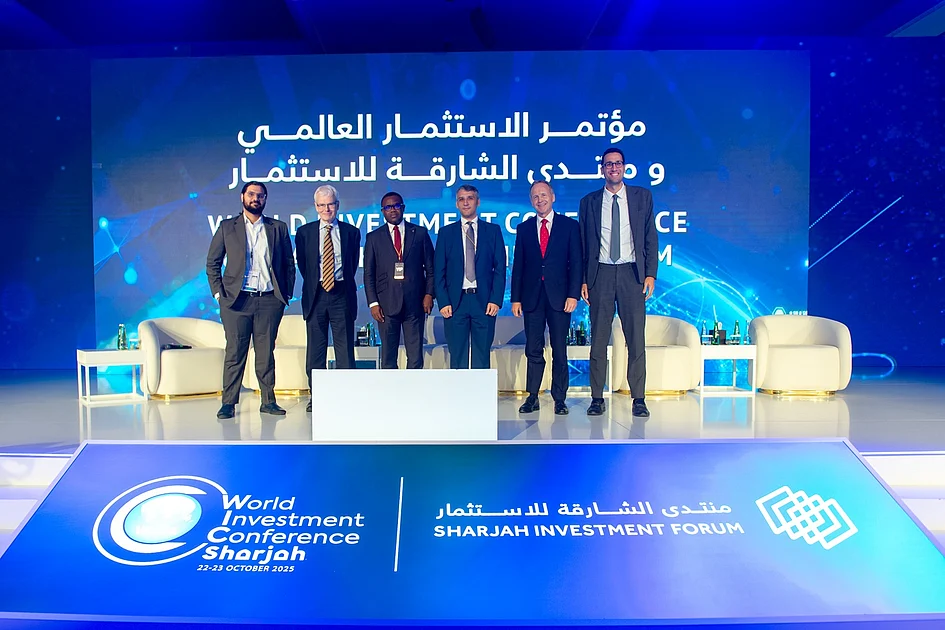
Despite $2 trillion poured into green finance, vast potential in the sector remains untapped
The global green finance sector has seen significant investment, with nearly $2 trillion mobilized in 2024. However, experts at the 8th Sharjah Investment Forum 2025 highlighted that vast potential remains untapped. Creon Butler, Director of the Global Economy & Finance Programme at Chatham House, emphasized that a substantial portion of global finance is still not aligned with sustainability goals. He stressed the need for standardized taxonomies, pragmatic ESG (Environmental, Social, and Governance) practices, and catalytic public capital to unlock sustainable finance, particularly in emerging markets.
-
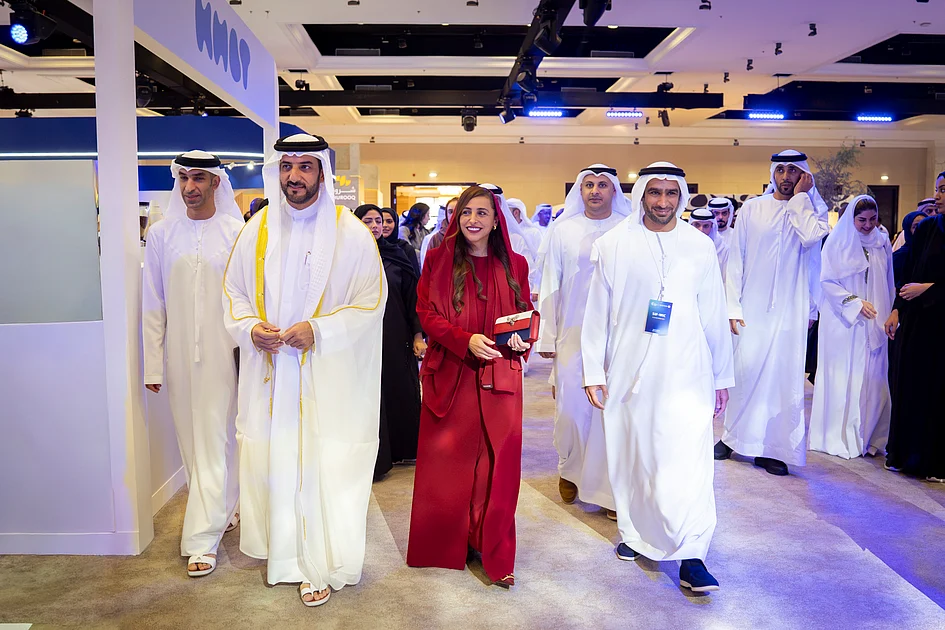
UAE draws record FDI as global leaders gather in Sharjah
The United Arab Emirates (UAE) has solidified its position as a global hub for foreign direct investment (FDI), drawing a record $45.6 billion in 2024, which constituted 55.6% of total FDI inflows into the Middle East. This milestone was highlighted during the joint 8th Sharjah Investment Forum (SIF) and 29th World Investment Conference (WIC), held under the theme “Transforming Our World: Investing for a Resilient and Sustainable Future.” The event, inaugurated by Sheikh Sultan bin Ahmed Al Qasimi, Deputy Ruler of Sharjah, and Sheikha Bodour bint Sultan Al Qasimi, Chairperson of Shurooq, brought together over 10,000 participants from 142 countries. The forum underscored the UAE’s leadership in shaping global investment trends, particularly in sustainability, digital transformation, and economic resilience. Sheikha Bodour emphasized Sharjah’s decade-long commitment to growth that empowers society and strengthens institutions, while Dr. Thani bin Ahmed Al Zeyoudi, UAE Minister of State for Foreign Trade, highlighted the UAE’s blueprint for attracting and deploying investment through collaborative thinking. The forum, organized by the Sharjah FDI Office in partnership with the World Association of Investment Promotion Agencies (WAIPA) and the UAE Ministry of Investment, focused on key shifts in geopolitics, climate, and technology. Global leaders, including Wamkele Mene, Secretary General of the African Continental Free Trade Area (AfCFTA), and Dr. Mohamed El-Erian, Chief Economic Adviser at Allianz, praised the UAE’s strategic positioning and its ability to navigate global economic shifts. Sharjah’s economic performance was also spotlighted, with its non-oil economy contributing over 98% of its GDP and FDI inflows reaching $1.5 billion in the first half of 2025. As global investment priorities increasingly align with sustainability and resilience, the UAE’s proactive approach continues to position it as a key architect of the future investment landscape.
-
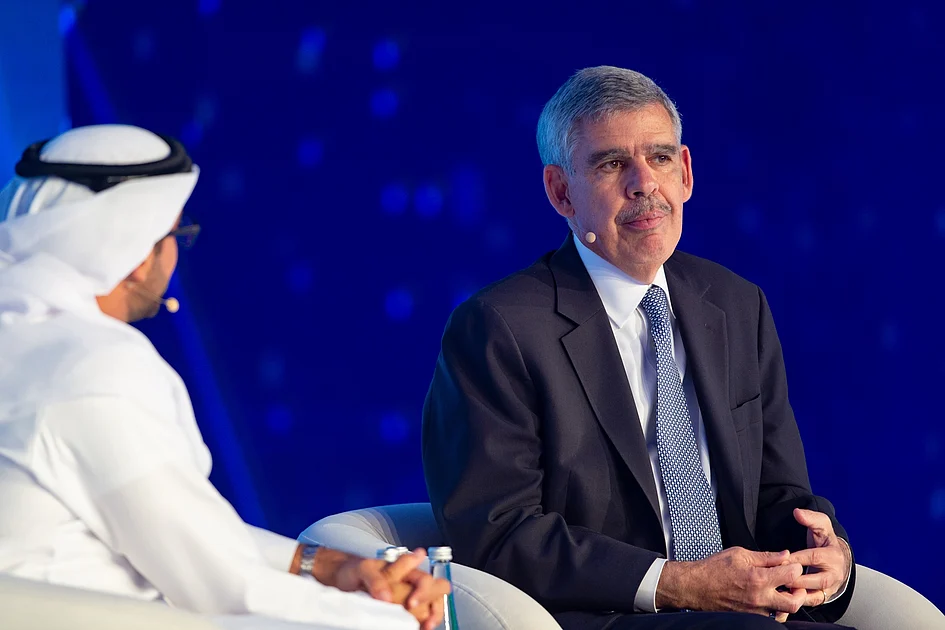
Top US economist hails Sharjah as a ‘hidden gem’ in global investment
At the World Investment Conference–Sharjah Investment Forum (WIC–SIF 2025), renowned economist Mohamed El-Erian highlighted Sharjah as a strategic investment hub, urging global investors to capitalize on its unique advantages. El-Erian, Chief Economic Adviser at Allianz, emphasized Sharjah’s geopolitical stability, connectivity, and long-term vision as key factors that set it apart in a volatile global landscape. Speaking during a fireside chat, he suggested that sectors benefiting from logistics, innovation, and global trade flows should be prioritized. El-Erian described Sharjah as a ‘hidden gem,’ urging policymakers to enhance its global narrative and showcase its potential. He also addressed global financial risks, including the U.S.’s potential to disrupt the global system, the dual-edged nature of AI, and fiscal stability concerns in advanced economies. Additionally, he highlighted India’s economic rise as a significant opportunity for investors, citing its dynamic population and rapid growth. El-Erian concluded by stressing the importance of responsible financial governance and smarter risk frameworks in navigating the current economic transition.
-

Why financial wellbeing depends on financial identity
In an era where financial literacy is increasingly emphasized globally, particularly in the UAE, the gap between understanding financial principles and applying them effectively remains significant. Despite extensive educational programs on budgeting, saving, and investing, many individuals still struggle with financial anxiety and inconsistency. The missing link, according to experts, lies in the concept of financial identity—the inner narrative that shapes how individuals perceive and interact with money. Financial identity is deeply influenced by family, culture, and personal experiences, and it determines whether financial knowledge translates into actionable behavior. For instance, someone who views themselves as financially careless is unlikely to change their habits simply by learning about compound interest. Conversely, those who see themselves as intentional decision-makers naturally align their financial actions with their values. Traditional financial education focuses on imparting knowledge, but the next evolution must address who individuals are in relation to money. When financial identity is strong, habits like budgeting, saving, and investing become expressions of self rather than acts of discipline. Financial wellbeing, therefore, is not merely about income or assets but about coherence between one’s financial actions and personal values. This alignment fosters stability and confidence, which raw knowledge alone cannot achieve. Money is inherently emotional, moral, and social, reflecting what individuals value and how they define security and freedom. A strong financial identity enables individuals to navigate these complexities with purpose, even under pressure. When identity is weak or conflicted, individuals experience internal friction, oscillating between saving and splurging. The key to transforming financial literacy into wellbeing lies in integrating knowledge with a robust sense of self. Financial literacy provides the tools, but financial identity provides the will to use them wisely. Together, they create a sense of financial wellbeing that goes beyond the absence of debt or the presence of savings—it is a quiet confidence that one’s financial life aligns with their values and purpose. As the global conversation on financial education evolves, the focus must shift from financial knowledge to financial self-knowledge. True wellbeing begins when individuals stop defining money by numbers and start defining it by identity.
-
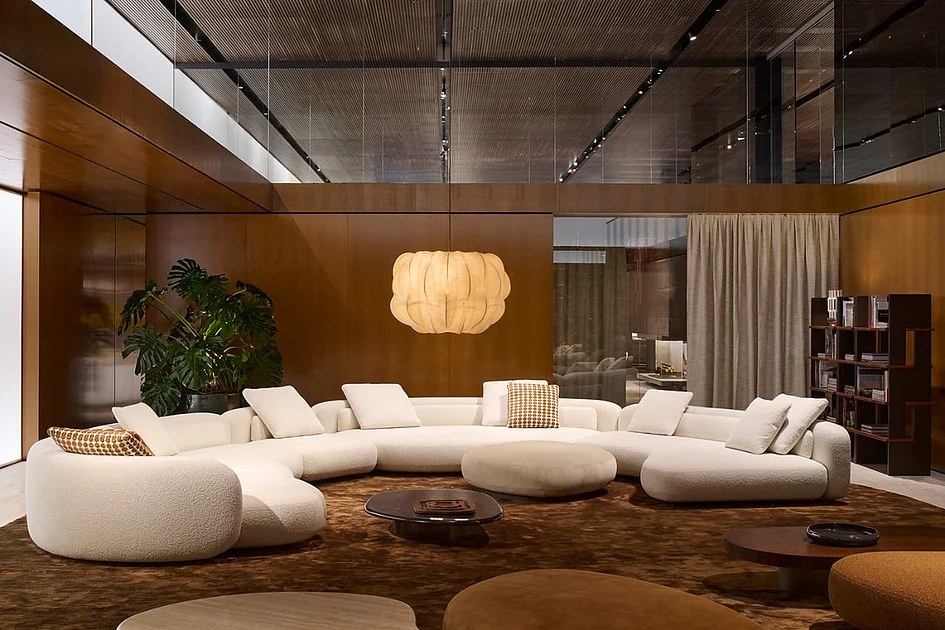
UAE furniture market embraces sustainability, smart design, and Italian craftsmanship
The UAE furniture market is experiencing a significant evolution in 2025, shaped by urbanization, shifting consumer tastes, and a growing demand for sustainable luxury. Valued at $3.7 billion in 2024, the market is expected to grow to $5.4 billion by 2033, with a compound annual growth rate (CAGR) of 4.18%. This expansion is driven by rising disposable incomes, a thriving real estate sector, and the UAE’s strategic role as a global design hub. Dubai is at the forefront of this transformation, embracing eco-friendly materials, modular furniture, and smart home technologies. Consumers are increasingly prioritizing pieces that merge aesthetics with environmental responsibility, such as reclaimed wood, organic textiles, and tech-integrated furniture. Amid this growth, Minotti Dubai has introduced its latest collection, strengthening the city’s ties with Italian design. The collection, showcased at Salone del Mobile Milano 2025, features works by renowned designers like Marcio Kogan, Giampiero Tagliaferri, and Nendo. Highlights include the Coupé and Libra seating families, the Riley sofa system, and the modular Bézier, all blending heritage craftsmanship with modern innovation. Renato Minotti, Co-CEO of the brand, noted that Dubai has become a global architecture laboratory, where design bridges tradition and innovation.
-
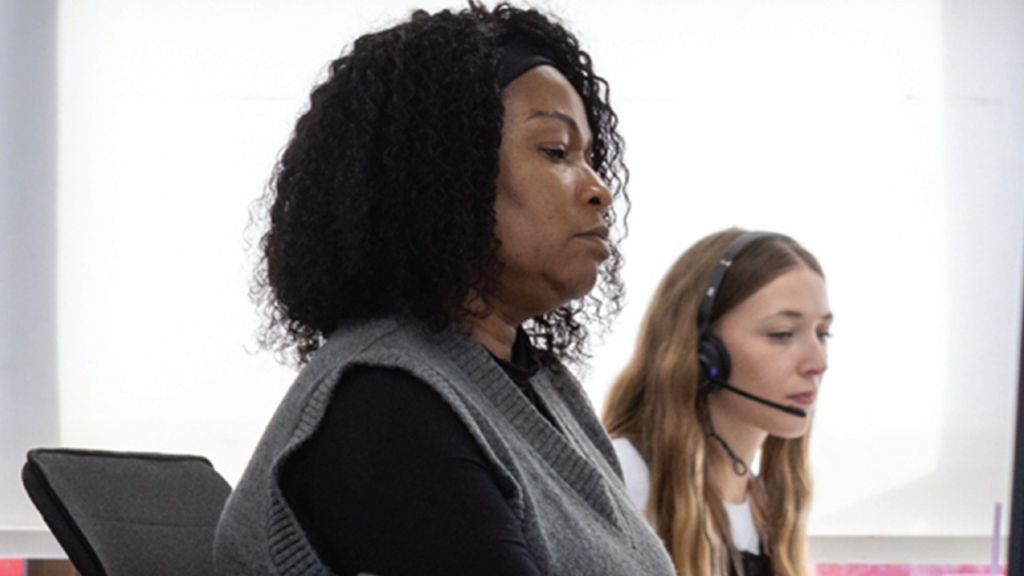
How the outsourcing sector became South Africa’s newest goldmine
South Africa’s outsourcing industry, encompassing accountancy support, call centers, and IT services, is experiencing robust growth, providing a lifeline in a country grappling with a 33% unemployment rate. The sector, which now contributes 35 billion rand ($2 billion) annually to the economy, has become a beacon of opportunity for many South Africans, including Esethu Dywili, a 31-year-old accountant whose career in outsourced financial services has enabled him to build a new home for his family in the Eastern Cape province.
-
Dubizzle Group postpones IPO to assess ideal time for future offering
Dubizzle Group, the leading digital classifieds marketplace in the Middle East and North Africa (MENA), has announced the postponement of its planned initial public offering (IPO) on the Dubai Financial Market. The decision, revealed on Wednesday, October 22, 2025, aims to evaluate the most favorable timing for the offering in the future. Despite the delay, the company emphasized strong investor engagement and interest, underscoring its market leadership, profitability, and growth potential across the UAE and Saudi Arabia.
Since its initial announcement to float, Dubizzle Group has garnered significant attention from investors, reflecting confidence in its strategic direction. The company remains committed to expanding its highly profitable UAE operations and increasing its presence in Saudi Arabia. In a statement, Dubizzle Group reiterated its focus on executing its growth strategy while maintaining disciplined cost management and scalable infrastructure.
Originally, the IPO was set to offer approximately 30.34% of the company’s total issued share capital, equivalent to 1,249,526,391 shares. This included 196,114,887 new shares issued by the company and 1,053,411,504 existing shares from selling shareholders. The paid-up share capital post-offering was projected at Dh82.368 million, divided into 4,118,412,630 shares with a nominal value of Dh0.02 each.
The UAE remains Dubizzle Group’s core market, generating $105 million in adjusted revenue during the first half of 2025, accounting for 89% of its total adjusted revenue. The region also delivered $48 million in adjusted EBITDA, up from $25 million in H1 2024, and $43 million in adjusted net profit, a significant increase from $21 million in the same period last year. CEO Imran Ali Khan highlighted the company’s exceptional profitability, with nearly 50% profit margins and 85% cash flow conversion, attributing these results to its asset-light business model and efficient growth strategies.
Dubizzle Group’s decision to delay the IPO reflects a cautious yet strategic approach to maximize shareholder value and capitalize on favorable market conditions in the future.
-

Rising tariffs set to threaten medical sector
The US medical sector is facing significant challenges as the Trump administration considers imposing tariffs on medical imports following a national security review. Major hospital groups, manufacturers, and trade organizations have voiced strong opposition, warning that such measures could escalate costs, disrupt supply chains, and stifle innovation. The review, conducted under Section 232 of the Trade Expansion Act of 1962, targets personal protective equipment (PPE), medical consumables, and devices, with potential tariffs or quotas expected as early as 2026. Stakeholders, including the American Association for Homecare and the National Foreign Trade Council (NFTC), argue that these actions could severely strain the US healthcare system, which is already under pressure. The NFTC emphasized the need for non-tariff responses to maintain industry competitiveness. The American Hospital Association (AHA) highlighted the reliance on international sources for critical medical supplies, noting that China is a major supplier of PPE and other essential equipment. The AHA called for a balanced approach, including tariff exemptions for products in short supply. Meanwhile, manufacturers warned of unintended consequences, such as increased costs for patients and hospitals, and disruptions in supply chains. The White House’s increasing use of Section 232 across various sectors, including pharmaceuticals and critical minerals, has raised concerns about broader economic impacts.
-
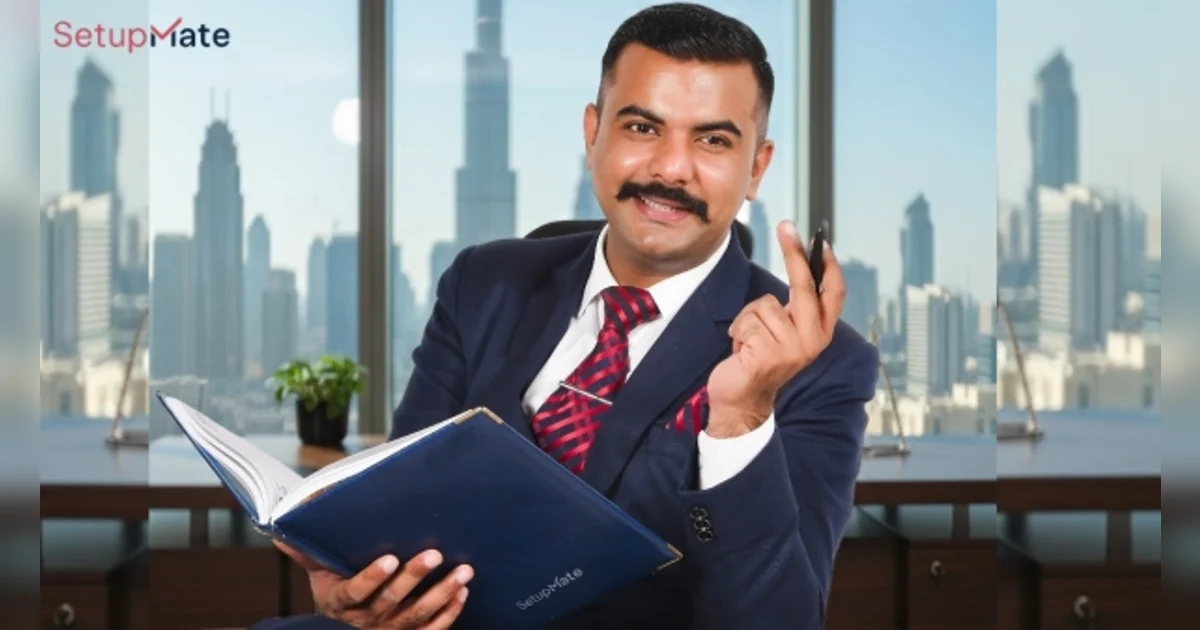
SetupMate launches Business Gateway Package to simplify company formation for global entrepreneurs
SetupMate Management Consultancy, a prominent UAE-based firm specializing in business and banking advisory services, has introduced its innovative “Business Gateway Package.” This comprehensive solution aims to simplify company formation in Dubai, making it more accessible, efficient, and affordable for startups, small businesses, and international investors. The package, priced at a flat fee of Dh14,900 until December 31, includes essential services such as business establishment and licensing, visa issuance, VAT or corporate tax consultancy, corporate bank account support, and a personal counseling session with CEO Rishi Raj Singh Rathore. Additional value-added services are designed to streamline operations and ensure a seamless startup journey. Dubai’s favorable regulations, tax-free zones, and world-class infrastructure continue to attract entrepreneurs globally, reinforcing its status as a leading investment hub. SetupMate’s initiative aligns with Dubai’s vision of becoming a global startup hub, supporting innovation across various sectors. The company’s success in the UAE has also led to international expansion, with a new office recently opened in London, further solidifying its role as a trusted partner for entrepreneurs worldwide.