分类: business

  • Asian shares sink, tracking a tech-led sell-off on Wall Street

    Asian shares sink, tracking a tech-led sell-off on Wall Street

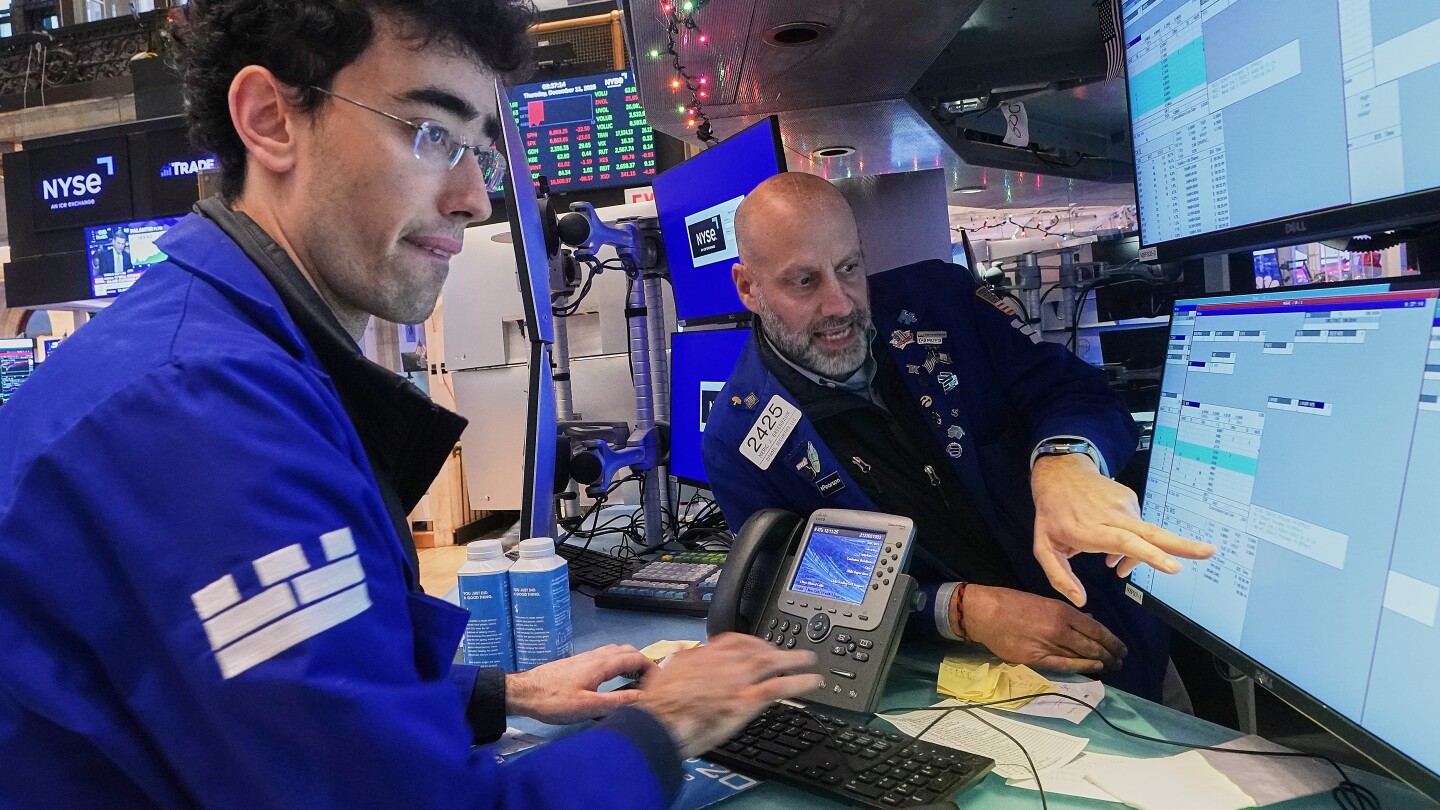
    Asian stock markets experienced significant declines on Tuesday, with major indices in Tokyo and Seoul plummeting over 3%, mirroring a broader sell-off in U.S. markets driven by artificial intelligence (AI)-related stocks. The downturn was fueled by concerns over inflated valuations of tech companies, particularly Nvidia, which is set to release its earnings report on Wednesday. U.S. futures also dipped, with the S&P 500 contract down 0.6% and the Dow Jones Industrial Average futures falling 0.4%.

  • Dubai’s land market skyrockets 403% as strategic planning redefines urban growth

    Dubai’s land market skyrockets 403% as strategic planning redefines urban growth

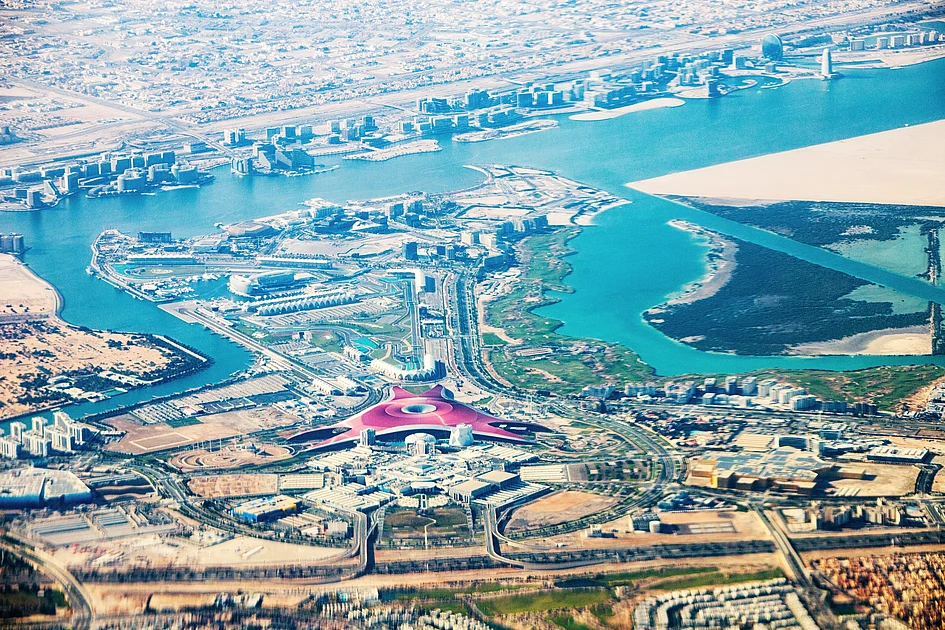
    Dubai’s real estate sector has undergone a transformative surge, with land transaction values skyrocketing by 403.6% between 2019 and 2024, according to JLL’s latest report, *Beyond the Skyline: Dubai’s Land Market Transformation Story*. This unprecedented growth, driven by strategic urban planning, infrastructure investment, and regulatory reforms, has positioned Dubai as a global model for sustainable urban development. From Dh13.7 billion in 2019, land transaction values soared to Dh68.8 billion in 2024, with volumes nearly tripling from 691 to 1,991 deals. The momentum continued into 2025, with Dh43 billion worth of transactions in the first half alone, marking a 42.9% year-on-year increase. Freehold areas have emerged as the standout performers, with transaction volumes growing by 495.8%, compared to 240.7% in non-freehold zones. This trend reflects investor preference for unrestricted ownership rights and validates Dubai’s strategic expansion of freehold zones, including recent conversions along Sheikh Zayed Road and Al Jaddaf. Tim Millard, Head of Value and Risk Advisory – Mena at JLL, emphasized that Dubai’s real estate transformation has global implications, offering a blueprint for markets seeking international investment. Dubai’s population has surged from 2.3 million in 2014 to over 4 million in 2025, with projections reaching 5.8 million by 2040. This demographic growth has been leveraged through strategic urban planning, with large-scale projects such as Dubai South and communities along Dubai-Al Ain Road activating peripheral zones. Prime districts like Business Bay, Downtown Dubai, and Dubai Marina continue to command premium valuations. Infrastructure spending remains a cornerstone of Dubai’s growth, with Dh39 billion allocated in 2025—nearly 46% of its annual budget—to infrastructure and construction. Regulatory innovations, including mandatory escrow accounts, blockchain-enabled property transactions, and Transit-Oriented Development rezoning, have enhanced transparency and investor confidence. Residential prices have soared, with apartments up 63.5% and villas up 116.3% since 2019, supported by a 518.5% rise in transaction activity. Commercial real estate is equally buoyant, with prime office rents jumping 76.8% and Grade A rents rising 69.9%. Mixed-use developments dominate investor interest, accounting for 27.6% of total land transaction value (Dh70.3 billion). Geographically, Business Bay (Dh11.6 billion) and Dubai Islands (Dh11.4 billion) lead the pack, while emerging corridors like Reem and Dubai South show growing traction. Premium pricing is evident in Dubai Marina (Dh1,092 per sq. ft.) and Business Bay (Dh687 per sq. ft.), while up-and-coming areas such as Arjan and Dubai Creek Harbour have seen land values surge by 379.6% and 81.4% respectively since 2019. JLL analysts assert that Dubai’s real estate boom is not cyclical but the result of deliberate, forward-looking strategies, offering both immediate opportunities and long-term lessons in value creation through integrated urban planning.

  • Oil prices steady after loadings resume at Russian export hub

    Oil prices steady after loadings resume at Russian export hub

    Oil prices remained relatively stable on Monday following the resumption of loadings at Russia’s Novorossiysk export hub, which had been temporarily halted due to a Ukrainian attack. Brent crude saw a marginal decline of 8 cents, settling at $64.31 per barrel, while U.S. West Texas Intermediate (WTI) crude dipped by 10 cents to $59.99. The Novorossiysk port, a critical Black Sea facility, resumed operations on Sunday after a two-day suspension that disrupted approximately 2% of global oil supply. The pause had initially caused a 2% surge in oil prices on Friday, but the market quickly adjusted as operations normalized. However, concerns persist over Ukraine’s continued targeting of Russian oil infrastructure, including recent strikes on the Ryazan and Novokuibyshevsk refineries. Analysts are closely monitoring the long-term impact of these attacks on Russia’s crude exports, alongside the effects of Western sanctions. The U.S. has imposed sanctions on Russian oil companies Lukoil and Rosneft, effective November 21, aiming to pressure Moscow into peace negotiations. Additionally, OPEC+ has maintained its December output target increase of 137,000 barrels per day, consistent with October and November levels, while pausing further increases in the first quarter of 2026. Despite these developments, the oil market faces ongoing volatility due to geopolitical risks and fluctuating global supply. Speculators have increased net long positions in ICE Brent, reflecting cautious optimism amid supply uncertainties. Analysts predict that oil prices will remain supported, with potential dips in the near term but a more positive outlook for the latter half of 2026.

  • Alphabet shares hit record after Berkshire makes rare tech bet with $4.9 billion stake

    Alphabet shares hit record after Berkshire makes rare tech bet with $4.9 billion stake

    Alphabet Inc., the parent company of Google, saw its shares surge nearly 6% to a record high on Monday following Berkshire Hathaway’s announcement of a $4.93 billion stake in the tech giant. This investment, comprising 17.85 million shares, marks a rare foray into the technology sector by Berkshire, a conglomerate historically cautious about tech investments. The move is seen as a significant endorsement of Alphabet’s artificial intelligence (AI) initiatives amidst growing concerns of a potential tech bubble. Warren Buffett, Berkshire’s legendary investor, has long favored consumer-focused companies like Apple, making this investment a notable shift in strategy. Analysts suggest that Alphabet’s strong fundamentals, including its robust AI infrastructure, early adoption of AI search tools, and massive advertising revenue, align with Berkshire’s value-investing philosophy. The purchase also addresses Buffett’s regret over missing early opportunities in Google. Alphabet’s shares have risen nearly 14% in the December quarter, making it the best-performing member of the ‘Magnificent Seven’ tech stocks this year. The company’s valuation, at 25 times forward earnings, is lower than peers like Microsoft and Nvidia, further enhancing its appeal. Berkshire’s investment has sparked renewed interest in Alphabet among retail investors, with the stock trending highly on platforms like Stocktwits. Despite this move, Berkshire remains a net seller of equities, with its cash reserves reaching a record $381.7 billion, signaling Buffett’s cautious stance on current market valuations.

  • Ittihad successfully prices $550 million 5-year non-call 2 144a/Reg S Sukuk

    Ittihad successfully prices $550 million 5-year non-call 2 144a/Reg S Sukuk

    Ittihad has successfully priced a $550 million 5-year non-call 2 144A/Reg S Sukuk, marking a significant step in its strategy to enhance its capital structure and extend its debt maturity profile. The Sukuk, which carries a 7.375% coupon, was oversubscribed by more than four times, attracting a diverse range of high-quality global investors. This issuance saw 65% of the final allocation placed with international investors and 35% with regional investors, significantly broadening Ittihad’s investor base across geographies and investor types. The strong demand allowed Ittihad to tighten initial price thoughts by 50 basis points during the bookbuilding process. The transaction was further bolstered by Ittihad’s recent credit rating upgrades to BB- by both S&P and Fitch, which highlighted the company’s improving financial profile and strategic outlook. Amer Kakish, CEO of Ittihad, expressed satisfaction with the issuance, noting it reflects global confidence in the company’s direction. Stefan Weiler of JPMorgan, which acted as Joint Global Coordinator, praised the achievement as a testament to Ittihad’s growth. Proceeds from the Sukuk will be used for debt refinancing. The issuance was managed by a consortium of leading financial institutions, including Abu Dhabi Islamic Bank, Emirates NBD Bank, and J.P. Morgan Securities.

  • Dubai: Dewa customers can now receive deposit refunds of up to Dh4,000 in just 30 minutes

    Dubai: Dewa customers can now receive deposit refunds of up to Dh4,000 in just 30 minutes

    Dubai Electricity and Water Authority (Dewa) has revolutionized its deposit refund process, enabling customers to receive refunds of up to Dh4,000 in just 30 minutes. This marks a significant improvement from the previous four-day processing time, thanks to a newly automated system. The upgraded process incorporates advanced validation checks, allowing direct bank transfers to customer accounts without manual intervention, ensuring enhanced speed, accuracy, and reliability. This innovation aligns with Dewa’s broader digital transformation efforts, which include the recent launch of the updated Smart Living Programme on October 18. The programme leverages artificial intelligence to provide hyper-personalized recommendations for reducing electricity and water consumption by comparing individual usage with neighborhood averages. Customers can access these insights through the Dewa app, fostering greater awareness and efficiency in resource consumption. Dr. Ali Rashed Bin Ghaith Alsuwaidi, Dewa’s Chief Innovation Officer, emphasized the programme’s role in promoting sustainable living. This development underscores Dewa’s commitment to leveraging technology to enhance customer experience and operational efficiency.

  • The Trump Organization eyes real estate deal in Saudi government development: Report

    The Trump Organization eyes real estate deal in Saudi government development: Report

    The Trump Organization is reportedly in advanced negotiations to establish a branded property within one of Saudi Arabia’s most ambitious government-owned real estate developments. Jerry Inzerillo, CEO of the Saudi company spearheading the Diriyah project, hinted to The New York Times that an official announcement is imminent. ‘Nothing announced yet, but soon to be,’ Inzerillo stated, emphasizing that a deal is ‘just a matter of time.’

    Diriyah, the ancestral home of the Al-Saud ruling family and a UNESCO World Heritage site, is undergoing a $63 billion transformation into a luxury destination featuring hotels, restaurants, shops, and museums. During his May visit to Saudi Arabia, former U.S. President Donald Trump toured the site, which Inzerillo described as a strategic move to appeal to Trump’s developer instincts. ‘It turned out to be a good stroke of luck and maybe a little bit clever of us to say, ‘OK, let’s appeal to him as a developer’ – and he loved it,’ Inzerillo remarked.

    This potential deal aligns with the Trump Organization’s expanding footprint in the Gulf region. The company, managed by Trump’s sons Eric and Donald Jr., has secured numerous high-profile projects across Saudi Arabia, the UAE, Qatar, Oman, and the Maldives. These ventures often involve licensing the Trump brand to foreign developers, a lucrative strategy that generated $21.9 million in revenue last year alone, according to The New York Times.

    The Trump Organization’s Gulf expansion has not been without controversy, raising questions about potential conflicts of interest and favoritism during Trump’s presidency. Despite these allegations, the organization continues to forge partnerships with influential regional firms like Saudi Arabia’s Dar Global, which recently announced a new luxury hotel project in the Maldives under the Trump International brand.

    As the Trump family business thrives abroad, its reliance on foreign partnerships underscores the global appeal of the Trump name, even as it navigates ongoing scrutiny.

  • Aster DM Healthcare secures Dh265m in financing from Emirates Development Bank

    Aster DM Healthcare secures Dh265m in financing from Emirates Development Bank

    Aster DM Healthcare, a prominent integrated healthcare provider in the UAE and GCC, has announced a strategic partnership with Emirates Development Bank (EDB) to secure Dh265 million ($72 million) in financing. This funding will support the development of two new multi-specialty hospitals in Dubai, aimed at addressing the growing demand for quality healthcare services in the region. The agreement, signed by Dr. Azad Moopen, Founder Chairman of Aster DM Healthcare, and Ahmed Mohamed Al Naqbi, CEO of EDB, marks a significant step in expanding healthcare infrastructure in the UAE. The new facilities will add over 250 beds to Aster’s existing capacity of approximately 920 beds, enabling the treatment of more than 560,000 patients annually. Once operational, the hospitals will employ over 675 doctors, nurses, and allied health professionals, bolstering the local healthcare workforce. Emirates Development Bank, a key driver of economic growth in the UAE, focuses on priority sectors such as healthcare, manufacturing, and renewable energy. This partnership aligns with the Dubai Economic Agenda D33, which aims to position Dubai as a global leader in healthcare. Alisha Moopen, Managing Director and Group CEO of Aster DM Healthcare, emphasized the alignment of this expansion with the UAE’s broader economic goals. Iqbal Khan, CEO of Fajr Capital and Board Member of Aster DM Healthcare, highlighted the shared vision of building a regional healthcare champion dedicated to delivering accessible, high-quality care across the GCC.

  • Will Trump’s tariff rollback lower food prices?

    Will Trump’s tariff rollback lower food prices?

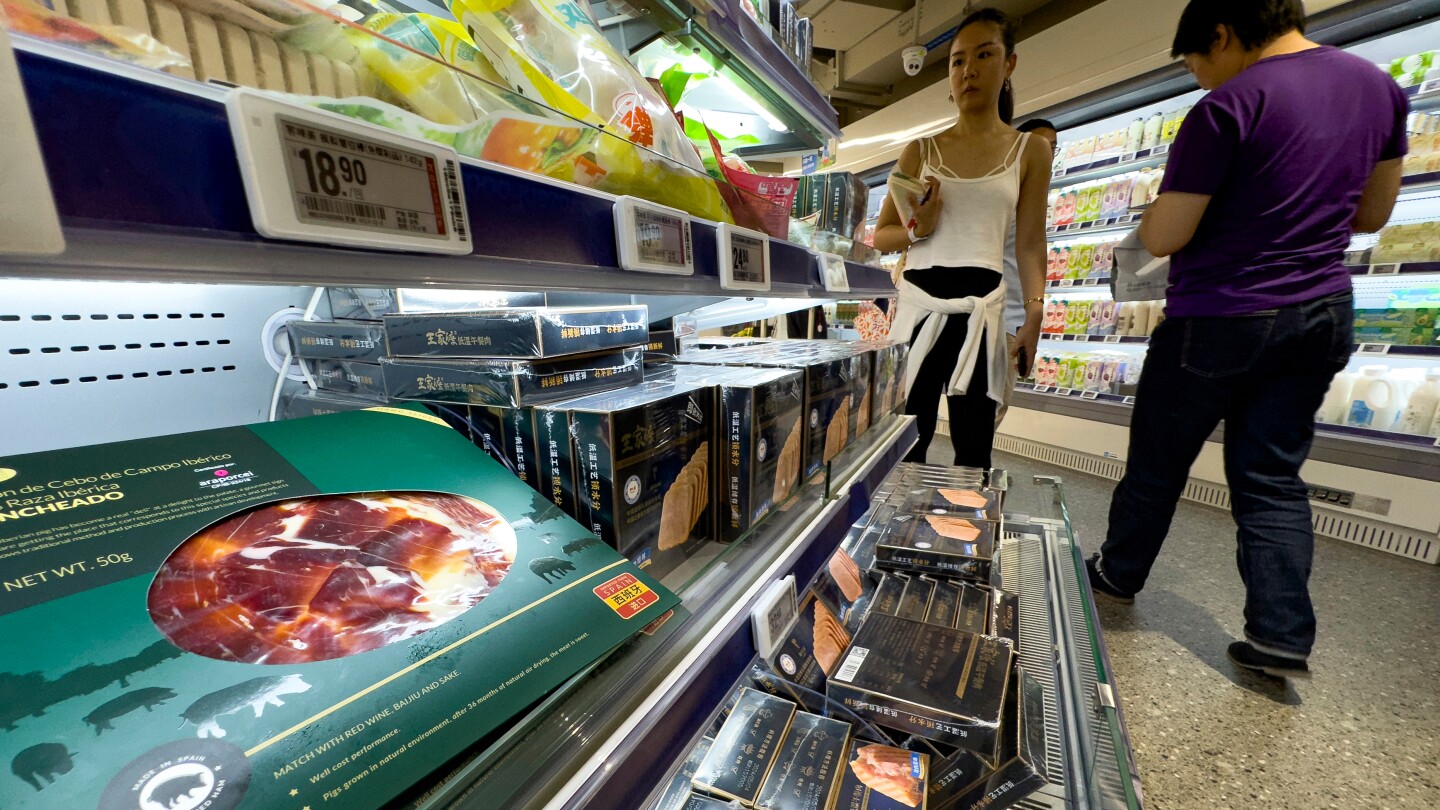
    In a significant policy shift, former President Donald Trump recently announced the removal of tariffs on over 200 products, including staples like bananas and coffee. This decision, seen as a political concession, aims to address rising cost-of-living concerns that have been impacting White House approval ratings and Republican electoral prospects. The Food Industry Association (FMI) lauded the move as a ‘critical step’ toward affordability, echoing sentiments from various business groups. However, the practical economic relief may not match the political significance of the gesture. According to Yale’s Budget Lab, Trump’s tariffs, which include a 10% baseline tax on imports and additional levies on many trading partners, were projected to increase food prices by 1.9% in the short term. Historically, U.S. grocery prices have been relatively stable, rising an average of only 2% annually between 2013 and 2021. While the tariff removal targets items with negligible domestic production, such as coffee, spices, and tropical fruits, its overall impact on household grocery budgets is expected to be modest. Economists note that imports account for less than 20% of total U.S. food and beverage purchases, with many imports from Mexico already exempt due to trade agreements. Additionally, factors like rising labor costs and droughts continue to drive food prices upward. Despite the tariff rollback, food companies still face higher costs from tariffs on materials like aluminum, used in canned foods, and items like wine, cheese, and palm oil remain unaffected. The Trump administration has framed high food prices as a legacy issue from the Biden era, cautioning that significant price reductions will take time. While some price relief is anticipated, experts warn that the psychological impact of high prices may persist, influencing future industry decisions.

  • China’s digital finance pivot: from clearing ground to rebuilding

    China’s digital finance pivot: from clearing ground to rebuilding

    China’s central bank, the People’s Bank of China (PBOC), has unveiled a comprehensive strategy for the future of digital finance, signaling a significant shift away from stablecoins towards a sovereign digital currency. The strategy, articulated by PBOC Governor Pan Gongsheng and Vice Governor Lu Lei, emphasizes a structural reset rather than regulatory tightening.