分类: business

  • India’s digital payments revolution is redefining global finance

    India’s digital payments revolution is redefining global finance

    India has emerged as a global leader in digital payments, transforming its financial landscape in less than a decade. At the heart of this revolution are two groundbreaking innovations: the Unified Payments Interface (UPI) and the RuPay card network. These systems have not only reshaped domestic commerce but are also challenging traditional financial powerhouses worldwide. UPI, launched in 2016, has become the world’s most successful real-time payment platform, processing over a trillion transactions annually. Its open architecture allows seamless integration with banks, fintech companies, and payment apps, enabling instant, secure, and low-cost transactions. Meanwhile, RuPay has disrupted the dominance of global credit card networks in India, capturing 60% of the domestic card market. Its affordability and sovereignty have made it a preferred choice for small businesses and consumers alike. Together, UPI and RuPay have created a unified payments ecosystem that is unparalleled in its inclusivity and efficiency. This transformation has brought over 500 million people into the formal financial system, empowering small businesses, farmers, and daily wage workers. Beyond India’s borders, UPI is gaining traction in countries like France, Singapore, and the UAE, offering a faster and cheaper alternative to traditional remittance systems. India’s digital payments revolution is not just a technological achievement; it is a strategic move toward financial sovereignty and global influence. As more nations adopt UPI and RuPay, India is laying the foundation for a new financial order that prioritizes inclusivity, affordability, and independence. The world is taking notice, and India’s leadership in digital payments is set to redefine the future of global finance.

  • How the viral Baby Shark video created a $400m business

    How the viral Baby Shark video created a $400m business

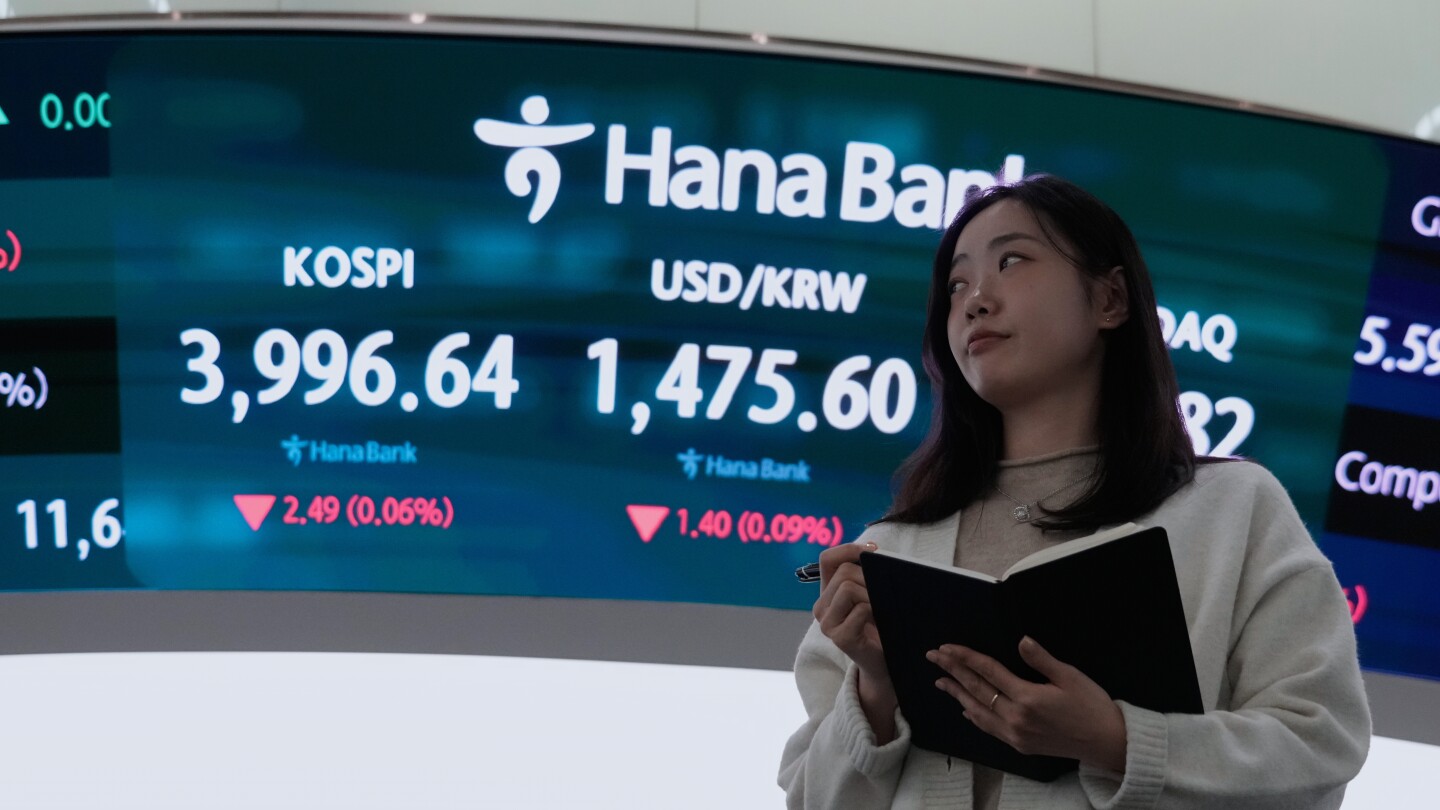
    In June 2016, Kim Min-seok, CEO of Pinkfong, approved the release of a 90-second children’s song, unaware it would become a global sensation. The song, ‘Baby Shark,’ amassed over 16 billion views on YouTube, making it the platform’s most-watched video ever. This viral hit not only captivated toddlers and irked adults worldwide but also transformed Pinkfong into a media powerhouse valued at over $400 million. On November 18, 2025, Pinkfong debuted on the South Korean stock market, with shares surging more than 9% on its first trading day. Founded in 2010 as SmartStudy, the company initially focused on digital content for children under 12. With just three employees, including Kim and CTO Dongwoo Son, the firm operated from a modest office. Over the years, Pinkfong underwent significant changes, shifting its focus to toddlers and creating simpler, educational content. The release of ‘Baby Shark’ in 2016 marked a turning point, generating half of the company’s revenue and paving the way for new content and merchandise. Despite facing a plagiarism lawsuit in 2019, Pinkfong successfully defended its position, arguing that ‘Baby Shark’ was derived from a public domain folk song. The company now employs 340 people, with offices in Tokyo, Shanghai, and Los Angeles. While ‘Baby Shark’ remains a cornerstone of Pinkfong’s success, the company is diversifying its portfolio with franchises like Bebefinn and Sealook. Kim Min-seok aims to expand Pinkfong’s offerings and establish it as a tech-driven content creator, leveraging data to shape future projects. However, the challenge lies in proving to investors that Pinkfong is more than a one-hit wonder.

  • More jobs in UAE: Emirates plans to continue hiring as it adds more aircraft

    More jobs in UAE: Emirates plans to continue hiring as it adds more aircraft

    Emirates Airline, the Dubai-based aviation giant, is set to continue its recruitment drive as it prepares to expand its fleet and launch new ventures. Sheikh Ahmed bin Saeed Al Maktoum, Chairman and CEO of Emirates Airline, announced the plans during the Dubai Airshow 2025, emphasizing the need for additional staff to support the growing operations. The airline has placed orders for hundreds of new aircraft, including 65 Boeing 777-9s, valued at $38 billion, as part of its ambitious expansion strategy. This brings its total orderbook with Boeing to 315 widebody aircraft and 540 GE9X engines. Emirates Group, which includes both the airline and ground handling services firm dnata, has already hired over 3,700 employees in the first half of the 2025-26 financial year, bringing its total workforce to 124,927. The group plans to recruit 17,300 people this year, equivalent to the population of a mid-sized town, across various roles such as cabin crew, pilots, engineers, and support services. Additionally, Emirates has partnered with Safran Seats to establish a manufacturing and seat assembly facility in Dubai, creating highly-skilled jobs in the region. The airline’s expansion is also supported by new ventures like Linencraft, a Dh160 million laundry arm under Emirates Flight Catering, which is expected to generate 400 direct jobs. These initiatives underscore Emirates’ commitment to innovation, operational excellence, and employee welfare as it continues to strengthen its position as a global aviation leader.

  • Inside the mind of a maker: Jigar Sagar

    Inside the mind of a maker: Jigar Sagar

    Jigar Sagar, a prominent investor-judge on *The Final Pitch Dubai*, has carved a unique niche in the entrepreneurial ecosystem of the Middle East. With 15 years of experience in both building companies and fostering the conditions for their growth, Sagar has become a pivotal figure in early-stage entrepreneurship. His approach is a blend of pragmatism and idealism, offering a rare combination of experience, curiosity, and empathy.

  • How UAE banks can grow by focusing on underserved, niche segments

    How UAE banks can grow by focusing on underserved, niche segments

    In the competitive landscape of the UAE’s banking sector, financial institutions are increasingly turning to technology and niche markets to drive growth. Experts highlight that digital banks and financial disruptors can achieve faster expansion by focusing on underserved segments and leveraging advanced technologies to streamline operations. Saadaat Yaqub Bajwa, Director and Co-founder of Kamel Pay, emphasized the potential of targeting blue-collar workers, who constitute 50% of the UAE’s population. ‘They are underbanked and underserved, offering significant growth opportunities,’ he noted. Kamel Pay has expanded its offerings to include microfinance, loans, and B2B financing, catering specifically to this demographic. At the Banking Innovation and Technology Summit in Dubai, industry leaders discussed the rise of digital banks and open finance. Vibhor Mundhada, CEO of Neopay, stressed the importance of horizontal availability alongside niche focus, ensuring their platform supports diverse payment methods for merchants. Technology plays a pivotal role in scaling operations efficiently. Fazil Badrudeen, Head of Brand and Marketing at Vision Bank, explained how AI and automation have streamlined compliance processes, enabling the bank to handle transactions with a lean team while meeting regulatory standards. Mohamed Roushdy, CIO of Reem Finance, praised the UAE’s supportive regulatory environment, which facilitates the transition from financial services to full banking. The Central Bank’s proactive approach in approving fintech partnerships and licenses further underscores the nation’s commitment to fostering innovation in the banking sector.

  • UAE banks shift focus to long-term customer engagement, loyalty, says expert

    UAE banks shift focus to long-term customer engagement, loyalty, says expert

    In a transformative shift, UAE banks are leveraging artificial intelligence (AI) and data analytics to foster long-term customer relationships, moving beyond transactional interactions to support customers through key life milestones. This strategic pivot was highlighted by Luis Rodriguez, Product Evangelist at Crif-Strands, during the 4th Banking Innovation and Technology Summit 2025 in Dubai. Rodriguez emphasized that modern customers seek more than financial products; they desire a trusted partner to guide them through significant decisions such as saving, career advancements, or purchasing a home. He noted that while digital channels have streamlined banking processes, they have also diminished the human element. To bridge this gap, banks are now analyzing customer behavior, preferences, and lifestyle patterns to offer personalized services. Rodriguez underscored the importance of engaging customers early in their financial journeys, stating that loyalty is built by being present from the outset, not just at the point of sale. The summit, attended by senior leaders from banks, fintech firms, and regulatory bodies, served as a platform to discuss how technology is reshaping the UAE’s financial landscape. Rodriguez also highlighted the growing importance of transparency in data usage, particularly with the rise of open banking. He stressed that customers must understand the value of their data and how it is utilized to build trust. Crif-Strands is aiding banks in optimizing lending processes and developing customer-centric digital operations, enabling them to cater to individuals with limited credit history and the region’s mass affluent segment. The summit reinforced the UAE’s position as a leading financial and technology hub, with industry leaders collaborating to drive the next phase of digital growth.

  • Why now is the moment for Gulf NRIs to bet big on India’s equity markets

    Why now is the moment for Gulf NRIs to bet big on India’s equity markets

    Dubai is rapidly establishing itself as a global wealth hub, and for the millions of non-resident Indians (NRIs) across the Gulf Cooperation Council (GCC), the opportunity to invest in India’s equity markets has never been more compelling. India’s stock market has emerged as one of the most resilient and fastest-growing globally, driven by structural reforms, a thriving digital economy, and robust domestic consumption. For NRIs in the GCC, who collectively manage significant investable wealth, allocating a meaningful portion of their portfolios to India is becoming increasingly urgent.

    Industry experts argue that India is no longer just a growth story; it is a ‘compounding story.’ This sentiment will take center stage at the Cafemutual Investment Summit 2025, scheduled for November 20 at Dubai’s Dusit Thani Hotel. The invite-only event aims to decode opportunities and risks for NRIs seeking exposure to India’s dynamic investment landscape.

    Prem Khatri, Founder and CEO of Cafemutual, emphasizes the shift: ‘NRIs and global Indians are increasingly recognizing that their portfolios need a meaningful India allocation to capture the structural shift underway. Our summit is designed to bridge the knowledge gap and provide practical insights that can immediately translate into sharper client outcomes.’

    The 2025 edition will feature distinguished investment leaders and industry experts, including Jignesh Desai, Co-Founder of NJ Group, Madhu Lunawat, Founder, MD & CEO of The Wealth Company Mutual Fund, and Neil Parikh, CEO of PPFAS, among others. Dubai-based wealth leaders will also headline special sessions on the future of wealth, the NRI ecosystem, and cross-border opportunities.

    Key sessions include ‘Mutual Funds for NRIs: The Core of a Long-Term India Portfolio,’ ‘Smart Simplicity: Winning in India Without Overcomplication,’ and ‘Future-Proof Portfolios: Blending Global & Indian Assets.’ For NRIs in the GCC, mutual funds offer a simple yet effective route to participate in India’s growth without the complexity of direct stock picking. With India’s GDP projected to maintain strong momentum and sectors like technology, manufacturing, and financial services driving market performance, experts believe disciplined exposure through professionally managed funds can deliver superior risk-adjusted returns.

    Dubai’s emergence as a hub for international wealth adds another layer of opportunity. As Khatri notes, ‘Bringing India’s most respected investment minds to Dubai creates a unique, high-impact platform for dialogue, learning, and collaboration.’ For NRIs balancing global aspirations with Indian roots, the message is clear: the time to act is now. India’s markets are not just growing — they are compounding, and those who position early stand to benefit from a structural story that could define wealth creation for decades.

  • Vitol, Cnergyico make Pakistan’s biggest single delivery of marine fuel

    Vitol, Cnergyico make Pakistan’s biggest single delivery of marine fuel

    In a landmark development for Pakistan’s maritime industry, global energy trading giant Vitol and Pakistan’s largest oil refiner, Cnergyico, have successfully executed the country’s largest single delivery of very low sulphur fuel oil (VLSFO) for ship refuelling. This significant shipment, announced in a statement late Monday, marks a pivotal step in enhancing Pakistan’s role in the global shipping sector. The VLSFO, compliant with International Maritime Organization (IMO) regulations, was produced by Cnergyico following its import of U.S. crude oil cargoes in August and September. The fuel was delivered to a vessel owned by shipping major MSC at Port Qasim using the Singapore-flagged bunker barge Marine Ista, capable of supplying 6,800 metric tons of marine fuel in a single delivery. Notably, this delivery was the first to load fuel directly from the Karachi Port Trust’s Oil Pier, bypassing traditional truck deliveries. The initiative not only enables large vessels refuelling in Pakistan to undertake longer east-to-west routes without additional stops but also strengthens Pakistan’s local supply of environmentally compliant marine fuel. Vitol and Cnergyico plan to continue this collaboration, with Vitol expanding its bunker locations to include Karachi Port, Port Qasim, and Karachi Anchorage. Aumar Abbassciy, director at Cnergyico Pk Limited, emphasized that this effort underscores Pakistan’s growing capacity to provide sustainable fuel solutions to the global shipping industry.

  • UAE bank customers want tech that ‘feels human’; how firms are redesigning services

    UAE bank customers want tech that ‘feels human’; how firms are redesigning services

    In a rapidly evolving digital landscape, UAE bank customers are demanding technology that combines speed, convenience, and personalization while retaining a human touch. This sentiment was highlighted by Gilbert Jadallah, Regional Sales Manager at Tungsten Automation, during a fireside chat at the 4th Banking Innovation and Technology Summit 2025, hosted by Khaleej Times on November 18. Jadallah emphasized that banks must overhaul not only their customer-facing applications but also their internal workflows to meet these expectations. By automating processes such as onboarding, KYC, lending, and trade, banks can reduce paperwork and allocate more time to client support. Jadallah noted, ‘Customers in the UAE want fast, simple, and personalized services. They also want digital journeys to feel human. To achieve that, banks have to free their staff from friction in the back office.’ The summit, now in its fifth edition, brought together senior leaders from banks, fintech firms, and regulatory bodies to explore how technology is reshaping financial services in the UAE. Moderated by Priyadarshinee Awatramani, Executive Director and Head of Client Experience at Standard Chartered Bank, the session delved into balancing empathy and efficiency in an increasingly digital banking sector. Awatramani stressed the importance of maintaining trust and the human element in a data-driven industry. Jadallah highlighted the potential of real-time data integration, explaining that many banks operate with disconnected data silos, which hinder their ability to anticipate customer needs. By leveraging automation platforms, banks can gain real-time insights, detect potential fraud, and respond proactively. ‘Real-time insights allow banks to move from reactive to proactive. That is where timely empathy comes in, being there for customers before they ask,’ he said. Awatramani added that scaling empathy across digital touchpoints requires responsible data usage and designing supportive customer journeys. The summit continues to serve as a vital platform for CEOs, CIOs, regulators, and fintech founders to collaborate and drive the UAE’s growth as a global hub for finance and technology.

  • Dubai Airshow 2025: Flydubai orders 150 Airbus aircraft worth Dh88 billion

    Dubai Airshow 2025: Flydubai orders 150 Airbus aircraft worth Dh88 billion

    In a landmark move at the Dubai Airshow 2025, Flydubai, Dubai’s smallest carrier, has inked a monumental agreement with Airbus for the purchase of 150 A321neo aircraft, valued at $24 billion (Dh88 billion). This strategic acquisition marks a significant step in diversifying Flydubai’s narrow-body fleet and bolstering its long-term expansion strategy. The aircraft are slated for delivery starting in 2031, aligning with the airline’s vision for sustained growth and operational efficiency.

    The deal was formalized during a signing ceremony attended by Sheikh Ahmed bin Saeed Al Maktoum, Chairman of Flydubai, and Christian Scherer, CEO of Commercial Aircraft at Airbus. Also present was Ghaith Al Ghaith, Chief Executive Officer of Flydubai. Sheikh Ahmed emphasized that this agreement represents a pivotal milestone in the airline’s journey, underscoring its commitment to innovation and excellence in the aviation sector.

    Christian Scherer highlighted the A321neo’s advanced features, including its range, fuel efficiency, and passenger comfort, which align with Flydubai’s operational goals. The aircraft, part of the A320neo Family, incorporates cutting-edge technologies such as new-generation engines and Sharklets, delivering over 20% fuel savings and CO₂ reductions compared to older models.

    This deal is the second major aircraft order announced at the Dubai Airshow 2025, following Emirates’ $37.8 billion (Dh139 billion) order for 65 Boeing 777-9 aircraft. Flydubai’s expanded fleet will further cement Dubai’s status as a global aviation hub, with the airline currently serving over 135 destinations across 57 countries. The new aircraft will also play a crucial role in supporting the expansion of Dubai World Central, enhancing the city’s connectivity and economic growth.