分类: business

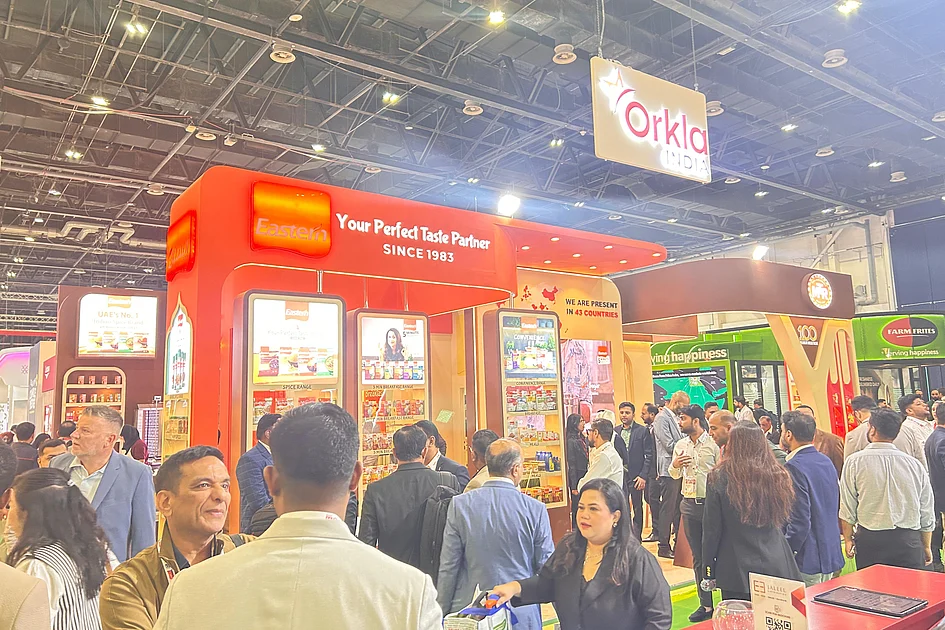
  • Orkla’s Eastern strengthens UAE leadership as demand for spices and convenience foods surges

    Orkla’s Eastern strengthens UAE leadership as demand for spices and convenience foods surges

    Orkla India’s flagship brand Eastern has solidified its position as the UAE’s leading Indian spice label, with company executives identifying the Emirates as the strategic spearhead of their global expansion ambitions. This market dominance comes amid surging consumer demand for both traditional spices and modern convenience foods across the Gulf region.

    According to Ashvin Subramanyam, CEO of International Business at Orkla India, the GCC accounts for approximately 70% of the company’s international sales, with the UAE alone contributing over one-third of this revenue. The company has demonstrated remarkable growth with a 14% compound annual growth rate over the past three years, a trajectory management expects to accelerate further.

    Initially popular among the Malayali and broader Indian diaspora, Eastern has successfully transcended cultural boundaries to gain significant traction in Arabic and Emirati households. Strategic partnerships with major retailers including Union Coop and Sharjah Coop have been instrumental in mainstreaming the brand beyond its traditional consumer base. Recent market data confirms Eastern’s position as the household reach leader among Indian spice brands in the UAE.

    The brand’s cross-cultural success stems from Orkla’s sophisticated culinary research capabilities through its Cuisine Centre of Excellence. This dedicated facility conducts in-depth studies of regional dishes, reverse-engineers flavor profiles, and drives innovation across spice blends, meal solutions, and convenience food categories.

    This research-driven approach has enabled Eastern to expand beyond Indian flavors into a growing Arabic spice range, supported by locally tailored marketing and product development. The company has particularly focused on younger consumers seeking convenient formats without compromising authenticity, exemplified by innovations like the “5-Minute Breakfast” range that recreates Kerala staples in ready-to-prepare formats.

    With a distribution network spanning over 16,000 outlets, Orkla’s growth strategy centers on innovation, expanded distribution, and consumer insight-led marketing. The UAE’s dynamic food landscape—characterized by global culinary trends, health-driven preferences, and demand for clean-label offerings—provides fertile ground for accelerated expansion.

    Industry events like Gulfood have served as significant catalysts for the brand’s regional visibility and innovation efforts. Subramanyam emphasized the importance of such platforms in fostering the “positive collision of ideas” that drives culinary innovation and international recognition for regional brands.


  • Mandate or defining moment? The UAE’s upcoming eInvoicing regulation is about more than compliance

    Mandate or defining moment? The UAE’s upcoming eInvoicing regulation is about more than compliance

    While July 2026 might appear distant on the calendar, the UAE’s impending eInvoicing mandate demands immediate strategic attention from businesses. Contrary to viewing this as merely another regulatory hurdle, forward-thinking organizations recognize it as a transformative opportunity to revolutionize financial operations and procurement ecosystems.

    This regulatory shift fundamentally differs from previous implementations like VAT or corporate tax. eInvoicing operates at the transactional level in real-time, creating an embedded governance mechanism that validates compliance at the moment of issuance. This transforms compliance from retrospective control to continuous assurance, reconnecting the traditionally fragmented invoicing process into a seamless Source-to-Pay lifecycle.

    Early adopters gain significant competitive advantages beyond compliance. They secure choice in platform selection, alignment with broader digital transformation initiatives, and phased implementation strategies. The automation potential is substantial: where manual processing limits employees to approximately 6,000 invoices annually, automated systems can handle over 90,000—a 1,400% efficiency increase according to Ernst & Young research.

    The strategic value extends far beyond productivity gains. Integrated eInvoicing platforms create a single auditable truth that connects supplier agreements, purchase orders, and payment execution. This ensures automatic validation against agreed terms, reducing disputes while strengthening governance across the entire procurement value chain.

    Financial benefits materialize through accelerated payment cycles—reducing the typical 41-day invoice processing timeline—and access to early-payment discounts up to 2% per invoice. For international operations, early implementation allows organizations to establish global compliance platforms capable of adapting to diverse jurisdictional requirements.

    The current budget planning period presents an ideal opportunity for finance leaders to position eInvoicing as working capital optimization strategy rather than compliance cost. Proactive investment avoids the premium costs of last-minute implementations while future-proofing organizations against evolving regulatory landscapes.

    Ultimately, the July 2026 deadline will distinguish organizations viewing this as a compliance exercise from those leveraging it to build connected, future-ready digital ecosystems. The true mandate represents a watershed moment for financial leadership to replace fragmented processes with integrated digital transformation.

  • Dubai real estate matures into one of the world’s most resilient markets

    Dubai real estate matures into one of the world’s most resilient markets

    Dubai’s property sector has evolved into one of the world’s most robust and resilient real estate markets, driven by pioneering regulation, technological innovation, and shifting investor expectations. According to Riz Ahmed, CEO of SmartCrowd, the market’s maturation stems from early regulatory frameworks that fundamentally transformed investment practices across the United Arab Emirates.

    The implementation of comprehensive regulation established new industry standards that prioritized transparency, governance, and performance accountability. Ahmed emphasized that being the region’s first fully regulated real estate investment platform created a foundation of trust that preceded scale. “Transparency became non-negotiable. Investors now expect real data, audited returns, and full visibility—benchmarks we established from day one,” he stated.

    The market transformation is demonstrated through substantial performance metrics. SmartCrowd has facilitated over 60 successful property exits—triple the combined total of other regional crowdfunding platforms—delivering consistent returns across varying market cycles. Their Buy & Hold properties have generated average net annualized returns of 14.34%, with an overall net return of 43.95% across an average holding period of 3.2 years. The innovative Flip model, designed for shorter investment cycles of 9-15 months, has produced average net returns of 27.40% with annualized returns of 24.01%.

    Ahmed attributes this success to Dubai’s dual appeal: stable rental income combined with significant capital appreciation as the market continues to mature. The recent acquisition of SmartCrowd by Nawy marks a strategic shift toward creating an integrated digital ecosystem for real estate investment throughout the MENA region. This consolidation aims to develop a comprehensive platform where users can invest, finance, manage, and exit properties under a single digital infrastructure.

    The evolution continues through continuous innovation rather than isolated breakthroughs. Ahmed concluded that maintaining leadership requires anticipating market trends and investor needs, ensuring Dubai remains at the forefront of global real estate investment innovation.

  • Libya signs $20bn oil deals with US and French energy companies

    Libya signs $20bn oil deals with US and French energy companies

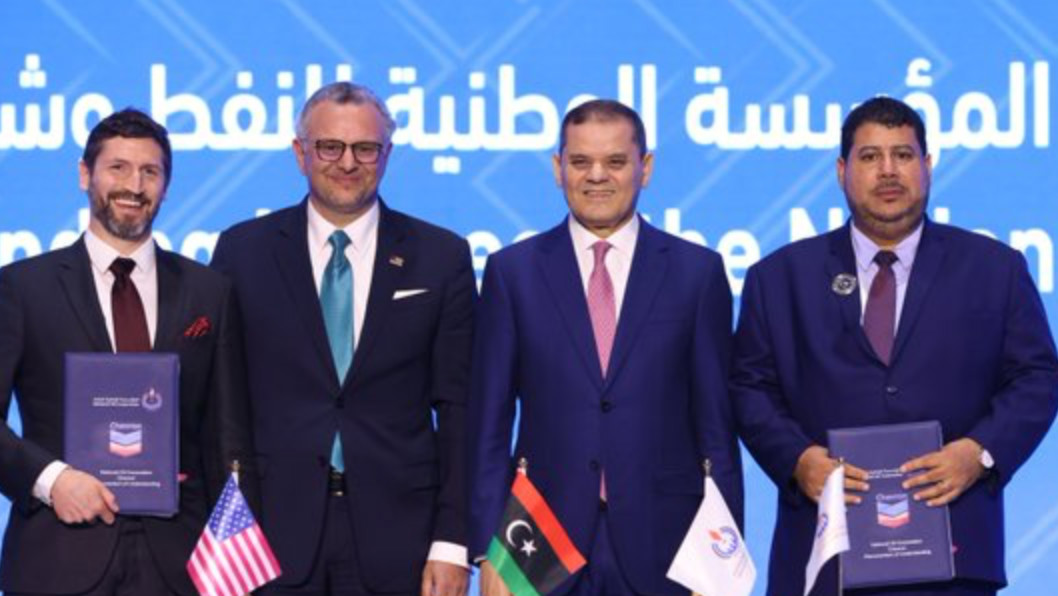
    In a significant move to revitalize its energy sector, Libya’s Tripoli-based Government of National Unity has finalized a monumental 25-year oil development pact with global energy titans TotalEnergies and ConocoPhillips. The agreement, signed during an economic summit in the capital, targets a substantial expansion of the Waha Oil Company, a subsidiary of Libya’s National Oil Corporation (NOC).

    The cornerstone of the deal is a $20 billion investment package designed to more than double Waha’s current output from approximately 350,000 barrels per day (bpd) to a projected 850,000 bpd. This ambitious plan involves the development of four new oil fields and an extensive exploration program across 19 concession areas. Libyan Prime Minister Abdul Hamid al-Dbeibah heralded the partnership on social media platform X, projecting over $376 billion in state revenue over the next quarter-century and characterizing it as a ‘qualitative and unique achievement’ that strengthens ties with major global energy players.

    The signing ceremony also featured a separate logistics and exploration agreement with Chevron and Egypt, underscoring a broader international re-engagement with Libya’s energy wealth. The presence of U.S. Special Presidential Envoy Massad Boulos, whose family connections to former President Trump have drawn scrutiny, lent diplomatic weight to the proceedings. The U.S. Embassy in Libya issued a statement praising the expanded Waha Consortium as evidence of ‘deepening collaboration’ between the two nations.

    This massive investment represents a potent vote of confidence in the Dbeibah administration from Western governments and corporations, despite Libya’s protracted political instability. The country, which possesses Africa’s largest oil reserves, has seen international investment dwindle since the 2011 NATO-backed uprising that ousted Muammar Gaddafi. The nation subsequently fractured, with eastern Libya currently under the control of military commander Khalifa Haftar and his sons, who are courting support from various international patrons including the UAE and Turkey.

    Analysts note the deals signal a pragmatic shift in the complex proxy conflicts that have defined post-Gaddafi Libya, with foreign governments and local elites increasingly prioritizing economic interests over rigid political alliances. This realignment is further illustrated by Egypt’s engagement with the Tripoli government despite its ongoing disputes with the Haftar family over the latter’s alleged support for the Rapid Support Forces in Sudan.

    The involvement of Envoy Boulos has attracted particular attention following previous reports by Middle East Eye and The New York Times concerning discussions about unlocking frozen Libyan assets for U.S. investments and his family’s social connections to figures with interests in the region’s oil sector.

  • Award winning Islamic Finance leader joins ComTech Gold

    Award winning Islamic Finance leader joins ComTech Gold

    In a strategic move poised to reshape the landscape of digital Islamic finance, ComTech Gold has secured the expertise of internationally acclaimed Islamic finance leader Lim Say Cheong as Chief Advisor for Digital Assets and Islamic Finance. This appointment signals the company’s determined push to establish global leadership in Shariah-compliant real-world asset tokenization.

    The recruitment arrives at a transformative juncture for the $6 trillion global Islamic finance sector, which is increasingly embracing blockchain technology, tokenization frameworks, and digital asset infrastructure. This shift toward technological integration aims to enhance transparency, operational efficiency, and financial inclusion across Muslim-majority markets and beyond.

    Lim brings an exceptional portfolio of credentials to his new role, including receipt of the prestigious 2025-2026 Chevening and Oxford Centre for Islamic Studies Fellowship, awarded by the UK Government in recognition of his pioneering work in financial innovation. His industry stature is further cemented by the Cambridge Islamic Finance Leadership Award, which honored his global impact in advancing Islamic capital markets and public sector advisory services.

    With professional experience spanning more than fifty international Sukuk issuances for sovereign and corporate entities including Hong Kong, the United Kingdom, Dubai, and Emaar Properties, Lim possesses unparalleled expertise in Islamic finance structuring. His advisory roles have extended to central banks and governmental institutions such as the National Bank of Kazakhstan and Bangladesh Bank, while his leadership positions at Al Hilal Bank and Noor Islamic Bank have established him as a transformative figure in the industry.

    Jignesh Ve, Founder and CEO of ComTech Gold, emphasized the significance of this appointment: “Lim combines sovereign advisory credibility with visionary digital innovation. His leadership will position tokenized gold as the natural evolution of Shariah-compliant investment—fully asset-backed, transparent, and globally accessible.”

    In his capacity as Chief Advisor, Lim will spearhead the development of Shariah-compliant tokenization frameworks for gold, real estate, and infrastructure assets. He will also enhance regulatory engagement with Islamic finance authorities and digital asset regulators worldwide while supporting ComTech Gold’s strategic expansion across the GCC, Europe, Central Asia, and Southeast Asia.

    Commenting on his new role, Lim stated: “Gold tokenization represents the natural convergence of Islamic finance and blockchain technology, both anchored in real assets, transparency, and ethical principles. Through tokenizing fully allocated physical gold, we’re creating fractional, tradable investments that appeal not only to Muslim investors but to anyone seeking credible, asset-backed value in the digital economy.”

    Lim’s academic credentials include an Executive MBA from INSEAD Business School in France and an Advanced Diploma in Islamic Finance from CIMA, complemented by executive education programs at Wharton, Oxford, Cambridge, and Columbia University. His practical experience in building Islamic banking platforms from the ground up and transforming institutions into top-tier Sukuk arrangers positions him uniquely to advance ComTech Gold’s global ambitions.

  • Looming Fed rate pause nudges bond investors back into risk

    Looming Fed rate pause nudges bond investors back into risk

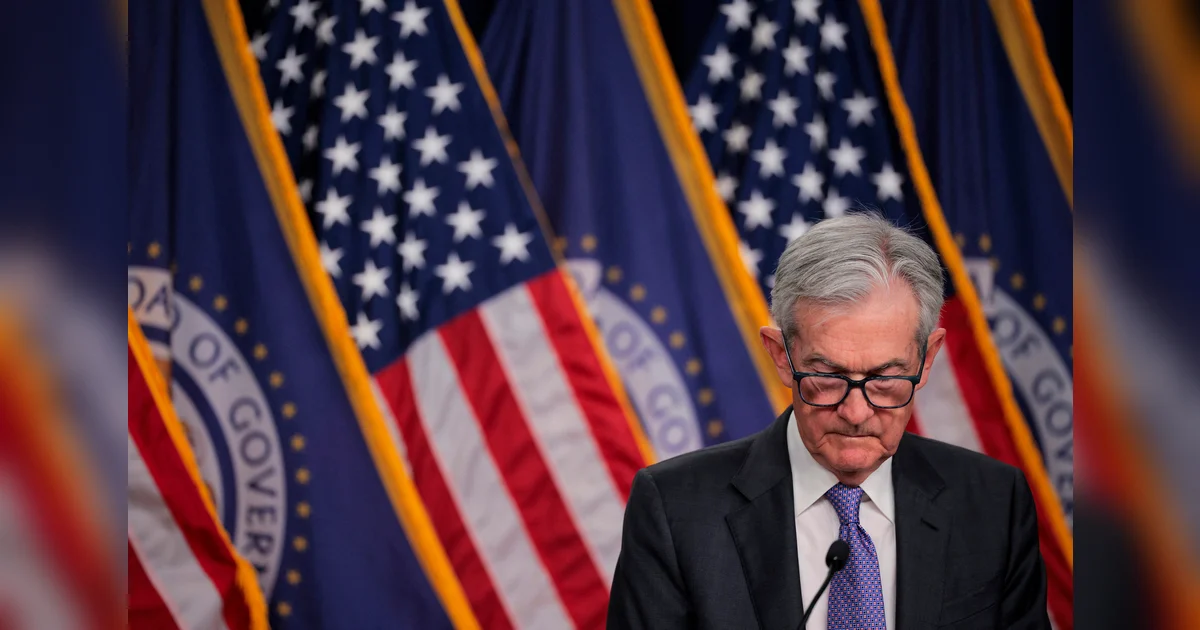
    With the Federal Reserve poised to maintain its current benchmark interest rate at 3.50%-3.75% during Wednesday’s policy meeting, bond investors are strategically reallocating portfolios toward slightly riskier assets. This anticipated pause follows three consecutive quarter-point reductions in September, October, and December 2025, marking a significant shift in the central bank’s approach to monetary policy.

    Driving this strategic repositioning are two fundamental factors: a surprisingly resilient U.S. economy and newly proposed fiscal stimulus measures expected to bolster consumer spending throughout 2026. Rather than pursuing aggressive credit investments, portfolio managers are primarily extending duration exposure—purchasing longer-dated Treasury securities that demonstrate heightened sensitivity to interest rate fluctuations.

    Market indicators reveal substantially tempered expectations for monetary easing, with rate futures pricing in approximately 44 basis points of cuts for the year, notably reduced from the 53 basis points anticipated just two weeks prior. This recalibration reflects stabilizing labor market conditions, peaking inflation trends, and the federal funds rate approaching a theoretically neutral level that neither restricts nor stimulates economic activity.

    According to Tony Rodriguez, Nuveen’s head of fixed income strategy, ‘When incorporating anticipated policy implementations including new tax reductions and the delayed economic impact of previous Fed rate cuts, an extended pause represents a logically sound approach.’

    Despite this measured risk-taking, investment-grade credit spreads have tightened to historically minimal levels—currently approximately 73 basis points over Treasuries according to ICE BofA index data—creating valuation concerns that limit aggressive positioning. Insight Investment’s John Flahive cautions clients against excessive aggression within fixed income portfolios given current valuation constraints.

    Geopolitical considerations further complicate investment decisions, with Thornburg Investment Management’s Christian Hoffmann noting that central banks’ accelerating gold accumulation partially reflects ‘long-term concerns about our fiscal position’ and desire to diversify away from U.S. debt exposure.

    The duration-extension strategy finds support in yield curve dynamics, as Morgan Stanley’s Vishal Khanduja observes that steeper curves provide compensation for moving out along the maturity spectrum. Historical patterns additionally demonstrate that longer-dated debt typically outperforms shorter-term Treasuries during Fed easing cycles.

    However, DWS’s George Catrambone highlights fiscal limitations, noting that current deficit levels constrain additional stimulus effectiveness and make high-yield credit investments particularly precarious at this juncture.

  • India, EU wrap up talks for landmark trade deal amid strained US ties

    India, EU wrap up talks for landmark trade deal amid strained US ties

    India and the European Union have finalized negotiations on a comprehensive trade agreement described as historic by both parties, with formal announcement scheduled for Tuesday. The breakthrough concludes nearly two decades of intermittent discussions and creates a free trade pathway between the world’s largest democracy and the 27-nation bloc, collectively representing 25% of global GDP and approximately 2 billion consumers.

    Indian Trade Secretary Rajesh Agrawal characterized the agreement as “a balanced, forward-looking deal for better economic integration with the EU” that will significantly accelerate trade and investment flows between the signatories. Current bilateral trade stands at $136.5 billion for the fiscal year ending March 2025.

    The agreement emerges against a backdrop of strained relations with the United States, where President Donald Trump’s tariff policies—including 50% duties on Indian goods—have prompted trading nations to seek alternative partnerships. This strategic realignment follows the EU’s recent pact with Mercosur and India’s simultaneous agreements with Britain, New Zealand, and Oman.

    Final negotiations required delicate compromises on automotive and steel sectors. The EU secured reduced import duties on European vehicles, with India planning to slash car tariffs from 110% to 40%, while New Delhi obtained eased restrictions on its steel exports. Sensitive agricultural and dairy products were excluded from the agreement to protect India’s subsistence farmers.

    The formal signing will occur after a five-to-six month legal review process, with implementation expected within twelve months. The agreement marks India’s largest trade partnership and represents the EU’s most significant market opening in South Asia.

  • Pact to boost China’s gold market

    Pact to boost China’s gold market

    In a landmark move set to redefine Asia’s precious metals trading landscape, Hong Kong and Shanghai have established a comprehensive partnership agreement aimed at creating an integrated renminbi-denominated gold market. The strategic accord, signed during the opening session of the 19th Asian Financial Forum, represents a coordinated effort to elevate China’s financial hubs within the global gold ecosystem.

    The agreement was formally executed by Christopher Hui Ching-yu, Hong Kong’s Secretary for Financial Services and the Treasury, and Yu Wenjian, Chairman of the Shanghai Gold Exchange. Both officials characterized the partnership as a transformative milestone that will fundamentally reshape the regional gold trading architecture.

    Secretary Hui emphasized the timing significance of this initiative, noting that “gold’s strategic importance has intensified amid prevailing geopolitical uncertainties, persistent inflationary pressures, and the ongoing restructuring of the international monetary system.”

    Under the newly established framework, the Hong Kong Precious Metals Central Clearing Company—a wholly government-owned entity—will implement a sophisticated collaborative governance structure. This system will feature Secretary Hui chairing the board with representation from the Shanghai Gold Exchange serving as deputy chairman.

    The Shanghai exchange will contribute substantial technical expertise and regulatory guidance across multiple domains including system architecture, rule formulation, institutional access protocols, risk management frameworks, and operational standards. Both parties have committed to synchronized efforts ensuring the efficient development of gold trade-clearing mechanisms aligned with international benchmarks.

    Hong Kong Chief Executive John Lee Ka-chiu underscored the agreement’s broader implications, stating it will “initiate a cross-boundary trade-clearing system for precious metals” that enhances financial connectivity between the two markets.

    The collaboration extends to physical infrastructure development, with Hong Kong targeting expansion of its gold storage capacity to exceed 2,000 metric tons within three years. Future cooperation will encompass physical delivery mechanisms, warehousing solutions, and broader ecosystem development.

    The People’s Bank of China demonstrated strong institutional support through Deputy Governor Zou Lan, who witnessed the signing ceremony. The central bank pledged comprehensive backing for Shanghai’s participation in developing the clearing system and reinforcing Hong Kong’s ambition to become an international gold trading hub.

    Industry representatives including Edward Au, Deloitte China’s Southern Region Managing Partner, noted the agreement’s relevance amid current financial fragmentation trends. While anticipating gradual rather than immediate capital inflows, Au projected that consistent policy execution would eventually yield deeper market participation and enhanced institutional accessibility across Asia’s gold market.

  • Thailand showcases halal food leadership at Gulfood 2026

    Thailand showcases halal food leadership at Gulfood 2026

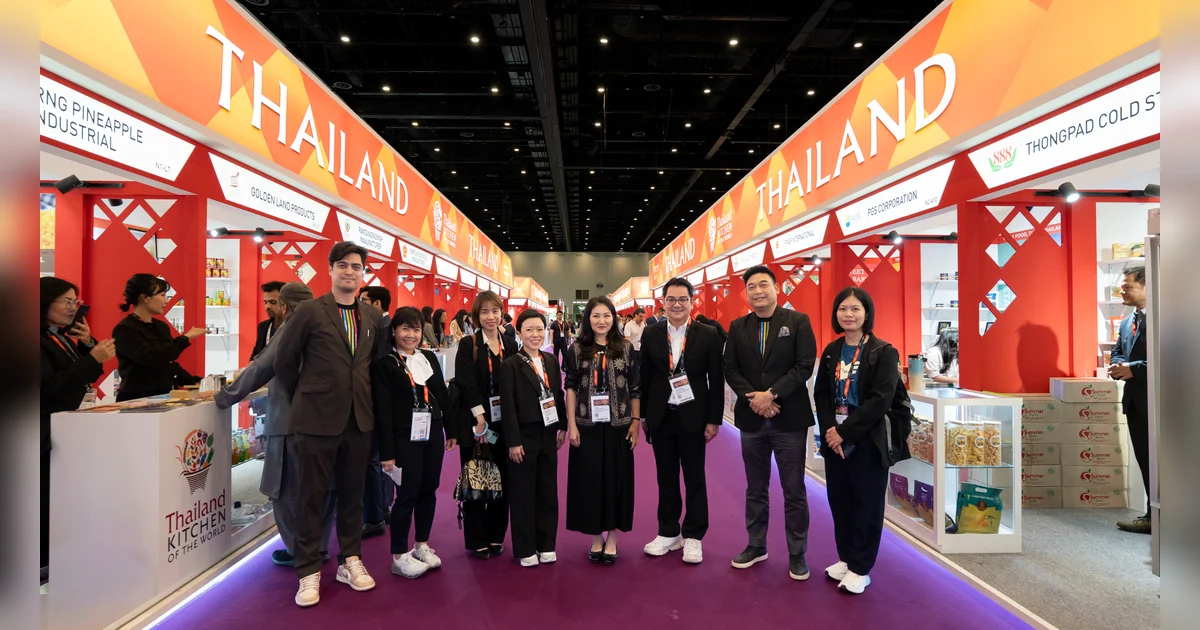
    DUBAI – Thailand has strategically positioned itself as the dominant force in the global halal food market with its expansive national pavilion at Gulfood 2026. The event, a cornerstone of international food and beverage trade, serves as the platform for the ‘Kitchen of the World’ to deepen its commercial relationships and showcase its extensive range of certified export-ready products to a global audience.

    A high-level Thai delegation, led by Thanita Khomphatraporn, Advisor to the Minister of Commerce, officially inaugurated the pavilion at the Dubai Exhibition Centre (DEC). The ceremony underscored a concerted government effort to bolster economic diplomacy and trade expansion. Key figures including Surinthorn Sunthornsanan, Deputy Director General of the Department of International Trade Promotion, and Pitichai Ratananaka, Director of the Thai Trade Center Dubai, were present to guide national export initiatives and facilitate market entry for Thai businesses.

    The Thai presence is both substantial and meticulously organized. A cohort of 194 exhibitors is displaying a diverse portfolio of premium halal-certified goods. The offering spans from the world-renowned Thai jasmine rice and shelf-stable tropical juices to fresh produce like mangoes and dragon fruit, alongside a variety of ready-to-eat meals and curries. This strategic showcase is designed to convert visibility into tangible business opportunities, enabling direct engagement with international buyers and key decision-makers.

    To optimize the experience for trade professionals, the exhibition is logically segmented across two major venues. At the DEC, three dedicated halls feature World Food (ready-to-eat items, snacks, sauces), Rice, Pulses, and Grains, and Gulfood Fresh for fresh fruits and vegetables. Concurrently, at the Dubai World Trade Centre (DWTC), the Beverages Hall and the Meat and Poultry Hall highlight Thai drinks and halal-certified meats, respectively.

    Beyond mere display, the pavilion functions as an integrated trade platform. It emphasizes Thailand’s unwavering commitment to international standards, with all participating exporters compliant with ISO, HACCP, and Halal certifications. This adherence guarantees food safety, reduces audit timelines for buyers, and accelerates product shelf approvals. On-site support from staff and interpreters ensures seamless navigation and negotiation, with structured post-event follow-ups to cement the trade partnerships forged during the exhibition.

    Trade officials and importers are invited to explore the Thailand Pavilion at both the DEC and DWTC throughout Gulfood 2026 to engage with exporters and discover the breadth of Thailand’s halal culinary expertise.

  • SBI: A Trusted Global Banking Partner

    SBI: A Trusted Global Banking Partner

    State Bank of India (SBI) has solidified its position as a premier global banking institution, ranking among the world’s top five most trustworthy banks. With its extensive international network and technology-driven platforms, SBI serves as a crucial financial bridge connecting the Indian diaspora worldwide to their home country.

    The bank’s specialized NRI banking division demonstrates remarkable scale, serving over three million non-resident Indian customers with an immense deposit base. Through 434 specialized NRI branches across India and strategic partnerships with 45 exchange companies and five banks across the Gulf Cooperation Council (GCC) region, SBI has established a comprehensive remittance infrastructure.

    SBI’s digital transformation initiative has yielded sophisticated banking solutions including the YONO (You Only Need One) platform and Retail Internet Banking (RINB), providing 24/7 accessibility. Recent innovations include digital account opening through TAB devices, automated e-welcome letters, email-based OTP authentication, and integrated NEFT/RTGS transaction capabilities.

    The bank offers an extensive portfolio of tailored financial products for NRIs, encompassing Non-Resident External (NRE) accounts, NRO accounts, FCNR(B) deposits, RFC accounts, and specialized offerings like the NRE ‘Sukoon’ Current Accounts and SBI Capgains Plus Accounts. Additionally, NRIs can access various loan products including home loans, vehicle financing, and loans against existing deposits.

    Supporting this global operation are two dedicated Global NRI Centers located in Ernakulam (Kerala) and Patiala (Punjab), which function as comprehensive service hubs for overseas customers. These facilities reinforce SBI’s commitment to providing one-stop banking solutions for the Indian diaspora.

    In conjunction with Republic Day celebrations, SBI reaffirmed its dedication to maintaining the highest standards of safety, trust, and convenience through its continually evolving digital banking ecosystem, positioning itself as the definitive financial window to India for overseas citizens.