分类: business

  • Is FOMO making you invest in crypto at the wrong time?

    Is FOMO making you invest in crypto at the wrong time?

    In the volatile world of cryptocurrency investing, emotional decision-making continues to plague retail investors, often leading to poor timing and diminished returns. A recent personal account reveals how Fear Of Missing Out (FOMO) drives investors to purchase digital assets during market peaks, only to watch values decline shortly afterward.

    This pattern of emotional investing—buying during green market days and panicking during downturns—represents a systemic issue in cryptocurrency markets. Institutional investors routinely capitalize on this behavior, leveraging retail investors’ tendency to enter markets late during bull runs, thereby creating optimal exit opportunities for early adopters.

    The psychological dynamics behind these investment mistakes reveal deeper behavioral economics principles. Investors frequently delay entering markets until they feel fully prepared, only to act impulsively when prices surge, driven by anxiety about missing potential gains. This emotional response consistently results in suboptimal entry points and diminished long-term returns.

    A promising solution emerging within investment education circles involves automating cryptocurrency purchases to eliminate emotional factors. Following principles advocated by investment educators like Mark Moss, investors can implement systematic weekly purchases of cryptocurrencies such as XRP and Bitcoin, regardless of market conditions. This approach aligns with sound money principles and macroeconomic strategy rather than emotional reactions.

    Contrary to popular misconception, effective cryptocurrency investing doesn’t require substantial capital. The strategy of ‘stacking sats’—accumulating small fractions of Bitcoin over time—demonstrates how consistent, disciplined investing regardless of amount can yield significant long-term results. This method directly counters the emotional investing patterns that widen the wealth gap between disciplined institutional investors and reactive retail participants.

    The investment wisdom of being ‘fearful when others are greedy, and greedy when others are fearful’ remains particularly relevant in cryptocurrency markets. Developing emotional discipline and implementing automated systems may represent the most effective strategy for retail investors seeking to improve their investment outcomes in the unpredictable digital asset landscape.

  • Is 2026 really a buyer’s market? Dubai’s delivery data tells a different story

    Is 2026 really a buyer’s market? Dubai’s delivery data tells a different story

    Contrary to widespread expectations of a buyer-friendly market in 2026, Dubai’s real estate landscape continues to demonstrate remarkable resilience with persistent supply constraints and sustained demand. Current delivery data reveals a significant disparity between projected and actual housing completions, fundamentally reshaping market dynamics.

    According to comprehensive analysis by Morgan’s International Realty, Dubai is experiencing substantial delivery shortfalls with only 34,740 of the 71,613 forecasted residential units likely to reach completion this year. This pattern continues the trend established in 2025, when merely 62% of anticipated handovers materialized, well below the five-year annual average of approximately 35,500 completed units.

    Market experts including Elias Hannoush, CEO of Morgan’s International Realty, and Andrew Cummings of Savills Middle East, emphasize that the current environment doesn’t represent a traditional buyer’s market. Instead, they describe it as a ‘selective market’ where strategic advantages emerge only in specific circumstances and locations.

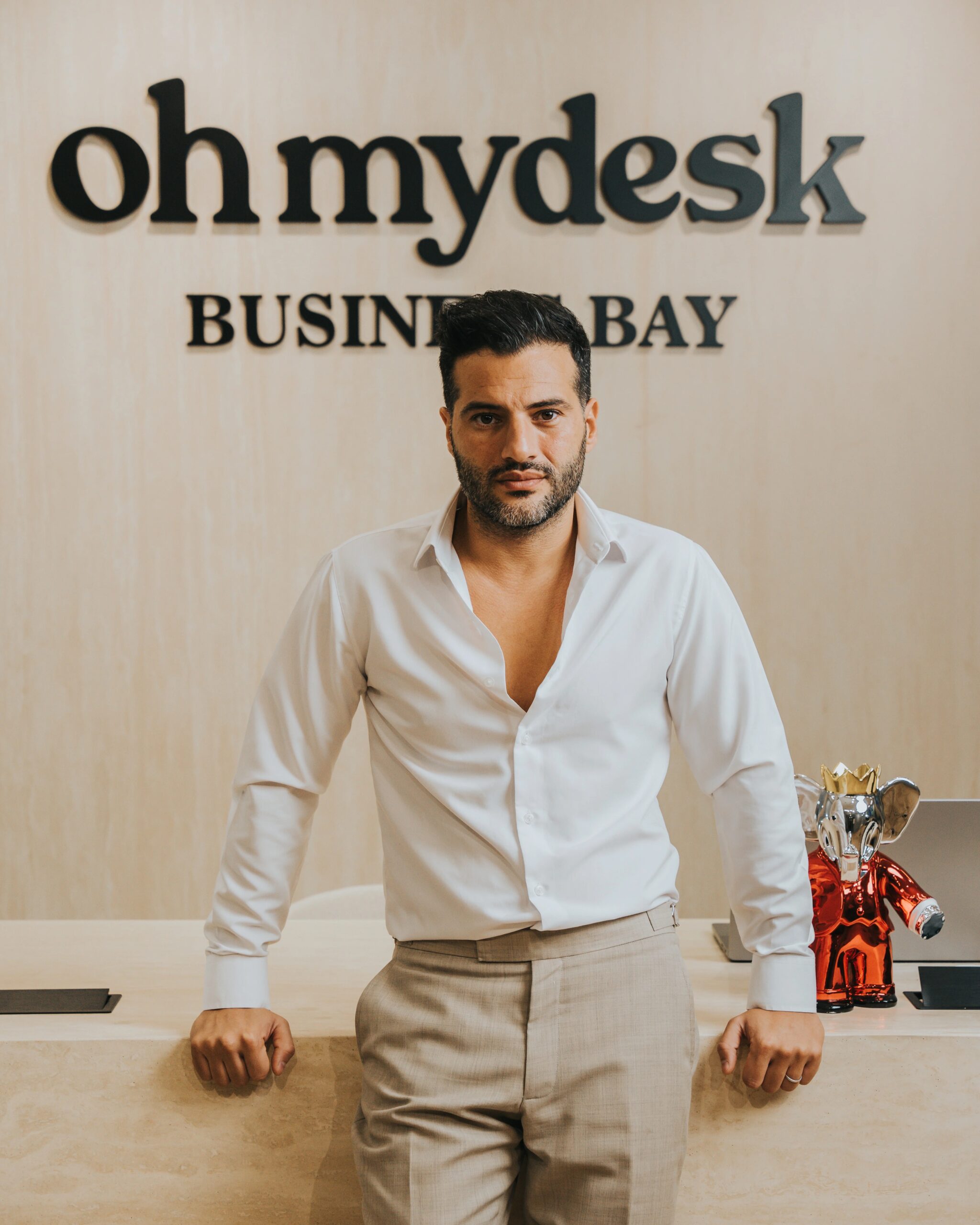
    The analysis identifies temporary negotiation windows primarily in high-density, mid-market areas such as Jumeirah Village Circle (projected 16,852 units for 2025-27), Business Bay (10,127 units), and Azizi Venice (7,860 units). These pockets offer brief periods of buyer leverage when multiple investor-driven projects complete simultaneously, though this advantage typically diminishes quickly as available units are absorbed.

    Contrary to assumptions of artificial price inflation, current valuations reflect genuine market fundamentals supported by robust rental demand and sustainable income generation. The experts caution against waiting for 2027 despite projected delivery increases, noting that expanded options don’t automatically guarantee improved affordability without corresponding changes in demand dynamics.

    The consensus among industry professionals emphasizes property selection over market timing, advising buyers to focus on developer track records, unit specifications, and location fundamentals rather than attempting to time perfect market entry points. This approach becomes particularly crucial given the market’s maturation beyond previous boom-bust cycles toward more stable, long-term investment patterns.

  • Solico Group invests Dh130 million in new SoFood production facility in Jafza to strengthen regional food manufacturing capacity

    Solico Group invests Dh130 million in new SoFood production facility in Jafza to strengthen regional food manufacturing capacity

    DUBAI – In a landmark investment for the UAE’s food manufacturing sector, Solico Group has inaugurated a state-of-the-art production facility in Jebel Ali Free Zone (Jafza) with a capital commitment of Dh130 million ($35.4 million). The new entity, branded SoFood, represents the group’s single largest investment in the UAE and is positioned to become its regional innovation and international manufacturing headquarters for the GCC.

    The purpose-built facility, spanning 5,000 square meters, incorporates advanced European manufacturing technologies with an initial production capacity of 40 tons per day. This strategic expansion significantly enhances the UAE’s food manufacturing resilience amid growing consumer demand and global supply chain considerations. The plant’s modular architectural design allows for agile entry into new food categories with minimal operational disruption.

    Gholamali Soleimani, Founder and Group Chairman of Solico Group, emphasized the strategic rationale behind the investment: “The UAE has cultivated one of the world’s most dynamic ecosystems for food manufacturing and economic diversification. This facility enables us to transfer our five decades of expertise into the UAE while building manufacturing capability that will support long-term regional food security objectives.”

    The production roadmap will unfold in phases, beginning with meat and protein products under Solico’s flagship Pemina brand for distribution throughout GCC markets and export channels. Subsequent phases will introduce cheese, dairy products, premixes, sauces, and co-packed solutions tailored for hotel, airline, and food service industries. These categories were specifically selected for their alignment with regional culinary preferences, localization potential, and export viability.

    Beyond manufacturing, SoFood will function as Solico’s regional innovation center, developing products specifically for Middle Eastern palates while shortening supply chains to enhance product freshness. The facility also incorporates comprehensive sustainability measures including energy- and water-efficient systems, waste-minimization processes, and holds multiple certifications including ISO 22000, HACCP, Halal, and Dubai Municipality Grade A accreditation.

    Sultan Ahmed bin Sulayem, Group Chairman and CEO of DP World, noted: “Solico’s decision to establish their largest UAE investment in Jafza underscores Dubai’s industrial ecosystem strength. This facility will strengthen food security, create high-quality employment opportunities, and advance the UAE’s ‘Make it in the Emirates’ manufacturing objectives.”

    The facility’s location within the DP World-operated Jebel Ali ecosystem provides direct access to global logistics corridors, enabling Solico to reach over three billion consumers across nearby markets while supporting the UAE’s broader economic diversification strategy.

  • Taxation Society hosts ‘Tax Ready 2026’ conference on UAE’s evolving tax framework

    Taxation Society hosts ‘Tax Ready 2026’ conference on UAE’s evolving tax framework

    Dubai’s taxation community gathered at the Dusit Thani Hotel on Sheikh Zayed Road for the pivotal ‘Tax Ready 2026: Navigating UAE’s Evolving Tax Framework’ conference. Organized by the Taxation Society, this intensive half-day symposium assembled tax specialists, financial executives, and business proprietors to address the nation’s rapidly transforming fiscal environment as it approaches significant 2026 regulatory milestones.

    The event commenced with formal addresses from Taxation Society leadership, including President Nimish Makvana and Chairman Naveen Sharma, setting the stage for substantive technical discussions. The conference garnered distinguished participation from Mirza Al Sayegh of the Al Maktoum Foundation and keynote speaker Dr. Surender Singh Kandhari, chairman of Al Dobowi Group and Pravasi Bharatiya Samman Award recipient.

    Technical expertise was provided by Young Global specialists who delivered comprehensive sessions on critical tax developments. Director of Indirect Taxes Yedukondalu Mallela presented practical guidance on e-invoicing implementation and VAT compliance requirements. Corporate Tax Director Marat Tastambetov elucidated complexities surrounding the UAE’s Pillar 2 framework and global minimum tax implications. Transfer pricing received dedicated attention through a joint presentation by Rishi Sapra (Founder/CEO) and Jyoti Shukla (Transfer Pricing Manager), who outlined compliance expectations and risk mitigation strategies for the coming fiscal year.

    Attendees departed with enhanced preparedness for upcoming regulatory changes, equipped with actionable insights to align their organizations with the UAE’s progressive tax framework. The Taxation Society reinforced its commitment to facilitating professional development through targeted knowledge-sharing initiatives that address the dynamic needs of the business community.

  • BBC to make tailored shows for YouTube in content deal, FT reports

    BBC to make tailored shows for YouTube in content deal, FT reports

    The British Broadcasting Corporation (BBC) is embarking on a strategic pivot by entering into its first-ever content creation partnership with Google’s YouTube platform. According to a Financial Times report, this groundbreaking agreement will see the BBC develop tailored programming specifically for YouTube’s global audience.

    The collaboration represents a significant departure from the BBC’s traditional funding model, which relies on license fees from British television households. Under the new arrangement, programs initially produced for YouTube will subsequently appear on the BBC’s domestic platforms, including iPlayer and Sounds. The partnership primarily targets younger demographics who increasingly consume content through digital streaming services rather than traditional broadcast channels.

    Financial terms remain undisclosed, but the arrangement enables the BBC to generate advertising revenue when these specially created programs are viewed outside the United Kingdom. The agreement will formalize existing relationships between YouTube and both the BBC’s domestic public service arm and its commercial division, BBC Studios.

    This strategic move comes amid one of the most challenging periods in the BBC’s history. The organization recently faced leadership upheaval following the resignations of its two most senior executives. This management crisis emerged after former U.S. President Donald Trump filed a $10 billion lawsuit against the broadcaster. The legal action alleges that edited clips of a presidential speech misleadingly suggested Trump directed supporters to storm the U.S. Capitol on January 6, 2021.

    The YouTube partnership reflects the shifting media consumption landscape in Britain. Recent data from Barb Audiences reveals that YouTube reached 51.9 million British viewers in December, slightly surpassing the BBC’s audience of 50.8 million. This milestone underscores the platform’s growing dominance in the UK media market and highlights the imperative for traditional broadcasters to adapt to evolving viewer preferences.

  • Al Maya Group ushers in a new era of global food excellence at Gulfood 2026

    Al Maya Group ushers in a new era of global food excellence at Gulfood 2026

    Dubai prepares to host an unprecedented convergence of food industry leaders as Gulfood 2026 expands into a dual-venue spectacle at the Dubai World Trade Centre and Dubai Exhibition Centre from January 26-30, 2026. This milestone 31st edition, operating under the theme ‘The Global Food Reset,’ will establish new benchmarks as the most comprehensive marketplace in food trade history, featuring thousands of exhibitors from nearly 200 countries and hundreds of thousands of products across 12 sector verticals.

    At the forefront of this transformation stands Al Maya Group, leveraging its four-decade legacy since its 1982 founding to drive evolution in FMCG sourcing, distribution, and retail excellence. The Group’s expansive distribution network across GCC nations and beyond positions it as a pivotal force in reshaping regional food systems.

    The event will debut groundbreaking elements including the Gulfood World Economy Summit and Future Food500 forum, assembling global leaders, policymakers, and technologists to address critical challenges in food security, climate-resilient value chains, and sustainable growth pathways.

    Kamal Vachani, Deputy CEO and Group Director, emphasized the event’s significance: ‘Gulfood 2026 represents the nerve center of food trade innovation and strategic alliances. We’re demonstrating how digital intelligence, sustainability, and future-focused supply chain platforms are fundamentally transforming regional food distribution.’

    Al Maya Group’s technological advancements form a cornerstone of this transformation, featuring sophisticated Warehouse Management Systems, automated order fulfillment, mobile sales force automation, and business intelligence tools that ensure supply chain transparency, product freshness, and timely delivery across its operations in UAE, Oman, Kuwait, Qatar, and Bahrain.

    The Group’s exhibition presence will serve as a strategic hub for forging new partnerships, exploring co-creation opportunities, and developing scalable distribution models that enhance competitiveness within the global food economy, while showcasing its curated portfolio of international and regional brands.

  • More direct flights seen to increase exchanges

    More direct flights seen to increase exchanges

    The recent restoration of direct flight connectivity between India and China is generating substantial economic momentum, creating fresh pathways for bilateral trade and commercial cooperation. This development comes after a prolonged five-year hiatus that had severely constrained business interactions between the two Asian giants.

    Entrepreneur Praveen Suthar’s experience exemplifies the transformative impact of renewed air links. For years, Suthar had postponed establishing a portable house manufacturing facility in Udaipur, Rajasthan, due to transportation challenges. The October resumption of direct flights between Kolkata and Guangzhou finally enabled his 12-day sourcing mission to China, resulting in a fully approved manufacturing plant that will employ approximately 400 local workers.

    “We maintain significant dependence on China for high-tech raw materials that remain consistently cost-effective,” stated Suthar, who also chairs the Federation of Rajasthan Trade and Industry. The direct flight service has transformed previously cumbersome travel into viable business operations.

    The aviation restoration includes multiple routes: IndiGo’s Kolkata-Guangzhou service (resumed October 26), China Eastern Airlines’ daily Delhi-Shanghai connection (launched January 2), and anticipated reinstatements of Kolkata-Kunming and Mumbai-Shanghai routes according to Chinese embassy statements.

    Business advocates highlight the psychological significance of these developments. Santosh Pai, a cross-border business advisor and scholar at New Delhi’s Institute of Chinese Studies, observed: “Direct flights carry enormous signaling effect. Companies from both nations that had suspended plans are now proactively accelerating trade activities. Chinese firms have recommenced exploratory visits to India while Indian businesses are formulating new strategies.”

    The timing proves particularly fortuitous as Indian exporters seek alternatives to challenging market conditions. With United States tariffs imposing 50 percent duties on various Indian goods, exporters are actively diversifying toward Chinese markets. Jagdish Kumar, an Indian seafood exporter, noted the strategic shift: “American tariffs have severely impacted export viability, making Chinese market alternatives increasingly attractive.”

    Early indicators suggest this diversification is already underway. India’s seafood exports to China have surged 9 percent year-over-year, according to Gibinkumar T.R., secretary of India’s Marine Products Export Development Authority. This trend is expected to accelerate amid ongoing trade tensions.

    Ramachander Poodipeddi, public affairs lead for a Chinese multinational in India, emphasized the operational benefits: “Enhanced connectivity enables more sincere business engagement with greater commitment.”

    Ajay Sahai, director-general of the Federation of Indian Export Organisations, projected broader implications: “Increased flight connectivity will stimulate business interactions that benefit both nations and potentially strengthen the global economic landscape in coming weeks.”

    The aviation restoration aligns with diplomatic developments, including the December 12 bilateral agreement to enhance institutional dialogue, manage differences, and strengthen multilateral coordination—particularly regarding Global South interests.

  • Taiwan hails its ‘best’ trade deal with US, as China protests

    Taiwan hails its ‘best’ trade deal with US, as China protests

    Taiwanese Premier Cho Jung-tai has characterized the newly established US-Taiwan trade agreement as the most favorable tariff arrangement available to nations maintaining trade surpluses with Washington. This assessment emerged alongside strong condemnation from Chinese officials in Beijing regarding the bilateral pact.

    The groundbreaking agreement, negotiated following former President Donald Trump’s proposed sweeping tariffs on multiple US trading partners, reduces US tariffs on Taiwanese goods to 15% in exchange for substantial investments totaling $250 billion within the American technology sector. This tariff rate aligns with those previously extended to the European Union, Japan, and South Korea, representing a significant reduction from the initially proposed 32% rate that was later adjusted to 20%.

    Premier Cho emphasized the strategic importance of this development, stating: “This demonstrates that the US views Taiwan as an important strategic partner. Our objective has been to lower mutual tariffs, and according to negotiation outcomes, Taiwan has successfully secured 15% tariffs without additional fees.”

    The arrangement includes specific provisions benefiting multiple industries: automotive and wood furniture sectors receive the 15% tariff rate without supplementary charges, while certain aerospace components gain complete tariff exemption. Semiconductor producers investing in the United States will qualify for preferential tariff treatment, including exemptions.

    The agreement establishes an economic partnership framework that will facilitate the creation of world-class industrial parks across the United States, aimed at bolstering domestic manufacturing capabilities. The US Department of Commerce described the pact as “a historic trade deal that will drive a massive reshoring of America’s semiconductor sector.”

    China’s Foreign Ministry spokesperson Guo Jiakun expressed firm opposition to the agreement, reiterating Beijing’s position against any sovereign-implicating agreements between countries maintaining diplomatic relations with China and Taiwan, which China claims as its territory.

    The timing of the agreement coincides with Taiwan Semiconductor Manufacturing Company’s (TSMC) announcement of plans to increase capital spending by nearly 40% this year, following a 35% surge in quarterly net profit driven by artificial intelligence demand. TSMC has committed approximately $165 billion to US investments and is accelerating construction of new fabrication plants in Arizona.

    The agreement requires ratification by Taiwan’s parliament, where opposition lawmakers have raised concerns about potential impacts on the island’s domestic semiconductor industry. Despite these concerns and ongoing geopolitical tensions with China, Taiwan prioritized strengthening economic relations with the United States, according to trade expert Ryan Majerus, a former official in both Trump and Biden administrations.

  • The president and the public give the US economy different grades

    The president and the public give the US economy different grades

    A stark divergence has emerged between America’s robust economic performance and the public’s increasingly gloomy perception of economic conditions. While President Trump continues to award the economy his highest marks, consumer sentiment surveys reveal a dramatically different assessment from the American public.

    The Conference Board’s Consumer Confidence Index concluded 2025 significantly below its January peak, while the University of Michigan’s index, despite modest recent gains, remains nearly 25% lower than year-ago levels. This pessimism translates directly into political approval ratings, with only 36% endorsing the president’s economic management in recent NPR/Marist polling—the lowest reading in six years. Remarkably, over half of respondents believed the economy had already entered recessionary territory.

    This public sentiment contrasts sharply with conventional economic indicators. Equity markets delivered impressive returns throughout 2025, with the Dow Jones gaining 13%, the S&P 500 advancing 16%, and the NASDAQ surging 20%. Corporate profits followed suit, with S&P 500 companies recording 13% growth and analysts projecting additional 15-16% gains for 2026. The artificial intelligence revolution continues to drive substantial investment in data infrastructure and technological capabilities.

    Gross domestic product figures further contradict the pessimistic narrative. After adjusting for inflation and seasonal variations, third-quarter GDP expanded at a robust 4.3% annual rate, significantly exceeding historical averages, while the second quarter posted a solid 3.8% growth rate.

    The explanation for this perception gap lies in the uneven distribution of economic benefits. Despite strong aggregate numbers, job creation has stagnated, and although unemployment remains relatively low at 4.6%, anxieties about artificial intelligence displacing workers persist across even high-performing sectors. The Federal Reserve Bank of New York’s December survey revealed that expectations of finding new employment after job loss plummeted to a record low of 43.1%.

    Inflation concerns continue to weigh heavily on consumer psychology. With rates persistently hovering around 3%—nearly a full percentage point above the Federal Reserve’s target—Americans remain frustrated by elevated price levels rather than merely the pace of increases. Supply chain disruptions during the pandemic drove prices to unusually high levels in 2022, and consumers have grown impatient waiting for normalization.

    Additional structural challenges include housing affordability constraints, with 30-year mortgage rates remaining at approximately 6.2%, and the inflationary impact of presidential tariffs. The administration’s recent consideration of quick fixes, such as proposed credit-card interest rate caps, reflects growing recognition that macroeconomic statistics alone cannot overcome the public’s lived economic experience.

  • Venezuelan acting president calls for oil industry reforms to attract foreign investment

    Venezuelan acting president calls for oil industry reforms to attract foreign investment

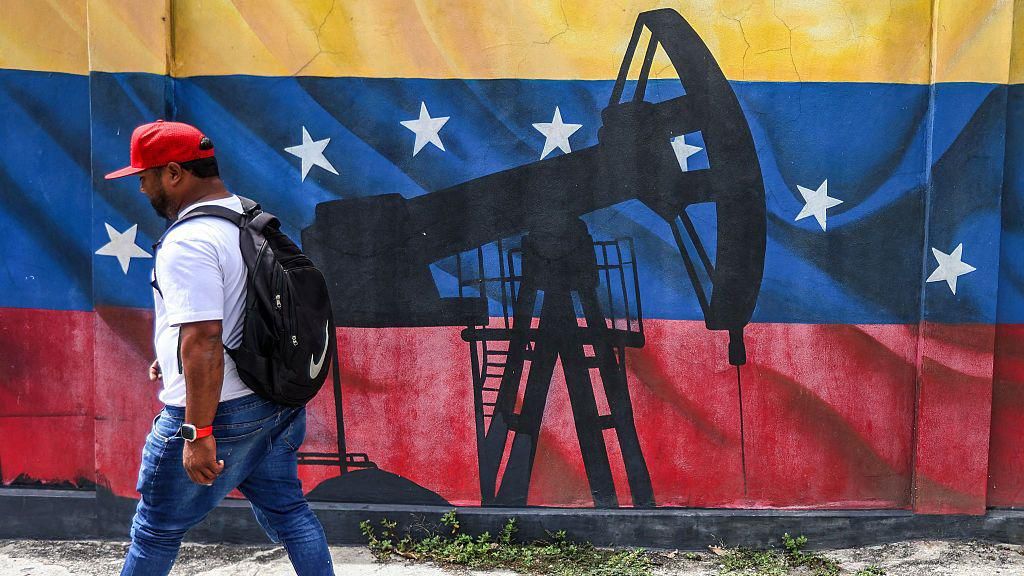
    In a pivotal address to the National Assembly, Venezuela’s Acting President Delcy Rodriguez unveiled sweeping reform proposals for the nation’s crucial oil industry, signaling a strategic shift toward attracting international investment and stimulating economic recovery. The January 15th address—Rodriguez’s first annual report since assuming leadership—comes amid significant political changes following recent developments in Caracas.

    Rodriguez emphasized that the proposed legislative changes would fundamentally transform the operational landscape of Venezuela’s petroleum sector, creating more favorable conditions for external partnerships and collaboration. The acting president revealed that December 2025 production figures reached 1.2 million barrels, demonstrating the sector’s potential despite recent challenges.

    The administration plans to channel oil export revenues toward three primary areas: strengthening the public healthcare infrastructure, accelerating economic development initiatives, and advancing critical infrastructure projects. Rodriguez characterized this moment as a ‘historic turning point’ for Venezuela, emphasizing the government’s commitment to exploring ‘pragmatic and diversified approaches’ to foreign exchange and international engagement.

    Significantly, Rodriguez articulated Venezuela’s intention to rebuild relationships ‘on the foundation of mutual respect,’ specifically mentioning the United States among other international partners. This statement suggests a potential recalibration of foreign policy following recent geopolitical events.

    The proposed oil industry reforms represent the most substantial economic policy initiative since Rodriguez assumed leadership, potentially marking a new chapter in Venezuela’s approach to managing its vast hydrocarbon resources and international relations.