分类: business

  • China curbs high-frequency trading to de-risk markets

    China curbs high-frequency trading to de-risk markets

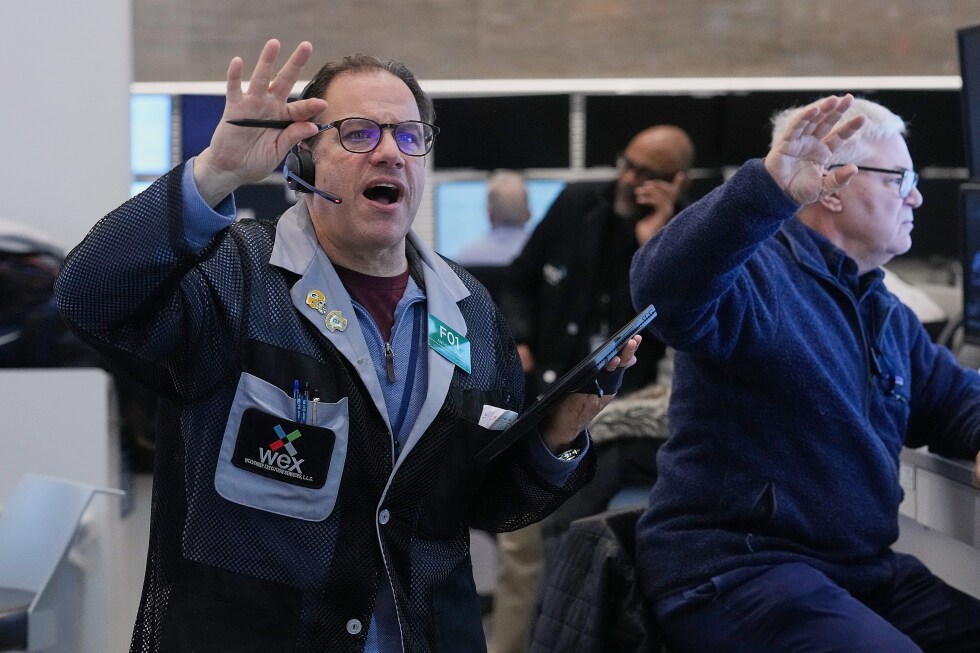
    China’s financial markets are experiencing significant turbulence as regulatory authorities escalate their campaign against high-frequency trading (HFT) practices. This strategic move represents a fundamental shift in market oversight philosophy, prioritizing stability and retail investor protection over ultra-rapid trading advantages.

    The Shanghai Composite Index witnessed a notable decline of approximately 2.1% from its recent peak, dropping from 4,188 to 4,101 between January 14-16. Similarly, the Shenzhen Component Index decreased by 1.2% to 14,281, while the CSI 500 Index fell 1.5% to 8,232 during the same period.

    Regulatory intervention has taken concrete form through directives requiring brokers to relocate client servers from exchange-operated data centers. This measure effectively eliminates the ultra-low-latency access crucial for HFT strategies. The Shanghai Futures Exchange has implemented staggered deadlines, with high-speed trading clients required to complete server removal by February’s end, while other participants have until April 30.

    Further regulatory measures include preliminary plans to impose additional two-millisecond latency on connections routed through third-party data centers. This deliberate delay compounds the inherent lag from server relocation, substantially diminishing the speed advantages that define high-frequency trading.

    The crackdown impacts both domestic HFT firms and international market makers operating in China. Prominent global entities including Citadel Securities, Jane Street Group, and Jump Trading are among those facing restricted access to exchange-linked servers.

    According to China Securities Regulatory Commission (CSRC) data, HFT accounts declined by approximately 20% in 2024, totaling about 1,600 as of June 30. Chinese exchanges formally classify high-frequency trading as activity involving more than 300 orders or cancellations per second through a single account, or exceeding 20,000 daily order requests.

    Financial expert Lin Yixiang of Tianxiang Investment Advisory criticized the arbitrary nature of this threshold, noting that while human traders might manage three transactions per second, machine-enabled hundreds create fundamentally different market dynamics. He emphasized that frequent order submission and withdrawal can generate artificial volumes and distorted prices, ultimately disrupting market integrity.

    In parallel developments, the CSRC has tightened margin financing requirements, raising the minimum margin for new trades to 100% from the previous 80% effective January 19. This policy reversal marks a return to full coverage requirements last seen in 2015, significantly reducing maximum leverage available to investors.

    Market analysts have characterized these coordinated measures as part of a broader regulatory effort to cool overheated trading conditions and protect retail investors from sophisticated algorithmic strategies that increasingly incorporate artificial intelligence to exploit market sentiment and social media trends.

  • UAE’s energy company weighs investing in Venezuela as Trump scours for partners: Report

    UAE’s energy company weighs investing in Venezuela as Trump scours for partners: Report

    Abu Dhabi National Oil Company (Adnoc), the state-owned energy giant of the United Arab Emirates, is reportedly considering a strategic entry into Venezuela’s natural gas sector. According to a Bloomberg report, preliminary discussions are underway between Adnoc and another international producer regarding potential investments in Venezuelan energy projects.

    This potential move comes at a time when major U.S. energy corporations have expressed significant reservations about investing in Venezuela despite encouragement from the Trump administration. President Donald Trump has publicly advocated for American companies to invest billions in revitalizing Venezuela’s crumbling energy infrastructure. However, industry leaders like Exxon Mobil have demonstrated reluctance, citing concerns about the country’s investment climate.

    The potential Adnoc involvement aligns with Trump’s objectives and could strengthen UAE-U.S. relations. The Trump administration has shown willingness to adjust sanctions policy to stimulate investor interest in Venezuela, with Treasury Secretary Scott Bessent suggesting possible sanctions relief to attract foreign capital.

    Venezuela possesses the world’s largest oil reserves and holds more than two-thirds of South America’s natural gas reserves. However, decades of economic mismanagement, political instability, and comprehensive U.S. sanctions have crippled its energy industry. Production has plummeted from approximately 3 million barrels per day in the late 1990s to around 800,000 barrels currently.

    Adnoc’s international investment branch, XRG, would potentially utilize Abu Dhabi’s oil revenues to finance the substantial infrastructure investments required to capture Venezuela’s largely wasted natural gas resources. Much of Venezuela’s natural gas is currently lost through flaring—the burning of excess gas during oil extraction—a problem that requires costly infrastructure to address.

    This potential investment follows Adnoc’s previous involvement in regional energy discussions, including previously reported talks about developing Gaza’s undeveloped gas fields as part of reconstruction efforts.

    The geopolitical implications are significant, as the Trump administration maintains control over proceeds from Venezuelan oil sales. The Financial Times recently reported that the first batch of Venezuelan crude sold by the U.S. went to a company whose senior oil trader had donated to Trump’s re-election campaign.

  • Why Pakistan’s war with India led to a boom in arms sales and defence ties

    Why Pakistan’s war with India led to a boom in arms sales and defence ties

    Pakistan is strategically leveraging its recent aerial engagements with India and shifting global alliances to transform its defense export profile, positioning the domestically assembled JF-17 Thunder fighter jet as a credible alternative to Western aircraft. This multi-role combat platform, developed jointly with China’s Chengdu Aircraft Corporation, is being marketed aggressively to budget-conscious nations across the Middle East, Africa, and Southeast Asia seeking to avoid political conditions typically attached to Western arms deals.

    The turning point in Pakistan’s marketing campaign came after the February 2025 air confrontation with India, which officials cite as demonstrating the JF-17’s operational capabilities against advanced Western platforms, including India’s French-made Rafale fighters. While the exact combat results remain disputed, the engagement provided Islamabad with valuable combat validation narratives that have resonated with potential buyers.

    Significant progress has been made in several key markets. Azerbaijan has emerged as a flagship customer with a $1.6 billion deal for 40 Block III variants, while Nigeria and Myanmar have already incorporated the aircraft into their air forces. Indonesia’s defense minister recently met with Pakistani officials to discuss potential purchases, and Bangladesh’s political changes have created opportunities for defense realignment.

    Africa represents particularly promising territory, with Sudan negotiating a $1.5 billion defense package including JF-17s, attack aircraft, and drones. Libya potentially represents Pakistan’s largest arms export deal ever—a reported $4 billion agreement with General Khalifa Haftar’s Libyan National Army covering fighters, trainer aircraft, and naval systems.

    The most strategically significant development involves Saudi Arabia, where discussions are underway to convert $2 billion of sovereign loans into a JF-17 order. This potential transaction signals Riyadh’s interest in building strategic hedges beyond traditional Western suppliers, particularly following perceived unreliable American support during previous regional crises.

    Despite Pakistan’s enthusiastic marketing, China remains the dominant partner in the JF-17 program, controlling critical avionics and radar systems and retaining veto power over all export agreements. This arrangement creates a unique dynamic where nations seeking Chinese technology can utilize Pakistan as a diplomatic buffer to avoid direct Western backlash.

    For Pakistan’s struggling economy—currently under its 24th IMF program—defense exports represent a potential source of high-value foreign exchange. However, analysts caution that industrial capacity limitations may challenge Pakistan’s ability to fulfill multiple large orders while maintaining its own air force readiness.

  • AGN Skyline Developers breaks ground on Casa Aura, an exclusive family-oriented residential project in Dubai South

    AGN Skyline Developers breaks ground on Casa Aura, an exclusive family-oriented residential project in Dubai South

    AGN Skyline Developers has officially commenced construction on Casa Aura, a meticulously planned family-oriented residential project within Dubai’s rapidly expanding Dubai South district. The groundbreaking ceremony, attended by company leadership, consultants, and project partners, marks the transition from planning to active construction phase for this exclusive development.

    Spanning 2,586.97 square meters across five low-rise stories, Casa Aura represents a strategic expansion of Dubai’s residential offerings tailored specifically for family living. The development incorporates contemporary architectural design paired with premium amenities including a dedicated padel court, swimming pool, state-of-the-art fitness facility, jogging track, basketball court, and open-air cinema. Additional community features include lounge and BBQ areas, children’s play zones, and comprehensive security systems with CCTV surveillance.

    The residential units feature open-plan layouts with expansive balconies, premium European finishes, and integrated smart home technology. Fully equipped kitchens with high-quality appliances, spa-inspired bathrooms, and bedrooms designed for optimal natural light contribute to a refined living environment targeting modern family needs.

    Strategically positioned within the 145-square-kilometer Dubai South master development, Casa Aura benefits from proximity to critical infrastructure including Al Maktoum International Airport, Jebel Ali Port, Expo City Dubai, and major commercial and residential centers. This location places residents within an emerging economic and residential hub with exceptional connectivity.

    From an investment perspective, the project offers a structured payment plan spanning 22 months post-booking, with installments synchronized to construction milestones. The development capitalizes on Dubai South’s growing infrastructure, increasing residential demand, and investor-friendly policies including full tax exemption and on-site visa processing services.

    Abdul Ghaffar, Managing Director and CEO of AGN Skyline Developers, emphasized the project’s philosophy: “Our focus extends beyond construction to creating genuine homes where families can establish roots, build connections, and thrive. Casa Aura embodies our commitment to developing thoughtfully planned communities that deliver lasting value for both residents and investors.”

    With construction now underway, the project advances toward its completion timeline, reinforcing AGN Skyline Developers’ reputation for quality-focused development and timely project execution in Dubai’s competitive real estate market.

  • Earning Dh15,000 salary? Dubai bank launches first digital home loan pre-approval

    Earning Dh15,000 salary? Dubai bank launches first digital home loan pre-approval

    In a groundbreaking move for the UAE’s real estate finance sector, Mashreq Bank has unveiled the nation’s first fully digital mortgage pre-approval system. This innovative platform enables expatriate residents earning a minimum monthly salary of Dh15,000 to instantly determine their home loan eligibility through an entirely online process.

    The browser-based service generates verified pre-approval letters on the same day of application, revolutionizing what was traditionally a document-intensive procedure. According to Srinivasan Padmanabhan, Head of Mortgages at Mashreq, this digital advancement provides customers with ‘approval in principle’ based on comprehensive financial assessment before they commit to property purchases in Dubai or Abu Dhabi.

    Critical to the approval process is the Central Bank’s regulatory framework, which mandates that a borrower’s total debt burden—including the proposed home loan installment—must not exceed 50% of their monthly income. The system evaluates all financial obligations reflected in credit bureau reports, including auto loans and credit card debts, to determine sustainable repayment capacity.

    While salaried expatriates purchasing their first UAE property can typically finance up to 80% of the property value, the pre-approval mechanism is designed to prevent financial overextension and promote long-term fiscal health. Applicants need only provide their Emirates ID, passport, and IBAN to receive a binding pre-approval commitment rather than merely indicative calculations.

    This digital transformation represents a significant leap forward in mortgage accessibility, offering prospective homeowners clarity on realistic budget parameters before they begin property hunting. The system maintains rigorous standards while streamlining the path to homeownership through technological innovation in the UAE’s dynamic real estate market.

  • Iconic Australian retailer Fletcher Jones to close its doors for good

    Iconic Australian retailer Fletcher Jones to close its doors for good

    Australia’s retail sector witnesses another significant departure as Fletcher Jones, a nearly century-old clothing institution, declares its complete shutdown. The heritage brand, renowned for its business and casual wear since the 1920s, will cease all operations including physical stores and online sales by January 2026.

    The company’s decline traces back to its administration crisis fifteen years ago, which precipitated numerous store closures and workforce reductions. Despite its historical significance, Fletcher Jones has experienced a gradual deterioration in market presence leading to this final decision.

    Founded in 1924 by David Fletcher Jones in Warrnambool, Victoria, the enterprise initially specialized in textile sales. Its trajectory changed dramatically in 1941 with a strategic pivot to exclusive high-quality trouser manufacturing. The brand gained substantial momentum during the 1940s, capitalizing on increased demand for military trousers nationwide.

    The iconic Warrnambool factory, now repurposed as a vintage marketplace, remains a testament to the brand’s historical footprint. After family ownership until 1998, the company changed hands and expanded into both menswear and womenswear from the mid-1950s onward, continuing growth even after its founder’s passing in 1977.

    Current proprietor Matthew Gowty has confirmed intentions to sell the brand assets. This announcement follows closely behind another Australian fashion casualty – Sass and Bide, which concluded operations after nearly thirty years of dressing international celebrities including Beyoncé, Rihanna, and Madonna. While Sass and Bide’s online sales will terminate by February’s end, the brand has hinted at future reinvention with an online message stating: ‘It’s not goodbye, it’s see you soon.’

    The consecutive closures of these established retailers signals continuing challenges within Australia’s fashion retail environment, marking a transitional period for the industry.

  • Chinese EVs are making inroads in North America. That worries industry experts

    Chinese EVs are making inroads in North America. That worries industry experts

    DETROIT — The global automotive landscape is undergoing a seismic shift as Chinese electric vehicle manufacturers capitalize on Canada’s recent decision to slash EV import tariffs. This strategic trade agreement, which also includes concessions on Canadian agricultural products, creates a formidable gateway for China’s technologically advanced and cost-competitive vehicles into North American markets.

    Industry analysts highlight that Chinese EVs represent a paradigm shift in automotive manufacturing, combining sophisticated connectivity features, lightweight construction techniques, and extended driving ranges at unprecedented price points. With vehicles priced between $10,000-$20,000—compared to America’s $50,000 average for new vehicles—Chinese manufacturers have mastered the production of desirable small and mid-sized cars that major American automakers have largely abandoned in favor of higher-margin trucks and SUVs.

    The timing proves particularly advantageous for Chinese automakers as domestic market conditions weaken while global electrification accelerates. Benchmark Mineral Intelligence data reveals 17% growth in China’s plug-in hybrid and electric vehicle sector alongside Europe’s 33% surge, contrasting sharply with the mere 1% growth in U.S. electrified vehicle sales last year.

    This expansion occurs as American manufacturers scale back ambitious electrification plans, creating a critical competitive vulnerability. The symbolic transfer of Tesla’s EV crown to BYD—which delivered 2.26 million vehicles against Tesla’s 1.64 million in 2025—underscores China’s manufacturing dominance.

    To access Canadian markets, Chinese automakers must meet stringent safety and quality standards comparable to U.S. requirements, potentially incentivizing manufacturing investment in Canada. AlixPartners predicts Chinese brands will capture 30% of the global market by 2030, having already established significant presence in Europe, South America, and Mexico.

    The advancement raises complex questions about data security and market protectionism. Transportation Secretary Sean Duffy recently asserted that China’s automotive investments aim to ‘control the industry,’ reflecting widespread concerns about data collection capabilities in connected vehicles. Despite these concerns, industry experts like AutoForecast Solutions’ Sam Fiorani conclude that ‘the advance of Chinese manufacturers is inevitable,’ noting that Western markets must establish guardrails rather than expect complete market exclusion.

  • Trump to unveil home buying plan involving retirement funds

    Trump to unveil home buying plan involving retirement funds

    The Trump administration is preparing to unveil a controversial housing initiative that would permit Americans to utilize retirement savings for home purchases. National Economic Council Director Kevin Hassett previewed the proposal during a Fox Business appearance, suggesting homeowners could potentially redirect a portion of their home equity back into retirement accounts after purchase.

    ‘Imagine allocating 10% for a down payment, then transferring 10% of the home’s equity into your 401(k). This approach would allow retirement savings to continue growing over time,’ Hassett explained, though he provided limited operational details regarding tax implications or withdrawal mechanisms.

    The announcement, scheduled for next week’s World Economic Forum in Davos, represents the administration’s latest effort to address mounting public concern about housing affordability. Current regulations typically impose penalties and taxes on early 401(k) withdrawals, creating significant financial barriers for prospective homeowners.

    This proposal follows two other major housing initiatives: a proposed ban on corporate investors purchasing single-family homes and a directive for government-backed mortgage firms Fannie Mae and Freddie Mac to acquire $200 billion in mortgage bonds. The bond purchase initiative has already contributed to 30-year mortgage rates dipping below 6% for the first time in nearly three years, according to Trump’s recent remarks in Michigan.

    Economic experts express mixed views on the retirement fund proposal. Redfin Chief Economist Daryl Fairweather noted that while the plan wouldn’t fundamentally solve the housing affordability crisis, it might provide temporary financial flexibility for some buyers. She compared the concept to pandemic-era policies that allowed penalty-free retirement fund access for down payments.

    However, housing economists caution that both the bond purchase program and retirement fund access could introduce long-term risks. LoanDepot’s head economist Jeff DerGurahian emphasized that ‘the timing and cadence of these purchases will determine whether the impact is healthy or introduces volatility into the mortgage market.’ Critics also warn that draining retirement accounts for home purchases could leave Americans financially vulnerable if property values decline.

  • Mashriq Elite set to deliver over 1,200 residential units in two years

    Mashriq Elite set to deliver over 1,200 residential units in two years

    Dubai-based real estate developer Mashriq Elite Real Estate Developments has unveiled an ambitious delivery timeline for over 1,200 residential units across multiple projects in Dubai over the coming two years. The company, celebrating its third anniversary, confirmed that 380 apartments are slated for completion in the fourth quarter of 2026, located primarily in the Arjan and Discovery Gardens districts.

    With a cumulative project portfolio valued at AED 1.5 billion encompassing 1,525 units, Mashriq Elite successfully handed over its inaugural development, Floarea Residence in Arjan, comprising 206 units, last year. The developer’s current pipeline includes Floarea Grande in Arjan (222 units) and Floarea Vista in Discovery Gardens (158 units), both scheduled for completion in 2026.

    CEO Kamran Muhammad emphasized the company’s disciplined growth strategy, stating: ‘2025 marked a significant year with the launch of four prime property developments, including our debut project in Dubai Islands. We are now entering a robust delivery phase that will expand our footprint to over two million square feet across Dubai’s most active residential areas.’

    The company’s portfolio currently consists of eight projects: five under active development, one completed, and two new developments set to launch in Q1 2026. Ongoing construction includes Floarea Skies in Jumeirah Village Circle (192 units), Floarea Oasis in Dubai Land Residential Complex (257 residences), and Floarea Breeze in Dubai Islands (48 apartments and 4 townhouses), with delivery timelines extending through 2027-2028.

    Muhammad revealed strategic expansion plans into Meydan and Dubai Production City (IMPZ), citing infrastructure development and competitive pricing as key attractions for investors. Both new projects are scheduled for launch in early 2026.

    The CEO noted sustained demand from global, regional, and local buyers, including both end-users and investors, reinforcing Dubai’s position as a premier real estate investment destination. Mashriq Elite leverages its leadership’s cross-sector experience in real estate and telecommunications across Saudi Arabia, Singapore, Indonesia, and the UAE to maintain its focus on quality and innovation in property development.

  • Watches: Oris translates Fire Horse energy into a purpose-driven limited edition

    Watches: Oris translates Fire Horse energy into a purpose-driven limited edition

    Swiss watchmaker Oris has masterfully blended cultural symbolism with horological excellence in its latest limited edition timepiece commemorating the 2026 Chinese Year of the Fire Horse. The independent manufacturer continues its tradition of creating purpose-driven watches that balance emotional resonance with mechanical sophistication.

    The timepiece immediately captivates with its deep crimson dial that embodies the Fire Horse’s energetic essence, while subsidiary dials introduce dynamic hues creating visual depth and movement. Rather than overt decorative elements, Oris employs color psychology to convey themes of heat, momentum, and inner power. Practical functionality remains paramount with luminous hands and applied indices ensuring optimal legibility despite the complex displays.

    At its mechanical heart beats the hand-wound Oris Caliber 113, one of the brand’s most ambitious in-house movements. This sophisticated mechanism functions as a complete business calendar, tracking day, date, month, and week—an unusual combination that demonstrates Oris’s commitment to practical complications. The week indicator along the dial’s periphery adds both visual interest and reinforces the watch’s purpose-driven design philosophy.

    The movement’s substantial 10-day power reserve features an intelligent non-linear indicator that increases precision as energy diminishes. Two elegantly engraved horse motifs—one dynamic, one at rest—frame this display, poetically mirroring the mainspring’s energy state. This artistic touch adds narrative depth without compromising technical seriousness.

    Housed in a 43mm multi-piece stainless steel case, the watch provides ample space for the complex dial architecture. Dual sapphire crystals front and back invite interaction with the mechanical artistry within. With 5 bar water resistance and a dark brown cordovan leather strap secured by a folding clasp, the timepiece is designed for regular wear rather than occasional ceremony.

    Limited to 88 numbered pieces—a number traditionally associated with prosperity in Chinese culture—each watch arrives in a wooden presentation box. This release transcends mere symbolic tribute, representing Oris’s distinctive character: independent in spirit, technically assured, and culturally fluent in the narratives that give fine watchmaking enduring significance.