分类: business

  • At Detroit auto show, spotlight dims for EVs

    At Detroit auto show, spotlight dims for EVs

    DETROIT — The roar of combustion engines and squeal of tires once again dominated the indoor test tracks at the North American International Auto Show, marking a symbolic departure from recent years when one track was reserved exclusively for electric vehicles. This year’s exhibition reflects a significant industry pivot as U.S. automakers scale back their electric ambitions in response to shifting political winds and market realities.

    The change comes amid President Donald Trump’s pro-fossil fuels agenda that has reshaped America’s automotive landscape. Trump’s administration has revoked Biden-era electric vehicle sales targets, cut tax incentives for EV purchases, weakened fuel economy standards, and blocked funding for charging infrastructure nationwide. During a recent visit to Ford’s River Rouge Complex, Trump celebrated these policy changes, stating he had “ended the radical left war on oil and gas” while maintaining he still believes electric vehicles “are great.”

    Industry data reveals concerning trends beneath the surface. U.S. sales of electrified vehicles grew just 1% in 2025, compared to 17% growth in China and 33% in Europe. Pure-electric market share remained under 8% with 1.23 million units sold—a slight decline from the previous year.

    The policy shift has come at considerable cost to automakers. Ford announced $19.5 billion in charges related to electrification efforts, including ending production of its all-electric F-150 Lightning. General Motors recorded $6 billion in EV-related charges, while even market pioneer Tesla faced a challenging year.

    Industry leaders expressed deep concern about America’s competitive position. “We have to look at what we’re up against. In a word—China,” Michigan Governor Gretchen Whitmer stated during her address at the show. “China wants to dominate every part of auto manufacturing. They’ve captured major market share almost everywhere except the U.S. and Canada.”

    Michael Robinet, Vice President of Forecast Strategy at S&P Global Mobility, echoed these concerns: “What we worry about is how competitive will we be on the global stage as the market continues to advance around us.”

    Former Transportation Secretary Pete Buttigieg warned that while Trump cannot prevent the eventual dominance of electric vehicles, he “can stop America from being the leader in that technology.” Industry experts suggested that automakers should maintain development of “compelling EV offerings” despite the current policy environment to avoid falling permanently behind global competitors.

  • UAE: NMC Healthcare will be ‘sold’ eventually, IPO an option, says CEO

    UAE: NMC Healthcare will be ‘sold’ eventually, IPO an option, says CEO

    NMC Healthcare’s Chief Executive David Hadley has confirmed the healthcare group will ultimately be sold, though shareholders are not currently pursuing immediate exit strategies. During a media briefing on January 15, 2026, Hadley revealed multiple potential pathways for the company’s future ownership structure, including an initial public offering, private investment, or sovereign wealth fund involvement.

    Hadley emphasized that while eventual sale is certain, the current focus remains on implementing operational changes and completing ongoing projects. “Banks do not hold these assets for long, but right now, we are not openly looking to sell,” he stated, indicating that the organization must first consolidate recent improvements before considering ownership transitions.

    The CEO acknowledged a previous unsuccessful acquisition approach, noting that discussions collapsed due to fundamental disagreements about business direction. Despite this, he described shareholders as “very supportive of the strategy and optimistic about future opportunities within the UAE.”

    NMC Healthcare’s complex history includes its 2012 London Stock Exchange listing and subsequent delisting following financial irregularities that led to creditor administration, primarily overseen by Abu Dhabi Commercial Bank. Hadley characterized an IPO as merely one option among several, noting it is “not the preferred option” at present.

    The executive highlighted global healthcare consolidation trends as potentially favorable for NMC’s future. He suggested that merging with another organization could present “a fantastic opportunity,” while also mentioning potential interest from private equity investors and sovereign wealth funds with existing healthcare portfolios. Hadley specifically noted that newly established sovereign funds might express interest in the company.

    Despite these possibilities, Hadley reiterated that immediate exit considerations remain secondary to executing the company’s strategic vision, though the organization would entertain serious offers from interested parties.

  • UAE: NMC Healthcare eyes acquisitions, rebranding as hospital crosses 50 years

    UAE: NMC Healthcare eyes acquisitions, rebranding as hospital crosses 50 years

    NMC Healthcare, a prominent UAE-based medical provider, is strategically positioning itself for transformative growth through potential acquisitions and comprehensive rebranding initiatives. This strategic shift comes as the organization celebrates its remarkable 50-year legacy within the UAE healthcare landscape.

    Chief Executive David Hadley revealed the company’s ambitious roadmap during a recent media briefing in Dubai, emphasizing the significance of reaching this milestone anniversary. “Achieving five decades of service in a nation that’s only 54 years old represents an extraordinary legacy worth preserving while simultaneously embracing evolution,” Hadley stated.

    The healthcare group, which faced substantial financial challenges leading to its delisting from the London Stock Exchange and subsequent administration under creditor guidance, has successfully navigated extensive restructuring in recent years. This financial reorganization has positioned NMC for renewed strategic development.

    Current expansion initiatives include significant facility enhancements across multiple emirates. The organization is advancing a major development project at Dubai Investment Park, substantially repositioning its exclusive medical facility in the rapidly growing Dubai South region. Additionally, plans are underway for modernizing the nearly 50-year-old Sharjah facility, though Hadley acknowledged the complexities involved in such heritage infrastructure projects.

    Beyond physical infrastructure, NMC is implementing a calculated network expansion strategy involving approximately ten new clinics over the coming years to establish presence within emerging communities. Regarding acquisition strategy, Hadley noted the shifting global healthcare landscape toward consolidation: “Standalone hospital operations have become increasingly challenging in today’s market. Integration within larger healthcare networks provides critical operational advantages.”

    The executive specifically highlighted Dubai’s acquisition opportunities, noting the company’s current concentration of assets in Abu Dhabi with limited premium facilities in Dubai. “We’ve identified several promising acquisition targets in Dubai and anticipate being able to announce concrete progress on these growth initiatives within the current year,” Hadley concluded.

  • ‬NIO EL8‭ Review: Inside the ‬full-size electric crossover SUV

    ‬NIO EL8‭ Review: Inside the ‬full-size electric crossover SUV

    Chinese automotive manufacturer NIO is positioned to disrupt the luxury electric vehicle market with its flagship offering, the 2025 NIO EL8 full-size electric crossover SUV. This premium model combines sophisticated design with cutting-edge technology, including a revolutionary battery-swapping system that dramatically reduces charging times.

    The EL8 showcases a distinctive minimalist aesthetic that blends MPV-style crossover elements with sleek SUV proportions. Measuring 5,099 mm in length, 2,199 mm in width, and 1,750 mm in height with a 3,070 mm wheelbase, the vehicle presents an imposing road presence. Its aerodynamic efficiency is enhanced by flush door handles and a remarkable 0.25 drag coefficient. The exterior features signature design elements including an X-Bar front bumper, shark-nose profile, and a unique “cat-ear” roof module housing advanced LiDAR and camera systems.

    Interior accommodations prioritize luxury and comfort with soft faux-leather upholstery available in three earth-inspired color themes. Second-row occupants enjoy captain’s chairs with business-class-level recline functionality. The cockpit integrates a 12.8-inch AMOLED center display running responsive Banyan OS, complemented by a substantial 16.3-inch head-up display.

    Performance specifications reveal a formidable powertrain configuration. A 100 kWh underfloor battery supplies energy to a 180 kW permanent-magnet front motor and 300 kW induction rear motor, generating combined torque output of 850 Nm. The vehicle achieves 0-100 km/h acceleration in approximately 4.1 seconds with a claimed NEDC range of 515 km. Regenerative braking offers multiple modes enabling near one-pedal driving capability.

    The EL8’s most innovative feature is its battery-swap technology, which allows complete battery replacement in just three minutes at dedicated NIO Power Swap stations. While currently limited to Yas Marina locations, this technology addresses one of electric vehicle ownership’s primary concerns—extended charging durations.

    Advanced technology integration includes NOMI, an AI companion featuring a dashboard-mounted rotating robot with digital facial expressions. The vehicle also incorporates 23 safety and driver-assistance systems encompassing Autonomous Emergency Braking, Lane Departure Warning, Active Lane Change, and Advanced Parking Assist capabilities.

    Despite its premium positioning, the EL8 faces challenges including limited steering adjustability, some quality inconsistencies, and market skepticism regarding Chinese luxury vehicle pricing. Nevertheless, NIO’s flagship represents a significant advancement in electric vehicle technology and luxury design, potentially reshaping consumer perceptions of Chinese automotive manufacturing capabilities.

  • Autostrad accelerates UAE mobility with rapid fleet growth and sector-focused solutions

    Autostrad accelerates UAE mobility with rapid fleet growth and sector-focused solutions

    Dubai-based mobility innovator Autostrad has emerged as a dominant force in the United Arab Emirates’ transportation sector, achieving remarkable expansion with its fleet surpassing 6,000 vehicles while maintaining an extraordinary 50% year-on-year growth trajectory over the past two years. The company’s strategic positioning within the rapidly evolving UAE mobility market demonstrates how specialized, sector-specific solutions are reshaping corporate transportation.

    Autostrad has pioneered a unique operational model that delivers tailored mobility services across diverse industry verticals including oil and gas, aviation, port operations, educational institutions, and government fleets. This sector-focused methodology ensures each vehicle is purpose-engineered with advanced safety systems, regulatory compliance technologies, and data-driven management platforms. The company’s substantial footprint includes over 500 dedicated vehicles serving long-term contracts in the oil and gas sector alone, while its educational transportation division now safely transports more than 14,000 students daily—a significant increase from 9,000 the previous year.

    Technological integration forms the cornerstone of Autostrad’s operational excellence. The company has deployed sophisticated telematics and fleet management systems that enable real-time vehicle monitoring, predictive maintenance algorithms, and operational optimization. Their digital ecosystem features integrated booking platforms, customer relationship management systems, and a proprietary mobile application that has exceeded 2,000 downloads, creating seamless customer experiences across all touchpoints.

    The UAE’s mobility sector continues to demonstrate robust growth, with market research projecting the car rental and leasing market to reach AED 14.3 billion by 2027, representing a compound annual growth rate of 6.4%. This expansion is primarily driven by increasing demand for digital fleet optimization solutions and connected mobility services across corporate and institutional sectors.

    Karunesh Arya, General Manager of Autostrad, emphasized the company’s vision: ‘We are delivering comprehensive mobility ecosystems rather than merely providing vehicles. Our solutions combine technological sophistication, operational reliability, and sector-specific customization that addresses the unique transportation challenges faced by different industries. Our sustained growth reflects both market confidence in our approach and our unwavering commitment to innovation, safety, and service excellence across the UAE.’

  • Beijing’s Chaoyang aims to be top spot for global tourists

    Beijing’s Chaoyang aims to be top spot for global tourists

    Beijing’s Chaoyang district has announced a comprehensive development strategy to establish itself as the primary destination for international tourists visiting China’s capital. The initiative, revealed during the district’s annual legislative and political advisory meetings, forms a cornerstone of Chaoyang’s 15th Five-Year Plan (2026-2030) objectives.

    Commercial Bureau Director Chen Feng outlined the district’s vision to create an internationally-oriented shopping environment through significant expansion and modernization of duty-free retail facilities and instant tax refund shopping zones. The strategy aims to enhance the overall visitor experience while boosting retail revenue from international tourists.

    Chaoyang district currently hosts an impressive retail infrastructure including more than 100 commercial complexes and over 2,000 flagship stores. The area dominates Beijing’s premium dining scene, containing 30% of the city’s traditional teahouses, 50% of its cafes, 60% of Michelin-starred restaurants, and 70% of Black Pearl-recognized dining establishments.

    The development blueprint includes substantial renovations to several prominent commercial centers. Blue Island Tower, The Place, and Yansha Youyi Shopping Cities are among the major complexes scheduled for modernization to meet international standards and consumer expectations.

    This strategic positioning aligns with Beijing’s broader economic development goals and demonstrates the city’s commitment to enhancing its global tourism competitiveness. The transformation of Chaoyang district represents a significant investment in retail infrastructure and international consumer services, potentially establishing new benchmarks for urban commercial development in China.

  • BNW Developments and Radisson Hotel Group announce the signing of Radisson Blu Hotel and Radisson Blu Residences at RAK Central, Ras Al Khaimah

    BNW Developments and Radisson Hotel Group announce the signing of Radisson Blu Hotel and Radisson Blu Residences at RAK Central, Ras Al Khaimah

    In a significant move for UAE’s hospitality and real estate sectors, Radisson Hotel Group has forged a strategic partnership with BNW Developments to establish a new Radisson Blu presence in Ras Al Khaimah. The agreement, signed on January 15, 2026, will bring both a premium hotel and branded residences to the heart of RAK Central—a developing financial hub scheduled to open in 2029.

    The development forms part of a comprehensive 3.1 million square foot master plan designed to integrate commercial, financial, residential, and recreational facilities. Strategically positioned near Al Marjan Island and Al Hamra Village, the site offers direct access to the E11 highway, connecting Ras Al Khaimah with other emirates and key tourist attractions.

    According to Ankur Aggarwal, Chairman and Founder of BNW Developments, this project represents a milestone in the company’s vision to transform Ras Al Khaimah into a prominent destination. “We are focused on delivering a development that sets a new benchmark for branded living in the UAE,” he stated, emphasizing the commercial resilience and international appeal of the mixed-use asset.

    Dr. Vivek Anand Oberoi, Managing Director and Co-Founder of BNW Developments, highlighted the lifestyle-oriented approach: “We curate lifestyles that redefine the living experience. Bringing Radisson Blu to RAK Central reflects our pursuit of excellence.”

    Elie Milky, Chief Development Officer for the Middle East, North Africa, Cyprus, and Greece at Radisson Hotel Group, noted the emirate’s strong infrastructure and investment potential as key factors driving the expansion. “Ras Al Khaimah stands out for its expanding mix of demand drivers,” he remarked.

    The Radisson Blu Hotel will feature 361 rooms situated above retail and cinema venues, along with five food and beverage outlets, a rooftop terrace, pool bar, meeting spaces, spa, gym, Business Class lounge, and a kids’ club. Adjacent to it, the Radisson Blu Residences will offer 222 units with access to hotel-style services and amenities.

    This project underscores the growing trend of branded residences in the Gulf region, where buyers increasingly seek homes backed by trusted hospitality brands. Radisson Hotel Group continues to strengthen its regional portfolio, with over 100 properties currently operational or in development across the Middle East.

  • Dubai: Gold prices slip on profit-taking; 24K continues to trade above Dh550

    Dubai: Gold prices slip on profit-taking; 24K continues to trade above Dh550

    Gold markets in Dubai and worldwide experienced a downward adjustment on Thursday morning as investors capitalized on recent gains, triggering a sell-off that pushed prices lower. The precious metal, which had reached unprecedented levels in previous sessions, faced pressure from reduced safe-haven demand amid easing geopolitical concerns and profit-taking activities.

    According to the latest data from the Dubai Jewellery Group, 24K gold traded at Dh553.0 per gram, representing a decline of nearly Dh2 from previous levels. Other variants followed similar patterns, with 22K gold slipping to Dh512.25 per gram, while 21K, 18K and 14K varieties traded at Dh491, Dh421 and Dh328.25 per gram respectively. In international markets, spot gold registered $4,590 per ounce at 9 am UAE time, reflecting a 0.8 percent decrease.

    Market analysts attribute the recent volatility to multiple factors. Vijay Valecha, Chief Investment Officer at Century Financial, noted that softer-than-anticipated US inflation data has strengthened expectations for two potential interest rate reductions by the US Federal Reserve within the year. Additionally, growing apprehensions regarding the Federal Reserve’s independence, fueled by reports of potential legal action against Chair Jerome Powell, have created uncertainty in rate markets and exerted downward pressure on the US dollar.

    Despite the current correction, underlying market conditions remain supportive for gold. Geopolitical tensions continue to persist, including violent protests in Iran, renewed US pressure on Venezuela, fresh tariff threats associated with Tehran, and the ongoing conflict in Ukraine. These factors collectively contribute to sustained demand for assets that provide insulation from political outcomes.

    From a technical analysis perspective, Century Financial identifies potential resistance for gold near the $4,675 level, based on trendline connections from highs recorded on October 27, November 13, and December 26, 2025. Support levels are anticipated around $4,550, a threshold that has been tested previously.

    The market continues to demonstrate resilience despite the current pullback, with analysts monitoring both technical indicators and fundamental drivers for future price direction.

  • American consumers paid higher prices in December for food and rent

    American consumers paid higher prices in December for food and rent

    New economic data reveals American households faced mounting financial pressures in December 2025 as consumer prices climbed steadily, driven primarily by escalating food and housing expenses. The Bureau of Labor Statistics reported a 2.7 percent year-over-year increase in the Consumer Price Index, underscoring the persistent challenge of inflation that has plagued consumers for half a decade.

    The latest figures from the Labor Department indicate a 0.3 percent monthly rise in CPI, with housing and shelter costs emerging as the predominant contributors to this upward trend. December’s numbers presented a more accurate economic snapshot following November’s artificially suppressed inflation data during the government shutdown.

    Food prices experienced their most significant surge in over three years, with particular sharp increases in beef (17.8 percent year-on-year) and coffee (1.9 percent). Restaurant and food outlet costs climbed 0.7 percent—the largest three-year increase—while overall food prices jumped 3.1 percent annually.

    President Trump’s administration has implemented several measures to combat rising costs, including instructing the Federal Housing Finance Agency to purchase $200 billion in bonds from Fannie Mae and Freddie Mac to reduce mortgage rates. The administration has also adjusted agricultural tariffs, though experts note that the constantly shifting tariff policy has created uncertainty for businesses and consumers alike.

    Despite financial pressures, holiday retail sales demonstrated remarkable resilience. The National Retail Federation reported 4.1 percent growth from November through December, totaling strong seasonal performance that exceeded expectations.

    The Federal Reserve is anticipated to maintain its benchmark interest rate between 3.50-3.75 percent at its upcoming January meeting, despite unusual circumstances including a Justice Department investigation into Chair Jerome Powell.

    Trade experts warn that consumers may bear increasing burden of tariffs through 2026, with current rates including a 10 percent baseline tariff for many nations and approximately 47 percent tariffs on Chinese imports following the October summit between US and Chinese leaders.

  • Indian flights disrupted due to Iran airspace closure, dense fog; airlines issue advisories

    Indian flights disrupted due to Iran airspace closure, dense fog; airlines issue advisories

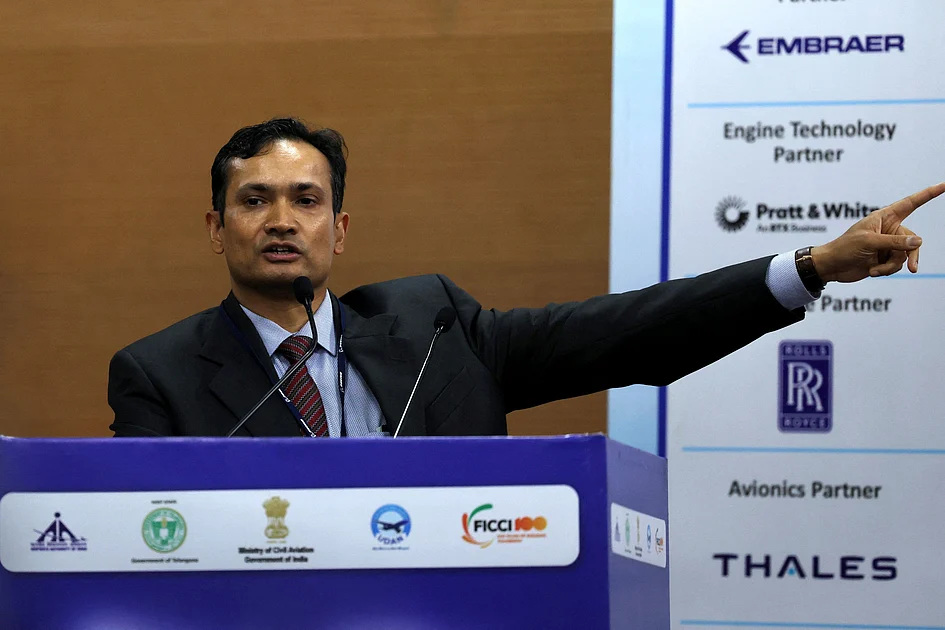
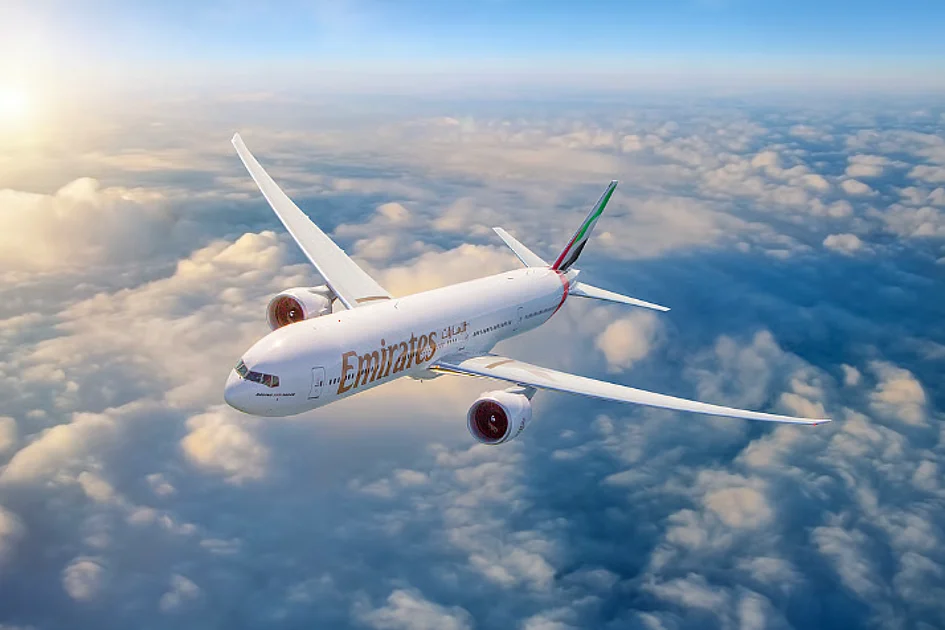
    India’s aviation sector encountered significant operational challenges on Thursday, January 15, 2026, as two distinct factors converged to create widespread flight disruptions across the country. Dense winter fog blanketing northern regions coincided with the unexpected closure of Iranian airspace, creating a perfect storm for air travel operations.

    Meteorological conditions resulted in severely reduced visibility across key northern Indian airports, with Delhi reporting near-zero visibility as temperatures plummeted below 3°C. Domestic carriers responded proactively to the situation, issuing advisories and implementing schedule adjustments. Indigo Airlines notified passengers of ‘slower flight movements’ specifically affecting Chandigarh operations, while Akasa Air implemented network-wide rescheduling, citing circumstances beyond their control.

    The simultaneous closure of Iranian airspace created additional complications for international operations. Multiple global carriers, including Air India, were forced to reroute flights or cancel services when alternative pathways proved unavailable. This dual disruption prompted airlines to urgently advise passengers to monitor flight statuses through official channels before proceeding to airports.

    Compounding these immediate challenges, Indian media reports indicated upcoming operational adjustments at Delhi Airport. From January 21-26, the aviation hub will implement daily suspensions of approximately two-and-a-half hours as part of enhanced security measures preceding Republic Day celebrations in the capital.

    These disruptions highlight the complex interplay between seasonal weather patterns, geopolitical developments, and security considerations that modern aviation networks must navigate. The incidents demonstrate how regional events can create ripple effects throughout global transportation systems, affecting both domestic and international travel operations.