分类: business

  • Guangdong remains at forefront of opening-up

    Guangdong remains at forefront of opening-up

    Guangdong Province is positioning itself at the vanguard of China’s next phase of economic transformation through comprehensive reforms and expanded global engagement. During the National People’s Congress deliberations, provincial leadership outlined an ambitious roadmap for the 15th Five-Year Plan period (2026-30) that leverages the Guangdong-Hong Kong-Macao Greater Bay Area’s development momentum to create a globally competitive economic hub.

    Huang Kunming, Guangdong Party Secretary and NPC deputy, revealed the province has achieved remarkable technological advancement with R&D intensity reaching 3.6% across all sectors. This investment has spawned multiple trillion-yuan industrial clusters, including a 300-billion-yuan core artificial intelligence industry. The province now aims to cultivate additional trillion and multi-trillion-yuan clusters in cutting-edge fields including 6G technology, low-altitude economy, embodied intelligence, and quantum technology.

    Building on the successful co-hosting of the 15th National Games with Hong Kong and Macao, Guangdong will intensify regional cooperation to accelerate development of a world-class urban cluster. Huang emphasized the maturation of collaboration frameworks, particularly noting the “abundant advantages, ample opportunities and vast potential” for developing the Guangdong-Macao In-Depth Cooperation Zone in Hengqin.

    Governor Meng Fanli highlighted Guangdong’s unique position as home to China’s largest population, highest economic output, greatest number of market entities, and widest range of application scenarios. The province will prioritize high-quality development of its service sector to drive industrial and economic growth while supporting manufacturing advancement.

    A significant international opportunity emerges with Shenzhen’s hosting of the APEC Economic Leaders’ Meeting in November. Mayor Qin Weizhong stated the city is accelerating its transformation into a globally influential economic center, with plans to upgrade international infrastructure, broaden global partnerships, and strengthen cooperation in artificial intelligence, new energy, and green transformation. The APEC meeting is expected to provide powerful momentum for Shenzhen’s reform and innovation-driven development, enhancing its global competitiveness and accelerating its emergence as a world-class metropolis.
  • China’s opening-up sends positive signal: Analysts

    China’s opening-up sends positive signal: Analysts

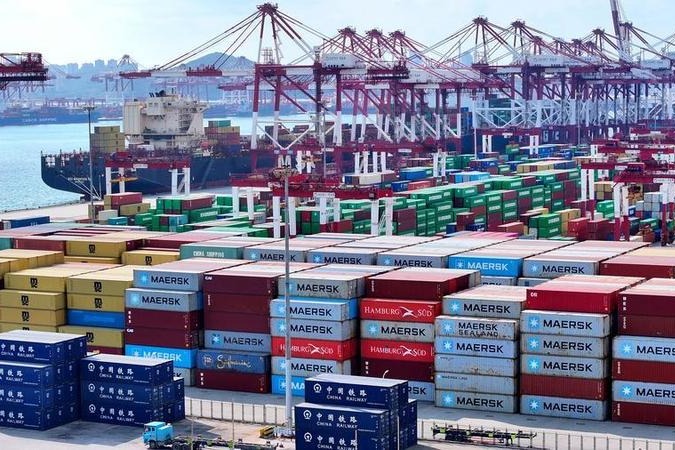
    Amid growing fragility in global trade frameworks, China’s reaffirmed commitment to market liberalization is emerging as a stabilizing force for the world economy, according to international analysts. The policy direction, outlined in the Government Work Report presented to China’s national legislature on March 5, 2026, emphasizes substantial expansion of market access, particularly within the services sector.

    Professor Seo Chang-bae, honorary president of the Korean-Chinese Association of Social Science Studies at Pukyong National University, characterized China’s announcement as strategically significant. “Given the substantial uncertainties created by the weakening World Trade Organization framework,” Seo noted, “China’s decision to further broaden market accessibility will positively influence international economic collaboration and reinforce global supply chain resilience.”

    The initiative includes pioneering liberalization trials across multiple high-value sectors: value-added telecommunications, biotechnology, fully foreign-owned medical facilities, and accelerated progression toward joining the Digital Economy Partnership Agreement (DEPA). This digital trade pact, currently comprising Chile, New Zealand, Singapore, and South Korea, facilitates enhanced digital commerce and connectivity among member nations. China formally applied for DEPA membership in 2021.

    While applauding the directional shift, Seo emphasized that tangible outcomes would depend on effective implementation mechanisms rather than policy announcements alone.

    Concurrently, economic observers are analyzing China’s moderated growth projections. Suan Teck Kin, Head of Research and Executive Director at United Overseas Bank’s Global Economics and Markets Research division, interpreted China’s 2026 growth target of 4.5-5% as indicative of economic maturation. “This reflects a strategic transition from pursuing aggressive expansion to targeting an appropriate range that prioritizes qualitative development over quantitative metrics,” Suan explained.

    The challenging global environment, characterized by rapidly evolving trade rules, makes ambitious GDP targets particularly difficult for major economies like China to achieve, he added.

    For ASEAN member states, China’s market opening presents significant opportunities. “As emerging economies, ASEAN nations require technological support, investment, and infrastructure development,” Suan observed. “This creates natural synergies for bilateral business cooperation.”

    The proposed pilot program for wholly foreign-owned hospitals particularly interests Suan, who noted China’s advancements in medical technology and research could foster mutually beneficial partnerships and knowledge exchange in the healthcare sector.

  • Oil firms cut output as crisis blocks key shipping lane

    Oil firms cut output as crisis blocks key shipping lane

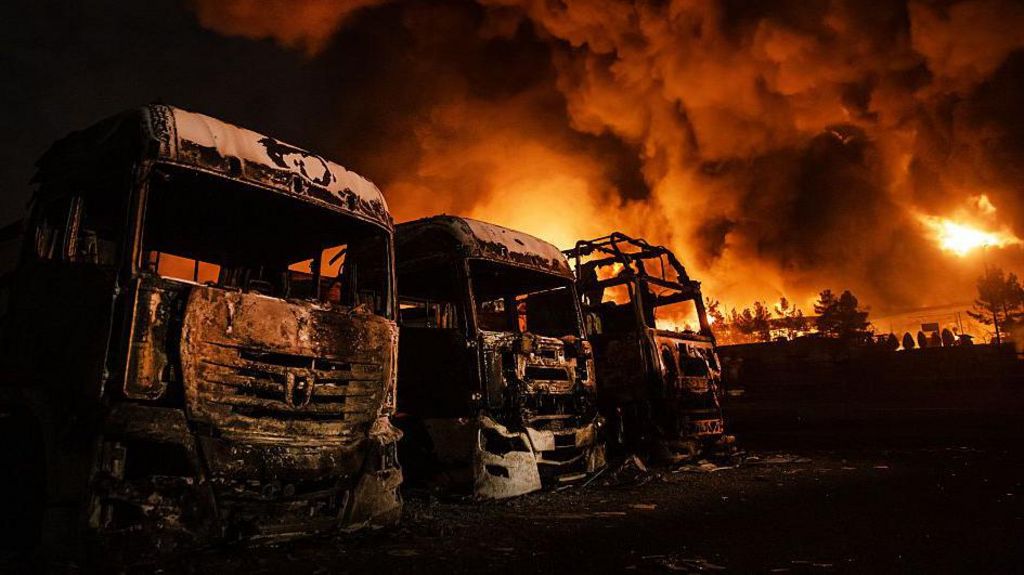
    Major oil producers across the Gulf region have initiated significant production cuts as escalating regional tensions continue to block shipments through the critical Strait of Hormuz, creating substantial disruptions to global energy supplies.

    The Abu Dhabi National Oil Company (ADNOC) announced on Saturday that it is implementing strategic output adjustments to manage storage constraints while maintaining operational readiness. “This approach preserves operational flexibility and will enable the company to resume normal operations without prolonged delay,” ADNOC stated, emphasizing that its onshore operations continue unaffected.

    The strategic waterway, currently impassable due to regional conflicts now entering their tenth day, typically facilitates approximately 20% of global oil and liquefied natural gas shipments. Energy analysts had previously warned that storage capacities would reach critical levels, forcing production reductions.

    ADNOC confirmed it is utilizing alternative export routes bypassing the strait and international storage facilities to maintain supply continuity to global markets. Simultaneously, Saudi Arabia’s Aramco is temporarily redirecting crude shipments to the Red Sea port of Yanbu to serve customers unable to access Gulf routes.

    Kuwait Petroleum Corporation joined the growing list of producers implementing cuts, declaring force majeure on Saturday following similar moves by Iraq and Qatar. The Kuwaiti company described its production adjustment as “strictly precautionary” while emphasizing its readiness to restore output once conditions normalize.

    Industry analysts note that while increased shipments from Red Sea ports provide some mitigation, they fall significantly short of compensating for the massive supply disruption caused by the closure of the world’s most important oil transit channel. The situation remains fluid with companies assessing impacts on a product-by-product basis while implementing established security protocols to protect personnel and infrastructure.

  • ASX 200 tumbles in biggest one-day sell-off since Trump-era tariffs

    ASX 200 tumbles in biggest one-day sell-off since Trump-era tariffs

    Australia’s financial markets experienced significant turbulence on Monday as escalating tensions between the United States and Iran triggered widespread investor anxiety. The benchmark ASX 200 index witnessed its most substantial single-day decline since former President Donald Trump’s tariff announcements, plummeting 252 points (2.85%) to close at 8599 points. During the trading session’s lowest point, approximately $130 billion was erased from market valuations before a partial recovery reduced losses to nearly $90 billion by closing.

    The market downturn manifested across nearly all sectors, with 10 of 11 industry categories finishing in negative territory. The sell-off was primarily driven by surging crude oil prices, which reached an intraday peak of $119 per barrel – approaching levels not seen since Russia’s invasion of Ukraine in August 2022. Market analyst Tony Sycamore of IG noted the alarming speed of the price surge, stating that projections of $120-$130 oil prices, initially expected to take weeks, materialized within a single trading session.

    Energy companies emerged as rare beneficiaries amid the market carnage. Woodside Energy gained 1.98%, Santos advanced 2.41%, and Ampol added 1.26% as higher oil prices improved their revenue prospects. Conversely, major mining corporations suffered substantial losses, with BHP dropping 5.13%, Rio Tinto declining 3.78%, and Fortescue retreating 1.04%.

    The banking sector faced intense selling pressure, with Commonwealth Bank falling 1.75%, NAB decreasing 1.58%, Westpac dropping 2.20%, and ANZ sliding 2.28%. Even traditional safe-haven assets struggled, as gold prices declined approximately 3% due to dollar strength and interest rate concerns.

    Individual stock movements showed mixed reactions to company-specific news. Domino’s Pizza shares declined 1.10% despite chairman Jack Cowin’s $3 million share purchase, while Pro Medicus fell 0.9% notwithstanding $40 million in contract renewals. DroneShield shares dropped 8.84% despite geopolitical tensions that might typically benefit defense-related stocks.

    The Australian dollar strengthened against the US currency, trading at 70.07 US cents, as commodity price movements influenced currency valuations. Market analysts emphasized that the duration of Middle Eastern conflicts will ultimately determine whether current market reactions constitute overresponse or appropriate risk pricing.

  • Iran war sends shockwaves through African fuel market and economies

    Iran war sends shockwaves through African fuel market and economies

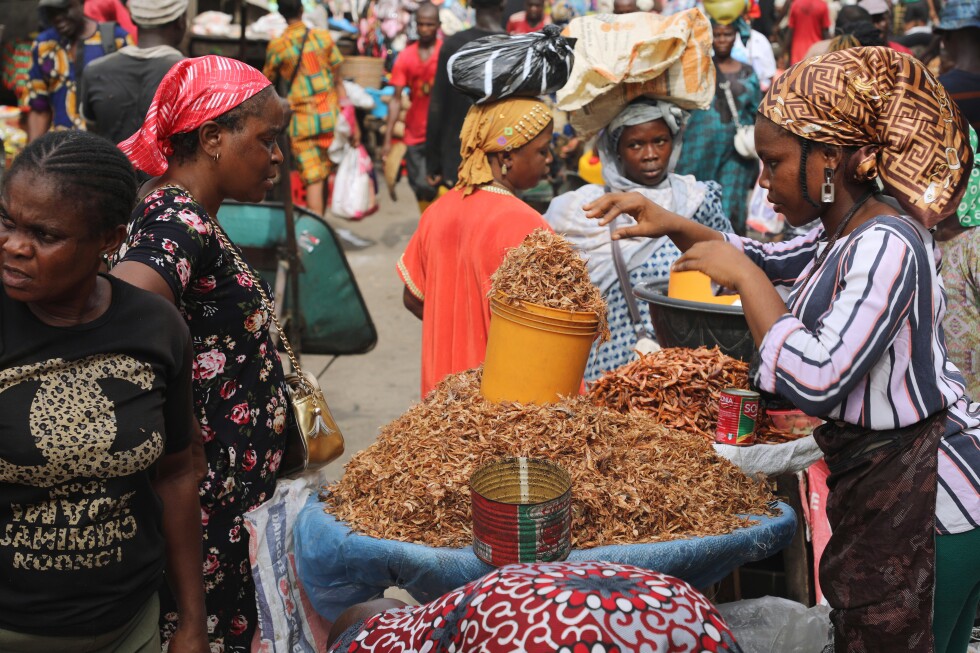
    NAIROBI, Kenya (AP) — The escalating military confrontation with Iran has unleashed a dramatic surge in global oil prices, creating severe economic headwinds for African nations. With the continent relying heavily on imported petroleum products, economists warn of impending fuel cost increases, accelerating inflation, and renewed currency instability across multiple markets.

    Energy analysts emphasize Africa’s particular vulnerability to supply chain disruptions originating in the Middle East, a region responsible for substantial portions of global crude flows. “Africa’s status as a net importer of oil products leaves it exceptionally exposed to geopolitical shocks of this nature,” explained Nick Hedley, an energy transition research analyst at Zero Carbon Analytics.

    The current crisis mirrors patterns observed following Russia’s full-scale invasion of Ukraine in 2022, when spiking crude prices combined with weakening currencies drove transport fuel costs up by more than 25% in South Africa within six months. The strategic significance of the Strait of Hormuz—a narrow shipping corridor handling approximately one-fifth of global crude shipments—adds further sensitivity to oil market dynamics.

    Impact distribution across Africa appears uneven. While Kenya and Uganda report stable supplies despite market turbulence, major crude producers like Nigeria and Ghana face complex economic equations. Though these nations export crude oil, they import most refined petroleum products, potentially limiting benefits from higher global prices.

    Brendon Verster, senior economist at Oxford Economics, identified the dual threat: “The immediate risks stem primarily from climbing oil prices and depreciating exchange rates as investors shift capital toward safe-haven assets like the U.S. dollar.”

    Sustained price elevation could generate revenue windfalls for Africa’s major oil exporters. Nigeria, which exports approximately 1.5 million barrels daily, has structured its medium-term fiscal framework around prices between $64 and $66 per barrel through 2028. Current prices exceeding $100 per barrel—if maintained—would significantly boost revenues for Angola, Algeria, and Libya.

    For ordinary citizens, however, the immediate effect translates to heightened living costs. “This represents a serious concern,” Hedley noted, emphasizing that most food and goods across Africa travel by road. “Increased fuel expenses rapidly propagate into broader inflation and diminish household purchasing power.”

    The crisis particularly threatens nations operating under International Monetary Fund programs, as energy import bills drain scarce foreign exchange reserves. Analysts identify Sudan, The Gambia, Central African Republic, Lesotho, and Zimbabwe among the most vulnerable economies.

    Longer-term perspectives suggest the crisis may accelerate calls for energy diversification. Kennedy Mbeva, research associate at the University of Cambridge’s Centre for the Study of Existential Risk, stated: “It demonstrates strategic imperative for African nations to ensure long-term energy security and sovereignty.” Achieving this balance will require navigating short-term fiscal pressures while making sustained investments in clean energy and green industrialization.

  • Stock markets slump as oil prices surge over Strait of Hormuz fears

    Stock markets slump as oil prices surge over Strait of Hormuz fears

    Financial markets across Asia-Pacific plummeted while global oil benchmarks skyrocketed beyond $114 per barrel on Monday, as escalating military actions between the US-Israel coalition and Iran triggered severe supply disruption fears through the critical Strait of Hormuz.

    The weekend witnessed intensified airstrikes targeting Iranian energy infrastructure, including key oil depots, coinciding with Iran’s announcement of Mojtaba Khamenei as successor to his father Ali Khamenei as Supreme Leader—solidifying hardliner control amid the ongoing conflict.

    Brent crude futures surged 24% to $114.74, while Nymex light sweet crude jumped over 26% to $114.78 during Asian trading hours. Equity markets mirrored the panic: Japan’s Nikkei 225 collapsed 7%, South Korea’s Kospi triggered circuit breakers after plunging 8%, while Hong Kong’s Hang Seng and Australia’s ASX 200 dropped over 3% and 4% respectively.

    The crisis stems from the effective closure of the Strait of Hormuz—a maritime chokpoint typically handling 20% of global oil shipments—where transit has virtually ceased since hostilities commenced last week. Energy analysts now warn that prolonged disruption could drive prices toward historic highs exceeding $150 per barrel if the situation persists through March.

    Adnan Mazarei of the Peterson Institute for International Economics noted, ‘Markets are realizing this conflict won’t resolve quickly. Production halts in Gulf states and escalating infrastructure damage suggest sustained supply constraints.’ The price surge is already radiating through energy derivatives, elevating jet fuel and fertilizer production costs globally.

    While Asian nations consume most Gulf oil exports, early indications show redirected LNG tankers from the Atlantic toward Asia as buyers scramble for alternatives. US President Donald Trump defended the price increases as a ‘small price to pay’ for addressing Iran’s nuclear ambitions, though domestic pressure mounts over rising fuel costs.

  • Australians not to panic buy food as Iran war enters 10th day

    Australians not to panic buy food as Iran war enters 10th day

    Australian authorities have issued firm reassurances to citizens regarding fuel and food security as geopolitical tensions in the Middle East enter their second week. With the US-Israeli conflict with Iran disrupting global shipping routes including the critical Strait of Hormuz, domestic fuel prices have seen noticeable increases across major Australian cities.

    Transport Minister Catherine King addressed mounting public concerns, emphasizing that while the government recognizes the strain on household budgets during the ongoing cost-of-living crisis, there is no justification for panic buying. “We are much more resilient than we were in previous years when it comes to fuel security,” Minister King stated, confirming that national fuel reserves remain above mandatory minimum levels despite emerging challenges.

    The situation has drawn political scrutiny, with Opposition figures raising alarms about supply chain vulnerabilities. Nationals Leader David Littleproud reported that some farmers and small wholesalers are experiencing constrained access to fuel supplies, potentially threatening agricultural production. However, he joined government officials in urging calm, noting that adequate supplies exist but require improved distribution management.

    Energy Minister Chris Bowen faces growing pressure to demonstrate the government’s contingency planning amid opposition claims that Australia risks returning to wartime-style rationing without proper intervention. The conflict has highlighted the nation’s dependence on imported fuels and the critical importance of maintaining robust energy security protocols during international crises.

  • What China’s latest economic plans say about its tech ambitions and rivalry with the US

    What China’s latest economic plans say about its tech ambitions and rivalry with the US

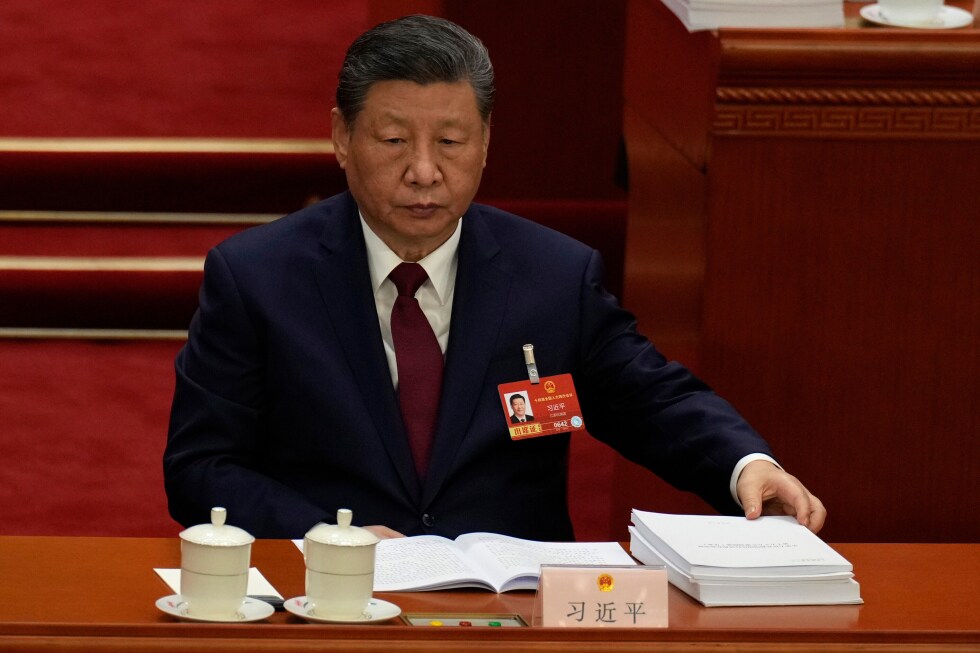
    BEIJING — China’s recently concluded National People’s Congress revealed a nuanced dual-track economic approach that balances immediate domestic concerns against ambitious long-term technological objectives, with significant implications for global markets.

    The government’s immediate priority for 2026 focuses squarely on stimulating domestic consumption to counter current economic sluggishness that has dampened both consumer and business confidence. This near-term strategy acknowledges the pressing need to address economic headwinds through internal market reinforcement.

    Concurrently, China’s five-year development blueprint emphasizes technological sovereignty as the cornerstone of its economic transformation. The comprehensive plan targets breakthroughs in artificial intelligence, quantum computing, biotechnology, new energy solutions, and next-generation 6G networks. This technological push aligns with President Xi Jinping’s vision of establishing China as a global power capable of competing with the United States across trade, technology, and geopolitical spheres.

    The strategic emphasis on technology has intensified amid ongoing trade tensions with the United States, particularly following restrictions on advanced semiconductor exports. In response, China has accelerated efforts to develop domestic capabilities in critical technologies, including commercial aviation (through its C919 passenger jet program), semiconductor manufacturing, and rare earth processing where it already maintains global dominance.

    Despite export growth providing economic stability, record trade surpluses approaching $1.2 trillion have raised international concerns about manufacturing job losses elsewhere. This external pressure has reinforced China’s determination to rebalance its economy toward domestic consumption while maintaining aggressive technological investment.

    Economic analysts note that while the announced 4.5-5% growth target for 2026 suggests potential economic cooling, substantial government subsidies will continue flowing to high-tech manufacturing sectors. However, this approach risks recreating the oversupply dynamics seen previously in solar and wind industries, potentially exacerbating global trade imbalances while further widening the gap between China’s manufacturing capacity and domestic demand.

  • Japan’s Nikkei 225 share index falls more than 6% as oil soars over $100 a barrel

    Japan’s Nikkei 225 share index falls more than 6% as oil soars over $100 a barrel

    Asian financial markets experienced severe turbulence on Monday as Japan’s Nikkei 225 index plummeted over 6% in early trading, triggered by escalating oil prices exceeding $100 per barrel amid Middle East hostilities. The benchmark Nikkei dropped to 52,166.92 shortly after opening, while South Korea’s Kospi index witnessed a dramatic 6.3% decline. Australia and New Zealand markets similarly faced substantial losses, with both falling more than 3% in response to the energy crisis.

    The commodity markets registered unprecedented movements as Brent crude surged to $107.97 per barrel on the Chicago Mercantile Exchange—a striking 16.5% increase from Friday’s closing price of $92.69. This elevation represents the highest crude valuation in over three and a half years, primarily driven by supply chain disruptions affecting major oil-producing nations and export operations in the Persian Gulf region.

    These developments follow last week’s remarkable price surges, where U.S. crude escalated by 36% and Brent crude increased by 28%. The ongoing conflict, now entering its second week, has critically impacted regions vital to global oil and gas production and transportation.

    U.S. market indicators also pointed toward negative momentum, with S&P 500 and Dow Jones Industrial Average futures declining 1.9%. This downward trend continues from Friday’s performance, where the S&P 500 dropped 1.3% following disappointing employment data showing net job losses and oil prices breaching the $90 threshold.

    Financial analysts express concern that sustained oil prices above $100 could inflict significant damage on the global economy. The simultaneous occurrence of economic weakness and rising inflation presents a particularly challenging scenario for policymakers, as conventional tools struggle to address both issues effectively.

  • Bitter times for cocoa farmers as chocolate market slumps

    Bitter times for cocoa farmers as chocolate market slumps

    A profound crisis is unfolding across West Africa’s cocoa belt, where farmers who produce the world’s chocolate supply face financial devastation despite global chocolate price increases. The paradoxical situation has left hundreds of thousands of agricultural workers in Ghana and Ivory Coast without payment for months, creating widespread economic hardship in rural communities.

    The core of the problem stems from a dramatic market reversal. Following record-high cocoa prices in 2024, global prices have since collapsed due to increased worldwide production coinciding with reduced demand. Chocolate manufacturers responded to previous price spikes by reducing bar sizes and cocoa content, ultimately decreasing their need for raw beans.

    In both Ghana and Ivory Coast, state regulatory bodies set fixed annual prices for cocoa farmers. Ghana’s Cocoa Board (Cocobod) established a rate of $5,300 per tonne last October, while Ivory Coast’s Coffee and Cocoa Council implemented similar guaranteed pricing. These fixed rates now substantially exceed current global market prices by approximately 40%, creating an unsustainable economic gap.

    The human impact has been severe. Akosua Frimpong, a 52-year-old Ghanaian widow, recounted how she couldn’t afford medical treatment for her husband before his death. ‘The money I was anticipating from my cocoa bean sales is currently inaccessible. I’m a widow now and I don’t have anyone to support me,’ she told BBC reporters.

    Ghana’s Cocobod has accumulated approximately $3 billion in debt attempting to bridge the price gap, implementing executive pay cuts of 20% for management and 10% for senior staff. The board has now slashed guaranteed prices to around $3,500 per tonne, though this remains above market rates.

    In Ivory Coast, warehouses in towns like Bangolo overflow with unsold cocoa sacks. Bahily Bakouli Issiaca, a cooperative member, reported trucks loaded with cocoa waiting unsold for nearly three weeks. The government recently announced plans to cut farmer payments by half to stimulate sales.

    The crisis affects approximately 800,000 cocoa farmers directly, with ripple effects throughout rural economies. Farmers like Robert Addae, with 14 years of experience, note that production costs remain unchanged despite price reductions. ‘The prices of farm inputs and implements remain the same, the cost of labour has not reduced, so the cut in cocoa prices will adversely affect us,’ he explained.

    With cocoa contributing 7% of Ghana’s GDP and 15% of foreign exchange earnings, the sector’s health directly impacts national economies. Both governments are implementing measures including increased domestic processing to capture more value from their cocoa industries.