
Italian prosecutors have launched an investigation into luxury group Tod’s and three of its executives over allegations of labor exploitation and abuse, according to judicial documents revealed on Thursday. The Milan prosecutor, Paolo Storari, has also sought a six-month ban on the company’s advertising, with a hearing scheduled for December 3. The documents, obtained by The Associated Press, accuse Tod’s — renowned for its premium loafers and bags — of being complicit in the exploitation of Chinese workers at subcontracted workshops in Milan and the Marche region. Prosecutors allege that Tod’s was fully aware of the workers’ dire conditions, including excessive working hours, inadequate pay, workplace safety violations, and substandard housing. Despite conducting third-party audits on these workshops, Tod’s allegedly failed to address the issues uncovered, a behavior described as “intentional blindness” by Storari. In a statement issued on Thursday evening, Tod’s denied any wrongdoing and pledged to defend itself in court. This investigation is part of a broader crackdown on labor abuses by high-end brands in Italy. Earlier this year, Italian police revealed that Chinese workers employed by an unauthorized subcontractor had produced handbags and accessories for Giorgio Armani, highlighting systemic issues in the luxury fashion industry.
分类: business
-

CFI Group strengthens board of directors with strategic appointments of global experts
CFI Group, a prominent global trading and investment firm based in the UAE, has announced the strategic addition of three highly accomplished independent members to its Board of Directors. This move underscores the Group’s dedication to fostering world-class governance, driving long-term value creation, and advancing innovation across its international operations. The new board members bring a wealth of expertise in institutional markets, fintech innovation, and regulated brokerage leadership, further solidifying CFI’s strategic vision and global growth trajectory. Federico Cirulli, with over two decades of executive experience in regulated brokerages and asset management, joins the board. His tenure includes leadership roles at ActivTrades Ltd UK, Swissquote Ltd UK, and CMC Markets UK Plc, coupled with his current position as CEO of Atlantide Asset Management. Cirulli is renowned for his contributions to digital transformation, global expansion, and sustainable growth. David Haglund, another new appointee, brings over 20 years of investment leadership and corporate governance expertise, particularly in emerging markets. His distinguished career includes roles as a portfolio manager at Franklin Templeton and board membership at Aramex, where he contributed to governance, risk oversight, and sustainability strategies. Prema Varadhan, the third addition, boasts over 25 years of experience in fintech and enterprise product leadership. As president of product and chief operating officer at Temenos, she has spearheaded large-scale cloud and digital transformations across financial institutions globally. Varadhan is celebrated for her work in product innovation and AI-enabled financial infrastructure. Hisham Mansour, chairman of CFI Group’s board, emphasized the significance of these appointments, stating that they mark a pivotal step in the company’s evolution. He highlighted the new members’ ability to enhance strategic thinking, innovation, and responsible growth. This expansion reflects CFI Group’s commitment to embedding governance as a cornerstone of its growth strategy, ensuring accountability, foresight, and regulatory excellence as the company continues to expand its global footprint.
-
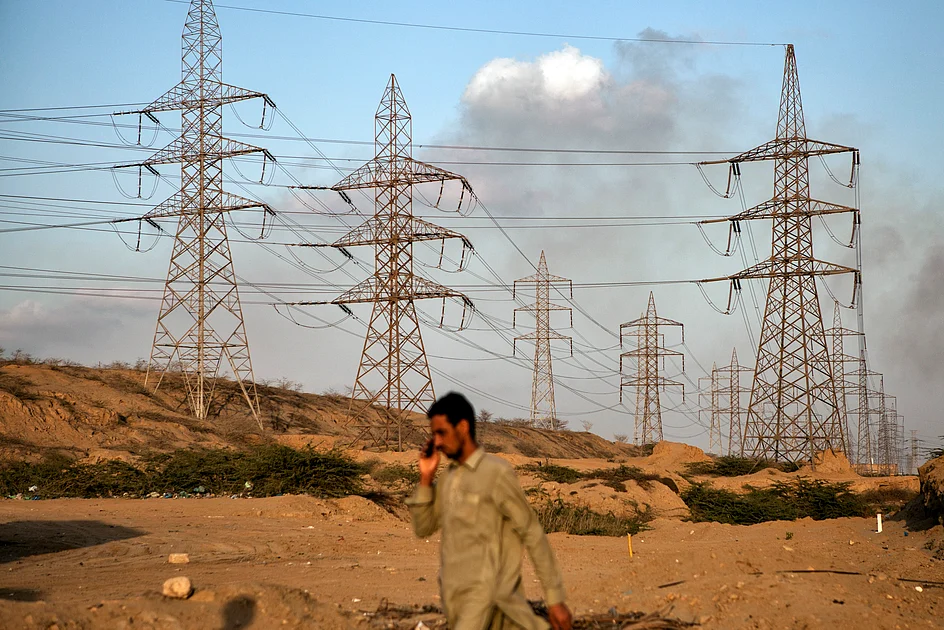
ADB approves $330m loan to upgrade Pakistan power grid
The Asian Development Bank (ADB) has sanctioned a $330 million loan to Pakistan aimed at upgrading its outdated power grid. This initiative is expected to enhance the transmission of hydropower from northern regions to major urban centers, addressing chronic energy shortages and inefficiencies. Pakistan, home to 250 million people, has been grappling with frequent power outages, escalating electricity costs, and a burgeoning circular debt in the power sector, which has reached 1.7 trillion rupees ($5.9 billion). The ADB stated that the investment will facilitate the transfer of up to 3,200 megawatts of clean energy from hydropower plants in the north, thereby reducing reliance on imported fuels and improving energy security. Emma Fan, ADB’s Pakistan director, emphasized the project’s role in accelerating the country’s transition to a more affordable and sustainable energy mix. This loan follows a $250 million disbursement in November 2023 for expanding the high-voltage transmission network in Punjab and Khyber Pakhtunkhwa provinces. Additionally, the ADB approved a $410 million package in August for the development of Pakistan’s Reko Diq copper and gold mine. Pakistan’s heavy dependence on external borrowing was evident in 2023 when it narrowly avoided default, thanks to a $7 billion IMF bailout that unlocked further loans from friendly nations.
-

UAE: How to build strong GRC programme amid new risks; experts weigh in
In an era marked by geopolitical tensions, rapid technological advancements, and evolving regulatory landscapes, the importance of Governance, Risk, and Compliance (GRC) programmes has never been more critical. Experts emphasize that GRC is no longer a back-office function but a strategic capability essential for organizational resilience and integrity. As the Gulf Cooperation Council (GCC) undergoes significant transformation—driven by diversification, digitalization, and emerging industries—GRC must evolve to address new risks and opportunities.
According to Besfort Kuqi, CEO of Swiss GRC, the GCC’s rapid pace of change demands a proactive approach to GRC. He highlights that successful GRC programmes are rooted in organizational culture, requiring leadership commitment and a clear vision from the top. Kuqi stresses that GRC must be simple, effective, and accessible, enabling organizations to manage risks in a structured and reliable manner.
The complexity of today’s business environment, characterized by fragmented supply chains, local content regulations, and cybersecurity threats, necessitates a 360-degree view of risk. Dallal Slimani of Schneider Electric underscores the importance of end-to-end visibility, enabled by technology, to make informed decisions. Rajeev Dutt of Swiss GRC adds that modern GRC programmes must leverage automation to streamline workflows, eliminate redundancies, and create a single source of truth.
AI governance is emerging as a critical frontier in GRC, requiring a sociotechnical approach that integrates people, culture, and technology. Akshay Dalal of Google emphasizes that responsible AI is fundamentally a human challenge, not just a technological one. Organizations must adopt adaptable frameworks and embed responsible-AI thinking into their GRC practices to navigate the complexities of AI-driven change.
Ultimately, GRC is transforming from a compliance function into a strategic enabler, empowering organizations to innovate responsibly, build resilience, and achieve sustainable growth. As Dalal aptly notes, there is no one-size-fits-all solution—each organization must tailor its GRC approach to its unique challenges and risks.
-
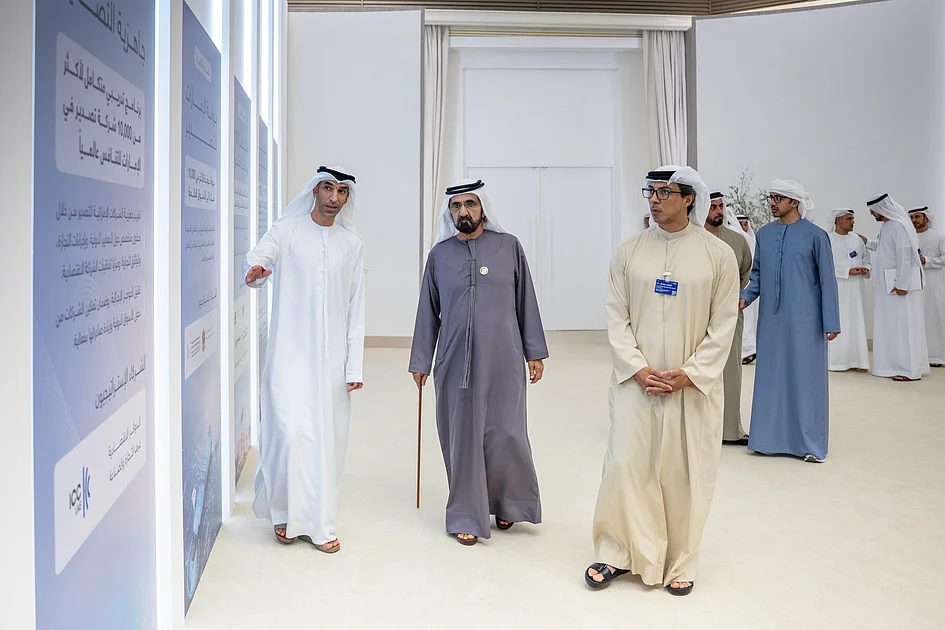
Sheikh Mohammed announces programme to attract 1,000 international companies
In a significant move to bolster its economic landscape, the UAE has unveiled a comprehensive initiative aimed at attracting 1,000 of the world’s most successful international trade companies. Spearheaded by Sheikh Mohammed bin Rashid Al Maktoum, Vice President, Prime Minister, and Ruler of Dubai, the programme was announced on Thursday, November 20, 2025. This strategic effort is designed to enhance the UAE’s position as a global trade hub and stimulate foreign direct investment (FDI).
On the preceding day, Sheikh Mohammed introduced the National Investment Fund, which boasts an initial capital of Dh36.7 billion. This fund is set to play a pivotal role in achieving the UAE’s ambitious economic targets by increasing annual FDI from Dh115 billion to Dh240 billion by 2031. The fund will offer attractive financial incentives to lure international businesses, thereby fostering economic growth and diversification.
In addition to the investment fund, Sheikh Mohammed revealed plans for a cutting-edge digital platform. This platform will serve as a bridge connecting thousands of UAE-based export companies with overseas markets, providing them with expanded opportunities to showcase their products and access new markets. “This initiative will further cement the UAE’s status as a vital node in global trade networks,” Sheikh Mohammed stated in a post on X (formerly Twitter).
The UAE’s foreign trade has already demonstrated impressive growth, surging to Dh5.23 trillion in 2024—a 49% increase from Dh3.5 trillion in 2021. Service exports, particularly in the digital sector, have been a key driver of this success, contributing Dh650 billion in 2024, with digital services alone accounting for Dh191 billion.
This dual-pronged approach—combining financial incentives with digital innovation—underscores the UAE’s commitment to maintaining its competitive edge in the global economy. The programme is expected to create new opportunities for both local and international businesses, reinforcing the UAE’s reputation as a dynamic and forward-thinking economic powerhouse.
-
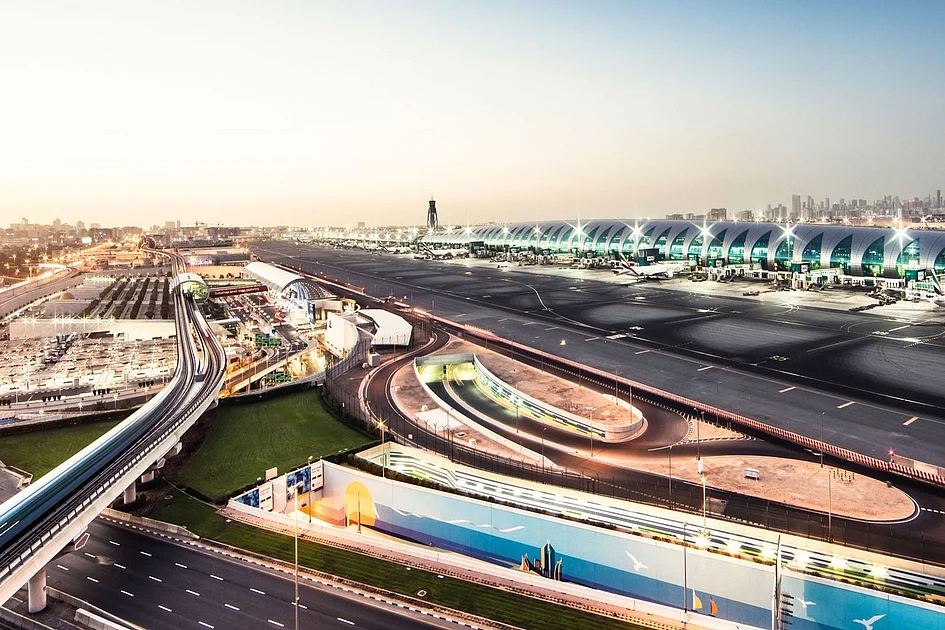
Dubai diverts 19 flights due to dense fog, reduced visibility
Dubai International Airport (DXB) faced significant operational challenges on Thursday morning due to dense fog, which severely reduced visibility across the region. As a result, 19 inbound flights were diverted to nearby airports. In a statement issued to Khaleej Times, Dubai Airports confirmed the disruptions, emphasizing their collaboration with airlines, control authorities, and airport partners to restore normal operations swiftly and minimize passenger inconvenience. The airport urged travelers to verify their flight status directly with their respective airlines before heading to the airport. The adverse weather conditions also impacted Sharjah Airport, where several flights were either canceled or delayed. Authorities advised passengers to stay updated on flight schedules and avoid unnecessary trips to the airport without prior confirmation. The National Centre of Meteorology (NCM) issued red alerts for Dubai, Abu Dhabi, Sharjah, and Ajman, as visibility dropped below 500 meters in some areas. The first warning was issued shortly after midnight, highlighting the severity of the fog. This incident underscores the challenges posed by extreme weather conditions to aviation operations in the UAE.
-

New study shows global luxury shoppers are spurning high-end brands over steep price hikes
The global luxury goods market is poised for its second consecutive year of contraction, with sales projected to drop by 2% to 358 billion euros ($412 billion) in 2024, according to a recent report by Bain & Co. This decline, the first two-year slowdown since the 2008-09 financial crisis, reflects a growing consumer rebellion against steep price increases and a lack of innovation in high-end products. The report, released on Thursday, highlights a shift in consumer behavior, with affluent buyers opting for more accessible and ethically priced brands rather than traditional luxury labels. Claudia D’Arpizio, a Bain partner and co-author of the study, noted that while the situation is not catastrophic, it underscores a misalignment between price and value in the luxury sector. Post-pandemic sales peaked at 369 billion euros in 2023, but Bain analysts now view this as a bubble. Despite the recent downturn, the market remains 25% larger than in 2019, before the pandemic disrupted sales. Looking ahead, Bain forecasts a modest rebound of 3% to 5% in 2025, driven by strong financial markets in the U.S. and a recovery in China. However, regional disparities persist: the U.S. market is expected to remain flat at around 101 billion euros, while Europe faces slight contraction to 108 billion euros. Mainland China and Japan are projected to slow by up to 8%, while the Middle East, led by Dubai, is anticipated to grow by 4% to 6%. Globally, inflated prices and a creativity crisis have cost luxury brands 60 to 70 million customers over the past two years, reducing the customer base by 18% to 330 million less loyal shoppers. Footwear and handbags, categories hit hardest by price hikes, have suffered the most. The luxury market is also experiencing extreme polarization, with ultra-high-net-worth individuals (those with personal wealth above 30 million euros) proving the most resilient. This group, numbering around 400,000 people, has alienated other consumers, as brands increasingly cater to this elite segment. Social media has further amplified ethical concerns about luxury spending, with many questioning the justification for high prices. D’Arpizio emphasized that luxury brands must redefine their customer focus and reestablish themselves as symbols of self-actualization and social improvement to regain broader consumer trust.
-

UAE: Ras Al Khaimah International Airport to build new VVIP terminal
Ras Al Khaimah International Airport has announced the construction of a state-of-the-art VVIP terminal and private jet hangar, designed to cater to high-net-worth travelers visiting the emirate’s premier beachfront destinations and the upcoming $3.9-billion Wynn Al Marjan Island integrated gaming resort. The project, unveiled at the Dubai Airshow, is a collaboration between the airport and Falcon Executive Aviation, a subsidiary of Alex Group Investment. The new Fixed Base Operation (FBO) facility will span 1,500 square meters, featuring a Royal lounge, four VVIP lounges, and premium hospitality areas. Airside amenities will include a helipad, extensive aircraft parking, and space for emerging vertical mobility solutions. The 8,000-square-meter multi-purpose hangar will accommodate ultra-long-range private jets and offer maintenance and operational services. Sheikh Salem bin Sultan bin Saqr Al Qasimi, Chairman of Ras Al Khaimah’s Department of Civil Aviation, emphasized that the project aligns with the emirate’s aviation and tourism growth strategy, leveraging its proximity to key attractions. The facility is designed to meet LEED Gold standards, incorporating solar power to offset 35% of its energy consumption, fully electric ground support equipment, and sustainable aviation fuel. Construction is set to commence soon, with completion targeted for the first quarter of 2027.
-
GE Appliances bolsters ties with US suppliers as it moves production from China to Kentucky
GE Appliances has announced a significant shift in its production strategy, moving manufacturing from China to its Louisville, Kentucky facility, known as Appliance Park. This transition includes awarding over $150 million in new contracts to U.S.-based suppliers, spanning 10 states and covering essential components for washer and dryer production, such as plastics, castings, steel, and aluminum. The suppliers range from industry giants like U.S. Steel to smaller family-owned businesses. This move is part of a broader $490 million investment to retool a plant, which is expected to create 800 new jobs and expand the company’s domestic spending on suppliers by 3.3%. Production is set to begin in early 2027, increasing the total footprint for clothes care production at Appliance Park to the equivalent of 33 football fields. Lee Lagomarcino, a GE Appliances vice president, emphasized the broader economic impact, stating, ‘When we invest in U.S. manufacturing and our people, it drives growth far beyond our own walls.’ The announcement aligns with President Donald Trump’s efforts to incentivize domestic manufacturing through tariffs on foreign goods. GE Appliances, a subsidiary of China-based Haier, has seen its U.S. supply chain grow significantly, with a 69% increase in spending and a 58% rise in the number of suppliers since 2019. The company’s $3 billion, five-year commitment to strengthen U.S. manufacturing and reshore production is expected to create over 1,000 jobs and generate further economic ripple effects.
-
Spanish court orders Meta to pay nearly half a billion euros in damages to media outlets
In a landmark ruling, a Madrid-based court has ordered Meta, the parent company of Facebook and Instagram, to pay €481 million ($554 million) in damages to 81 Spanish media outlets. The court found that Meta had exploited an unfair market advantage by unlawfully extracting personal data from internet users, violating European Union regulations. This data was allegedly used to enhance its advertising capabilities, significantly harming the advertising revenues of Spanish digital media. The court emphasized that Meta’s actions, which spanned five years until 2023, breached the EU’s General Data Protection Regulation (GDPR), which mandates strict user privacy protections. Meta has announced its intention to appeal the ruling, labeling it as ‘baseless’ and asserting compliance with all applicable laws. This case could set a precedent for similar legal challenges across Europe, including an ongoing case in France. The ruling underscores the ongoing tension between tech giants and European regulators over data privacy and market fairness.