分类: business

  • Al Maya unveils next-generation, personalised shopping app

    Al Maya unveils next-generation, personalised shopping app

    Al Maya Group has unveiled a groundbreaking mobile application that represents a significant advancement in retail technology, merging sophisticated digital capabilities with personalized customer engagement. This innovative platform introduces a comprehensive omnichannel approach to grocery shopping, enabling consumers to access the entire product inventory of their local Al Maya store directly through their mobile devices.

    The application features an elegantly designed interface with intuitive navigation, providing shoppers with unprecedented transparency and convenience. Its core innovation lies in a highly localized promotional system that allows individual stores to create customized offers specifically tailored to their community’s preferences. Customers receive store-specific promotional codes, targeted discounts, and timely notifications about relevant deals from their preferred location.

    A strategic integration with WhatsApp establishes a seamless communication channel, where customers obtain promotional materials, vouchers, and exclusive codes through automated messaging services. The platform incorporates artificial intelligence to deliver personalized recommendations based on individual shopping patterns, complemented by dynamic pricing and time-sensitive flash deals.

    Advanced functionality includes smart cart technology that remembers frequently purchased items, streamlined reordering processes, and a secure multi-payment system supporting all major digital payment platforms. The app further enhances the shopping experience with real-time order tracking, wishlist management, smart shopping lists with reminder capabilities, and integrated loyalty rewards.

    The platform delivers a truly unified retail experience by synchronizing promotions, rewards, and offers across all channels including in-store, mobile application, and WhatsApp communications. A centralized e-wallet enables customers to accumulate and redeem rewards regardless of their shopping method, while flexible fulfillment options accommodate both home delivery and click-and-collect services.

    Kamal Vachani, Deputy CEO, Group Director and Partner of Al Maya Group, emphasized the transformative nature of the application: “We are establishing an interconnected ecosystem that positions the customer at the heart of every interaction. This initiative demonstrates our enduring dedication to innovation and personalized service while maintaining the trust and reliability that define the Al Maya brand.”

    This launch establishes a new standard in grocery retail by combining digital convenience with the trusted familiarity of physical stores, representing a major milestone in the group’s ongoing digital transformation journey.


  • Inflation eases in US as prices for used cars fall

    Inflation eases in US as prices for used cars fall

    The United States witnessed a notable cooling of inflationary pressures in January, with the consumer price index rising just 2.4% annually according to the latest Labor Department report. This figure represents a decline from December’s 2.7% reading and marks the most modest inflation pace observed since May.

    The moderation was primarily driven by declining energy costs and reduced prices in the used vehicle market. This development has intensified political pressure on the Federal Reserve to implement interest rate reductions, with the White House promptly celebrating the economic data as evidence of successful economic management.

    Despite the encouraging numbers, economic analysts express caution regarding the sustainability of this disinflationary trend. Concerns persist that ongoing labor market tightness and potential full passthrough of tariff costs to consumers could stall progress toward the Federal Reserve’s 2% target inflation rate. Notably, prices for personal services including dry cleaning and haircuts surged 1.6% month-over-month and have accumulated nearly 7% annual growth.

    Investment strategist Neil Birrell of Premier Miton Investors characterized the economic landscape as fundamentally strong, noting robust growth metrics, stable inflation trends, and a resilient employment market. He suggested these conditions create favorable circumstances for monetary policy adjustment.

    Financial markets currently anticipate the Federal Reserve will implement rate cuts by June, though officials at Berenberg caution that persistent service sector inflation driven by wage pressures may complicate the path to achieving the central bank’s inflation target.

  • Falling cocoa prices won’t necessarily mean cheaper Valentine’s Day chocolates

    Falling cocoa prices won’t necessarily mean cheaper Valentine’s Day chocolates

    Despite cocoa futures experiencing a dramatic 70% price collapse since February 2023, consumers face persistently elevated costs for chocolate products this Easter season. Market data reveals U.S. retail chocolate prices surged 14% year-over-year in early 2024, compounding the previous year’s 7.8% increase, while Germany witnessed even steeper hikes at 18.9%.

    The commodity’s volatility stems from a perfect storm of factors. West African growing regions—responsible for over 70% of global cocoa supply—endured disastrous harvests in 2024 due to crop diseases and inadequate rainfall, driving prices to historic highs. Although improved weather conditions in Ivory Coast and Ghana, coupled with expanded production in Ecuador, have since alleviated supply constraints, the market now confronts diminished global demand.

    Manufacturers have responded to consumer resistance by implementing strategic adaptations. Market analyst Chris Costagli of NIQ notes companies are reducing chocolate content in products and expanding alternative confectionery lines like gummy candies. This shift reflects in sales data: while dollar-value chocolate sales grew 6.7% in 2024, unit sales declined 1.3% as buyers purchased fewer chocolate items.

    Trade policies further complicated the pricing landscape. The Trump administration’s imposition of 15% average tariffs on cocoa-producing nations in February 2024 increased import costs, though these were partially reversed for raw cocoa in November. However, higher tariffs on finished European chocolates remain effective.

    Industry executives compare the situation to gasoline pricing dynamics: manufacturers maintain elevated prices to offset earlier high-cost inventory and hedge against future market volatility. Mondelez International implemented global price increases averaging 8% across its portfolio (including Cadbury and Toblerone), with even steeper hikes in European markets where consumer pushback forced subsequent price reductions in Germany and the UK.

    The market has bifurcated into premium and value segments. Luxury brands like Ferrero Rocher and Lindt experienced less pricing pressure due to their established premium positioning, while value brands gained market share as cost-conscious consumers traded down from mainstream products. This polarization reflects broader consumer behavior shifts in response to sustained inflationary pressures.

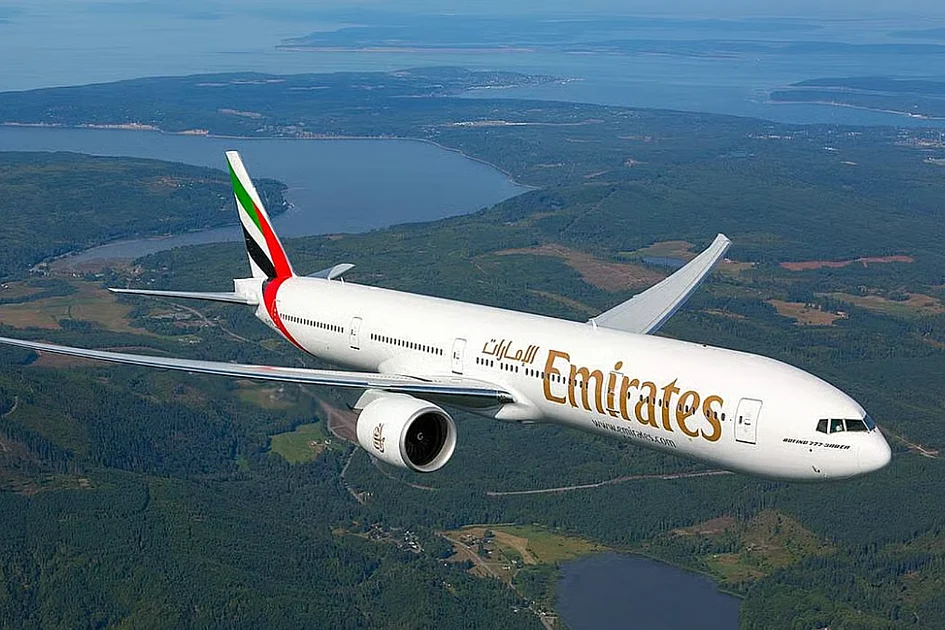
  • Emirates reveals last scheduled date for UAE-Algeria flights

    Emirates reveals last scheduled date for UAE-Algeria flights

    Emirates airline has officially communicated through its social media platforms that all flights between the United Arab Emirates and Algeria continue to operate without disruption under the current schedule. The carrier has advised passengers with existing bookings to maintain their travel plans as arranged.

    The airline disclosed that its final scheduled service, Flight EK757 from Algiers, remains set for departure on February 3, 2027. Emirates emphasized its commitment to full compliance with any directives issued by government authorities, pledging to provide prompt updates to customers, employees, and partners should operational conditions change.

    This development follows Algeria’s recent initiation of procedures to terminate the Air Services Agreement established with the UAE in Abu Dhabi during 2013. The Algerian government announced this diplomatic action on February 8 without immediately disclosing specific reasons behind the decision.

    The General Civil Aviation Authority (GCAA) of the UAE has provided clarification regarding the diplomatic process, noting that the agreement remains legally binding throughout the mandated notice period. The authority emphasized that air traffic operations between the two nations continue unaffected currently, with all flights operating according to standard schedules.

    The GCAA further assured that coordination with relevant entities is being maintained through official channels, with the matter being handled through established legal and diplomatic protocols. Emirates has apologized for any potential inconvenience and recommended that passengers affected beyond the February 2027 date consult their booking agents to explore alternative travel options.

  • Gold prices in Dubai drop below Dh600 per gram, lose Dh11 in 24 hours

    Gold prices in Dubai drop below Dh600 per gram, lose Dh11 in 24 hours

    Dubai’s gold market experienced a significant downturn on Friday morning as prices tumbled below the critical Dh600 per gram threshold, marking one of the most substantial single-day declines in recent trading history. The precious metal’s value dropped to Dh599.75 per gram at market opening, representing a dramatic Dh11 decrease from Thursday’s opening price of Dh610.75 per gram.

    The selloff extended across all gold variants, with 22K trading at Dh555.25, 21K at Dh532.5, 18K at Dh456.5, and 14K at Dh356.0 per gram respectively. Globally, spot gold prices reached $4,977.92 per ounce after briefly touching a near one-week low, showing some recovery with a 1% uptick by 9:15 AM UAE time.

    This market movement follows Thursday’s approximately 3% decline that pushed gold below the psychologically important $5,000-per-ounce support level. The downturn coincided with intensified selling pressure across equity markets, creating a perfect storm for precious metal investors.

    Market analysts attribute the volatility to shifting expectations regarding U.S. monetary policy. Recent robust employment data, which showed 130,000 job additions in January versus forecasts of 70,000, has significantly altered the Federal Reserve’s potential interest rate trajectory. The stronger-than-expected jobs report has caused traders to recalibrate their expectations, pushing anticipated rate cuts from June to July.

    Vijay Valecha, Chief Investment Officer at Century Financial, noted that while the data might cause short-term pullbacks, revised annual job growth figures from 584,000 to 181,000 for 2025 provide underlying support for precious metals. ‘This will provide a floor for both metals,’ Valecha stated, suggesting that the fundamental support for gold remains intact despite current market pressures.

    Investors worldwide are now closely monitoring upcoming U.S. inflation figures for further guidance on interest rate direction, which will likely determine gold’s medium-term trajectory in both international markets and Dubai’s local trading scene.

  • AMVIN Security and Surveillance Solutions LLC wins SIRA Security Professionalism and Excellence Award

    AMVIN Security and Surveillance Solutions LLC wins SIRA Security Professionalism and Excellence Award

    In a significant industry recognition, AMVIN Security and Surveillance Solutions LLC has been conferred the Security Professionalism and Excellence Award by Dubai’s Security Industry Regulatory Agency (SIRA). The prestigious accolade, presented in collaboration with the Government of Dubai, highlights the company’s outstanding contributions to advancing security standards across the United Arab Emirates.

    The award ceremony culminated in CEO Raj Patel accepting the honor on behalf of AMVIN, acknowledging the organization’s rigorous compliance with regulatory frameworks and substantial investments in cutting-edge surveillance technologies. Under Patel’s executive leadership, the company has cultivated a distinguished reputation for operational reliability and client-focused service delivery across government, commercial, and residential sectors.

    In his acceptance remarks, Patel emphasized the collective achievement: “This recognition from SIRA and the Dubai government reflects the unwavering dedication of our entire team. We take pride in developing security solutions that not only meet current compliance requirements but anticipate future urban safety needs. Our mission remains aligned with Dubai’s transformative vision for intelligent, secure urban environments.”

    AMVIN’s comprehensive service portfolio encompasses integrated security systems, advanced monitoring platforms, and customized solutions tailored to modern infrastructure demands. This award reinforces the company’s strategic positioning within the UAE’s rapidly evolving security landscape and its commitment to establishing new benchmarks for technological innovation and professional excellence in regional security services.

    The recognition coincides with AMVIN’s ongoing expansion initiatives across the Emirates, where the company continues to deploy next-generation security solutions supporting Dubai’s ambition of creating a more resilient and interconnected urban future.

  • Indonesia’s EV market expected to stay robust

    Indonesia’s EV market expected to stay robust

    Indonesia’s electric vehicle sector demonstrates remarkable resilience as industry leaders project sustained growth regardless of potential changes to government tax incentives. The current tax exemption program, implemented in 2023 to stimulate EV adoption through reduced import and sales taxes, is scheduled to conclude by December 2025. Despite this impending policy uncertainty, automotive executives express confidence in the market’s underlying strength.

    Setia Diarta, Director-General for Metal, Machinery, Transportation Equipment and Electronics at Indonesia’s Ministry of Industry, confirmed that officials are actively deliberating whether to extend or terminate the EV tax exemption framework. “Hopefully, a decision will be made soon,” Diarta stated during a February 5 briefing at the Indonesia International Motor Show 2026 in Jakarta.

    Moeldoko, Chairman of the Indonesian Electric Vehicle Industry Association, echoed the need for prompt government clarification while emphasizing that technological advancements have fundamentally altered the economic landscape. “The rapid development of EV technology has substantially reduced battery manufacturing costs, ensuring retail prices remain competitive even without tax incentives,” Moeldoko explained.

    Market data substantiates Indonesia’s position as Southeast Asia’s premier EV destination. The Association of Indonesian Automotive Industries reported total 2025 vehicle sales exceeding 800,000 units, with EVs capturing 15% market share—representing over 100,000 units sold and a fourfold increase from 2023 figures. Jongkie Sugiarto, the Association’s Chairman, attributes this growth to Indonesia’s demographic advantage: “With a population exceeding 280 million, Indonesia presents the region’s most attractive market for EV business development.”

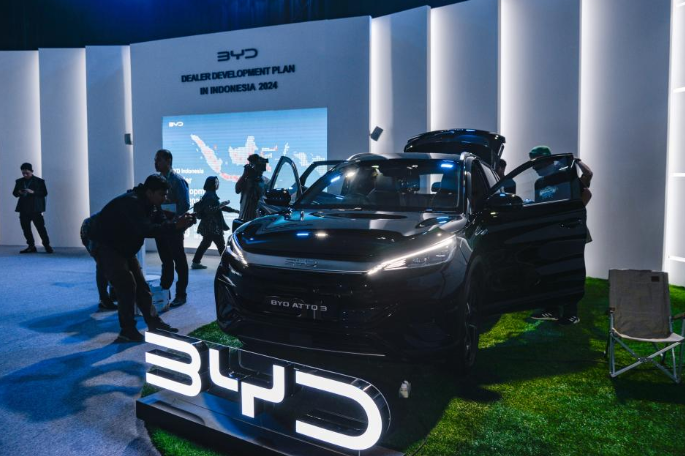
    Chinese manufacturers have capitalized on this expansion, with BYD Indonesia now commanding over half of domestic EV sales since its 2024 market entry. Luther Panjaitan, Head of Public and Government Relations at BYD Indonesia, acknowledged tax incentives’ role in boosting sales while affirming price competitiveness regardless of policy outcomes. The company is currently establishing a West Java manufacturing facility with planned annual capacity of 150,000 EVs.

    Industry analysts emphasize the strategic importance of sustained EV growth. Bhima Yudhistira, Founder of the Center of Economic and Law Studies, highlighted Indonesia’s need for Chinese technology transfer and nickel downstreaming investments. Meanwhile, Fabby Tumiwa, CEO of the Institute for Essential Services Reform, advocated for maintained incentives to reduce energy imports and alleviate trade balance pressures through increased EV adoption.

  • Industry strives to go ‘zero carbon’

    Industry strives to go ‘zero carbon’

    China has launched a comprehensive national strategy to revolutionize its industrial landscape through the systematic development of zero-carbon manufacturing facilities. This initiative represents a critical component of the nation’s broader climate objectives to achieve carbon peak before 2030 and carbon neutrality by 2060.

    The policy framework, collaboratively issued by five governmental bodies including the Ministry of Industry and Information Technology (MIIT), outlines a methodical, phased approach to industrial decarbonization. The strategy prioritizes sectors with urgent emission reduction requirements, high electricity dependency, and technically feasible pathways toward carbon minimization.

    Contrary to terminology suggesting absolute zero emissions, the ‘zero-carbon factory’ concept emphasizes continuous improvement toward near-zero emissions through technological innovation, structural adjustments, and management optimization within existing economic and technical constraints.

    The implementation will commence with pilot programs in 2026 across strategic industries including automotive manufacturing, lithium battery production, photovoltaics, electronics, and computing infrastructure. By 2027, authorities expect to establish numerous model facilities, with subsequent expansion to traditionally energy-intensive sectors like steel, nonferrous metals, petrochemicals, and textiles by 2030.

    Professor Tian Jinping of Tsinghua University’s School of Environment emphasized that this initiative constitutes “the country’s top-level design and comprehensive framework” for industrial transformation. The core objective aligns green technology adoption with enhanced operational efficiency, reduced pollution, and increased productivity, ultimately strengthening China’s position within global supply chains.

    The guideline specifies concrete implementation pathways including establishing comprehensive carbon accounting systems, developing industrial green microgrids, and integrating next-generation information technologies. This systematic approach rests on three foundational pillars: renewable energy infrastructure, low-carbon technical processes, and intelligent management systems.

    This national effort builds upon substantial existing progress. By the end of 2025, China had established 6,430 national-level green factories, representing 20% of manufacturing output value compared to just 9% in 2020. Provincial governments, particularly in economic powerhouses like Jiangsu, Zhejiang, and Guangdong, have implemented supportive policies including financial incentives such as Kunshan’s 1 million yuan reward for certified zero-carbon facilities.

    Corporate engagement matches governmental ambition. Approximately 13,000 businesses globally have joined the ‘Race to Zero’ campaign, with over 2,300 major corporations establishing explicit net-zero targets. Chinese manufacturers like Hisense have committed to operational carbon neutrality by 2050.

    This industrial transformation forms part of a global movement, with 145 countries and regions representing 77% of global emissions having announced or considered carbon neutrality targets. China’s systematic approach to industrial decarbonization demonstrates how environmental objectives can synergize with economic competitiveness and technological advancement.

  • AirAsia accused by artist for allegedly using his work without consent

    AirAsia accused by artist for allegedly using his work without consent

    Lithuanian-born artist Ernest Zacharevic, a long-term resident of Malaysia, has initiated legal proceedings against budget carrier AirAsia and its parent company Capital A Berhad for alleged copyright infringement. The dispute centers on the unauthorized reproduction of his iconic 2012 street mural “Kids on Bicycle” on an aircraft livery in late 2024.

    Zacharevic, renowned for his transformative public artworks in Penang, discovered the infringement in October 2024 when he observed an AirAsia jet featuring artwork strikingly similar to his celebrated mural. The piece, originally created for a local festival, depicts two laughing children on an actual bicycle incorporated into the painting and has become a major tourist attraction in George Town’s heritage district.

    The artist immediately raised concerns through social media channels, tagging the airline and demanding discussions regarding the artwork’s commercial use. Following his public outcry, AirAsia removed the contested livery but subsequent negotiations failed to yield a settlement agreement.

    Court documents reveal this incident represents not the first alleged infringement by the airline. Zacharevic claims previous unauthorized use of his artwork on food delivery bags and references past discussions in 2017 regarding potential commissioned work for aircraft liveries and office murals. These negotiations allegedly made the airline fully aware of his professional rates and copyright protections.

    The lawsuit contends that AirAsia “wilfully infringed the plaintiff’s copyright and moral rights” by reproducing his signature work without consent or licensing arrangements. Zacharevic emphasizes that his creation represents years of professional training and artistic labor rather than merely cultural or geographical references.

    As Asia’s largest low-cost carrier operating over 200 aircraft to more than 100 destinations, AirAsia’s brand visibility amplifies the significance of this copyright dispute. The airline recently announced plans to resume London flights via Bahrain after a decade-long absence from the British market.

    Zacharevic has left compensation determination to the courts while maintaining his position that the artwork’s distinct artistic value deserves proper recognition and protection under intellectual property law.

  • Beijing upset as Dutch court blocks Wingtech bid to recontrol Nexperia

    Beijing upset as Dutch court blocks Wingtech bid to recontrol Nexperia

    China has formally called upon the Dutch government to proactively resolve the escalating semiconductor dispute involving Nexperia, following a Dutch court’s decision to investigate alleged mismanagement by Chinese parent company Wingtech Technology. The diplomatic confrontation highlights growing tensions in global chip supply chains.

    Chinese Foreign Ministry spokesperson Lin Jian asserted Thursday that “the root cause of the Nexperia issue is the improper administrative intervention of the Dutch side in business operations.” He emphasized that Netherlands must “create enabling conditions for companies to resolve internal disputes” while maintaining stability in global semiconductor supply chains. Beijing pledged continued support for Chinese companies protecting their lawful rights and interests.

    The diplomatic demand follows the Enterprise Chamber of the Amsterdam Court of Appeal’s decision to investigate Nexperia’s corporate governance while maintaining the suspension of CEO Zhang Xuezheng, Wingtech’s founder. The court identified multiple governance concerns including conflicts of interest, unilateral strategy changes without internal consultation, violation of agreements with Dutch authorities, and restriction of European managers’ powers.

    Financial repercussions have already emerged, with China Chengxin International Credit Rating downgrading Wingtech’s long-term credit rating from AA- to A with negative outlook, citing significant operational and financial impacts from losing control over Nexperia.

    Wingtech expressed “profound disappointment and strong dissatisfaction” with the Dutch court’s ruling, calling it “self-contradictory and logically flawed.” The company argued the current interim management cannot conduct effective investigations and instead demanded investigation into Nexperia’s interim management.

    The dispute originated in September 2025 when Washington tightened sanctions rules, prompting Dutch intervention under its Goods Availability Act. Although the Netherlands ended direct control in November, Zhang remains barred from leadership. Nexperia’s current interim leadership, including CEO Stefan Tilger, continues operations despite the challenges.

    Industry analysts suggest the hardened Dutch position reflects broader geopolitical alignments, with the new Dutch cabinet featuring several China-hawk officials including Trade Minister Sjoerd Sjoerdsma (sanctioned by China in 2021) and Infrastructure Minister Vincent Karremans (previously involved in Nexperia intervention).

    With Wingtech projecting massive 2025 losses of 9-13.5 billion yuan ($1.25-1.88 billion), the company has initiated legal proceedings that could lead to an $8 billion international arbitration case if not resolved by April 2026. Meanwhile, Nexperia China has begun supply chain restructuring, establishing Dongguan as its global headquarters and implementing data security measures in European operations.