分类: business

  • Taiwan’s economy grows 8.6% in 2025, fastest rate in 15 years, turbocharged by the AI boom

    Taiwan’s economy grows 8.6% in 2025, fastest rate in 15 years, turbocharged by the AI boom

    TAIPEI, Taiwan — Taiwan’s economy has recorded its most robust annual expansion in 15 years, achieving an impressive 8.6% growth rate throughout the previous year. This exceptional performance, significantly surpassing economic forecasts, has been primarily driven by soaring exports in artificial intelligence technologies and increased shipments to the United States.

    The island nation’s statistical authority released advanced estimates indicating this represents the strongest economic performance since 2010. Taiwan’s strategic position as a manufacturing hub for AI servers, computer chips, and precision instruments has positioned it advantageously within the global technology supply chain. Export figures reveal a remarkable 35% annual increase, with shipments to the U.S. market surging by an extraordinary 78%.

    Recent trade agreements with the United States have further strengthened Taiwan’s economic prospects. The newly established trade deal reduces U.S. tariffs on Taiwanese imports from 20% to 15% in exchange for substantial investment commitments exceeding $250 billion in semiconductor and AI sectors within the United States.

    Leading technology corporations including Taiwan Semiconductor Manufacturing Company (TSMC) and Foxconn have reported record-breaking profits and revenues. TSMC, the world’s premier contract chipmaker and key supplier to Nvidia, continues to demonstrate formidable market presence, while Foxconn maintains critical manufacturing partnerships with both Nvidia and Apple.

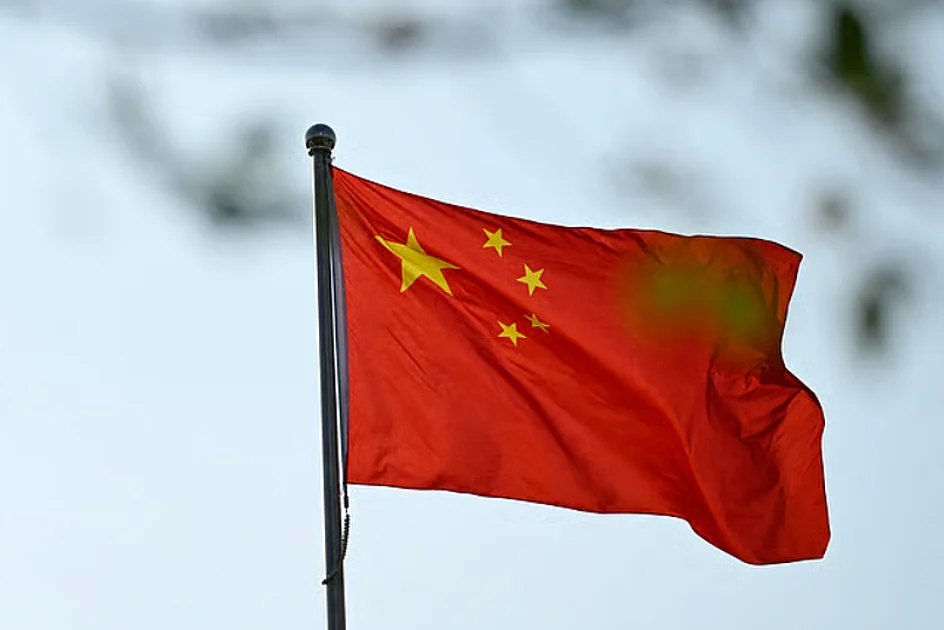
    Despite current successes, economists project moderated growth in coming years due to higher baseline comparisons. Deutsche Bank forecasts approximately 4.8% economic expansion for 2026. Potential challenges include concerns regarding AI market sustainability, evolving U.S. trade policies under potential Trump administration changes, and ongoing geopolitical tensions with Beijing. China recently conducted substantial military exercises around Taiwan, reinforcing territorial claims over the self-governed island.

  • Urban regeneration in the UAE: Turning derelict spaces into community catalysts

    Urban regeneration in the UAE: Turning derelict spaces into community catalysts

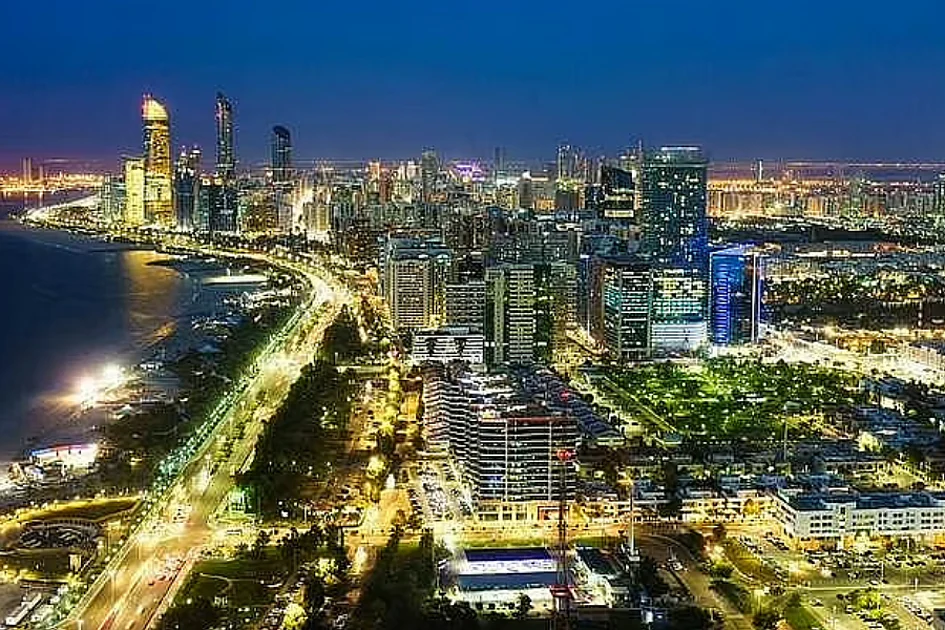
    Beyond the gleaming skylines and master-planned developments for which it is renowned, the United Arab Emirates is quietly pioneering a transformative urban movement. A strategic shift toward adaptive reuse is converting derelict, underutilized, and forgotten properties across the nation into vibrant epicenters of community, culture, and commerce.

    This paradigm change, fueled by progressive zoning reforms and forward-thinking urban planning frameworks like the Dubai 2040 Urban Plan, is redefining urban growth. It positions adaptive reuse not as an alternative to development, but as a complementary strategy that prioritizes value creation over mere expansion. The central question evolving cities face—what to do with structures that have outlived their original purpose—is being met with innovative answers that unlock significant economic and social capital.

    Exemplifying this trend is the metamorphosis of Al Yaqoub Tower on Sheikh Zayed Road. Once a largely vacant icon known as Dubai’s ‘Big Ben,’ stalled by financial disputes, it is now being redeveloped into the AHS Tower, a premier Grade A+ commercial office building. Its remarkable success, with 95% of space pre-leased ahead of completion, demonstrates the potent viability of reactivating underperforming assets in prime locations, a move often more sustainable and effective than new construction.

    The movement extends beyond single towers to encompass entire districts. La Mer, a former popular beachfront retail destination, is being re-envisioned by Merex Investment into J1 Beach, a dynamic day-to-night lifestyle hub. This approach prioritizes long-term relevance and flexible, experience-driven placemaking over short-term trends.

    Nowhere is the cultural impact more palpable than in Al Quoz, where former industrial warehouses are being repurposed into creative studios, event venues, and small businesses, forming the burgeoning Al Quoz Creative Zone. This builds on the seminal success of Alserkal Avenue, proving regeneration can anchor permanent creative economies, not just temporary installations.

    In Abu Dhabi, the scope ranges from the historical restoration of Qasr Al Hosn to initiatives like MiZa in Mina Zayed, where historic warehouses are becoming mixed-use innovation spaces. Collectively, these projects signal a broader national direction: leveraging regeneration as a primary tool for balanced, people-centric urban development that weaves together heritage, environmental responsibility, economic vitality, and public life. This thoughtful renewal of the existing urban fabric is ultimately shaping more resilient, inclusive, and connected communities for the future.

  • Aster DM Healthcare gets order to convene meetings for approval of  merger with Quality Care India

    Aster DM Healthcare gets order to convene meetings for approval of merger with Quality Care India

    In a significant development within India’s healthcare sector, the National Company Law Tribunal (NCLT) Hyderabad Bench has formally authorized Aster DM Healthcare Limited to convene crucial shareholder and creditor meetings regarding its proposed merger with Quality Care India Ltd. This judicial green light represents a pivotal milestone in one of the largest healthcare consolidation initiatives recently announced in the country.

    The tribunal has scheduled the decisive meetings to occur between February 27 and March 13, 2026, where stakeholders will vote on the merger proposition. The transaction has already secured essential clearances from the Competition Commission of India (CCI) and received no-objection certifications from relevant stock exchanges. Pending successful shareholder approval and fulfillment of remaining conditions, the organizations anticipate finalizing the merger by the first quarter of fiscal year 2027.

    The combined entity, to be named Aster DM Quality Care Ltd, will emerge as one of India’s top three hospital chains with an impressive network exceeding 10,360 beds nationwide. This new healthcare powerhouse will be jointly promoted by Aster’s founding promoters and global investment firm Blackstone, unifying four renowned healthcare brands: Aster DM, CARE Hospitals, KIMSHEALTH, and Evercare.

    Dr. Azad Moopen, Founder and Chairman of Aster DM Healthcare, expressed confidence in obtaining stakeholder approvals, emphasizing the strategic rationale behind the consolidation. “We remain committed to working toward a speedy completion of the merger,” stated Dr. Moopen. “Our focus will be on executing a disciplined integration strategy that leverages the complementary networks, clinical expertise, and operational strengths of both organizations.”

    The merger is positioned to create a more resilient healthcare delivery system capable of scaling efficiently while enhancing clinical excellence and accelerating innovation. Looking beyond the immediate consolidation, the combined entity has ambitious expansion plans aiming to increase bed capacity to approximately 14,715 beds in the coming years, significantly boosting access to quality medical care across India.

  • Dubai-based Arnifi enables 750+ companies to expand globally in just two years

    Dubai-based Arnifi enables 750+ companies to expand globally in just two years

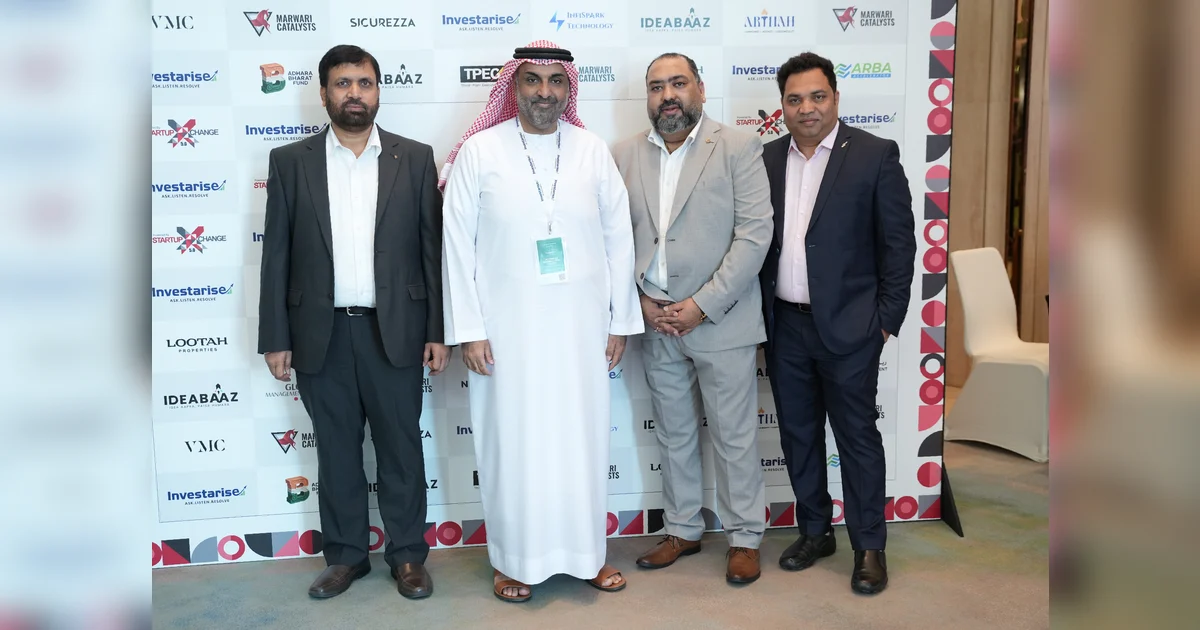
    DUBAI – Arnifi, a Dubai-based technology platform specializing in global business establishment, has achieved a significant breakthrough by facilitating international market entry for over 750 companies within just two years of operation. This milestone underscores the escalating demand for structured, technology-enabled expansion support among startups, small-to-medium enterprises, and corporations throughout the Middle East and South Asia.

    The AI-driven platform operates across strategic markets including the UAE, Saudi Arabia, Qatar, Oman, Bahrain, the United States, and Singapore. Arnifi delivers comprehensive end-to-end services encompassing company incorporation, licensing procedures, visa processing assistance, banking coordination, tax registration, and ongoing compliance management.

    Arnifi has developed sophisticated artificial intelligence tools that streamline the complex business setup process. These innovations include automated document preparation, transparent cost estimation, corporate structure visualization, and real-time AI assistance. The platform’s digital dashboard enables clients to monitor application progress in real-time, manage compliance requirements, and receive automated renewal reminders.

    “Contemporary businesses require both speed and clarity when penetrating new markets,” stated Manu Midha, Founder of Arnifi. “Our integrated approach combines technological innovation with deep local market expertise to help companies navigate regulatory landscapes efficiently.”

    The platform’s Entity-as-a-Service model supports company formation across 47+ free zones and international jurisdictions. Notable clients including PhysicsWallah, Moglix, Vyapar, and Restroworks have leveraged Arnifi’s services, reflecting growing demand for organized international expansion solutions.

    Under the leadership of IIM Ahmedabad alumnus Manu Midha, alongside Chief Business Officer Shashi Kumar and AVP – Sales and Marketing Tulika Saxena, the company brings decades of combined experience in Middle Eastern and global markets. This expertise enables expanding businesses to mitigate risks, maintain regulatory compliance, and operate efficiently across international borders.

    With robust growth, an impressive client portfolio, and technology-driven methodology, Arnifi is establishing itself as a premier partner for companies expanding beyond domestic markets, particularly in high-growth regions like the Middle East and Southeast Asia.

  • Vietnam to sell tycoon’s Hermès Birkin bags to offset fraud losses

    Vietnam to sell tycoon’s Hermès Birkin bags to offset fraud losses

    Vietnamese authorities have initiated unprecedented asset liquidation proceedings against convicted business magnate Truong My Lan, aiming to recover portions of the staggering $27 billion she embezzled in one of history’s largest financial fraud cases. The disgraced tycoon, now serving a life sentence after her death penalty was commuted, controlled Vietnam’s fifth-largest bank through an elaborate network of shell companies over a decade-long period.

    Ho Chi Minh City’s Civil Judgment Enforcement Agency is currently preparing two crocodile skin Hermès Birkin bags for valuation and auction, alongside a luxury yacht scheduled for February sale with a starting bid of $1.9 million. These items represent just a fraction of the 1,200 assets seized from Lan’s extensive portfolio, which includes prime real estate, corporate holdings, and additional vessels.

    The scale of Lan’s financial crimes reached monumental proportions, with prosecutors establishing that $12 billion was directly embezzled from Saigon Commercial Bank while she secretly directed its operations. Her April 2024 trial became a national spectacle amid Vietnam’s intensified anti-corruption campaign, resulting in convictions for over 80 associates including immediate family members.

    Despite Lan’s emotional appeal to retain the Hermès bags as family heirlooms—claiming one was purchased in Italy and another gifted by a Malaysian business contact—the court maintained their status as illicit gains. These exclusive accessories typically command prices exceeding hundreds of thousands of dollars on the luxury market.

    Previous auction attempts have seen mixed success: a central Ho Chi Minh City property sold for approximately $24 million last October, while her Reverie Saigon yacht failed to attract bidders at its initial $2.1 million listing. The vessel will be reauctioned February 12th with a reduced reserve price, requiring a 20% deposit from prospective buyers. Two additional boats will be offered at $192,000 each as authorities continue their meticulous asset recovery process.

  • ‘Exploring all options’: Award-winning rum maker Brix Distillers goes into voluntary administration

    ‘Exploring all options’: Award-winning rum maker Brix Distillers goes into voluntary administration

    Sydney Distilling Co, trading as Brix Distillers, has entered voluntary administration, casting uncertainty over the future of one of Australia’s most decorated craft rum producers. The Surry Hills-based distillery, operational since 2017, appointed RSM Australia Partners as administrators on January 21, 2026.

    RSM Australia director Ben Carson confirmed that administrators are actively pursuing multiple rescue options, including a potential sale of business assets or a recapitalization through a deed of company arrangement (DOCA). The primary objectives are to maximize returns for creditors while preserving the legacy brand.

    The distillery’s collapse is particularly notable given its exceptional industry recognition. Brix Distillers achieved global acclaim by winning World’s Best Unaged Rum at the World Rum Awards for their White Cane Spirit in both 2020 and 2022. The company further cemented its reputation by capturing Best Rum honors at the 2023 Tasting Australia Spirit Awards.

    A significant asset in the administration process is the company’s extensive private inventory of Australian rum, described as one of the country’s largest private collections. This substantial stockpile is expected to generate considerable interest from wholesalers and potential investors looking to acquire the distinguished brand.

    Mr. Carson reported encouraging early interest from multiple parties regarding the brand’s future. The administration team has initiated a formal sales process, requesting non-binding indicative offers within the next ten days. The first creditors’ meeting is scheduled for February 3, where stakeholders will learn more about the company’s financial position and potential pathways forward.

  • US stocks fall while a break in gold fever sends metals prices plunging

    US stocks fall while a break in gold fever sends metals prices plunging

    NEW YORK — Wall Street experienced significant volatility on Friday as investors grappled with the implications of President Donald Trump’s nomination of Kevin Warsh to chair the Federal Reserve, triggering dramatic swings across multiple asset classes.

    The S&P 500 declined 0.4%, recovering from an earlier 1.1% plunge, while the Dow Jones Industrial Average dropped 179 points (0.4%). The technology-heavy Nasdaq composite suffered the steepest losses at 0.9%. The U.S. dollar demonstrated considerable instability before ultimately strengthening, reflecting market uncertainty regarding future monetary policy directions.

    Precious metals markets witnessed particularly extreme movements, with gold prices collapsing 11.4% to settle at $4,745.10 per ounce—a dramatic reversal following its remarkable 12-month rally that had seen prices approximately double. Silver experienced even more severe declines, plummeting 31.4% after its own spectacular rally.

    The nomination has ignited intense scrutiny regarding the Federal Reserve’s future independence, a cornerstone of central banking that allows for politically difficult but economically necessary decisions. Warsh, a former Fed governor, brings established credentials but also represents Trump’s preference for lower interest rates, creating tension between presidential influence and central bank autonomy.

    Market analysts offered contrasting interpretations. Some viewed Warsh’s Fed experience as reassuring for institutional independence, while others noted his recent criticisms of current Chair Jerome Powell and alignment with Trump’s monetary policy views since 2009. Thierry Wizman, Macquarie Group strategist, observed that while Warsh might not immediately push for rate cuts, he could prove more amenable to presidential preferences when economic conditions change.

    The metals sell-off battered mining stocks, with Newmont declining 11.5% and Freeport-McMoRan dropping 7.5%. These reversals followed massive rallies driven by investors seeking safety against multiple concerns: potential Fed politicization, elevated stock valuations, trade tariff threats, and soaring global government debt.

    Market losses were partially mitigated by strong performances from major technology companies. Tesla rebounded with a 3.3% gain after better-than-expected quarterly profits, while Apple added 0.5% following its own strong earnings report.

    Bond markets saw the 10-year Treasury yield edge up to 4.25%, with upward pressure coming from hotter-than-expected wholesale inflation data that might compel the Fed to maintain current interest rates rather than implement cuts.

    International markets showed mixed performance, with European indexes generally advancing while Asian markets varied. Indonesian stocks rose 1.2% following the resignation of the country’s stock exchange CEO after recent transparency concerns.

    The nomination now awaits Senate confirmation, leaving markets to weigh the balance between established Fed traditions and presidential influence over critical interest rate decisions.

  • ADCB posts record profit as growth accelerates across lending, deposits and digital transformation

    ADCB posts record profit as growth accelerates across lending, deposits and digital transformation

    Abu Dhabi Commercial Bank (ADCB) has concluded its 40th anniversary year with an unprecedented financial triumph, posting record-breaking profits fueled by expansive growth across its core banking operations and a successful digital transformation initiative. The UAE’s third-largest financial institution reported a 22% annual surge in net profit after tax, reaching Dh11.445 billion for fiscal year 2025, while pre-tax profits climbed 21% to Dh12.843 billion.

    The bank’s exceptional performance was anchored by substantial balance sheet expansion, with total assets growing 19% to Dh774 billion. This growth was propelled by robust double-digit increases in both lending and deposit portfolios. Net loans advanced 16% to Dh406 billion, reflecting sustained credit demand across retail and corporate segments, while customer deposits swelled 19% to Dh500 billion.

    Chairman Khaldoon Khalifa Al Mubarak emphasized the institution’s alignment with national economic objectives, stating: ‘ADCB’s 2025 results underscore the Bank’s pivotal role in supporting the UAE’s economic growth and reflect our continued commitment to disciplined, sustainable expansion.’

    Operational efficiency reached new heights as the bank achieved a record-low cost-to-income ratio of 28.2%, down from 31% in 2024. This improvement was largely attributed to technology-driven optimization and artificial intelligence implementation. Total operating income rose 14% to Dh22.183 billion, featuring an 11% increase in net interest income and a 20% surge in non-interest income.

    Asset quality demonstrated remarkable improvement, with non-performing loans declining to 1.83% from 3.04% the previous year. Provision coverage strengthened significantly to 146.4%, indicating conservative risk management practices. The bank further bolstered its capital position through a Dh6.1 billion rights issue—the largest ever on the Abu Dhabi Securities Exchange—elevating its common equity tier 1 ratio to 13.79%.

    Group Chief Executive Ala’a Eraiqat credited the bank’s strategic execution: ‘With a technology-driven model and a clear five-year roadmap, the Bank is well positioned to sustain strong performance and create long-term value for our shareholders, customers and communities.’ The board has recommended a cash dividend of Dh0.63 per share, representing a total payout of Dh4.985 billion.

  • South East Queensland construction firm Open Projects Group collapses into liquidation

    South East Queensland construction firm Open Projects Group collapses into liquidation

    In a dramatic turn of events, Open Projects Group (OPG), Southeast Queensland’s premier shop-fitting and construction specialist, has been abruptly forced into liquidation this week. The collapse leaves approximately 75 employees facing immediate job loss and financial uncertainty despite the company’s prestigious industry standing and extensive project portfolio.

    The Ashmore-based firm, recognized for its award-winning apprenticeship programs and comprehensive commercial fit-out services, ceased operations following creditor-appointed liquidation proceedings. Robson Cotter Insolvency Group has assumed control of the business closure process and will manage outstanding employee entitlements.

    Managing Director Kane McCarthy conveyed the devastating news to staff via email, expressing profound regret over the company’s demise. ‘I’m deeply sorry that this is how things have ended,’ McCarthy stated. ‘This outcome is not a reflection of your work or commitment, and I regret the impact this situation has had on you and your families.’

    Established in 2008, OPG evolved from a local startup into a major regional contractor, handling prestigious projects including Dreamworld’s Jane’s Rivertown Restaurant, La Luna Beach Club at Main Beach, Gold Coast Turf Club redevelopment, and numerous high-profile hospitality venues across Queensland and northern New South Wales.

    The company distinguished itself through vertically integrated operations, maintaining in-house capabilities for joinery, stainless steel fabrication, and furniture production within its purpose-built factory. McCarthy confirmed that all employee wages had been settled through Wednesday’s payroll processing, though outstanding entitlements remain subject to liquidation proceedings.

    Employees have been advised they may access the government’s Fair Entitlements Guarantee scheme for unrecovered payments. The liquidation marks a significant blow to Queensland’s construction sector, particularly affecting specialized commercial fit-out expertise in the region.

  • ‘Markets are nervous’: How geopolitical tensions feed food inflation risks

    ‘Markets are nervous’: How geopolitical tensions feed food inflation risks

    DUBAI – Rising geopolitical conflicts and shipping route disruptions are creating significant upward pressure on global food prices, according to expert analysis presented at Thursday’s Intercontinental Commodity Exchange summit in Dubai. Industry leaders warned that market nervousness is exacerbating inflationary trends despite adequate global grain supplies.

    Thierry Beaupied, Vice President of Romania-based Trans-Oil Group, emphasized that psychological market factors are now driving price increases. “Markets are extremely nervous,” Beaupied stated. “Even with sufficient global grain and corn inventories, regional bombings and transport disruptions trigger buying frenzies as purchasers anticipate potential shortages.”

    The Black Sea conflict emerged as a primary concern, with climate shocks and damaged Ukrainian energy infrastructure creating additional volatility in grain and vegetable oil markets. Beaupied noted that approximately 60% of global sunflower oil originates from the Black Sea region, maintaining “tight and bullish” market conditions for vegetable oils in the medium term.

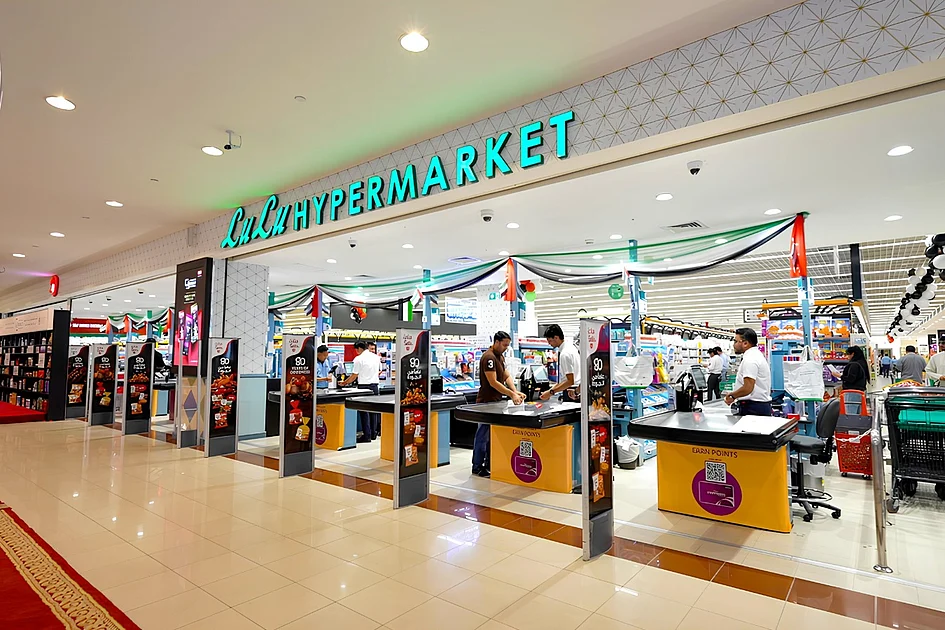
    For the United Arab Emirates, the challenge centers on price stability rather than physical shortages. The Middle Eastern nation remains generally well-supplied, with vegetable oils primarily sourced from South America. However, intense competition from major buyers including India and Iran continues to support elevated pricing structures.

    Logistical complexities are compounding the situation, with many vessels now discharging cargo in India before proceeding to Arabian Gulf ports to optimize freight expenses. This rerouting adds layers of complexity to supply chain management.

    Red Sea security concerns are forcing exporters to reconsider traditional trade routes. While Egypt’s grain imports remain relatively unaffected due to their reliance on Black Sea and American sources, exports of processed wheat products to neighboring regions have noticeably slowed.

    Mahmoud Kalila, Managing Director of Elementra Commodities in Egypt, revealed that security concerns have prompted investments in alternative logistics infrastructure, including enhanced road networks and proprietary shipping fleets.

    The summit also highlighted financial technology’s expanding role in managing cross-border trade risk. Nabeel Ahmed, Managing Director of HexTrust, emphasized the UAE’s critical position as a regional financial hub where efficient payment systems are becoming increasingly vital.

    “When wealth moves, money has to move with it,” Ahmed explained. “Regulated digital solutions enable businesses to transfer value within seconds instead of weeks, providing crucial flexibility during periods of market volatility.”

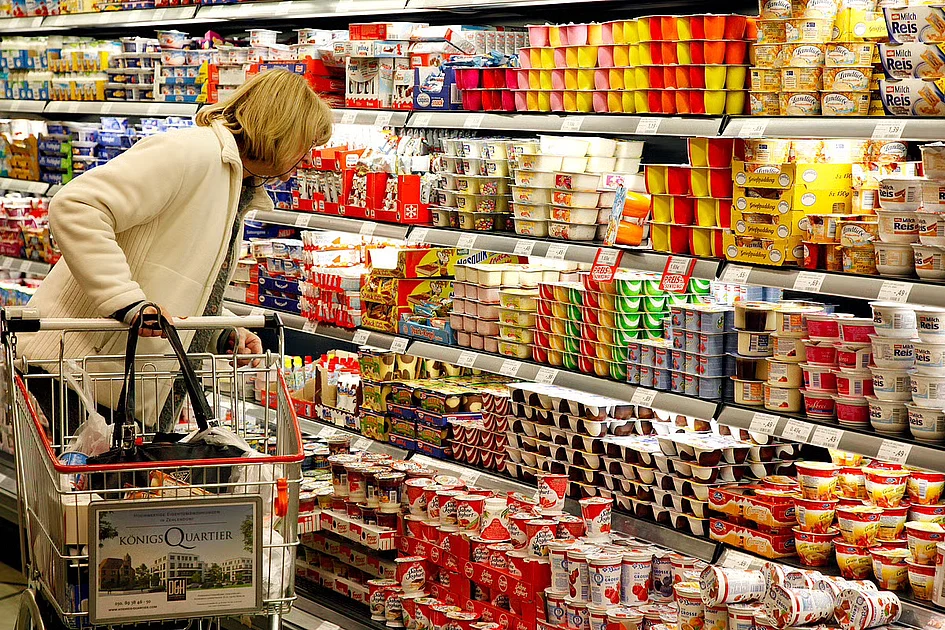
    Experts concluded that food security will remain intrinsically linked to geopolitical stability, with UAE consumers increasingly exposed to global market forces that extend far beyond local supermarket shelves.