分类: business

  • UAE’s Careem launches feature to double tips for drivers during Ramadan

    UAE’s Careem launches feature to double tips for drivers during Ramadan

    In a significant corporate social responsibility initiative during the holy month of Ramadan, UAE-based mobility platforms Careem and Hala have unveiled a comprehensive support program for their workforce. The companies have introduced a limited-time ‘tip matching’ feature that will effectively double gratuities for all delivery riders and taxi drivers operating across the Emirates.

    The innovative program, active from February 18 through March 19, 2026, will match all customer tips of Dh10 or higher, substantially increasing earnings for the platform’s contracted workers. To access this benefit, customers must utilize the latest version of the Careem application when booking rides through Careem or Hala Taxi services, or when placing orders via Careem Food, Quik, Shops, or Box.

    Beyond the financial component, the initiative includes a substantial meal program that will provide daily Iftar provisions to all drivers and delivery personnel throughout Ramadan. This ensures that those breaking their fast while working can enjoy nutritious meals during this sacred period.

    The technological infrastructure guarantees that 100% of tips—including the matched amounts—are immediately transferred to the workers’ Careem Pay accounts, enabling instant access to funds and seamless bank transfers.

    Testimonials from long-serving drivers highlight the transformative impact of gratuities. Muhammad Shahbaz, a five-year veteran from Gujarat, Pakistan, emphasized how tips directly contribute to family welfare, including housing construction and children’s education. Similarly, Adeel Muhammad, with seven years of service from Punjab, Pakistan, noted how accumulated tips have enabled him to build a two-story home, educate his four children, and support his mother’s medical needs.

    This initiative represents one of the most substantial driver support programs launched in the UAE’s gig economy during Ramadan, combining immediate financial benefits with essential sustenance support.
  • Y A S Developers launches boutique residence project, Casa Altia, in Al Furjan, plans projects worth Dh1 billion in 2026

    Y A S Developers launches boutique residence project, Casa Altia, in Al Furjan, plans projects worth Dh1 billion in 2026

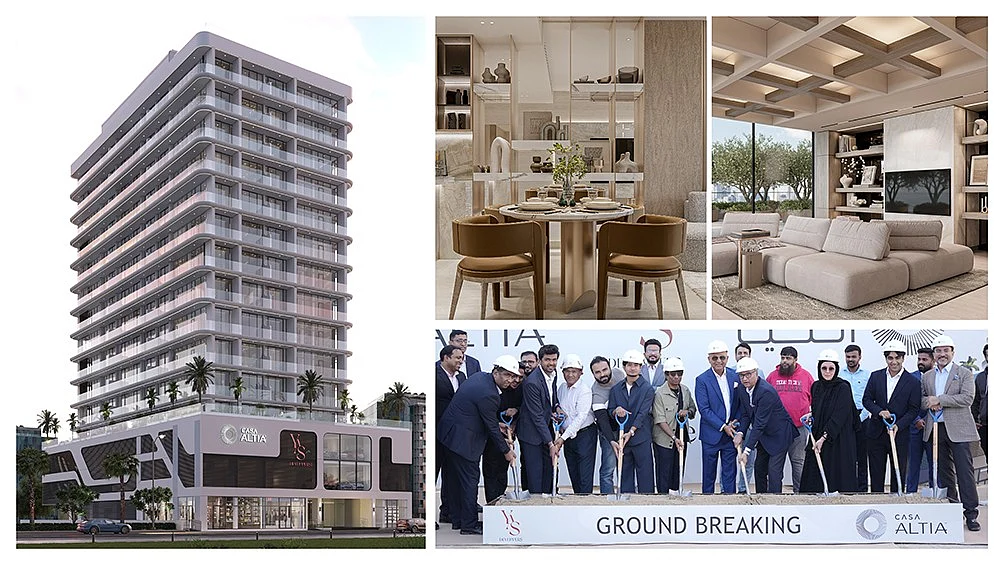
    Dubai’s real estate sector witnesses a significant expansion as Y A S Developers, an established international property group with a portfolio spanning North and Latin America, announces its strategic Dh1 billion investment plan for 2026. The company has officially launched Casa Altia, its newest boutique luxury residential project in Dubai’s thriving Al Furjan district, with enabling works already underway for a scheduled Q1 2028 completion.

    This marks the developer’s third residential venture following the successful handover of both Altia Residence and Altia One in Dubai Silicon Oasis. The expansion strategy is strategically aligned with Dubai’s Real Estate Sector Strategy 2033, responding to substantial population growth, increasing foreign direct investment, and the UAE’s unique lifestyle appeal.

    According to Muneer Kutty, COO of Y A S Developers, the company’s growth strategy leverages Dubai’s status as a prime investment destination. “Dubai’s property market achieved record growth in 2025 with transactions exceeding Dh686 billion, representing a 30% year-on-year increase,” Kutty stated, referencing data from DXB Interact.

    Casa Altia will feature an exclusive collection of 72 residences, including 12 one-bedroom units (approximately 1,000 sqft), 48 two-bedroom apartments (1,400-1,465 sqft), and 12 three-bedroom residences (1,900 sqft). Prices will begin from Dh1.7 million. The development will dedicate an entire floor to six ultra-luxury homes complete with private pools, landscaped gardens, BBQ areas, and bespoke amenities designed to replicate villa-style living.

    The project’s strategic location offers exceptional connectivity, with access to Al Furjan Metro Station, Discovery Gardens Metro Station, Ibn Battuta Mall, Al Maktoum International Airport, and Expo City Dubai within a 7-30 minute drive. Residents will enjoy comprehensive amenities including retail spaces, a fitness center, infinity pool, clubhouse, and children’s play area.

    Kutty emphasized Al Furjan’s emergence as one of Dubai’s top-performing residential communities, noting 8-10% property value growth in 2025 driven by metro connectivity and proximity to major transportation corridors. The COO further revealed that Casa Altia will be followed within months by another luxury Al Furjan project as part of the company’s continued expansion in Dubai’s dynamic property market.

  • UAE banks to stay resilient despite real estate slowdown, says report

    UAE banks to stay resilient despite real estate slowdown, says report

    The UAE banking system maintains robust stability despite emerging headwinds in the property sector, according to a comprehensive assessment by Moody’s Ratings. While financial institutions maintain significant exposure to real estate through corporate lending and mortgage portfolios, multiple protective mechanisms have effectively contained systemic risks.

    Regulatory interventions have played a pivotal role in safeguarding the financial ecosystem. The Central Bank of the UAE’s 2022 mandate capping construction and real estate exposure at 30% of credit risk-weighted assets has proven particularly effective. Current aggregate exposure remains comfortably below this threshold at approximately 18.3%, providing substantial capacity for additional sector financing if required.

    The composition of bank lending has undergone notable transformation since 2021. Real estate and construction financing declined consistently through 2024 before experiencing a modest 4% year-on-year increase by September 2025, largely attributable to declining interest rates. This sector now constitutes 12% of total loans, significantly reduced from 19% in December 2021.

    Concurrently, personal consumption loans have expanded substantially, growing approximately 18% year-on-year by December 2024 and maintaining similar momentum through September 2025. These loans, representing 23% of total gross lending, include mortgage components that maintain indirect property market exposure.

    Developer financing patterns have evolved considerably, with increased diversification away from project-specific bank loans. Since 2023, real estate entities have issued nearly $12 billion in sukuk, bonds, and hybrid debt instruments, with maturities averaging around $2 billion annually between 2027 and 2030.

    Financial metrics indicate strong fundamental health across the banking sector. Core liquidity ratios stood at 23% of total assets by June 2025, while non-performing loans reached a record low of 2.9% during the same period. Provision coverage remains robust at well above 100%, providing additional buffers against potential market softening.

    Although net interest margins may face pressure as monetary policy eases, solid non-interest income and cost discipline are expected to mitigate impacts on overall profitability. The return on assets, while potentially moderating from the record 1.9% achieved between December 2023 and June 2025, is projected to remain at solid levels.

  • OMNIYAT awards main works contract for ENARA as construction enters next phase in Marasi Bay

    OMNIYAT awards main works contract for ENARA as construction enters next phase in Marasi Bay

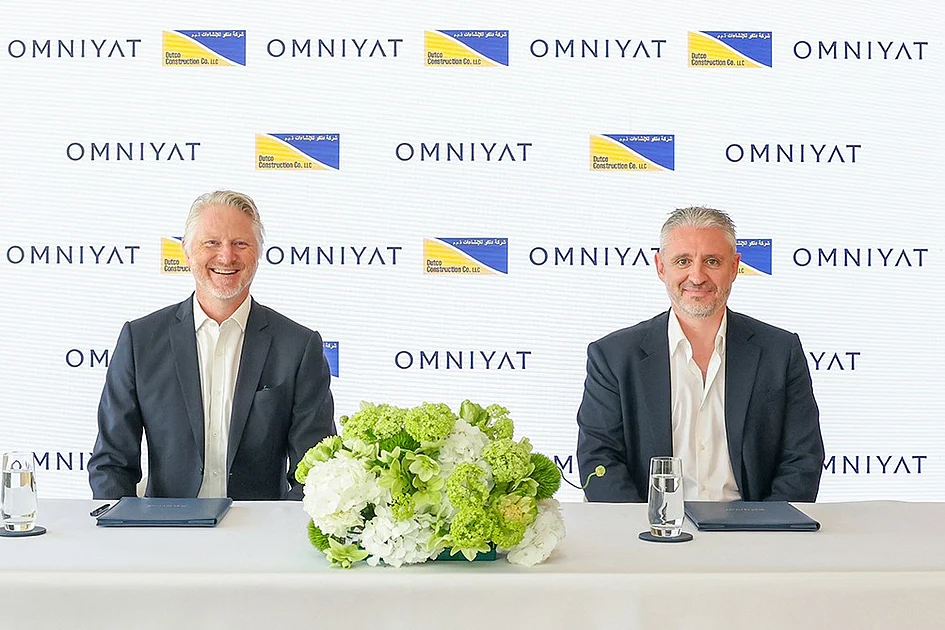
    Dubai’s premium real estate developer OMNIYAT has reached a pivotal construction phase for its ultra-luxury commercial project ENARA, located in the prestigious Marasi Bay area within the Burj Khalifa District. The developer has officially appointed Dutco as the main works contractor following the successful completion of all enabling works and piling operations.

    The ENARA tower, which has achieved complete sell-out status prior to completion, represents OMNIYAT’s strategic vision to redefine premium workspace environments in Dubai. The project has garnered remarkable market response, demonstrating robust demand for Prime Grade A office spaces in one of the city’s most desirable business locations.

    Construction progress indicates significant milestones for 2026, with the superstructure scheduled to reach Level 10 while mechanical, electrical, and plumbing (MEP) systems advance to Level 5. Façade installation is planned to commence later this year, accelerating the transformation of the architectural vision into physical reality.

    Peter Stephenson, Co-Managing Director of OMNIYAT, emphasized the project’s significance: “ENARA marks a transformative moment in our commercial real estate strategy and the evolution of Marasi Bay as a global business destination. The appointment of Dutco as main contractor reinforces our commitment to delivering a world-class commercial tower that embodies design excellence and sustainable value creation.”

    ENARA distinguishes itself through hospitality-inspired amenities integrated with future-ready sustainable design. The development will feature exclusive single-tenant floorplates, private elevator access, landscaped terraces, and cutting-edge digital infrastructure. The project has already secured triple Platinum pre-certifications—LEED Platinum, WiredScore Platinum, and SmartScore Platinum—making it the UAE’s first office building to achieve this recognition. Additional WELL Building Standard Platinum certification is being pursued, highlighting OMNIYAT’s dedication to occupant health and wellbeing.

    As part of OMNIYAT’s comprehensive vision for Marasi Bay, ENARA joins other landmark developments including The Lana, VELA, and VELA Viento in establishing the district as Dubai’s premier ultra-luxury waterfront destination. With construction progressing according to schedule and strong on-site momentum, ENARA is positioned to establish new benchmarks for luxury commercial spaces in the region.

  • AX Premium Properties secures 2nd position in top sales at DAMAC Annual Awards 2025

    AX Premium Properties secures 2nd position in top sales at DAMAC Annual Awards 2025

    AX Premium Properties has solidified its standing as a premier real estate brokerage firm in the United Arab Emirates after achieving second position in Top Sales at the acclaimed DAMAC Annual Awards 2025. This distinguished accolade highlights the company’s consistent market excellence and robust operational capabilities within the competitive UAE property sector.

    The DAMAC Annual Awards represent one of the region’s most esteemed recognitions in real estate, honoring agencies that demonstrate exceptional sales performance and industry leadership. Placing second among numerous prominent brokerages signifies AX Premium Properties’ strategic execution and sustained growth trajectory in a dynamic market environment.

    Nadeem Sufy, Chief Executive Officer of AX Premium Properties, remarked on this accomplishment: ‘Attaining second position in Top Sales at the DAMAC Annual Awards 2025 constitutes a significant achievement for our entire organization. This recognition validates our methodical approach, profound market knowledge, and relentless dedication to client value creation. Our continued presence among elite agencies underscores the robustness of our collaboration with DAMAC and our pursuit of excellence.’

    The company has maintained consistent performance through strategic expansion initiatives, client-focused advisory services, and a results-driven sales culture. Its enduring partnership with DAMAC has been instrumental to its success, founded on mutual trust, operational transparency, and aligned objectives for market leadership.

    Looking forward, AX Premium Properties remains committed to enhancing its market position, broadening its operational scope, and establishing new industry standards for performance and client satisfaction throughout the UAE’s real estate landscape.

  • Ramadan in UAE: Retailers have high levels of food reserves, says minister

    Ramadan in UAE: Retailers have high levels of food reserves, says minister

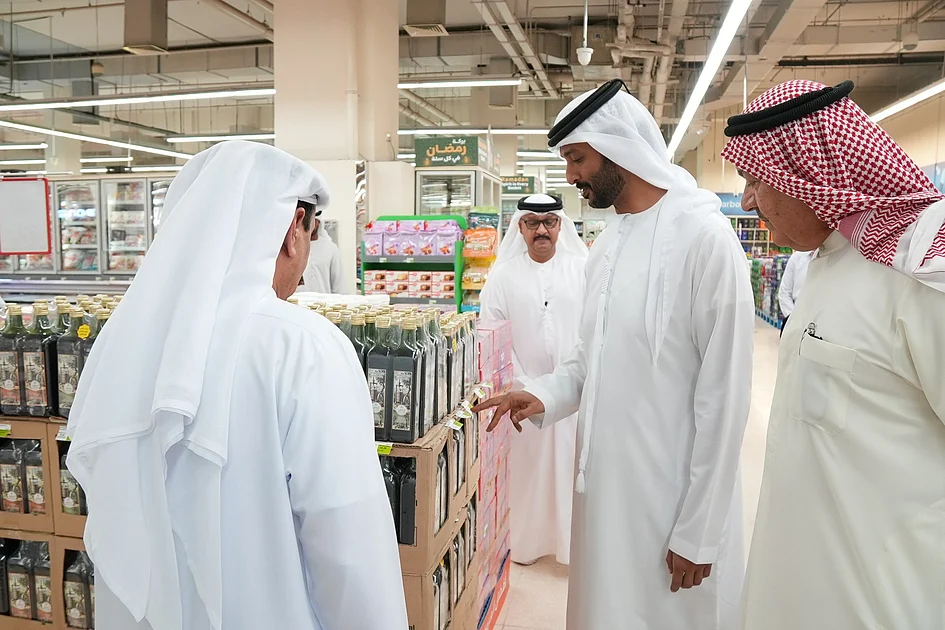
    The United Arab Emirates has confirmed its strategic food reserves are at peak readiness levels, ensuring long-term continuous supply capacity as the holy month of Ramadan approaches. Abdullah bin Touq Al Marri, UAE Minister of Economy and Tourism and Chairman of the Higher Committee for Consumer Protection, emphasized that retailers maintain substantial inventories of essential consumer goods.

    The announcement followed Minister Al Marri’s comprehensive field inspection of major retail outlets including Emirates Co-operative Society and Spinneys across the UAE. The tour aimed to verify market price stability and adequate product availability to meet consumer demand throughout Ramadan.

    In parallel, the Ministry of Economy reinforced mandatory pricing regulations requiring both physical and digital retailers with spaces exceeding 1,000 square meters to display unit prices clearly using standardized measurement units for each item. These regulations, established under Cabinet Resolution No. 120 of 2022, empower authorities to monitor compliance and enable consumers to file complaints against violators.

    The ministry has specifically prohibited unauthorized price increases for essential commodities including cooking oils, eggs, dairy products, rice, sugar, poultry, legumes, bread, and wheat without prior approval. Minister Al Marri highlighted that the unit price policy provides consumers with accurate information to rationalize spending and make informed choices among alternatives, while ensuring fair competition based on unit pricing rather than promotional offers.

    The Ministry will intensify monitoring of promotional offers and discounts during Ramadan to prevent unjustified price increases and ensure sufficient quantities of key consumer goods remain available.

  • Diversification helping to reshape the economy and open doors to investment

    Diversification helping to reshape the economy and open doors to investment

    Brunei Darussalam has achieved a remarkable economic milestone, with its non-oil and gas sectors now contributing over 50% of GDP—a dramatic shift from a decade ago when hydrocarbons dominated the economy. This structural transformation results from targeted government policies designed to build economic resilience and reduce dependence on energy price fluctuations.

    The diversification strategy has focused on five priority sectors: downstream oil and gas (including petrochemicals and fertilizers), tourism, information and communication technology (ICT), services, and food manufacturing. According to Dato Dr. Amin Liew Abdullah, Minister at The Prime Minister’s Office and Minister of Finance and Economy II, these efforts have yielded impressive results: non-oil exports have surged from 10% to nearly 60% of total exports, while unemployment has dropped sharply from 9% to 4.7% over the past eight years.

    Concurrently, Brunei has made significant strides in digital transformation, with over 90% of the population now covered by 5G networks and mobile download speeds ranking among the world’s fastest. The establishment of the Brunei Innovation Lab in 2021 has provided a testing ground for AI-driven solutions in sectors such as aquaculture, while digitalized government services and ASEAN-integrated trade platforms have enhanced operational efficiency.

    These developments have significantly improved Brunei’s investment appeal, attracting international investors—particularly from the Middle East—who find the country’s stable inflation (averaging 1% annually), shared cultural values, and open-door policy conducive to business. Joint ventures in marine sectors, ICT, and artificial intelligence demonstrate the broadening of Brunei’s economic base beyond traditional industries.

    Looking ahead, the government plans to continue its diversification efforts while prioritizing welfare, healthcare, and environmental protection. Future preparedness will focus on adapting to global trends in AI, climate change, and digitalization, with significant investments in skills development and education to ensure workforce adaptability in an evolving economic landscape.

  • Dubai: Gold prices slip below Dh600 on profit-taking at the start of the week

    Dubai: Gold prices slip below Dh600 on profit-taking at the start of the week

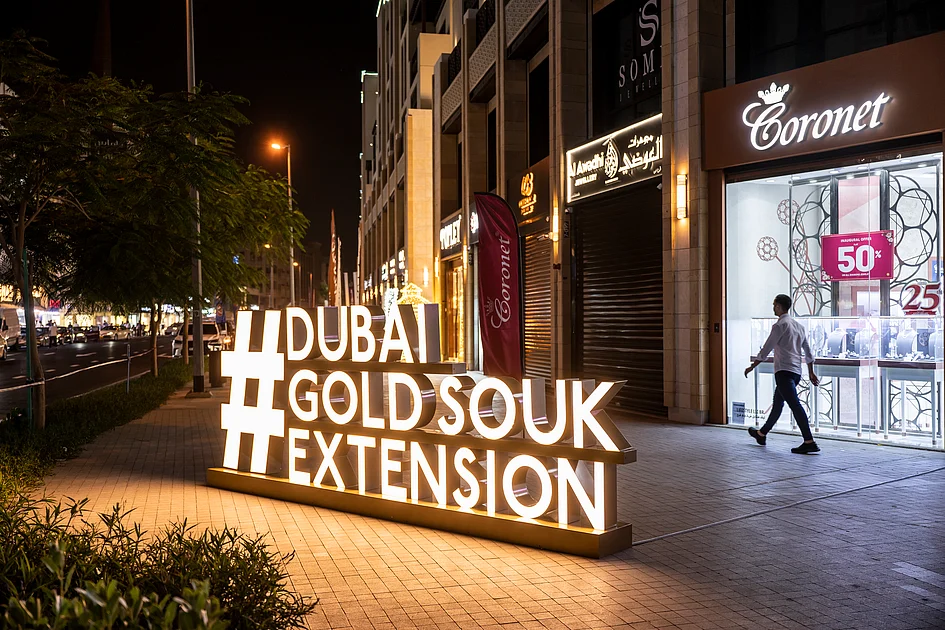
    Gold prices in Dubai experienced a notable decline at the week’s opening, with the precious metal slipping below the Dh600 per gram threshold. As of 9 AM UAE time on Monday, 24K gold registered at Dh599.75 per gram, marking a decrease of Dh7.75 from the previous week’s closing figures.

    The downward trend extended across various gold purities, with 22K, 21K, 18K, and 14K categories settling at Dh555.25, Dh532.50, Dh456.25, and Dh356.00 per gram respectively. In international markets, spot gold witnessed a decline exceeding one percent, trading at $4,986.72 per ounce amid thin trading activity and investor profit-taking maneuvers.

    Market analysts attribute this movement to a healthy market rebalancing phase following recent high volatility. Ahmad Assiri, Research Strategist at Pepperstone, observed that gold is currently trading cautiously below the $5,000 psychological barrier, indicating a period of consolidation. ‘Following the metal’s testing of levels near $5,400–$5,500 and subsequent strong price fluctuations,’ Assiri noted, ‘the market has entered a relatively narrower trading range demonstrating acceptance of current valuations.’

    The strategist highlighted the significance of the $4,700-$4,800 range, which has shown considerable resilience after the correction witnessed earlier this month. This price consolidation, characterized by moderated volatility, creates favorable conditions for long-term investors seeking to establish positions near key psychological price levels.

  • 1,200 jobs in GCC: New premium airline announced in Bahrain

    1,200 jobs in GCC: New premium airline announced in Bahrain

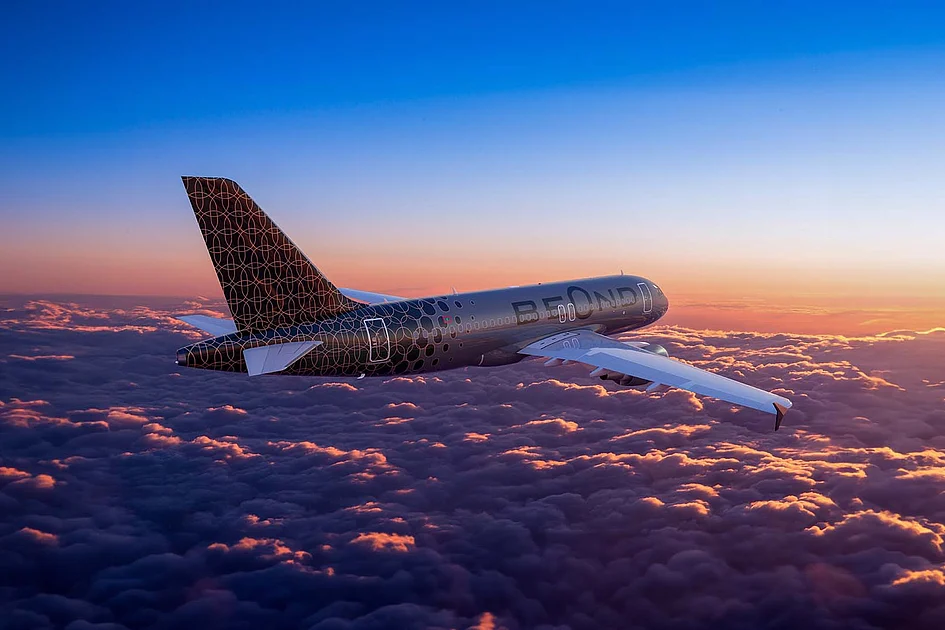
    Bahrain has announced a strategic partnership with premium leisure airline beOnd to establish a new aviation hub in the Gulf region. The agreement, signed on Monday, February 16, 2026, marks a significant development in Bahrain’s aviation sector and economic diversification efforts.

    The ambitious initiative will see beOnd operate up to 10 aircraft from Bahrain by 2030, connecting the kingdom to key markets across Europe, the Middle East, Asia, and North America. The airline projects a substantial economic contribution of approximately $1.2 to $1.5 billion to Bahrain’s GDP during its first five years of operations.

    Employment generation stands as a cornerstone of this venture, with plans to create over 1,200 direct high-skilled positions and support an additional 6,000 indirect jobs across tourism, hospitality, logistics, and associated service sectors. The project aligns with Bahrain Economic Vision 2030, focusing on job creation for both nationals and foreign workers while stimulating private-sector growth.

    beOnd will establish a comprehensive center of excellence featuring structured training programs for pilots, cabin crew, engineers, and ground staff. The airline plans to implement advanced technologies including artificial intelligence across operations, maintenance, revenue management, distribution, and passenger experience enhancement.

    CEO Tero Taskila described the Bahrain expansion as “a natural next step in our multi-jurisdictional strategy,” emphasizing the opportunity to “build a premium aviation platform that strengthens connectivity, develops specialized talent, and supports innovation across the travel value chain.”

    Dr. Shaikh Abdulla bin Ahmed Al Khalifa, Bahrain’s Minister of Transportation and Telecommunications, expressed enthusiasm for welcoming beOnd aircraft with Bahraini Air Operator Certificate, noting the airline’s valuable addition to the kingdom’s aviation ecosystem.

    The announcement reflects the growing luxury aviation market in the Gulf region, where several charter operators increasingly cater to high-net-worth individuals and affluent families. beOnd continues its regional expansion following its December 2025 announcement regarding Air Operator Certificate proceedings in Saudi Arabia.

  • Singapore sets first ever sustainable aviation fuel levy, as Southeast Asia’s fuel industry grows

    Singapore sets first ever sustainable aviation fuel levy, as Southeast Asia’s fuel industry grows

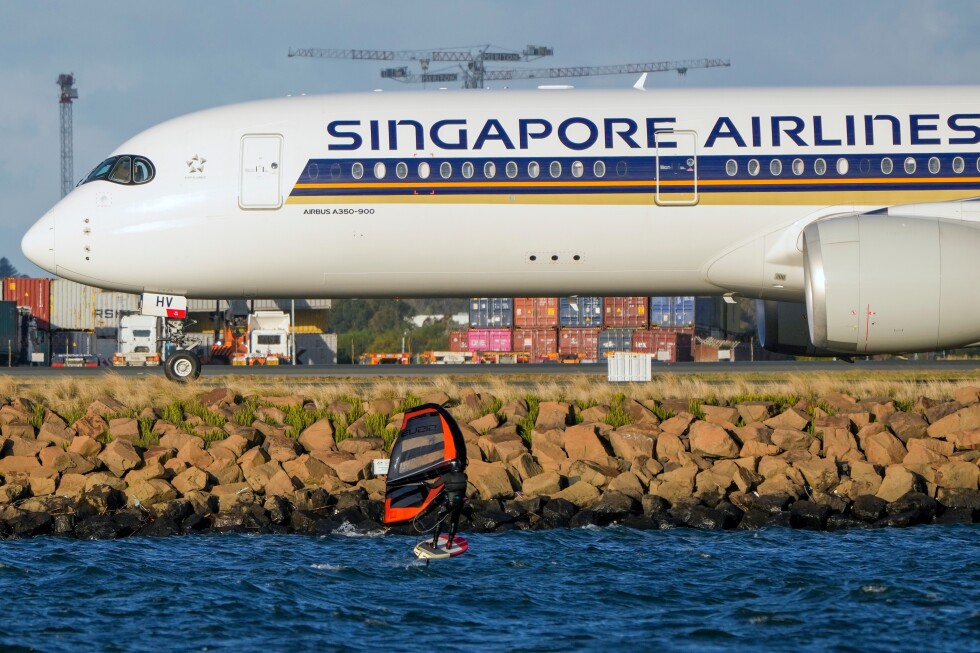
    SINGAPORE — Travelers passing through Singapore’s Changi Airport, Southeast Asia’s busiest aviation hub, will face new sustainability charges ranging from $0.75 to $32 per ticket beginning October 1st. The landmark initiative establishes a funding mechanism for sustainable aviation fuel (SAF) development through a distance-based levy system that varies by cabin class and destination.

    The strategic move positions Singapore at the forefront of regional efforts to decarbonize air travel while capitalizing on Southeast Asia’s emerging potential as a global SAF production center. The cleaner burning fuel, typically derived from recycled cooking oil and agricultural waste, represents the aviation industry’s most promising pathway to reduce emissions without requiring aircraft modifications.

    Singapore’s leadership in this green transition is demonstrated through its operational SAF facility and planned next-generation plant, with established supply agreements with major carriers including Singapore Airlines and JetBlue. The city-state’s initiative coincides with broader regional momentum, with Thailand inaugurating a new SAF plant in Bangkok this year, while Malaysia and Vietnam achieved domestic production milestones in 2025.

    According to Daniel Ng, Chief Sustainability Officer at the Civil Aviation Authority of Singapore, the transparent levy structure enables “all aviation users to contribute to sustainability at manageable costs.” The charges will be clearly itemized on passenger tickets and cargo contracts, with economy-class flights within Southeast Asia facing the minimum S$1 (approximately $0.75) surcharge, while premium cabin travelers to the Americas will pay S$41.60 (approximately $32).

    Industry experts highlight Southeast Asia’s competitive advantage in SAF production due to abundant access to agricultural and forest waste materials. Aung Soe Moe, air transport officer for the Association of Southeast Asian Nations (ASEAN), projects the region could potentially produce 8.5 million barrels of SAF daily by 2050 if development continues responsibly.

    The timing of Southeast Asia’s SAF expansion coincides with policy uncertainties in the United States, where the Trump administration’s reversal of clean energy initiatives has slowed previously robust production growth. This policy shift creates strategic opportunities for Asian producers to capture market share in the emerging sustainable aviation fuel sector.

    Despite regional enthusiasm, industry representatives emphasize the continued need for government support to maintain development momentum. The International Air Transport Association notes that while attention on Asian SAF production is growing, sustained policy incentives remain crucial for scaling the industry to meet aviation’s decarbonization targets.