分类: business

  • Asos co-founder dies after Thailand balcony fall

    Asos co-founder dies after Thailand balcony fall

    Thai authorities have confirmed the identity of the individual who fell to his death from a high-rise condominium in Pattaya on February 9, 2026, as Quentin Griffiths, the British co-founder of global fashion retailer ASOS. Police investigators disclosed to BBC that emergency services responded to the incident after receiving reports of a fatal fall from the 18th floor of a residential building.

    According to official statements from Pattaya law enforcement, preliminary investigations indicate no evidence of criminal involvement in Griffiths’ death. The police report specified that the entrepreneur was alone at the time of the incident, with his condominium unit secured from inside and showing no signs of forced entry. Medical examiners conducted an autopsy which revealed no indications of foul play, supporting the initial assessment of the circumstances.

    Griffiths, who held British citizenship, co-established ASOS (As Seen On Screen) in 2000 alongside current CEO Nick Robertson. Although he departed from the company five years after its inception, he maintained substantial shareholdings in the fashion enterprise that would eventually grow into a multinational e-commerce giant valued at billions.

    Law enforcement officials additionally revealed that Griffiths was engaged in two separate ongoing legal proceedings at the time of his death, suggesting these matters may have contributed to significant personal stress. The precise nature of these court cases remains undisclosed as investigations continue.

    The tragic event has drawn international attention to the circumstances surrounding the death of a prominent business figure in Thailand’s coastal city of Pattaya, known both as a tourist destination and expatriate hub. Authorities have indicated their investigation remains open while awaiting final forensic reports.

  • Strait of Hormuz risk premium returns amid growing US-Iran war fears, says analyst

    Strait of Hormuz risk premium returns amid growing US-Iran war fears, says analyst

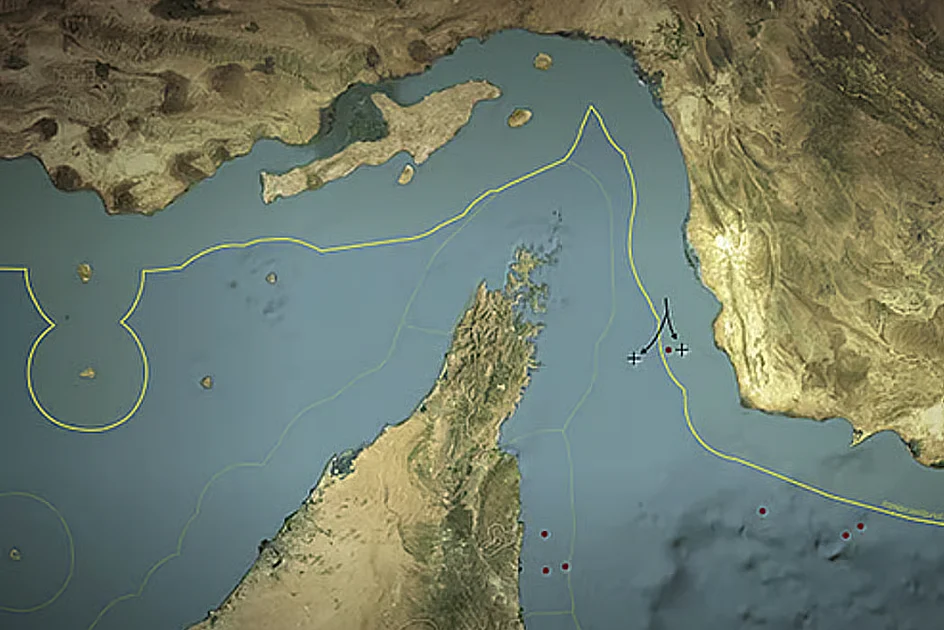
    Escalating military tensions between the United States and Iran have triggered a resurgence of risk premiums in global oil markets, with analysts warning of potential supply disruptions through the critical Strait of Hormuz. The strategic waterway, through which approximately 20 million barrels of oil transit daily, has become the focal point of renewed geopolitical anxieties.

    According to Saxo Bank analysis, the current geopolitical insurance premium has added approximately $5-7 to crude prices. This assessment comes as both Brent and WTI crude benchmarks surged more than 1.4% to $71.35 and $66.15 per barrel respectively following heightened concerns about potential U.S. military action against Tehran.

    Ole Hansen, Head of Commodity Strategy at Saxo Bank, emphasized that the recent price rally above $70 reflects Middle East supply-disruption risks rather than fundamental market shifts. “The vulnerability lies not only in Iran’s own exports but in the region’s collective dependence on the strait,” Hansen noted in a market commentary released Thursday.

    While Saudi Arabia and the United Arab Emirates maintain meaningful bypass infrastructure—including the UAE’s Abu Dhabi Crude Oil Pipeline and Saudi Arabia’s East-West Petroline—analysts estimate practical spare capacity at only 2-3 million barrels per day. This falls significantly short of the 20 million barrels that typically transit Hormuz daily.

    Industry experts warn that even partial disruption would trigger immediate consequences. Anis Sajan, Vice Chairman of Danube Group, highlighted the strait’s critical importance for Gulf Cooperation Council economies: “Any extended disruption would impact all goods transported via this route, leading to shortages and price increases. For building materials specifically, even short disruptions can affect freight costs and project execution.”

    The situation remains fluid as diplomatic efforts continue, with Oman mediating indirect talks between Washington and Tehran. Market participants are closely monitoring developments, aware that any resolution could quickly reverse the current risk premium and push prices toward the low $60s.

  • Rest enters the UAE sleep market with the launch of Evercool

    Rest enters the UAE sleep market with the launch of Evercool

    Science-driven sleep brand Rest has entered the United Arab Emirates market with the introduction of Evercool, its innovative temperature-regulating bedding system designed specifically for hot sleepers. The launch represents the company’s first expansion into the Middle Eastern region and addresses the widespread issue of thermal discomfort during sleep that affects a substantial portion of consumers.

    Unlike conventional bedding solutions that depend on breathable fabrics or superficial cooling treatments, Evercool employs advanced thermal engineering to actively absorb and dissipate excess body heat throughout the night. The technology provides a consistently cool surface contact experience that maintains optimal sleeping temperatures, addressing what the company identifies as one of the most persistent yet underserved challenges in sleep wellness.

    The product development involved rigorous material science research and performance-driven design, resulting in a solution that fundamentally reimagines how bedding manages body temperature. This approach moves beyond traditional methods to create a more effective system for thermal regulation during sleep.

    Internationally, Rest has gained recognition through its collaboration with Sleep Wellness Advocate Drew Barrymore in the United States, highlighting the brand’s mission to make scientifically-engineered sleep solutions more accessible and relatable to mainstream consumers. This partnership reinforces Rest’s philosophy that quality sleep should be an achievable reality rather than an aspirational goal through properly designed sleep technology.

    The UAE market introduction is supported by a comprehensive launch campaign centered on the theme “Sleep Just Got Cool,” which aims to educate consumers about the science behind the product while establishing Evercool as the premier cooling bedding solution currently available. The rollout includes limited-time promotional offers to encourage consumer trial and firsthand experience with the technology.

    This market entry establishes a foundation for Rest’s continued expansion in the region, with plans to introduce additional products to its portfolio in the future. The company demonstrates how applied sleep science and deliberate design can create tangible improvements in daily rest quality for consumers struggling with temperature-related sleep disruptions.

  • Setting the standard for property snagging across the UAE

    Setting the standard for property snagging across the UAE

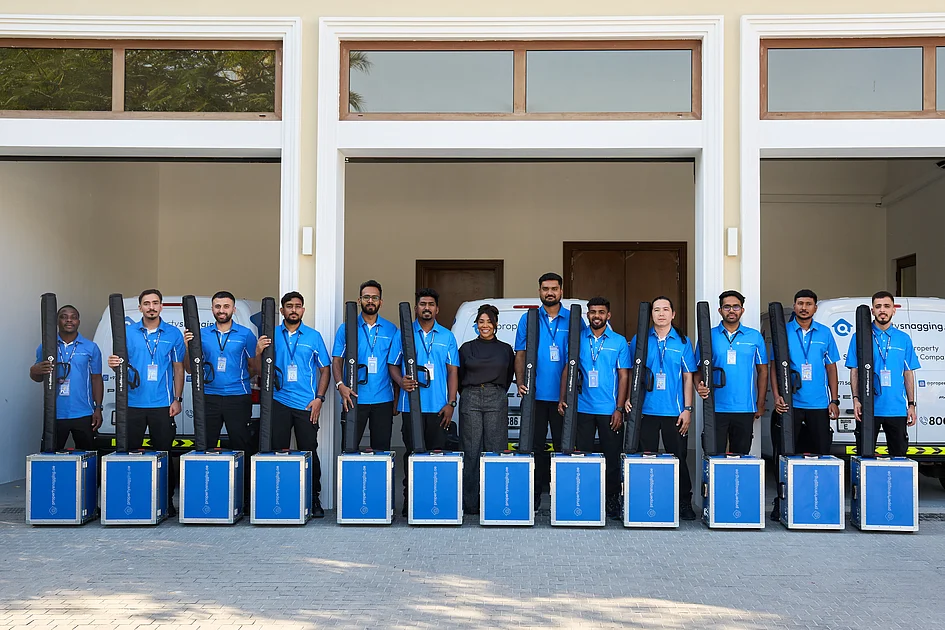
    In the dynamic real estate landscape of the United Arab Emirates, PropertySnagging.ae has established itself as a premier inspection specialist under the co-leadership of industry veteran Romaa’l Patel. With over fifteen years of dedicated service in Dubai’s property sector, Patel has cultivated an organization renowned for its technical expertise and client-focused approach.

    The company’s foundational mission centers on safeguarding property investments through meticulously detailed, impartial inspections conducted to exacting technical standards. This commitment has positioned the firm as a regional benchmark for reliability, particularly crucial as property handovers grow increasingly complex and voluminous throughout the UAE.

    PropertySnagging.ae maintains its rigorous standards through a team of InterNACHI-certified inspectors who adhere to internationally recognized protocols. The company’s operational philosophy emphasizes customer prioritization, meticulous attention to detail, and uncompromising integrity. Each inspection aims to verify that properties meet developer-promised specifications across multiple dimensions.

    The firm offers comprehensive evaluation services for both newly constructed and resale properties, examining civil infrastructure and Mechanical, Electrical, and Plumbing (MEP) systems. Their detailed reports include photographic evidence that enables clients to hold developers accountable during critical pre-possession negotiations.

    Remarkably, the company’s expansion has been primarily driven by organic reputation rather than aggressive marketing. With over 820 Google reviews maintaining consistently high ratings, PropertySnagging.ae enjoys substantial referral business and repeat clients who frequently commend Patel’s professionalism and industry knowledge.

    Technological advancement remains central to the company’s competitive edge. Patel has championed the integration of sophisticated inspection tools, calibrated equipment, and digital workflows that enhance reporting speed and accuracy without sacrificing quality. These operational efficiencies help clients resolve identified defects within developers’ liability periods.

    The financial implications for clients are significant, as early defect identification prevents costly post-move-in repairs, mitigates long-term maintenance concerns, and preserves property value. In numerous instances, the savings realized from these inspections substantially exceed their initial cost.

    Ultimately, clients select PropertySnagging.ae for its consistent delivery of proven results under Patel’s stewardship. The end-to-end process—from scheduling to final report delivery—maintains transparency and dependability, solidifying the company’s status as a trusted partner in protecting one of life’s most substantial investments.

  • US stocks tick higher after the Supreme Court strikes down Trump’s sweeping tariffs

    US stocks tick higher after the Supreme Court strikes down Trump’s sweeping tariffs

    Financial markets exhibited measured gains on Friday following a landmark Supreme Court decision to invalidate former President Donald Trump’s sweeping tariff policies. The ruling provided temporary relief to investors who had previously expressed concerns about the disruptive impact of these trade measures.

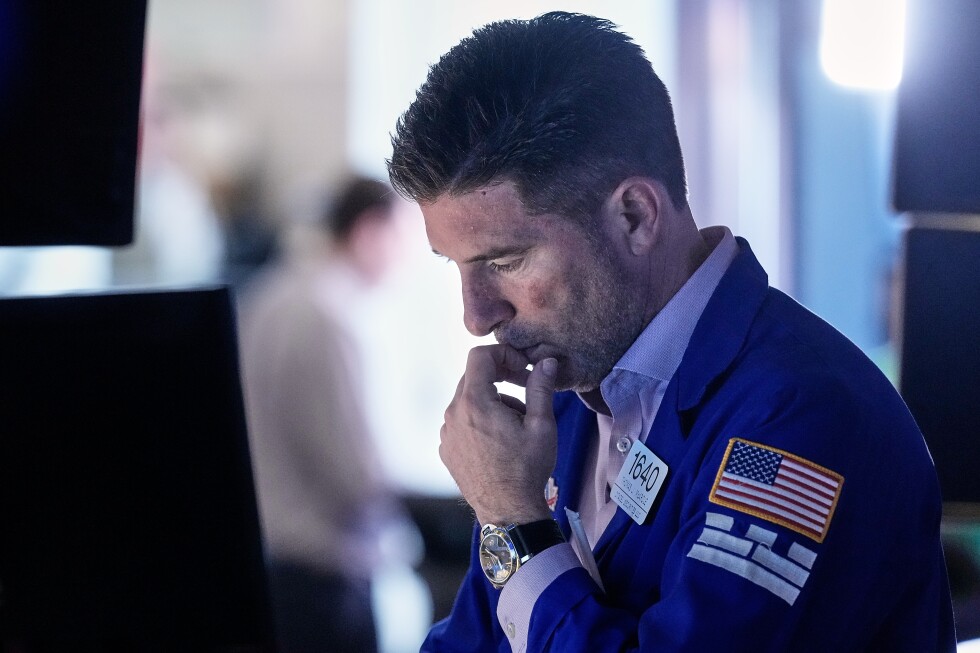
    The S&P 500 advanced 0.6%, while the Dow Jones Industrial Average climbed 124 points (0.3%) and the Nasdaq composite gained 1.1% by late morning trading. The market response remained relatively restrained, suggesting that many Wall Street participants had anticipated the judicial outcome, according to Brian Jacobsen, Chief Economic Strategist at Annex Wealth Management.

    Earlier market uncertainty had been driven by conflicting economic indicators showing both slowing U.S. economic growth and accelerating inflation. Treasury yields experienced minimal movement, with the 10-year yield edging up marginally to 4.09%. The U.S. dollar weakened slightly against major currencies including the euro.

    Gold prices demonstrated volatility, initially dropping from approximately $5,075 per ounce toward $5,000 before recovering partially. The precious metal had reached record highs earlier this year amid tariff-related uncertainties affecting global businesses and households.

    Despite the court’s prohibition of broad ‘reciprocal’ tariffs, analysts caution that protectionist trade policies may persist through alternative mechanisms. Jacobsen predicts the administration will likely pivot toward targeted tariffs focusing on specific nations or industries, suggesting this ruling offers only temporary respite.

    Market attention also remained focused on Federal Reserve policy expectations. Traders maintained predictions of at least two interest rate reductions by year-end, though some adjusted timing expectations to later in the summer. Fed officials have emphasized the need for further inflation moderation before considering additional rate cuts.

    Corporate performances varied significantly, with Akamai Technologies plunging 9.3% despite strong quarterly results, due to disappointing profit projections linked to increased equipment investments. Conversely, Comfort Systems surged 4.3% following better-than-expected earnings, with CEO Brian Lane citing ‘unprecedented demand.’

    International markets presented a mixed picture, with European indices advancing while Asian markets showed divergence. South Korea’s Kospi jumped 2.3% to record levels, driven by defense sector gains, while Hong Kong’s Hang Seng declined 1.1% post-Lunar New Year holidays.

  • DP World sells partial stake in Saudi Arabia’s Jeddah Islamic Port

    DP World sells partial stake in Saudi Arabia’s Jeddah Islamic Port

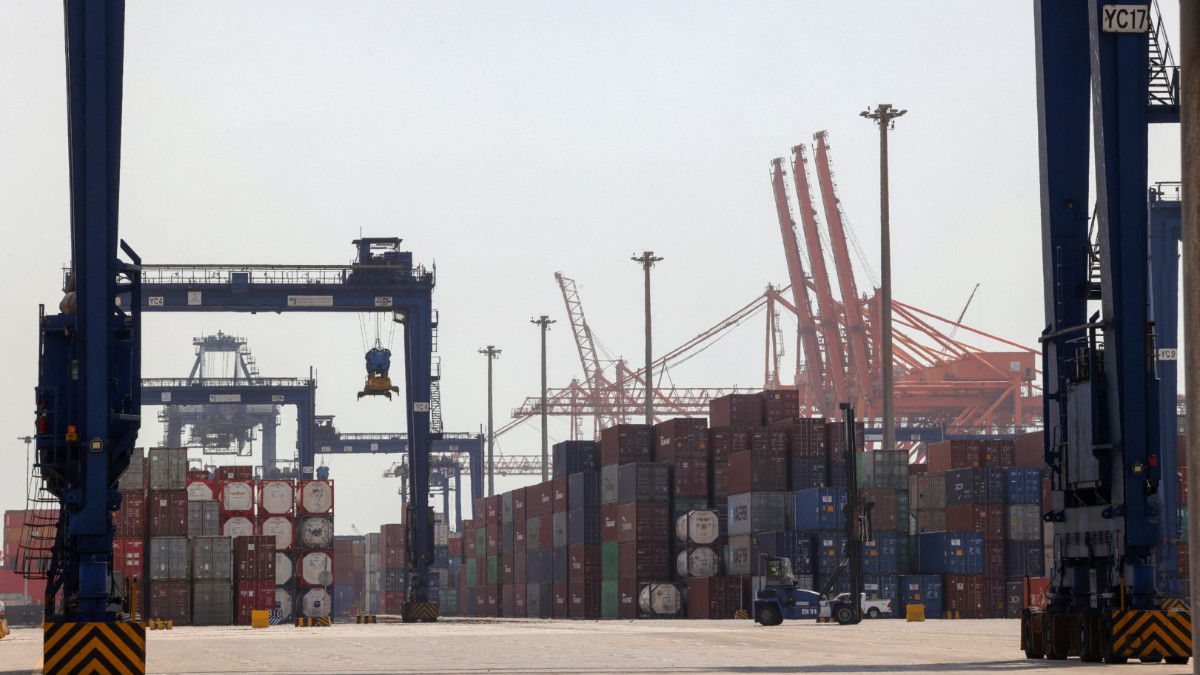
    In a significant development within global logistics, Dubai-based DP World has divested a 37.5% minority stake in the southern container terminal at Saudi Arabia’s Jeddah Islamic Port to Danish shipping conglomerate AP Moller-Maersk. The transaction, announced Wednesday, establishes a new strategic partnership between the maritime giants, with DP World retaining a 62.5% controlling interest and continuing to lead terminal operations.

    This commercial arrangement emerges against a backdrop of escalating geopolitical friction between the United Arab Emirates and Saudi Arabia. The two Gulf powers currently find themselves at odds across multiple Red Sea theaters, including opposing positions in Yemen’s conflict and Sudan’s civil war. The rivalry has extended into digital arenas through social media campaigns and diplomatic maneuvering, with Saudi influencers criticizing UAE-Israel relations while Emirati entities allegedly encouraged pro-Israel groups to accuse Saudi Arabia of antisemitism.

    Despite these tensions, the Jeddah terminal partnership underscores profound economic interdependence between the nations. The UAE remains Saudi Arabia’s primary source of foreign direct investment and a crucial export market, while DP World serves as a key instrument of Emirati commercial influence across Middle Eastern and African ports—including facilities in Somaliland, where conflicting positions on recognition have further highlighted regional divisions.

    The agreement also follows leadership changes at DP World after former chairman Sultan Ahmed bin Sulayem faced scrutiny over his documented associations with convicted sex offender Jeffrey Epstein. Current port operations contend with Red Sea overcapacity issues and disrupted shipping patterns due to Houthi attacks, which have marginally reduced traffic at Jeddah during Israel’s conflict in Gaza.

  • US and Indonesia sign deal to cut tariffs to 19%

    US and Indonesia sign deal to cut tariffs to 19%

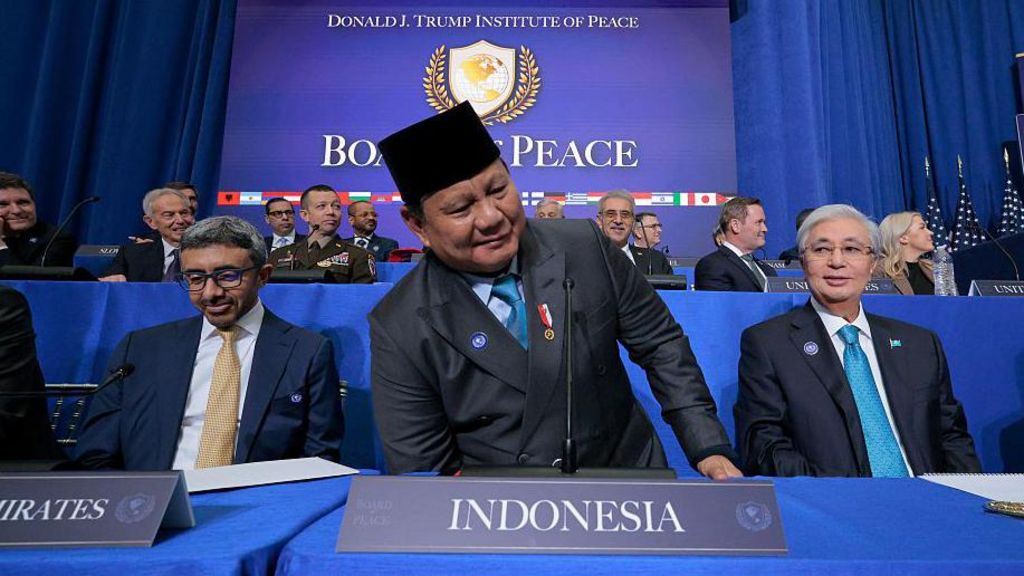
    In a significant development for international trade relations, the United States and Indonesia have concluded a major bilateral agreement that substantially reduces trade barriers between the two nations. The breakthrough came during Indonesian President Prabowo Subianto’s visit to Washington, where he met with President Donald Trump alongside attending the inaugural session of the Trump-led “Board of Peace” initiative.

    The comprehensive pact, finalized on Thursday, slashes U.S. tariffs on Indonesian imports from 32% to 19%, marking one of the most substantial tariff reductions between the two countries in recent history. In reciprocation, Indonesia has committed to eliminating trade restrictions on over 99% of American goods across multiple sectors including agricultural products, healthcare equipment, seafood, technology, and automotive-related merchandise.

    White House officials detailed that Washington will grant specific tariff exemptions on select Indonesian textiles and clothing items manufactured using U.S.-sourced cotton and synthetic materials. The agreement also includes provisions for Indonesia to align its regulatory standards with American guidelines, particularly in automotive safety and emissions protocols, as well as adopting U.S. food and pharmaceutical standards for medical devices and drugs.

    U.S. Trade Representative Jamieson Greer characterized the agreement as transformative, stating it effectively “breaks down trade barriers” while strategically advancing American economic interests. The arrangement additionally facilitates improved market access for American agricultural and technology products within Indonesia’s growing consumer market.

    The timing of the agreement coincides with broader diplomatic engagements, including discussions about Gaza reconstruction efforts through the newly established Board of Peace framework. This dual-track approach demonstrates how trade and geopolitical initiatives are increasingly interconnected in contemporary international relations.

  • Buying a property? 7 mistakes first-time UAE home buyers make

    Buying a property? 7 mistakes first-time UAE home buyers make

    As property acquisition ambitions surge across the United Arab Emirates, with over 70% of residents reportedly considering real estate investments this year, financial experts are issuing critical warnings to novice buyers. Banking and real estate specialists identify seven recurrent errors that frequently jeopardize transactions and financial stability.

    Industry professionals emphasize that premature property viewing without financial preparedness represents the primary misstep. Muhammad Ali Khan, Sales Manager at Banke International Properties, advises securing mortgage pre-approval before commencing property searches, noting that emotional attachments to unsuitable properties often develop otherwise.

    The substantial hidden costs accompanying UAE property transactions emerge as another significant concern. These expenses—encompassing Dubai Land Department transfer fees, agency commissions, bank valuation charges, trustee fees, and developer No Objection Certificate costs—can accumulate to 7-8% of the property value. For a Dh2 million property, this translates to an additional Dh140,000–Dh160,000 requirement beyond the down payment.

    Post-purchase financial planning frequently receives inadequate attention. Svetlana Vasilieva of Metropolitan Premium Properties highlights that service charges and maintenance costs, particularly for older properties, substantially impact long-term affordability yet are commonly overlooked during purchasing decisions.

    Financing misconceptions present further complications. Contrary to popular assumption, expatriate buyers typically qualify for only 70-80% financing, with all associated fees payable upfront in cash. Additionally, banks may value properties below negotiated prices, creating unexpected funding gaps.

    Mortgage-to-rent comparisons often prove misleading due to unaccounted variables. Beyond principal and interest payments, homeowners must budget for interest rate fluctuations, service charges, insurance, and ongoing maintenance—factors that significantly alter long-term affordability calculations.

    Documentation preparedness remains crucial throughout the process. Signed Form F agreements carry financial penalties for withdrawal, while missing No Objection Certificates, title deed discrepancies, and existing mortgage complications frequently delay or derail transactions.

    Finally, neglecting pre-approval procedures affects 15-20% of buyers, particularly self-employed individuals and recent residents. Insufficient fixed income, existing liabilities, abbreviated employment history, or incomplete documentation commonly result in reduced loan offers or outright rejection.

    Experts unanimously recommend thorough financial preparation, professional guidance, and comprehensive budgeting as essential prerequisites for successful UAE property acquisition.

  • This Dubai firm is driving brand growth through AI

    This Dubai firm is driving brand growth through AI

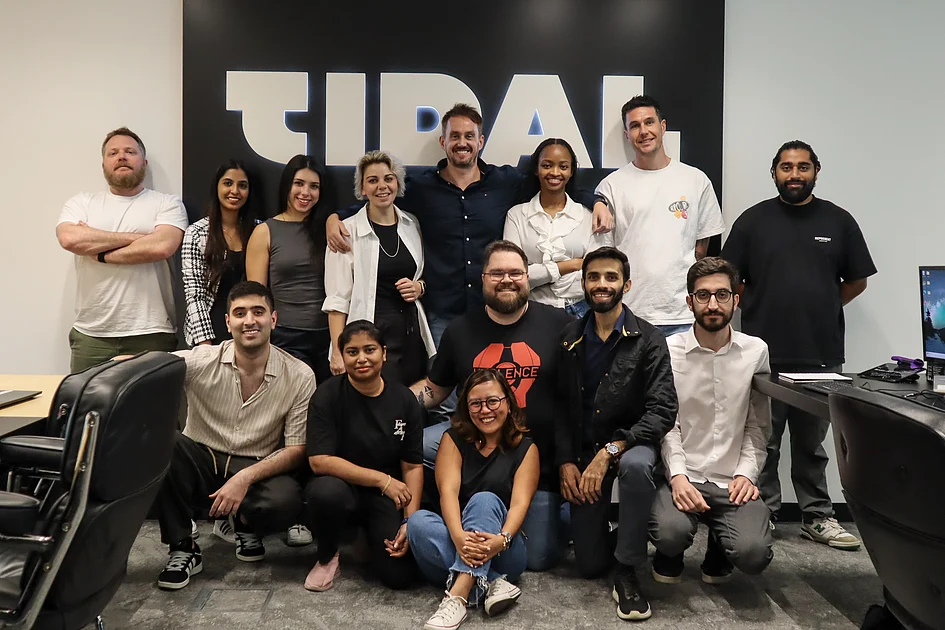
    DUBAI – In an era where artificial intelligence dominates business conversations, Dubai-based TIDAL, the region’s first brand-led performance agency, is demonstrating how AI can be strategically harnessed to drive substantial brand growth while maintaining essential human storytelling elements.

    Founded by Simon Lomas and Liam Troughton, TIDAL represents a new breed of marketing firms that seamlessly integrate advanced AI capabilities with traditional brand-building expertise. The agency serves prestigious clients across the GCC, UK, and US, including World Trade Centre and Rolls Royce, leveraging customized AI solutions to transform how brands connect with consumers.

    According to Lomas, AI has fundamentally altered consumer discovery patterns. ‘The audience isn’t just searching keywords on Google anymore,’ he explains. ‘They’re exploring TikTok for relevant videos, Reddit for user-generated advice, and ChatGPT for personalized recommendations. This requires brands to structure their narratives for discoverability across multiple platforms.’

    TIDAL’s approach centers on developing proprietary custom GPTs specifically trained on the agency’s methodology and frameworks. These specialized AI assistants cover the entire marketing spectrum from SEO and PPC to creative strategy and data analysis. ‘Each AI thinks like a specialist,’ Troughton notes. ‘They reframe briefs strategically, challenge assumptions, and connect recommendations directly to business outcomes rather than mere channel metrics.’

    The implementation of AI has dramatically accelerated processes that previously required hours of human labor. Proposal development, once a time-intensive task, now occurs with remarkable efficiency. However, both founders emphasize that clients still expect and value the human touch in storytelling and conceptual development.

    Addressing concerns about AI replacing human creativity, Troughton clarifies: ‘AI and human expertise aren’t opposing forces. AI handles backend operations, data processing, and process streamlining, while humans focus on tailoring solutions to client needs. We’re constantly evolving with AI advancements while maintaining organic human connections.’

    Lomas underscores the critical balance between performance marketing and brand building: ‘Performance marketing without brand is like fishing from a pond that never refills itself – eventually you run out of fish.’ The agency advocates for strategies that compound growth through long-term relationships, demand creation, and sustainable brand development rather than short-term conversion chasing.

    As AI continues to reshape the marketing landscape, TIDAL’s hybrid approach offers a compelling model for agencies seeking to leverage technological advancements while preserving the authentic human connections that ultimately drive brand loyalty and commercial success.

  • Elevix launch signals new push toward structured startup enablement in the GCC

    Elevix launch signals new push toward structured startup enablement in the GCC

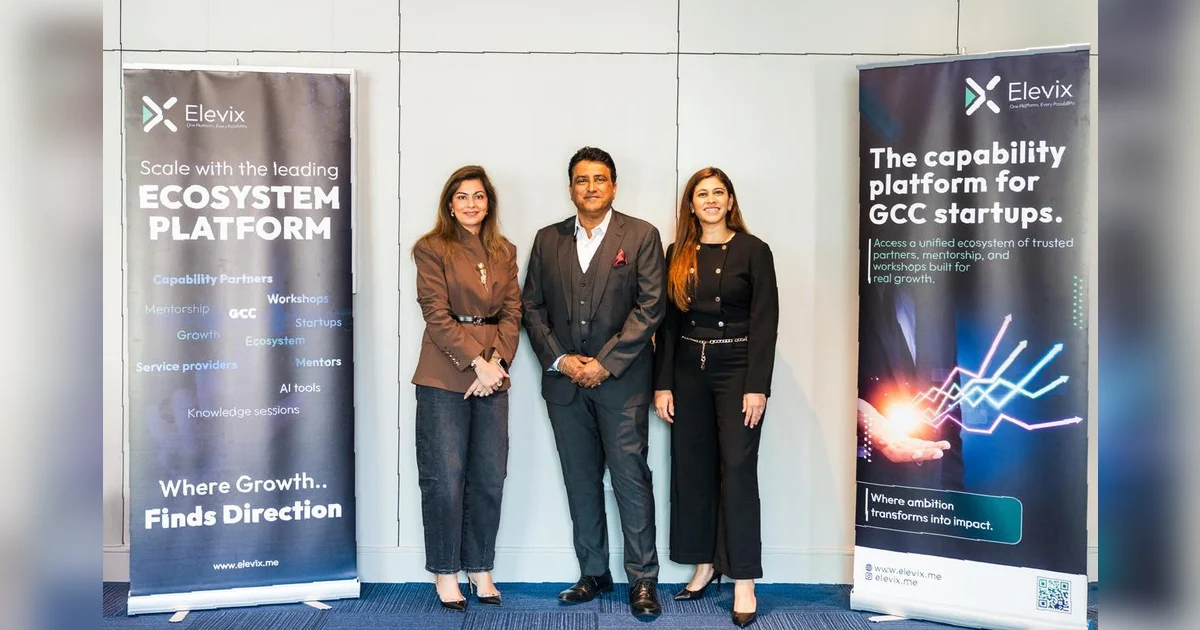
    Dubai has become the launchpad for Elevix, a groundbreaking digital capability center designed to transform startup execution throughout the Gulf Cooperation Council (GCC) region. The platform, which officially debuted this week, represents a significant advancement in structured startup enablement by connecting entrepreneurs with vetted partners across critical business functions including finance, compliance, legal, HR, technology, artificial intelligence, marketing, and revenue acceleration.

    Founded by Deepak Ahuja and Anishkaa Gehani, Elevix emerges as a strategic response to the fragmented service networks that have long plagued the GCC startup ecosystem. With over 50,000 startups currently operating across the region, founders have consistently faced operational delays, inefficiencies, and costly missteps due to disconnected support systems.

    The subscription-based digital ecosystem enables entrepreneurs to navigate seamlessly from incorporation to scaling operations, addressing what co-founder Deepak Ahuja identifies as ‘a clear and recurring founder pain point — access to the right support at the right time.’ Ahuja emphasizes that ‘too many startups lose momentum navigating fragmented systems,’ positioning Elevix as ‘a bridge between ambition and delivery.’

    Co-founder Anishkaa Gehani further elaborated that early-stage startups typically struggle not from lack of vision but from ‘lack of coordinated execution support.’ The platform specifically tailors its services to the MENA startup environment, combining vetted service providers, strategic advisory, and market enablement within a single digital infrastructure.

    Elevix has been developed with strategic backing and ecosystem insight from iAccel GBI, one of MENA’s leading go-to-market accelerators for technology startups, signaling strong industry confidence in the platform’s potential to reshape the regional startup landscape.