分类: business

  • TDB Group: Supporting Africa’s trade, integration and sustainable development

    TDB Group: Supporting Africa’s trade, integration and sustainable development

    Since its establishment in 1985, the Trade and Development Bank Group (TDB Group) has transformed from addressing Africa’s critical financing shortages into a premier multilateral financial institution driving continental progress. With a formidable asset portfolio exceeding $10 billion and shareholder capital of approximately $2.3 billion, the Group boasts an impressive network of over 80 sovereign and institutional shareholders across its subsidiaries.

    Over four decades of operation, TDB Group has deployed a cumulative $58 billion in financing and guarantee facilities, creating tangible impact through the support of more than 1.3 million jobs and directly benefiting an estimated 16 million people across Africa. This remarkable growth trajectory has been orchestrated under the strategic leadership of Group President and Managing Director Admassu Tadesse, who has implemented comprehensive governance, capital, and organizational reforms.

    A watershed moment arrived in 2017 when TDB achieved its inaugural investment-grade credit ratings, fundamentally enhancing its capacity to channel global capital into African markets on favorable terms that individual nations might struggle to secure independently. This financial credibility has positioned the institution as a critical intermediary connecting international investors with Africa’s development ambitions.

    The Group’s operational focus spans three pivotal areas: financing intra-African trade, strengthening industrial value chains, and developing cross-border infrastructure. Notable initiatives include facilitating fertilizer trade between Morocco and Ethiopia, alongside substantial investments in manufacturing, railway networks, energy projects, and digital connectivity infrastructure.

    Tadesse emphasizes the strategic alignment with continental integration goals, stating: ‘Sustainable development in Africa centres on economic integration,’ highlighting the institution’s synchronization with African Continental Free Trade Area objectives.

    Mauritius has emerged as a strategic operational hub, hosting critical Group functions including asset management and captive insurance platforms alongside conventional development banking operations. From this Indian Ocean base, TDB mobilizes regional and global capital—including significant investments from Gulf partners—to advance Africa’s sustainable development agenda through both commercial and concessional financing instruments.

  • Axis Fiduciary: Trusted first partner powering Mauritius’ global financial ambitions

    Axis Fiduciary: Trusted first partner powering Mauritius’ global financial ambitions

    In the competitive landscape of global finance, Mauritius has emerged as a formidable international financial center, with Axis Fiduciary Ltd. positioned as a pivotal force behind this transformation. Established in 2008 through a collaboration between BLC Robert & Associates and CEO Assad Abdullatiff, the firm has engineered a unique integrated model combining legal expertise with comprehensive fiduciary services.

    Axis’s operational philosophy centers on three core pillars: fund formation and administration, corporate establishment services, and private client solutions including trusts and family offices. With nearly 250 professionals managing over 1,500 legal structures worldwide, the firm has become instrumental in channeling investments into African markets while maintaining rigorous compliance standards.

    The jurisdiction’s appeal rests on its political stability, robust regulatory framework, and tax efficiency—attributes that Axis has consistently reinforced through strategic partnerships with global law firms, banks, and asset managers. This alignment with international best practices has established Mauritius as a trusted gateway for cross-border investments, particularly between Asia and Africa.

    In an era of escalating regulatory complexity, Axis operates under an uncompromising ‘comply first’ mandate. The firm maintains stringent client vetting procedures, working exclusively with pre-approved intermediaries to preserve jurisdictional integrity. This compliance-first approach is supported by advanced technological infrastructure, including the proprietary Cypress platform which integrates AI and automation to enhance operational efficiency and data security.

    Beyond traditional services, Axis has embraced the growing demand for sustainable finance, embedding ESG and EDI principles within its operations. The firm supports impact-driven investors through specialized frameworks for measuring and reporting developmental outcomes, while simultaneously administering charitable foundations focused on African initiatives.

    With physical presence in Mauritius, Seychelles, UAE, and India—plus representatives in Kenya and Luxembourg—Axis has developed a multi-jurisdictional footprint that reflects the complex nature of modern cross-border investment. The firm identifies particularly strong synergies between Mauritius and Gulf states, especially for clients targeting African markets or pursuing international expansion.

    As Mauritius continues to evolve as a sophisticated financial hub, Axis Fiduciary remains anchored to its founding vision: delivering bespoke, technology-enabled solutions grounded in regulatory strength and long-term partnership—a testament to how specialized fiduciary services can power a nation’s global financial ambitions.

  • Bridging Sri Lanka and the region from DIFC

    Bridging Sri Lanka and the region from DIFC

    In a landmark move for Sri Lankan banking, Commercial Bank of Ceylon PLC has established its inaugural Middle Eastern presence with a Representative Office at Dubai International Financial Centre (DIFC). This strategic placement, finalized last year, marks the first regional foothold by any Sri Lankan financial institution within this globally recognized financial ecosystem.

    The newly operational office, situated at Level 3 of Gate Village Building 4, positions the bank at the core of one of the world’s most dynamic and rigorously regulated financial environments. DIFC serves as the principal financial gateway for the Middle East, Africa, and South Asia (MEASA) region, facilitating crucial connections between emerging markets and international trade corridors.

    While the Representative Office will not conduct transactional banking services, it functions as a vital liaison for corporations, entrepreneurs, and investors from Sri Lanka, Bangladesh, and the Maldives with operational interests in the UAE. The office will provide comprehensive information regarding the bank’s corporate banking solutions, trade finance instruments, SME banking services, and digital financial platforms.

    Chairman Sharhan Muhseen characterized this expansion as a natural progression of the bank’s international strategy. ‘As Sri Lanka’s premier private-sector bank, we are committed to supporting our clients’ global growth trajectories,’ Muhseen stated. The DIFC presence significantly enhances the bank’s capacity to cultivate closer relationships with Middle Eastern partners while solidifying its reputation as a trusted regional banking entity.

    Managing Director Sanath Manatunge emphasized the strategic advantages of operating within a globally respected financial center. ‘This office provides an exceptional platform to demonstrate our capabilities, facilitate cross-border business needs, and drive sustainable growth through intensified regional engagement,’ Manatunge explained.

    The expansion reinforces Commercial Bank’s position as the Sri Lankan bank with the most extensive international network, encompassing 20 branches in Bangladesh, a Tier I commercial bank in the Maldives, and a microfinance institution in Myanmar. These assets enable the bank to effectively support cross-border trade, investment flows, and regional supply chain operations – capabilities increasingly crucial for businesses operating between South Asia and the Middle East.

    Commercial Bank of Ceylon maintains several distinguished credentials: first Sri Lankan bank to achieve $1 billion market capitalization, inclusion in the Global Top 1000 Banks ranking, and recognition as the nation’s first fully carbon-neutral banking institution. The bank continues to lead in digital innovation while maintaining its status as Sri Lanka’s most awarded and respected financial organization.

  • Intercontinental Trust: Cross-border investment in a dynamic global landscape

    Intercontinental Trust: Cross-border investment in a dynamic global landscape

    The global investment landscape has undergone profound transformation over the past twenty years, compelling investors to rethink traditional cross-border expansion strategies. While established financial centers maintain their relevance, contemporary investment demands now require sophisticated platforms offering regulatory stability, extensive geographic coverage, and seamless multi-jurisdictional operational capabilities.

    Mauritius-based Intercontinental Trust, established in 1999, has strategically positioned itself at the forefront of this evolution. Operating under the regulatory oversight of the Financial Services Commission of Mauritius, the organization delivers comprehensive corporate, fiduciary, fund administration, and specialized tax services to institutional clients, investment banks, private equity entities, and high-net-worth individuals. The company’s core expertise lies in structuring durable cross-border investment mechanisms designed for long-term performance.

    Geographic investment patterns have notably shifted during this period. While Asian markets initially dominated global capital flows, African economies have emerged as increasingly attractive destinations for international investment. Mauritius’ robust legal framework and bilateral agreements have established the nation as a strategic gateway connecting capital sources with opportunities across both continents.

    Intercontinental Trust has further expanded its operational footprint through its Dubai office, licensed by the Department of Economic Development, creating additional connectivity between Middle Eastern capital and global investment opportunities. With physical presence in Mauritius, Dubai, Seychelles, South Africa, and Singapore, the organization has built a truly intercontinental network facilitating capital movement across emerging and established markets.

    The company’s evolution mirrors broader industry trends where investors increasingly prioritize jurisdictions offering regulatory clarity, political stability, and sophisticated financial infrastructure. This approach represents a significant departure from earlier investment models that focused predominantly on traditional financial hubs without regard for specialized regional expertise.

  • The US authorizes a short extension to a longstanding African trade agreement. Here’s what to know

    The US authorizes a short extension to a longstanding African trade agreement. Here’s what to know

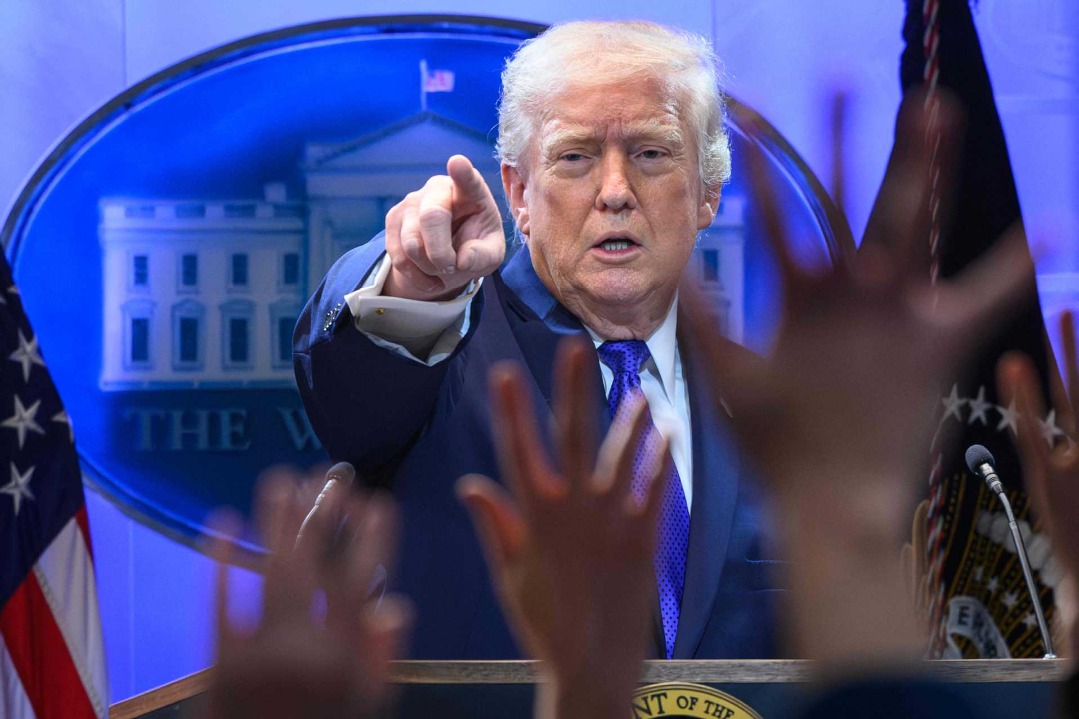
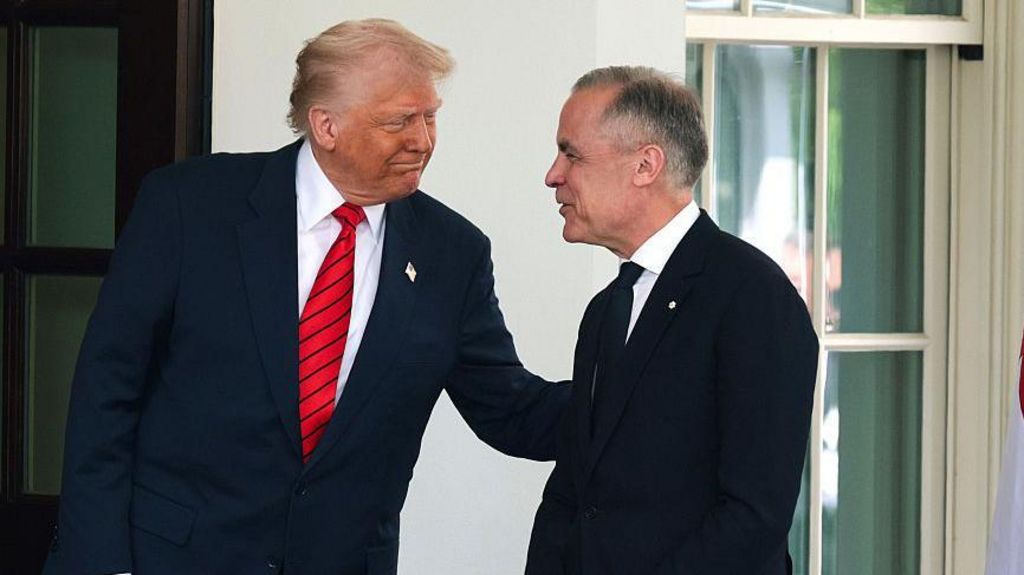
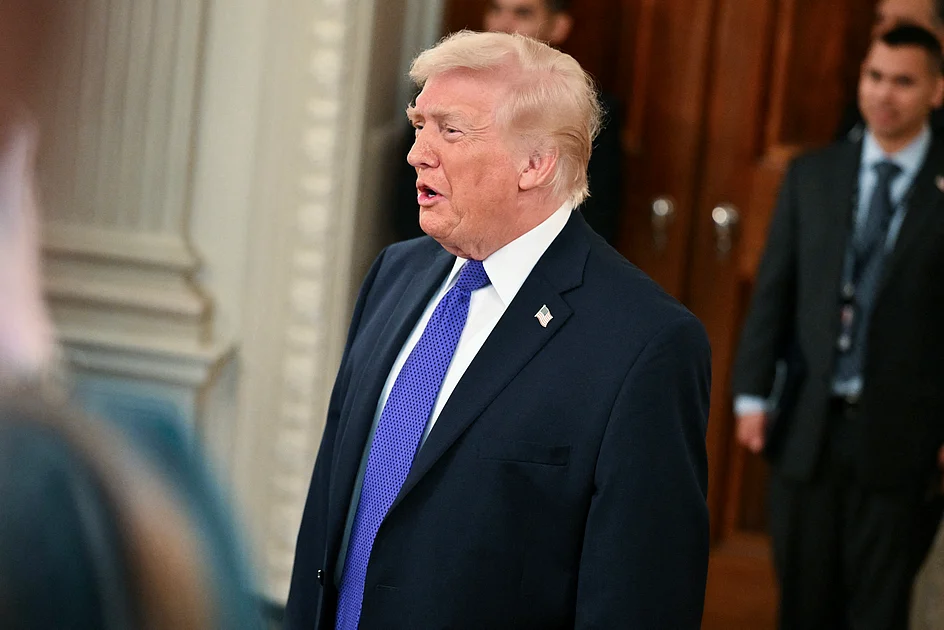
    CAPE TOWN, South Africa — President Donald Trump has signed into law a short-term extension of the African Growth and Opportunity Act (AGOA), a cornerstone trade agreement that provides duty-free access to the U.S. market for eligible sub-Saharan African nations. The move comes after the agreement was allowed to lapse temporarily last year, creating uncertainty across the continent.

    The extension, which runs only until December 31, 2026, represents a significant reduction from the traditional 10-year renewal periods. The Office of the United States Trade Representative confirmed the administration plans to modify AGOA to align with Trump’s ‘America First’ trade policy, though specific changes remain undisclosed.

    First established in 2000 under President Bill Clinton, AGOA has been instrumental in fostering economic ties between the U.S. and Africa, facilitating over $100 billion in bilateral trade in 2024. The agreement allows approximately 1,800 products—including crude oil, automobiles, textiles, and agricultural goods—to enter the U.S. market without tariffs. Eligibility requires participating nations to maintain market-based economies and uphold democratic standards and human rights, with Uganda recently removed for its anti-gay legislation.

    The short-term nature of the extension has raised concerns among African leaders and business communities. South Africa, one of the program’s largest beneficiaries, expressed apprehension about the limited timeframe. Trade Minister Parks Tau emphasized the need for certainty regarding the agreement’s future terms.

    The Trump administration has simultaneously applied diplomatic pressure on Africa’s largest economies. South Africa faces criticism over alleged anti-American sentiments and unsubstantiated claims of persecution against white minorities, while Nigeria confronts accusations of Christian persecution. These tensions have been compounded by the imposition of tariffs as high as 30% on some African exports.

    Trump’s America First policy has particularly impacted Africa through reduced aid and increased trade barriers. The dissolution of the United States Aid Agency and cuts to assistance programs have forced some nations to seek alternative partnerships, notably with China, which has emerged as the continent’s leading trading partner. The U.S. has begun renegotiating assistance methods, including recent bilateral health agreements that require African nations to invest in their own systems.

    The administration has called for reciprocal trade concessions, demanding African countries remove barriers to American imports while modernizing AGOA to better serve U.S. economic interests.

  • Abler Group: Redefining AML/CFT compliance as a strategic advantage

    Abler Group: Redefining AML/CFT compliance as a strategic advantage

    In an evolving global financial landscape where regulatory requirements increasingly shape operational frameworks, Abler Group has emerged as a pioneering force in redefining compliance paradigms. Established in Mauritius in 2017 under CEO Shahannah Abdoolakhan’s leadership, the organization has developed a distinctive operational philosophy that positions regulatory adherence not as a constraint but as a catalyst for business growth.

    The company addresses a critical industry challenge: the traditional perception of Anti-Money Laundering and Counter-Financing of Terrorism (AML/CFT) compliance as merely reactive obligations rather than strategic functions. Through its innovative approach, Abler integrates commercially intelligent compliance frameworks directly into daily business operations, transforming regulatory requirements from potential obstacles into competitive advantages.

    With operational bases in Mauritius and expanding presence in the United Arab Emirates and Dubai International Financial Centre, Abler delivers comprehensive support to banks, financial institutions, and corporations across multiple jurisdictions. Their service portfolio encompasses AML audits, remediation initiatives, regulatory advisory services, specialized training programs, and technology-driven compliance solutions designed to navigate complex cross-border regulatory environments.

    Chief Executive Shahannah Abdoolakhan articulates the company’s core principle: “Effective compliance represents a valuable investment, whereas inadequate compliance inevitably becomes a costly expense.” This foundational belief guides Abler’s methodology, demonstrating that properly implemented AML/CFT protocols can simultaneously enable sustainable growth, establish stakeholder trust, and protect long-term organizational value.

    The group’s progressive approach reflects a broader industry shift toward recognizing regulatory compliance as an integral component of strategic business planning rather than merely a technical requirement. By aligning compliance objectives with commercial goals, Abler helps organizations convert regulatory complexity into operational confidence and sustainable development.

  • Standard Chartered Mauritius: A super-connector linking Africa, Asia and the Gulf

    Standard Chartered Mauritius: A super-connector linking Africa, Asia and the Gulf

    Positioned uniquely within Standard Chartered’s global network, the Mauritius operation has established itself as a pivotal financial bridge connecting three dynamic economic regions: Africa, Asia, and the Middle East. Operating across some of the world’s most rapidly expanding trade and investment corridors, the institution combines profound local market intelligence with international banking capabilities to serve corporations, financial institutions, and investors navigating complex cross-border landscapes.

    According to Abrar A. Anwar, CEO and Head of Coverage at Standard Chartered Mauritius, the bank’s network represents its fundamental competitive advantage. “We function as a super-connector financial institution, enabling multinational corporations to capitalize on growth potential across emerging and frontier markets,” Anwar stated. The Group recognizes Mauritius not merely as an entry point to the African continent but as a crucial anchor market for Sub-Saharan Africa, consistent with its strategic objective to become the ‘Gateway to Africa and Asia’.

    The Mauritian franchise benefits from an exceptional operational footprint. As the sole global bank in Mauritius maintaining presence in nine additional African nations, Standard Chartered provides clients with confident access to regional opportunities. Its comprehensive service portfolio includes cash management, custody services, trade finance, financial markets operations, and transactional banking—all supported by sophisticated digital solutions and efficient, reliable cross-border payment systems.

    Mauritius’s evolution into a significant International Financial Centre (IFC) further amplifies the bank’s strategic importance. The jurisdiction currently hosts over 20,000 global business entities and approximately 1,000 funds that collectively administer assets surpassing $1 trillion. While capital flows traditionally originated from European and American sources, post-pandemic investment patterns demonstrate increasing Asia-to-Africa investment, particularly within infrastructure, mining, and energy sectors. Standard Chartered Mauritius facilitates these financial movements through customized treasury services, foreign exchange solutions, and specialized structuring capabilities.

    Digital transformation constitutes a fundamental pillar of the bank’s strategic direction. Throughout the past five years, Standard Chartered has allocated approximately $300 million toward technological advancement across Sub-Saharan Africa. The Straight-to-Bank platform alongside regional liquidity management solutions continue to optimize efficiency for regional treasury centers, with Mauritius leading the implementation of such capabilities continent-wide.

    Environmental and social governance principles are deeply integrated into the bank’s operational framework. Standard Chartered provided technical assistance to the Mauritian government in developing its inaugural Sustainable Finance Framework during 2023 and subsequently served as Sustainability Coordinator for a groundbreaking $400 million sustainability-linked loan facility. “Sustainable finance requires tailored approaches rather than universal solutions, particularly for small island economies,” Anwar emphasized, underscoring the necessity for customized transition financing mechanisms.

    Through robust governance protocols, security-focused platform design, and close regulatory cooperation, Standard Chartered Mauritius maintains its position as a reliable financial partner, channeling global capital toward local economic ambitions while supporting the nation’s long-term developmental objectives.

  • Chinese automakers gain ground in Australia as market share, sales surge

    Chinese automakers gain ground in Australia as market share, sales surge

    The Australian automotive landscape witnessed a remarkable transformation in 2025 as Chinese manufacturers significantly expanded their footprint, capturing nearly one-fifth of all new vehicle sales according to industry data. The Federal Chamber of Automotive Industries (FCAI), the nation’s premier automotive distribution body, reported that Chinese brands accounted for approximately 18% of total sales, marking a substantial increase from 14% just a year earlier.

    This surge occurred within a robust market that exceeded 1.21 million vehicle sales overall. Three Chinese automakers—Great Wall Motor, BYD, and MG—secured positions among Australia’s top ten bestselling brands, with Chery emerging as the fastest-growing marque after recording an extraordinary 176.8% sales growth. The performance solidifies China’s status as Australia’s third-largest vehicle source nation, particularly significant given Australia’s complete reliance on imports since domestic manufacturing ceased in 2017.

    The ascendancy of Chinese brands coincides with Australia’s accelerating transition toward electrified transportation. FCAI statistics reveal that battery electric vehicles (BEVs) reached 100,000 units sold (8.3% market share), while plug-in hybrids experienced the most dramatic growth—more than doubling to over 50,000 units with a 130.9% year-on-year increase. Hybrid vehicles also gained substantial traction, with approximately 200,000 units sold representing a 15.3% annual growth.

    Peter Griffin, FCAI’s Director of State and Territory Advocacy, attributed this shift to evolving global supply chains and expanding consumer choices: ‘China’s position reflects continued diversification of automotive supply chains and growing product breadth available to Australian consumers across all engine types.’ He noted that Asian manufacturers now supply over 80% of Australia’s new vehicles.

    The electric vehicle sector demonstrated particularly strong Chinese representation, with three BYD models ranking among Australia’s top five bestselling EVs during the first half of 2025, collectively exceeding 18,500 units. According to the Electric Vehicle Council, Australia’s national EV fleet has now surpassed 454,000 vehicles.

    Julie Delvecchio, CEO of the Electric Vehicle Council, highlighted the consumer appeal of EVs: ‘Australians are choosing EVs in record numbers because these are cheaper to run, cleaner and quieter.’ However, she emphasized that achieving Australia’s 2035 emissions reduction targets would require accelerating EV sales to at least 240,000 vehicles annually.

    Industry leaders anticipate continued Chinese brand expansion in the Australian market. Griffin concluded: ‘Australians demand quality vehicles at competitive prices. Thus, we expect Chinese brands to remain an important part of the Australian market in 2026 and into the future, with further growth and new products.’

  • HK retains appeal for US multinationals

    HK retains appeal for US multinationals

    Hong Kong continues to solidify its position as a premier regional headquarters destination for American multinational corporations, with overwhelming majority expressing commitment to maintaining operations in the Asian financial hub. According to recent survey data from the American Chamber of Commerce in Hong Kong, approximately 92% of US companies with regional headquarters in the city have confirmed no plans to relocate elsewhere within the next three years—a significant increase from the 79% recorded in 2025.

    The comprehensive two-month study, conducted between November 11 and January 16 and encompassing responses from over 450 member companies, reveals strengthening confidence in Hong Kong’s business environment. More than half of surveyed executives expressed optimism about the city’s commercial prospects for the coming year, marking a substantial jump from 33% in the previous year’s assessment.

    Critical findings demonstrate growing trust in Hong Kong’s legal framework, with 94% of respondents affirming confidence in the Special Administrative Region’s rule of law—continuing an upward trajectory from 83% in 2025. Notably, 74% of companies reported no adverse operational impacts from the implementation of the National Security Law.

    Lynn Song, Chief Economist for Greater China at ING Bank, emphasized that “the survey findings indicate Hong Kong’s international reputation is steadily recovering, with its legal system and competitive advantages remaining fully intact. The city continues to offer an exceptional environment for business operations.”

    The research further indicates that 86% of companies endorse Hong Kong’s fundamental strengths as Asia’s competitive business hub, representing an 11-percentage-point improvement from 2025. Song additionally noted that “the most challenging phase of Hong Kong’s economic cycle has concluded,” citing improving conditions including the US Federal Reserve’s policy shift and China’s consistent growth performance.

    While US-China trade tensions remain identified as the primary operational challenge by 59% of respondents (down from 70% in 2025), the overall pessimism has noticeably moderated. The findings align with recent AmCham China surveys showing 71% of companies maintaining operations in mainland China without relocation plans.

    The data collectively suggests that post-pandemic recovery, border reopenings, and stabilized financial markets have provided clearer operational visibility, reinforcing Hong Kong’s resilience as an international business center despite ongoing geopolitical considerations.

  • Coal shipments supplement winter power surge

    Coal shipments supplement winter power surge

    Amidst a severe nationwide cold wave, China’s railway infrastructure is demonstrating critical resilience by delivering unprecedented coal shipments to meet surging winter energy demands. While the country continues its transition toward renewable energy, coal remains the fundamental bedrock of national energy security during peak consumption periods.

    In Shanxi province, the nation’s primary coal production hub, rail transport operations have achieved historic levels. The Taiyuan Railway Bureau, under China State Railway Group, has intensified freight services and optimized logistical efficiency to maintain a consistent coal supply throughout the current freezing conditions.

    A significant development in this effort is the deployment of the domestically engineered C96 heavy-duty train. This advanced model carries 96 metric tons per car—surpassing previous standards by 16 tons—enabling a 10,000-ton train unit to operate with 22 fewer cars. This innovation substantially boosts loading capacity and operational throughput.

    The Watang-Rizhao Railway, a 1,269-kilometer corridor linking Shanxi to Shandong province, serves as a vital artery for coal distribution to eastern regions. In 2025, this route transported 104.37 million tons of coal, marking a 5.92% year-on-year increase and setting a new annual record. Enhancements such as raising the maximum operational speed from 80 to 90 km/h have further amplified transport capacity.

    Parallel to these efforts, the Datong-Qinhuangdao Railway is operating at full capacity, with daily shipments exceeding 1.2 million tons. Accounting for one-fifth of national rail coal transport, this line supplies numerous provinces, major power grids, and industrial enterprises.

    Driving these massive trains requires exceptional skill and endurance. Operators like Wang Hailin and Hu Changbao navigate complex challenges including precise braking control, extended shifts lasting up to 17 hours, and hazardous weather conditions that affect traction and braking performance. Despite these difficulties, drivers express profound professional fulfillment knowing their cargo powers homes and industries across the country.

    To streamline coordination, the Taiyuan Railway Bureau serves as a critical intermediary between coal producers and power plants, developing customized supply plans, optimizing scheduling, and establishing dedicated green channels for coal transport—ensuring that China’s energy lifeline remains robust throughout the winter.