分类: business

  • Bunnings to be made available on Uber Eats delivery app

    Bunnings to be made available on Uber Eats delivery app

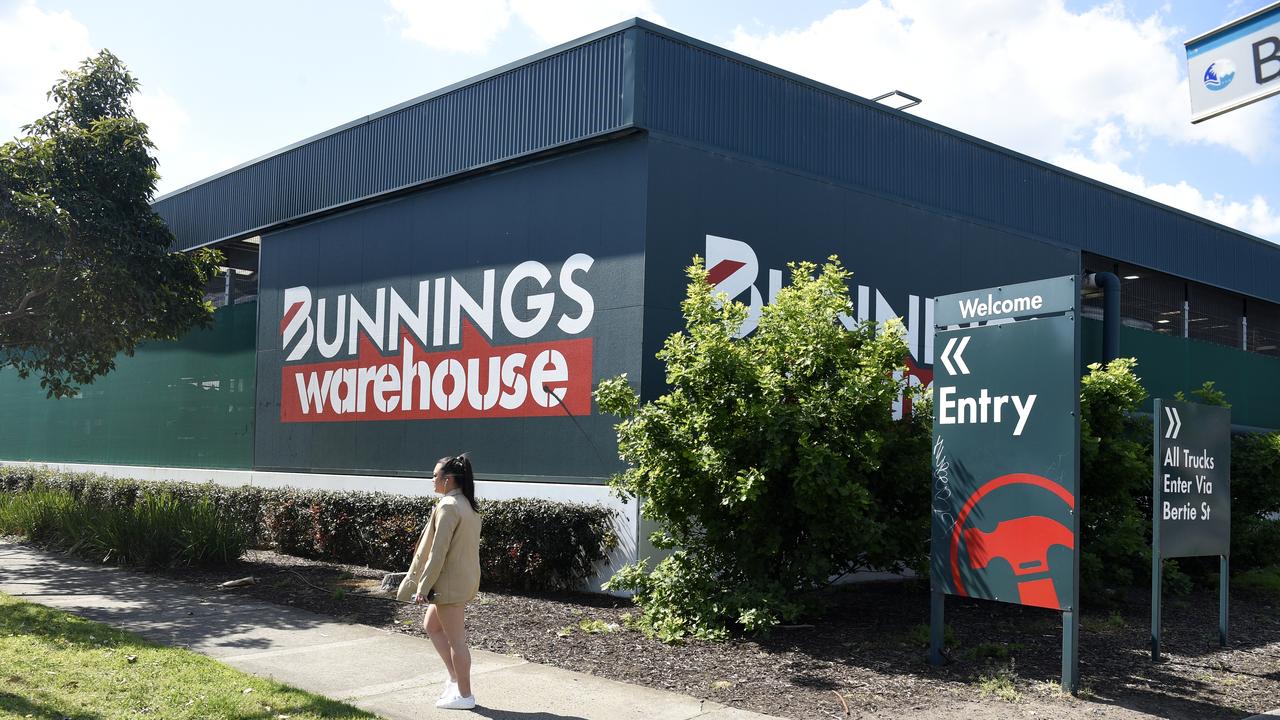
    In a transformative move for retail convenience, Australian hardware leader Bunnings Warehouse has announced a groundbreaking partnership with Uber Eats, marking its inaugural entry into rapid delivery services. The collaboration will enable customers across Australia and New Zealand to access over 30,000 hardware, garden, and household products through the popular delivery platform, with promised delivery times under 60 minutes.

    The strategic rollout commences with 15 Australian locations following a successful pilot program conducted in Melbourne earlier this year. This expansion represents a significant diversification for Uber Eats, which has progressively broadened its offerings beyond food delivery to include retail commodities from established brands such as Officeworks and Pet Barn.

    Consumers can expect identical in-store pricing for all items available through the delivery service. The extensive product range encompasses everything from emergency DIY tools and garden equipment to power washers, outdoor furniture, cleaning supplies, pet necessities, and even larger items like lawnmowers.

    Ryan Baker, Chief Operating Officer at Bunnings, acknowledged the enduring appeal of the traditional warehouse shopping experience while emphasizing the growing consumer demand for convenience. ‘We recognize there are instances where speed and accessibility take precedence over the conventional browsing experience,’ Baker stated.

    Lucas Groeneveld, Uber Eats’ APAC Regional General Manager, highlighted the partnership’s value proposition: ‘This collaboration delivers an extensive selection of essential items directly to customers’ doors, facilitating everything from urgent home repairs and garden projects to barbecue preparations and workplace continuity.’

    The service will incorporate standard delivery fees, though Uber One membership benefits include waived delivery charges for qualifying orders exceeding specific value thresholds. This initiative builds upon the same-day parcel delivery service already established between Bunnings and Uber in select metropolitan and regional areas throughout 2024. Further expansion of the Uber Eats integration to additional Bunnings locations is anticipated commencing in 2026.

  • Air India cancels New York, Newark flights due to severe winter storm

    Air India cancels New York, Newark flights due to severe winter storm

    A major winter storm poised to batter the US Northeast has triggered widespread flight cancellations across international carriers, with Air India taking preemptive action by scrapping all services to New York and Newark scheduled for February 23rd. The airline confirmed the operational halt stems from severe weather forecasts predicting blizzard conditions along the densely populated I-95 corridor.

    Meteorologists from the National Weather Service have issued urgent blizzard warnings for New York and six adjacent states, anticipating accumulation of 1-2 feet (30-60 cm) of heavy, wet snow accompanied by gale-force winds reaching 60 mph (96 km/h). The rapid-onset storm threatens to create near-impossible travel conditions and potential widespread power outages across the region.

    Air India’s cancellation decision prioritizes passenger and crew safety, with dedicated teams providing rebooking assistance through 24/7 call centers and online channels. The carrier emphasized that affected travelers should contact support services for alternative arrangements.

    The aviation disruption extends beyond Indian carriers, with UAE-based Emirates and Etihad Airways implementing significant schedule changes. Emirates advised passengers to coordinate with booking agents, while Etihad cancelled four specific flights and warned of potential additional delays as weather conditions evolve.

    This severe weather event compounds existing travel challenges along the East Coast, which had only recently recovered from previous winter storms. The coordinated response from international airlines highlights the growing emphasis on proactive safety measures in extreme weather situations, though it creates substantial logistical complications for transatlantic travel during this period.

  • The uncertainties facing businesses and consumers after Trump’s tariff changes

    The uncertainties facing businesses and consumers after Trump’s tariff changes

    In a dramatic policy shift following a Supreme Court rebuke, former President Donald Trump has triggered widespread uncertainty across global trade networks by implementing a new 15% tariff regime. The move comes after the Supreme Court ruled on Friday that Trump’s previous use of the International Emergency Economic Powers Act to impose global tariffs was unlawful.

    Within hours of the ruling, Trump invoked Section 122 of the 1974 Trade Act to establish a temporary 10% tariff on imports from all trading partners, only to announce via social media on Saturday that the rate would increase to 15%. This abrupt policy reversal has created particular complications for nations like the UK and Australia that had previously negotiated bilateral agreements locking in 10% rates.

    Trade experts note that Section 122 requires non-discriminatory application of tariffs, potentially nullifying previously negotiated bilateral agreements. Paul Ashworth of Capital Economics emphasized that major trading partners including the EU and Japan now find themselves in the same position as before their individual deals were struck.

    The British Chambers of Commerce estimates the increased tariff rate will add £2-3 billion in additional costs for UK exporters, affecting approximately 40,000 businesses. Industries ranging from food and beverages to textiles, industrial goods, and electrical products face overnight increases in export expenses that will inevitably be passed along supply chains.

    Meanwhile, the Supreme Court’s ruling opens the possibility for companies to reclaim approximately $130 billion in tariffs paid since last April, though the refund process remains undefined and potentially protracted. Hundreds of firms have already initiated legal proceedings to secure refunds, creating additional contractual uncertainties throughout global supply networks.

    Economists note that US consumers ultimately bear the majority of tariff costs, with research from Yale University and the New York Federal Reserve indicating between 31-90% of additional expenses are passed through to American households via higher prices. The ongoing uncertainty is already prompting businesses to diversify trade relationships toward European and Indo-Pacific markets, potentially creating lasting shifts in global trade patterns beyond the immediate financial impacts.

  • Emirates, Etihad cancel flights to New York, Newark as severe snowstorm hits US

    Emirates, Etihad cancel flights to New York, Newark as severe snowstorm hits US

    Major UAE carriers Emirates and Etihad Airways have implemented widespread flight cancellations and schedule adjustments in response to a severe winter storm currently impacting the northeastern United States. The decision comes as meteorological authorities issue blizzard warnings for New York, Newark, and multiple states along the densely populated Interstate 95 corridor.

    The rapidly intensifying storm system is forecast to deliver substantial snowfall accumulation accompanied by gale-force winds, creating potentially hazardous travel conditions across major metropolitan areas including Philadelphia, Boston, and Washington D.C. The National Weather Service headquarters warned of snowfall rates exceeding one inch per hour along parts of the East Coast, predicting these conditions would result in ‘near-impossible travel circumstances’ and possible widespread power outages.

    Emirates Airlines cancelled four specific flight routes connecting Dubai with New York’s JFK Airport and Newark Liberty International Airport via Athens. The affected flights include EK203/204 and EK209/210 scheduled for February 22-23. Additionally, the carrier has rescheduled several other flights, adjusting departure and arrival times to accommodate evolving weather patterns. Passengers with connecting flights through Dubai will be automatically rebooked to their final destinations.

    Simultaneously, Etihad Airways from Abu Dhabi cancelled four transatlantic services, including routes to New York-JFK and Boston. The airline adjusted departure times for other flights, bringing forward EY4’s departure by four hours and delaying EY3 by approximately five hours. Both airlines have committed to closely monitoring meteorological developments and have indicated that additional schedule modifications may become necessary.

    Affected passengers are being offered rebooking options on alternative flights or full refunds upon request. Airlines strongly recommend that travelers verify their contact information through carrier websites to receive real-time updates via SMS or email notifications.

    This weather event marks New York City’s first significant blizzard since 2016, with authorities and residents preparing for potentially historic snowfall conditions. The current storm system follows a late January mega-storm that resulted in over 100 fatalities nationwide and caused extensive transportation disruptions across the eastern United States.

  • Dubai property boom hits record Dh916 billion amid population growth

    Dubai property boom hits record Dh916 billion amid population growth

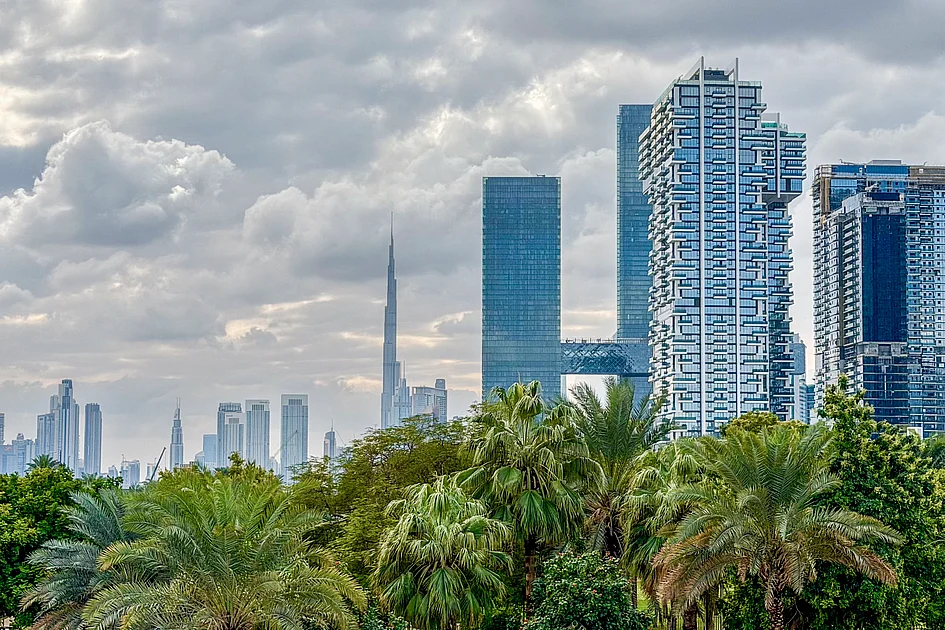
    Dubai’s property market has achieved an unprecedented milestone, reaching a staggering Dh916 billion (approximately $250 billion) in total transactions, propelled by a powerful convergence of record population growth and improving economic conditions. This historic performance underscores the emirate’s transformation into a premier global destination for business relocation and wealth migration.

    The catalyst for this boom is demographic: Dubai’s population has officially surpassed the four-million mark, adding approximately 18,000 new residents in a single month by August 2025. This sustained influx of professionals, entrepreneurs, and high-net-worth individuals is generating robust, genuine demand across all housing segments—from mid-market apartments to ultra-luxury waterfront properties.

    According to official Dubai Land Department data, the market closed 2025 with over Dh680 billion in property sales from more than 200,000 transactions—both record annual figures. When including mortgages and ancillary deals, the total real estate activity reached the Dh916 billion benchmark. The market’s momentum intensified throughout the year, with Q4 2025 alone recording an unprecedented Dh187 billion in sales, marking three consecutive months of record performance.

    Industry analysts from Savills Middle East confirm that this growth is structurally driven by authentic relocation demand rather than speculation. ‘When Dubai adds close to 18,000 residents in a single month, the impact on housing demand is immediate and tangible across enquiry levels and transaction speeds,’ noted Alec James Smith, Head of Residential Sales and Leasing at Savills.

    The prime segment demonstrated particular strength, with nearly 6,000 transactions exceeding Dh10 million completed in 2025. Limited supply in established luxury communities combined with continuous wealth inflows has positioned Dubai among the world’s top-performing prime residential markets.

    Supporting this growth, the UAE Central Bank’s policy moves have begun easing borrowing costs, gradually improving mortgage affordability after previous high-rate cycles. This financial easing is expected to further bolster end-user demand in coming quarters.

    Looking forward, market stability will depend on disciplined supply management and infrastructure development aligned with Dubai’s 2040 Urban Master Plan, which anticipates a population approaching six million within the next decade and a half. With fundamental drivers firmly in place, Dubai’s property market appears positioned for sustained, structurally-driven growth anchored by demographic expansion and global capital confidence.

  • UAE firm e&’s stake in UK’s Vodafone  Group rises to 17%

    UAE firm e&’s stake in UK’s Vodafone Group rises to 17%

    Emirates Telecommunications Group (e&), the UAE’s premier telecommunications provider, has witnessed its ownership stake in British telecom giant Vodafone Group escalate to 17.0050% without acquiring additional shares. This strategic development emerges directly from Vodafone’s ongoing share repurchase initiative, which effectively reduces the company’s total outstanding shares while maintaining e&’s holding at a constant 3,944.7 million shares.

    The Abu Dhabi-listed conglomerate initially entered Vodafone’s shareholder structure in May 2022 with a substantial $4.4 billion investment for a 9.8% stake. This position gradually expanded to 12% throughout 2023 before reaching its current level through organic financial mechanics rather than further capital deployment.

    Concurrently, Vodafone continues to execute its ambitious capital return strategy. The company recently launched a €500 million share buyback program scheduled to run from February 5 to May 11, 2026, following its monumental €2 billion repurchase initiative announced in May 2024. These financial maneuvers received impetus from regulatory approval of Vodafone Spain’s sale to Zegona Communications.

    Market indicators show Vodafone’s shares concluding the recent trading week at £115.45 on the London exchange, reflecting investor response to these corporate developments. The company’s November 2025 acquisition of nine million ordinary shares from Goldman Sachs represented another phase in its comprehensive capital management approach.

  • EU says US must honor a trade deal after court blocks Trump tariffs

    EU says US must honor a trade deal after court blocks Trump tariffs

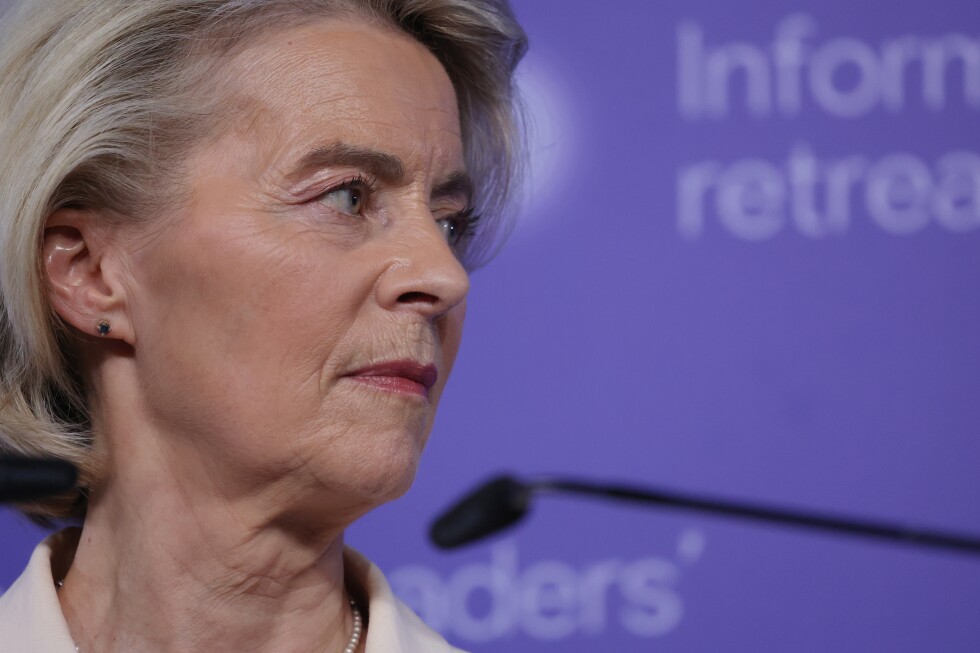
    BRUSSELS — The European Union has formally requested comprehensive clarification from the United States regarding its rapidly evolving tariff policies, urging its transatlantic partner to honor previously established commitments. This diplomatic maneuver comes in response to the U.S. Supreme Court’s recent invalidation of significant portions of former President Donald Trump’s tariff framework, followed by Trump’s subsequent announcement escalating his proposed global tariff rate from 10% to 15%.

    The European Commission, representing the trade interests of the 27 EU member nations, declared the current environment incompatible with achieving the “fair, balanced, and mutually beneficial” trade and investment relationship mutually agreed upon in the EU-U.S. Joint Statement of August 2025. This agreement had established a 15% import tax on approximately 70% of European goods entering American markets.

    Bernd Lange, chair of the European Parliament’s international trade committee, characterized the situation as “pure tariff chaos on the part of the U.S. administration,” noting that the unpredictability has created “only open questions and growing uncertainty” for EU trading partners. In response to the turmoil, Lange announced his intention to propose suspending the ratification process of the existing trade agreement through the European Parliament’s negotiating team.

    The EU emphasized its expectation that U.S. trade policies remain consistent with established agreements, stating unequivocally that “a deal is a deal.” As America’s largest trading partner, with bilateral trade in goods and services reaching €1.7 trillion ($2 trillion) in 2024, the EU maintains that its products should continue receiving the competitive treatment outlined in previous agreements.

    Europe’s primary exports to the U.S. include pharmaceuticals, automobiles, aircraft, chemicals, medical instruments, and alcoholic beverages, while American exports to the EU predominantly feature professional and scientific services, energy products, pharmaceuticals, medical equipment, aerospace technology, and automotive products.

    The Commission warned that unpredictably applied tariffs “undermine confidence and stability across global markets” and create significant uncertainty throughout international supply chains. The EU retains the option to deploy its Anti-Coercion Instrument—a comprehensive trade defense mechanism enabling restrictive measures against nations applying undue pressure on EU members. These measures could potentially restrict goods and services trade, exclude entities from EU public tenders, limit foreign direct investment, or ultimately restrict access to the EU’s 450-million-consumer market, potentially inflicting billions in losses on U.S. companies and the American economy.

  • JPMorgan closed Trump’s bank accounts one month after Jan 6 US Capitol attack

    JPMorgan closed Trump’s bank accounts one month after Jan 6 US Capitol attack

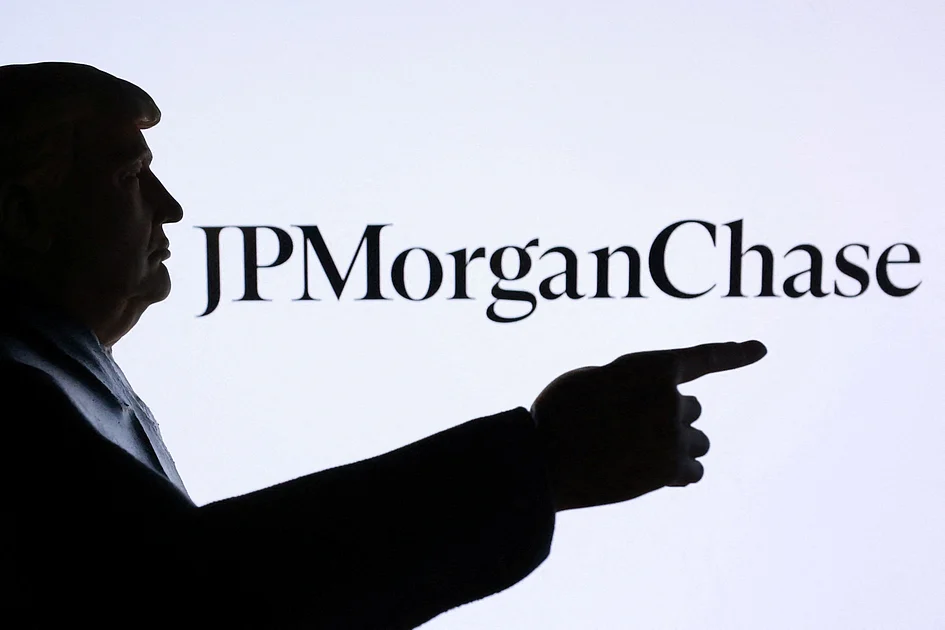
    Newly disclosed court filings reveal that JPMorgan Chase formally terminated banking relationships with former President Donald Trump and his hospitality enterprises in February 2021, precisely one month following the January 6th Capitol insurrection. The documentation emerged within the framework of a $5 billion litigation initiated by Trump against both the financial institution and its Chief Executive Officer, Jamie Dimon.

    The correspondence, dated February 19, 2021, did not articulate specific grounds for the account closures. One communication indicated the bank’s prerogative to conclude client relationships when it determines the association no longer serves the institution’s interests. This development occurred amidst a broader pattern of corporate disengagement from Trump-affiliated entities subsequent to the Capitol siege, which included severed ties with legal representatives and the revocation of prestigious golf tournaments.

    JPMorgan’s legal representatives have characterized the lawsuit as without merit, while simultaneously pursuing its transfer from Miami federal jurisdiction to New York courts, citing the latter’s more substantial connections to the dispute. Conversely, Trump’s legal counsel has portrayed the emergence of these termination letters as a pivotal admission that substantiates their allegations of politically motivated financial exclusion.

    The former president’s legal team contends that the banking giant engaged in unlawful de-banking practices that inflicted significant economic detriment. Trump maintains that JPMorgan, as the nation’s premier banking institution, deliberately contravened its established protocols to align with contemporary political currents rather than objective financial criteria.

  • Trump announces immediate global tariffs increase from 10% to 15%

    Trump announces immediate global tariffs increase from 10% to 15%

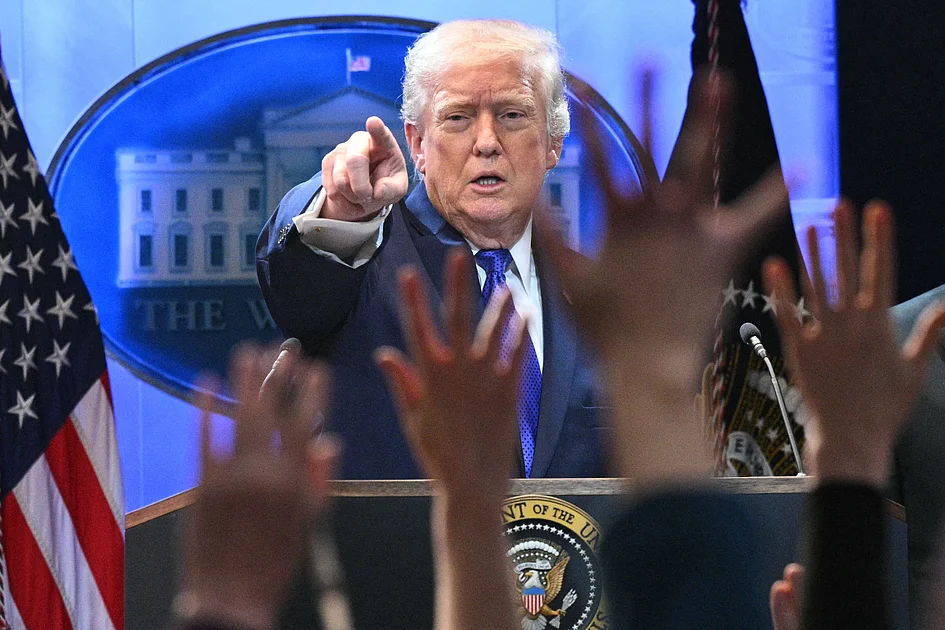
    In a dramatic escalation of international trade policy, former US President Donald Trump has declared an immediate increase of worldwide tariffs from 10% to 15%. The announcement was made via his Truth Social platform on February 21, 2026, marking a significant hardening of his protectionist economic stance.

    The decision follows what Trump characterized as a comprehensive review of a recent Supreme Court ruling that struck down his previous sweeping tariff measures. He described the judicial decision as “ridiculous, poorly written, and extraordinarily anti-American,” expressing profound disappointment with the 6-3 ruling delivered just days earlier.

    Citing decades of perceived economic exploitation, Trump asserted that numerous nations have been systematically “ripping off” American interests without facing appropriate consequences. The administration maintains that this tariff adjustment operates within legal boundaries, having been “legally tested” under Section 122 of the Trade Act of 1974. This legislation permits the executive branch to implement duties of up to 15% for 150-day periods against countries experiencing substantial balance of payments complications.

    The White House indicated that this measure represents merely the initial phase of a broader strategy, with additional legally permissible tariffs under consideration for implementation in coming months. These actions form part of Trump’s renewed commitment to his “Making America Great Again” platform, which he now promises to exceed “GREATER THAN EVER BEFORE.”

    This development occurs against the backdrop of recent diplomatic assertions from Trump regarding the effectiveness of tariff threats in international relations, including claims that proposed 200% tariffs compelled India and Pakistan to establish a ceasefire agreement.

  • Global leaders and businesses pore over fallout of more US tariff swoons

    Global leaders and businesses pore over fallout of more US tariff swoons

    The global economic community entered a state of heightened alert this weekend as nations and corporations worldwide assessed the ramifications of a landmark U.S. Supreme Court decision that partially dismantled the Trump administration’s expansive tariff framework. The ruling represents the latest development in an ongoing trade policy revolution that has destabilized international commerce since the administration’s return to power thirteen months ago.

    In immediate response to the judicial setback, President Trump signed an executive order instituting a new 10% global tariff, which he subsequently announced would be elevated to 15%. This strategic pivot has forced trading partners from Asia to the Americas into emergency evaluations of their economic exposure. South Korea’s Trade Ministry convened an urgent meeting to analyze the shifting landscape, noting that while key exports like automobiles and steel remain unaffected, numerous other sectors now face renewed financial pressure.

    European leaders responded with measured diplomatic rhetoric. French President Emmanuel Macron, speaking at a Paris agricultural fair, acknowledged the value of institutional checks and balances within democracies, stating, “It’s a good thing to have powers and counter-powers. We should welcome that.” However, Macron simultaneously cautioned against premature celebration, emphasizing Europe’s intention to scrutinize the practical consequences of Trump’s reworked tariff measures.

    The uncertainty has created particular strain along the U.S.-Mexico border, where industrial economies remain deeply interconnected. Sergio Bermúdez, who leads an industrial parks company in Ciudad Juárez, captured the prevailing sentiment among business leaders: “All of the businesses I know are analyzing, trying to figure out how it’s going to affect them.” This confusion has been compounded by what American executive Alan Russell described as the “greatest enemy”—persistent uncertainty regarding daily regulatory changes that have complicated international operations.

    Meanwhile, financial restitution emerged as a critical secondary concern. Bernd Lange, chairman of the European Parliament’s trade committee, insisted that excess tariffs “must be refunded,” estimating German entities alone overpaid more than €100 billion. Swiss technology industry association Swissmem welcomed the court’s decision as positive news for an industry that saw exports plummet 18% in just one quarter, though officials acknowledged the situation remains fluid and unresolved.