分类: business

  • African firms favor China for business deals

    African firms favor China for business deals

    A comprehensive survey by Standard Bank reveals a significant reorientation in African trade patterns, with businesses increasingly favoring China and Asian markets over traditional Western partners. The Africa Trade Barometer, which surveyed over 2,000 companies across 10 African nations representing 68% of sub-Saharan Africa’s GDP, indicates a pronounced pivot toward Eastern economic alliances.

    The data demonstrates that 35% of African enterprises now prefer Asia as their primary trading partner, with China maintaining its dominant position as the leading source of inputs for 67% of respondents. This preference is attributed to competitive pricing, extensive product variety, and exceptional supplier responsiveness from Chinese partners.

    Conversely, North America ranked as the least preferred trading partner, selected by merely 4% of businesses. Philip Myburgh, Head of Trade at Standard Bank’s business and commercial banking unit, identified high shipping costs and recent policy shifts as contributing factors to this decline. The expiration of the US African Growth and Opportunity Act in September 2025, coupled with new tariffs ranging from 10% to 30%, has accelerated this trade diversion.

    The research anticipates continued expansion of China-Africa trade relations, particularly as African economies depend on Chinese inputs to drive industrialization efforts. This outlook is strengthened by China’s recent announcement of implementing zero tariffs on goods from 53 African countries with diplomatic relations, effective May 1, 2026.

    Grace Mutembo, Zambia’s High Commissioner to South Africa, welcomed the tariff elimination as a transformative opportunity for African exporters. Zambia, which maintains longstanding economic ties with China including infrastructure projects like the Tanzania-Zambia Railway refurbishment, seeks to increase value addition in agriculture and mining before exporting to Chinese markets.

    Experts emphasize that African exporters must enhance production capacity and comply with technical requirements—including health standards, supply chain logistics, and financial arrangements—to fully capitalize on Chinese market access. Sandile Swana, former business lecturer at the University of the Witwatersrand, stressed the importance of understanding these comprehensive market requirements for successful trade engagement.

  • Green push gathers pace in modern shipping

    Green push gathers pace in modern shipping

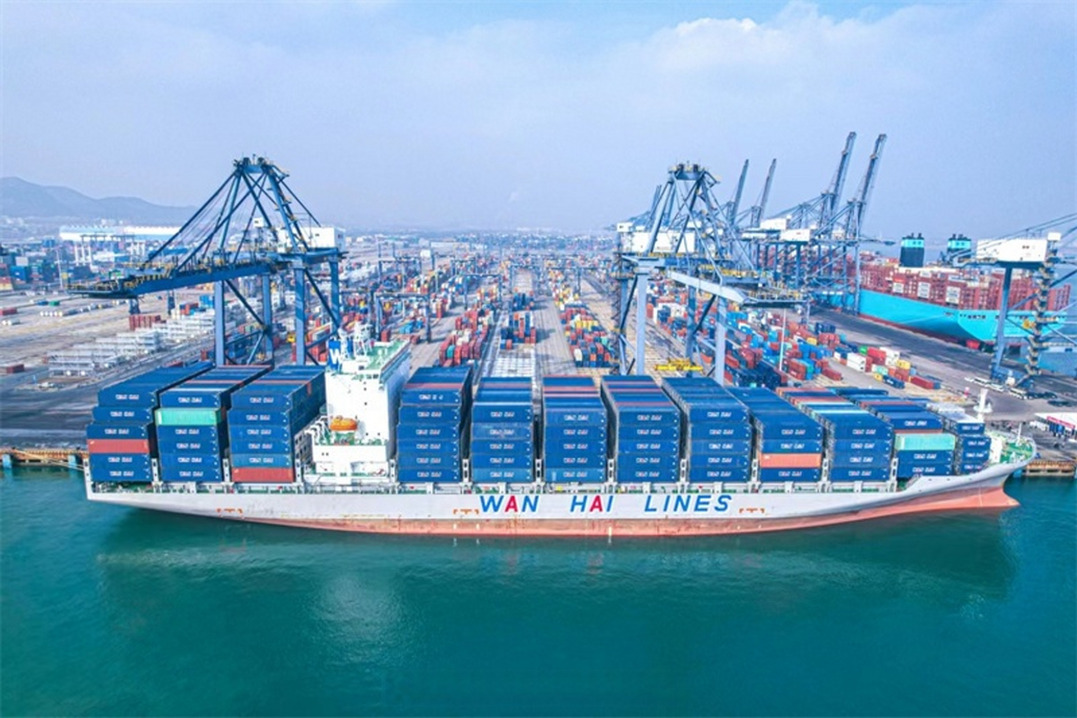
    China is spearheading a transformative shift toward sustainable maritime operations, leveraging cutting-edge technology and green innovations to modernize its massive shipping fleet. As the world’s largest maritime operator, China recognizes the critical importance of evolving its sea transport capabilities to be not just stronger, but smarter and more environmentally conscious.

    Professor Li Ying of Dalian Maritime University, who presented her findings during the fourth session of the 14th National Committee of the Chinese People’s Political Consultative Conference, emphasized that maritime transport handles approximately 80% of global trade volume. Her comprehensive 2025 research along China’s coastline has yielded strategic recommendations for harmonizing green shipping initiatives with ecological conservation efforts.

    The transformation is already underway across China’s maritime infrastructure. Ports in Tianjin and Qingdao are pioneering near-zero carbon operations as part of pilot programs, while nationwide facilities are transitioning from oil-based to green electricity-powered systems. The technological revolution extends to vessel operations, where ships are now equipped with advanced sensing devices and integrated management systems—effectively providing them with ‘eyes and brains’ for real-time data exchange between vessels and shore facilities.

    China’s shipbuilding prowess has reached new heights with successful construction of aircraft carriers, large liquefied natural gas carriers, and high-end cruise ships, representing significant breakthroughs in high-end maritime manufacturing. The green shipping market is expanding rapidly, with new orders for environmentally friendly vessels now comprising 70% of global market share. Methanol-fueled dual-fuel ships are already operational, while projects for ammonia-fueled and fully electric vessels are in development.

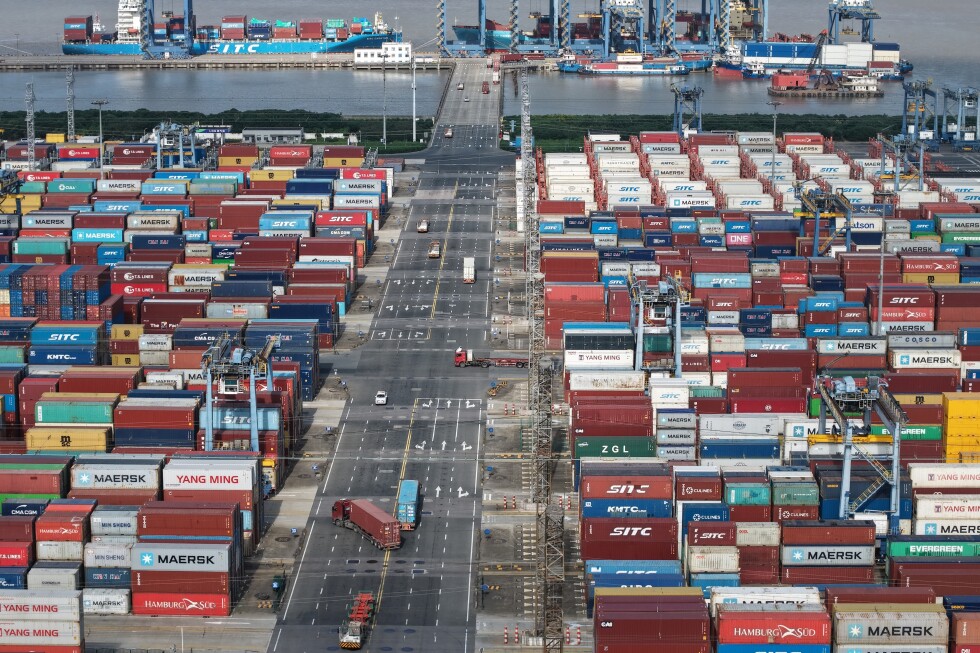
    Professor Li cited the impressive efficiency of a 20,000-TEU container ship observed during a Zhejiang province port visit, noting that a single voyage could transport sufficient goods to supply a city of five million people for Chinese New Year celebrations. Looking forward, digital empowerment is expected to enhance the safety and resilience of maritime corridors, while integrated intelligent vessels will make navigation more efficient and enjoyable for crew members.

  • Hainan FTP off to a good start, sees imports and arrivals soaring

    Hainan FTP off to a good start, sees imports and arrivals soaring

    Hainan Free Trade Port (FTP) has demonstrated remarkable progress in its initial operational phase, achieving substantial growth in foreign investment, duty-free imports, and international tourism. Governor Liu Xiaoming, speaking during the Two Sessions meetings, characterized the island-wide special customs operations launched December 18 as a transformative milestone in China’s economic liberalization agenda.

    The customs framework has triggered significant tariff reforms, expanding zero-tariff coverage from 21% to 74% of all tariff items. Imported goods undergoing at least 30% value-added processing in Hainan now enjoy tariff-free access to mainland China. During the recent Spring Festival holiday period, zero-tariff imports reached approximately 48.6 million yuan ($7.03 million), generating duty savings of 9.42 million yuan. Overall import-export values through local customs ports grew 9% year-on-year in the first two months of operation.

    International enterprises have responded positively to these developments. Siemens Energy (Germany), Mayoly (France), and Singapore’s Fullerton Health Group have established significant operations, with the latter opening Hainan’s first wholly foreign-owned hospital. The province recorded a 45.6% increase in new foreign-invested enterprises during the initial operational period.

    Tourism metrics reflect similarly impressive growth, with 557,700 international transits recorded in the first two months. Visa-free foreign nationals accounted for 141,000 of these arrivals, representing a 62.2% year-on-year increase. Duty-free retail has emerged as a major economic driver, with five new daily consumer goods stores attracting 465,000 visitors within their first two weeks of operation. Offshore duty-free sales during the Spring Festival holiday surged 30.8% alongside a 35.4% increase in shoppers.

    Governor Liu outlined Hainan’s strategic vision to deepen institutional alignment with international frameworks including the Regional Comprehensive Economic Partnership (RCEP) and high-standard trade agreements. The province will optimize port layouts, shorten negative lists for cross-border service trade, and implement coordinated market access systems for domestic and foreign capital. Additional measures include expanding visa-free country lists, enhancing data export management protocols, and leveraging multi-function free trade accounts.

    Positioned within four hours flight time of 21 countries representing 47% of the global population, Hainan aims to become a strategic hub within China’s dual-circulation development paradigm. The province has already established economic partnerships with 41 international free trade zones and attracted investment from 180 countries and regions.

    Industrial development priorities focus on five key sectors: seed breeding technology, marine industries (targeting 40% of provincial GDP), commercial space launches (60 annual launches planned), green technology development, and cross-border e-commerce enabled by advanced data flow policies. These initiatives collectively position Hainan FTP as an emerging platform for global economic integration and innovation.

  • China exports surge in first two months of the year despite Trump tariffs

    China exports surge in first two months of the year despite Trump tariffs

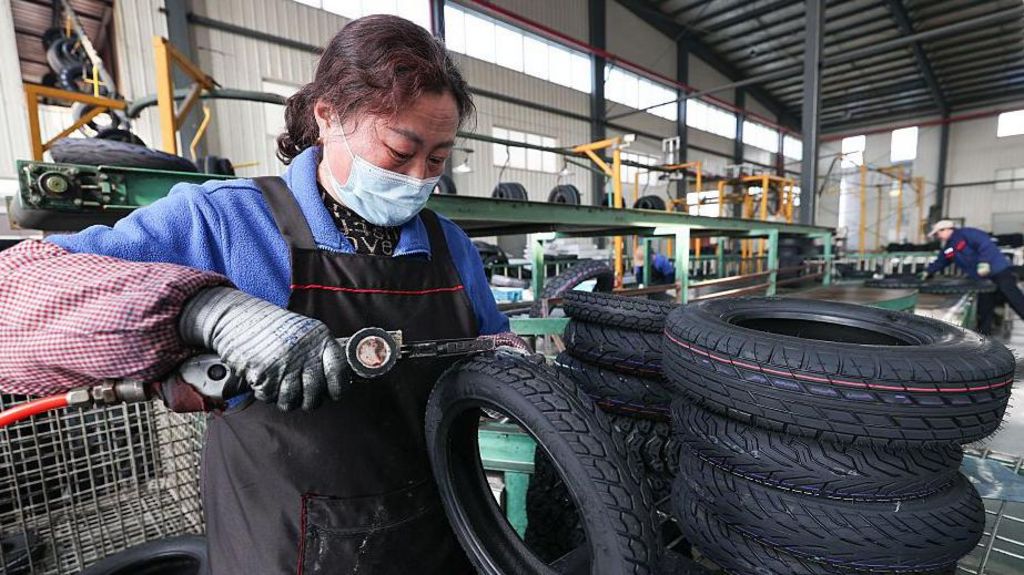
    China’s export economy has demonstrated remarkable resilience in the opening months of 2026, with official data revealing a surprising 20% increase in overseas shipments during January and February. This performance substantially exceeded economist forecasts by nearly threefold, positioning China to potentially surpass its record-breaking 2025 trade surplus.

    The robust export growth emerges against a complex backdrop of domestic economic challenges, including subdued consumer spending, demographic constraints, and ongoing property market instability. Beijing’s customary practice of combining January and February trade data effectively neutralized distortions caused by the variable timing of the Lunar New Year celebrations.

    Electronics exports served as the primary growth engine, with significant contributions from agricultural and manufactured goods. Regional analysis reveals particularly strong performance in European markets (27.8% growth) and ASEAN nations (approximately 30% increase), though exports to the United States declined by over 10% following tariff implementations and trade rebalancing measures.

    This export surge arrives at a critical juncture as China recently adjusted its annual growth target to 4.5%-5%, down from 2025’s 5% benchmark. The timing is especially significant with the anticipated April meeting between Chinese President Xi Jinping and US President Donald Trump, who is scheduled to visit China amid ongoing trade negotiations.

    Global economic dynamics further complicate the picture, as Asian nations including China navigate disruptions in energy markets stemming from the US-Israeli conflict with Iran, highlighting the interconnected nature of contemporary international trade relationships.

  • ‘Double whammy’ of fuel prices, rate hike fears hit Aussie households

    ‘Double whammy’ of fuel prices, rate hike fears hit Aussie households

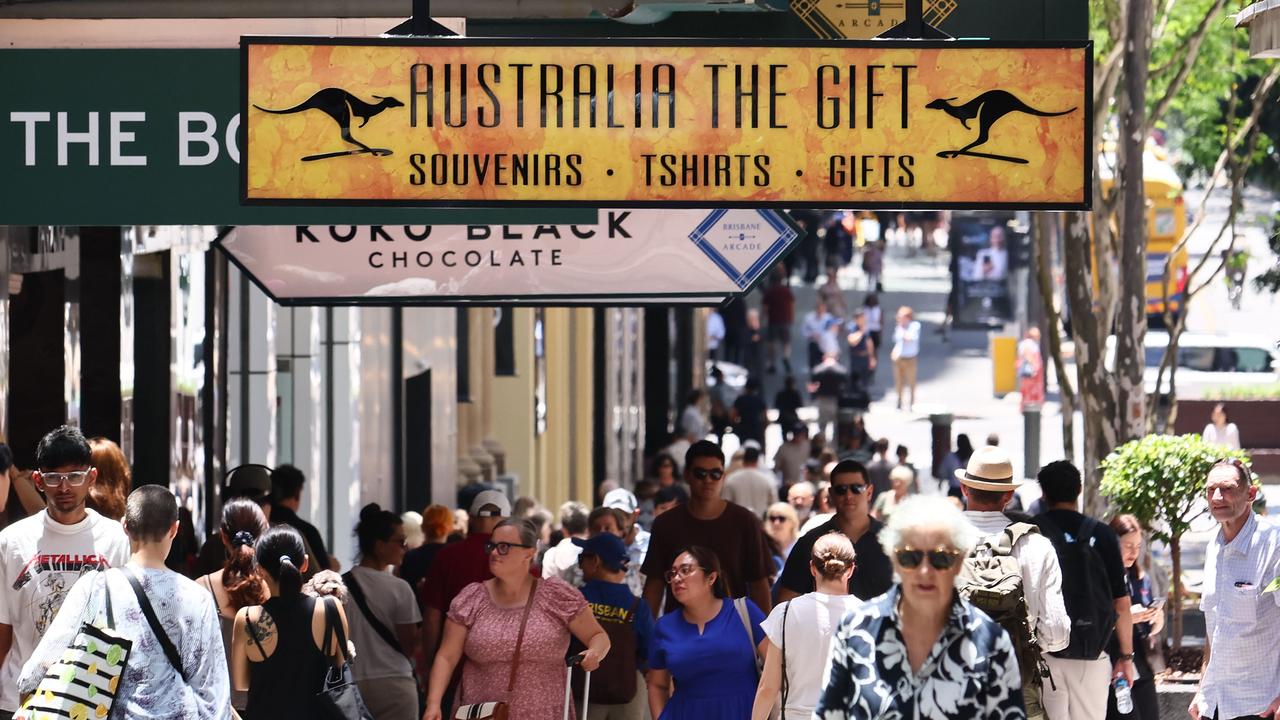
    Australian households are confronting a severe economic squeeze as consumer confidence experiences a dramatic decline, driven by a convergence of escalating fuel expenses and anticipated interest rate increases. Recent surveys from major financial institutions Westpac and ANZ reveal a notable downturn in consumer sentiment over the past week, primarily attributed to surging global oil prices.

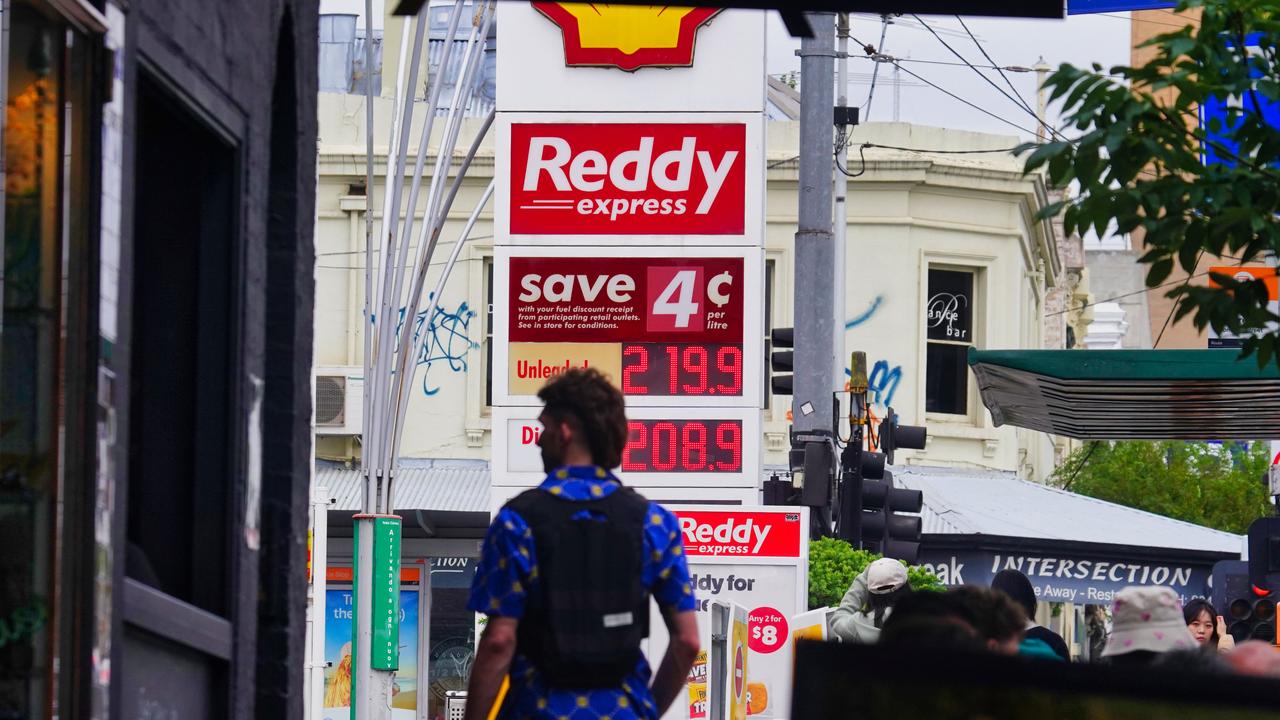
    AMP Chief Economist Shane Oliver identifies this situation as a ‘potential double whammy’ for mortgage-holding households, noting that rising fuel prices contribute directly to inflationary pressures that may necessitate monetary policy tightening. Current projections indicate fuel prices have surged approximately 40 cents per liter within a single week, translating to an estimated additional $730 annual burden on household budgets.

    The economic implications extend beyond immediate consumer spending patterns. NAB Chief Economist Sally Auld warns that sustained higher oil prices could drive inflation toward 5% in coming months, noting that ‘energy prices feed into almost every part of the economy’ and create widespread supply chain cost pressures.

    This presents particular challenges for the Reserve Bank of Australia, which must balance controlling inflation against risks of suppressed economic growth. Despite these pressures, economists anticipate the RBA will maintain current rates in March before potentially implementing increases in May, which would elevate the official cash rate to 4.1%.

    Survey data reveals nuanced consumer perspectives. While Westpac’s overall confidence index registered a modest 1.2% increase to 91.6 in March (remaining below the 100-point optimism threshold), responses collected in the final three survey days showed significantly lower confidence levels at just 84 points, coinciding with escalating Middle East tensions and subsequent 30% increases in oil futures.

    Concurrently, ANZ-Roy Morgan data indicates inflation expectations have reached 5.5% for the next twelve months—the highest level in three years—while perceptions of family financial situations and broader economic conditions have deteriorated markedly.

  • China’s exports surge in Jan-Feb despite waning trade with the US

    China’s exports surge in Jan-Feb despite waning trade with the US

    HONG KONG (AP) — China’s export sector demonstrated remarkable resilience in the opening months of the year, posting a substantial 22% year-on-year increase for the January-February period according to customs data released Tuesday. This performance significantly surpassed economist expectations and December’s 6.6% growth rate, indicating a stronger-than-anticipated trade momentum.

    The import sector similarly showed vigor with a 20% expansion during the same period, up from December’s 5.7% increase. However, this overall growth masks a notable 27% decline in imports from the United States, reflecting ongoing trade tensions between the world’s two largest economies.

    China’s export strategy has successfully diversified beyond American markets, with increased shipments to Europe and Latin America helping offset a 20% reduction in exports to the U.S. This geographical redistribution occurred amid former President Donald Trump’s imposition of widespread tariffs on global imports. The country’s trade surplus reached $213.6 billion for the two-month period, continuing a pattern of robust external trade performance.

    The data compilation for January-February follows standard methodology to account for Lunar New Year holiday distortions. Despite domestic economic challenges including a prolonged property sector downturn that prompted Beijing to set a conservative 4.5-5% growth target for 2026, the export sector remains a bright spot.

    Geopolitical factors including Middle East conflicts and potential disruptions to key shipping routes like the Strait of Hormuz present ongoing concerns for China’s energy security and trade stability. However, a recent U.S. Supreme Court ruling against Trump-era tariffs may provide modest support for Chinese exports, according to Bank of America economists.

    Market observers are closely monitoring former President Trump’s anticipated Beijing visit in late March for potential developments regarding the October trade truce between the two nations.

  • Regional petrol stations ration fuel as panic buying drains diesel supplies

    Regional petrol stations ration fuel as panic buying drains diesel supplies

    A severe fuel supply crisis is gripping regional Australia as service stations implement drastic rationing measures, with some limiting purchases to just $20 per customer. The situation has emerged as a direct consequence of panic buying in metropolitan areas, creating critical shortages that now threaten rural communities.

    Service station owner Andrew Brown from New England region described implementing extreme measures to preserve dwindling supplies. “We could have lifted our prices and been out of fuel in five days but instead we are trying to ration it for up to 15 days,” Brown explained to NewsWire. His station now enforces a strict $20 limit per customer – barely sufficient to reach the nearest major town 60 kilometers away in Tamworth.

    The crisis has particularly impacted diesel supplies, with numerous country towns reporting complete stockouts. Brown revealed his usual weekly fuel deliveries have been suspended, forcing him to reserve approximately 1,500 liters for emergency services including State Emergency Services and local fire brigades.

    International market dynamics have exacerbated the situation. Global oil prices surged to $120 per barrel, approaching levels not seen since the initial stages of the Ukraine conflict, though prices subsequently retreated following optimistic statements from U.S. officials regarding potential Middle East conflict resolution.

    Energy Minister Chris Bowen addressed the crisis, emphasizing that Australia’s fuel supply remains technically secure. “I can say that our diesel and petrol supplies remain at this point secure,” Bowen stated at Parliament House. “We have as much diesel in Australia today as we had before this crisis began.”

    The minister acknowledged particular concerns for agricultural workers, stating he had “great deal of concern and empathy for farmers in particular” while characterizing the situation as “a huge spike in demand, not an impact on supply at this point.” Australia’s reliance on foreign refineries in Singapore, South Korea, and Japan makes the nation vulnerable to global supply chain disruptions despite maintaining mandatory 32-day fuel reserves.

  • Australian housing market reaches $12.3 trillion milestone

    Australian housing market reaches $12.3 trillion milestone

    Australia’s residential property market has achieved an unprecedented valuation benchmark, soaring beyond $12 trillion for the first time in history. According to the latest data from the Australian Bureau of Statistics (ABS), the sector experienced its thirteenth consecutive quarter of expansion since September 2022, culminating in a remarkable $384.8 billion increase during the final quarter of 2025 alone.

    The national mean dwelling price escalated by 2.7 percent to reach $1.074 million, with every state and territory recording positive growth. Western Australia emerged as the standout performer with quarterly gains of $70,500, followed by Queensland ($48,800) and South Australia ($40,800). New South Wales maintained its position as the most expensive market with mean prices reaching $1.301 million after a 1.7 percent quarterly increase.

    ABS Head of Financial Statistics Mish Tan highlighted that Western Australia’s annual growth of 16.8 percent significantly outpaced other regions, pushing its mean dwelling price above the $1 million threshold for the first time. This development makes Western Australia the third state to join the million-dollar club alongside New South Wales and Queensland.

    Despite the expanding housing stock, which grew by 54,100 dwellings to reach 11.45 million properties, supply continues to lag behind demographic demands. Westpac’s Consumer Chief Executive Carolyn McCann characterized the supply shortage as a ‘national emergency,’ emphasizing that limited availability creates substantial barriers for prospective homeowners. McCann advocated for accelerated construction of appropriately priced homes to ensure housing accessibility remains achievable for future generations.

  • How worried are Americans about rising petrol prices?

    How worried are Americans about rising petrol prices?

    Escalating tensions in the Middle East are creating tangible economic consequences for American consumers as gasoline prices continue their upward trajectory. The ongoing conflict in Iran has triggered significant disruptions to global oil markets, resulting in steadily climbing fuel costs across United States pumping stations.

    In firsthand accounts gathered from New York residents, the BBC documented how these price increases are directly impacting household budgets and spending behaviors. Motorists reported making substantial adjustments to their daily routines, with many opting to reduce discretionary driving, combine errands into single trips, or explore public transportation alternatives.

    The price surge arrives during a period of existing economic pressure for many Americans, compounding financial concerns about broader inflation trends. Energy analysts note that geopolitical instability in oil-producing regions typically produces rapid market reactions, though the duration of price elevations remains uncertain.

    Market indicators suggest continued volatility as the international community monitors the Iran situation. Energy sector experts emphasize that price fluctuations at the pump will likely persist until either the conflict resolves or alternative oil sources stabilize the global supply chain.

  • Live Nation settles antitrust case with US Justice Dept, states object

    Live Nation settles antitrust case with US Justice Dept, states object

    Live Nation Entertainment, the corporate behemoth behind Ticketmaster, has reached a tentative settlement with the U.S. Department of Justice to resolve a sweeping federal antitrust lawsuit. The agreement, announced Monday, must still receive approval from U.S. District Judge Arun Subramanian.

    The settlement mandates significant structural changes to Live Nation’s operations. The company will be required to divest its ownership in up to 13 amphitheaters and pay $280 million in damages to nearly 40 participating states. Crucially, the agreement opens Live Nation’s ticketing platform to competitors and permits rival promoters to stage events at certain Live Nation-controlled venues—measures Justice Department officials believe will increase competition and potentially reduce ticket prices for consumers.

    Despite the federal settlement, several states including New York have declined to join the agreement. New York Attorney General Letitia James characterized the settlement as insufficient, stating it “fails to address the monopoly at the center of this case” and would “benefit Live Nation at the expense of consumers.” Her office announced plans to continue litigation against the company independently.

    Live Nation President and CEO Michael Rapino welcomed the agreement, calling it a “major step in improving the concert experience for artists and fans throughout the United States.” He emphasized that the settlement would provide artists with greater flexibility in choosing promotional partners while keeping concerts affordable for fans.

    The original case, initiated under the Biden administration, accused Live Nation of maintaining an illegal monopoly that controlled virtually all aspects of live entertainment in the United States. The company’s dominance extends to promotion, venue ownership through stakes in 460 venues, and ticketing through its control of Ticketmaster since 2010.

    Market reaction was immediately positive, with Live Nation shares surging more than 6% on the New York Stock Exchange following the announcement. The settlement talks continue with some holdout states, according to Justice Department officials who expressed hope for broader agreement.