分类: business

  • Railway port set to expand after setting trade record

    Railway port set to expand after setting trade record

    The Ereenhot Railway Port, a crucial border crossing in China’s Inner Mongolia Autonomous Region, is poised for significant expansion following a historic trade achievement. By November 20, 2025, the port had processed an unprecedented 3,500 China-Europe freight train journeys, marking the highest volume since the service’s inception in 2013.

    This milestone was celebrated with the departure of a Russia-bound train carrying 55 containers, highlighting the port’s growing importance in Eurasian trade networks. According to Yang Dongdong, the port’s technical manager, the facility has consistently handled over 3,000 China-Europe freight trains annually for three consecutive years, demonstrating sustained growth in cross-continental rail commerce.

    The port’s expansion strategy includes launching new routes to Russian cities later this year and accelerating construction of the second-line project between Ereenhot and Mongolia’s Zamiin-Uud Station. This infrastructure development aims to support increasing trade flows along the Belt and Road Initiative’s central corridor, where Ereenhot serves as the exclusive border crossing.

    Route connectivity has dramatically expanded from just two paths in 2013 to 74 currently active routes, linking Chinese manufacturing hubs with over 70 logistics centers across more than 10 European nations, including Germany and Poland. Recent additions include routes from Wuhu (Anhui province) and Datong (Shanxi province) to various Russian destinations, creating a denser transportation network.

    A notable development has been the improvement in return freight efficiency, with 1,760 return trains recorded—representing 50.3% of total operations and a 28.7% year-on-year increase. Trade composition remains stable, with exports dominated by automobiles, electronics, home appliances, and general merchandise, while imports primarily consist of timber and paper products.

    The port has implemented significant operational enhancements through digital transformation, including paperless customs clearance and improved coordination with Mongolian counterparts. The ‘two-station integration’ model with Zamiin-Uud Station facilitates real-time information sharing on train flows and inventory management, while optimized inspection processes have reduced customs clearance time by over 5% year-on-year.

    Local businesses report substantial benefits from the rail network’s growth. Meng Xiangyu, a freight company manager, noted that since 2018, the service has provided “a cheaper, more efficient and safe way to transport goods,” enabling expansion of both domestic and international client networks.

    Looking forward, port authorities plan to leverage capacity expansion and efficiency improvements to achieve year-on-year growth in throughput while ensuring smooth operation of international rail transport corridors, further solidifying China’s role in transcontinental trade.
  • Pomelo prospects pull urbanites to the farm

    Pomelo prospects pull urbanites to the farm

    The agricultural landscape of Shangrao in Jiangxi province is undergoing a remarkable transformation, driven by the booming Majia pomelo industry that’s reversing urban migration patterns. Young professionals are abandoning city careers to embrace farming opportunities, creating an unexpected rural revitalization movement.

    Ning Bo and Feng Qiuyan exemplify this trend, having left their positions in Hangzhou to establish a pomelo orchard in Guangfeng district. Their innovative approach combines traditional cultivation with modern entrepreneurship, developing unique products like pomelo-infused coffee and planning agritourism ventures. Their farm features a café nestled among pomelo trees, where the aroma of coffee blends with citrus scents.

    This homecoming movement addresses multiple challenges simultaneously—career satisfaction, family proximity, and rural economic development. “We wanted to solve our employment problem while being close to home,” Feng explained, noting how the pomelo’s excellent qualities presented a business opportunity despite its limited recognition outside the region.

    The technological transformation of pomelo farming is equally impressive. Smart orchards now utilize drones for spraying and automated track systems for transportation. Li Yufu, a transport worker, reported production increases from 500 to 750 metric tons following implementation of these systems. The technological advancements create substantial employment, with 40-50 villagers employed during harvest seasons and year-round workers earning over 30,000 yuan annually.

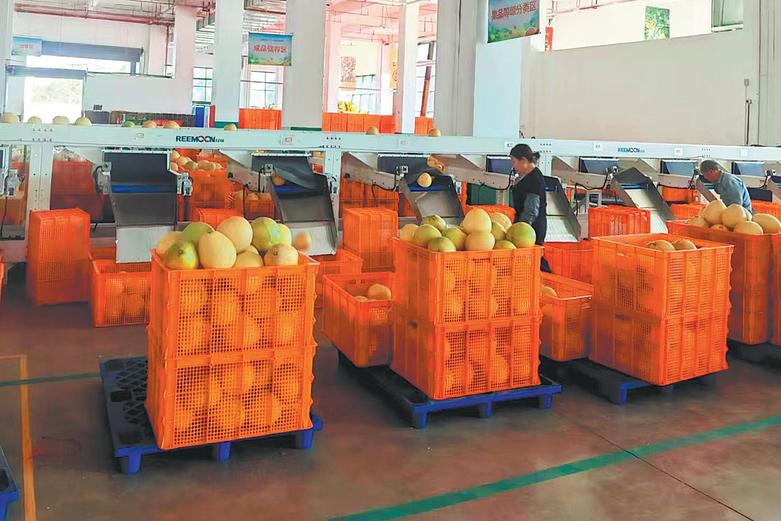
    Post-harvest processing has evolved significantly with precision grading centers that measure size, weight, and sugar content to ensure consistent quality. Intelligent sorting processed 28,500 tons last year, representing approximately 30% of total output, with graded fruit commanding a 22% price premium.

    The scale of the industry is substantial: 13,333 hectares of planting area, annual output of 250,000 tons, and comprehensive output value exceeding 3 billion yuan. According to Gong Zhenzhou, Party secretary of Guangfeng, the pomelo industry has generated 115,000 jobs and increased incomes for over 50,000 fruit growers.

    The global reach continues expanding through enterprises like Jiangxi Fengguang Biotechnology, which exports to European and Asian markets including Italy, UK, UAE, Saudi Arabia, Malaysia, and Singapore. Last year’s exports reached nearly 2,500 tons, including 100 tons to the UK alone.

    This agricultural success story represents a multifaceted approach to rural development, combining technological innovation, entrepreneurial spirit, and global market access to create sustainable prosperity in China’s countryside.

  • Saudi Arabia has ‘no ego’ to prevent it from cancelling megaprojects, finance minister says

    Saudi Arabia has ‘no ego’ to prevent it from cancelling megaprojects, finance minister says

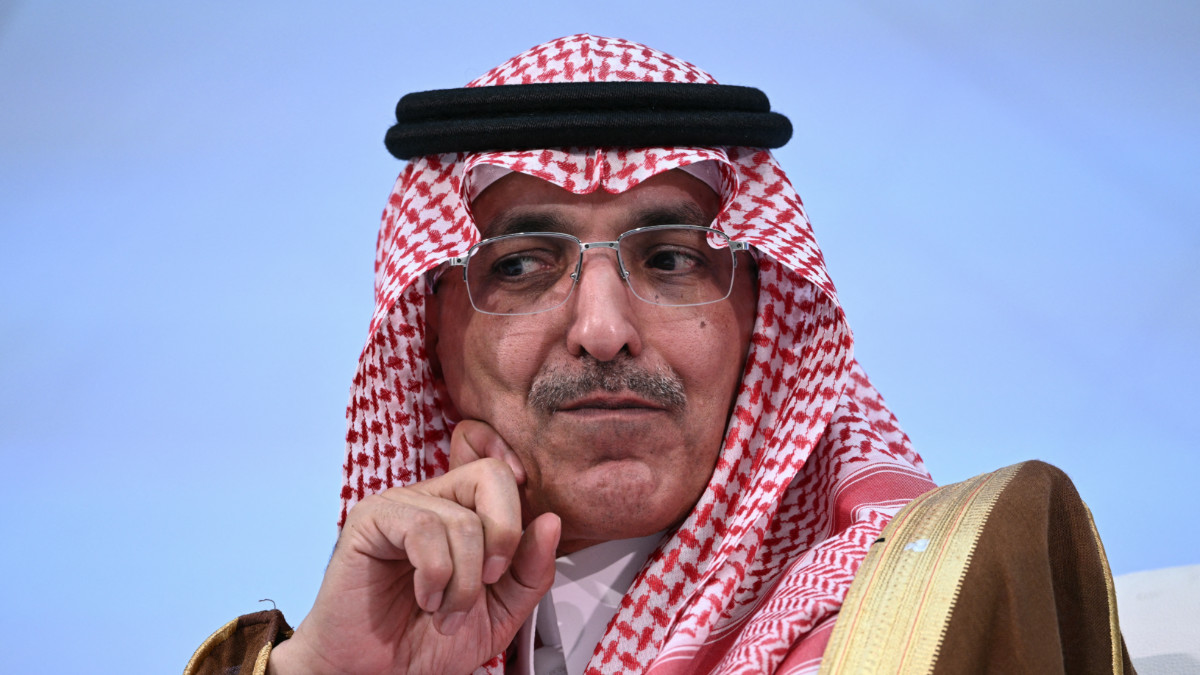
    Saudi Finance Minister Mohammed al-Jadaan has delivered a definitive statement on the kingdom’s flexible approach to its landmark Vision 2030 initiative, declaring the government possesses “absolutely no ego” in its execution. The remarks, made during a post-budget briefing in Riyadh, represent the most explicit confirmation that Saudi authorities are conducting a comprehensive reassessment of several futuristic megaprojects originally conceived under Crown Prince Mohammed bin Salman’s economic diversification blueprint.

    This pragmatic stance emerges amidst multiple international reports indicating significant scaling back of ambitious developments. Key components of the flagship NEOM project, including the revolutionary 170km linear city known as ‘The Line,’ are undergoing substantial downsizing according to architectural and development sources. Concurrently, construction of the Trojena desert ski resort has reportedly fallen behind schedule, prompting internal discussions about potentially relocating the 2029 Asian Winter Games.

    Minister al-Jadaan emphasized that this recalibration does not equate to reduced government expenditure but rather a strategic reallocation of resources. “Spending efficiency doesn’t mean cutting spending,” he clarified. “It means decreasing spending on some items to increase on others.” This shift prioritizes sectors where Saudi Arabia holds competitive advantages, particularly artificial intelligence—which benefits from cheap electricity—and tourism, leveraging its status as home to Islam’s holiest sites.

    The financial context for this strategic pivot is outlined in Saudi Arabia’s newly unveiled budget, which projects a substantial reduction in the national deficit from 5.3% of GDP in 2025 to 3.3% in 2026. al-Jadaan characterized this deficit as “by design,” noting the government’s deliberate policy choice to maintain deficit spending through 2028 while ensuring fiscal sustainability.

    Despite project modifications, Saudi Arabia continues to advance its economic transformation agenda. The kingdom is proceeding with major expansion projects around Mecca’s Grand Mosque and has recently relaxed restrictions on alcohol sales, signaling ongoing efforts to attract Western visitors and diversify its revenue streams beyond hydrocarbon exports.

  • Turkey seeks stake in US gas projects as it increases LNG imports

    Turkey seeks stake in US gas projects as it increases LNG imports

    In a significant strategic shift, Turkey is poised to enter the United States energy market through direct investment in natural gas production and exploration. The announcement was made by Turkish Energy Minister Alparslan Bayraktar, outlining a comprehensive plan to secure the nation’s energy future and establish itself as a pivotal gas supplier for Southern Europe.

    The cornerstone of this strategy involves a massive procurement deal: Turkey is set to receive 1,500 liquefied natural gas (LNG) cargoes from the United States over the coming decade and a half. Minister Bayraktar emphasized that this move is designed to ‘hedge our position on gas supply and to build the entire value chain,’ necessitating upstream investments in the US market.

    Advanced negotiations are already underway with American energy giants, including Chevron and ExxonMobil. Bayraktar indicated that formal agreements involving Turkish Petroleum could be finalized and announced within the next month. This builds upon existing cooperation with US-based Continental Resources on unconventional production techniques like hydraulic fracturing (fracking).

    Beyond mere import, Turkey’s ambition is to become a key energy conduit for Europe. A primary focus is on overcoming the bottleneck at the Bulgarian interconnection, which currently has a limited capacity of 3.5 billion cubic meters (BCM). Ankara aims to at least double this capacity, with an ultimate goal of achieving a maximum export capacity of 10 BCM to the southeastern European market, which includes Ukraine.

    This European strategy was a central topic during Ukrainian President Volodymyr Zelenskyy’s recent visit to Turkey. Discussions centered on utilizing Ukraine’s vast underground gas storage facilities. The concept involves purchasing and storing gas during lower-priced summer months for consumption in the winter. Collaborative efforts between Turkey’s BOTAŞ and Ukraine’s Naftogaz are exploring viable solutions, with similar talks ongoing with Greece.

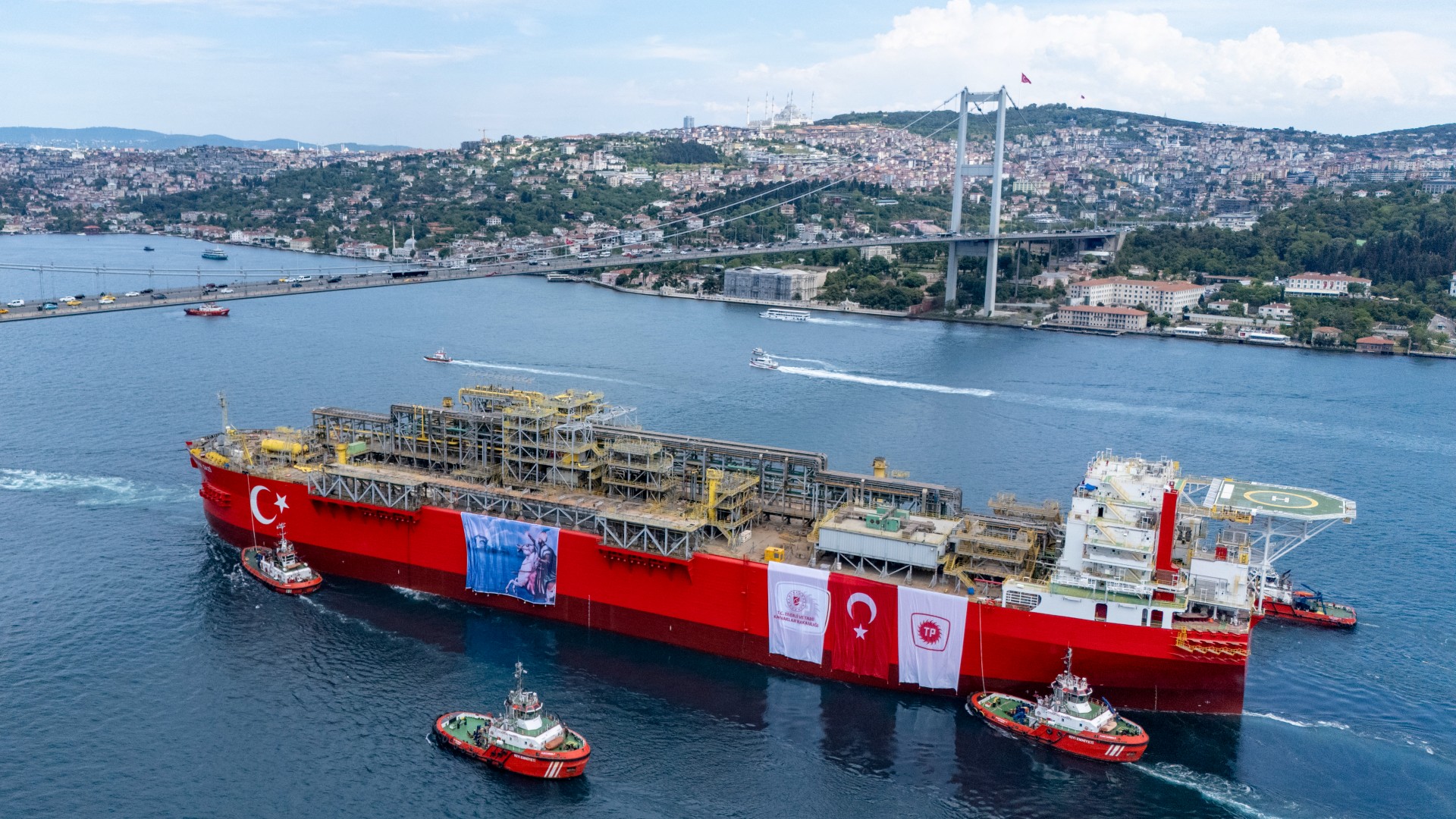
    Highlighting its infrastructural advantage, Turkey boasts a substantial regasification capacity of 32 BCM per year. Minister Bayraktar projected an excess capacity of 10-15 BCM next year, far surpassing Greece’s capabilities. To further cement this position, Turkey plans to expand its fleet of Floating Storage Regasification Units (FSRUs) from three to five in the coming years.

    In a move that underscores its new role as an energy intermediary, Turkey is also considering leasing its surplus FSRU capacity to other nations. Countries like Egypt and potentially Morocco could leverage Turkish infrastructure to facilitate their own seasonal LNG purchases, solidifying Ankara’s position as a critical node in the global energy landscape.

  • Almasar Alshamil Education surges 18.41% on first day of trading on Tadawul

    Almasar Alshamil Education surges 18.41% on first day of trading on Tadawul

    In a spectacular market debut, Almasar Alshamil Education witnessed its shares surge by 18.41% during Wednesday’s trading session on the Saudi Exchange (Tadawul). The specialized education group’s stock concluded at 23.09 Saudi riyals, representing a substantial gain of 3.59 riyals above its initial public offering price and securing its position as the day’s top performer.

    The company’s successful market entry followed a heavily oversubscribed institutional offering that attracted orders worth approximately 62 billion riyals—exceeding available shares by 103 times. Through the placement of 30,720,400 ordinary shares, equivalent to 30% of its total share capital, Almasar Alshamil Education raised 599 million riyals, establishing a market valuation of nearly 2 billion riyals at listing. Amanat Holdings PJSC maintains majority ownership following the public offering.

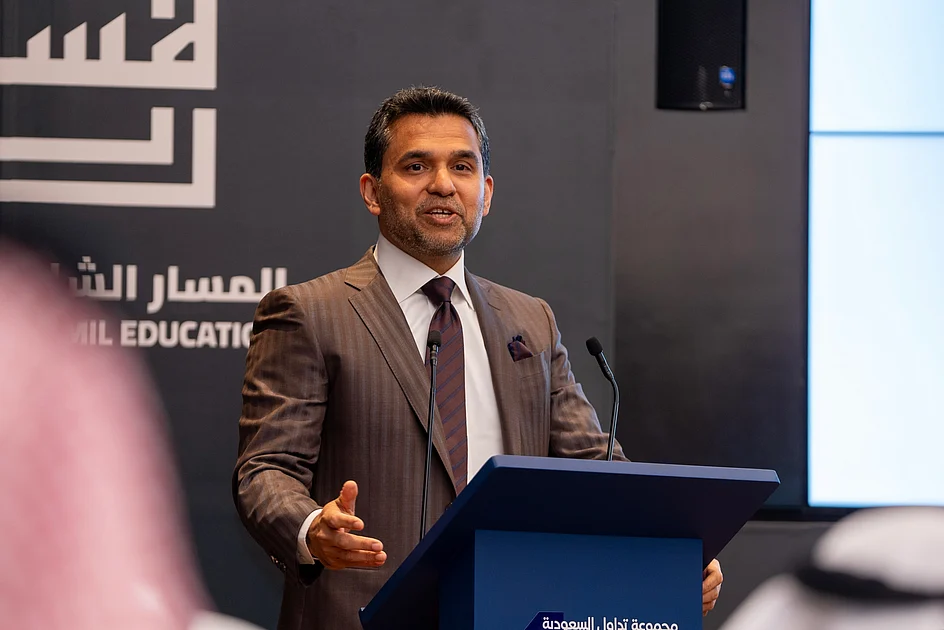
    The listing ceremony featured prominent diplomatic and financial figures, including Nasser Al Ajaji (Tadawul’s Chief of Listing), Dr. Shamsheer Vayalil (Chairman of Almasar Alshamil Education), Matar Al Dhaheri (UAE Ambassador to Saudi Arabia), and Dr. Suhel Ajaz Khan (Indian Ambassador to Saudi Arabia).

    Dr. Vayalil characterized the listing as “the rise of a new economic bridge between Saudi Arabia and the UAE,” emphasizing shared vision and opportunity between the nations. “Through this listing, we are sharing capital, opportunity, and a unified regional marketplace,” he stated, noting the company’s alignment with both Saudi Vision 2030 and UAE sustainable development objectives.

    Operating across Saudi Arabia and the UAE, Almasar Alshamil Education serves approximately 28,000 students through higher education institutions, special education needs centers, and conventional schools, providing comprehensive educational services throughout the learning ecosystem.

  • Pearl Initiative celebrates 15 years of advancing governance excellence in the Gulf region

    Pearl Initiative celebrates 15 years of advancing governance excellence in the Gulf region

    DUBAI – The Pearl Initiative commemorated fifteen years of transformative work in corporate governance excellence with a landmark forum that assembled over 150 senior executives, including more than thirty chief executives, from across the Gulf region. The high-level gathering, titled “Governance in Focus: Powering Gulf Economies Through Integrity and Innovation,” served as a strategic platform for cross-sector dialogue on strengthening governance frameworks to drive economic diversification and enhance regional competitiveness.

    The forum marked a significant milestone for the non-profit organization, reflecting on its decade-and-a-half contribution to fostering cultures of accountability, transparency, and ethical leadership throughout Gulf corporations. Participants engaged in robust discussions examining how robust governance mechanisms have accelerated enterprise growth, reinforced market trust, and positioned regional economies for their next phase of transformation.

    Strategic partnerships with leading regional corporations provided substantial backing for the event. Saudi Arabia’s premier digital enabler, stc group, served as strategic partner, while Chalhoub Group, the region’s dominant luxury retail conglomerate, provided supporting partnership – demonstrating sustained corporate commitment to governance advancement.

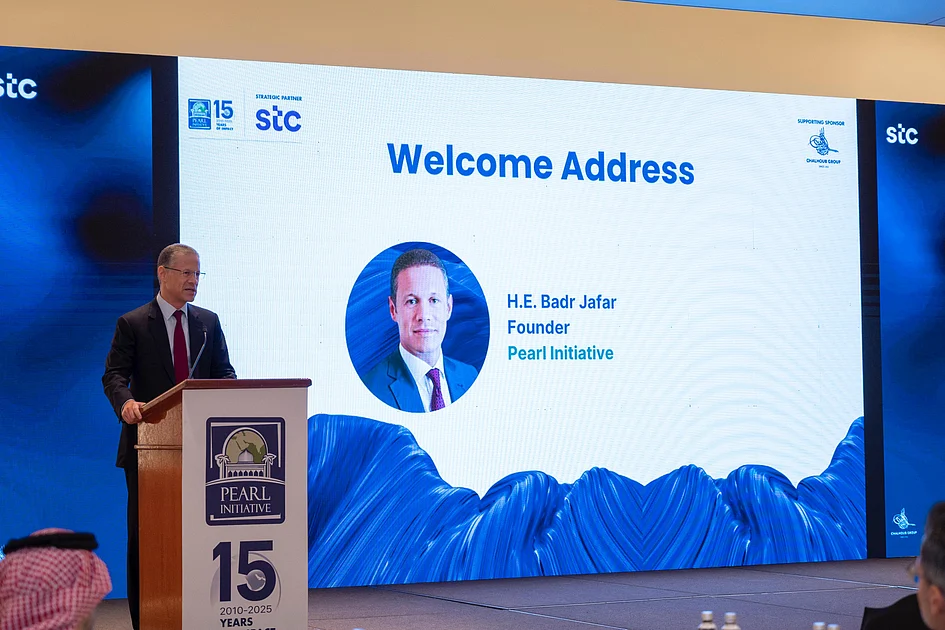
    Badr Jafar, Founder of Pearl Initiative, emphasized the organization’s pioneering role: “Since 2010, we have championed corporate governance conversations across the Gulf, inspiring ethical leadership that builds trust and delivers long-term value. This forum not only celebrates our progress but reinforces that strong governance remains the engine of competitiveness and innovation.”

    The agenda featured a powerful panel discussion with H.E. Ghassan Al-Sulaiman, Chairman of Saudi Arabia’s National Family Business Center, exploring governance frameworks for building resilient, investment-ready enterprises. Eng. Khalid Al Hussan, CEO of Saudi Tadawul Group, addressed unlocking growth through public-private collaboration, while Nabeel Al Mansour of Saudi Aramco highlighted governance’s critical role in enabling Vision 2030 economic transformation.

    Mathad Alajmi of stc group commented: “As the Middle East’s leading digital enabler, strong governance underpins our growth, allowing responsible scaling and market impact. We strengthen leadership in governance by supporting best practices and initiatives like Pearl Initiative.”

    Patrick Chalhoub, Executive Chairman of Chalhoub Group, noted: “Our collaboration reflects the shared belief that good governance and ethical leadership are essential foundations. Sustainability is central to how we think, operate, and grow.”

    Ralph Choueiri, Executive Director of Pearl Initiative, concluded: “This forum strengthened momentum for collective action, highlighting governance’s role in preparing for a next-generation Gulf economy. We will deepen programs and partnerships supporting progress toward a resilient, innovation-led regional economy.”

  • Mubadala and Glenwood Private Equity complete co-investment in NanoH2O

    Mubadala and Glenwood Private Equity complete co-investment in NanoH2O

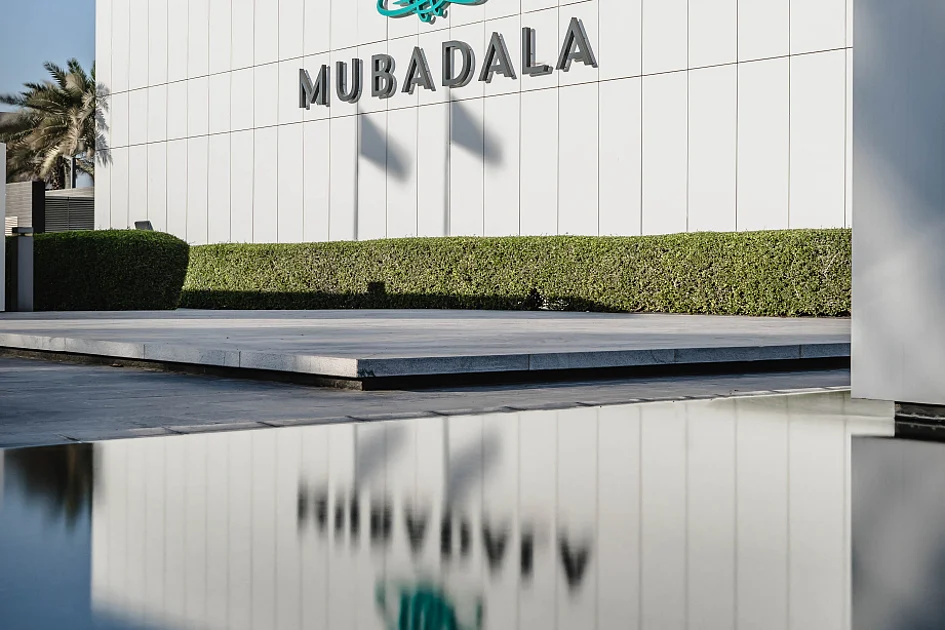
    In a significant development for the global water technology sector, Abu Dhabi’s sovereign wealth fund Mubadala Investment Company and South Korea’s Glenwood Private Equity have formally concluded their co-investment in NanoH2O Co. Ltd. The transaction, which received all necessary regulatory approvals, marks a strategic move by both investment firms to capitalize on the growing global demand for advanced water desalination solutions.

    NanoH2O, originally established as a division of LG Chem in 2014 before spinning off as an independent entity earlier this year, maintains its headquarters in Seoul. The company has established itself as a pioneering force in reverse osmosis membrane technology, which represents the most energy-efficient methodology for large-scale desalination and brackish water treatment compared to conventional thermal processes.

    The investment consortium, led by Mubadala and Glenwood, recognizes NanoH2O’s exceptional market position with over 95% of its revenue generated internationally. The company serves diverse municipal and industrial clients across global markets, positioning it at the forefront of addressing worldwide water scarcity challenges.

    Sangho Lee, CEO of Glenwood Private Equity, emphasized the strategic rationale behind the investment: ‘Our participation in NanoH2O demonstrates our focused approach toward identifying high-quality businesses through corporate carve-out opportunities. We remain dedicated to supporting NanoH2O’s mission of delivering sustainable solutions to global water challenges while accelerating the company’s expansion and international impact alongside our investment partners.’

    Mohamed Albadr, Mubadala’s Head of Asia, highlighted the alignment with the fund’s broader investment strategy: ‘We maintain strong conviction in NanoH2O’s technological leadership and long-term growth trajectory. This investment resonates with our commitment to partnering with organizations that develop solutions for global challenges while reinforcing our established presence in South Korea and broader Asian markets.’

    Abdulla Mohamed Shadid, Head of Energy and Sustainability at Mubadala, provided additional context regarding the investment’s strategic importance: ‘The convergence of water security and decarbonization initiatives represents a critical global priority. Reverse osmosis membrane technology plays an essential role in delivering scalable water solutions with reduced energy intensity. NanoH2O distinguishes itself through proven technology, global operational footprint, and an innovation-driven business model. Our investment will facilitate the company’s expansion into growing markets including the MENA region and other key international territories.’

    The partnership signifies a strengthened commitment to advancing sustainable water technology solutions while creating long-term value through technological innovation and market expansion.

  • Carmakers seek substitute for rare earths as supply chain woes mount

    Carmakers seek substitute for rare earths as supply chain woes mount

    Facing persistent supply chain disruptions and geopolitical tensions, major automakers across the United States and Europe are intensifying efforts to develop alternative technologies that reduce or eliminate dependence on rare-earth metals. These materials, particularly neodymium, dysprosium and terbium, are crucial components in numerous automotive parts ranging from electric vehicle motors to windshield wiper mechanisms and adjustable seating systems.

    China’s dominant position in rare-earth mining and processing—controlling approximately 80-90% of global supply—has created significant vulnerabilities for Western manufacturers. The situation escalated in 2025 when Beijing implemented export controls on these materials, widely interpreted as retaliation against Trump administration tariffs on Chinese goods. Although some restrictions were temporarily suspended through diplomatic agreements, industry executives remain concerned about future weaponization of these critical resources.

    The pandemic-era semiconductor shortage served as a wake-up call, highlighting the dangers of over-reliance on single-source suppliers. This realization has spurred two parallel strategies: diversifying sourcing outside China and developing alternative technologies that bypass rare-earth requirements entirely.

    General Motors exemplifies the diversification approach through its partnership with MP Materials, a domestic company mining rare earths in California and constructing a Texas-based refining facility. Meanwhile, BMW has pioneered technological innovation with rare-earth-free motors already deployed in models like the iX SUV. These electronically excited motors generate magnetic fields through electric currents rather than permanent magnets, though they historically faced challenges with weight, size and energy efficiency that BMW claims to have largely overcome.

    Research institutions including Northeastern University are exploring synthetic materials with magnetic properties found only in meteorites, while the Department of Energy offers grants up to $3 million for developing alternatives twice as powerful as existing rare-earth magnets—a target some experts consider unrealistic. Despite these efforts, most solutions remain years from commercialization, and current alternatives often come with cost or performance trade-offs.

    Industry analysts note that while temporary détente has eased immediate shortages, the structural vulnerability persists. ‘This isn’t a challenge you can overcome in a year,’ observed Gracelin Baskaran of the Center for Strategic and International Studies, capturing the long-term nature of this supply chain transformation.

  • India: Patanjali appeals court order to pay over Rs100,000 for selling sub-standard ghee

    India: Patanjali appeals court order to pay over Rs100,000 for selling sub-standard ghee

    Indian consumer goods giant Patanjali Ayurved has launched a legal appeal against a recent court ruling that found the company liable for selling substandard ghee products. The controversy centers around a 2020 case where food safety authorities purchased and tested Patanjali’s ghee, which allegedly failed to meet established safety parameters.

    The legal proceedings, initiated under India’s Food Safety and Standards Act, culminated in a November 2025 ruling that ordered Patanjali to pay ₹100,000 (approximately $1,200) in penalties, while two retailers faced additional fines of ₹40,000 each. The case originated when a food security officer conducted random testing of the product, with initial results indicating non-compliance with safety standards. A subsequent test at a central laboratory reportedly confirmed these findings.

    Patanjali has mounted a vigorous defense, asserting three primary grounds for appeal. The company contends that the testing laboratory lacked proper accreditation from the National Accreditation Board for Testing and Calibration Laboratories (NABL) specifically for cow ghee analysis. Furthermore, the organization claims the parameters used for testing were ‘illegally applied’ as they were not applicable at the time of product manufacture. The third argument presented suggests the sample was tested after its expiration date, potentially compromising the validity of results.

    In an official statement released on social media platform X, Patanjali characterized the court’s decision as ‘erroneous’ and ‘legally invalid.’ The company maintains that the identified variance in RM values—which measure volatile fatty acid levels—represents only a ‘nominal difference’ that does not impact product safety or consumability.

    The appeal will now proceed to India’s Food Safety Tribunal, where Patanjali expresses confidence in achieving a favorable outcome. This case emerges against a backdrop of increased regulatory scrutiny of consumer goods in India, particularly those marketed as natural or traditional products.

  • India: Over 40 Indigo flights cancelled, delayed amid ‘operational requirements’

    India: Over 40 Indigo flights cancelled, delayed amid ‘operational requirements’

    India’s aviation sector experienced significant turbulence as IndiGo, the nation’s largest carrier, confronted substantial operational challenges leading to widespread flight disruptions across key airports. The airline acknowledged numerous delays and cancellations stemming from a confluence of factors including technological complications, airport congestion, and unspecified operational requirements.

    According to confidential sources within Delhi’s aviation infrastructure, approximately 40 IndiGo flights were cancelled at the capital’s airport alone on Wednesday. Multiple insiders, including an active IndiGo pilot who requested anonymity, revealed that crew shortages constituted a primary contributing factor. These staffing issues appear connected to newly implemented pilot duty time regulations that became effective in recent months.

    IndiGo’s official statement emphasized their teams were “working diligently to ensure that operations normalize as soon as possible,” though the company provided limited specifics regarding the root causes. The operational difficulties manifested dramatically in performance metrics, with the airline recording merely 35% on-time performance on Tuesday according to civil aviation ministry data—a significant decline from their typical 80%+ performance rate at major Indian airports.

    Flightradar24 data indicated approximately 700 delayed flights across India’s three busiest aviation hubs—Delhi, Mumbai, and Bengaluru—with Delhi accounting for over two-thirds of these disruptions. These incidents follow previous aviation infrastructure challenges, including an air traffic control system outage at Delhi Airport last month that affected multiple carriers.

    The situation prompted Delhi Airport to issue a formal communication via social media platform X, noting that several domestic airlines were experiencing operational challenges that might result in delays or schedule adjustments.

    Market response was immediately evident as IndiGo’s shares declined approximately 2% following the operational disclosure, despite the stock having gained nearly 23% year-to-date. The airline, which commands over 60% of India’s domestic market with more than 2,200 daily flights, has been aggressively expanding its international operations while facing recent financial pressure from dollar strength and subdued passenger sentiment following June’s deadly Air India accident.