分类: business

  • Future of Workforce Summit 2026 returns to Dubai on April 28

    Future of Workforce Summit 2026 returns to Dubai on April 28

    Dubai prepares to host the second edition of the Future of Workforce Summit on April 28, 2026, at Address Skyview, convening top industry leaders to address the critical challenges of workforce adaptation in an era of rapid technological change. Organized by KT Events under the theme ‘Smart Solutions, Stronger Leadership, Real Impact,’ the summit reflects the UAE’s strategic commitment to maintaining its status as a global talent hub across key sectors including technology, healthcare, finance, renewable energy, and education.

    The full-day conference will assemble chief human resource officers, HR directors, C-suite executives, and organizational development specialists to examine how technological advancements, leadership approaches, and people strategies must evolve to meet shifting workplace demands. Through an expertly curated program featuring keynote addresses, panel discussions, fireside chats, and interactive masterclasses, participants will gain practical insights into implementing future-ready workforce strategies.

    Core discussion themes will encompass the transformative impact of artificial intelligence and automation on employment landscapes, comprehensive upskilling and reskilling initiatives for sustainable employability, leadership adaptation in hybrid work environments, Emiratization and national workforce development, employee experience enhancement, and next-generation diversity and inclusion practices.

    Over 30 distinguished leaders and experts from government and private sectors will share cross-industry perspectives on workforce transformation. Beyond thought leadership content, the summit will facilitate dedicated networking opportunities, enabling professionals to establish meaningful connections and collaborative partnerships.

    Organizations interested in attendance, participation, or sponsorship opportunities can obtain additional information and register through the official summit portal or contact events@khaleejtimes.com for partnership inquiries.

  • Dubai property developers managing construction in-house to overcome delays

    Dubai property developers managing construction in-house to overcome delays

    Facing unprecedented construction delays amid a historic development boom, Dubai’s property developers are fundamentally restructuring their operational models by internalizing construction management. This strategic pivot comes as the emirate grapples with a record supply pipeline of approximately 131,234 units, predominantly apartments comprising 81% of planned developments, though industry analysts caution that actual deliveries may significantly underperform due to persistent construction bottlenecks.

    The movement toward vertical integration represents a direct response to critical market constraints including severe contractor shortages, supply chain disruptions, and execution risks that have plagued Dubai’s real estate sector. Major development corporations including Emaar, Ellington, Azizi, and Arada have announced comprehensive plans to partially or fully manage construction operations internally, seeking greater control over project timelines, cost management, and quality assurance.

    According to Prathyusha Gurrapu, Head of Research at Cushman & Wakefield Core, “This structural shift demonstrates developers’ recognition that contractor capacity remains the primary constraint on near-term supply delivery. While the full impact will require time to assess, internalizing construction capabilities fundamentally alters the development landscape.”

    The scale of Dubai’s development activity reached unprecedented levels in 2025, with Property Monitor data revealing 648 project launches delivering over 167,000 units valued at approximately Dh463 billion. This remarkable pace equated to a new project launch every 13.5 hours, with developer participation increasing by 40% year-on-year.

    Innovative partnership models are emerging as developers seek alternatives to traditional contracting. Bhaskara Santosh, Partner and Development Manager at Arthouse Hills Arjan, revealed their strategy of engaging contractors as stakeholders before project launch, noting “By signing New System Engineering as both contractor and co-investor, we’ve effectively gained a one-year advantage in construction timelines.”

    Simultaneously, some developers are bypassing traditional bank financing entirely. Tasmeer Indigo Properties President Khyzer Altaf confirmed their second project SquareX One in JVC is being funded through internal resources, stating “When utilizing our own capital, timely completion becomes economically imperative. We implement rigorous weekly and monthly monitoring protocols with contractors, with penalty clauses binding both parties to delivery commitments.”

  • CEO Will Lewis leaves Washington Post after sweeping job cuts

    CEO Will Lewis leaves Washington Post after sweeping job cuts

    In a dramatic leadership shakeup, The Washington Post announced the immediate departure of CEO and publisher Will Lewis on Saturday, February 7, 2026. This sudden exit follows widespread condemnation of aggressive staff reductions implemented earlier in the week that eliminated approximately 300 positions—nearly 40% of the newsroom—according to reports from The New York Times.

    The restructuring measures proved particularly devastating to international coverage, resulting in the elimination of the entire Middle East reporting team and the dismissal of the newspaper’s Kyiv-based Ukraine correspondent despite the ongoing conflict with Russia. Additional cuts severely impacted sports, graphics, and local news departments, while the popular daily podcast ‘Post Reports’ was suspended indefinitely.

    Lewis, who spearheaded these controversial measures during his two-year tenure attempting to reverse financial losses, has been succeeded by Jeff D’Onofrio, formerly CEO of social media platform Tumblr and most recently the Post’s chief financial officer. In a staff communication shared publicly, Lewis characterized his departure as ‘the right time for me to step aside,’ acknowledging the ‘difficult decisions’ made to ensure the publication’s ‘sustainable future.’

    The newspaper’s ownership under Amazon billionaire Jeff Bezos has faced intensified scrutiny following allegations of editorial interference. Most notably, Bezos reportedly blocked the endorsement of Democratic presidential candidate Kamala Harris days before the 2024 election—an unprecedented breach of traditional editorial independence that many interpreted as capitulation to then-candidate Donald Trump.

    This decision apparently carried significant financial consequences, with The Wall Street Journal reporting approximately 250,000 digital subscriber cancellations following the non-endorsement. The Post reportedly lost around $100 million in 2024 as advertising and subscription revenues declined sharply.

    Hundreds of journalists and supporters gathered Thursday in front of the newspaper’s Washington headquarters to protest the cuts, reflecting broader concerns about press capacity to hold government accountable. Former executive editor Marty Baron described the restructuring as ‘among the darkest days in the history of one of the world’s greatest news organizations.’

    Despite operating with one of the world’s wealthiest individuals as owner, The Washington Post has struggled to achieve the financial stability of competitors like The New York Times and Wall Street Journal, highlighting the severe challenges facing traditional media in the digital era.

  • Ukraine businesses struggle to cope as Russian attacks bring power cuts and uncertainty

    Ukraine businesses struggle to cope as Russian attacks bring power cuts and uncertainty

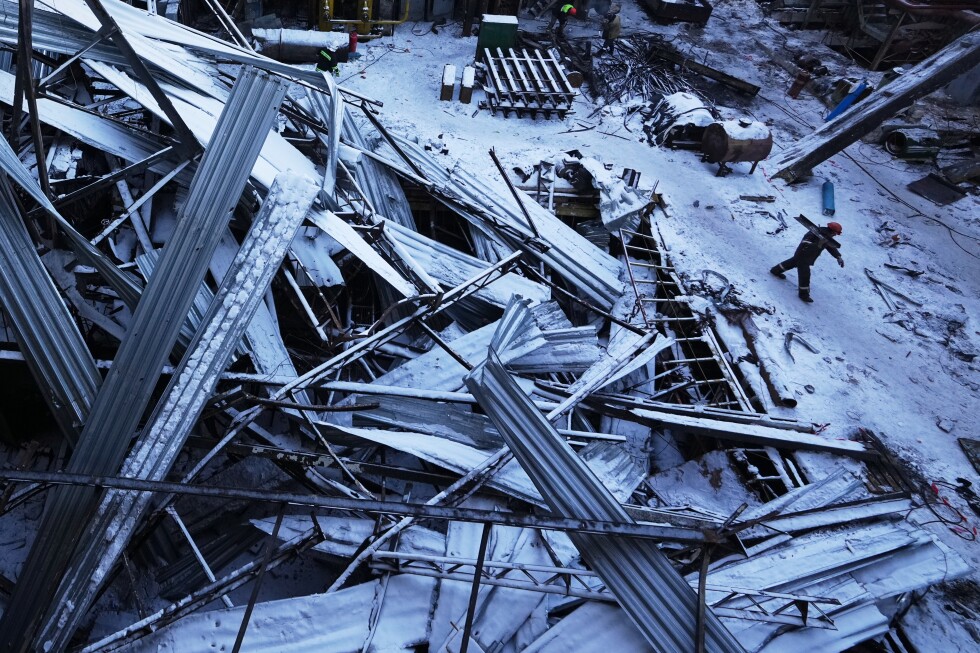
    KYIV, Ukraine — In the historic Podil district of Kyiv, the pre-dawn darkness is intermittently pierced by the warm glow of Spelta bakery-bistro, where head baker Oleksandr Kutsenko, 31, skillfully shapes dough amidst frequent power interruptions. Each time the lights fade and ovens power down, Kutsenko activates a large rectangular generator—a ritual repeated endlessly to sustain operations against Russia’s targeted assaults on Ukraine’s energy infrastructure.

    Olha Hrynchuk, 28, co-founder of Spelta, reflects that operating without generators has become inconceivable for Ukrainian businesses. Her bakery, established ten months after Russia’s full-scale invasion in 2022, has never experienced ‘normal’ working conditions. The generator alone consumes roughly 700 hryvnias ($16) worth of fuel hourly, running 10–12 hours daily amid unpredictable blackouts.

    The challenges extend far beyond power scarcity. Businesses nationwide grapple with acute labor shortages due to mobilization and wartime migration, declining consumer purchasing power, complex logistics, and heightened security risks. For many, survival has become a day-to-day calculation.

    Olha Nasonova, head of the Restaurants of Ukraine analytical center, confirms the industry is navigating its most difficult period in two decades. Small cafés and family-run establishments are particularly vulnerable. The ‘Best Way to Cup’ coffee project, for instance, faced a permanent closure threat after attacks shattered windows and doors last August. Co-founder Yana Bilym, 33, invested heavily in repairs, only to confront further infrastructure collapse—water supply cuts and failed sewage systems—forcing a temporary shutdown.

    Some businesses have transformed into community lifelines. Designated ‘Points of Invincibility,’ they offer warmth, electricity for charging devices, and hot tea during curfews. Tetiana Abramova, 61, founder of clothing manufacturer Rito Group, acquired a 35-kilowatt generator and wood-fired boiler to maintain heat, light, and production continuity. Yet operating on generators is 15–20% costlier than grid electricity, elevating production costs by about 15%. Customer numbers have dropped nearly 40%, compelling a shift toward online sales to attract new clients.

    According to a Kyiv School of Economics forecast, energy system attacks pose the most severe short-term risk to Ukraine’s GDP. Output losses could range between 1–3% depending on business adaptation and outage duration. Abramova, having spent nearly 100,000 hryvnias ($2,300) over two months on generator maintenance, summarizes the prevailing sentiment: ‘The main goal is not to be the most efficient, but to survive.’

  • Washington Post chief executive steps down after mass lay-offs

    Washington Post chief executive steps down after mass lay-offs

    The Washington Post has announced the immediate departure of CEO Will Lewis following a week of significant organizational turmoil that included massive layoffs affecting one-third of its workforce. Lewis, who assumed leadership in 2023, described his exit as timely after implementing what he termed ‘difficult decisions’ essential for the newspaper’s future viability.

    The announcement comes just days after the prestigious publication revealed drastic cuts eliminating entire departments, including sports and international news coverage. The restructuring resulted in the dismissal of the Post’s complete Middle East bureau and its Ukraine correspondent based in Kyiv, triggering protests outside the newspaper’s Washington DC headquarters.

    Jeff D’Onofrio, who joined as chief financial officer in 2023, will assume the roles of acting publisher and CEO during this transition period. Lewis, formerly chief executive of Dow Jones and publisher of the Wall Street Journal, faced mounting criticism from both staff and subscribers during his tenure as he attempted to reverse the newspaper’s financial decline.

    The layoffs prompted strong condemnation from media professionals, including Marty Baron, the Post’s executive editor until 2021, who characterized the cuts as ‘among the darkest days in the history of one of the world’s greatest news organizations.’

    This leadership change represents the latest instability for the renowned publication, which has experienced multiple controversial decisions under the ownership of Amazon founder Jeff Bezos since his 2013 acquisition. Notably, the Post broke with decades of tradition by declining to endorse any presidential candidate in the 2024 election, a decision that resulted in the loss of tens of thousands of subscribers. Further controversy emerged when the opinion editor resigned in February 2023 after Bezos directed the commentary section to focus exclusively on ‘personal liberties and free markets,’ explicitly excluding opposing viewpoints.

  • S Korean crypto firm accidentally pays out $40bn in bitcoin

    S Korean crypto firm accidentally pays out $40bn in bitcoin

    In a staggering administrative error, South Korean cryptocurrency exchange Bithumb inadvertently distributed over $40 billion worth of bitcoin to customers on Friday, temporarily transforming hundreds of account holders into instant millionaires. The platform had intended to issue modest cash rewards of 2,000 won (approximately $1.37) but instead credited 2,000 bitcoins to each recipient due to a critical system malfunction.

    The exchange detected the catastrophic error within 35 minutes, immediately implementing trading and withdrawal restrictions for the 695 affected accounts. According to Bithumb’s official statement, the company successfully recovered 99.7% of the erroneously distributed 620,000 bitcoins, emphasizing that the incident resulted from an internal processing error rather than external hacking or security vulnerabilities.

    South Korea’s Financial Supervisory Service (FSS) convened an emergency meeting Saturday to examine the unprecedented incident, warning that any indications of illegal activity would trigger formal investigations. Bithumb CEO Lee Jae-won pledged full cooperation with regulators, acknowledging the need to prioritize customer trust over external growth initiatives.

    As remediation measures, Bithumb announced compensation of 20,000 won ($13.66) for all platform users during the incident period, along with waived trading fees. The exchange committed to implementing enhanced verification systems and artificial intelligence detection mechanisms for abnormal transactions.

    This incident echoes similar high-value financial errors, including Citigroup’s April 2024 miscalculation that erroneously credited $81 trillion instead of $280 to a client account. The Bithumb case is expected to intensify regulatory scrutiny and debate surrounding operational safeguards within cryptocurrency exchanges and traditional financial institutions alike.

  • US and India unveil interim trade framework, move closer to broad pact

    US and India unveil interim trade framework, move closer to broad pact

    In a significant advancement of economic cooperation, the United States and India have established an interim trade framework that charts a course toward a comprehensive bilateral agreement. The arrangement, unveiled on Friday, represents a strategic realignment of trade relations between the world’s largest democracies.

    The cornerstone of this preliminary agreement involves India’s commitment to purchase $500 billion worth of American goods over a five-year period. These purchases will encompass diverse sectors including energy exports (oil, gas, coking coal), aviation equipment (aircraft and aircraft parts), precious metals, and advanced technology products—specifically graphics processing units for AI applications and data center components.

    President Donald Trump announced tariff reductions on Indian imports, slashing rates from 50% to 18% following India’s agreement to shift its oil procurement from Russia to the United States and Venezuela. The executive order signed Friday rescinded the additional 25% tariff previously imposed as punishment for India’s Russian oil purchases, which the administration claimed were supporting Moscow’s military operations in Ukraine.

    Despite these advancements, the framework reveals notable compromises. India successfully protected its agricultural sector from broad market opening demands, safeguarding sensitive products including maize, wheat, rice, soya, poultry, dairy, ethanol, tobacco, and select vegetables and meats. Trade Minister Piyush Goyal emphasized that the agreement preserves rural livelihoods while providing access to the $30 trillion American market for Indian exporters, particularly benefiting farmers, fishermen, and small-to-medium enterprises.

    The agreement outlines specific tariff eliminations or reductions on US industrial goods and agricultural exports including animal feed components, tree nuts, fresh and processed fruits, soybean oil, wine, and spirits. India will receive preferential treatment on certain aircraft parts and auto components through quota systems.

    Both nations committed to addressing non-tariff barriers within six months, particularly regarding agricultural products, medical devices, and communications equipment. The framework includes cooperation on sensitive technology export controls and coordinated actions against ‘non-market policies of third parties’—a clear reference to China.

    The interim agreement sets the stage for final negotiations toward a comprehensive trade pact potentially to be signed in March, marking a substantial breakthrough after years of stalled discussions spanning agriculture, digital trade, and market access issues.

  • Experts say tariffs stall innovative development

    Experts say tariffs stall innovative development

    A sweeping tariff regime has unleashed widespread disruption across American industry, severely hampering innovation and forcing countless small businesses to abandon product development in favor of mere survival. Economic analysts and corporate leaders report a year of unprecedented stagnation, with supply chain paralysis and soaring manufacturing costs creating a hostile environment for growth.

    The profound impact was notably absent from the world’s largest consumer electronics showcase, CES in Las Vegas, where many exhibitors lacked the new product models that traditionally define the event. This innovation deficit stems directly from tariff-induced operational shifts that have redirected engineering talent from research and development to crisis management.

    Daniel Anthony, President of economic research firm Trade Partnership Worldwide, confirms the alarming trend. ‘We’ve heard from a multitude of businesses where everything simply went on hold,’ Anthony stated. ‘The uncertainty has triggered massive downsizing, reduced sales, and widespread employment cuts across sectors.’

    Kitchen robotics company Suvie exemplifies the crisis. CEO Robin Liss described 2025 as ‘unquestionably the most disruptive year of my career,’ noting the complete cessation of R&D activities following tariff implementation. Previously manufacturing in Suzhou, China, the company experienced significant growth before the policy shift forced radical changes.

    ‘Tariffs are fundamentally anti-innovation,’ Liss declared during a CES panel discussion. ‘We halted all innovation and new product development because our entire engineering team had to relocate to Tijuana and Hanoi to focus on factory construction instead of technological advancement.’

    The relocation solution has proven both costly and inefficient. Liss emphasized the impossibility of replicating China’s manufacturing ecosystem—highly specialized clusters in cities like Suzhou where integrated networks of component makers employ hundreds of thousands of workers. The United States lacks comparable capacity for producing essential components like oven shelves and cabinets, making domestic sourcing impractical.

    Anthony predicts the disruption will persist for years as companies struggle to relaunch product development cycles. Businesses face reduced earnings, higher production costs, and missed revenue opportunities typically generated by new product launches.

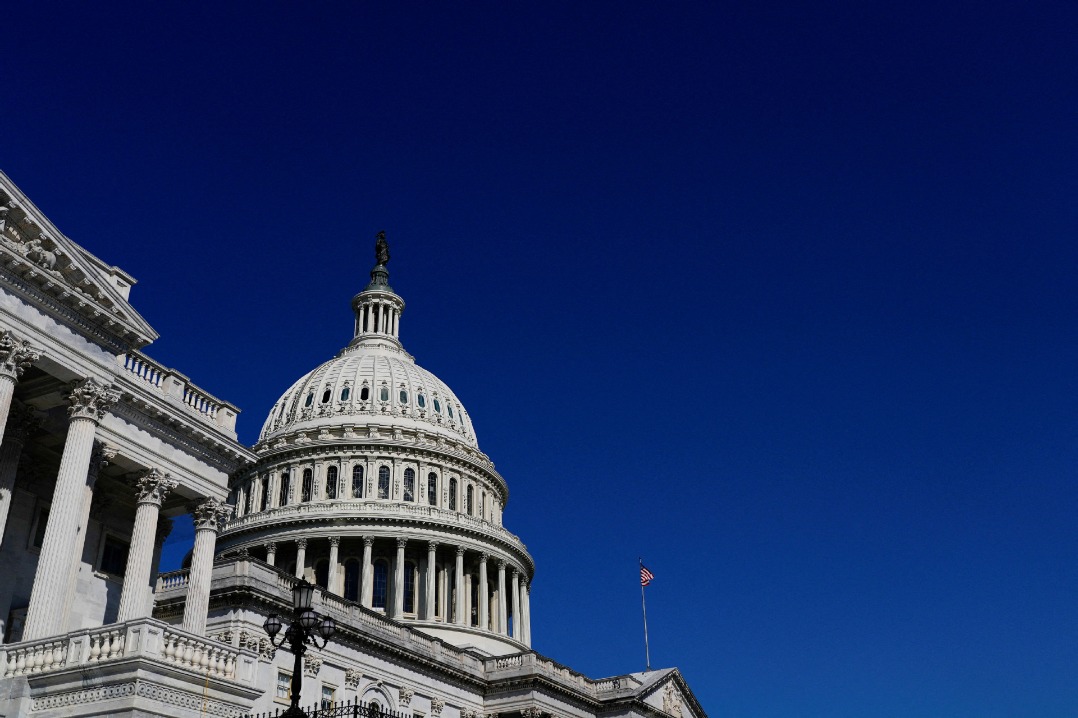
    The resolution may ultimately depend on political and judicial intervention. Anthony emphasizes the critical importance of congressional engagement and pending Supreme Court decisions regarding tariff authority. ‘Everyone is hoping someone else solves the problem,’ he noted, suggesting political calculations may determine whether legislative relief emerges.

  • Under US scrutiny, CATL rolls out new batteries and investment

    Under US scrutiny, CATL rolls out new batteries and investment

    Contemporary Amperex Technology Co Ltd (CATL), the global leader in electric vehicle battery production, has unveiled a series of strategic advancements this week despite increasing geopolitical tensions. The Chinese battery giant announced new European investment initiatives, breakthrough performance data for its ultra-long-life lithium batteries, and a pioneering sodium-ion battery partnership with Changan Auto.

    These developments occur against a backdrop of heightened US regulatory pressure on Chinese battery manufacturers. The US House Select Committee on Strategic Competition recently challenged Ford Motor Company regarding its licensing agreement with CATL, a Department of Defense-designated Chinese military company. This scrutiny focuses on Ford’s plans to repurpose US facilities for lithium iron phosphate (LFP) battery production using CATL’s technology.

    The political concerns stem from a February 2023 agreement where CATL agreed to supply LFP technology for Ford’s $3.5 billion Michigan battery plant. This arrangement has faced sustained examination since the US Defense Department added CATL to its Chinese military companies list in January 2024, citing alleged ties to China’s armed forces.

    Despite these transatlantic headwinds, CATL continues to advance its European localization strategy. The company operates a major German facility, is constructing a large-scale Hungarian factory, and is developing a joint-venture battery project in Spain with Stellantis. This expansion continues despite the EU imposing definitive anti-subsidy duties of 7.8-35.3% on Chinese EVs, though batteries and key components were exempted from additional tariffs.

    Technologically, CATL revealed impressive specifications for its 5C lithium-ion battery, capable of full charging in approximately 12 minutes while enduring about 3,000 full charge-discharge cycles—equivalent to 1.8 million miles of service life. This represents roughly six times the industry average, achieved through denser cathode coatings, self-healing electrolyte additives, and advanced thermal management systems.

    The company’s sodium-ion breakthrough with Changan Auto marks another significant advancement. These batteries deliver over 400 kilometers of range with energy density of 175 watt-hours per kilogram while maintaining more than 90% capacity at extreme temperatures of -40°C. Though bulkier than lithium alternatives, their superior cold-weather performance makes them particularly suitable for northern climates.

    According to industry analyst Zhang Dachuan, “Both the US and Europe have tightened scrutiny of new-energy supply chains over the past two years, and policy resistance facing CATL’s overseas manufacturing plans is clearly rising. Boosting localization rates and strengthening supply-chain resilience have become urgent priorities.”

    CATL maintained its dominant 38% global market share in 2025, followed by BYD (16-17%), with LG Energy Solution (9-10%) as the leading non-Chinese supplier. The company’s continued innovation and strategic expansion demonstrate its determination to maintain technological leadership despite growing geopolitical challenges in the global battery industry.

  • India and US release a framework for an interim trade agreement to reduce Trump tariffs

    India and US release a framework for an interim trade agreement to reduce Trump tariffs

    In a significant diplomatic development, the United States and India have unveiled a comprehensive framework for an interim trade agreement that substantially reduces tariffs on bilateral goods. The agreement emerges as a strategic realignment following months of negotiations centered on energy policy and market access.

    The breakthrough announcement came through a joint statement released by both governments on Friday, detailing reciprocal concessions. The United States will reduce import tariffs on Indian goods from 25% to 18%, while India commits to eliminating or significantly reducing tariffs on American industrial goods and agricultural products. The arrangement specifically excludes sensitive Indian agricultural sectors including maize, wheat, rice, and dairy products—a critical protection for India’s massive agricultural workforce.

    This interim framework represents a carefully negotiated compromise that addresses longstanding trade tensions. President Trump simultaneously revoked separate 25% tariffs imposed on Indian goods last year, signaling a renewed commitment to trade cooperation. The agreement includes provisions for enhanced market access and more resilient supply chains, with both nations expressing commitment to pursue a broader comprehensive trade deal in the future.

    Indian Trade Minister Piyush Goyal highlighted the agreement’s economic benefits, projecting access to the $30 trillion U.S. market for Indian exporters across pharmaceuticals, gemstones, diamonds, and aircraft components. He anticipates the deal will generate hundreds of thousands of new employment opportunities through increased export volumes.

    The agreement follows India’s strategic decision to reduce dependence on Russian crude oil, a move that paved the way for improved trade relations with the United States. Both leaders characterized the partnership as “reciprocal and mutually beneficial,” with Prime Minister Modi acknowledging President Trump’s personal commitment to strengthening bilateral ties.

    Despite government enthusiasm, Indian opposition parties have criticized the arrangement as disproportionately favoring American interests, particularly in sensitive economic sectors. The agreement marks India’s latest in a series of trade advancements, including recent partnerships with the European Union, Oman, and New Zealand.