分类: business

  • RBA governor Michelle Bullock defends interest rate hike as ‘least worst’ option

    RBA governor Michelle Bullock defends interest rate hike as ‘least worst’ option

    Reserve Bank of Australia Governor Michele Bullock has articulated a staunch defense of the central bank’s recent interest rate increase while emphasizing the premature nature of assessing the Iran conflict’s potential economic ramifications. Speaking at the AFR Business Summit in Sydney, Bullock addressed the delicate balance confronting monetary policymakers amidst escalating geopolitical tensions.

    Bullock underscored the complex dynamics at play, noting that while supply-side disruptions from the Middle East conflict could exacerbate inflationary pressures, prolonged energy market volatility might simultaneously dampen global economic activity. “A supply shock could, for instance, amplify inflation pressures, and we remain highly vigilant regarding potential inflation expectations,” Bullock stated. “Conversely, sustained energy market disruptions could adversely affect global economic growth, potentially creating downward pressure on inflation. The ultimate outcome remains uncertain.”

    The geopolitical backdrop intensified over the weekend as coordinated US-Israeli operations targeted Iranian leadership, including Supreme Leader Ayatollah Ali Khamenei and numerous senior officials. This military escalation triggered immediate oil price volatility, with crude surging 15.13% to $US77.44 per barrel initially, followed by further increases to $US82.37 in subsequent trading.

    Regarding domestic monetary policy, Bullock explicitly dismissed assumptions that interest rates would remain unchanged following the March 16-17 meeting. She justified February’s 25 basis point hike to 3.85% – which reversed three 2025 rate cuts – as the “least worst option” for long-term household stability. Bullock warned that delaying action risked entrenching inflation above the RBA’s 2-3% target band, potentially necessitating more aggressive future tightening with severe labor market consequences.

    Current economic metrics reveal headline inflation at 3.8% annually to January, while the trimmed mean measure excluding volatile items stood at 3.4%. With unemployment at a tight 4.1%, Bullock emphasized the board would evaluate moves beyond quarterly cycles, stating: “I discourage expectations that we necessarily only move every quarter.”

    The Governor highlighted inflation’s corrosive impact on household welfare, noting it forces difficult choices regarding education expenditures and healthcare delays. She identified structural challenges including suppressed productivity growth and a revised assessment of the economy’s supply potential relative to underlying demand, concluding that inflationary pressures would persist until these imbalances resolve.

  • European gas prices soar as Iran strikes close Saudi and Qatari oil and LNG sites

    European gas prices soar as Iran strikes close Saudi and Qatari oil and LNG sites

    Global energy markets faced severe disruption as Iranian retaliatory strikes prompted multiple Middle Eastern nations to suspend critical energy operations, causing European gas prices to skyrocket by nearly 50 percent. The escalating regional conflict has triggered precautionary shutdowns across the energy sector, affecting everything from Saudi refineries to Qatari liquefied natural gas facilities.

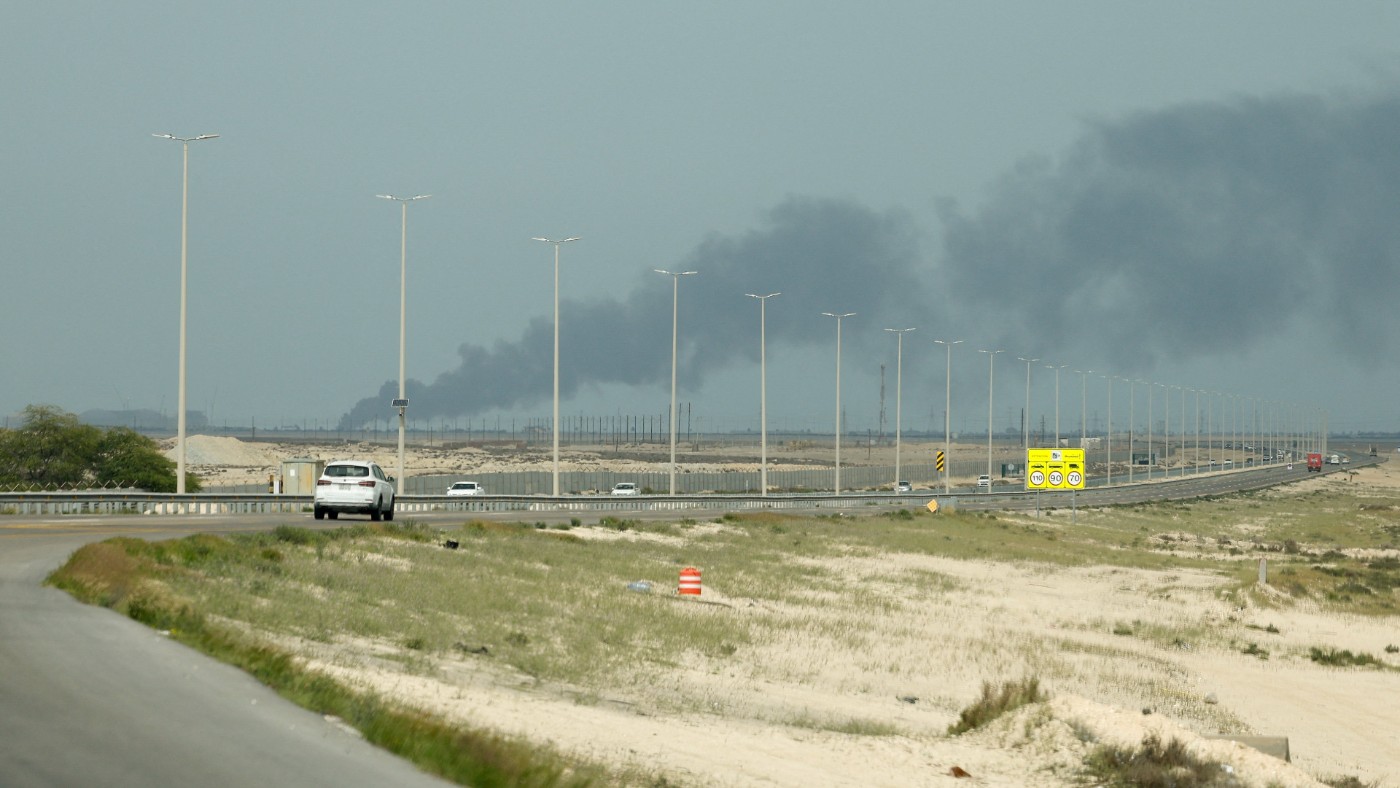
    Saudi Arabia’s state-owned energy giant Aramco initiated emergency protocols at its Ras Tanura refinery complex following drone strikes that ignited fires at the facility. This critical infrastructure, processing 550,000 barrels per day and serving as a major export terminal, represents a cornerstone of Saudi Arabia’s oil export capabilities.

    Simultaneously, Qatar Energy, the world’s largest LNG producer, announced complete suspension of operations after Iranian drones struck energy facilities in the industrial cities of Ras Laffan and Mesaieed. The shutdown affects 14 liquefied natural gas trains with a combined annual production capacity of 77 million tonnes, severely impacting global gas supplies from the world’s largest LNG export hub.

    The production halts extended beyond the Arabian Peninsula, with companies in Iraqi Kurdistan including DNO ASA, Gulf Keystone Petroleum, Dana Gas and HKN Energy ceasing output at their fields as a precautionary measure. These developments occurred despite no reported damage to facilities.

    Israel escalated the regional energy shutdown by instructing Chevron to temporarily close its massive Leviathan gas field, where expansion projects were underway to increase capacity to approximately 21 billion cubic meters annually as part of a $45 billion export agreement with Egypt.

    The market impact was immediate and severe, with oil prices surging 13 percent to exceed $82 per barrel—the highest since January 2025. The price spike coincided with shipping disruptions through the Strait of Hormuz, where approximately 20 percent of global oil shipments transit. Maritime data revealed at least 150 vessels, including oil and LNG tankers, had anchored in the strait and surrounding waters amid security concerns.

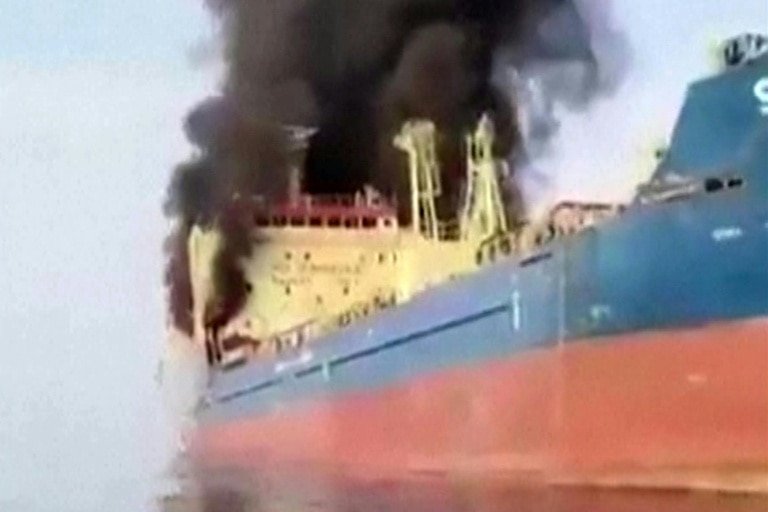
    The shipping crisis intensified with reports of direct attacks on commercial vessels. A Marshall Islands-flagged product tanker suffered a projectile strike off Oman’s coast, resulting in one crew member fatality. Two additional tankers sustained damage, while a Gibraltar-flagged bunkering tanker was similarly attacked near UAE waters.

    These security incidents prompted marine insurers to cancel war risk coverage for vessels operating in the region, with analysts predicting further increases in oil shipping rates. Iran has denied targeting energy infrastructure, despite explosions reported at its Kharg Island facility, which processes approximately 90 percent of the country’s crude exports.

    The production suspensions involve three of OPEC’s most significant members, with Iran representing the organization’s third-largest producer accounting for 4.5 percent of global supplies, while Saudi Arabia remains the cartel’s dominant producer.

  • €400m weight loss tablet factory to be built in Ireland

    €400m weight loss tablet factory to be built in Ireland

    Danish pharmaceutical giant Novo Nordisk has announced a major €400 million (£350 million) investment to upgrade its manufacturing facility in Athlone, County Westmeath, Republic of Ireland. This strategic move will enable the production of tablet versions of its blockbuster weight-loss medication Wegovy, marking a significant expansion beyond the currently available injectable form.

    The investment represents a pivotal shift in obesity treatment delivery methods. While Wegovy and similar GLP-1 receptor agonist drugs have traditionally been administered via injection, the tablet formulation offers patients an alternative delivery method. The oral version of Wegovy received regulatory approval in the United States in January 2024 and is anticipated to gain approval in other global markets shortly.

    Kasper Bødker Mejlvang, Executive Vice President at Novo Nordisk, characterized the development as “a historic milestone which marks our continued commitment to Ireland and our highly skilled employees in Athlone.” Construction activities have already commenced at the Athlone site and are projected to continue through 2028. The facility will specifically manufacture tablets for markets outside the United States.

    This expansion occurs against a backdrop of intensifying competition in the weight-loss pharmaceutical sector. Ireland already serves as a major manufacturing base for Novo Nordisk’s primary competitor, Eli Lilly, which produces active pharmaceutical ingredients for its Mounjaro and Zepbound medications at its Kinsale, County Cork facility. These ingredients are subsequently air-freighted to the United States, making Eli Lilly one of Ireland’s most significant exporters.

    Both Wegovy and Mounjaro function as appetite suppressants by mimicking the GLP-1 hormone that induces feelings of fullness, with Mounjaro additionally affecting metabolism and energy balance regulation. Treatment typically begins with low doses that are gradually increased until patients reach a maintenance dosage, always accompanied by healthier eating and exercise programs when prescribed in the UK.

    The investment decision follows recent job cuts at Novo Nordisk, reflecting the company’s strategic response to growing market competition and impending patent expirations that could affect its product portfolio.

  • Energy prices surge as tanker disruptions, facility shutdowns, rattle global supply

    Energy prices surge as tanker disruptions, facility shutdowns, rattle global supply

    Global energy markets experienced significant volatility Monday as escalating Middle East tensions triggered substantial disruptions to maritime traffic through the strategically vital Strait of Hormuz. Benchmark crude indices surged dramatically, with U.S. oil climbing 8% to $72.40 per barrel and international standard Brent crude rising 8.8% to $79.30 per barrel. The price movements came as satellite navigation systems experienced widespread interference and multiple vessels reported attacks in the region.

    The energy shock extended beyond oil markets, with European natural gas futures skyrocketing over 40% following QatarEnergy’s announcement that it would halt liquefied natural gas production due to the ongoing conflict. This development poses particular concern for European nations already grappling with energy security challenges following the reduction of Russian pipeline gas.

    Maritime authorities confirmed several security incidents, including a drone boat attack on a Marshall Islands-flagged tanker in the Gulf of Oman that resulted in one casualty. Simultaneously, Saudi defenses intercepted Iranian drones targeting the critical Ras Tanura oil refinery near Dammam, prompting precautionary shutdowns of facility operations.

    Market analysts emphasized the Strait of Hormuz’s indispensable role in global energy logistics, with approximately 20% of worldwide oil supply transiting through this narrow passage. Despite existing pipeline infrastructure that bypasses the strait, Saudi Arabia, Iraq, and the United Arab Emirates remain heavily dependent on tanker traffic for exporting their hydrocarbon production.

    The price surge arrives as U.S. consumers already face increasing gasoline costs, with the national average approaching $3 per gallon ahead of the summer driving season. Economists warn that sustained oil price increases could add 0.5 percentage points to European consumer prices, potentially complicating central banks’ inflation management strategies.

    Market observers suggest the current price spike incorporates substantial risk premium, with further escalation contingent on the conflict’s duration and potential expansion to additional energy infrastructure. The coming weeks will likely determine whether these price movements represent temporary volatility or the beginning of more persistent energy market disruption.

  • Energy prices soar, stock markets slide on Iran war fallout

    Energy prices soar, stock markets slide on Iran war fallout

    Financial markets worldwide experienced significant turbulence on Monday following a dramatic escalation of military conflict in the Middle East. The commencement of U.S. and Israeli strikes against Iran over the weekend triggered a chain reaction across global economies, with energy commodities surging while equity markets faced substantial declines.

    The energy sector witnessed remarkable gains as Brent crude oil futures climbed 8.0 percent to reach $78.65 per barrel, while West Texas Intermediate increased by 7.5 percent to $72.02. European natural gas prices experienced an even more dramatic surge, skyrocketing over 20 percent amid growing concerns about potential disruptions to Middle Eastern energy supplies. This price surge generated substantial gains for energy corporations globally, with Australia’s Woodside Energy jumping more than six percent, while industry giants including PetroChina, TotalEnergies, and Shell recorded gains between three and four percent.

    Conversely, global stock markets faced considerable pressure as investors shifted capital toward traditional safe-haven assets. Major European indices including London’s FTSE 100, Paris’s CAC 40, and Frankfurt’s DAX all registered declines between 0.8 and 1.7 percent. Asian markets mirrored this trend, with Tokyo’s Nikkei 225 and Hong Kong’s Hang Seng Index dropping 1.4 and 2.1 percent respectively. The flight to safety bolstered both the U.S. dollar, which gained nearly one percent against the British pound, and gold, which advanced 2.1 percent to $5,389.5 per ounce.

    The transportation sector emerged as one of the most severely affected industries, with airline stocks suffering substantial losses. Carriers including Qantas, Singapore Airlines, and British Airways owner IAG each declined approximately five percent, while Air France-KLM plummeted more than eight percent in Paris trading following widespread flight cancellations to and from the Middle East.

    Market analysts expressed concern about the potential for prolonged economic repercussions. Susannah Streeter, chief investment strategist at Wealth Club, observed that ‘investors are scuttling towards safe havens, seeking shelter as conflict widens in the Middle East.’ Economists warned that sustained energy price increases could generate stickier headline inflation, potentially complicating monetary policy decisions for central banks worldwide.

    Eric Dor, economist at the IESEG School of Management in Paris, highlighted the broader economic implications: ‘Rising energy prices, increased shipping costs and loss of revenue for air transport could have a harmful effect on growth. If it’s a matter of three days, it’s not serious. But if it’s over a longer period, then it will have an additional recessionary effect.’

    The strategic Strait of Hormuz, through which approximately 20 percent of global seaborne oil passes, has effectively shut down with several ships reportedly attacked, creating additional supply chain concerns. While oil-importing nations maintain strategic reserves—with OECD members required to stockpile 90 days’ worth—analysts cautioned that prices exceeding $100 per barrel remain a distinct possibility if disruptions persist.

  • Malaysia renews Lynas Rare Earths’ license for 10 years, orders end to radioactive waste by 2031

    Malaysia renews Lynas Rare Earths’ license for 10 years, orders end to radioactive waste by 2031

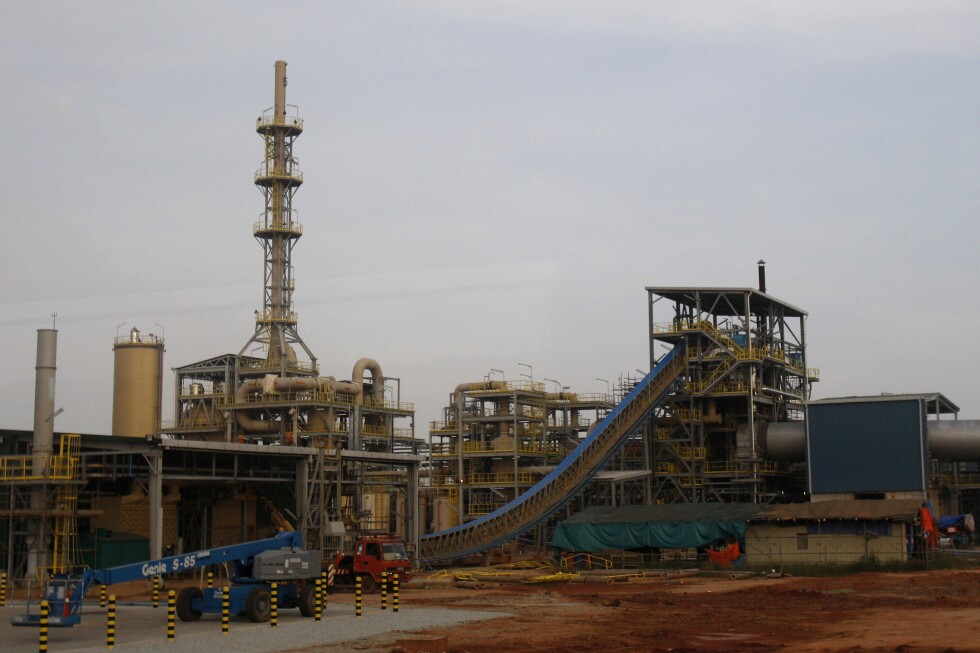
    KUALA LUMPUR, Malaysia — In a decisive move balancing economic interests with environmental concerns, the Malaysian government has extended Australian mining giant Lynas Rare Earths’ operational license for a decade while imposing stringent conditions requiring complete cessation of radioactive waste production by 2031.

    The Lynas refinery, strategically significant as the first major rare earths processing facility outside China, has operated in Pahang state since 2012. The facility has faced sustained opposition from environmental groups concerned about accumulated radioactive byproducts.

    Science Minister Chang Lih Kang announced the conditional renewal Monday, emphasizing that all radioactive waste generated within the next five years must undergo thorough treatment and neutralization through thorium extraction or equivalent methodologies. The minister explicitly prohibited establishment of new permanent disposal facilities beyond the one currently under construction, scheduled for completion by year-end.

    The license validity extends until March 2036, subject to mandatory review after five years. Minister Chang clarified that violation of any conditions would result in immediate revocation of operating privileges.

    Environmental organizations have persistently advocated for exportation of radioactive waste, arguing that mechanically and chemically processed thorium and uranium compounds present heightened hazards compared to their natural states.

    Lynas has been allocated a five-year period to retrofit existing infrastructure and scale operations under what officials describe as an accelerated yet firm timeline. Laboratory testing has demonstrated promising results in radiation neutralization through thorium extraction, though industrial-scale implementation typically requires seven to ten years of development.

    “We remain steadfast in our commitment to prevent radioactive waste accumulation in Malaysia. This license renewal establishes a clear pathway to achieve complete compliance by 2031,” Minister Chang stated.

    The approval followed comprehensive technical evaluation that incorporated Malaysia’s strategic economic interests and binding commitments from Lynas. Rare earth minerals—17 elements critical for manufacturing electric vehicles, defense systems, electronics, and green technologies—are predominantly controlled by China, which holds near-monopoly status despite possessing only one-third of global reserves.

    Lynas estimates its Malaysian operations could supply nearly 30% of worldwide rare earth demand excluding China. The shadow of Malaysia’s previous rare earth facility looms large—Mitsubishi Group’s Perak state refinery, closed in 1992 after being linked to birth defects and leukemia cases, remains one of Asia’s most extensive radioactive cleanup sites.

  • Tariff pain to stay despite court ruling

    Tariff pain to stay despite court ruling

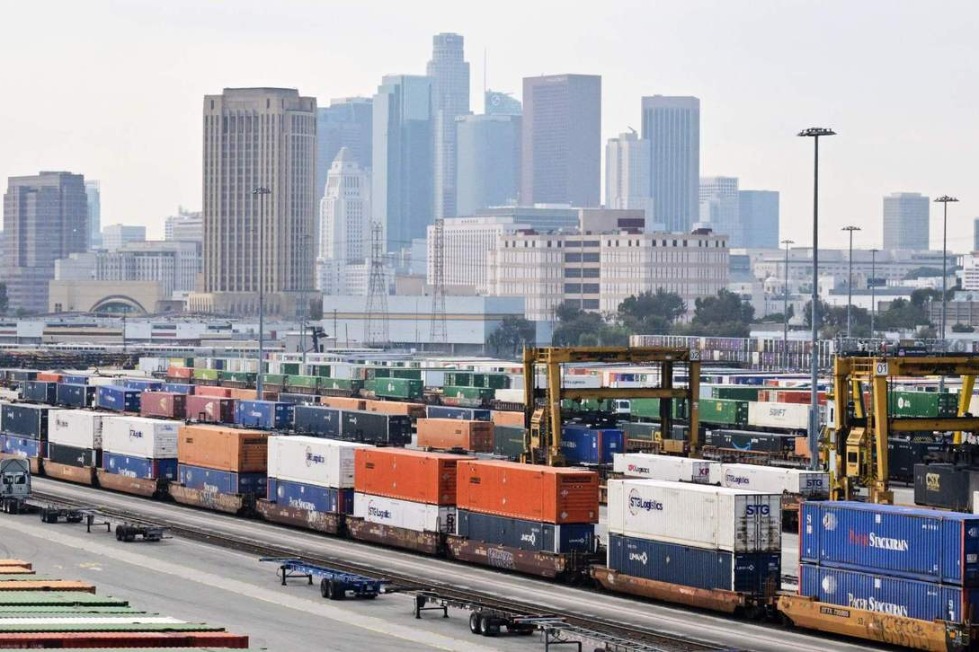
    In a significant legal development, the US Supreme Court’s February 20 ruling struck down President Donald Trump’s utilization of emergency powers to implement sweeping tariffs, yet economic experts warn that relief for importers and consumers will prove temporary at best. The court’s decision specifically invalidated the administration’s application of the International Emergency Economic Powers Act (IEEPA) as justification for broad-based tariffs affecting imports from numerous countries.

    Patrick T. Childress, a former Office of the United States Trade Representative official and current partner at Holland & Knight, characterized the ruling as a substantial reconfiguration of presidential tariff authorities. While acknowledging the decision as a setback for rapid, large-scale tariff implementation, Childress noted the administration’s swift pivot to Section 122 of the 1974 Trade Act, implementing temporary tariffs of 10-15% for up to 150 days while initiating multiple Section 301 investigations to establish permanent, country-specific measures without rate limitations.

    Elena Patel, co-director of the Urban-Brookings Tax Policy Center, revealed that the invalidated IEEPA tariffs represented what the Congressional Budget Office estimated as a $3 trillion tax increase, with over $130 billion already collected. Patel emphasized that the ruling reaffirmed Congress’s constitutional authority over taxation, though delegated powers under Sections 301 and 232 remain available to the executive branch.

    Dartmouth College economics professor Douglas Irwin welcomed the court’s decision as a necessary check on executive overreach, warning that ignoring constitutional limitations on taxation could yield catastrophic consequences. Meanwhile, trading partners continue to view US trade policy as unpredictable, with many Asian economies advancing regional agreements like the CPTPP following the US withdrawal from the TPP in 2017.

    Emily J. Blanchard of Dartmouth’s Tuck School of Business emphasized that the ruling materially impacts business expectations, potentially causing firms to adjust sourcing strategies and reconsider long-term investments. Tariffs continue to mechanically increase living costs while simultaneously hampering economic activity and complicating reshoring objectives.

    Despite the legal setback, President Trump reaffirmed tariffs as essential for revitalizing US manufacturing and reducing trade deficits during his recent State of the Union address, signaling continued adherence to protectionist trade policies regardless of judicial opposition.

  • Firms eye CIIE for China opportunities

    Firms eye CIIE for China opportunities

    Australian specialty producers are positioning themselves to capitalize on China’s vast consumer market through strategic participation in the upcoming China International Import Expo (CIIE), demonstrating growing confidence in bilateral trade relations despite global economic headwinds.

    Dale Williams, founder of Tasmania-based Eden Whisky, represents the growing cohort of boutique Australian manufacturers leveraging China’s market opening. “Having already introduced our whiskey to China with overwhelmingly positive reception and complete sell-through, the timing appears optimal for expanded market penetration,” Williams noted during a recent Sydney briefing for prospective CIIE participants.

    The distiller emphasized the critical importance of sustained commercial ties between the two nations, stating: “China remains our paramount trading partner, with our national prosperities fundamentally interconnected. Reciprocal market accessibility proves essential within the current global economic landscape, fostering peaceful international relations and mutually advantageous commerce.”

    Scheduled for November in Shanghai, the ninth installment of the CIIE continues to generate substantial anticipation among international businesses seeking access to China’s consumer base. Event organizers deliberately selected Australia as the inaugural destination for their global promotional tour following the Spring Festival, signaling the importance placed on Australian participation.

    Li Guoqing, Deputy Director-General of the CIIE Bureau, highlighted the event’s resilience amid global trade disruptions: “Despite recent challenges in international commerce, CIIE engagement has consistently expanded. Over eight previous expositions, we’ve hosted more than 26,000 premier enterprises, demonstrating our commitment to transforming China’s substantial market potential into tangible purchasing power.”

    Queensland’s trade delegation reported exceptional outcomes from previous participation. Anna Fedeles, General Manager of International Operations at Trade and Investment Queensland, revealed: “Our previous CIIE involvement constituted an extraordinary success, representing the largest international delegation ever dispatched by Queensland. More than 110 representatives from over 50 enterprises participated through diverse activities including premium agricultural exhibitions and professional livestream sales initiatives.”

    Financial institutions are reinforcing their support frameworks for cross-border trade. Bank of China’s Sydney Branch General Manager Li Mang identified Australia’s competitive advantages in “agriculture, food resources, energy, healthcare, education, and professional services—sectors demonstrating strong alignment with evolving Chinese market demands.” Meanwhile, Industrial and Commercial Bank of China’s Sydney operations will provide comprehensive financial solutions encompassing exhibition promotion, business matching, and cross-border settlement services.

    This collaborative ecosystem continues to facilitate Australian market entry, with financial bridges enabling enterprises to navigate RMB transactions and trade financing while supporting the sustained development of Sino-Australian economic relations.

  • Oil shock after Middle East tensions could force Reserve Bank to pause interest rates

    Oil shock after Middle East tensions could force Reserve Bank to pause interest rates

    Escalating geopolitical conflicts in the Middle East are creating a complex dilemma for Australia’s Reserve Bank, potentially forcing monetary policymakers to maintain current interest rates even as rising oil prices threaten to push inflation higher. The recent spike in crude prices to four-year highs has introduced unprecedented uncertainty into global energy markets, directly impacting Australia’s economic outlook.

    Financial experts reveal that while elevated oil prices typically drive inflationary pressures, they simultaneously function as an indirect tax on consumer spending that can precipitate economic slowdowns. This dual-effect phenomenon presents central bankers with contradictory signals when determining appropriate monetary policy responses.

    BetaShares Chief Economist David Bassanese emphasized that current Middle Eastern instability would likely prompt the RBA to adopt a wait-and-see approach. “The central bank would assess the macroeconomic effects, which present a mixed picture—inflation increases while economic activity decreases,” Bassanese explained. “This heightened uncertainty typically encourages policymakers to remain on the sidelines, increasing inertia in their decision-making process regardless of previous stances.”

    The RBA’s current official cash rate stands at 3.85% following a series of rate adjustments throughout 2025 and 2026. Earlier this year, economists had predicted further rate hikes, though consensus on timing remained divided, with some anticipating increases as early as May.

    AMP Chief Economist Shane Oliver provided historical context, noting that oil price surges have frequently preceded global economic downturns, including the mid-1970s recession, early 1980s contraction, and even the Global Financial Crisis. “While not necessarily the primary driver of these recessions,” Oliver observed, “energy price increases effectively function as a consumption tax that reduces disposable income and dampens economic activity.”

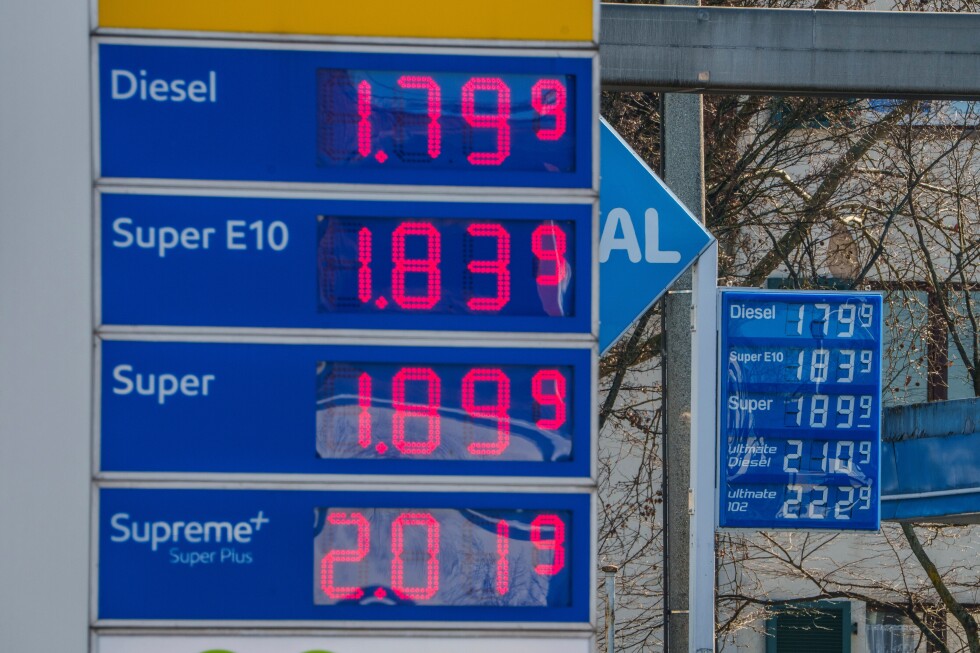
    Current oil markets have witnessed dramatic fluctuations, beginning 2026 at $56 per barrel before soaring to $75 following recent Middle Eastern conflicts—a 13% single-day surge. Oliver calculated that each $1 per barrel increase translates to approximately one cent per liter at Australian fuel pumps, meaning a return to $100+ oil prices could cost motorists an additional 40 cents per liter within days.

    Beyond direct impacts on transportation costs, sustained oil price increases would affect multiple sectors including aviation and logistics, creating broader inflationary effects throughout the economy. Although fuel directly accounts for approximately 3% of Australia’s inflation measurement, prolonged price elevations would generate significant indirect impacts that could reshape the RBA’s monetary policy trajectory in coming months.

  • Maersk suspends vessel transit through Strait of Hormuz

    Maersk suspends vessel transit through Strait of Hormuz

    In a significant escalation of maritime security concerns, global shipping giant Maersk has suspended all vessel transits through the strategically vital Strait of Hormuz and the Bab el-Mandeb Strait leading to the Suez Canal. The Danish container shipping company announced the precautionary measure Sunday following declarations from Iran’s Revolutionary Guards that the strait was closed and multiple security incidents reported in the region.

    The decision comes as part of a broader industry response to heightened risks, with Maersk stating that ‘the safety of our crews, vessels and customers’ cargo remains our key priority.’ The company has implemented rerouting strategies that will send vessels around the Cape of Good Hope at Africa’s southern tip, adding substantial distance and time to traditional shipping routes between Europe and Asia.

    Simultaneously, Maersk has temporarily closed its regional offices in the United Arab Emirates, Qatar, and Oman as a security precaution. The shipping conglomerate joins other major industry players including MSC, Hapag-Lloyd, and CMA CGM in implementing similar safety measures across the affected waterways.

    The security situation intensified Sunday with reports from Omani state media indicating an oil tanker off its coast had been targeted, resulting in injuries to four crew members. Separately, the United Kingdom Maritime Trade Operations Centre documented another vessel near the UAE coast reporting impact ‘by an unknown projectile causing a fire.’

    International Maritime Organization Secretary-General Arsenio Dominguez issued a statement urging ‘maximum caution’ among shipping companies and recommending vessels avoid the affected region ‘until conditions improve.’ The collective industry response underscores the critical nature of these waterways, with the Strait of Hormuz alone facilitating nearly a quarter of global seaborne oil shipments alongside substantial commercial cargo volumes.