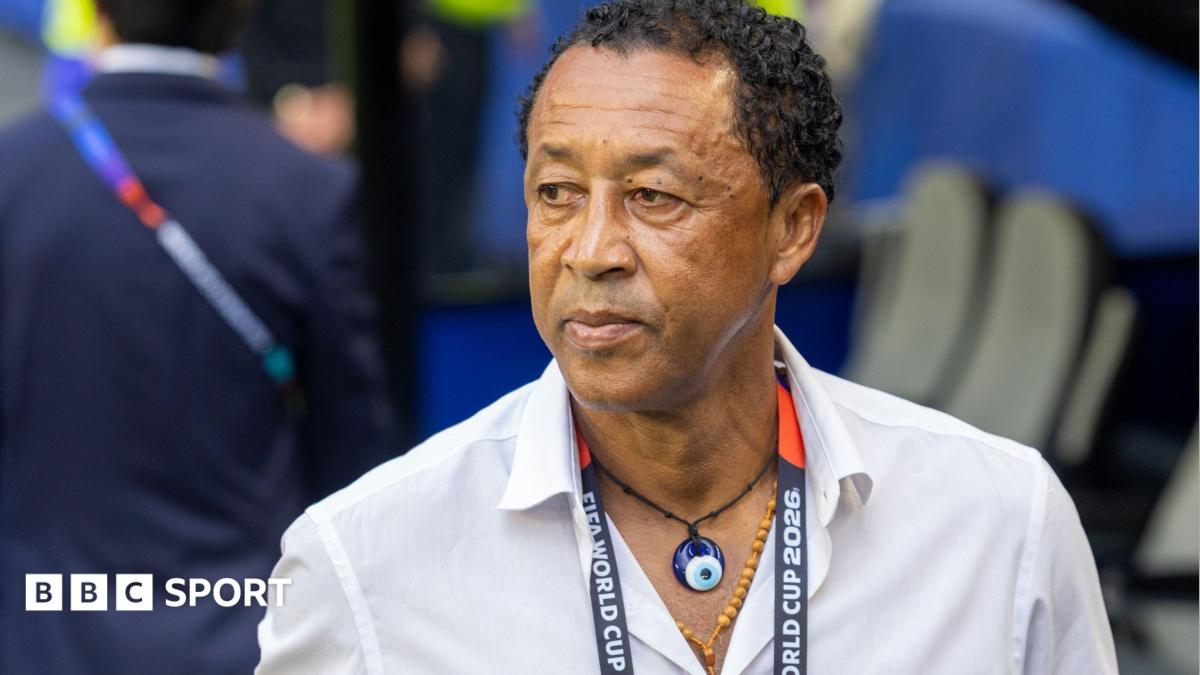
In a move that has shaken African football following the historic 2026 FIFA World Cup, Cape Verde’s trailblazing head coach Bubista has stepped down from his role with the national side to take up a two-year contract at Moroccan top-flight club RS Berkane. The 56-year-old leaves behind a transformative legacy for the small island nation, after leading them to their first ever World Cup qualification and an unforgettable debut run that captured global attention.
Taking charge of Cape Verde, nicknamed the Blue Sharks, in January 2020, Bubista steadily built a side that exceeded all expectations. He first guided the team to a surprise quarter-final finish at the 2023 Africa Cup of Nations, before masterminding their 2026 World Cup qualification, which saw them edge out regional powerhouse Cameroon to book their spot in the global finals. At the tournament, their giant-killing run continued into the last 32, where they pushed eventual runners-up Argentina all the way, ultimately suffering a narrow 3-2 defeat after extra time. That underdog run cemented their place as the feel-good story of the 2026 finals.
Bubista’s new role at RS Berkane sees him replace Moin Chaabani, who departed the north-east Moroccan club last month to take up the vacant head coach position with Tunisia’s national team. While RS Berkane is not counted among Morocco’s traditional elite clubs, it has emerged as a dominant force in African football in recent seasons. The club claimed its first ever Moroccan top-flight league title in the 2024-25 season, and has lifted the CAF Confederation Cup — Africa’s second-tier continental club competition — on three separate occasions. The club has also drawn international controversy before, most notably in 2024 when it wore shirts displaying a map of Morocco that included the disputed territory of Western Sahara during a Confederation Cup match.
The Cape Verde Football Federation has publicly acknowledged Bubista’s contributions to the national program, releasing a statement thanking him for his “dedication, professionalism, and contribution to the development of the national team’s sporting project” and wishing him well in his new role.
Bubista’s departure is far from an isolated case: he is the latest head coach to exit one of the 10 African nations that competed at the 2026 World Cup. The wave of changes began earlier this week when Vladimir Petkovic and Algeria mutually agreed to part ways, just months after the 62-year-old Bosnian extended his contract with the Desert Foxes through to 2028. Algeria exited the tournament in the last 32 following a defeat to Switzerland.
In West Africa, both Ivory Coast and South Africa have declined to renew the contracts of their head coaches Emerse Fae and Hugo Broos respectively, with both deals expiring at the end of July. Senegal made a quicker change, sacking Pape Thiaw immediately after the team’s dramatic last-32 exit against Belgium, with the federation justifying the decision as being “in the best interests of Senegalese football”. Former France international Patrick Vieira has already been linked with the vacant role.
Tunisia’s coaching change has already been finalized, with Chaabani penning a four-year deal last month. He replaced Herve Renard, who stepped in mid-campaign after Sabri Lamouchi was sacked following a 5-1 qualifying defeat to Sweden.
Finally, Ghana’s future remains unresolved. Carlos Queiroz led the Black Stars to the last 32, where they suffered a narrow 1-0 defeat to Colombia. Queiroz publicly announced his departure on social media shortly after the elimination, though the Ghana Football Association says internal discussions about the role are still ongoing.