Against a backdrop of worsening U.S.-Canada relations and growing politicization of academic research in the United States, Canada is successfully recruiting dozens of leading academic researchers from top American universities through a generous new federal funding initiative, with climate science and medical research among the key focus areas.
Out of 64 international researchers moving to Canadian institutions under the program, 48 — more than three-quarters of the total cohort — hail from U.S. universities, including elite institutions such as Harvard University. The initiative allocates a total of C$504 million (equivalent to roughly $362 million) to support researchers working in high-priority fields ranging from climate change adaptation to cutting-edge medical research.
The shift of academic talent comes as the Donald Trump administration has taken multiple steps that have created widespread uncertainty for U.S.-based researchers. The administration has repeatedly criticized U.S. universities for what it claims is a dominance of left-wing ideology, and has accused institutions of failing to address alleged antisemitism on campus. It has also frozen billions in federal research funding for a range of programs it deems wasteful, creating an unstable funding landscape that has pushed many scholars to seek opportunities abroad.
This talent migration unfolds alongside an escalating U.S.-Canada trade war, which recently hit a major turning point amid new tariff disputes. As tensions rise, Canada has taken an increasingly assertive stance on the global stage, positioning itself as a welcoming alternative for scholars locked out of stable funding in the U.S.
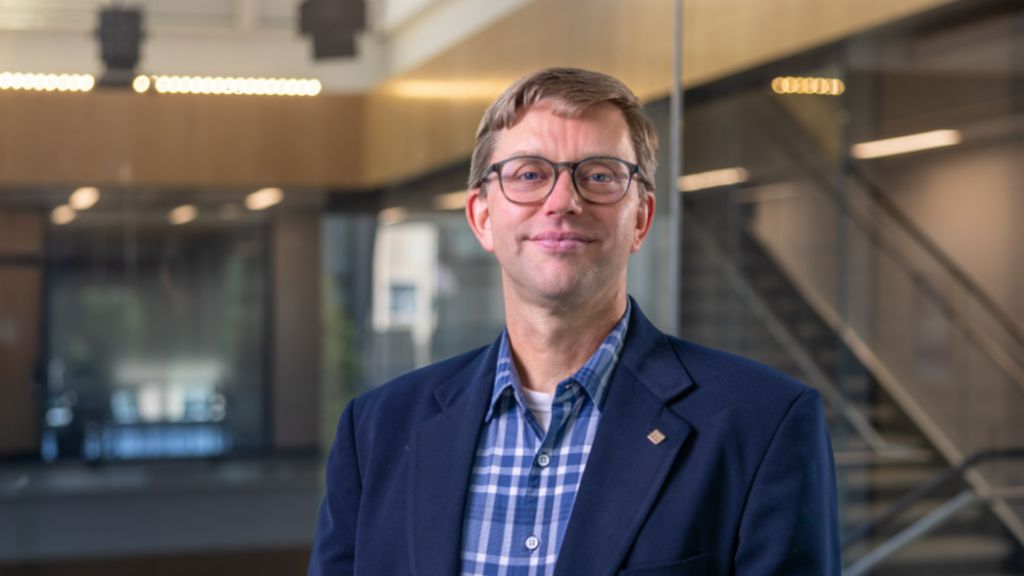
Seth Guikema, a leading climate resiliency researcher currently based at the University of Michigan who will join the University of Western Ontario, is one of the many scholars making the move. Guikema explained that he began reaching out to Canadian institutions last year, frustrated by the growing challenges facing climate-related research in the U.S. “The funding environment in the U.S. for anything related to climate and resilience has become challenging,” he said. “I was looking for a good intellectual home where I could have practical impact.” Over the next eight years, Guikema will use C$8 million in program funding to develop new tools for improving community preparedness for natural hazards including extreme storms and wildfires. The University of Michigan declined to provide comment on his departure.
Another high-profile recruit is Peter Caravan, a biopharmaceutical researcher who spent 20 years on the faculty at Massachusetts General Hospital and Harvard Medical School. Caravan, who will now continue his work on early detection of cancer and chronic diseases at the University of British Columbia in Vancouver, spoke emotionally at a press conference announcing the new appointments this week. Some recruits like Caravan and Guikema are U.S.-born scholars, while others are Canadian academics who built their careers abroad and are now returning to their home country.
Academics across the U.S. have cited the Trump administration’s policies as the core driver of this brain drain. Steven Lamy, a professor of international relations at the University of Southern California, noted that major U.S. grant agencies “have been cut and politicised” by the current administration, making offers from foreign universities far more appealing than they once were. Stephanie Burt, an English professor at Harvard University, called the ongoing funding cuts “a generational disaster for science and scientists,” adding that Canada offers a “far more welcoming environment” for academic work.
While U.S. universities still top global rankings — with MIT, Stanford, and Harvard holding three of the top five spots in the 2026 QS World University Rankings — higher education leaders warn that the long-term impact of current policies could severely damage U.S. research leadership. Lynn Pasquerella, president of the American Association of Colleges and Universities, said member institutions feel “helpless” in the face of widespread federal and state funding cuts. “The deeper concern is not the short-term brain drain,” she explained, “but the possibility that the U.S. could become less attractive as a place to pursue knowledge.”
Canadian officials have pushed back against suggestions that the program amounts to deliberate talent poaching that could further escalate bilateral tensions. “The US administration is taking its own decisions and we’re taking ours,” Industry Minister Melanie Joly told reporters this week, adding that the Canadian government is “very glad that these fantastic professors are coming.”