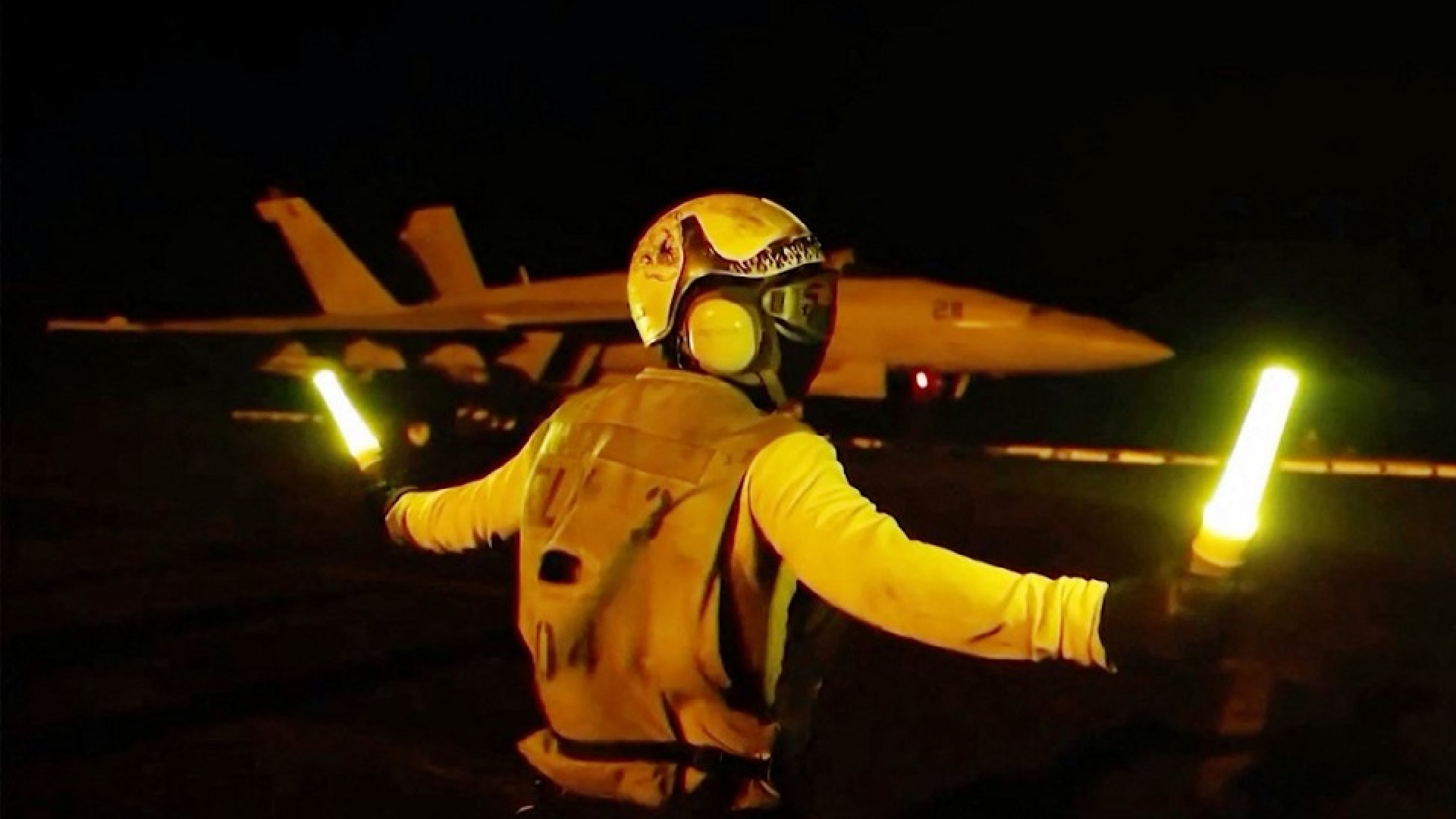
In a move that continues the policy set by his predecessor Keir Starmer, British Prime Minister Andy Burnham has formally approved the United States’ use of several UK military bases to carry out what the government characterizes as “defensive” air strikes against Iran, Bloomberg News reported Wednesday.
The decision traces back to a high-level meeting convened by Starmer this past Friday, where senior cabinet ministers and national security officials reached a provisional agreement to maintain access for US aircraft at two key facilities: the Indian Ocean base at Diego Garcia and RAF Fairford, a major air force installation in Gloucestershire. Multiple sources with direct knowledge of the meeting shared details with Bloomberg on condition of anonymity.
After being fully briefed on the meeting’s outcome and the proposed policy, Burnham endorsed the arrangement, confirming he intends to uphold Starmer’s framework for the duration of the US’s expanded military operations against Iranian targets.
The approval comes as US air bombardment of Iranian targets has entered its 11th consecutive night. Iranian state media has reported large explosions across multiple population centers, including the cities of Bushehr, Tabriz, Chabahar, as well as areas in the western provinces of Kurdistan and Ilam. US Central Command (Centcom), which oversees US military operations in the Middle East, has stated the strikes are targeting Iranian operations centers, logistics hubs, maritime capabilities, aircraft hangars and drone storage sites.
Tehran has responded to the ongoing US attacks with retaliatory strikes targeting US-allied nations in the region, including Jordan, Bahrain, Syria and Kuwait.
Burnham’s green light for continued base access is already expected to trigger significant political and public pushback in the UK. Human rights organizations have previously warned that granting the US permission to launch strikes from British territory could violate longstanding international law standards.
Starmer first outlined his original policy in early March, framing the base access as exclusively for defensive operations. He later expanded the agreement to allow US strikes launched from UK bases to target Iranian sites connected to activity around the Strait of Hormuz, justifying the move under the legal framework of “collective self-defense” for US-aligned Gulf states.
Yasmine Ahmed, UK director at Human Rights Watch, issued a formal letter to the prime minister pointing out that the British government’s legal justification for the policy fails to address core obligations under international humanitarian law (IHL). Ahmed referenced multiple high-profile incidents that have raised questions about US compliance with IHL, most notably a February 28 air strike on the Shajareh Tayyebeh primary school in Minab, a southern Iranian city, carried out at the opening of the US-Israeli joint assault. The attack killed more than 150 people, the vast majority of them children, and a preliminary Pentagon investigation confirmed the US military was responsible for the incident.
Burnham’s confirmation of the policy comes just days after he held a telephone conversation with former US President Donald Trump. A public readout from the UK prime minister’s office stated that during the call, Burnham “outlined the UK’s commitment to securing the movement of shipping in the Strait of Hormuz.” In a post to his Truth Social platform following the call, Trump wrote that the discussion covered topics including North Sea oil, bilateral trade, the US-UK military alliance, and demining operations in the Strait of Hormuz, noting that the talks “went very well.”