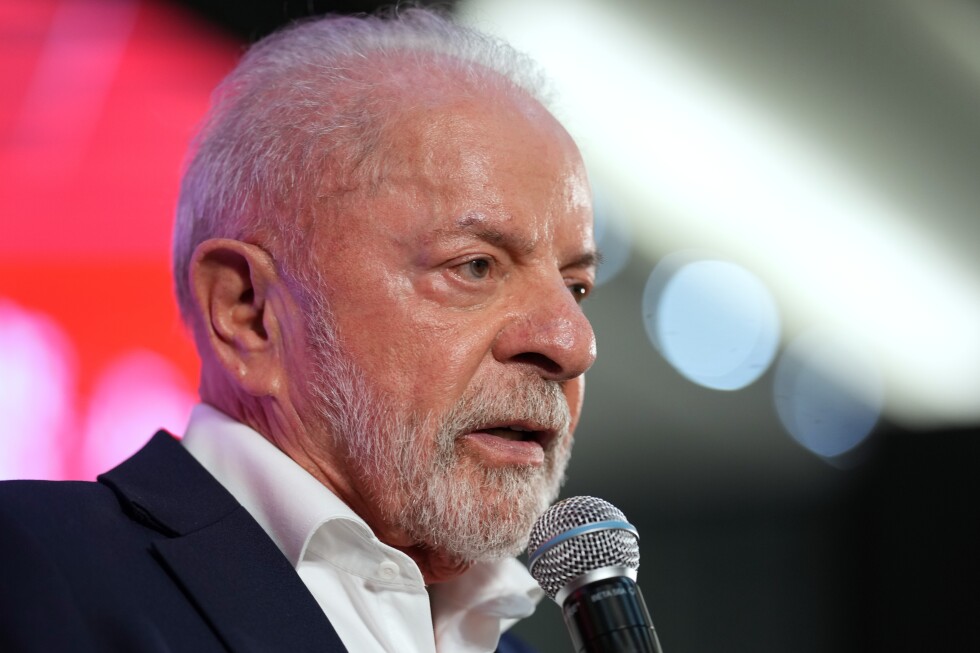
SAO PAULO — In a stark policy shift that has sent ripples through Brazil’s multi-billion dollar online gambling sector, President Luiz Inácio Lula da Silva announced Wednesday he supports a full nationwide ban on digital betting platforms, an industry that generates an estimated $4 billion in annual revenue in Brazil and ranks among the largest global markets for the activity. The 80-year-old incumbent, who is set to run for re-election in October’s general vote, framed the unregulated growth of online gambling as a “massive tragedy” that has driven exponential growth in household debt across millions of Brazilian families.
In an interview with Brazilian news outlet ICL Noticias, Lula made his position clear: “If it were up to me, we would shut all of them down. I am deeply concerned about the growing indebtedness of the Brazilian people. If these platforms cause widespread harm to our population, why would we allow them to continue operating? We are discussing this proposal with the utmost seriousness.”
The president acknowledged that any ban or major regulatory overhaul would require legislative approval from Brazil’s congress, where many lawmakers maintain close political and financial ties to betting industry lobbyists. The trajectory of online betting regulation in Brazil has shifted dramatically over the past seven years: sports betting was first legalized in 2018 via legislation signed by then-President Michel Temer. After taking office, Lula’s left-leaning administration blocked a number of unlicensed platforms in 2024 before introducing a formal regulatory framework for the industry in 2025. Currently, the administration is already pushing to raise industry tax rates from the existing 12% of gross income, a proposal that has drawn fierce pushback from operators.
Betting industry representatives have argued they support clear, standardized regulation to build a more transparent and trustworthy domestic market. But they warn that excessive tax hikes or a full ban would backfire: local licensed operators would be forced out of business, while unregulated offshore platforms would continue to capture a large share of Brazilian consumers without meeting licensing requirements or paying any domestic taxes.
Data from a leading Brazilian commerce and services confederation, published this past March, underscores the urgency of Lula’s concerns: more than 80% of all Brazilian households currently carry some form of outstanding debt, the highest recorded share since 2010. Independent market analysts have linked a significant portion of this rising household debt burden to the rapid expansion of the online betting sector over the past five years.
Criticism of online betting has already united a broad coalition of opposition to the industry across Brazil. Most forms of gambling remain illegal under Brazilian law, and major religious groups and social activists have long decried the social harm caused by unregulated online betting. The industry also holds a massive cultural footprint in Brazil: betting companies sponsor nearly every top-flight and second-division professional soccer club in the country, and some of the nation’s biggest soccer stars — including Vinícius Júnior, Ronaldo Nazário, and Roberto Rivellino — serve as high-profile spokespeople for both domestic and international betting brands.