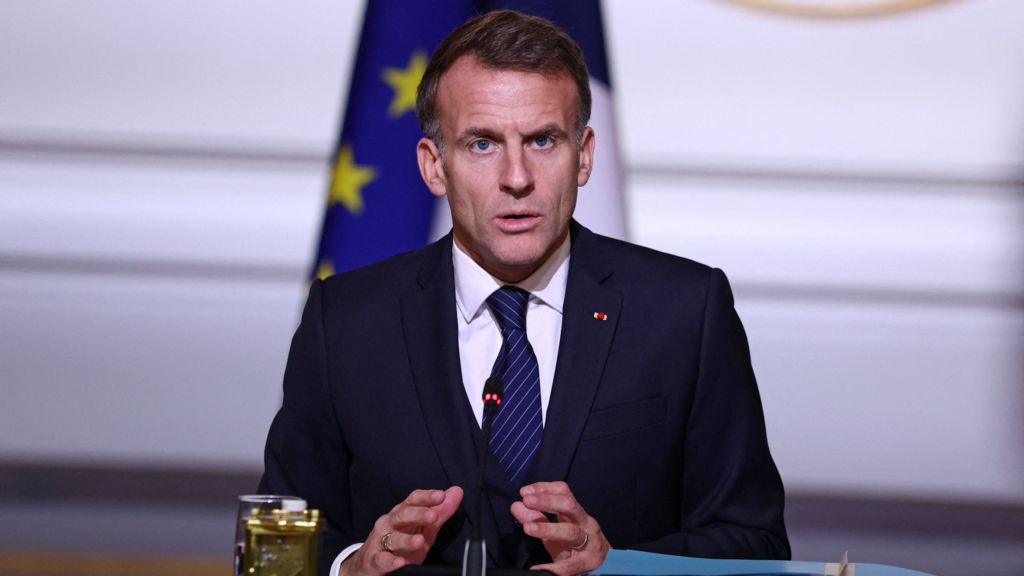
Tensions between France and Brazil have flared in an escalating trade dispute tied to long-running negotiations between the European Union and the South American Mercosur trade bloc, after French President Emmanuel Macron made unflinching public remarks about Brazilian meat imports during a closed-door meeting with domestic farming union representatives at the Élysée Palace on Wednesday.
During the gathering, Macron openly celebrated the implementation of EU-wide restrictions on Brazilian meat and poultry imports that came into force in September, framing the policy as a hard-won victory for European agricultural standards. “I am deeply proud of the fight we led against Mercosur,” the French head of state told assembled farm leaders. “The so-called ‘doped’ meat — or, more precisely, meat from Mercosur nations, primarily Brazil — that was previously arriving at our ports and entering our domestic markets without adhering to our regulatory requirements has now been fully banned.”
The EU formally justified the import curbs over concerns about unregulated antimicrobial use in Brazilian livestock farming, a practice European regulators argue poses unquantified public health risks for consumers across the bloc. But Brazilian officials have pushed back furiously against Macron’s characterization, issuing an official government statement expressing profound regret over the French president’s comments, which they described as factually baseless and misleading.
“President Macron’s remarks disseminate misinformation that directly contradicts the overwhelming body of publicly available technical and scientific data documenting Brazil’s rigorous animal protein production standards,” the Brazilian foreign ministry stated. Brazilian officials further noted that the nation has been a consistent, compliant supplier of meat products to the European Union for multiple decades, and currently exports safe, inspected meat to 177 national markets worldwide. They added that a recent independent European sanitary audit had formally corroborated the robustness of Brazil’s national food safety control system, which also adheres to strict cross-border environmental protection mandates.
Brazilian authorities went on to assert that the recent EU import restrictions carry a “clearly political nature” unrelated to genuine public health or safety concerns, and called on France to revisit its position in line with peer-reviewed scientific evidence. While reaffirming the long-standing value of the bilateral partnership between the two nations, Brazilian officials stressed that the two sides must prioritize mutual respect and reciprocal treatment to navigate rising protectionist pressures that threaten to damage mutually beneficial trade ties.
Data from Brazil’s Ministry of Agriculture underscores the high economic stakes of the dispute: in 2025 alone, Brazilian beef exports to the European Union reached a total value of $1.84 billion (£1.4 billion), making the bloc one of the most lucrative overseas markets for Brazil’s massive, globally dominant meat export sector.