For many people, a surname is far more than a simple label attached to the front of a birth certificate – it is a core part of personal identity, tied tightly to family bonds and life experiences. A growing number of adults with fractured relationships with their fathers are taking the legal step of changing their surnames to distance themselves from toxic or absent parental figures, aligning their official name with the loved ones who have shaped their lives.
One of the most recent high-profile examples of this trend comes from the family of Hollywood ex-couple Angelina Jolie and Brad Pitt. Following Jolie’s 2016 divorce filing after a decade-long relationship, two of the pair’s adopted children have moved forward with plans to drop Pitt’s surname from their legal names. Twenty-four-year-old Maddox and 21-year-old Zahara first filed official name change documents back in April, and completed the mandatory legal step of publishing their intention to change names in a local California newspaper over four weeks between June and July. The pair already use Jolie publicly: Zahara introduced herself with the surname during her 2025 college graduation, while Maddox has credited himself as Jolie on past film projects. They are not the first of Jolie and Pitt’s six children to make this change: their daughter Shiloh removed Pitt’s surname and adopted Jolie back in 2024. The siblings will attend a court hearing in September to receive final judicial approval for their name change.
A source close to Brad Pitt told BBC that while the actor is heartbroken over the rift with his children and regrets how his relationship with his family has unfolded, he respects the adult children’s autonomous decision to change their names.
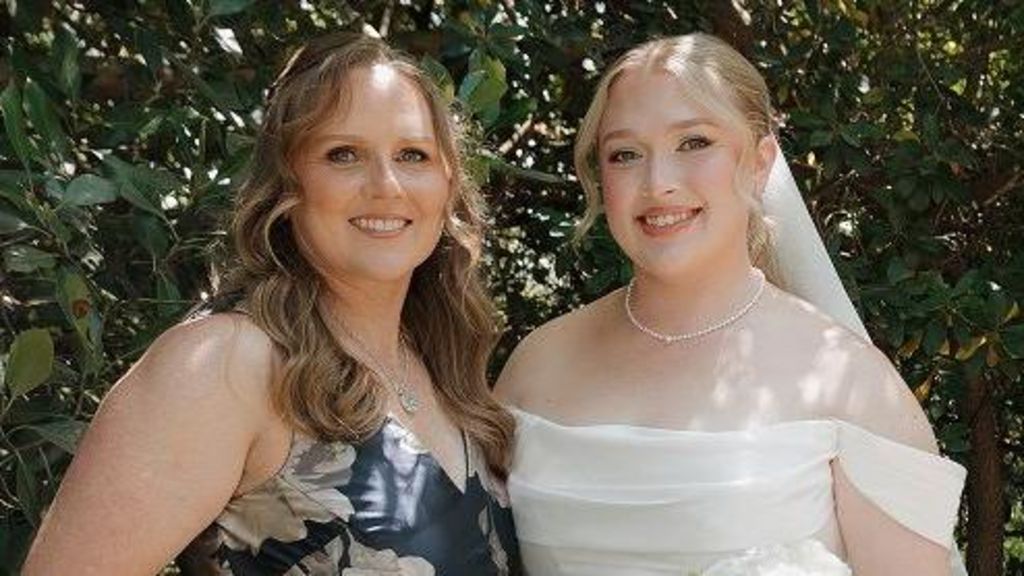
The Jolie-Pitt children’s legal process mirrors a choice made by thousands of ordinary people across the U.S. and UK every year, including 25-year-old Hannah from California. Like Zahara and Maddox, Hannah has had little to no contact with her father since her parents divorced when she was a toddler. She last saw her father seven years ago, and has no idea where he currently resides. For more than a decade, she lived a double life when it came to her name: she used Leonard, her mother’s maiden surname, for social media, sports teams, personal emails and casual bookings, but kept her father’s inherited surname for legal, work and school purposes. After getting married, she finally made the change official last month, legally changing her name to Leonard-Ripley – a combination of her mother’s maiden name and her husband’s surname.
“I’ve never felt like my last name reflected the love that encompasses my life,” Hannah explained. “And I wanted to make sure that my name reflected that. My mother’s love and also my husband’s love are very abundant and so important to me.” Hannah told reporters that she had wanted to make this change for years, but the high cost of legal name change in California – which ran to hundreds of dollars, including a $400 filing fee and a $130 charge for the mandatory newspaper publication – initially put her off. She described the newspaper requirement as “so outdated and odd”, and the full process took roughly three months to complete.
Maggie, a woman from Lincolnshire in the UK, shared a similar experience. While she is not fully estranged from her father, her parents separated when she was young, and the pair have never been close. She said she always hated her father’s surname, which included a profanity that led to years of bullying at school. “I didn’t want to be associated with it,” she said. Changing her surname to match her mother’s felt like an enormous weight lifted off her shoulders, and she now says she feels “more like myself”. “I wanted to be part of my mum’s family,” she added. Because UK rules require parental consent for name changes for anyone under 16, Maggie waited until she turned 16 to file for the change, even though she knew she wanted to do it years earlier. “It was so frustrating when I was so sure it was something I wanted to do,” she recalled.
Academics and mental health experts say that changing a surname in these circumstances is a deeply meaningful act rooted in identity formation. Dr. Harry Parkin, a lecturer at the University of Chester who specializes in the history of naming conventions, explained that surnames are inherently tied to how people see themselves. “When people change theirs, it can be a sign that they want to disconnect and disassociate from [an old identity],” he noted.
Dr. Becca Bland, a family counselor and coach who specializes in supporting people through family estrangement, frames the choice as a healthy psychological coping mechanism. For people distanced or fully estranged from a parent, changing a surname can “help you separate yourself from something that could be problematic or traumatic”, she explained. It removes the constant reminder of bad memories, and cuts the formal tie to a family branch that the person no longer identifies with.
Dr. Lucy Blake, a University of the West of England researcher who studies family estrangement, pushed back against common criticism that younger people cut family ties and change names on an impulsive whim. “Research shows that adults who estrange themselves from relatives often do so with a great amount of care and consideration over time,” she said. She added that people who experience estrangement often go through a wide range of complex emotions – from grief and loss to profound freedom – and can feel isolated due to fear of judgement from others for their choice.
For anyone considering a legal name change, the process and cost vary significantly by location. In England and Wales, the cheapest route is an unenrolled deed poll, which can be completed independently or through a private service for a small fee. An enrolled deed poll, which creates a permanent public record of the change through the High Court, costs £53.05 (around $71). For people born or adopted in Northern Ireland, options include a deed poll or a formal name change recording before a legal representative, which costs £35. In Scotland, applicants submit a request to National Records of Scotland for a £40 fee. Across the UK, anyone under 16 needs consent from all parties with parental responsibility to change a name. Beyond the legal filing, name changers must also update their details with every relevant government agency and private company, from passport offices and driver services to banks, student loan providers and medical practices.
For people like Hannah and Maggie, and the Jolie children, the hassle and cost are a small price to pay for a name that finally fits who they are.