BELGRADE, Serbia — Serbian President Aleksandar Vucic confirmed Wednesday that the remains of former Bosnian Serb army commander Ratko Mladic, who died last week while serving a life sentence for war crimes and genocide at a U.N. detention facility in the Netherlands, will be transported to Serbia for burial this Thursday. The United Nations International Residual Mechanism for Criminal Tribunals, based in The Hague, has not yet issued an official statement on the release of Mladic’s body following his death in a Dutch hospital.
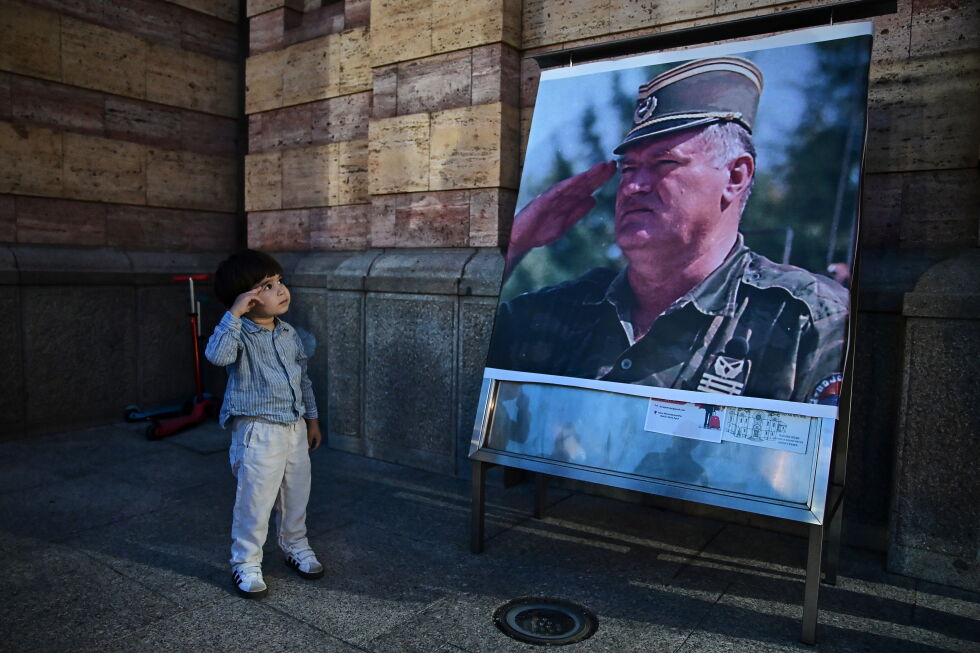
Vucic told reporters that Mladic’s family will release detailed funeral arrangements in the coming days, but warned local security officials are bracing for an unprecedented turnout of the convicted war criminal’s supporters. Even after his 2017 conviction for some of the worst atrocities committed on European soil since World War II, Mladic retains widespread heroic status among large segments of the Serbian public. Vucic noted that Serbian police and state intelligence agencies currently project that tens of thousands of admirers could gather for the funeral, creating significant security challenges for authorities.
“It will be hard to secure and guarantee security to everybody,” Vucic said. “It will be a demanding job for our security services and we will use everything at our disposal to provide security.”
Mladic was found guilty of overseeing three of the conflict’s most infamous atrocities: the 1995 Srebrenica massacre that killed more than 8,000 Bosniak Muslim men and boys, the 44-month siege of Bosnia’s capital Sarajevo that killed more than 10,000 civilians, and the systematic establishment of concentration camps where thousands of non-Serb civilians and enemy combatants were abused and executed. The Srebrenica massacre remains the first legally recognized act of genocide on the European continent since 1945; the enclave was designated a U.N. safe haven for Muslim refugees before Mladic’s forces overran the area, executed the civilian population, and buried their remains in unmarked mass graves.
The Bosnian War, which broke out in 1992 after Bosnian Serb militias backed by Belgrade seized control of large swathes of Bosnian territory to form a separate breakaway state, ended in 1995 with a U.S.-brokered peace deal. The 3-year conflict left more than 100,000 people dead and displaced more than 1 million from their homes, leaving the region deeply ethnically divided decades later. Within hours of Mladic’s death being announced last week, thousands of Serbs gathered for public vigils and marches to honor his memory, a demonstration that drew sharp condemnation across the Balkans from survivors and political leaders.
For surviving family members of Mladic’s victims, the 2017 conviction represented a long-delayed measure of justice for their murdered loved ones. But attitudes in Serbia, which is currently pursuing European Union membership, remain deeply defiant over the country’s role in the 1992-1995 Bosnian conflict. Last week, Vucic launched a sharp attack on the international tribunal, accusing the court and Western powers of systemic bias that only holds Serbs accountable for war crimes while ignoring atrocities against Serb civilians. He previously condemned the tribunal for what he called “uncivilized behavior” after it denied requests to release Mladic on compassionate grounds to allow him to die at home in Serbia.