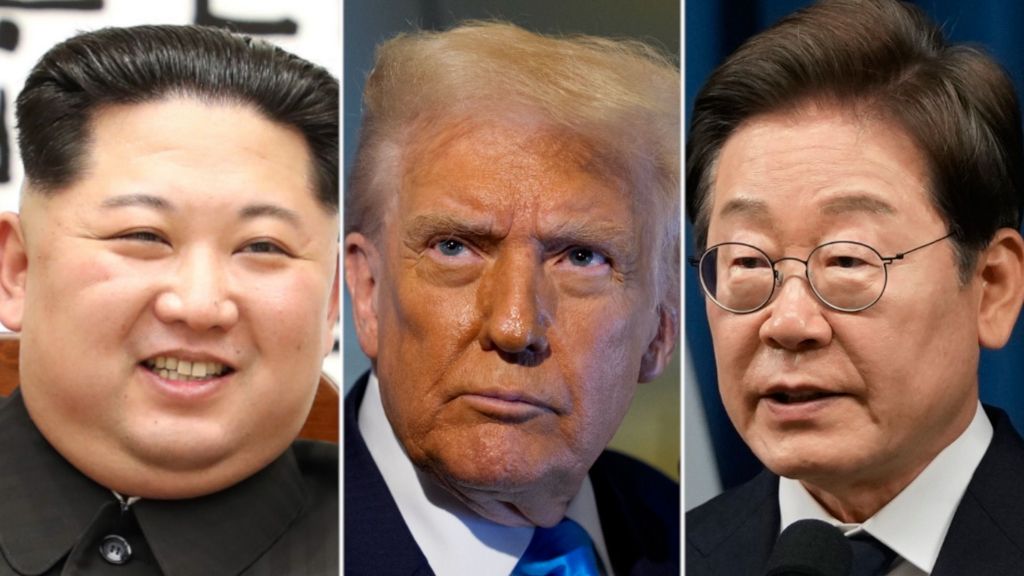
In a surprising policy shift that has drawn widespread international attention, former US President Donald Trump has revealed plans to substantially scale back joint military exercises between the United States and South Korea. The announcement, which was recently broken down and analyzed by BBC, marks another notable turn in Washington’s approach to the Korean Peninsula amid shifting diplomatic dynamics.
Trump framed the decision around his personal diplomatic approach, telling audiences that his own ‘very good relationship’ with North Korean leader Kim Jong Un is the key factor behind the move. The planned drawdown of joint drills, which have long been a source of tension between Pyongyang and the US-South Korea alliance, signals a deliberate effort to de-escalate tensions on the peninsula following years of rising rhetoric and military posturing.
Diplomatic observers note that this shift represents a break from decades of consistent US military posture on the Korean Peninsula. Since the armistice that halted the Korean War in the 1950s, the US and South Korea have regularly conducted large-scale joint military exercises to maintain combat readiness and deter potential aggression from North Korea. For North Korea, these drills have consistently been viewed as provocative preparations for an invasion, a stance that has repeatedly derailed diplomatic efforts in the past.
Trump’s decision opens a new chapter in US engagement with the Korean Peninsula, prioritizing personal diplomacy over long-standing military preparedness protocols. While the move has been praised by supporters as a bold step toward peace, critics have raised concerns about the impact on alliance credibility and regional security. As the situation develops, regional powers and global stakeholders are closely watching how North Korea responds, and whether this shift will pave the way for renewed denuclearization talks.