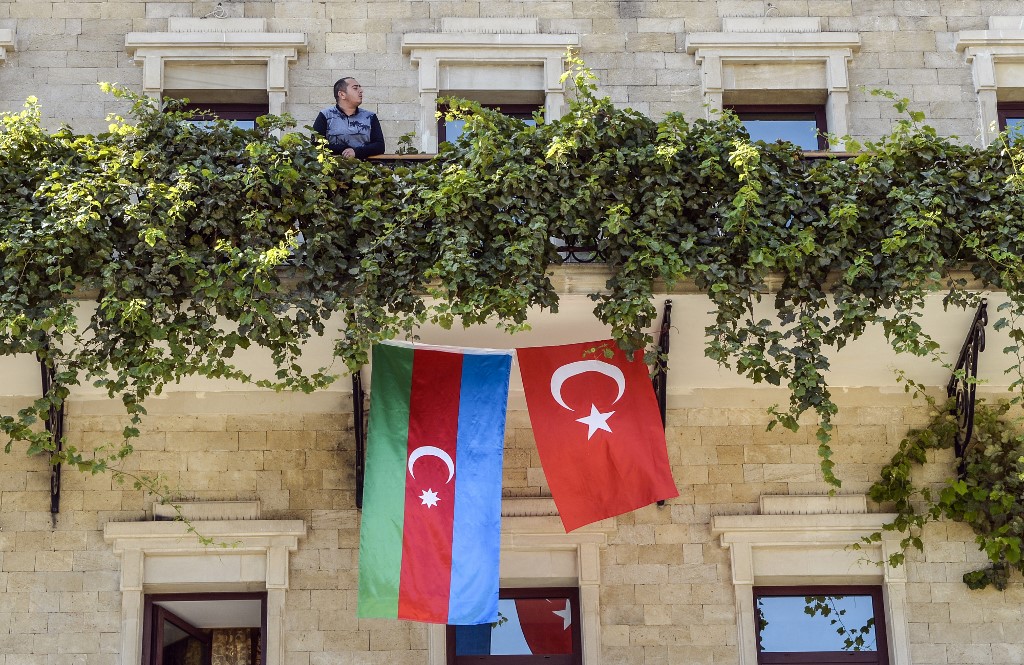
Once defined by deep ethnic, religious, cultural and historical kinship, the diplomatic relationship between Azerbaijan and Turkey is facing its most significant strain in recent years, sparked by a dispute over a domestic education policy that quickly escalated into a full-blown bilateral crisis. In the latest punitive measure from Baku, authorities have banned 31 Turkish citizens from entering the country, accusing the group of posting social media content that endangers Azerbaijani national security and promotes the violent overthrow of the national government. The Azerbaijani Ministry of Internal Affairs added that many individuals on the entry ban list also employed violent rhetoric tied to religious radicalism. The roster of barred individuals cuts across Turkey’s political, media and academic spheres, including several high-profile conservative and ultraconservative figures. Top among them is Fatih Erbakan, leader of Turkey’s far-right New Welfare Party, who openly criticized Azerbaijani President Ilham Aliyev on social media platform X following Aliyev’s meeting with Israeli President Isaac Herzog in Baku last week. “After hosting the Zionist murderer Herzog in Baku, you became blind to your true friends,” Erbakan wrote in the post that drew Baku’s ire. Other banned individuals include sitting Turkish Member of Parliament Omer Gergerlioglu, deputy chairman of the right-wing Free Cause Party Yahya Ugras, prominent journalists Adem Ozkose, Ismail Kilincarslan and Hakki Eren, well-known conservative writer Yusuf Kaplan, and theology professor Mehmet Boynukalin. The vast majority of those named hold explicit conservative religious or political views, aligning with their public criticism of Baku’s new policy. The current crisis traces back to last month, when Azerbaijan implemented a ban on headscarves in primary and secondary schools. The policy immediately sparked widespread public protests across Turkey, turning a domestic education rule into a major diplomatic flashpoint between the two traditionally allied nations. Beyond the entry ban, Azerbaijan’s Prosecutor General’s office announced on Monday that a Baku district court has issued in absentia international arrest warrants for seven Turkey-based residents who organized or participated in anti-ban demonstrations outside Azerbaijani diplomatic missions in Turkey. Those targeted in the warrants include Ridvan Kaya, head of the conservative Turkish association Ozgur-Der, Abdullah Imamoglu, a writer for conservative news outlet Haksoz, and Fatih Tezcan, a prominent commentator with well-documented Islamic conservative views. The Azerbaijani interior ministry has made clear that additional restrictive measures remain on the table, vowing further action against any actors it deems to be engaging in threatening activity against the state. Even as tensions surge, the two countries maintain deep economic ties, holding billions of dollars in mutual investments across key sectors including energy, transportation, construction and agriculture. That has not stopped pro-Baku Azerbaijani news outlets from launching sharp new attacks this week, however, with multiple outlets accusing Turkish Foreign Minister Hakan Fidan of orchestrating efforts to incite an insurrection against Aliyev’s government. With reciprocal public criticism and punitive measures piling up, the once-close bilateral partnership now faces one of its most challenging periods in modern history.
Azerbaijan bans 31 Turks from entering country as headscarf ban dispute escalates