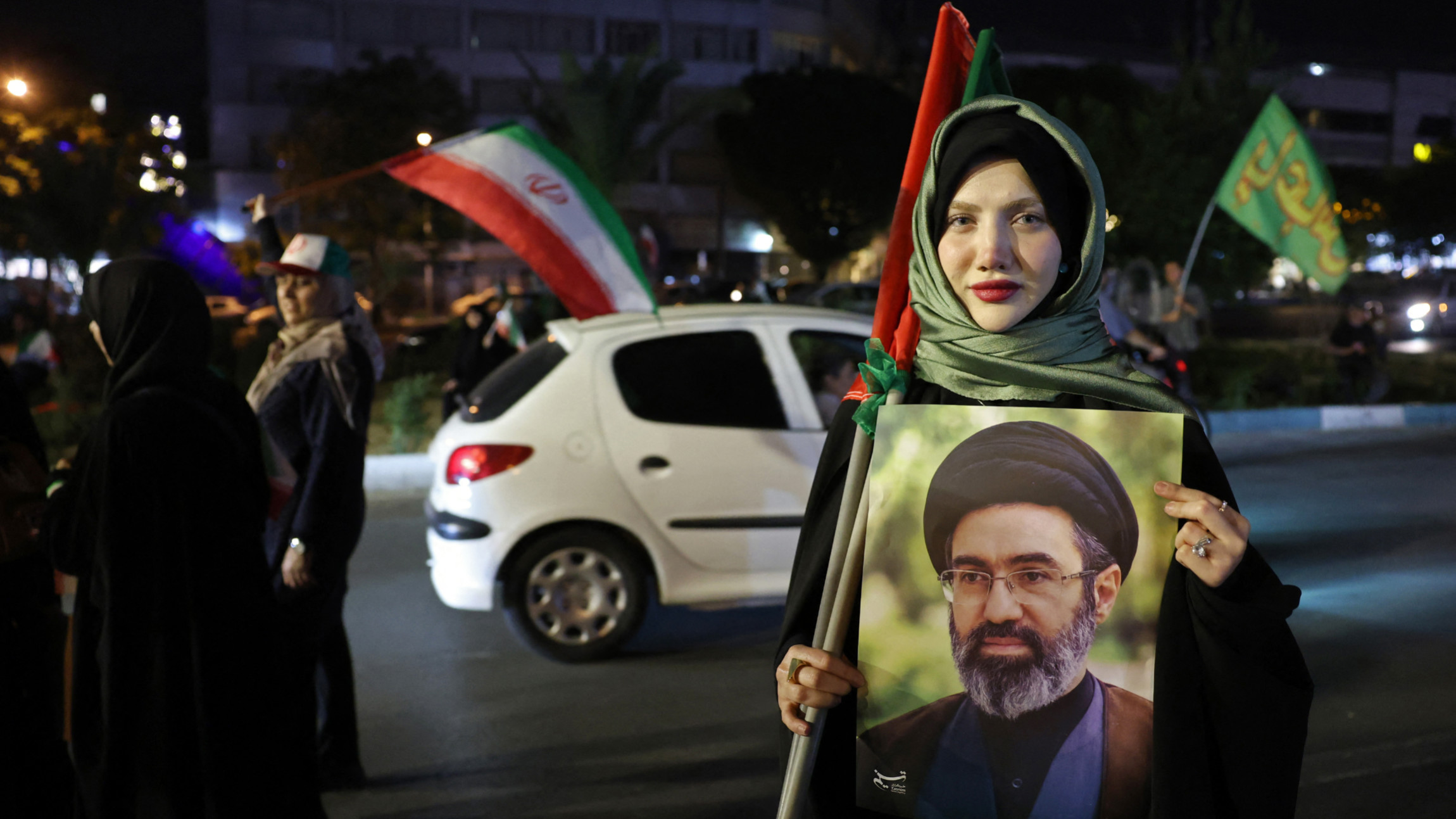
Amid the ongoing conflict between an alliance of the United States and Israel and Iran that began in late February, nearly nightly pro-government rallies held across major Iranian cities have exposed deep rifts within Iranian society, bridging old political divides for some while fueling frustration and internal factional tension for others. These public demonstrations, which launched in mid-March, draw crowds to central squares of major urban centers, where participants wave Iranian national flags, chant anti-US and anti-Israel slogans, and occupy public streets for hours on end. The gatherings have persisted through a national internet blackout, continuing even after partial restrictions on connectivity were lifted, and have drawn a diverse cross-section of attendees with competing motivations for participating.
作者: admin
-
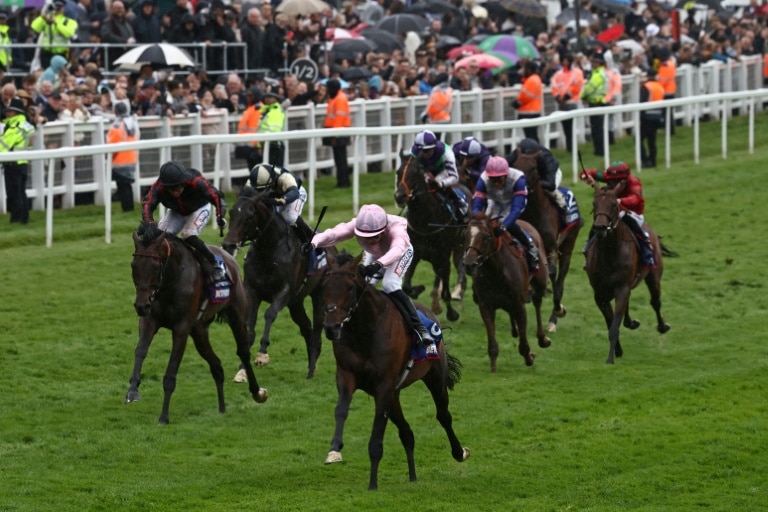
Christmas Day lights up Epsom Derby as O’Brien makes more history
In a landmark Saturday at Epsom Downs, legendary Irish trainer Aidan O’Brien etched his name deeper into horse racing history, becoming the first conditioner to claim four straight Epsom Derby titles after longshot entry Christmas Day claimed a comfortable victory in Britain’s most prestigious flat race.
The 56-year-old trainer did not just notch another Derby win – he crossed a once-unthinkable threshold, securing his 50th victory in British Classic races, while extending his own all-time record for the most Epsom Derby titles to 12. Christmas Day, sent out at 7/1 odds as one of O’Brien’s four entries in the 14-horse field, was not the betting favorite going into the race. But jockey Ronan Whelan, in only his second season working with O’Brien’s stable, delivered a masterclass ride to guide the three-year-old colt to his first career Derby win.
An unusual incident added an unexpected twist to the race after the finish. O’Brien’s pre-race favored entry Benvenuto Cellini, which crossed the finish line well down the rankings, was later officially declared a non-runner after stewards confirmed the horse had become caught in the starting stalls with one hind leg before the race got underway.
Speaking after the win, O’Brien highlighted his colt’s steady improvement and endurance that made the victory possible. “We fancied his chances as he is improving all the time and stays,” he said. “Ronan gave him a beautiful ride. He is a tough hardy horse.” True to his longstanding habit, O’Brien deflected praise for the historic 50th Classic win onto the large team of stable staff back at his Irish base, saying: “It is unbelievable, but I am just a small part of a huge team.”
For Whelan, who became the ninth different jockey to win a Derby under O’Brien’s training, the race felt almost effortless from the saddle. He credited fellow stable jockey Wayne Lordan, who rode O’Brien’s other entry Action, for setting a perfect early pace that let Christmas Day conserve energy down the hill to the finish. “It was so easy to be honest! I had Wayne there to do the fractions and he never gets it wrong from the front,” Whelan explained. “The horse loves the ground and it felt so effortless for him. I can’t thank everyone enough. It’s my second season (with O’Brien) and I’ve made friends for life down there. It hasn’t sunk in yet. When we were running down the hill and Wayne was smacking away, I knew I had loads left. I wish I was as cool a customer as the horse was!”
Once Christmas Day moved to the front of the pack in the final finishing straight, no challenger ever seriously threatened his lead. Maltese Cross crossed the line in second place, while James J Braddock, trained by O’Brien’s son Joseph O’Brien, rounded out the top three. Remarkably, the Epsom win marked O’Brien’s second Derby title in just seven days: the week prior, he trained the first three finishers to claim victory in the French Derby, cementing his status as one of the greatest trainers in modern horse racing history.
-
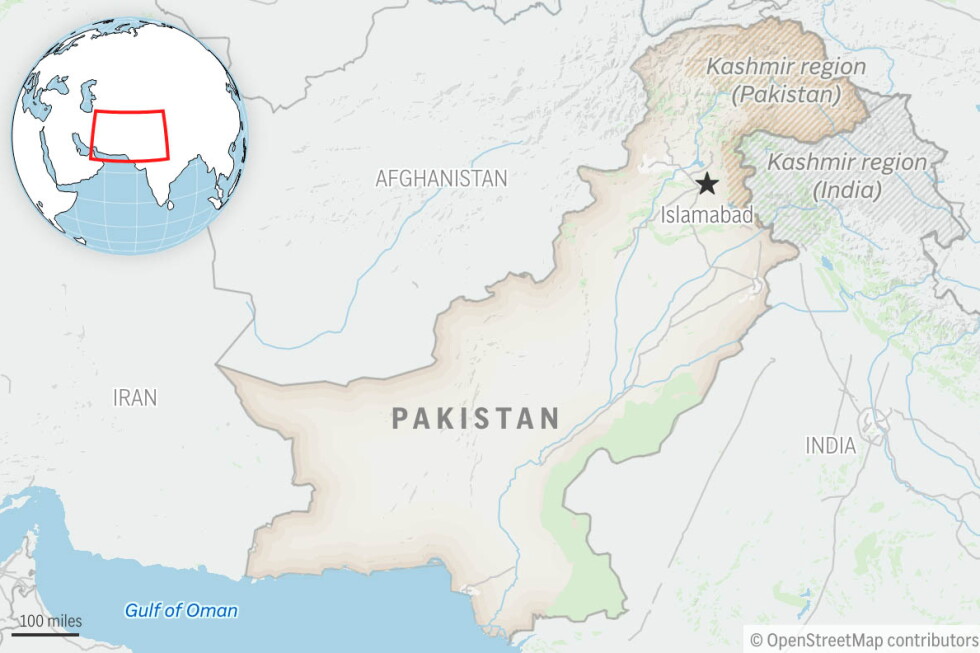
Police arrest supporters of banned group ahead of rally in Pakistan-administered Kashmir
The contested Himalayan region of Kashmir, split between nuclear-armed neighbors India and Pakistan since their 1947 independence from British rule, has entered a new phase of political unrest following a government crackdown on a prominent opposition group. Officials and witness statements confirm that Pakistani Kashmir police took into custody dozens of supporters of the outlawed Joint Awami Action Committee (JAAC) on Saturday, one day after regional authorities in Muzaffarabad, the capital of Pakistan-administered Kashmir, formally banned the organization over threats to public order and national security.
The ban and subsequent arrests are the culmination of weeks of escalating tensions between the regional government and JAAC, which has organized a series of demonstrations in recent years demanding expanded public services and greater political rights for local residents through a 38-point charter of demands. Last year, negotiations between JAAC representatives, regional government officials, and Pakistan’s federal government resulted in 36 of the group’s 38 demands being formally accepted by authorities. These included key calls for subsidized wheat and lower-cost electricity, two of the group’s top priorities for improving local livelihoods.
Regional Prime Minister Faisal Mumtaz Rathore has repeatedly stated, both before and after the ban was enacted, that his administration remains open to sitting down with JAAC leadership to resolve the two remaining sticking points. One of these unresolved issues centers on a demand for 12 reserved legislative assembly seats specifically for Kashmiri refugees who have settled in the region. Despite the government’s offer of continued dialogue, the regional government confirms JAAC has rejected calls to cancel a mass protest march scheduled for Tuesday, and is insisting all 38 of its original demands be met in full before any de-escalation.
Authorities have deployed additional security personnel across Pakistan-administered Kashmir to prepare for the planned demonstration, amid a history of violent unrest linked to JAAC’s actions. Just last year, clashes between JAAC supporters and security forces left multiple people dead, including several on-duty police officers. Tensions flared again over the weekend: JAAC claimed Saturday that two of its members were wounded when police opened fire during the arrest operations. However, local Kashmir police have refuted this claim, stating that the shooting incident occurred overnight when unidentified armed men opened fire on officers after failing to stop their vehicle when ordered.
Kashmir has remained one of the most volatile flashpoints in South Asia for more than 75 years, with both India and Pakistan claiming the entire region as their sovereign territory. Two of the three full-scale wars the two nations have fought since independence have been waged over control of Kashmir, and cross-border tensions in the region remain a constant source of concern for global security.
-
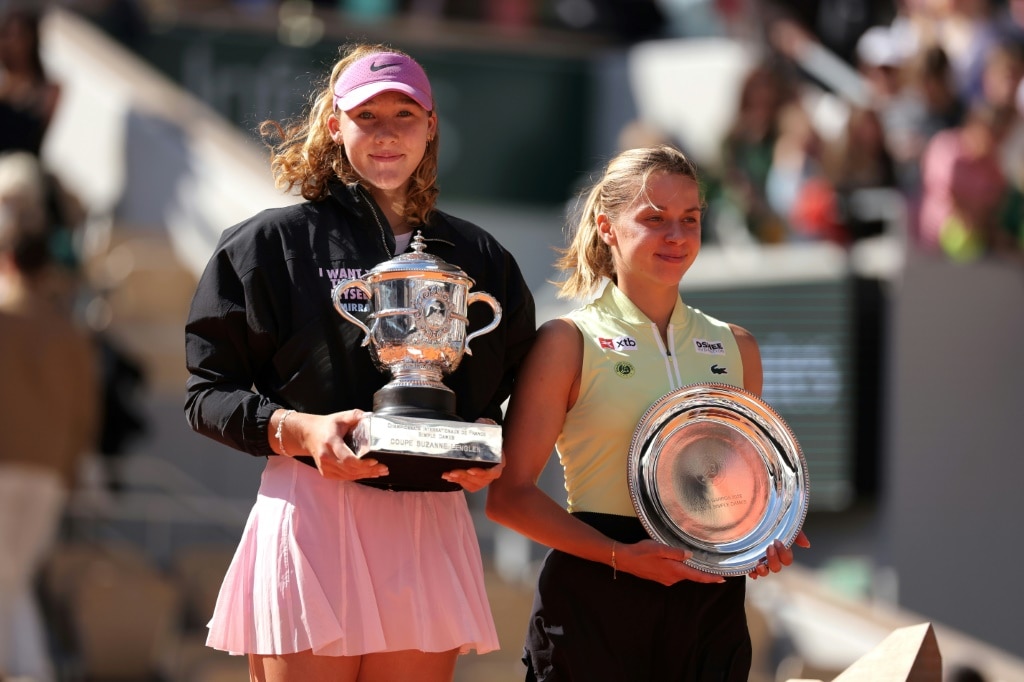
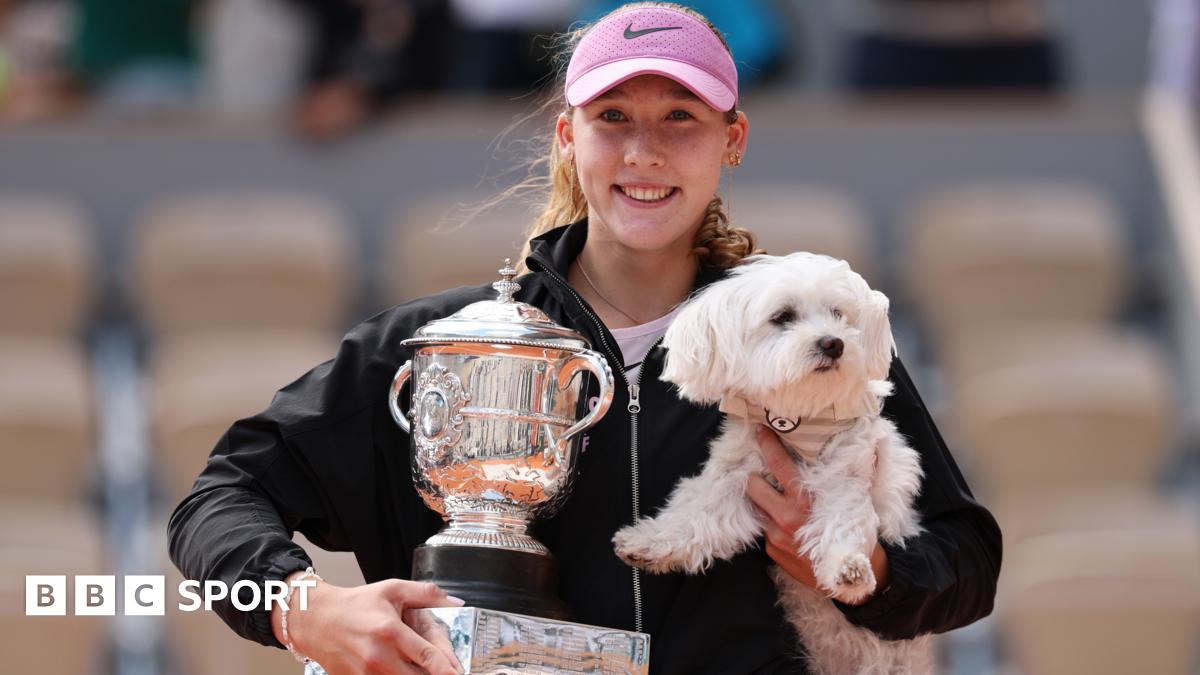
Andreeva wins first Grand Slam title at French Open
Tennis history was made on the red clay of Roland Garros on Saturday, as 19-year-old Russian rising star Mirra Andreeva claimed her maiden Grand Slam crown with a dominant straight-sets victory over Polish qualifier Maja Chwalinska in the women’s singles final. Finishing the clash 6-3, 6-2, Andreeva etched her name into the tournament’s record books as the youngest women’s singles champion at Roland Garros since then-18-year-old Monica Seles captured her third consecutive Paris title back in 1992.
Beyond this milestone, Andreeva also made history as the first player of any gender born after 2005 to lift a Grand Slam singles trophy. This major win adds another prestigious accolade to Andreeva’s already impressive young career, which has seen her collect two WTA 1000 titles to date, and the iconic Coupe Suzanne Lenglen will now take pride of place in her growing trophy collection.
Speaking to the crowd on centre court immediately after her victory, an emotional Andreeva shared that the win fulfilled a lifelong dream. “I’ve been watching Roland Garros on TV since I was very, very young, so it’s also a big dream of mine to win this tournament and I honestly cannot believe that I’m holding this trophy right now,” she said, before extending thanks to her support team, singling out her psychologist for special recognition. She also paid tribute to Chwalinska’s incredible run through the event: “Congrats to Maja for these amazing three weeks, passing through qualies, winning so many matches, beating so many great players.”
For Chwalinska, ranked world No. 114 entering the tournament, the final defeat brought an end to a Cinderella run that already secured her place in tennis history. The Pole became the first qualifier ever to reach the women’s singles final of the French Open in the Open Era, after winning nine consecutive matches across qualifying and the main draw in Paris. While she fell short of the title, the run will catapult her rankings to No. 21, guaranteeing her direct entry and regular competition in all future Grand Slam tournaments.
In her post-match remarks, Chwalinska graciously congratulated Andreeva on her win, joking: “Congrats to Mirra, you’re such an incredible player. You’re so young and talented, it’s so annoying. I wish (the spectators) could see a better match today, but Mirra was just too good for me, so I guess it’s her fault.” Adding of her breakthrough run, “I will definitely not forget these three weeks. Paris will stay forever in my heart.”
The final got off to a tense start, with Chwalinska dropping two opening serves into the net on the very first point of the match. Blustery wind conditions on centre court amplified the pressure of the occasion for both players, who had never faced each other before, with the match opening with four consecutive breaks of serve. After the initial flurry of breaks, each player held serve once as they began to test one another’s strengths and weaknesses.
Andreeva soon dug in and seized control of the set, showcasing greater consistency than her opponent to claim three straight games and build a 3-0 lead. Though Chwalinska briefly pulled back a game to cut the deficit, Andreeva held firm, showing impressive mental mettle for a player of her age to retain her advantage. She quickly closed in on the set, and though Chwalinska refused to surrender easily — holding serve to make it 5-1 before breaking Andreeva when she served for the set — the young Russian would not be denied. She closed out the set in the very next game, and carried her momentum through the second set to claim the historic win.
When the winning backhand flew past Chwalinska, Andreeva collapsed to her knees in celebration, surpassing a milestone set by her own coach: former top player Conchita Martinez, who finished as Roland Garros runner-up in 2000. That 2000 final was won by Mary Pierce, who was in attendance for Saturday’s trophy ceremony — a detail Andreeva highlighted in a playful quip, saying “I don’t know if I should thank you, Mary, as you beat my coach here in the final. But I’m joking of course, thank you so much!”
-

Hegseth invokes immigration and ‘invasion’ in D-Day speech in France
Normandy, France — The 82nd anniversary of the 1944 D-Day landings, a landmark event that marked the start of Western Europe’s liberation from Nazi occupation, became the stage for a heated political intervention by senior Trump administration officials over the weekend, drawing swift condemnation for framing migration as an existential threat to the freedom Allied troops fought to secure.
U.S. Defense Secretary Pete Hegseth delivered his address from the hallowed grounds of the Normandy American Cemetery in Colleville-sur-Mer, where more than 9,000 U.S. service members killed during the invasion are buried. In his speech, he drew a provocative parallel between the 1944 Allied amphibious landing that freed Europe and what he framed as a modern-day “invasion” reaching European shores. Though he never explicitly used the word “immigration” in his remarks, his language left little room for ambiguity: he referenced “different dangerous ideologies” storming Europe’s beaches today, naming coastlines in Spain, Italy, Greece and Bulgaria where migrant boats regularly arrive, and challenged European leaders to act before it is too late.
Hegseth’s comments align closely with broader Trump administration pressure on European governments over migration policy, border security, and the Trump White House’s criticism of what U.S. officials claim is unfair censorship of nationalist and far-right political voices across the continent. A December 2024 update to the Trump administration’s national security strategy amplified this framing, warning that Europe faces the risk of “civilizational erasure” and could become “unrecognizable” to current generations within two decades if current trends continue.
The controversy did not end with Hegseth’s speech. Separate remarks by U.S. Vice President JD Vance drew sharp rebuke from 10 Downing Street, the official office of British Prime Minister Keir Starmer. Vance had linked the fatal stabbing of 18-year-old British student Henry Nowak in Southampton to immigration, a claim that fell apart under basic factual scrutiny: both Nowak and his suspected killer are British citizens. Starmer’s spokesperson issued a clear public condemnation of Vance’s inaccurate and exploitative comments in the wake of the tragedy.
The dual controversies have thrown a spotlight on the Trump administration’s increasingly sharp rhetorical approach to European migration issues, turning a solemn commemoration of wartime sacrifice into a platform for advancing nationalist policy priorities that have divided transatlantic allies.
-
Andreeva wins French Open as Chwalinska fairytale ends
Paris, France — Nineteen-year-old tennis prodigy Mirra Andreeva has secured her first career Grand Slam championship at the 2026 French Open, overpowering Polish qualifier Maja Chwalinska in a one-sided 6-3, 6-2 final that capped a fairytale fortnight for the young Russian star.
Entering the tournament as the world No. 8 and a pre-event favorite, Andreeva delivered on the years of hype that have followed her since her breakout 2023 WTA Tour run in Madrid, where her bold playing style and natural talent drew high praise from former British world No. 1 Andy Murray. Her victory on Saturday makes her the youngest women’s singles champion at Roland Garros since Monica Seles claimed the title in 1992, and the first teenager to lift the Coupe Suzanne Lenglen since Iga Swiatek’s 2020 win.
The final got off to a rocky, tense start: swirling Parisian wind and early nerves from both players produced four consecutive breaks of serve to open the match, with Chwalinska becoming the first to hold her serve, drawing roaring support from the 15,000-strong crowd packed into Court Philippe Chatrier. Thousands of Polish fans turned out to back the world No. 114, who entered the tournament as a 500-to-1 longshot to win the title.
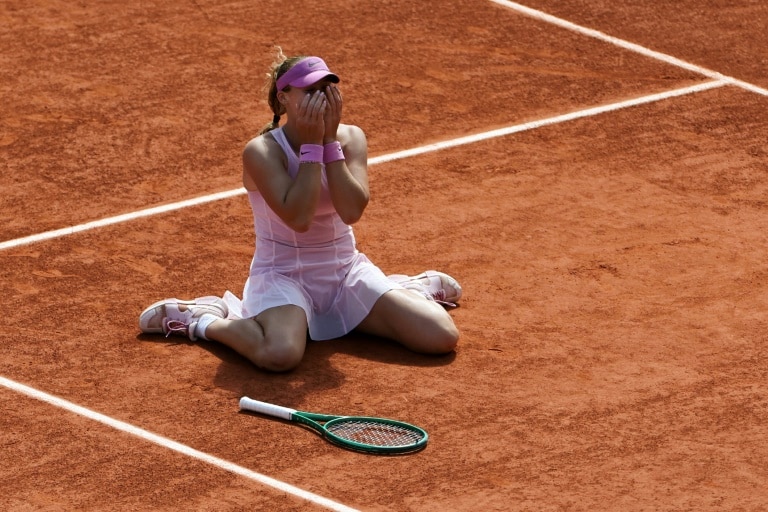
But once Andreeva found her rhythm, she dominated play. The 19-year-old reeled off nine consecutive games to build a commanding 6-3, 5-0 lead, and though she failed to close out the match on her first serve attempt, she converted her first championship point on Chwalinska’s serve with a clinical backhand winner. After the final point landed in, Andreeva collapsed to the clay in elation, before rushing to the player’s box to embrace her coach, Conchita Martinez — the 1994 Wimbledon singles champion who has guided Andreeva’s development for two years.
“”I’ve been watching Roland Garros since I was very young and it has always been a dream to win this trophy,” Andreeva told the crowd in her on-court victory speech. She later thanked Martinez for “sharing her experiences and giving me so much advice” throughout their partnership, which has seen Andreeva climb from promising prospect to top-tier Grand Slam champion.
Born in Siberia and trained in France, Andreeva has been steadily building toward this breakthrough for two years. She reached the Roland Garros semifinals in 2024, claimed two WTA 1000 titles in 2025, cracked the world’s top 5 in the rankings earlier this 2026, and showed new levels of maturity throughout this tournament — most notably in a politically charged semifinal against Ukrainian 15th seed Marta Kostyuk, where she kept her focus to secure a straight-sets win.
For Chwalinska, the runner-up finish still marks one of the most incredible underdog runs in Grand Slam history. Only the second qualifier ever to reach a major singles final in the Open Era (following Great Britain’s Emma Raducanu, who won the 2021 US Open as a qualifier), Chwalinska entered the final having won nine consecutive matches to reach this stage.
Before this tournament, Chwalinska had only successfully advanced through Grand Slam qualifying twice in 14 previous attempts, and spent most of her career competing on lower-level tours, struggling to cover travel and training costs. She even told reporters after her second-round win that she had worried she could not afford to extend her hotel stay in Paris.
That financial stress is now firmly in the past: Chwalinska will take home 1.4 million euros in prize money from Roland Garros, tripling the total career earnings she accumulated before this fortnight. She will also rise to a new career-high ranking of No. 21 in the world next week, and is widely expected to receive a wildcard for the 2026 Wimbledon main draw.
After the final, Chwalinska joked with reporters, “I wish you could see a better match today, but Mirra was too good for me, I guess it is her fault!” She added, “I will not forget these three weeks. Paris will stay forever with me in my heart.”
With her first Grand Slam title in hand, Andreeva now carries her new momentum into the grass court season, with her eyes set on becoming the youngest player to win a second major title in nearly 15 years.
-
Andreeva wins first Grand Slam title at French Open
In a historic display of teenage tennis talent at Roland Garros, 19-year-old Russian rising star Mirra Andreeva captured her maiden Grand Slam title on Saturday, outclassing Polish qualifier Maja Chwalinska in a straight-sets 6-3, 6-2 victory in the women’s singles final.
Andreeva’s breakthrough win carries landmark significance beyond her first major crown. She becomes the youngest women’s singles champion at the French Open since 18-year-old Monica Seles claimed her third consecutive Paris title back in 1992, and also makes history as the first player of any gender born after 2005 to lift a Grand Slam trophy. The Coupe Suzanne Lenglen will now take pride of place in Andreeva’s fast-growing collection of silverware, which already includes two WTA 1000 titles earned earlier in her young career.
For Chwalinska, the run to the final capped a truly astonishing underdog journey through the tournament. Starting her campaign in the qualifying draw, the world No. 114 won nine consecutive matches in Paris to become the first qualifier ever to reach the French Open women’s singles final in the Open era. While she fell just short of a fairy tale title, her remarkable run will catapult her to a career-high ranking of No. 21, guaranteeing her direct entry and regular competition in the sport’s biggest major events moving forward.
The final unfolded with early tension amplified by blustery conditions on Philippe Chatrier Court, which threw off both players’ rhythm from the opening points. Chwalinska showed immediate nerves, dumping two opening serves into the net, and Andreeva survived a seven-minute opening game to secure the first break of serve. But the Pole responded instantly, breaking back when Andreeva overhit a backhand down the line after a prolonged rally of looping defensive exchanges.
Blustery winds that sent spectators’ straw hats flying off the stands contributed to two more consecutive breaks, leaving both players still searching for their footing. Chwalinska was the first to settle, holding serve to love and winning over the Paris crowd with a spectacular display of shot variety: a deft drop shot drew Andreeva to the net, before she pulled off a perfectly weighted lob to take a 3-2 lead.
But Andreeva showed the poise of a veteran far beyond her years. She fought through her first service hold of the match, closing the game out with a blistering winner up the line followed by an unreturnable ace. From that point, the 19-year-old seized control of the match. She pounced on a Chwalinska service game heavily disrupted by the wind to re-take the lead, held comfortably, then broke the Pole once more with a clinical crosscourt backhand winner to close out the first set.
Andreeva carried her momentum into the second set, jumping out to an early lead as Chwalinska’s error count climbed. Though the Polish underdog pulled one break back to briefly threaten a comeback, Andreeva displayed immense mental toughness to hold serve and move ahead 3-0, putting Chwalinska firmly on the back foot. Andreeva won the next two games to move within one game of the title, but Chwalinska refused to capitulate, holding serve to make it 5-1 and breaking Andreeva when the teen served for the championship.
That small comeback was not enough to derail Andreeva’s historic run. She broke straight back in the next game, sealing the title with a decisive backhand winner before collapsing to her knees in celebration. The win also sees her surpass the achievement of her own coach, Conchita Martinez, who finished as Roland Garros runner-up back in 2000. The victory lifts Andreeva to a new career-high ranking of world No. 6, announcing her as one of the leading new forces in women’s tennis.
-
Rain chaos stalls England at Lord’s as New Zealand slumps to 55-5 chasing 254
LONDON – Persistent wet weather cut short England’s bid to seal a opening Test victory over New Zealand on a sodden third day at the iconic Lord’s Cricket Ground Saturday, leaving the Black Caps clinging on at 55 for five wickets in their second innings as they chase a daunting 254-run winning target.
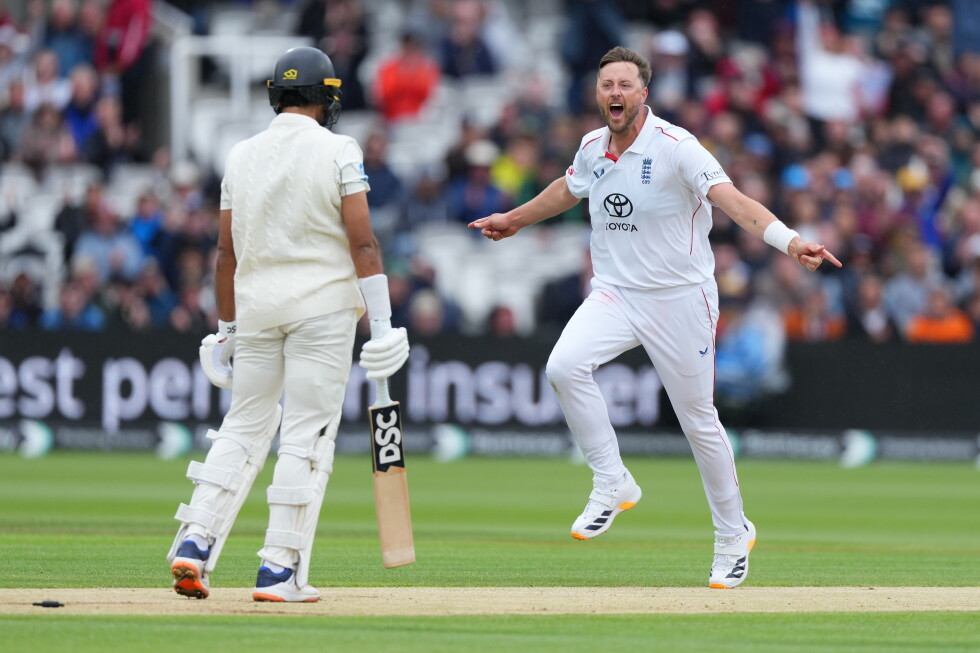
Only 9.4 overs of play were possible before an early tea was called, with England’s pace bowler Ollie Robinson claiming the only two wickets to fall on a stop-start day interrupted by multiple rain delays. Play was delayed by two hours before it even got underway, followed by three further rain breaks – the final one coming shortly after 2 p.m. that forced officials to call an early tea break.
The match has already been defined by a seam-friendly pitch that offers erratic movement and sharp bounce for bowlers, turning it into what commentators call a “seamer’s paradise.” Through less than two full days of official play, 35 wickets have already fallen, putting batters under relentless pressure from the opening over.
New Zealand’s chase got off to a disastrous start on Friday, when the side stumbled to 36-3 by stumps on day two. Statistical models gave England an 80% chance of victory at that point, and by Saturday afternoon that probability had climbed to nearly 100% as the Kiwis lost two more wickets before rain set in.
Overnight batsman Devon Conway, who notched a double century on his Test debut at Lord’s back in 2021, resumed on 12 alongside Rachin Ravindra. Ravindra narrowly avoided being dismissed for a pair (zero runs in both innings), taking 10 deliveries to open his account. But the young all-rounder fell for 8 to a searing delivery from Robinson that nipped away off the seam, capping a forgettable match for the Kiwis that has already included two dropped catches.
Daryl Mitchell came to the crease to replace Ravindra, but lasted just three deliveries before he was adjudged leg before wicket to Robinson, with a video review confirming the on-field decision. Conway, meanwhile, had ground out 19 runs from 55 balls, with wicketkeeper Tom Blundell not out on 2 when rain stopped play.
For Robinson, the two wickets pushed his match figures to 2-18, marking a strong comeback performance for the pace bowler who now sits on six wickets for the match so far. England is just five wickets away from taking a 1-0 lead in the three-Test series, but will have to wait for a break in the weather to finish the job.
-
Colombia’s presidential runoff could impact the future of the Amazon rainforest and fossil fuels
BOGOTA, Colombia — As Colombians prepare to head to the polls for the June 21 presidential runoff, the nation stands at a crossroads that will ripple far beyond its borders, with outcomes that will reshape the future of the Amazon rainforest, the country’s energy trajectory, and the rights of Indigenous communities that have stewarded the forest for centuries. The two candidates on the ballot represent diametrically opposed visions for the nation, forged in the policy legacy of current leftist President Gustavo Petro and shaped by an unexpected endorsement from former U.S. President Donald Trump.
On one side is Sen. Iván Cepeda, a close ideological ally of Petro who analysts broadly agree would carry forward the outgoing administration’s landmark climate and social priorities. Cepeda has centered his campaign on upholding Indigenous territorial rights, expanding aggressive Amazon conservation efforts, and accelerating Colombia’s transition away from fossil fuel dependence — a policy shift that has positioned Petro’s government as one of the world’s most outspoken leaders on global climate action.
Under Petro, Colombia banned new oil and gas exploration contracts, ruled out any expansion of fracking — a controversial extraction method linked to widespread environmental harm — and made history earlier this year by hosting the first-ever global summit dedicated to the worldwide transition away from coal, oil and gas. Cepeda has repeatedly affirmed his commitment to building on this work, steering the country toward expanded renewable energy production and blocking new development of fossil fuel reserves in ecologically sensitive Amazon regions.
Facing Cepeda is conservative lawyer Abelardo de la Espriella, who earned a high-profile endorsement from Trump ahead of the runoff. De la Espriella has built his campaign platform around promises to boost public security and accelerate economic growth, with a core policy pledge to expand Colombia’s profitable extractive industries, including opening new areas to fracking and full development of the nation’s untapped underground fossil fuel and mineral reserves. Trump has praised de la Espriella’s hardline law enforcement stances, framing the candidate’s victory as critical to healthy U.S.-Colombia relations — a relationship that has been strained under Petro, who has clashed repeatedly with Trump over migration policy, climate action and security cooperation. Earlier this year, the two leaders traded public insults on social media after Petro barred U.S. deportation flights carrying Colombian migrants from landing in the country, prompting Trump to threaten sweeping tariffs and visa restrictions before a last-minute compromise was reached.
While both candidates have paid lip service to valuing Amazon conservation, experts say the race boils down to a clear binary: one path prioritizes protecting the rainforest’s intact ecosystems, while the other prioritizes productive resource exploitation. “On issues of climate, this is a choice between prioritizing green energy and reinvigoration of fossil fuels,” explained Elizabeth Dickinson, deputy director for Latin America at the International Crisis Group, a nonpartisan global think tank.
Colombia is home to more than a third of the Amazon rainforest, the world’s largest tropical forest and a critical global buffer against worsening climate change. In recent decades, the forest has come under growing pressure from accelerating deforestation, illegal gold mining, drug trafficking activity, and the gradual impacts of a warming planet. Under Petro, the administration has worked to curb these threats by expanding Indigenous participation in environmental governance and strengthening coordinated conservation action across Amazon basin nations, turning Colombia into a global voice for rainforest protection.
Still, supporters of expanded extractive development argue that Colombia remains heavily reliant on oil and gas revenues to fund public services and drive economic growth, warning that a rapid wind-down of fossil fuel production would create unsustainable strain on national public finances and slow job creation. This fundamental tension between longstanding economic dependence on extractive industries and urgent global demands for environmental action will define the agenda of whichever candidate takes office.
The race’s competing visions also extend to public security, a top voter concern amid growing criminal activity in the Amazon. In recent years, illegal gold mining, coca cultivation for the cocaine trade, and unregulated deforestation have expanded rapidly across large swathes of the rainforest, with much of this activity controlled by transnational armed criminal groups that have turned environmental destruction into a highly lucrative business model. “The greatest threat to conservation of the Amazon ecosystem is the expansion of organized crime,” Dickinson noted. “The challenge for both of these candidates will be to hold back that criminal expansion into these industries.”
To address this crisis, Cepeda has pledged to continue Petro’s flagship “Total Peace” policy, which seeks to reduce violence through negotiated dialogues with guerrilla groups, drug trafficking organizations, and other armed actors. Supporters of the approach argue it offers the most sustainable path to reducing bloodshed, but critics counter that some criminal groups have used the negotiation process to consolidate territorial control and expand their illegal operations. Even under Petro, violence against environmental defenders has remained at crisis levels: Colombia consistently ranks as one of the deadliest countries in the world for climate and land activists, despite the administration’s pro-conservation agenda.
De la Espriella, by contrast, has promised a hardline security response centered on increased military deployment and reasserting full state authority over contested Amazon territories. But human rights advocates warn that aggressive militarization would disproportionately harm Indigenous communities, whose lands have long been caught between armed groups and state forces. “The history of militarization of Indigenous peoples throughout the Amazon, but especially Colombia, has been devastating,” said Gimena Sánchez, Andes director at the Washington Office on Latin America, a human rights-focused nonprofit.
For Indigenous and local communities that call the Colombian Amazon home, the race’s stakes could not be higher. Many community leaders emphasize that effective environmental protection cannot be separated from meaningful social investment in the territories where more than one million people live. Alex Rufino, a member of the Ticuna Indigenous people based in the Amazonian city of Leticia, argues that national policy discussions often overlook the daily challenges facing forest residents, including widespread lack of access to quality education, healthcare, adequate housing and formal employment.
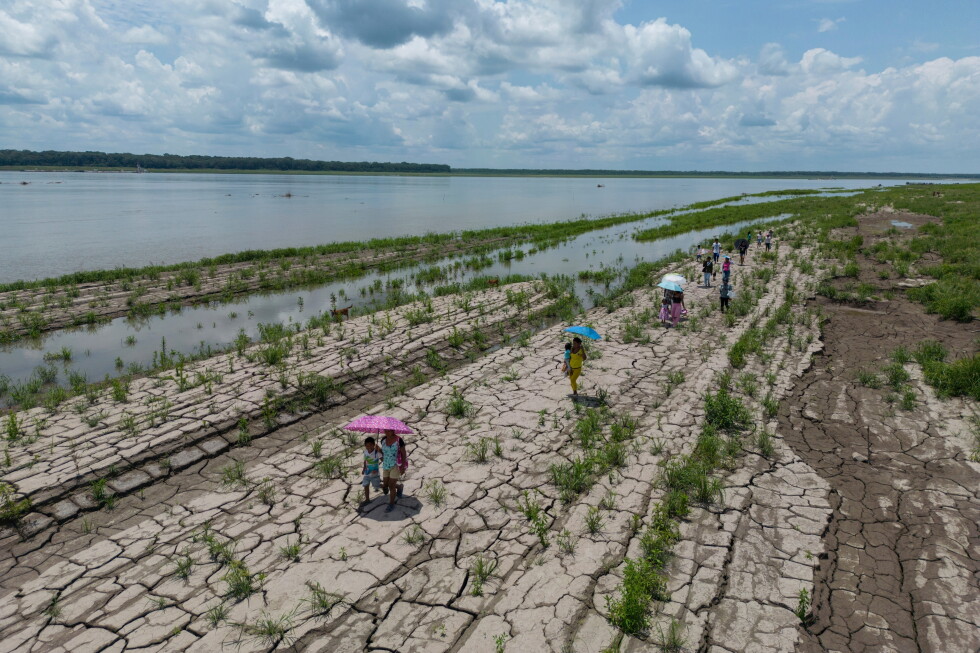
These unmet social needs, Rufino explained, drive many of the activities that fuel deforestation and environmental destruction: without viable economic alternatives, many local residents turn to coca cultivation, illegal mining, and other activities tied to criminal groups that destroy the forest. Stronger social investment, he said, would give residents viable alternatives to these destructive economies. The impacts of climate change and environmental destruction are already impossible to ignore in the region: recent years have seen severe droughts that dropped Amazon river levels to historic lows, killing thousands of fish and endangered pink river dolphins, while illegal mining has left widespread mercury contamination that has been detected in fish consumed by local communities, creating long-term health risks for residents.
As policymakers in Bogota debate energy policy, security strategy and economic growth, Amazon community leaders say the next Colombian administration must prioritize centering the voices of the people who have protected the forest for generations. For Rufino, that means recognizing the Amazon is not merely a reserve of natural resources to be extracted, but a living home to Indigenous and local communities that have been its most effective stewards for centuries. “The dialogue should focus on speaking from the Amazon and with the Amazon,” he said. “With the people. With young people. With women. With elders.”
The Associated Press’ climate and environmental coverage receives financial support from multiple private foundations. AP is solely responsible for all content.
-
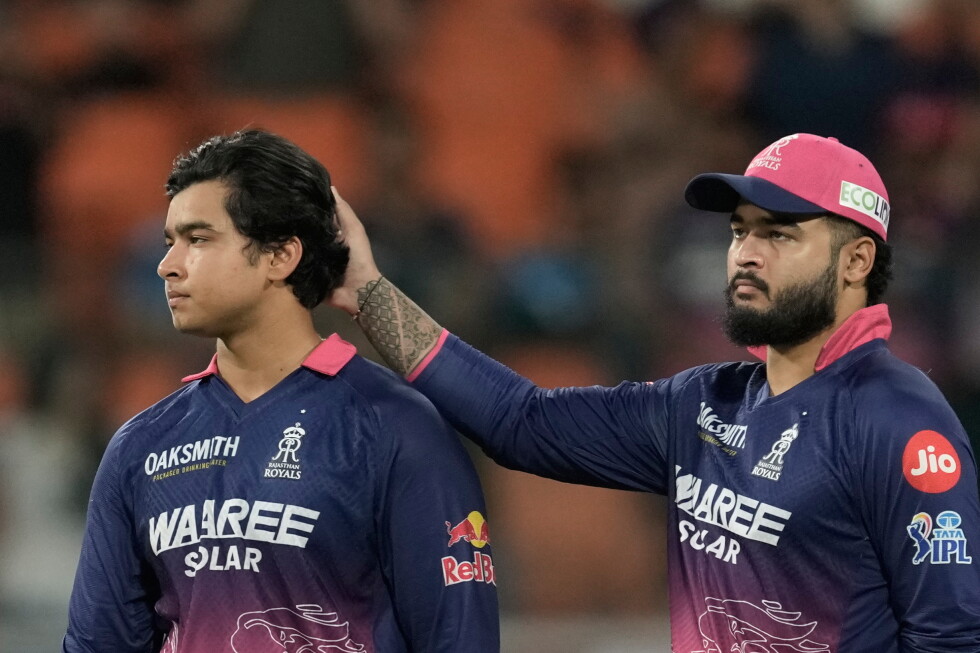
Wonderkid Vaibhav Sooryavanshi, 15, gets maiden India call-up
MUMBAI, India – In a groundbreaking move that has sent shockwaves through global cricket, 15-year-old batting prodigy Vaibhav Sooryavanshi has earned his first senior call-up to the Indian men’s cricket team, named in the T20 squad for upcoming tours of Ireland, England, and the 2026 Asian Games. If the teenage opening batter takes the field against Ireland in Belfast on June 26, he will etch his name into the record books by surpassing cricket legend Sachin Tendulkar, who made his Test debut for India at 16 years old against Pakistan in 1989 to become the youngest at that time.
Sooryavanshi’s meteoric rise to the senior national team comes off the back of a historic Indian Premier League (IPL) 2025 campaign that captured the attention of cricket fans worldwide. Representing the Rajasthan Royals, the teenager dominated the tournament, topping the run-scoring charts with 776 runs across 16 innings. His explosive batting style yielded a staggering strike rate of 237.31, including an incredible 72 maximum sixes, cementing his status as the most exciting young talent in the global game.
Ajit Agarkar, India’s chief national selector, explained that the teenager’s extraordinary performances left the selection panel with no choice but to name him in the squad. “He has forced us to pick him with how well he’s played,” Agarkar said. “We are well aware of how young he is, and that this is very early in his international career. But the level of talent he possesses is impossible to ignore, and we are confident that if he gets the opportunity to represent his country, he will translate that domestic form onto the international stage. Playing at this level will bring stiffer challenges, but he has already shown tremendous composure and temperament beyond his years. He single-handedly carried Rajasthan Royals through the IPL playoffs, and like everyone who has watched him play, we have very high hopes for what he can achieve.”
Sooryavanshi has been breaking age-related records for years long before this senior call-up. He made his first-class debut at just 12 years old, and at 13, he became the youngest player ever to sign an IPL contract when Rajasthan Royals secured his services for the 2025 season. Even in his first tournament, he impressed, notching 252 runs in seven matches at a strike rate of over 206, including a century off just 35 balls – the second-fastest hundred in the storied history of the IPL. More recently, he was the standout star of India’s victory at the 2026 ICC Under-19 World Cup, smashing an unbeaten 175 runs off only 80 balls against England in the final. That innings stands as the highest individual score ever recorded in any ICC global tournament final.
Alongside Sooryavanshi’s historic inclusion, the Indian selection panel made another major announcement: Shreyas Iyer will captain the full-strength Indian squad for the Ireland and England tours, which serve as preparation for the Asian Games T20 competition in Japan. Iyer replaces Suryakumar Yadav, who was dropped from the squad following a prolonged run of poor form across both the IPL and recent international assignments.
Iyer’s appointment comes as no surprise after his consistent leadership success in the IPL: he guided Kolkata Knight Riders to a third IPL title in 2024, led Punjab Kings to the tournament final in 2025, and previously took Delhi Capitals to the 2020 final, making him the only player in league history to lead three different franchises to the IPL title decider.
For the Asian Games squad, India included star pace bowler Jasprit Bumrah, a clear signal that the side is targeting a gold medal finish as cricket prepares for its return to the 2028 Los Angeles Olympic Games. The upcoming international schedule sees India take on Ireland in two T20 matches on June 26 and 28, followed by five T20 fixtures against England in July.