作者: admin

  • Cucurella joins Real Madrid from Chelsea on same day he’s set to play at World Cup for Spain

    Cucurella joins Real Madrid from Chelsea on same day he’s set to play at World Cup for Spain

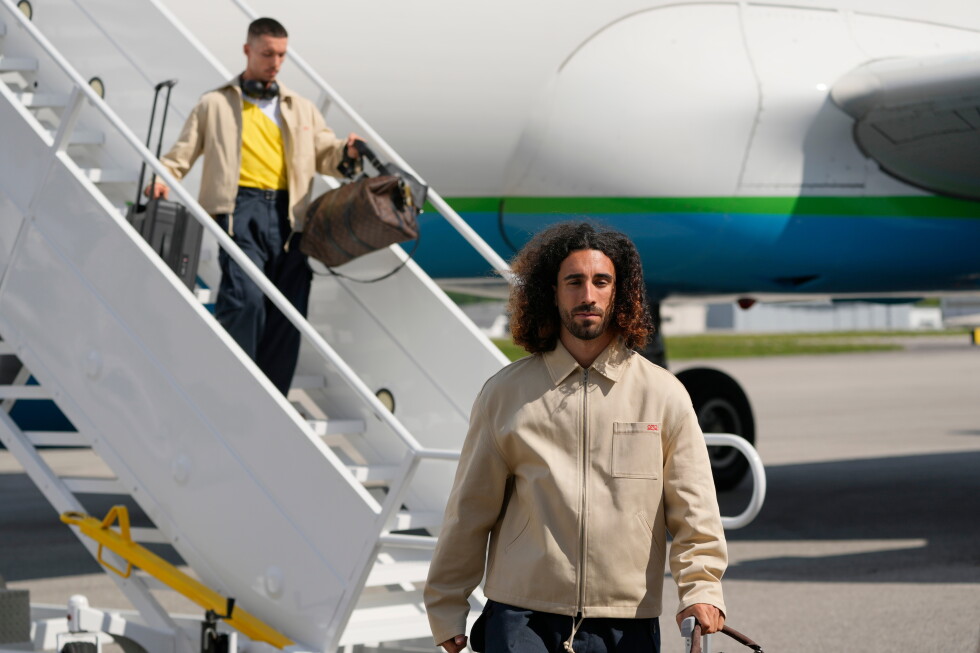
    In a high-profile transfer move that shakes up European soccer just as the 2024 World Cup gets underway in North America, Real Madrid has officially confirmed the signing of Spanish left-back Marc Cucurella from Chelsea. The announcement came on Monday, mere hours before Cucurella was set to take the pitch for Spain in its opening group stage match against Cape Verde in Atlanta.

    The 27-year-old, who is instantly recognizable across global soccer for his signature long curly hair, has put pen to paper on a six-year contract with the Spanish giants. According to BBC reporting, the transfer fee totals 60 million euros, equal to roughly $70 million. This deal is widely expected to be just the first of a major spending spree for Real Madrid this transfer window, coming on the heels of two key organizational changes at the club: the hiring of legendary head coach Jose Mourinho last week and the re-election of long-serving club president Florentino Pérez. Pérez has already publicly outlined his ambition to add more top defensive talent to the squad, with Liverpool center back Ibrahima Konaté and Inter Milan right back Denzel Dumfries already named as primary targets.

    Cucurella’s journey back to La Liga has been years in the making. He launched his professional career at Barcelona, Real Madrid’s bitter domestic rivals, before earning his stripes at Eibar and Getafe. He made the move to the English Premier League in 2021, signing with Brighton & Hove Albion, and just one year later he moved to Chelsea in a deal that came shortly after the London club was acquired by its current American ownership group. During his two years at Stamford Bridge, Cucurella cemented his reputation as one of the top left-backs in men’s soccer, and he was a key part of the Spanish national side that claimed the 2024 European Championship title earlier this year.

    For Chelsea, the sale of Cucurella comes as no surprise, as the club faces mounting financial pressure to offload high-value first-team players this summer. After a disastrous 2023-2024 campaign that saw the Blues fail to qualify for any European competition next season, selling top talent has become a necessity to balance the club’s books. The team slumped to a disappointing 10th-place finish in the Premier League, and suffered a humiliating 8-2 aggregate defeat to Paris Saint-Germain in the Champions League Round of 16. Cucurella also drew internal scrutiny at the club earlier this year, when he publicly criticized Chelsea’s January decision to fire manager Enzo Maresca in an interview with The Athletic in March. He argued that the timing of the sacking was poorly chosen, noting that the change had a major negative impact on the squad and that the club should have waited until the end of the season to make a management change.

    As Cucurella prepares to make his first tournament appearance for Spain at the North American World Cup, the transfer adds another layer of intrigue to both La Liga’s title race and the ongoing upheaval at Chelsea, one of the Premier League’s most high-profile clubs.

  • Japan’s DJ Rinoka bobs to the beat as a child prodigy techno artist

    Japan’s DJ Rinoka bobs to the beat as a child prodigy techno artist

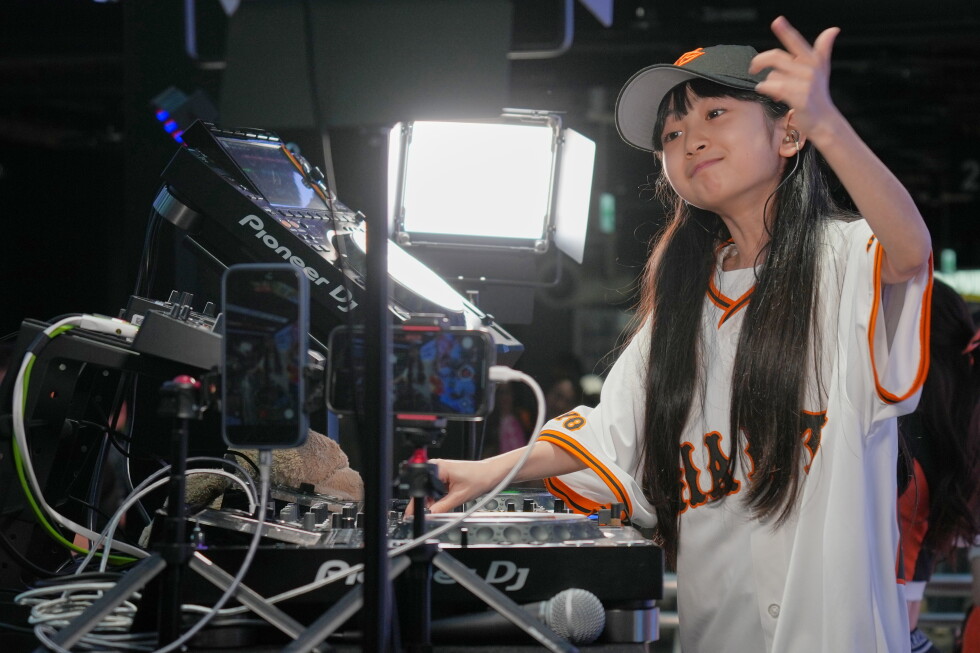
    At an age when most children are just mastering elementary school math and playground games, one young Japanese artist is already an internationally recognized techno phenomenon. Nine-year-old DJ Rinoka holds the official Guinness World Record as the planet’s youngest professional DJ — a title she claimed at just 6 years old — and has built a growing fanbase for her high-energy, bold performance style across Tokyo’s entertainment scene.

    Rinoka’s path to DJing began by chance when she was 4 years old, after scrolling YouTube and watching performances from iconic techno artists Amelie Lens and Nina Kraviz. Captivated by their cool, dynamic stage presence, she knew immediately she wanted to follow in their footsteps. For Christmas that year, she asked her family for a beginner Pioneer DDJ-200 DJ controller, kicking off her journey into electronic music. Today, she favors the fast, intense, hypnotic style of acid techno that has drawn crowds to her sets again and again. In a recent interview with the Associated Press, she summed up the joy of her craft simply: “It’s fun when people get excited at the live performances.”

    Unlike the stereotype of club-focused DJs, Rinoka’s daily life blends professional performance commitments with all the ordinary joys of childhood. She keeps her last name private, and her parents have chosen to stay anonymous to protect their only child’s ability to grow up as normally as possible. Outside of rehearsals and shows, she takes weekly hip-hop dance classes, creates handmade crafts from paper and aluminum foil, and keeps up with her elementary school assignments. She is an avid reptile lover with a pet gecko at home, and maintains a large collection of stuffed animals — her favorite toy dog Korochan travels with her everywhere, even joining her backstage at major events.

    Her performance resume already rivals that of artists many times her age: she has played sets for crowds at official events for the Yomiuri Giants, Tokyo’s beloved professional baseball team, and shared lineups with far more experienced, adult DJs at high-profile industry events. Footage of her sets shows a young artist with complete, unshakable confidence: she bobs along to the pounding beat, adjusting dials and pressing controls with easy familiarity, building a groove that gets crowds moving every time.

    Originating in American electronic music hubs like Detroit in the late 20th century, techno is defined by its driving kick drum, heavy use of electronic instruments (including the highly sought-after Roland synthesizers that remain a staple of the genre), and its ability to get listeners dancing. The genre has spread globally over the decades, evolving into countless subgenres including the high-intensity acid house that Rinoka prefers. For the 9-year-old prodigy, techno’s universal appeal transcends age and geography: when asked about the future of her favorite genre, she says simply, “The music will continue.”

    Even with her rising fame, Rinoka remains unapologetically a kid first. When asked to choose between a lifelong career as a DJ and working as a full-time gecko caretaker, she did not hesitate to answer. “The geckos,” she exclaimed, “They are so cute.”

  • In NYC’s Little Senegal, World Cup excitement meets exclusion and economic strain

    In NYC’s Little Senegal, World Cup excitement meets exclusion and economic strain

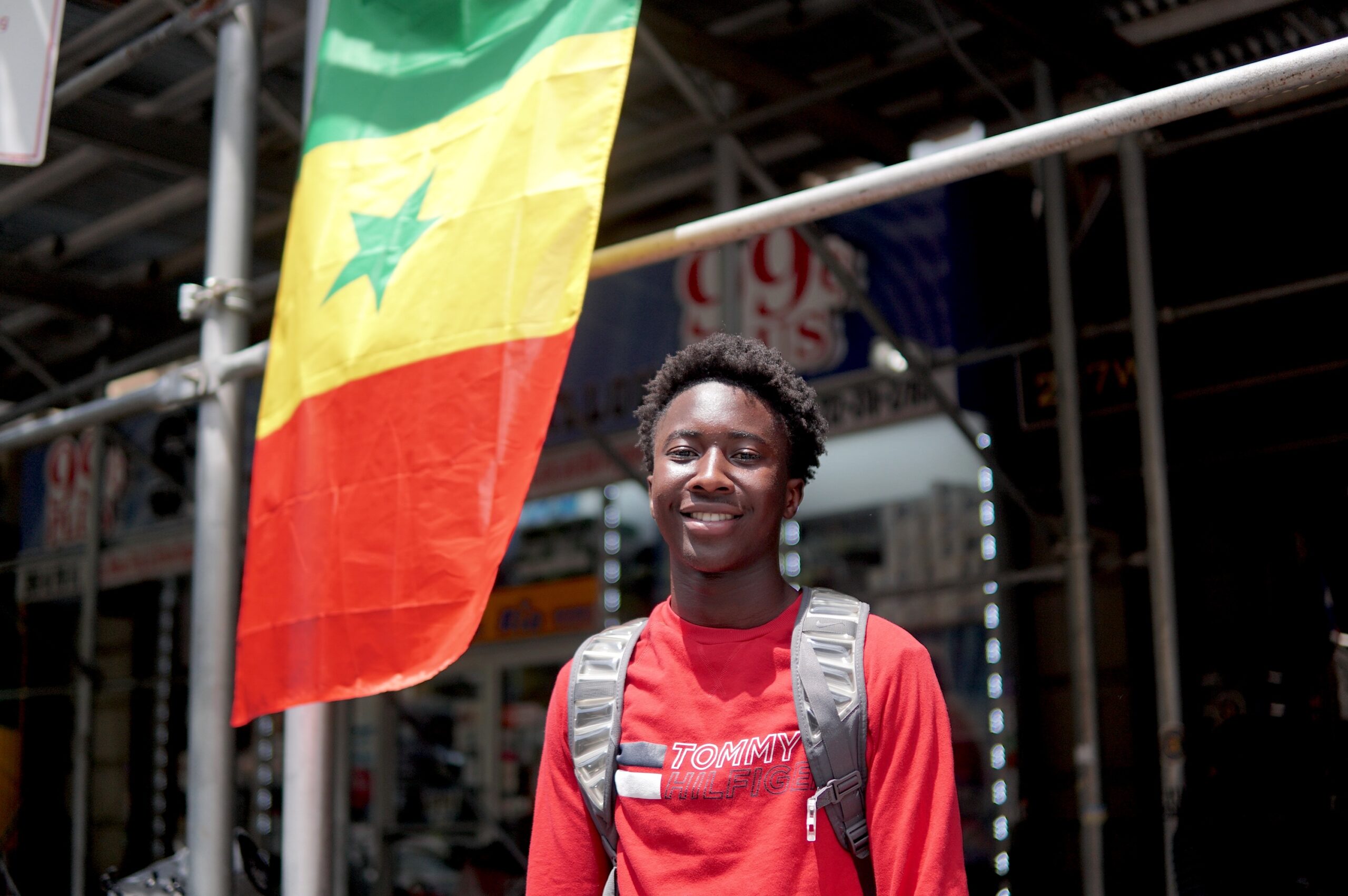
    Nestled along 116th Street in Harlem, New York City, Little Senegal – the vibrant West African enclave at the heart of Harlem’s cultural tapestry – buzzes with pre-tournament anticipation ahead of the World Cup opening fixture between Senegal and defending champions France. Giant screens mounted in local barbershops and cafes stream warm-up matches, Senegalese national flags hang from brick walls, and nearly every casual conversation drifts back to the highly anticipated clash. Storefront after storefront displays the iconic green and white Senegal national football jerseys, while passersby don bucket hats emblazoned with the red, yellow, and green of the Senegalese flag. Yet for all the visible excitement, a quiet undercurrent of despondency hangs over the community, as stark systemic inequities – from crippling visa restrictions to exorbitantly priced match tickets – have dimmed enthusiasm and forced even the most diehard fans to re-examine their priorities amid ongoing economic strain. This World Cup, hosted in the United States, has set new records for ticket pricing, with sought-after fixtures involving top-ranked teams like Senegal – the 2025 African Cup of Nations title holders, despite the ongoing dispute over the result – seeing resale prices soar well into the thousands of dollars. For working-class fans in Little Senegal, these price points are completely out of reach, leaving thousands of local fans and amateur players convinced that modern elite football was never built for ordinary people. “I’m a lifelong football fan, but some things are simply unconscionable,” Abdoul Aziz, a Harlem-based caregiver, told Middle East Eye. “How could I spend more than $1,000 on a single ticket when there are people back in Senegal who need basic support? I could never do that – even though I love the game more than anything and I’m proud to support my national team.” Aziz, who traveled to New Jersey last week to greet the Senegalese team upon their arrival in the U.S., is far from alone in his frustration. MEE spoke to dozens of community leaders, local business owners, and football fans across Little Senegal, who all shared that despite the absurd barriers stacked against them, they are determined to build a memorable, community-centered tournament experience for everyone. Home to a large segment of the estimated 33,000 Senegalese people living in the United States, Little Senegal has been a cultural anchor for the West African diaspora in New York for decades. Since the community first established roots here in the 1980s and 1990s, the enclave has been celebrated for its authentic West African restaurants, traditional hair-braiding salons, and shops selling handcrafted boubous – the vivid, flowing traditional Senegalese robes – bringing a slice of West African culture to the heart of Harlem. Halal butcheries sit alongside small vendors selling international calling cards and mobile accessories, while general stores stock an array of beauty products imported directly from West African markets. The neighborhood stretches to the iconic Malcolm Shabazz Mosque, where Malcolm X once served as a minister for the Nation of Islam. When the Senegalese community first arrived, they were widely credited with breathing new life into Harlem’s struggling local economy, though years of skyrocketing rents and gentrification have spread the community more broadly across the city. Even so, Little Senegal remains the most important cultural and economic hub for West Africans in New York. Beyond the crippling ticket prices facing local fans, the community also grapples with systemic barriers that have locked out traveling Senegalese supporters from entering the country to attend the tournament. For years, Senegalese visitors and migrants have faced harsh scrutiny from U.S. immigration authorities, who have long alleged that Senegalese nationals frequently overstay their visas. This has led to an extraordinarily high visa rejection rate for Senegalese applicants, which reportedly hit 74 percent in 2025. The situation worsened in early 2026, when U.S. President Donald Trump added Senegal to a list of countries subject to mandatory entry bonds, requiring applicants to pay between $5,000 and $15,000 to gain entry – a cost that rules out all but the wealthiest Senegalese fans from attending the tournament. U.S. authorities eventually granted a narrow waiver for fans who purchased tickets through FIFA’s official website and registered for the FIFA pass system by April 15, but the restriction still kept tens of thousands of supporters from traveling. Even the Senegalese national fan group, The Douzième Gaindé, was completely barred from attending due to visa restrictions. “It’s devastating what they’ve done not just to Senegalese fans, but to fans from so many other countries across the Global South,” said Max, a 42-year-old Senegalese beauty product entrepreneur based in Harlem, as he sat in a local barber chair getting a touch-up on his greying hair. “This is the World Cup, after all. We’ve never seen anything like this before.” For many local residents, the barriers are not just inconvenient – they are rooted in systemic inequity. “This is racism. America always tries to position itself as superior to others,” said Saliou Gueye, a sports science student living in Harlem. Only a tiny handful of Senegalese fans managed to secure visas and tickets to the opening clash from Dakar. Boubacar Cisse, a business owner from the Senegalese capital, told MEE he and his brother were able to travel to the U.S. for the tournament, but acknowledged they are clear exceptions. Their visas were approved long before the World Cup was scheduled, for unrelated purposes. “It’s so difficult for most people. But we thank God we were able to get tickets to the game too,” Cisse said. “We understand every country makes its own policies, and we respect that… but since this is the World Cup, they could have made special accommodations for fans.” For Gueye, the dual burden of restricted entry for international fans and sky-high ticket prices for local fans feels deliberate: it is less than 14 miles from 116th Street in Little Senegal to the New Jersey stadium where the match will be played, yet for most Senegalese fans, it feels worlds away. In response to the overlapping crises facing the community, the Senegalese Association of America has mobilized to create accessible alternatives for local fans. The organization first worked with the Senegalese consulate in New York to lobby for discounted community tickets, and last week, the Senegalese government announced it had finalized an agreement with FIFA to distribute 800 discounted tickets to local Senegalese fans. For the thousands who still cannot afford tickets, the association will host massive public watch parties along 116th Street on all match days, a tradition the organization has carried out for major international tournaments for years. Local restaurants and cafes across the entire neighborhood – from 116th Street up to 137th Street near the Schomburg Center for Research in Black Culture – are already preparing to host huge crowds of fans for the opening clash against France. For Senegalese fans, the match carries far more meaning than just three points in a group stage. The fixture immediately brings back memories of the two teams’ iconic first encounter 24 years ago, during Senegal’s debut World Cup appearance in 2002. Aziz, the 42-year-old caregiver, was living in Dakar for the 2002 tournament, when Senegal and France met in their opening group stage match in Seoul. Back then, France was the defending World Cup champion, fielding one of the most talented squads in the tournament’s history. But the defending champions were stunned by a 30th-minute goal from Papa Bouba Diop, sending the entire nation of Senegal into celebrations and knocking France out of the tournament in the first round in an embarrassing early exit. “Senegal rejoices as cock crows no more over Dakar,” The Guardian wrote at the time, referencing Senegal’s historic victory over its former colonial ruler. Senegal went on to reach the quarterfinals that year, but for most Senegalese fans, the upset victory over France was a moment of national pride that has never been matched. “It felt like we had won the entire World Cup,” Aziz reminisced. The moment was so transformative that then-President Abdoulaye Wade declared a national holiday across Senegal. Max, the local beauty entrepreneur, also remembers the 2002 match vividly. He says the current Senegalese squad, led by global superstars Sadio Mané and Kalidou Koulibaly – widely regarded as two of the greatest African players of the modern era – is the most complete side the nation has ever produced, part of what fans across the continent call Senegal’s golden generation. “The team today knows they belong on this stage, they know they’re superstars,” Max said. Since 2018, Senegal has qualified for three consecutive World Cups, and won the 2025 African Cup of Nations in Morocco – a title that remains disputed, with the result later appealed and awarded to Morocco by continental officials. “I feel like this is the year we can really show the world what we’re made of,” said Awa Diop, 27, one of the lucky local fans who secured a ticket to Tuesday’s match. She added that if the squad avoids major injury crises, she considers Senegal and Morocco the two strongest teams on the African continent. Not all local leaders frame the match as a symbolic rematch for colonial history, however. Elhadji Nddour, a youth coordinator for the Senegalese Association of America, says the team has its sights set on a bigger prize. “We’re not just focused on France – we’re focused on every team we face on the way to lifting that trophy, because we came here to win the whole thing,” Nddour told MEE. Thousands of Senegalese fans from across the Northeast U.S. are expected to arrive in Harlem on Monday ahead of the match. Diop says that even though so many fans could not travel from Senegal to support the team, the Little Senegal community will more than make up for their absence. “I’m not worried at all, because New York already has its own mini Senegal right here,” Diop said. “All the energy and support will be there one hundred percent. We have everything you’d find back home: the drummers, the people painting their faces, the people dancing – they’re all already here.”

  • GCI advocates for world peace

    GCI advocates for world peace

    As the international community marked the International Day for Dialogue Among Civilizations last week, South African policymakers and think tank analysts have emphasized the critical, timely role of China’s Global Civilization Initiative (GCI) in advancing cross-cultural dialogue and sustaining peaceful coexistence across an increasingly fragmented and unpredictable global landscape.

  • Dublin-born Cape Verde star recruited on LinkedIn gets World Cup chance

    Dublin-born Cape Verde star recruited on LinkedIn gets World Cup chance

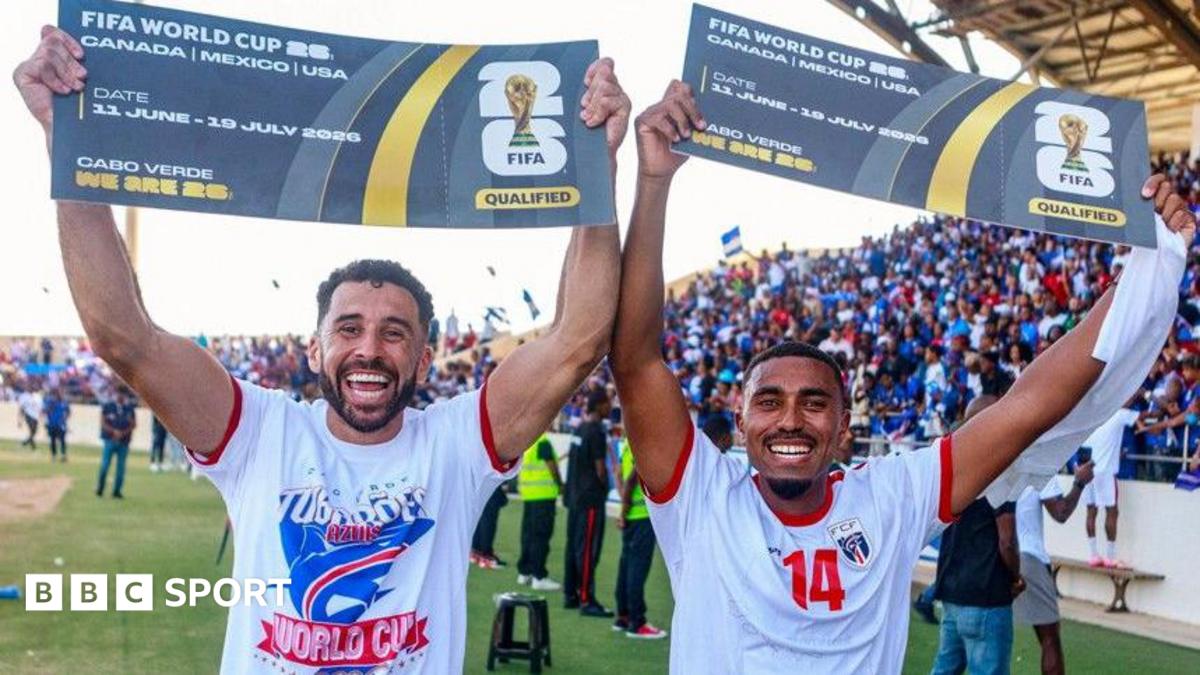
    The 2026 FIFA World Cup will bring one of its most extraordinary underdog stories to the global stage when tiny Atlantic island nation Cape Verde makes its first ever tournament appearance, headlined by the incredible journey of defender Roberto Lopes, who went from a part-time footballer working a Dublin desk job to starting against 2010 champions Spain.

    At 33, Lopes’ path to the world’s biggest sporting stage reads like a Hollywood script. A decade ago, he was a newly certified mortgage adviser grinding through a 9-to-5 office job he disliked, turning out part-time for Irish side Bohemians after work. It was not until 2017 that Dublin rivals Shamrock Rovers gave him the life-changing chance to pursue football full-time, a gamble he took without hesitation.

    The next twist in his journey came through an unlikely channel: LinkedIn. In 2019, then-Cape Verde head coach Rui Aguas discovered Lopes’ father was born in the African island nation, and reached out to invite him to join the national side nicknamed the Blue Sharks. Lopes, who had previously represented Republic of Ireland at under-19 level, initially mistook the Portuguese-language message for spam and ignored it for nine months. When Aguas followed up, Lopes translated the message and jumped at the opportunity immediately.

    “From when I was a young child, and I imagine every aspiring footballer when they were young, they wanted to play at the highest level possible and, for me, it doesn’t go any further than the World Cup,” Lopes told BBC Sport. “Being able to represent my family playing for the national team and being able to put our family name out there at one of the biggest sporting events in the world fills me with great pride.” Just days after helping Cape Verde secure World Cup qualification, Lopes welcomed his first child, son Diego, with wife Leah, capping off a whirlwind period of achievement.

    Lopes’ story is just one part of Cape Verde’s decades-long climb to global football prominence. The nation of just 525,000 people, a former Portuguese colony that gained independence in 1975 and only joined FIFA in 1986, has shocked the global football community to reach the tournament. For generations of Cape Verdean footballers, this moment was once unthinkable.

    Anselmo “Jair” Ribeiro, who played for the Blue Sharks in 2000 when the side was ranked 182nd in the world, recalled the challenges of that era: when he played, he had to pay for his own plane tickets to represent the national team, and even many people he met had never heard of his country. Today, the Blue Sharks sit 67th in the FIFA rankings, have qualified for four Africa Cup of Nations tournaments, and will become one of the smallest nations by population to ever compete at a World Cup. Locals call the qualification the biggest moment for the country since independence, a staggering rise for a football association that employs only seven full-time staff and sells match tickets out of local bakeries and petrol stations.

    For the large Cape Verdean diaspora in the United States, the team’s first World Cup match – to be held in Atlanta, just a 1,000-mile trip from the U.S.’s largest Cape Verdean community in Massachusetts – is a moment of unprecedented national pride. At Thony’s Barbershop in Boston’s Dorchester neighborhood, owned by Cape Verdean immigrant Antonio Alves, the shop is decked out in Blue Sharks colors, and every conversation for months has revolved around the tournament. Alves, who will attend the opening match in person, has set up the shop’s large television to broadcast the game live for local fans, complete with free snacks and drinks.

    Massachusetts is home to between 70,000 and 90,000 Cape Verdean residents, whose ancestors first arrived as whalers in the 1850s. Alves, who left Cape Verde for the U.S. at 18 and has funded tickets for local children to attend Cape Verde’s home matches, says the unlikelihood of the Blue Sharks’ run has united the entire community. Alves was in Praia, Cape Verde’s capital, when the team beat Eswatini to secure qualification, and recalls fans crying with joy as the historic result sank in.

    “The rest of the world said, ‘No chance, no way are Cape Verde getting this close’. But here we are,” Alves said. “This is the power of sport. There are a lot of people in this community who don’t follow football, but they’ve been coming into the shop to ask questions. When’s the game? Where’s the game? Can I watch? This is the power of sport, getting people together.” Cape Verde kicks off its historic Group H campaign against Spain on Monday, with matches against Saudi Arabia and Uruguay to follow, as the Blue Sharks aim to become the first African debutant since Ghana in 2006 to advance to the knockout stage.

  • China detains two leaders of influential underground church

    China detains two leaders of influential underground church

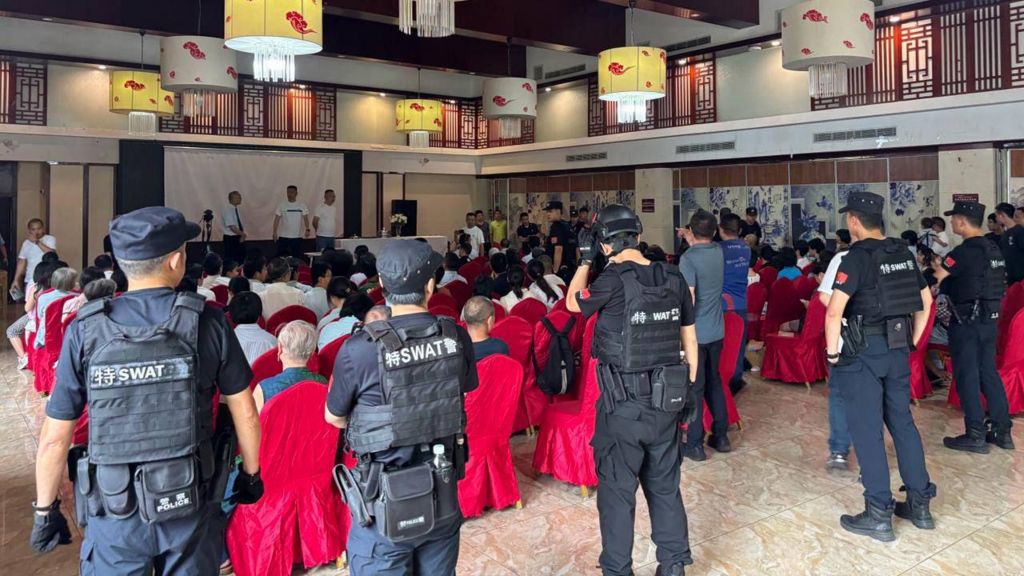
    On a recent Sunday, Early Rain Covenant Church, one of China’s most prominent unregistered Protestant congregations, was violently interrupted mid-worship when armed law enforcement officers stormed the hotel ballroom venue where the congregation had gathered in the southwestern city of Jiangyou. In a formal statement released via the messaging platform Telegram the following day, church representatives confirmed that more than 30 congregants and leaders were forcibly taken from the service to a local detention center for interrogation, with two senior pastors, Yan Hong and Wu Wuqing, remaining in custody as of the latest updates. Members of the congregation estimate that at least 50 officers, including personnel from the Special Weapons and Tactics (SWAT) unit, were on site during the 11 a.m. local time raid. Visual evidence shared by the church, including photographs and video clips, shows uniformed officers surrounding seated worshippers, while plainclothes officers can be seen on stage repeatedly demanding the congregation stop singing hymns. According to the church’s account, even after the raid, worshippers who remained in the ballroom — including elderly attendees and children — were locked in the space for hours while officers conducted mandatory identity checks. While in detention, the congregants detained for interrogation continued to fellowship, sing hymns and pray together, the statement added. Officers attempted to pressure congregants locked in the ballroom to sign an undisclosed affidavit in exchange for their release; all attendees refused to sign the document, but were ultimately released by 6 p.m. local time. All detainees except pastors Yan and Wu were released between 9 p.m. and 11 p.m. Sunday, the church confirmed. No public explanation for the detentions has been issued by Chinese authorities, who have not responded to requests for comment on the incident. This is not the first time either Yan or Wu have been detained by authorities: the pair were most recently summoned by police in January on unsubstantiated charges of “picking quarrels and provoking trouble.” Founded in 2008 and originally based in the southwestern provincial capital of Chengdu, Early Rain Covenant Church has been a high-profile target of Chinese government regulation for years due to the country’s strict state control over religious practice. The church’s founding pastor, Wang Yi, was arrested during a large-scale 2018 raid and is currently serving a nine-year prison sentence on widely criticized charges of “inciting subversion of state power” and “illegal business operations.” China’s ruling Communist Party officially permits religious practice only through state-sanctioned denominations led by government-appointed clergy. According to official 2018 data, China is home to roughly 44 million Christians, though independent observers note this figure almost certainly excludes millions of worshippers who attend unregistered “house churches” like Early Rain Covenant, which operate outside state oversight. In recent years, Christian advocacy groups say government restrictions on unregistered religious activity have grown significantly harsher, with frequent raids and detentions of independent congregational leaders becoming the norm. Bob Fu, founder of ChinaAid, a non-profit organization that tracks religious freedom violations in China, called Sunday’s raid a clear demonstration of the ruling party’s ongoing framing of peaceful Christian worship as a threat to state authority. The incident comes less than a year after a similar large-scale crackdown on another prominent independent Chinese church: in October of last year, 30 leaders of the Beijing-based Zion Church were detained in coordinated raids across seven Chinese cities, and the church’s founder, Ezra Jin, remains in state custody to date.

  • World Cup: South American teams start off on the wrong foot

    World Cup: South American teams start off on the wrong foot

    PHILADELPHIA — The 2026 FIFA World Cup has delivered an unexpected early twist, as powerhouse South American national teams have failed to secure a single win across their opening three fixtures, a rocky start that stands in stark contrast to a dominant opening performance by host-region North American sides on home soil.

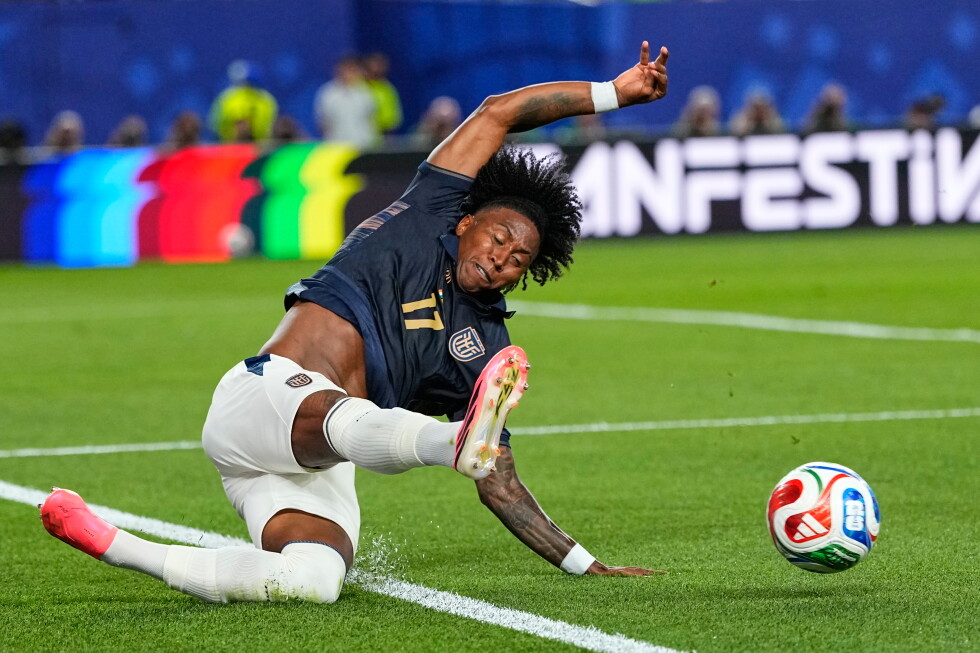
    The latest setback for South American soccer came Sunday at Philadelphia’s Lincoln Financial Field, where Ivory Coast claimed a tight 1-0 victory over Ecuador. The result brought an end to Ecuador’s 19-game undefeated run stretching back to a 1-0 loss to Brazil last September, even as a pro-Ecuador crowd of 68,274 — most clad in the team’s iconic yellow kits — turned the venue into a near-home field for La Tri.

    Ecuador’s defeat follows two other underwhelming South American results from the tournament’s opening weekend: five-time World Cup champions Brazil were held to a 1-1 draw by Morocco on Saturday, while Paraguay suffered a lopsided 4-1 rout at the hands of co-host United States.

    Post-match comments from South American coaching staff shared a common tone of reflection following the underwhelming starts. Ecuador manager Sebastián Beccacece described the result as a “very painful situation”, noting “I’m very sorry we did not give our fans the joy they came to seek. It was an unfair defeat, played out in a fantastic stadium atmosphere. We have to process it, put what happened behind us, focus on what lies ahead, and I believe we keep the faith.”

    Paraguay head coach Gustavo Alfaro echoed that language, calling his side’s heavy defeat to the U.S. a “very painful lesson”, and offered unreserved praise for the co-hosts’ performance: “The U.S. won this match very clearly and fairly. They dominated tactically, technically and physically as well. They have answers to everything you throw at them.”

    Even for Brazil, the most decorated men’s World Cup program in history, the opening draw did not spark panic. Legendary manager Carlo Ancelotti urged the side to remain confident, reminding critics and players alike: “You don’t win a World Cup based on your first match.”

    Ecuador’s playing staff also pushed back against narratives that an opening loss eliminates their title hopes, pointing to recent tournament history as proof early results do not determine final outcomes. Captain Enner Valencia said the squad retained its optimism despite the setback: “We’re keeping our heads held high knowing that this is just the beginning, and there’s still a tournament ahead of us.”

    Ecuador goalkeeper Hernan Galindez expanded on that point, referencing Argentina’s 2022 World Cup victory to illustrate the unpredictability of the tournament: “In the last World Cup, we won the first game and then were left out. Argentina, in the last World Cup, lost the first game and won the World Cup, so nothing guarantees you anything.”

    South American soccer carries a unique global legacy: it is the only continent outside Europe to produce men’s World Cup champions, and has claimed nine of the 22 titles awarded in tournament history. Three more South American sides are yet to kick off their 2026 campaigns, with Uruguay facing Saudi Arabia on Monday, defending champions Argentina taking on Algeria on Tuesday, and Colombia meeting Uzbekistan on Wednesday.

    The rocky opening for South American nations stands in sharp contrast to the strong start by all three North American co-hosts. Following the U.S.’s lopsided win over Paraguay, Mexico opened its tournament with a 2-0 victory over South Africa, while Canada earned its first ever World Cup point with a 1-1 draw against Bosnia and Herzegovina.

  • Iran and US reach an initial deal to end the war and open the Strait of Hormuz but challenges remain

    Iran and US reach an initial deal to end the war and open the Strait of Hormuz but challenges remain

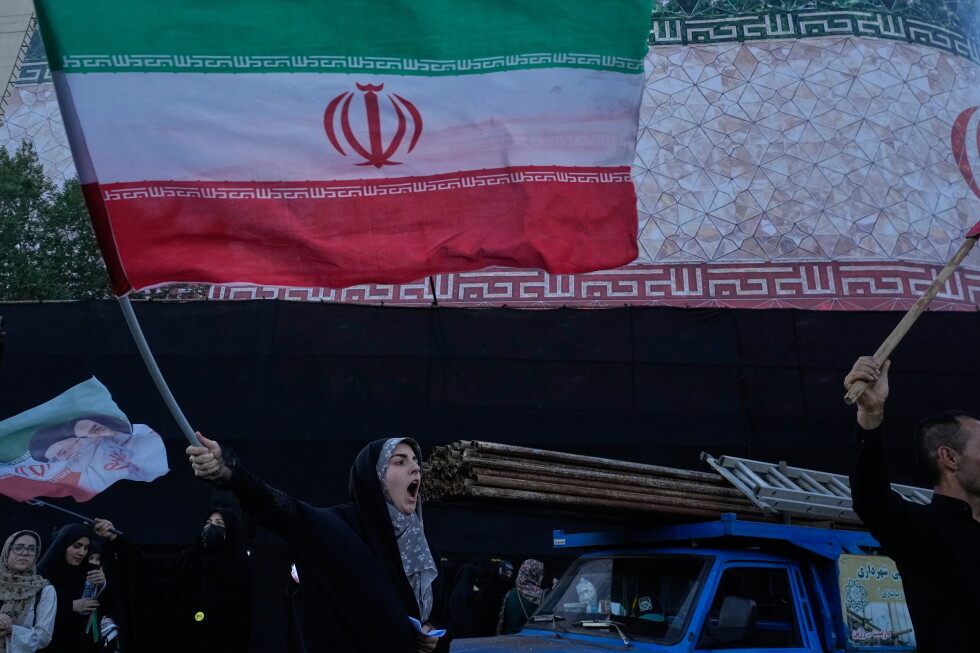
    GENEVA, SWITZERLAND — In a tentative breakthrough that offers a glimmer of relief for strained global energy markets, the United States and Iran have reached an initial agreement Monday to extend their fragile existing ceasefire and reopen the strategically critical Strait of Hormuz, the world’s most important oil chokepoint. The path to a permanent end to the ongoing regional conflict, however, remains littered with substantial, potentially deal-breaking obstacles, most notably Israel’s refusal to end its offensive in Lebanon and withdraw from occupied Lebanese territory.

    Details of the framework agreement have not been released to the public, and all sides have confirmed the deal will not go into effect until a formal signing ceremony, scheduled for this Friday in Geneva under the mediation of Pakistan. Preparatory closed-door talks between US and Iranian diplomatic teams will kick off this week in Doha, Qatar, a senior diplomat with direct knowledge of the negotiations told the Associated Press on condition of anonymity.

    Even if the strait — through which roughly 20% of the world’s daily oil and natural gas shipments flowed before the conflict — opens as planned on Friday, energy analysts warn the global energy crisis triggered by its near-total closure will take months to abate, as shipping firms and energy producers work to rebuild disrupted supply chains and restore pre-conflict operational capacity.

    The current conflict traces its roots back to 2018, when then-President Donald Trump unilaterally withdrew the United States from the multinational Joint Comprehensive Plan of Action (JCPOA), the landmark nuclear agreement that had placed strict limits on Iran’s nuclear program in exchange for sanctions relief. The withdrawal sparked years of escalating tensions that eventually erupted into open war on February 28, when the US and Israel launched joint military operations against Iran. The conflict has killed thousands across the Middle East, including top Iranian clerical leaders, and driven sharp spikes in global fuel, food and commodity prices that have impacted consumers far beyond the region.

    One of the biggest threats to the deal’s survival is Israel’s unyielding stance on its military campaign in Lebanon, where Israeli forces have been battling Iranian-backed Hezbollah militants. Israel joined the US in the war but is not a signatory to the new ceasefire agreement. On Monday, Israeli Defense Minister Israel Katz announced the country would maintain permanent military control over the roughly 1,000 square kilometers of territory it has seized in Lebanon, Gaza and Syria over the past two and a half years, vowing to stay “indefinitely.”

    A spokesman for Prime Minister Benjamin Netanyahu’s office reaffirmed that Israel will continue all military operations necessary to defend its national security against what it frames as ongoing threats from Hezbollah and other Iranian-aligned groups. The spokesman added that Israel remains fully aligned with the US on preventing Iran from developing a nuclear weapon, but will not be bound by the terms of the US-Iran agreement.

    Iran has publicly insisted that any comprehensive peace deal must include an immediate end to all hostilities in Lebanon. Israeli officials have already rejected that demand, raising serious questions about whether the preliminary agreement can survive. An Israeli airstrike on Beirut’s southern suburbs just one day before the deal was announced nearly derailed the negotiations entirely, and cross-border exchanges of fire have continued in the weeks since the last temporary ceasefire took effect.

    Hezbollah, for its part, issued its first public response to the deal Monday calling it a “major achievement” for Iran that could eventually lead to the full liberation of Lebanese territory, the return of displaced residents and prisoners, and the reconstruction of war-devastated border areas. The group, however, rejected any return to the status quo that existed before the latest conflict, when a nominal ceasefire was in place but Israel continued regular targeted strikes on Hezbollah positions in Lebanon. It also criticized the Lebanese government’s past efforts at US-mediated direct negotiations with Israel that failed to deliver on the ground, calling on officials to abandon “illusions and losing bets.”

    Beyond the Lebanon impasse, the agreement also faces major unresolved challenges on the nuclear issue that sparked the original tensions. The deal only gives the two sides 60 days to reach a permanent agreement on the future of Iran’s stockpile of highly enriched uranium and its overall nuclear program. The US and Israel have long alleged Iran is pursuing a nuclear weapons capability, a claim Iran has repeatedly denied, saying its nuclear program is entirely for peaceful energy and medical purposes. Negotiators note it took years of diplomacy to reach the 2015 JCPOA agreement, making a final deal in just two months an extremely high bar.

    Early in the conflict, Iranian attacks on commercial shipping in the Strait of Hormuz brought traffic through the waterway to a near standstill, prompting the Trump administration to implement a full blockade of Iranian ports in response. The closure of the strait, combined with Iranian strikes on Gulf energy infrastructure and the US blockade, sent global fuel prices skyrocketing and sent ripple effects through every sector of the global economy, pushing inflation higher in almost every country worldwide.

    Trump, who is facing growing political pressure to end the conflict ahead of November’s congressional midterm elections, initially hailed the preliminary agreement on social media, saying he had authorized the immediate opening of the strait and an end to the blockade. He later corrected his statement to confirm the strait would not open until the formal signing on Friday. Iran’s deputy foreign minister Kazem Gharibabadi confirmed the agreement on Iranian state television Monday, saying Iran would not begin implementation until the deal is formally signed.

    Despite the significant uncertainties surrounding the deal, world leaders have broadly welcomed the preliminary breakthrough. French President Emmanuel Macron, who is hosting Trump and other G7 leaders at a summit this week, said France and other Western partners are “ready to take action very quickly” to help restore safe shipping through the strait once the agreement enters into force, noting that France already has substantial military assets in the region, including its nuclear-powered aircraft carrier the Charles de Gaulle. China and other global powers have also issued statements welcoming the step toward de-escalation. Other European leaders have struck a more cautious note, however, with Luxembourg’s Foreign Minister Xavier Bettel noting “It’s a long time till Friday,” a reference to the multiple hurdles that remain before the deal can be implemented.

    The Associated Press contributed reporting from Athens, Islamabad, Washington, Jerusalem, Beirut, Doha, Tel Aviv and Evian-les-Bains.
  • Hong Kong opens consultation on first 5-year plan that echoes mainland China’s playbook

    Hong Kong opens consultation on first 5-year plan that echoes mainland China’s playbook

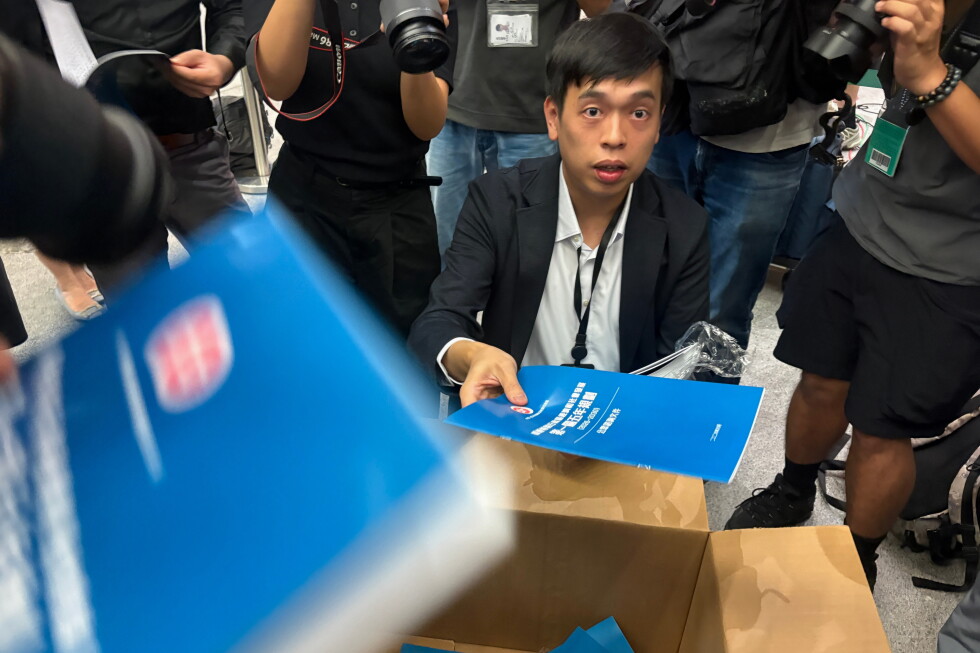
    In a move that marks a notable shift in how the special administrative region frames its long-term growth strategy, Hong Kong kicked off a two-month public consultation on its first ever five-year development blueprint on Monday, bringing the city’s planning framework more closely into alignment with mainland China’s national development approach.

    Speaking at an official press conference to launch the consultation, Secretary for Constitutional and Mainland Affairs Janice Tse laid out the core logic of the new planning structure: mainland China has already commenced work on its 15th five-year national plan, covering the 2026–2030 period, and Hong Kong’s local blueprint is designed to synchronize with this national agenda while preserving the city’s long-standing commitment to free market principles. For decades, Hong Kong has positioned itself as a bastion of limited government intervention in the economy, even as it has referenced Beijing’s national vision for the city’s role within China’s broader growth story.

    Tse emphasized that alignment with the national five-year plan does not override Hong Kong’s free market system. Instead, she argued, clear strategic direction from government across major policy areas creates a more stable, predictable operating environment that lets market forces flourish more effectively. Under the draft framework, Hong Kong will double down on strengthening its established status as a global financial, maritime and trade center. Officials also outlined two key priority development projects: accelerating construction of the Northern Metropolis, a planned new tech and education hub located directly across the border from mainland China’s leading tech center Shenzhen, and deepening integration across the Guangdong-Hong Kong-Macao Greater Bay Area, Beijing’s flagship initiative to build a unified economic hub across 11 cities including Hong Kong, Macau and nine mainland Guangdong municipalities.

    Hong Kong Chief Executive John Lee previously framed the five-year plan as a framework to balance what he calls a “capable government” and an “efficient market”, arguing that proactive government leadership will boost the private sector’s overall competitiveness. Lee also noted that the plan will help individual Hong Kong residents identify clear personal development pathways and give greater clarity for businesses doing long-term strategic planning.

    To gather public input, residents will be able to submit feedback via an official government website, email or traditional postal mail over the consultation period. The government will also host a series of engagement sessions with residents, industry stakeholders and political figures to collect on-the-record input. Officials have targeted the third quarter of this year to publish the finalized, approved version of the five-year plan. Separately, a senior Beijing official overseeing Hong Kong and Macau affairs is scheduled to arrive in Hong Kong on Tuesday for a two-day working visit focused on studying progress toward aligning the city’s development with the 2026–2030 national plan and advancing the Northern Metropolis project.

    The shift toward formal five-year planning has drawn mixed commentary from local analysts. John Burns, a professor of politics and public administration at the University of Hong Kong, noted that Hong Kong has long struggled with coordination gaps and missed opportunities due to the absence of overarching long-term strategic planning. At the same time, he pointed out that public consultation processes in Hong Kong have long faced criticism for being performative, with authorities rarely making substantive changes to proposed policies even after receiving critical public feedback.

    Burns described the consultation as an effort by the government to build community buy-in for a local five-year plan explicitly structured to align with central government priorities, adding that the current consultation document does not include concrete, measurable targets or binding timelines for key initiatives.

    Contextual background helps frame the significance of this policy shift: since the 1997 handover that returned Hong Kong to Chinese rule after more than 150 years of British colonial administration, the city has grown increasingly integrated with mainland China through expanding economic, cultural and infrastructure ties. Under Beijing’s “one country, two systems” framework, Hong Kong retains its own independent executive, legislative and judicial systems, but Beijing’s political influence over the city has grown substantially in recent years. Following large-scale anti-government protests in 2019, Beijing imposed a sweeping national security law on the city that authorities have framed as essential to restoring stability, but which has effectively eliminated all open political dissent. Hundreds of opposition activists have been jailed under the law, and a subsequent electoral overhaul has ensured that Hong Kong’s legislature is dominated exclusively by politicians loyal to Beijing.

  • US musician Oliver Tree dies in helicopter collision in Brazil

    US musician Oliver Tree dies in helicopter collision in Brazil

    A devastating mid-air collision between two helicopters over Rio de Janeiro, Brazil has claimed the lives of six people, including 32-year-old American alternative pop artist and internet personality Oliver Tree, who was in the middle of a global tour.

    The crash, which unfolded on Sunday, sent one of the stricken aircraft crashing into a car dealership’s parking lot, igniting an intense blaze that destroyed roughly 20 parked vehicles. Local Brazilian media has shared publicly obtained footage of the disaster capturing one helicopter plummeting from the sky, followed by towering plumes of black smoke and intense flames consuming the impact zone.

    Emergency response teams from the Military Fire Department of the State of Rio de Janeiro confirmed they were dispatched to the crash site at approximately 9:00 a.m. local time, which translates to 12:00 p.m. GMT. Official passenger and crew manifests have identified all fatal casualties: alongside Tree on the first helicopter were Argentine popular content creator Gaspar Prim Diaz, widely known by his online alias Gaspi, passengers Lucas Brito Chaves and Lucas Vignale, as well as pilot Alexandre Souza. The second helicopter carried only its pilot, Charles Marsillac, who also died in the collision.

    Born Oliver Tree Nickell in Santa Cruz, California in 1993, the artist first catapulted to mainstream fame in 2016 when his work went viral across major social media platforms. Recognizable by his signature iconic bowl haircut, Tree built a global fanbase through chart-topping hits including *Life Goes On*, *Miss You*, and *Alien Boy*. He kicked off his latest world tour just weeks before the crash, delivering his most recent live performance to a crowd in São Paulo, Brazil on June 6. Upcoming scheduled stops on the tour included a July 1 show in Lisbon, Portugal, and September performances in three UK cities: Glasgow, Manchester, and London.

    Tributes have poured in from across the global entertainment industry from fellow creators and collaborators shocked by his sudden passing. British rapper, content creator, and *Britain’s Got Talent* judge KSI, who collaborated with Tree on the 2023 track *Voices*, shared an emotional tribute on his X (formerly Twitter) account. “Can’t believe I’m actually having to type this. You’re 32 man. You should still be here. You still had so much life to live. So much music to make. So much content to make,” KSI wrote. “You’re a legend and will always be a legend. Still doesn’t feel real. Genuinely feel sick. I love you bro.”

    Stunt performer and *Jackass* star Steve-O, whose legal name is Stephen Glover, also shared a heartfelt tribute alongside a candid photo of the two friends together online. “I was incredibly lucky to become friends with Oliver Tree,” he wrote. “He would check in on me regularly, and let me know he cared about how I was doing. Such a great person… I’m going to miss him.”

    Beyond his music career, Tree earned notable industry recognition and a place in Guinness World Records. In 2024, his hit collaboration *Miss You* with German producer Robin Schulz earned a nomination for a prestigious Brit Award. In 2020, he broke the Guinness World Record for constructing the world’s largest functional kick scooter, measuring 3.13 meters long and 0.16 meters tall.

    Brazilian authorities have launched a formal investigation to determine the root cause of the mid-air collision, with updates expected as forensic work and witness interviews progress.