作者: admin

  • How is Australia’s under-16 ban working out?

    How is Australia’s under-16 ban working out?

    In recent years, Australia has emerged as one of the first nations to implement strict regulations on social media access for minors, rolling out a nationwide ban that prohibits users under the age of 16 from creating accounts on major social platforms. Designed to protect young people from the well-documented harms of excessive online exposure – including cyberbullying, mental health struggles, and exposure to inappropriate content – the policy represented a landmark shift in global digital youth protection frameworks.

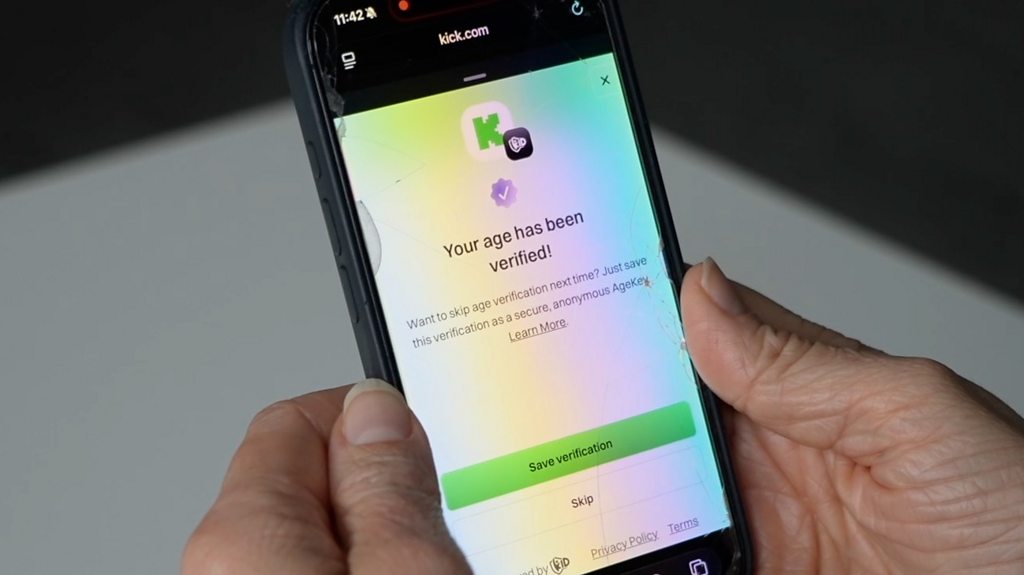
    Now, months after the ban entered into force, questions are growing over how well the regulation is actually working on the ground. Is the ban successfully locking out underage users, or have loopholes allowed younger Australians to continue accessing the platforms they use daily? To answer these critical questions, BBC correspondent Katy Watson launched an on-the-ground investigation to test the accessibility of major social apps for Australian minors.

    Watson’s inquiry centers on a simple but pressing question: can Australian youngsters still easily bypass age checks to access social media platforms? Many digital rights advocates and child protection experts have warned that age verification systems currently used by most social platforms remain woefully inadequate, relying largely on self-reporting that underage users can easily circumvent by falsifying their birth dates. The investigation will look into whether these warnings are reflected in real-world experiences, and what gaps remain in Australia’s pioneering age ban policy.

    As countries around the world debate their own rules for underage social media use, Australia’s experiment is being closely watched by policymakers, tech companies, and child welfare groups globally. The findings of Watson’s investigation will not only shape domestic debates over digital regulation in Australia, but also provide critical lessons for other nations looking to balance youth protection with the realities of modern digital life.

  • Brazil woman dies after rope-jumping instructors fail to attach cord

    Brazil woman dies after rope-jumping instructors fail to attach cord

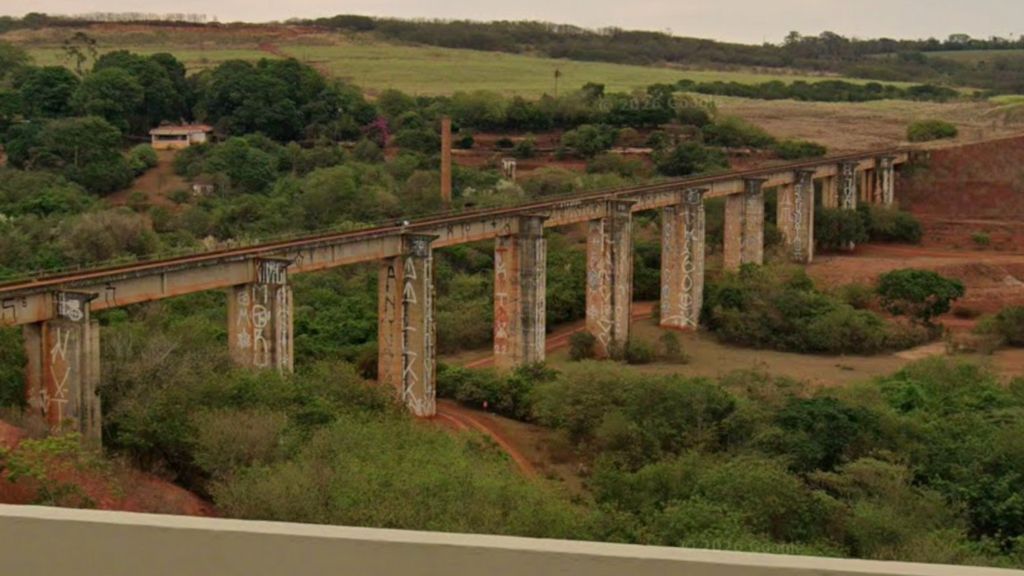
    A devastating extreme sports accident has claimed the life of a 21-year-old woman in southern Brazil, leaving three instructors in custody and sparking new debate over unregulated extreme activities and government infrastructure management. The fatal incident unfolded Saturday at the iconic Ponte do Esqueleto, widely known as the Skeleton Bridge, an abandoned span that straddles the border between the São Paulo state cities of Limeira and Cordeirópolis.

    Maria Eduarda Rodrigues de Freitas, the victim, was guided to the edge of the 40-meter (131-foot) high bridge by the three men who were acting as her jumping instructors. Tragically, investigators confirmed the instructors failed to secure her safety rope to the bridge’s anchor point before pushing her off the edge. Viral social media footage captured the chaotic moments immediately after the jump: as Rodrigues de Freitas began plummeting downward, an onlooker can be heard shouting a panicked warning that the rope had not been attached.

    Emergency responders rushed to the scene after the fall, but medical personnel pronounced Rodrigues de Freitas dead at the location of the accident. She was laid to rest the following day, in a service attended by grieving family and friends.

    Local law enforcement has taken the three instructors into custody, and investigators are currently assessing whether to file charges of homicide with eventual intent. This legal classification applies in cases where an individual does not set out to intentionally kill, but willingly proceeds despite being aware their actions could result in another person’s death. Details about the instructors’ affiliation remain unconfirmed: local authorities initially stated they worked for a private commercial company offering commercial rope-jumping excursions, though some local reports suggest they may have been part of an informal, unregistered group of extreme sports enthusiasts.

    Unlike the more widely known bungee jumping, which uses elastic cords to create vertical bounces after a fall, rope-jumping relies on low-stretch climbing ropes. This design converts the energy of a free fall into a smooth pendulum-style horizontal swing, a feature that has made the activity popular among thrill-seeking practitioners.

    The Skeleton Bridge, the site of Saturday’s accident, has been abandoned for decades and falls under the ownership and management oversight of the Brazilian federal government. In the wake of the tragedy, Brazil’s Secretariat of Federal Assets (SPU) issued a public statement confirming the agency stands ready to provide all necessary assistance to law enforcement leading the investigation.

    Limeira’s municipal government has responded sharply to the incident, announcing it plans to file a lawsuit against the federal government over the neglected bridge. In an official statement, the city hall noted it had repeatedly pursued administrative actions and called for intervention from federal agencies responsible for the abandoned infrastructure. Rodrigues de Freitas’ death, the statement said, has made ongoing federal inaction “unsustainable and unacceptable.”

  • South African TV star arrested after allegedly kidnapping man in girlfriend dispute

    South African TV star arrested after allegedly kidnapping man in girlfriend dispute

    One of South Africa’s most recognizable entertainment figures, rapper and television host Molemo “Jub Jub” Maarohanye, is once again facing criminal allegations after police took him into custody this week, accusing the star of kidnapping a taxi driver and firing a weapon in his direction. According to official police statements, the alleged incident unfolded early on Sunday morning in Edenvale, a suburban town located approximately 16 miles northeast of Johannesburg.

    Authorities say Maarohanye confronted the taxi driver immediately after the driver had dropped off a passenger, at roughly 05:30 GMT. The confrontation stemmed from a personal dispute: Maarohanye reportedly accused the driver of entering a romantic relationship with his current girlfriend. Following the confrontation, the star allegedly forced the unnamed driver into his own vehicle before discharging a firearm toward the man. In a fortunate turn of events, the driver managed to escape the encounter without physical injury, and fled directly to a nearby local police station to file an official report.

    As of the latest updates, Maarohanye has not issued any public statement responding to the allegations brought against him. Police confirmed that the media personality is scheduled to make his first court appearance at the Germiston Magistrate’s Court on Wednesday, where the initial hearing for the case will be held.

    This arrest marks the latest in a long string of high-profile legal encounters for the once-leading South African musician, who rose to mainstream fame in the 2000s and early 2010s before his first major criminal conviction. In 2012, Maarohanye was found guilty of murder and attempted murder in connection with a high-profile drag racing incident that left four schoolchildren dead and two additional people injured. The conviction was overturned by South Africa’s High Court just two years later, and courts instead convicted him of the lesser charge of manslaughter.

    Most recently, in 2023, Maarohanye was arrested on a separate set of charges including rape, attempted murder, and assault, following accusations from a former romantic partner. Those charges were ultimately dropped by South Africa’s National Prosecuting Authority in 2024, after the agency concluded there were no reasonable prospects for a successful conviction in the case.

    Despite his lengthy legal history, Maarohanye has maintained a prominent public profile in South Africa in recent years. He currently serves as the host of *Uyajola 9/9*, a popular reality television series focused on exposing infidelity in romantic relationships that draws millions of viewers across the country.

  • Congo reports record one-day increase in Ebola cases, a month after outbreak’s declaration

    Congo reports record one-day increase in Ebola cases, a month after outbreak’s declaration

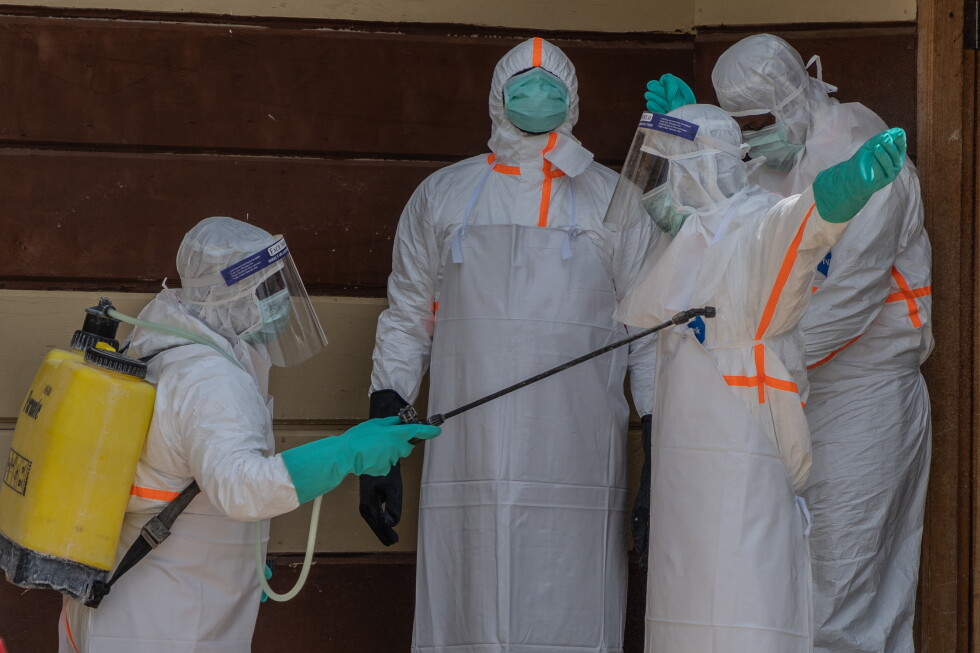
    One month after the Democratic Republic of Congo formally declared an Ebola outbreak, the country is grappling with an unprecedented single-day spike in infections, as long-running systemic issues including insecurity, inadequate contact tracing, and critical funding shortfalls continue to derail containment efforts, Congolese health authorities have confirmed. In an update released Sunday, the Congolese Ministry of Health announced 72 new confirmed cases and 32 new confirmed deaths recorded over a 24-hour period. That surge pushes the total number of confirmed infections nationwide to 782, with the overall death toll now standing at 181. To date, 56 patients have successfully recovered from the virus, putting the current outbreak’s fatality rate at 23 percent.

    Unlike the majority of past Ebola outbreaks in Congo, which were driven by the better-studied Zaire virus, this current event is caused by the rare Bundibugyo strain — a variant for which no approved vaccine or targeted treatment currently exists. Public health experts warn the true scale of the outbreak is almost certainly larger than official counts indicate. The virus was not formally confirmed until May 15, weeks after epidemiologists suspect community transmission first began, and contact tracing coverage has dropped sharply to just 56 percent, down from levels reported just one week prior.

    Over 90 percent of all confirmed cases are concentrated in the country’s eastern Ituri Province, where long-running armed conflict has displaced nearly one million people according to the United Nations’ Office for the Coordination of Humanitarian Affairs. This mass displacement creates massive barriers to effective contact tracing: displaced populations often flee violent attacks or move frequently across the province, which is defined by dense rainforest, poorly maintained road infrastructure, and remote rural communities that can take multiple days to reach. Additional challenges come from the region’s large population of artisanal miners, who regularly travel between isolated mining sites across the mineral-rich area, making it nearly impossible to track and monitor potential exposures. While the outbreak is centered in Ituri, a small number of cases have also been recorded in neighboring North Kivu and South Kivu provinces, and transmission has already spilled across the international border into Uganda.

    International and continental health bodies have moved to ramp up their response efforts in recent days. The World Health Organization announced Sunday it is expanding its work on testing, contact tracing, and patient care across affected regions. The Africa Centers for Disease Control and Prevention (Africa CDC) also announced it is deploying specialized technical teams to support local outbreak management, with a focus on strengthening laboratory capacity, accelerating active case searching, and improving community engagement to boost public compliance with containment measures. “We remain committed to supporting affected countries until transmission is stopped,” said Jean Kaseya, head of the Africa CDC. “We call on partners and donors to urgently mobilize resources to strengthen the response and save lives.” The appeal for emergency funding comes as authorities acknowledge ongoing funding gaps have left the response severely underresourced a full month into the public health emergency.

  • Starbucks Korea to close stores early for mandatory history training after marketing row

    Starbucks Korea to close stores early for mandatory history training after marketing row

    One of South Korea’s highest-profile corporate brands is confronting widespread public fury after a deeply insensitive marketing blunder drew comparisons to one of the darkest chapters of the country’s democratic transition, prompting sweeping corrective actions that are unprecedented in the coffee chain’s 24-year history in the market.

    Starbucks’ South Korean joint venture, majority-owned by retail giant Shinsegae Group, announced Monday that all 1,000+ of its locations across the country will shut their doors three hours early on June 22 to require every frontline employee to complete mandatory training on modern Korean history and social sensitivity. The action comes after a promotional campaign sparked national outrage for what many South Koreans see as open mocking of victims of the 1980 Gwangju pro-democracy military crackdown.

    Per a formal statement from Shinsegae, the company’s senior executives and Starbucks Korea headquarters staff will attend an in-person training session led by specialist history and sociology professors this Wednesday. Frontline store staff will access a recorded version of the lecture during the early store closure on June 22. Shinsegae Chairman Chung Yong-jin and the chief executives of all Shinsegae subsidiaries will complete separate specialized sensitivity training on June 24, following the incident.

    The controversy erupted when Starbucks Korea launched a promotion for a new line of stainless steel tumblers branded the “SS Tank”. The campaign designated May 18 as official “Tank Day” — a date that holds profound, painful national significance for South Koreans: it marks the anniversary of the 1980 Gwangju Uprising, when the then-military government deployed tanks, troops, and attack helicopters to crush pro-democracy protests in the southern city of Gwangju. Hundreds of civilians were killed or injured in the bloody suppression, with activists arguing the official death toll drastically undercounts the total number of victims.

    Public anger intensified over the campaign’s accompanying slogan, “Thwack it on the table!” South Koreans quickly recognized the phrase as a reference to a notorious 1987 police cover-up: after student activist Park Jong-chol died in police custody from torture, authorities falsely claimed he had passed away after interrogators “hit the desk with a thwack” during questioning.

    The public backlash was swift and overwhelming. Within hours of the campaign going live, Shinsegae pulled all promotional materials, terminated the contract of Starbucks Korea’s chief executive, and opened the door to internal restructuring. Chairman Chung later issued a live televised public apology to the nation, and local law enforcement launched a formal criminal investigation after victims’ relatives filed official complaints over the offensive campaign.

    Shinsegae emphasized in its statement that the decision to close all Starbucks stores early — a first since the chain entered the South Korean market in 1999 — and implement companywide mandatory training reflects the depth of the company’s acknowledgment of fault, and its commitment to ensuring a similar incident never occurs again. “This step demonstrates how seriously we view the marketing controversy and our determination to prevent any recurrence,” the statement read.

    To contextualize the national sensitivity around the incident: the Gwangju crackdown took place just months after General Chun Doo-hwan seized control of South Korea in a 1979 military coup. While official government records put the Gwangju death toll at roughly 200, pro-democracy activists and victims’ groups have long maintained the actual number of fatalities is far higher. Chun’s dictatorship imprisoned tens of thousands of political dissidents under the guise of rooting out “social evils”, and sustained public anger over his authoritarian rule culminated in mass nationwide protests in 1987 that forced Chun to accept constitutional reforms establishing direct presidential elections — a turning point widely regarded as the foundation of South Korea’s modern democratic system.

  • Australian PM demands answers after Pakistan police shoot girl on holiday dead

    Australian PM demands answers after Pakistan police shoot girl on holiday dead

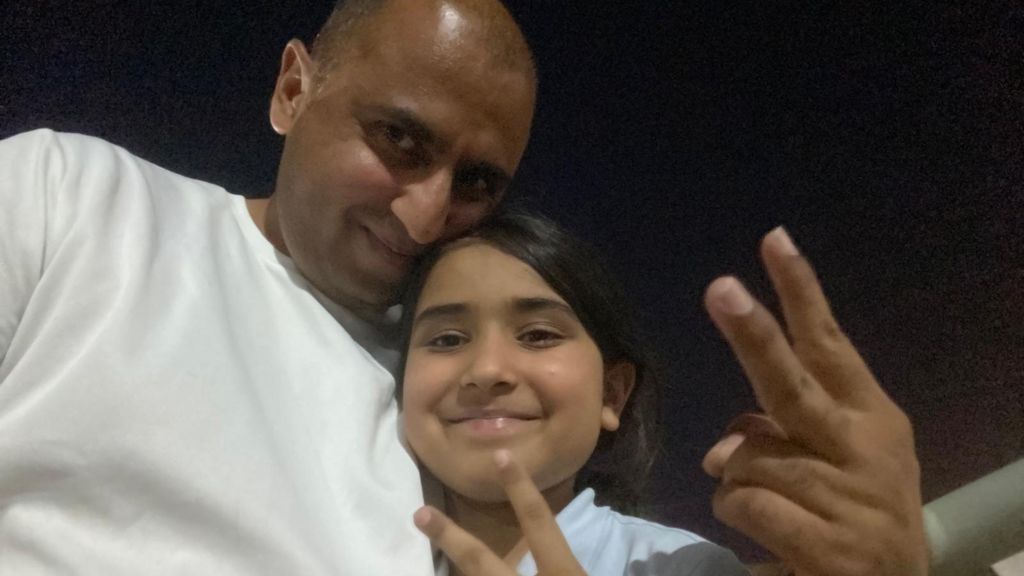
    A tragic shooting that claimed the life of a 9-year-old Australian child on vacation in Pakistan has sparked cross-national calls for a full, transparent investigation, leaving communities in both nations reeling from the unexpected loss. Hania Ahmed, a young primary school student from Perth, was traveling with her family in Punjab province’s northern city of Chakwal when armed robbers intercepted their rental vehicle on June 10, taking the entire family hostage at gunpoint.

    According to official accounts from Punjab Police, the armed suspects opened fire on an attending police officer, triggering a shootout at the scene. In the chaos, one officer fired a fatal shot mistakenly, believing the suspects were attempting to escape in the Ahmed family’s vehicle. The gunfire killed Hania and left her father and older brother with non-fatal injuries. The involved officer has since been taken into custody, with police confirming that the suspects fired the first rounds at responding law enforcement. This official narrative has been contested, however: Hania’s father told Australian public broadcaster SBS Urdu that police fired first, contradicting the official version of events.

    During a press briefing in Canberra on Monday, Australian Prime Minister Anthony Albanese publicly called on Pakistani authorities to launch a full, transparent inquiry into the circumstances of Hania’s death. “These circumstances do need to be examined. They need to be examined in a transparent way, so that everyone can know, the family, most importantly, but others as well,” Albanese told reporters. He added that the Australian government expects full transparency and a rigorous, proper investigation into the fatal incident.

    Punjab Police has responded to the incident acknowledging that no deviation from standard operational protocols can be justified, and stated that it is already conducting a thorough and impartial investigation into the tragedy. Meanwhile, the Australian Department of Foreign Affairs and Trade confirmed it is providing full consular assistance to the Ahmed family as they navigate the aftermath of the loss.

    Hania’s death has sent waves of grief through her close-knit school community in Perth, where she attended the Australian Islamic College. Abdullah Khan, the college principal, described the news of her passing as deeply traumatic for the entire school community. “Hania was very friendly, bubbly, and very social,” Khan told the BBC. “She had lots of friends, [and was] very respectful to teachers. She was loved by everyone.”

    Khan confirmed the school has been in contact with the Ahmed family and has put in place dedicated counseling support for both staff and students, particularly Hania’s closest classmates. “Especially the students in her class – they are distressed and in a state of shock,” he added.

  • Subsidies turn desert control into moneymaker

    Subsidies turn desert control into moneymaker

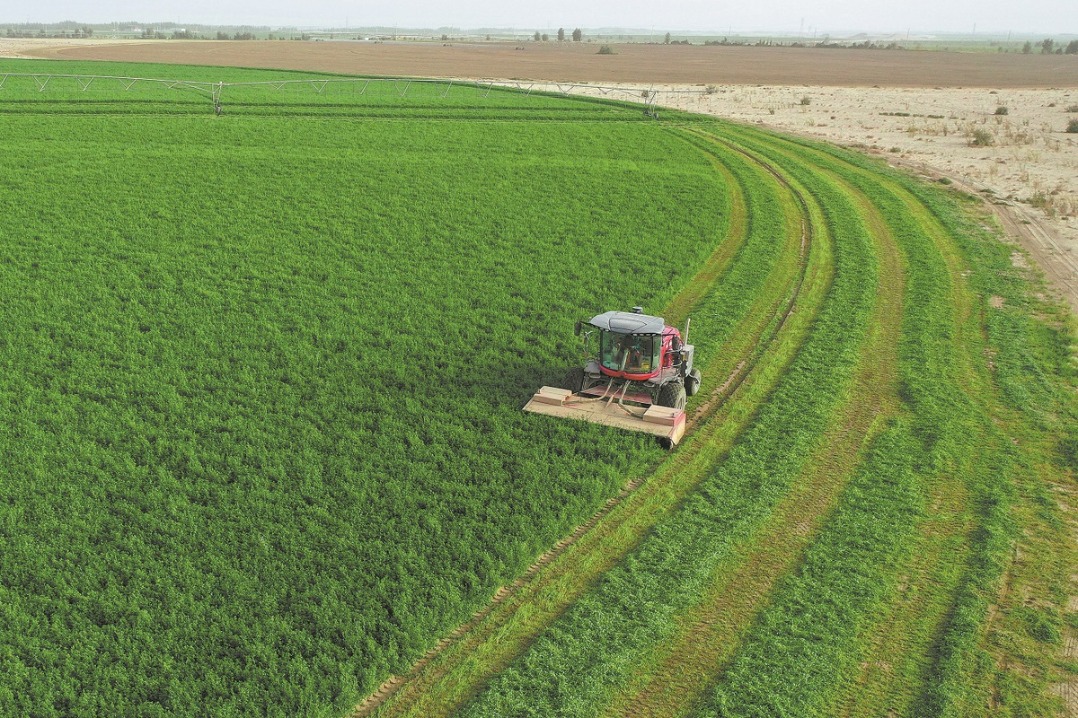
    On the sun-scorched southern edge of the Taklimakan Desert, China’s largest shifting sand desert, rows of young, leafy oleaster saplings now stretch all the way to the hazy horizon. Once vulnerable to the region’s brutal, sand-laden gales, each tiny sapling is supported by a bamboo stake, while low-growing carpets of drought-resistant wheat and alfalfa lock down loose soil between the young trees. Just 18 months ago, this same plot of land in Xinjiang’s Hotan prefecture was nothing more than a barren expanse of shifting sand dunes rising more than 10 meters high—part of a decades-long ecological challenge that has threatened local livelihoods for generations. Today, it stands as a groundbreaking example of how innovative policy can reconcile urgent ecological restoration with tangible economic opportunity for local communities. This transformation is no happy accident. It stems from a forward-thinking policy framework launched by local authorities in 2024 called the “first-build-then-subsidize” model, designed to address a longstanding tension between the high cost of desert reclamation and the economic needs of residents living on the desert’s edge. Under the program, the government allocates rent-free parcels of desertified land to local residents willing to take on restoration work. Participants cover all upfront costs, which include leveling towering dunes, installing basic water infrastructure, and planting hardy, climate-appropriate vegetation. Only after independent ecological inspectors verify that at least 85% of planted trees and vegetation have survived do authorities disburse full financial subsidies to participants. This model aligns government ecological goals with individual economic incentive: it puts control of the work in the hands of locals who know the land best, while ensuring public funds only pay for verified, successful restoration work. Sudiomar Tursun, a sharp, enterprising villager from Ayimak village in Hotan, was one of the first locals to test the new policy, stepping forward when many others saw the project as too great a risk. In October 2024, she rallied 18 of her fellow villagers to form an agricultural cooperative focused on reclaiming one of the region’s most severely degraded desert plots. To raise the nearly 4 million yuan ($550,000) required for upfront infrastructure and planting, Tursun emptied her life savings, sold off personal property, and secured loans from extended family. Many of her friends and acquaintances warned her against the bet, arguing the harsh desert conditions would sink the project and leave her financially ruined. Part of a larger series from China Daily highlighting China’s ongoing work to protect global biodiversity and natural resources, the transformation of Hotan’s desert edge offers a replicable model for regions grappling with advancing desertification. What was once seen as an unproductive, uninhabitable wasteland is now on track to become a productive agricultural and ecological asset—turning a decades-long ecological challenge into a sustainable moneymaker for the communities that live with it every day.

  • Cucurella joins Real Madrid from Chelsea on same day he’s set to play at World Cup for Spain

    Cucurella joins Real Madrid from Chelsea on same day he’s set to play at World Cup for Spain

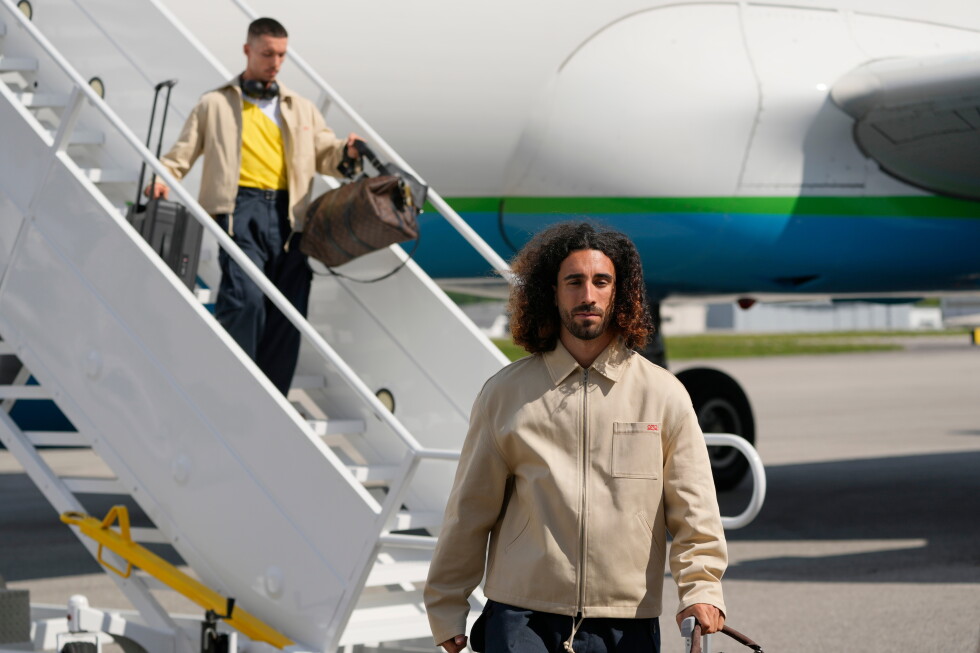
    In a high-profile transfer move that shakes up European soccer just as the 2024 World Cup gets underway in North America, Real Madrid has officially confirmed the signing of Spanish left-back Marc Cucurella from Chelsea. The announcement came on Monday, mere hours before Cucurella was set to take the pitch for Spain in its opening group stage match against Cape Verde in Atlanta.

    The 27-year-old, who is instantly recognizable across global soccer for his signature long curly hair, has put pen to paper on a six-year contract with the Spanish giants. According to BBC reporting, the transfer fee totals 60 million euros, equal to roughly $70 million. This deal is widely expected to be just the first of a major spending spree for Real Madrid this transfer window, coming on the heels of two key organizational changes at the club: the hiring of legendary head coach Jose Mourinho last week and the re-election of long-serving club president Florentino Pérez. Pérez has already publicly outlined his ambition to add more top defensive talent to the squad, with Liverpool center back Ibrahima Konaté and Inter Milan right back Denzel Dumfries already named as primary targets.

    Cucurella’s journey back to La Liga has been years in the making. He launched his professional career at Barcelona, Real Madrid’s bitter domestic rivals, before earning his stripes at Eibar and Getafe. He made the move to the English Premier League in 2021, signing with Brighton & Hove Albion, and just one year later he moved to Chelsea in a deal that came shortly after the London club was acquired by its current American ownership group. During his two years at Stamford Bridge, Cucurella cemented his reputation as one of the top left-backs in men’s soccer, and he was a key part of the Spanish national side that claimed the 2024 European Championship title earlier this year.

    For Chelsea, the sale of Cucurella comes as no surprise, as the club faces mounting financial pressure to offload high-value first-team players this summer. After a disastrous 2023-2024 campaign that saw the Blues fail to qualify for any European competition next season, selling top talent has become a necessity to balance the club’s books. The team slumped to a disappointing 10th-place finish in the Premier League, and suffered a humiliating 8-2 aggregate defeat to Paris Saint-Germain in the Champions League Round of 16. Cucurella also drew internal scrutiny at the club earlier this year, when he publicly criticized Chelsea’s January decision to fire manager Enzo Maresca in an interview with The Athletic in March. He argued that the timing of the sacking was poorly chosen, noting that the change had a major negative impact on the squad and that the club should have waited until the end of the season to make a management change.

    As Cucurella prepares to make his first tournament appearance for Spain at the North American World Cup, the transfer adds another layer of intrigue to both La Liga’s title race and the ongoing upheaval at Chelsea, one of the Premier League’s most high-profile clubs.

  • Japan’s DJ Rinoka bobs to the beat as a child prodigy techno artist

    Japan’s DJ Rinoka bobs to the beat as a child prodigy techno artist

    At an age when most children are just mastering elementary school math and playground games, one young Japanese artist is already an internationally recognized techno phenomenon. Nine-year-old DJ Rinoka holds the official Guinness World Record as the planet’s youngest professional DJ — a title she claimed at just 6 years old — and has built a growing fanbase for her high-energy, bold performance style across Tokyo’s entertainment scene.

    Rinoka’s path to DJing began by chance when she was 4 years old, after scrolling YouTube and watching performances from iconic techno artists Amelie Lens and Nina Kraviz. Captivated by their cool, dynamic stage presence, she knew immediately she wanted to follow in their footsteps. For Christmas that year, she asked her family for a beginner Pioneer DDJ-200 DJ controller, kicking off her journey into electronic music. Today, she favors the fast, intense, hypnotic style of acid techno that has drawn crowds to her sets again and again. In a recent interview with the Associated Press, she summed up the joy of her craft simply: “It’s fun when people get excited at the live performances.”

    Unlike the stereotype of club-focused DJs, Rinoka’s daily life blends professional performance commitments with all the ordinary joys of childhood. She keeps her last name private, and her parents have chosen to stay anonymous to protect their only child’s ability to grow up as normally as possible. Outside of rehearsals and shows, she takes weekly hip-hop dance classes, creates handmade crafts from paper and aluminum foil, and keeps up with her elementary school assignments. She is an avid reptile lover with a pet gecko at home, and maintains a large collection of stuffed animals — her favorite toy dog Korochan travels with her everywhere, even joining her backstage at major events.

    Her performance resume already rivals that of artists many times her age: she has played sets for crowds at official events for the Yomiuri Giants, Tokyo’s beloved professional baseball team, and shared lineups with far more experienced, adult DJs at high-profile industry events. Footage of her sets shows a young artist with complete, unshakable confidence: she bobs along to the pounding beat, adjusting dials and pressing controls with easy familiarity, building a groove that gets crowds moving every time.

    Originating in American electronic music hubs like Detroit in the late 20th century, techno is defined by its driving kick drum, heavy use of electronic instruments (including the highly sought-after Roland synthesizers that remain a staple of the genre), and its ability to get listeners dancing. The genre has spread globally over the decades, evolving into countless subgenres including the high-intensity acid house that Rinoka prefers. For the 9-year-old prodigy, techno’s universal appeal transcends age and geography: when asked about the future of her favorite genre, she says simply, “The music will continue.”

    Even with her rising fame, Rinoka remains unapologetically a kid first. When asked to choose between a lifelong career as a DJ and working as a full-time gecko caretaker, she did not hesitate to answer. “The geckos,” she exclaimed, “They are so cute.”

  • In NYC’s Little Senegal, World Cup excitement meets exclusion and economic strain

    In NYC’s Little Senegal, World Cup excitement meets exclusion and economic strain

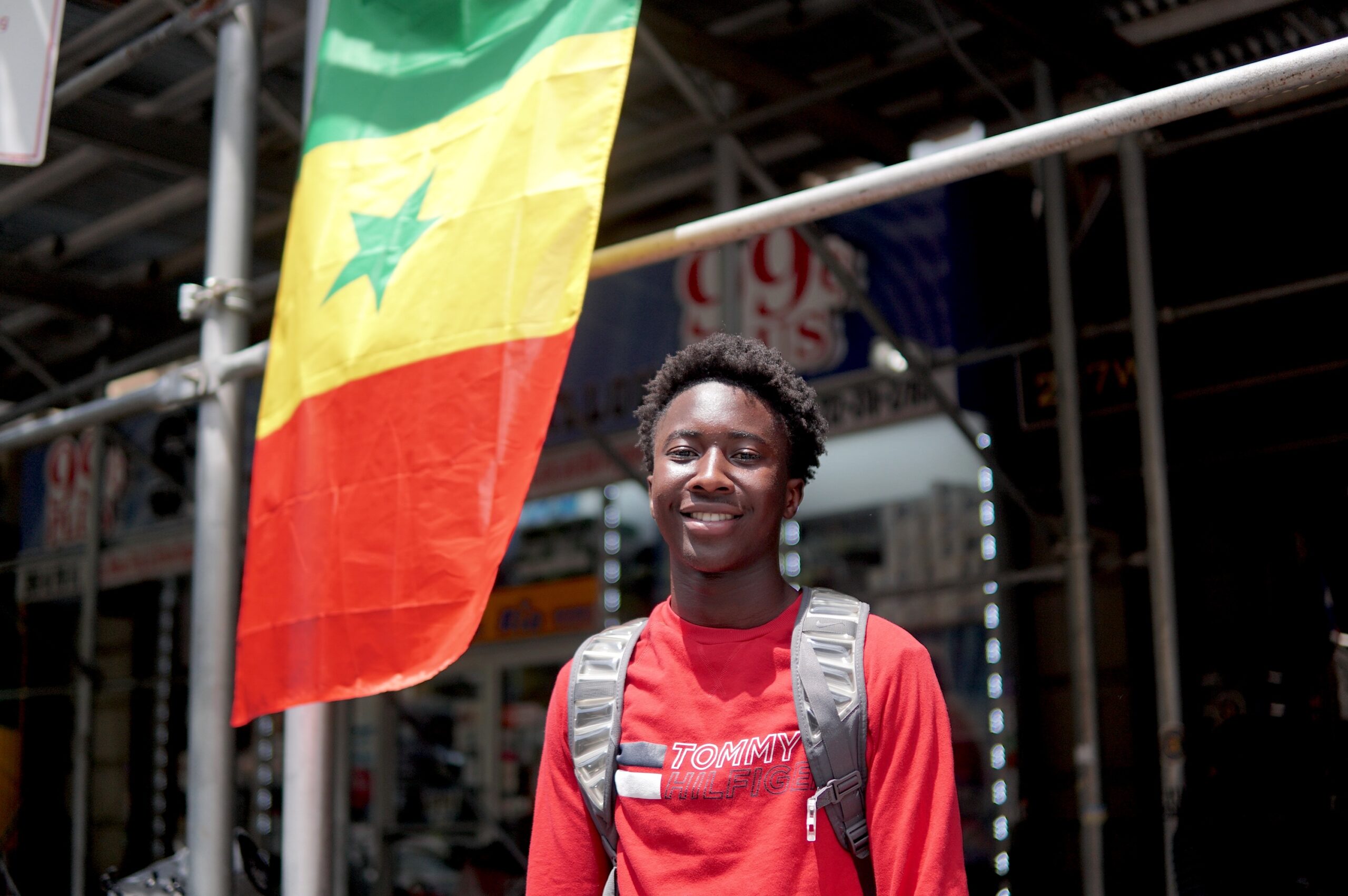
    Nestled along 116th Street in Harlem, New York City, Little Senegal – the vibrant West African enclave at the heart of Harlem’s cultural tapestry – buzzes with pre-tournament anticipation ahead of the World Cup opening fixture between Senegal and defending champions France. Giant screens mounted in local barbershops and cafes stream warm-up matches, Senegalese national flags hang from brick walls, and nearly every casual conversation drifts back to the highly anticipated clash. Storefront after storefront displays the iconic green and white Senegal national football jerseys, while passersby don bucket hats emblazoned with the red, yellow, and green of the Senegalese flag. Yet for all the visible excitement, a quiet undercurrent of despondency hangs over the community, as stark systemic inequities – from crippling visa restrictions to exorbitantly priced match tickets – have dimmed enthusiasm and forced even the most diehard fans to re-examine their priorities amid ongoing economic strain. This World Cup, hosted in the United States, has set new records for ticket pricing, with sought-after fixtures involving top-ranked teams like Senegal – the 2025 African Cup of Nations title holders, despite the ongoing dispute over the result – seeing resale prices soar well into the thousands of dollars. For working-class fans in Little Senegal, these price points are completely out of reach, leaving thousands of local fans and amateur players convinced that modern elite football was never built for ordinary people. “I’m a lifelong football fan, but some things are simply unconscionable,” Abdoul Aziz, a Harlem-based caregiver, told Middle East Eye. “How could I spend more than $1,000 on a single ticket when there are people back in Senegal who need basic support? I could never do that – even though I love the game more than anything and I’m proud to support my national team.” Aziz, who traveled to New Jersey last week to greet the Senegalese team upon their arrival in the U.S., is far from alone in his frustration. MEE spoke to dozens of community leaders, local business owners, and football fans across Little Senegal, who all shared that despite the absurd barriers stacked against them, they are determined to build a memorable, community-centered tournament experience for everyone. Home to a large segment of the estimated 33,000 Senegalese people living in the United States, Little Senegal has been a cultural anchor for the West African diaspora in New York for decades. Since the community first established roots here in the 1980s and 1990s, the enclave has been celebrated for its authentic West African restaurants, traditional hair-braiding salons, and shops selling handcrafted boubous – the vivid, flowing traditional Senegalese robes – bringing a slice of West African culture to the heart of Harlem. Halal butcheries sit alongside small vendors selling international calling cards and mobile accessories, while general stores stock an array of beauty products imported directly from West African markets. The neighborhood stretches to the iconic Malcolm Shabazz Mosque, where Malcolm X once served as a minister for the Nation of Islam. When the Senegalese community first arrived, they were widely credited with breathing new life into Harlem’s struggling local economy, though years of skyrocketing rents and gentrification have spread the community more broadly across the city. Even so, Little Senegal remains the most important cultural and economic hub for West Africans in New York. Beyond the crippling ticket prices facing local fans, the community also grapples with systemic barriers that have locked out traveling Senegalese supporters from entering the country to attend the tournament. For years, Senegalese visitors and migrants have faced harsh scrutiny from U.S. immigration authorities, who have long alleged that Senegalese nationals frequently overstay their visas. This has led to an extraordinarily high visa rejection rate for Senegalese applicants, which reportedly hit 74 percent in 2025. The situation worsened in early 2026, when U.S. President Donald Trump added Senegal to a list of countries subject to mandatory entry bonds, requiring applicants to pay between $5,000 and $15,000 to gain entry – a cost that rules out all but the wealthiest Senegalese fans from attending the tournament. U.S. authorities eventually granted a narrow waiver for fans who purchased tickets through FIFA’s official website and registered for the FIFA pass system by April 15, but the restriction still kept tens of thousands of supporters from traveling. Even the Senegalese national fan group, The Douzième Gaindé, was completely barred from attending due to visa restrictions. “It’s devastating what they’ve done not just to Senegalese fans, but to fans from so many other countries across the Global South,” said Max, a 42-year-old Senegalese beauty product entrepreneur based in Harlem, as he sat in a local barber chair getting a touch-up on his greying hair. “This is the World Cup, after all. We’ve never seen anything like this before.” For many local residents, the barriers are not just inconvenient – they are rooted in systemic inequity. “This is racism. America always tries to position itself as superior to others,” said Saliou Gueye, a sports science student living in Harlem. Only a tiny handful of Senegalese fans managed to secure visas and tickets to the opening clash from Dakar. Boubacar Cisse, a business owner from the Senegalese capital, told MEE he and his brother were able to travel to the U.S. for the tournament, but acknowledged they are clear exceptions. Their visas were approved long before the World Cup was scheduled, for unrelated purposes. “It’s so difficult for most people. But we thank God we were able to get tickets to the game too,” Cisse said. “We understand every country makes its own policies, and we respect that… but since this is the World Cup, they could have made special accommodations for fans.” For Gueye, the dual burden of restricted entry for international fans and sky-high ticket prices for local fans feels deliberate: it is less than 14 miles from 116th Street in Little Senegal to the New Jersey stadium where the match will be played, yet for most Senegalese fans, it feels worlds away. In response to the overlapping crises facing the community, the Senegalese Association of America has mobilized to create accessible alternatives for local fans. The organization first worked with the Senegalese consulate in New York to lobby for discounted community tickets, and last week, the Senegalese government announced it had finalized an agreement with FIFA to distribute 800 discounted tickets to local Senegalese fans. For the thousands who still cannot afford tickets, the association will host massive public watch parties along 116th Street on all match days, a tradition the organization has carried out for major international tournaments for years. Local restaurants and cafes across the entire neighborhood – from 116th Street up to 137th Street near the Schomburg Center for Research in Black Culture – are already preparing to host huge crowds of fans for the opening clash against France. For Senegalese fans, the match carries far more meaning than just three points in a group stage. The fixture immediately brings back memories of the two teams’ iconic first encounter 24 years ago, during Senegal’s debut World Cup appearance in 2002. Aziz, the 42-year-old caregiver, was living in Dakar for the 2002 tournament, when Senegal and France met in their opening group stage match in Seoul. Back then, France was the defending World Cup champion, fielding one of the most talented squads in the tournament’s history. But the defending champions were stunned by a 30th-minute goal from Papa Bouba Diop, sending the entire nation of Senegal into celebrations and knocking France out of the tournament in the first round in an embarrassing early exit. “Senegal rejoices as cock crows no more over Dakar,” The Guardian wrote at the time, referencing Senegal’s historic victory over its former colonial ruler. Senegal went on to reach the quarterfinals that year, but for most Senegalese fans, the upset victory over France was a moment of national pride that has never been matched. “It felt like we had won the entire World Cup,” Aziz reminisced. The moment was so transformative that then-President Abdoulaye Wade declared a national holiday across Senegal. Max, the local beauty entrepreneur, also remembers the 2002 match vividly. He says the current Senegalese squad, led by global superstars Sadio Mané and Kalidou Koulibaly – widely regarded as two of the greatest African players of the modern era – is the most complete side the nation has ever produced, part of what fans across the continent call Senegal’s golden generation. “The team today knows they belong on this stage, they know they’re superstars,” Max said. Since 2018, Senegal has qualified for three consecutive World Cups, and won the 2025 African Cup of Nations in Morocco – a title that remains disputed, with the result later appealed and awarded to Morocco by continental officials. “I feel like this is the year we can really show the world what we’re made of,” said Awa Diop, 27, one of the lucky local fans who secured a ticket to Tuesday’s match. She added that if the squad avoids major injury crises, she considers Senegal and Morocco the two strongest teams on the African continent. Not all local leaders frame the match as a symbolic rematch for colonial history, however. Elhadji Nddour, a youth coordinator for the Senegalese Association of America, says the team has its sights set on a bigger prize. “We’re not just focused on France – we’re focused on every team we face on the way to lifting that trophy, because we came here to win the whole thing,” Nddour told MEE. Thousands of Senegalese fans from across the Northeast U.S. are expected to arrive in Harlem on Monday ahead of the match. Diop says that even though so many fans could not travel from Senegal to support the team, the Little Senegal community will more than make up for their absence. “I’m not worried at all, because New York already has its own mini Senegal right here,” Diop said. “All the energy and support will be there one hundred percent. We have everything you’d find back home: the drummers, the people painting their faces, the people dancing – they’re all already here.”