作者: admin

  • Iran war is a wake-up call for Southeast Asia’s energy sector, IEA report says

    Iran war is a wake-up call for Southeast Asia’s energy sector, IEA report says

    On Tuesday, the International Energy Agency (IEA) published a major report sounding the alarm over the stark energy security vulnerabilities that the ongoing Iran conflict has laid bare for Southeast Asia, warning that failure to speed up energy source diversification could leave the region facing hundreds of billions of dollars in extra costs by mid-2030s.

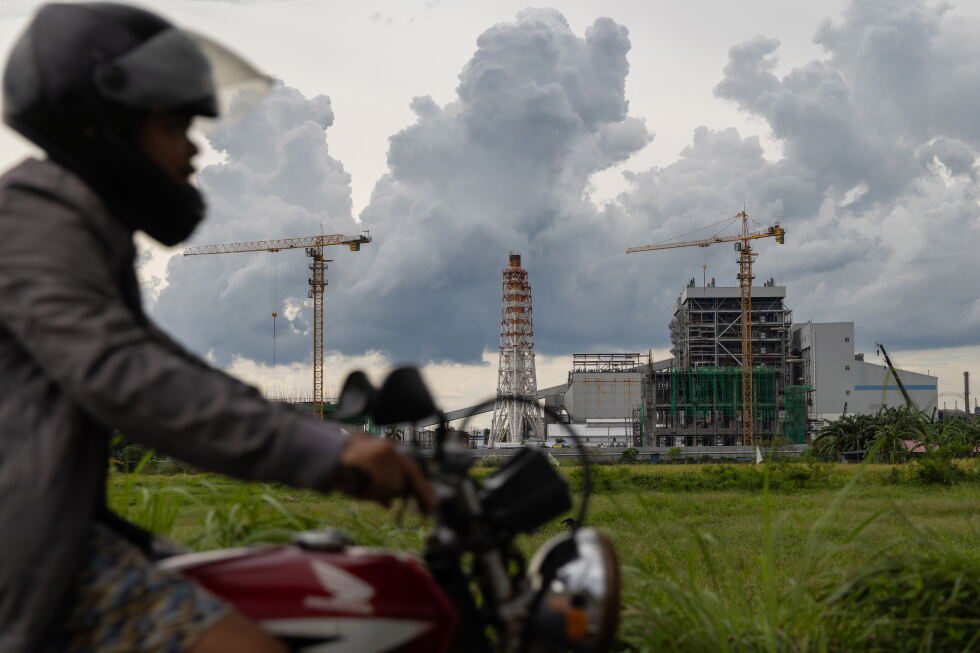
    The report frames the conflict as a critical “stress test” for Southeast Asia’s existing energy infrastructure, highlighting that the region’s heavy overreliance on oil and gas shipments passing through the Strait of Hormuz has left it exceptionally exposed to sudden market shocks and supply disruptions triggered by Middle East tensions. IEA Executive Director Fatih Birol called the crisis a clear wake-up call that makes energy supply and source diversification an urgent central policy priority for the entire region.

    Without rapid, sweeping systemic reform, the IEA projects that Southeast Asia’s total energy import bill will triple from $80 billion in 2024 to $245 billion by 2035. The energy shock triggered by the war has already driven sharp increases in household energy costs and pushed regional inflation higher. In a setback to long-term global fossil fuel phase-out efforts, the crisis has also forced many regional governments to reverse course and increase reliance on coal to stabilize energy supplies during the shortage, the report notes.

    While the conflict has created significant near-term disruption, it has also acted as a powerful catalyst for accelerating the clean energy transition that was already gaining momentum across the region. The report documents clear shifts already underway: sales of electric vehicles (EVs) have more than doubled in 2025, hitting roughly 500,000 units, meaning one in every five new cars sold across Southeast Asia is now electric. Just last month, Laos implemented an import ban on all fuel-powered vehicles for the remainder of 2026, a policy designed to slash costly oil imports and speed up the transition to electric transportation.

    Renewable energy adoption has also surged in response to skyrocketing fossil fuel prices. In the Philippines, which declared a national energy emergency amid the crisis, consumers have turned to residential rooftop solar at record rates as a decentralized, do-it-yourself solution to rising utility bills. Ivan Cano, a representative of Manila-based solar firm EcoSolutions, noted that the region is seeing an unprecedented demand shock for small-scale renewable systems. The IEA data confirms this trend: the Philippines became the world’s second-largest market for Chinese solar exports in the first quarter of 2026, with imports three times higher than the same period in 2025.

    The conflict has also renewed government interest in developing nuclear power across Southeast Asia, with Indonesia, Vietnam, and the Philippines furthest along in their planning processes. Still, the report cautions that long lead times for construction and complex regulatory approval processes mean nuclear power will not deliver near-term energy security gains, with full commercial operation timelines remaining uncertain for all three projects.

    Even with a tentative deal in place to end the Iran war, industry analysts agree that fossil fuel prices will likely remain elevated for the foreseeable future, creating sustained pressure to expand clean energy deployment. “Southeast Asia is at a clear crossroads,” explained Sam Reynolds, an analyst at the U.S.-based Institute for Energy Economics and Financial Analysis (IEEFA). Sue-Ern Tan, head of the IEA Regional Cooperation Centre based in Singapore, added that the energy shock has prompted not just short-term emergency fixes, but a deep, long-overdue reassessment of national policy priorities and infrastructure investment strategies across the region.

    To address the systemic vulnerabilities laid bare by the crisis, the IEA says the core priority for regional governments is cutting overall demand for imported fossil fuels. Key recommendations include upgrading and modernizing national power grids to handle higher shares of variable renewable energy, boosting targeted investment across all renewable technologies including solar, wind, hydro, and geothermal power, and advancing long-planned regional energy integration initiatives such as the ASEAN Power Grid. Birol expressed hope that the urgent wake-up call from the current crisis will help regional governments overcome the political disagreements that have delayed the cross-border grid project for years.

    The report concludes that the Iran conflict is both a major stress test for Southeast Asia’s energy system and an unexpected catalyst to speed up much-needed structural reform to build a more resilient, sustainable energy future for the region. This reporting from the Associated Press on climate and energy issues receives funding from multiple private foundations, with the AP retaining full editorial control over all content.
  • ‘Dancing girl’s’ bare torso restored in Indian textbook after backlash

    ‘Dancing girl’s’ bare torso restored in Indian textbook after backlash

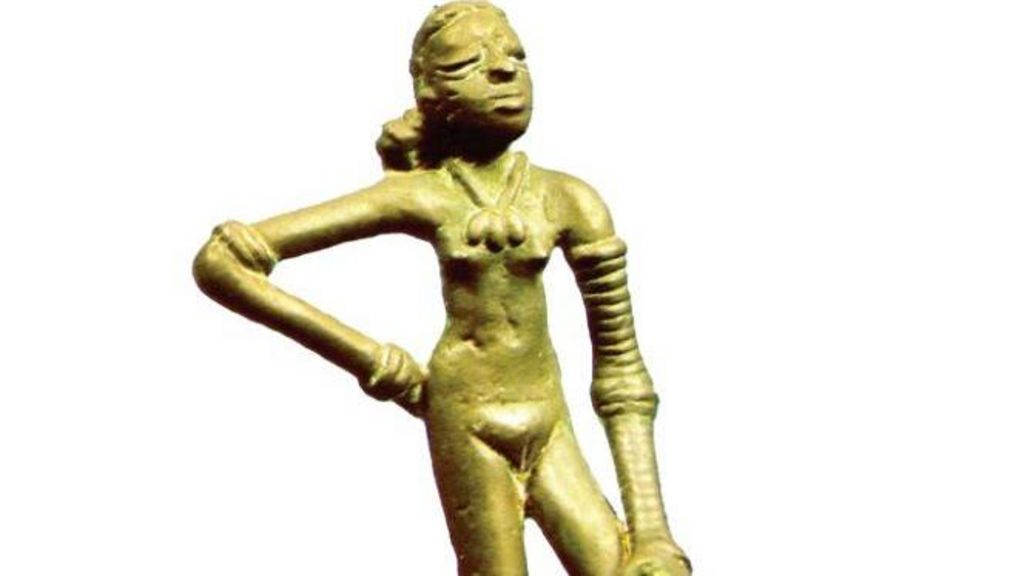
    One of South Asia’s most celebrated archaeological artifacts, the 4,600-year-old Dancing Girl bronze figurine from the Indus Valley Civilization, is back to its original form in Indian school textbooks after a controversial censorship attempt sparked widespread outrage among historians, educators, and cultural commentators.

    Discovered at the Mohenjo-daro archaeological site in what is modern-day Pakistan, the small bronze sculpture is widely regarded as a masterpiece of ancient art. Depicting a young figure standing confidently with one hand on her hip, adorned with bracelets and her hair styled in a neat bun, the artifact has long been celebrated for its artistic nuance and evidence of the Indus Valley Civilization’s advanced mastery of bronze metallurgy. For decades, the unedited image of the Dancing Girl has been a staple of Indian secondary school history curricula, including in previous iterations of textbooks published by the National Council of Educational Research and Training (NCERT), India’s autonomous government-backed textbook and curriculum development body under the federal Ministry of Education.

    The controversy emerged earlier this month when the newly released 9th-grade textbook, part of NCERT’s new Arts Education Series rolled out under India’s 2020 National Education Policy, featured a modified version of the artifact’s image. The sculpted torso of the Dancing Girl was covered with opaque dark shading, erasing the figurine’s natural anatomical features. The modification was first reported by the *Indian Express*, which quickly drew sharp condemnation from academic circles.

    Historians and educationists accused NCERT of intentionally disfiguring one of India’s most iconic cultural artifacts for unnecessary censorship. Media speculation widely linked the change to unstated concerns over the sculpture’s nudity, though NCERT had not publicly offered an official explanation for the modification prior to the backlash. In a scathing editorial, the *Indian Express* criticized the censorship, arguing that the Dancing Girl’s cultural significance lies not in its adherence to arbitrary modern standards of modesty, but in its embodiment of poise, confidence, and ancient artistic excellence. The editorial noted that meaningful education requires trusting students to engage with history and art as it exists, rather than sanitizing the past to fit narrow contemporary norms.

    Facing mounting public and academic pressure, NCERT officials announced a reversal of the change. NCERT Director Dinesh Saklani confirmed to India’s ANI news agency that the modified image would be fully withdrawn, and the original unedited photograph would replace it. “Following consultations with experts, the department is replacing the image of the Dancing Girl with its original version,” Saklani stated. The correction has already been implemented in the digital version of the textbook, and all future print editions will carry the unaltered image of the sculpture, which is currently housed in New Delhi’s National Museum.

    The controversy is not the first recent dispute over NCERT curriculum changes. In recent years, multiple scholars have publicly disavowed their contributions to NCERT textbooks over what they describe as biased edits that distort Indian history to align with specific ideological agendas. The Dancing Girl censorship attempt has reignited broader debates about academic freedom, the portrayal of ancient culture in public education, and the role of unnecessary censorship in shaping young people’s understanding of history.

  • ‘Not a model’ – Bielsa refuses to engage with World Cup photoshoot

    ‘Not a model’ – Bielsa refuses to engage with World Cup photoshoot

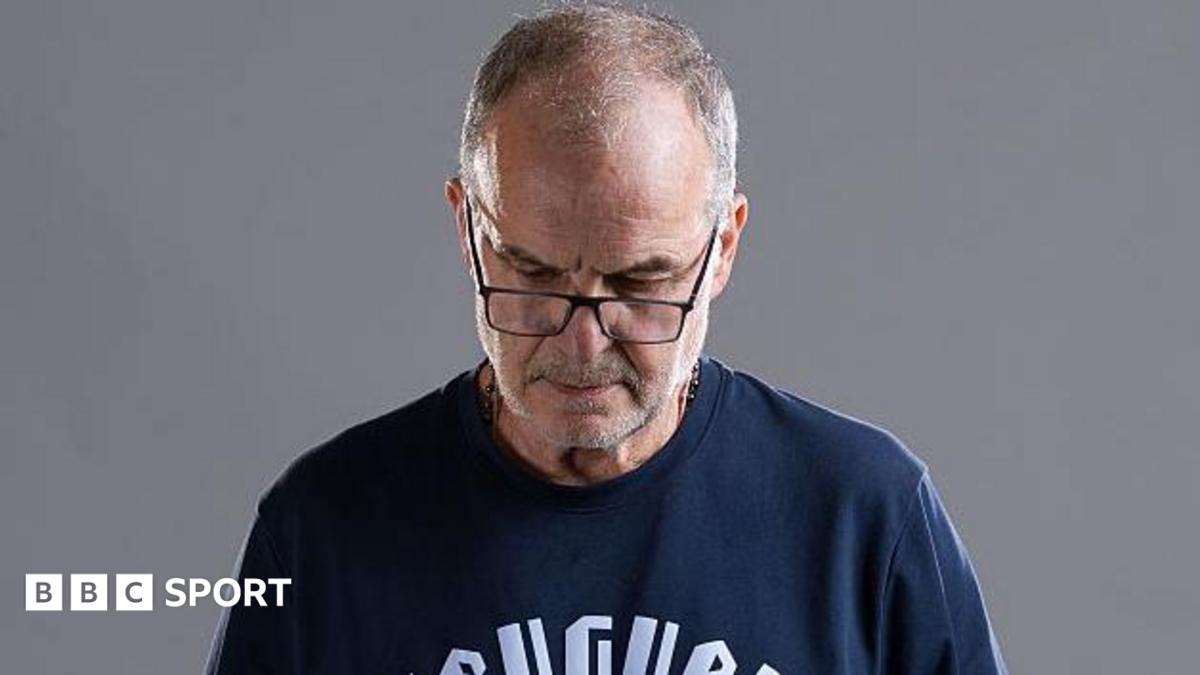
    As the 2026 FIFA World Cup preparations ramp up, every participating nation’s squad and coaching staff have completed the mandatory official photoshoots that have become a beloved pre-tournament tradition over the past 10 years. But it was one unconventional portrait from Uruguay’s head coach Marcelo Bielsa that has captured global football attention – a moment perfectly in keeping with the iconic maverick reputation that has defined the 70-year-old’s decades-long career.

    Known universally by his nickname ‘El Loco’ (The Crazy One), Bielsa has always stood out from the crowd in world football. Famous for his obsessive focus on tactical detail, his unorthodox habit of sitting on a cool box on the touchline during matches, and his past tenure managing English Championship side Leeds United, he has long cultivated a persona that rejects the polished performativity expected of top sports coaches. This legacy was on full display in his official FIFA headshot.

    Where most managers and players lean into the moment, smiling for the camera and leaning into the spotlight of the world’s biggest football tournament, Bielsa chose not to look directly into the lens. Instead, he stared stonily toward the ground, giving the impression he would much rather be on the training ground putting his squad through their paces or poring over opposition match tape than posing for photos. The unusual portrait quickly sparked speculation across social media and football circles, with many suggesting the downward gaze could be a deliberate political protest or statement against FIFA.

    Those rumors were put to the test after Uruguay’s opening pre-tournament friendly against Saudi Arabia in Miami, which ended in a 1-1 draw on Monday. When reporters pressed Bielsa on the story behind his portrait stance, the veteran coach rejected calls for an explanation, pushing back on the idea that he owed any insight into his choice of pose.

    “I don’t have to give any explanation, the picture was taken the way it was taken,” Bielsa told reporters. “I’m not a model.”

    When the topic came up again later in the press conference, after he had moved on to answer questions about the friendly and upcoming matches, Bielsa expanded on his frustration with the media attention over the photo. He argued that there was no deeper meaning to his pose, and that the public and press had no right to demand explanations for every small choice public figures make.

    “There is a limit in terms of what we need to explain,” he added. “If I’m wearing glasses, why am I wearing glasses? You look somebody in the eye, why do you do that? There is nothing wrong about wearing glasses or looking into somebody’s eyes or looking down.”

    Bielsa is no stranger to the World Cup stage, with this tournament marking his third appearance as a national team head coach. He previously led his native Argentina and Chile at past World Cups, and is widely regarded as one of the most innovative and respected tactical minds in the modern game.

    Up next, Uruguay is set to face off against Cape Verde, one of the tournament’s surprise qualifiers, in their second group stage match on Sunday at 23:00 BST. The match will be a key test for Bielsa’s squad as they look to progress past the group stage in one of the most competitive World Cups in recent memory.

  • Tunisia sack Lamouchi just one game into World Cup

    Tunisia sack Lamouchi just one game into World Cup

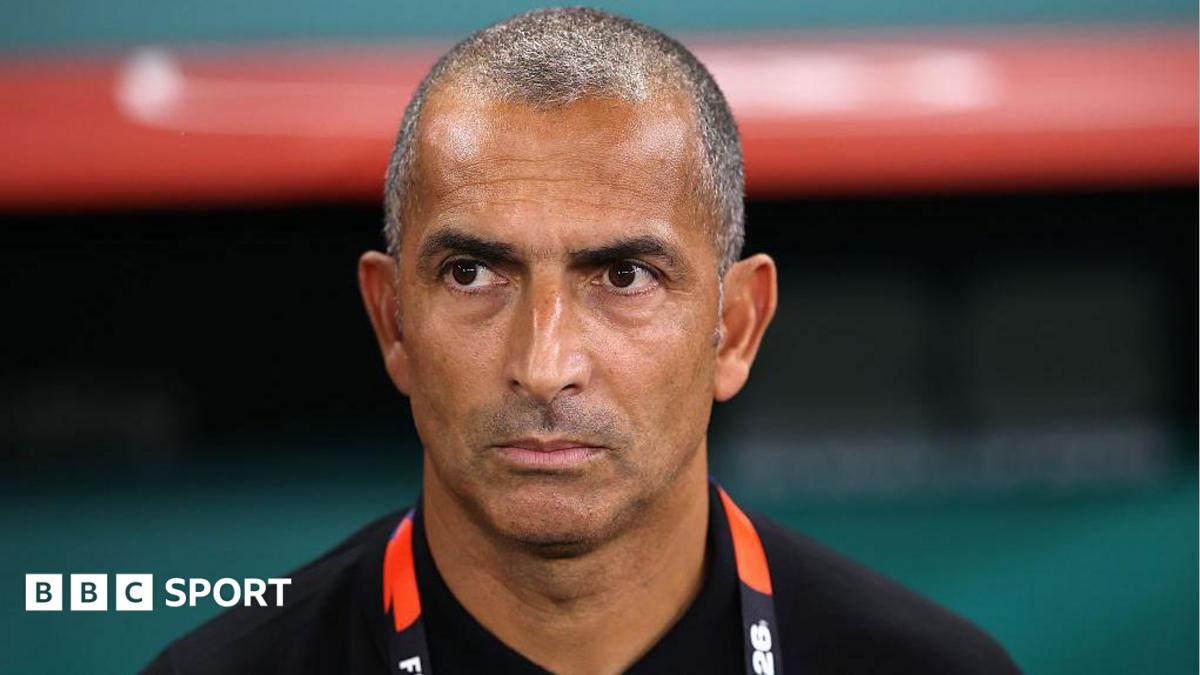
    In a historic first for the FIFA World Cup, Tunisia have parted ways with head coach Sabri Lamouchi just days after a lopsided opening Group F defeat to Sweden at the 2026 tournament, marking the earliest dismissal of a manager in the competition’s history. The North African side suffered a 5-1 thrashing at the hands of Sweden on Sunday at Estadio Monterrey in Guadalupe, Mexico, a result that triggered immediate speculation about Lamouchi’s future. While initial reports claimed the Frenchman had been relieved of his duties straight after the final whistle, multiple sources confirmed to BBC Sport Africa that Lamouchi still led a team training session on Monday. The Tunisian Football Association later made the separation official, announcing that the 54-year-old’s contract had been terminated by mutual agreement. Stepping into the role with immediate effect is veteran manager Herve Renard, who has previously held top jobs with the Morocco and Saudi Arabia national teams, and will remain at the helm through the conclusion of the 2026 World Cup. Lamouchi’s exit comes after just five months in charge of Tunisia, having been appointed in January following the exit of Sami Trabelsi, who stepped down after the team’s round of 16 defeat to Mali at the 2023 Africa Cup of Nations. Across his five matches in charge, Lamouchi only managed to secure one victory: a narrow 1-0 win over Haiti in his debut fixture at the post. In Tunisia’s two pre-tournament warm-up matches earlier this June, the side fell 1-0 to Austria before a demoralizing 5-0 defeat to world powerhouse Belgium that offered an early sign of the challenges the team would face in Mexico. Speaking shortly after the Sweden defeat, Lamouchi acknowledged the severity of the performance, calling the opening loss “painful” for the squad. “Starting the competition with this bad of a loss is indeed difficult,” he said. “We made too many mistakes, and this is not something that we can do. We are shooting ourselves in the foot, we are hurting ourselves.” While manager dismissals after poor tournament starts are not unprecedented in World Cup history, Lamouchi’s departure is the first to occur after just a single match. The previous instances of early sackings date back to the 1998 World Cup, when Tunisia let go of Henryk Kasperczak after two opening matches without a win, and South Korea dismissed Cha Bum-Kun following two straight opening defeats. More recently, Spain sacked Julen Lopetegui just two days before the 2018 tournament kicked off, after he agreed to take the Real Madrid head coaching role mid-competition. Now, with Renard newly installed at the helm, Tunisia turn their focus to their remaining Group F fixtures against Japan and the Netherlands as they fight to keep their 2026 World Cup campaign alive.

  • Solar cold storage helps African farmers cut losses and reach global markets

    Solar cold storage helps African farmers cut losses and reach global markets

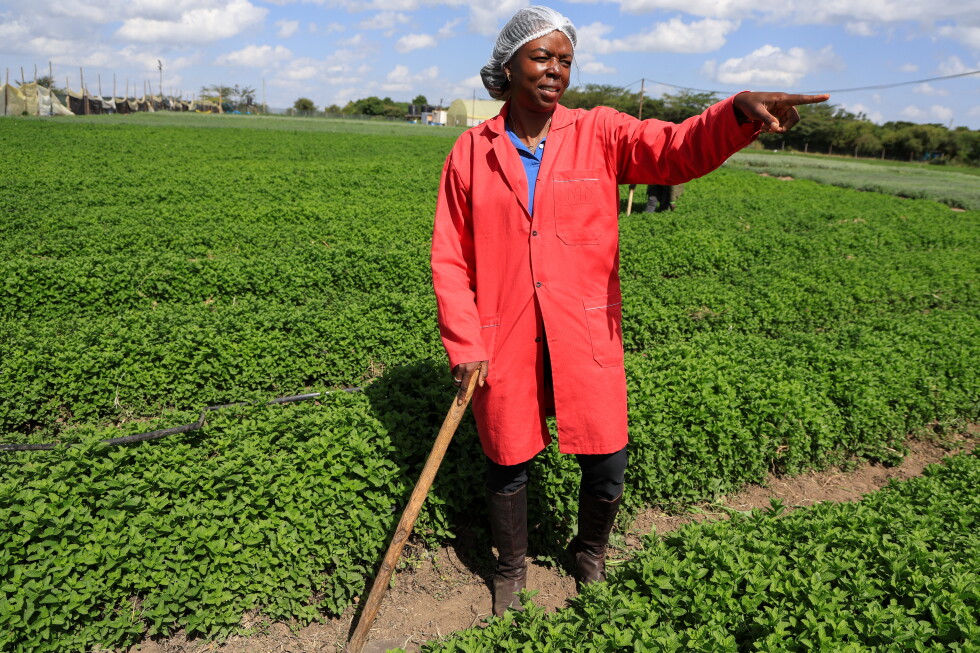
    On a crisp early morning in Kenya, smallholder farmer Yvonne Anyonyi Mumiah walks between neat rows of aromatic rosemary, fragrant basil and other fresh produce bound for grocery store shelves across Europe. Not long ago, her livelihood hung on a knife edge: a single transport delay or unseasonable heatwave could turn an entire season’s hard work into spoiled, unsellable waste. Today, that uncertainty has been replaced by security, thanks to an accessible solar-powered cold storage service that keeps her harvest fresh until it is ready to ship.

    Mumiah’s new solution comes from SoKo Fresh, a Kenyan cold-chain enterprise that offers a flexible pay-per-use model, billing farmers only for the volume of produce they store. This innovative approach is part of a rapidly growing movement across Africa that leverages renewable energy to solve one of the continent’s most persistent agricultural crises: widespread post-harvest food loss.

    According to estimates from the United Nations Food and Agriculture Organisation, as much as 40% of all food grown across Africa goes to waste between the moment it is harvested and the moment it reaches consumers. The root cause of this crisis is not poor farming practice, but gaping holes in infrastructure: insufficient, inadequate storage, transportation and processing systems that leave perishable goods vulnerable to spoilage.

    Unlike traditional cold storage, off-grid solar-powered cold rooms, cooling hubs and warehouses do not require connection to Africa’s often unreliable and expensive main electricity grids. This model is already gaining traction across multiple sub-Saharan nations, including Kenya, Nigeria, Ethiopia, Rwanda and South Africa.

    For millions of smallholder farmers like Mumiah, purchasing a personal standalone solar cold storage unit – which costs roughly $30,000 upfront – is entirely out of reach. That makes shared pay-per-use models transformative. “You can do everything right on the farm, but if the produce is not stored properly, you lose both the product and income,” Mumiah explained. “We are no longer forced to sell immediately because we fear the produce will spoil. We can wait for collection and still maintain quality.” This flexibility alone has boosted both the quality of her harvest and her overall income.

    As climate change drives rising global temperatures and disrupts supply chains around the world, reliable cooling infrastructure has become more critical than ever. Across major agricultural nations like the United States, China, Japan and the Netherlands, sophisticated, extensive cold-chain networks keep fresh produce marketable for weeks after harvest. But for most of Africa, this essential infrastructure has long been a missing link in the agricultural value chain.

    Rising temperatures have only worsened the crisis: extreme heat speeds up spoilage for perishable goods from leafy greens and fruits to dairy and fresh fish. Meanwhile, inconsistent grid power makes traditional electric or diesel-powered refrigeration prohibitively expensive and impractical for most rural farming communities.

    “Cold storage remains one of the missing links in Africa’s agricultural value chains,” said Emmanuel Aziebor, regional director for Africa at CLASP, a non-profit organisation that supports the deployment of energy-efficient, productivity-driving technologies. “When farmers can store produce for longer, they gain access to better markets, reduce waste and increase incomes.”

    Early data from on-the-ground projects already confirms this impact. SoKo Fresh reports that it has cut average post-harvest spoilage for participating farmers from as high as 50% to less than 2%, while helping producers boost their per-kilogram earnings by up to 50%.

    The model is being adapted to fit local agricultural needs across the continent. In Nigeria, leading firm ColdHubs has installed solar-powered walk-in cold rooms in major agricultural hubs, allowing farmers and local traders to rent space by the day instead of taking on the cost of buying their own equipment. In Rwanda, solar refrigeration supports dairy cooperatives, streamlining milk collection and cutting waste for small-scale dairy farmers. In Ethiopia, cold-chain investments are expanding rapidly to support the country’s fast-growing horticultural export sector.

    Analysts note that these solar-powered innovations deliver two key public benefits at once: they strengthen African food security at a time of growing climate risk, and they cut greenhouse gas emissions compared to traditional cold storage solutions. Most legacy cold storage systems in off-grid areas rely on diesel generators, but solar alternatives eliminate fuel costs, reduce operating expenses, and cut the carbon footprint of agricultural supply chains.

    Yet experts argue that the most transformative impact of these projects is economic, not just environmental. For decades, international development efforts across Africa have prioritized expanding household electricity access, but far less attention has been paid to how that power can be used to generate income for rural communities. “We have neglected the conversation around how people can turn electricity into opportunity,” Aziebor noted. “We keep extending electricity infrastructure, but unless people can use that power productively, the economic benefits never fully materialize.”

    Cold storage is just one of many solar-powered productivity tools transforming African agriculture. Solar-powered irrigation systems now enable year-round farming instead of relying on erratic seasonal rains, while solar milling and processing equipment allow rural communities to add value to their crops close to the farm, cutting transport costs and increasing earnings.

    Despite the clear success of pilot projects, widespread scaling across the continent faces one major barrier: access to affordable funding. “The challenge today is not demonstrating that these systems work,” said Carol Koech, vice president for Africa at the Global Energy Alliance for People and Planet. “It is building enough bankable projects that can attract larger pools of investment and scale across countries.”

    While grants, low-interest loans and donor support can help cover the high upfront capital costs of building new cold storage hubs, industry leaders note that attracting large-scale commercial investment remains challenging. Most African agricultural markets are fragmented, and the sector is dominated by millions of small-scale producers, which many institutional investors see as a high-risk profile. “These investors see emerging technologies as high risk because we lack enough proven business models with reliable returns,” SoKo Fresh CEO Denis Karema said. “That makes funding for our type of projects expensive.”

    This reporting on climate and the environment from The Associated Press is supported by funding from multiple private foundations, and AP maintains full editorial control over all content. Details of AP’s standards for working with philanthropic partners, a full list of supporters, and an overview of funded coverage areas are available at AP.org.
  • Elijah Just’s 2-goal World Cup breakthrough lifts New Zealand to a gritty 2-2 draw

    Elijah Just’s 2-goal World Cup breakthrough lifts New Zealand to a gritty 2-2 draw

    INGLEWOOD, Calif. — In a historic showing that upended pre-tournament expectations, New Zealand winger Elijah Juet etched his name into his country’s soccer record books Monday night as the first Kiwi player ever to net two goals in a single men’s World Cup match. Yet, even with the landmark performance, the 85th-ranked All Whites fell just short of securing their first ever win at the global tournament, settling for a hard-fought 2-2 draw against Iran at the Los Angeles-area venue.

    This result marks New Zealand’s fourth draw all-time in World Cup play, matching the unbeaten three-draw run the side posted at the 2010 tournament in South Africa. Speaking after the final whistle, head coach Darren Bazeley called the performance one of the strongest in the nation’s soccer history, noting “We came here to win and we were so close to making history.”

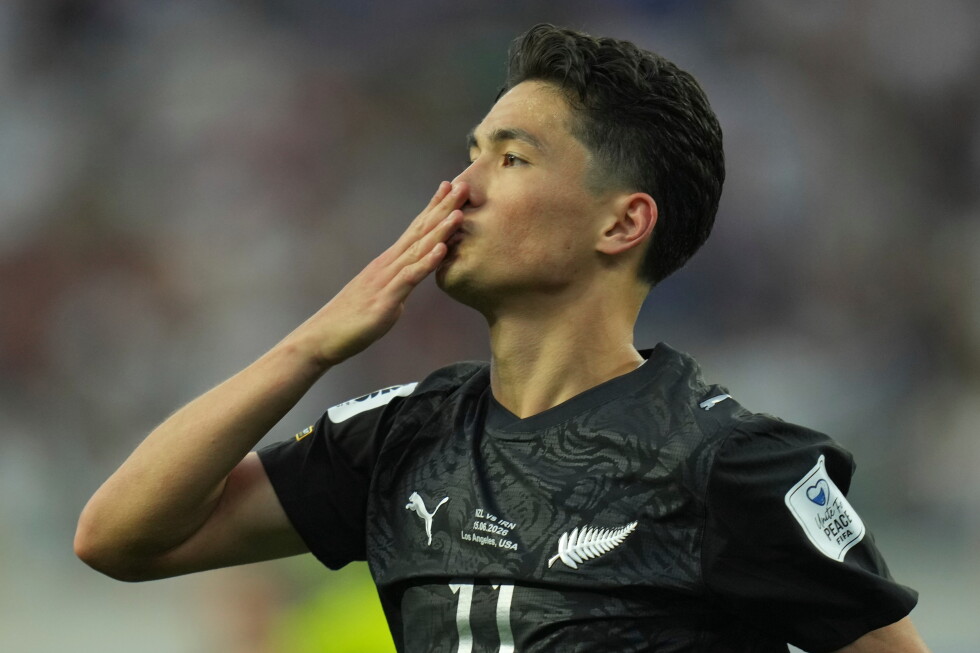
    Just, who entered the 2026 expanded 48-team World Cup fresh off a standout season with Scotland’s Motherwell in the Scottish Premiership that saw him shortlisted for the league’s player of the year award, put the All Whites ahead twice — first at 1-0, then again at 2-1. After his second goal, the 26-year-old winger blew a kiss to the stands, where FIFA President Gianni Infantino was among the spectators in attendance. Star Kiwi striker Chris Wood, the nation’s most recognizable soccer player, picked up assists on both of Just’s goals.

    Juet’s entire immediate family — his parents, brother, uncle and girlfriend — traveled to watch the match, which was held in an area where Iranian fans dominated the stands. The crowd makeup was no surprise: Los Angeles is home to the largest community of Iranians outside of Iran’s borders.

    Reflecting on the match, Juet praised his side’s poise under pressure. “Walking out the adrenaline was really high. Once the game started you kind of calm down a little bit. We were quite good with the ball. We dealt with the occasion really well. The players were really brave. Overall, it’s the performance we needed,” he said, adding, “I think we showed today that we’re a dangerous team. You can’t be disappointed. A point in the World Cup is always tough to get.”

    Bazeley said he was not shocked by his winger’s breakout performance, having trained and worked with Just for many years. “He showed the world how dangerous he can be. He’s of slight build, but he gets into pockets, turns and reacts quick. I think a lot of people are probably watching that today and saying, ‘He’s a good player.’ This is going to help him a lot,” the coach said.

    New Zealand’s path to the 2026 World Cup is only the third qualification in the nation’s history, after appearances in 1982 and 2010. The All Whites, a side from a country better known globally as a powerhouse of rugby union rather than soccer, have never advanced past the tournament’s group stage. Before Monday’s match, the side watched fellow underdog Cape Verde hold global powerhouse Spain to a draw, a result that left Bazeley confident his own team could pull off a surprise upset.

    Young defender Finn Surman echoed Juet and Bazeley’s optimism, saying of the winger: “He’s an amazing player and he’s so dangerous when we get him going forward.” Surman added that the draw against heavily favored Iran has already shifted outside perceptions of the low-ranked Kiwi side. “It’s potentially changed people’s view on us and what they kind of expect from us. We still think we can be better. We know we can be better.”

    The All Whites will get their next shot at history, and their first ever World Cup win, when they face Egypt in group stage play this Sunday in Vancouver, British Columbia. The result against Iran has already injected the underdog side with new confidence and drawn global attention ahead of their next match, with two group games still left to compete for a knockout stage spot.

  • US-Iran peace deal rattles China’s energy strategy, geopolitics

    US-Iran peace deal rattles China’s energy strategy, geopolitics

    Following the weekend announcement of a US-Iran peace agreement, Beijing has formally welcomed the deal, pinning hopes that the planned reopening of the Strait of Hormuz will resolve months of oil supply disruptions that have roiled China’s domestic fuel markets and strained its refining industry. But behind official statements, Chinese policy and energy commentators have voiced a far more nuanced, uneven set of perspectives on what the deal means for the world’s largest crude importer.

    On one hand, analysts broadly agree that the reopening of the critical Strait of Hormuz will open new opportunities for China: it will be able to replenish depleted strategic crude reserves, while lower global oil prices will ease widespread cost pressures across the economy. Even some independent Chinese “teapot” refiners that have faced US sanctions over Iranian crude imports could see some relief from the diplomatic thaw.

    On the other hand, the deal also strips away the unique advantages China carved out during years of sanctions on Tehran. For years, China bought discounted Iranian crude via a shadow fleet operating outside formal sanctions frameworks, a benefit that will disappear once Western governments unfreeze Iranian assets and allow Tehran to resume legal crude exports to the global market.

    As Sichuan-based commentator Fanyuzhi, a pseudonymous columnist, put it: the US-Iran detente and resulting lower oil prices are a double-edged sword for China. In the near term, softer crude costs will cut logistics expenses across all sectors and help tame persistent domestic inflation. Over the longer horizon, however, cheap fossil fuels could slow China’s aggressive push to scale up renewable energy and electric vehicles, while erasing the privileged, exclusive access China built with Iran during the sanctions era. Once Tehran fully reopens its oil sector to global markets, Fanyuzhi noted, energy firms from Europe, Japan and South Korea will quickly reenter the market to compete for the crude supplies China previously secured largely on its own.

    Even with these downsides, Fanyuzhi acknowledged that a more stable Middle East aligns with China’s long-term geopolitical goals through its Belt and Road Initiative. Beijing brokered the landmark 2023 Saudi-Iran detente and played an unpublicized behind-the-scenes role in recent US-Iran talks, a track record that has clearly boosted China’s regional influence. More Middle Eastern nations are now increasingly leaning toward Beijing when balancing their relationships with major global powers, he added. Still, he cautioned against overestimating the durability of the new peace deal, comparing it to two exhausted boxers taking a mandated break between rounds: hostilities could easily reignite once both sides have regained their strength.

    The months-long conflict between the US and Iran, which began on February 28, has hit China’s gasoline market on two separate fronts, according to regional media. Disruptions to crude shipments through the Strait of Hormuz drove up global crude price expectations, squeezing profit margins for Chinese refiners of all sizes. At the same time, persistent fuel price volatility accelerated a already ongoing shift toward electric vehicles among Chinese consumers, eroding domestic gasoline demand and piling enormous pressure on independent “teapot” refiners to cut production.

    While additional US sanctions targeting some teapot refiners added to industry stress, the impact was less severe than many analysts initially predicted, thanks to China’s large holdings of strategic crude reserves that allowed Beijing to stabilize domestic fuel supplies without over-reliance on sanctioned imports.

    Customs data bears out the scope of the supply shock: China’s crude oil imports fell 20% year-on-year in April 2026 to 9.25 million barrels per day, the lowest monthly volume since July 2022. The decline deepened in May, when imports dropped to roughly 7.8 million barrels per day, a 29% year-on-year drop. For the first five months of 2026, total crude imports are down 4.8% from the same period in 2025, while refined fuel imports have plummeted even faster, with May volumes falling 58% year-on-year.

    “When crude shipments through the Strait of Hormuz were first halted in March, Chinese regulators ordered independent refiners to maintain high output of gasoline and diesel even if it meant operating at a loss, warning that any cuts to capacity utilization could result in reduced crude import quotas,” explained All About Energy, a pseudonymous Beijing-based energy analyst. It was only after Beijing observed a clear slowdown in domestic gasoline demand that loss-making teapot refiners were permitted to scale back output, he added.

    “China’s gasoline demand has been declining steadily since the Iran war disrupted Hormuz crude shipments,” All About Energy said. “Rising fuel prices have discouraged driving of combustion engine vehicles, particularly in Chinese cities where electric vehicles are already more convenient and cheaper to operate. This year’s drop in gasoline demand is now on track to exceed earlier industry forecasts.”

    Shandong-based columnist Xie Duiren noted that April 2026 marked a major turning point in China’s transition away from gasoline-powered vehicles: for the first time, new energy vehicles made up more than 60% of all domestic passenger car retail sales, with Chinese domestic brands capturing more than 80% of that new energy market. As more consumers shift to EVs, gasoline-powered cars have lost their residual value protection in the second-hand market, creating a downward price spiral.

    “Electric vehicles are improving rapidly in technology and holding their value far better than they did even two years ago, steadily crowding out used combustion-engine cars from the market,” Xie said. “Once a gasoline-powered car goes from being an asset to a financial liability, there is little incentive for consumers to hold onto one.”

    On June 2, Reuters reported that China’s National Development and Reform Commission, the country’s top economic planner, had authorized independent refiners in Shandong – China’s top refining hub – to cut output starting in June, capping production at no lower than 80% of 2025’s monthly average.

    Chinese analysts also point out that the end of the Iran war has significantly expanded Washington’s leverage over global energy markets, giving the Trump administration more room to refocus its political and military attention on the Indo-Pacific. Earlier this year, US special forces arrested Venezuelan President Nicolas Maduro in Caracas and flew him to New York to face drug trafficking and narco-terrorism charges, with the Trump administration announcing it would oversee Venezuelan operations for an indefinite period, giving Washington direct control over the country’s massive crude reserves. The end of the Iran war and the reopening of the Strait of Hormuz on terms heavily shaped by Washington extends that dominance further.

    One military affairs commentator writing for Chinese portal Sina.com noted that while global attention was fixed on the Iran negotiations, reports emerged that the Trump administration was in talks to purchase the Chagos Islands from Mauritius, bypassing the United Kingdom to secure direct control of the strategic Diego Garcia naval base. Diego Garcia forms the southwestern anchor of Washington’s Indo-Pacific strategy, working alongside the US’s island chain alliance network and India to create a multi-layered defense network that can constrain China’s commercial and military sea lanes, the commentator said. The base, which hosts roughly 2,400 military and civilian personnel and supports strategic bomber operations and large-scale naval deployments, has served as a critical logistics hub for US operations across the Indo-Pacific for decades, including most recently during the Iran war. With the Iran conflict wrapping up, the commentator stressed, China must remain vigilant and closely monitor every shift in Washington’s regional strategy.

    In Beijing’s official response to the deal, Chinese Foreign Ministry spokesman Lin Jian said Monday that Beijing welcomes the first-stage memorandum of understanding between Washington and Tehran, and commended Pakistan’s mediation efforts. Lin called on both sides to complete the formal signing as scheduled on June 19, and said China stands ready to work with the international community to support long-term peace and stability in the Middle East and Gulf region.

    “The Strait of Hormuz is a critical waterway for international navigation. Restoring stability in the Strait serves the common interests of all regional states and the entire global community,” Lin said. “We hope the Strait will once again be open and safe for free navigation at an early date. China stands ready to maintain close communication with regional countries and the broader international community on all relevant issues.”

    US President Donald Trump announced the deal after more than 100 days of open military conflict with Iran, saying the agreement with Tehran was “now complete” and ordering the immediate lifting of the US naval blockade on Iranian ports. Pakistan and Qatar co-mediated the negotiations, with a formal signing ceremony scheduled for Geneva on June 19.

    The 14-point first-stage MOU outlines a permanent ceasefire across all active fronts including Lebanon, the full lifting of the naval blockade within 30 days, the full reopening of the Strait of Hormuz, and a temporary suspension of sanctions on Iranian oil exports. It also includes a plan to release $24 billion in frozen Iranian assets over a 60-day negotiation period, after which a final permanent agreement covering Iran’s nuclear program will be finalized.

  • Asian shares are mostly higher and Japan’s Nikkei tops 70,000 before BOJ rate hike

    Asian shares are mostly higher and Japan’s Nikkei tops 70,000 before BOJ rate hike

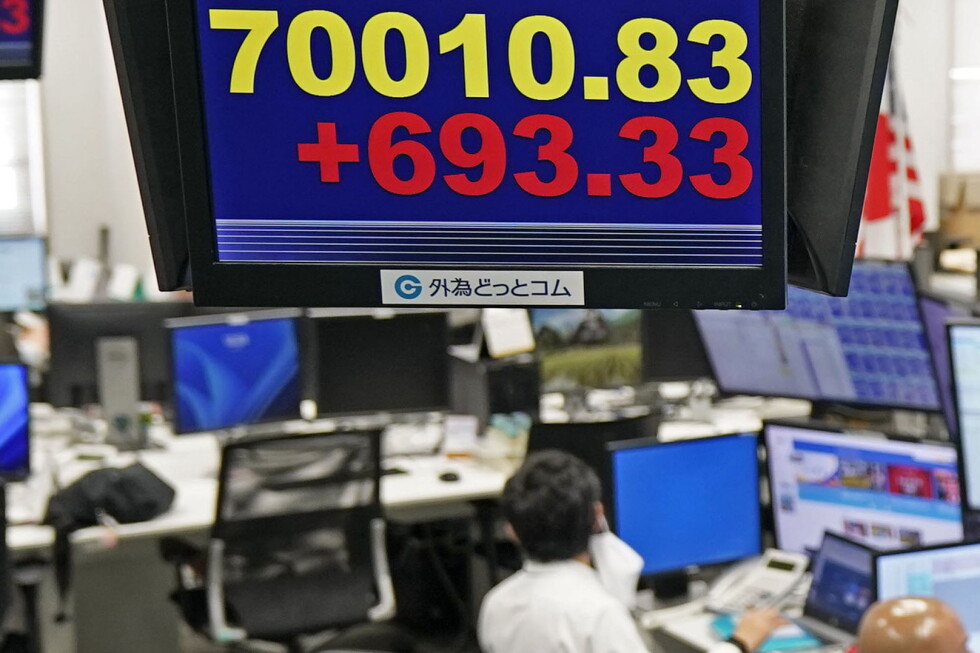
    In a historic trading session on Tuesday, most Asian equity markets logged gains, with Japan’s benchmark Nikkei 225 briefly crossing the 70,000 threshold for the first time ever before paring its early advances. The milestone came moments after the Bank of Japan (BOJ) announced it would lift its key interest rate by a quarter percentage point to 1%, bringing borrowing costs in the country to their highest level in 30 years.

    By mid-afternoon Tokyo trading, the Nikkei 225 held onto moderate gains, rising 0.6% to settle at 69,713.05. South Korea’s Kospi outperformed regional peers, jumping 2.1% to push further into uncharted record territory at 8,721.64. Mainland China’s Shanghai Composite inched up less than 0.1% to 4,100.53, while Taiwan’s Taiex added 0.6% and India’s Sensex gained 0.5%. The only major losses in the region were recorded in Australia and Hong Kong: Australia’s S&P/ASX 200 slipped 0.3% to 8,892.10, and Hong Kong’s Hang Seng dropped 1.3% to 24,533.35.

    The positive momentum across Asian markets followed a broad global rally on Monday, triggered by news that the United States and Iran had reached a tentative agreement to restore steady global crude oil exports. The deal raised hopes that shipping through the Strait of Hormuz, a critical chokepoint that supplies much of Asia’s oil imports, will soon reopen. On Monday, Wall Street posted strong gains: the S&P 500 climbed 1.7%, the Dow Jones Industrial Average gained 0.9% to hit a new all-time high, and the Nasdaq composite surged 3.1%.

    International benchmark Brent crude fell 4.8% on Monday in response to the deal, and prices continued to trend downward early Tuesday. By early Asian trading, Brent crude slipped 24 cents to $82.93 per barrel, while U.S. benchmark crude fell 9 cents to $80.66 per barrel. Oil prices have fallen sharply from triple-digit levels recorded just a few weeks ago, when geopolitical tensions pushed costs up; before the recent conflict, crude traded at roughly $70 per barrel.

    While the market has reacted positively to the tentative agreement, many energy analysts have urged caution, noting that multiple core issues remain unresolved. Negotiations between the two parties are set to continue over the next 60 days. Even if the Strait of Hormuz reopens as scheduled on Friday, industry experts warn it will likely take several months for global energy supply chains to return to full operational capacity.

    On Wall Street Monday, artificial intelligence (AI)-focused stocks led the market rally. Micron Technology jumped 10.8%, Advanced Micro Devices gained 7%, and Nvidia rose 3.5% — the largest single contribution to the S&P 500’s gain, as the AI chipmaker holds the title of the most valuable company on Wall Street, giving it outsized weight in the index. SpaceX, Elon Musk’s aerospace firm that also controls AI startup xAI, rose 19.6% in just its second day of public trading on U.S. exchanges.

    In the bond market, U.S. Treasury yields edged lower, as investors bet that cooling oil prices will reduce pressure on central banks to implement further interest rate hikes. The yield on the 10-year Treasury slipped to 4.47%, down from 4.48% recorded late last week. In currency markets, the U.S. dollar held nearly steady against the Japanese yen early Tuesday, trading at 160.33 yen, while the euro dipped slightly to $1.1580, down from $1.1592 in previous trading.

  • Iran v Iran in the stands as politics and football intertwine

    Iran v Iran in the stands as politics and football intertwine

    The 2026 FIFA World Cup group stage fixture between Iran and New Zealand at Los Angeles Stadium was billed as a routine international football matchup on paper, but the day was defined far more by deep political divisions among Iranian spectators than the action on the pitch. On the field, Iran fought back twice from falling behind to secure a dramatic 2-2 draw, but outside the stadium and scattered through the stands, stark splits between pro-regime and dissident Iranian fans turned the match into a public stage for long-simmering political tensions.

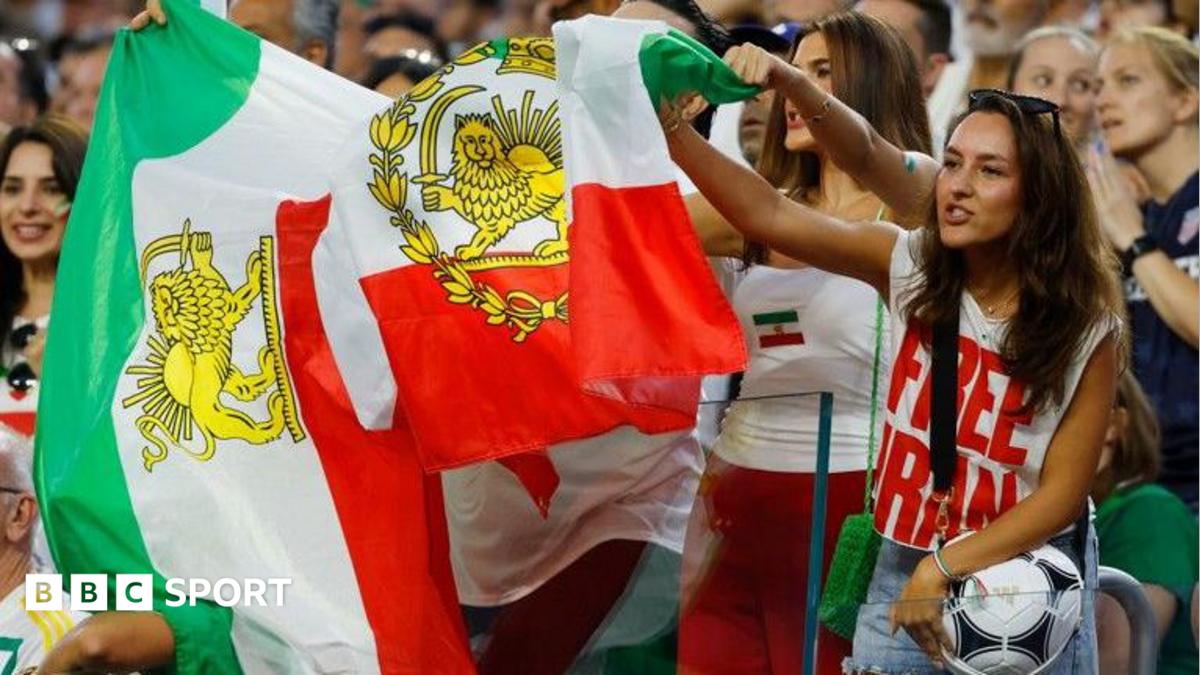
    Outside the arena, hundreds of Iranian diaspora protesters, many of them Iranian-Americans, gathered to demonstrate against Iran’s ruling Islamic Republic and the national team they argue represents the state rather than the Iranian people. The most prominent symbol at the protest was the pre-revolutionary Lion and Sun flag, a widely recognized emblem of opposition to the current Tehran regime that FIFA has banned from stadium grounds as an explicitly political symbol. Despite the ban, the flag was still visible inside the venue, printed on clothing and waved by spectators.

    Protesters chanted slogans calling for regime change in Iran and rejected the national team as a representative of the ruling government. “Mullahs’ team is not my team,” protesters chanted, before breaking into the pre-revolutionary Iranian national anthem. One young protester summed up the anthem’s meaning to the crowd simply: “It means freedom and pride.” Outside the stadium, many activists linked their protest to ongoing human rights abuses in Iran, with one protester hanging a makeshift noose around his neck to protest the execution of dissidents in the country, and others arguing that recent diplomatic talks between Washington and Tehran cannot normalize the violence carried out by the Iranian regime against its own people.

    The divisions that played out outside the stadium only continued inside the stands, where spectators waved both the official Islamic Republic flag and the dissident Lion and Sun flag, all clad in Iran’s national team colors. This split between competing visions of Iranian identity created an impossible pressure for the Iranian squad, which has long maintained that football should be a unifying force rather than a political platform. Striker Mehdi Taremi clarified the team’s position ahead of the match, stating the squad plays for all Iranians both inside the country and in the diaspora, and that the team does not seek to engage in partisan politics.

    The split among fans left many Iranian-Americans in attendance caught between conflicting loyalties. “It’s complicated,” explained Samaneh, an Iranian-American who has lived in the U.S. for a decade. “I’m here to support Iran, not the regime. I miss my country.” Samaneh added that she still cried when the official national anthem played, and that ongoing travel restrictions imposed by the Trump administration have left her mother stranded in Iran, leaving her constantly worried about her family and unable to return home to visit. Even when New Zealand scored to take the lead during the match, some anti-regime spectators were captured celebrating the goal, highlighting how deeply politics had infiltrated the contest.

    Other fans argued for a clear separation between the national team and the ruling government, saying football should remain a space to bring people together across political divides. Mostafa, an Iranian-American living in the U.S., said that “Soccer is about friendship, cultural connections and putting politics aside.” Pourmand, a lifelong Iran fan who has attended the past two World Cups in Qatar and Russia and traveled from San Diego to the team’s training camp in Tijuana, echoed this view. “The people of Iran are represented by these players,” he said. “They’re here to show we’re worthy of being here – a message of friendship and human values.” For other fans like Elika, supporting the team is tied to personal connection rather than politics: she attended the match in honor of her late father, who shared a love of watching Iran compete at the World Cup, and said “I felt compelled to come in honour of my dad, and in honour of Iranians who just want peace and the chance to enjoy a game like this.”

    Even before the match kicked off, politics had already disrupted Iran’s World Cup campaign. Visa issues forced the team to relocate its pre-tournament training base from Arizona to Tijuana, Mexico, forcing players to cross the border for matches in the U.S. while staying in Mexico. While a recent ceasefire agreement between the U.S. and Iran has lowered fears of open military escalation between the two nations, underlying tensions remain high, and those tensions spilled directly into the World Cup fixture in Los Angeles.

    After the final whistle, the day’s events made one fact clear: despite the Iranian team’s stated goal of uniting all Iranians through football, deep political divisions within the global Iranian community have made that unity impossible to achieve at this 2026 World Cup. Outside the stadium, it was clear that for this community, separating football from politics was no longer an option.

  • Scaloni: ‘The whole planet’ awaits Messi’s 200th cap as Argentina opens World Cup against Algeria

    Scaloni: ‘The whole planet’ awaits Messi’s 200th cap as Argentina opens World Cup against Algeria

    KANSAS CITY, Mo. — As the 2026 FIFA World Cup kicks off its first match for defending champions Argentina here at Arrowhead Stadium on Tuesday night, all eyes are fixed on one man: Lionel Messi, the Argentine icon widely regarded as the greatest soccer player of all time. For Argentina head coach Lionel Scaloni, who shares a deep-rooted connection with Messi that stretches back decades, the global fascination with the 36-year-old forward is no surprise.

    Both Scaloni and Messi hail from Argentina’s Santa Fe province, and both rose through the youth ranks of Newell’s Old Boys, the storied Rosario-based club that has produced a long list of soccer legends, from Gabriel Batistuta to current U.S. men’s national team coach Mauricio Pochettino. Having watched Messi’s career unfold for nearly his entire professional life, Scaloni says the entire world craves to see Messi step onto the pitch.

    “Not only the Argentinian population but everybody — the whole planet — wants to see him play,” Scaloni said in an interview ahead of the opening Group C match against Algeria. “Everybody wants to see him on the pitch, because he has an effect not only on Argentina fans but supporters all over the world.”

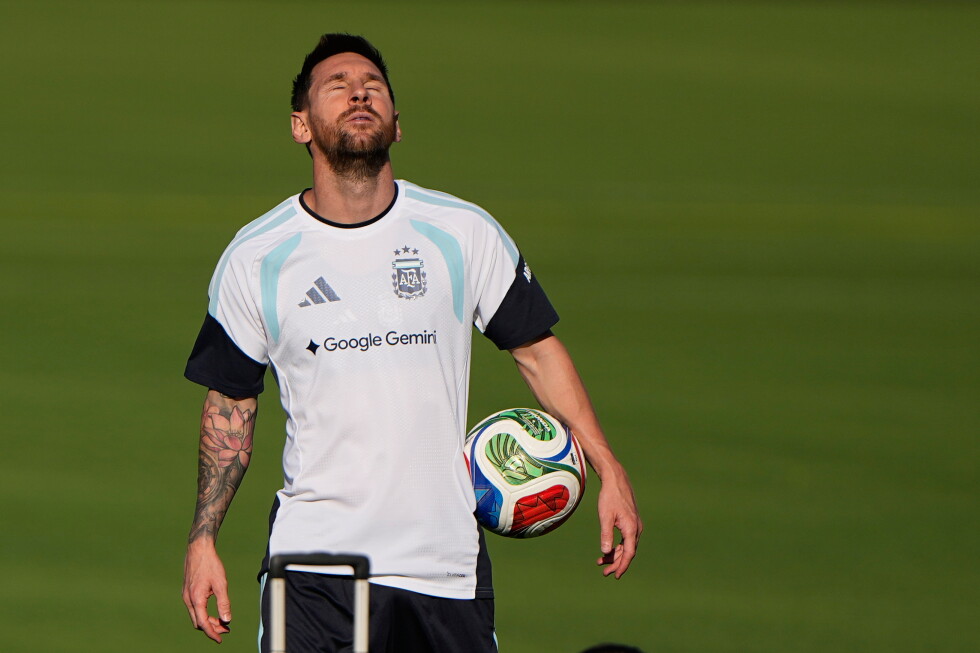
    For many fans in attendance on Tuesday, this will likely be the final chance to watch Messi compete in a World Cup wearing Argentina’s iconic light blue and white striped jersey. Questions about Messi’s fitness circulated in the weeks leading up to the tournament, after the Inter Miami star picked up a minor hamstring injury. But those concerns appear to have been put to rest: in training sessions open to reporters, Messi has looked sharp and comfortable, and he played 20 minutes without issue in Argentina’s final pre-tournament tuneup against Iceland last week, entering as a second-half substitute and scoring a penalty just minutes after checking in.

    Barring any last-minute unforeseen issue, Messi will hit a historic milestone in Tuesday’s match, earning his 200th cap for the Argentine senior national team. Scaloni made clear that Messi remains an irreplaceable core of the side’s title defense bid.

    “There’s nothing negative to say,” Scaloni said. “He’s always been there, and he’s essential for us. He’s going to remain that way.”

    Messi mania has already fully taken over Kansas City, with fans traveling from across the region to catch a glimpse of the star ahead of kickoff. Tapash Chakraborty, a 57-year-old engineering firm owner, set up at a local downtown bar 24 hours before the match, hoping to meet Messi ahead of the game. Chakraborty, who has a ticket for Tuesday’s clash, put it simply: “Messi is Messi. He is the god of football.”

    Chakraborty is far from alone. Messi’s famous No. 10 is everywhere across the city, emblazoned on everything from vintage Barcelona jerseys to current Inter Miami kits to Argentina national team shirts. Michelle Lemmon, a former college soccer player, drove 160 miles from her home in Kirksville, Missouri, to Kansas City with her four children to celebrate her 42nd birthday, drawn by the chance to see Messi play. Though Lemmon will cheer for the U.S. throughout the tournament, she says her dream final would be a matchup between the U.S. and Argentina.

    “I’m nervous that this might be his last World Cup, so we’re very excited,” Lemmon said. “Honored that they chose Kansas City as their home base. To have the 2022 World Cup champions here, you know, it’s amazing. It’s hard. You’ve got to like him.”

    A win for Argentina in this tournament would not only extend Messi’s legacy — it would tie him even closer to the only other name consistently mentioned alongside him in the GOAT debate: Brazilian legend Pele. Only two nations in history have successfully defended a World Cup title: Italy, which won back-to-back tournaments in the 1930s, and Brazil, which repeated as champions in 1962 even after Pele suffered an early tournament injury. France came close to repeating in 2022, but Argentina defeated Les Blues in a penalty shootout in Qatar to claim the trophy.

    Nicolas Otamendi, Messi’s longtime defensive partner for Argentina, says the memory of that iconic Qatar win continues to fuel the team through this tournament. “What happened back in Qatar was just amazing. The whole country united,” Otamendi recalled. “We have that engraved in our minds, and it’s just injected us with the strength to keep trying. There’s no relaxing. We need to keep working with that level of humility that is required in these types of competitions.”

    Otamendi added that Messi’s quiet competitiveness and dedication have set the tone for the entire squad. Describing Messi as a “simple man that just focuses on training,” Otamendi noted: “He’s also a competitive animal. You want to be there with him, supporting him, serving him, and laughing our hearts out all the time. As I’ve said, when the ball is rolling, that’s when you need to press, unite and come together as a family on the pitch.”