作者: admin

  • Zelenskyy says G7 leaders pledge more vital help for Ukraine against Russia

    Zelenskyy says G7 leaders pledge more vital help for Ukraine against Russia

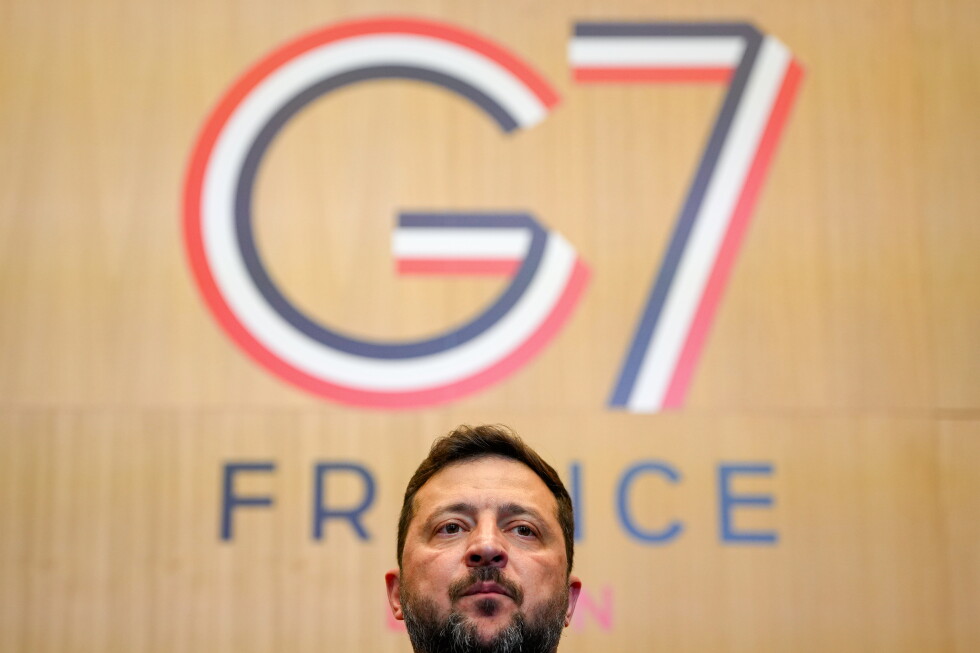
    As Ukraine’s full-scale defensive war against Russia’s invasion enters its third year with no diplomatic or military resolution in sight, President Volodymyr Zelenskyy announced Wednesday that the country has secured new, binding commitments of additional backing from G7 leaders gathered for the group’s annual summit in France.

    The leaders of the Group of Seven — the world’s seven largest advanced industrial economies — have pledged to reinforce Ukraine’s critical air defense systems, shore up the country’s energy infrastructure ahead of future Russian attacks targeting power grids, and ramp up coordinated international economic sanctions to increase pressure on Moscow, Zelenskyy confirmed in a post on X, the social media platform formerly known as Twitter. The Ukrainian president attended the summit in person to push for renewed global backing for his country’s war effort.

    “The G7 Summit in France delivered important results for Ukraine. Most importantly, we agreed on additional strengthening of Ukraine’s air defense,” Zelenskyy wrote. “Our partners will ensure support for our defense and energy resilience,” he added, noting that new restrictive measures targeting Russia would also be implemented.

    Since Russia launched its full-scale invasion in February 2022, Zelenskyy has made global diplomatic outreach a core priority, working steadily to secure military and humanitarian aid from Western allies while isolating Putin and his regime on the international stage. Fresh off the G7 gathering, Zelenskyy was scheduled to travel to Brussels Thursday for a European Union summit, coming just days after Ukraine formally launched accession negotiations with the bloc Monday. The membership process is expected to take years of political and economic reforms, even as the country continues to defend its territory against Russian occupation.

    In a joint official statement released after the summit, all G7 members — Japan, the United Kingdom, France, Germany, Italy, Canada, and the United States — formally endorsed Ukraine’s resistance, praising Kyiv’s recent advances on the front lines. “We commend Ukraine for its resilience and progress on the battlefield in recent months and emphasize there is now a new momentum” in Kyiv’s resistance, the statement read.

    Western political and military analysts have confirmed that Ukraine’s battlefield capabilities have improved notably in recent months, driven in large part by the effective use of advanced domestic drone technology. Ukrainian drones have successfully pinned Russian frontline troops in occupied territories, choked off critical Russian supply lines, and carried out strikes disrupting oil production deep inside Russian territory — a key source of revenue for the Kremlin’s war machine. These strikes have also brought the reality of the conflict, which Putin labels a “special military operation”, directly to Russian civilians, growing domestic pressure on the Russian president, according to analysts.

    Despite these gains, Ukraine still faces critical gaps in its defensive capabilities: the country is currently facing a shortage of U.S.-made Patriot air defense missiles, a shortfall partially driven by depleted U.S. stockpiles that have been drawn down to support U.S. efforts in the ongoing Iran conflict. The shortage leaves Ukraine vulnerable to Russia’s regular strategic ballistic missile bombardment campaign targeting civilian and energy infrastructure. The G7 joint statement committed to delivering additional air defense assets to Ukraine but did not specify what types of weapons or what volume of supplies would be provided. Leaders also added that they are considering approving license agreements to allow Ukraine to manufacture Western-designed weapons domestically, a longstanding request from Kyiv that includes domestic production of Patriot missiles.

    The G7 summit meeting also came as ongoing conflicts in the Middle East have shifted Washington’s focus away from Ukraine, after more than a year of diplomatic efforts to end the war have failed to produce a breakthrough. On the sidelines of the G7, Zelenskyy held talks with U.S. President Donald Trump alongside key European leaders, as part of his push to sustain U.S. backing for Kyiv. Putin has for his part attempted to bypass both Europe and Kyiv to negotiate directly with Washington over the future of Ukraine.

    On Wednesday, separate reports of cross-border attacks continued: a Ukrainian regional official confirmed that a Russian drone strike hit a children’s equestrian school in the northeastern Sumy region, striking the facility’s stable and killing multiple horses. Preliminary reports indicate no civilian staff were injured in the overnight attack, according to Sumy regional military administration head Oleh Hryhorov. On the Russian side, the country’s Defense Ministry claimed that its air defense systems intercepted and downed 157 Ukrainian drones between late Tuesday and early Wednesday.

    This reporting featured contributions from AP correspondents Illia Novikov based in Kyiv, Ukraine, and Barry Hatton based in Lisbon, Portugal.
  • Putin hosts leaders of Southeast Asia at Russia-ASEAN summit

    Putin hosts leaders of Southeast Asia at Russia-ASEAN summit

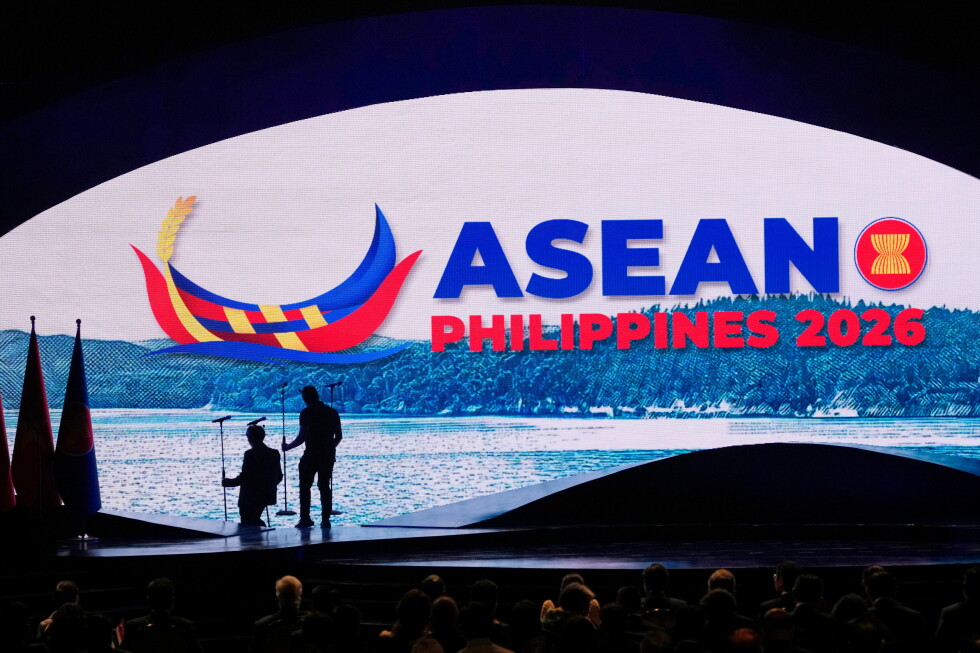
    A high-stakes two-day Russia-ASEAN summit has opened Wednesday in the Russian city of Kazan, where President Vladimir Putin is hosting top leaders from the 11-member Southeast Asian bloc to deepen economic, political and people-to-people ties across the partnership. This year’s gathering carries special significance, as it commemorates 35 years of formal relations between Moscow and the Association of Southeast Asian Nations, a milestone that both sides have framed as a cornerstone of their evolving engagement.

    ASEAN has maintained official dialogue partner status with Russia for decades, holding annual top-level meetings to align on shared priorities. This summit is tasked with advancing the existing Russia-ASEAN strategic partnership, exploring new avenues for collaboration that span trade, investment, and regional governance. Ahead of the official leadership talks, a pre-summit business forum brought together private sector representatives from both sides. In a welcome message to attendees, Putin emphasized his expectation that the forum would unlock new opportunities for expanding mutually beneficial trade, investment, and industrial cooperation, while strengthening direct, open dialogue between Russian and ASEAN business communities.

    Kremlin foreign policy advisor Yuri Ushakov outlined the summit’s full agenda to reporters, noting that leaders will not only review progress on existing cooperative initiatives but also exchange candid views on pressing global and regional security challenges. A core unifying theme set to emerge from the gathering, Ushakov highlighted, is a shared commitment to building a fair, democratic multipolar global order rooted firmly in the principles of international law and the United Nations Charter. Beyond plenary discussions, the schedule includes one-on-one bilateral meetings between Putin and individual ASEAN leaders to address country-specific priorities and collaborative projects.

    The ASEAN bloc includes 11 diverse member states with varied geopolitical alignments: the Philippines, which currently holds ASEAN’s annual rotating presidency, is broadly aligned with the United States, while other member states maintain deep trade and security ties with both Russia and China. Since global energy prices spiked in the wake of heightened geopolitical conflict that disrupted regional oil markets, a number of major ASEAN economies including the Philippines, Indonesia, Thailand, and Vietnam have either moved to import Russian crude oil or publicly expressed interest in expanding purchases of the commodity, underscoring the practical economic drivers shaping the bloc’s engagement with Moscow.

  • China releases white paper on global governance

    China releases white paper on global governance

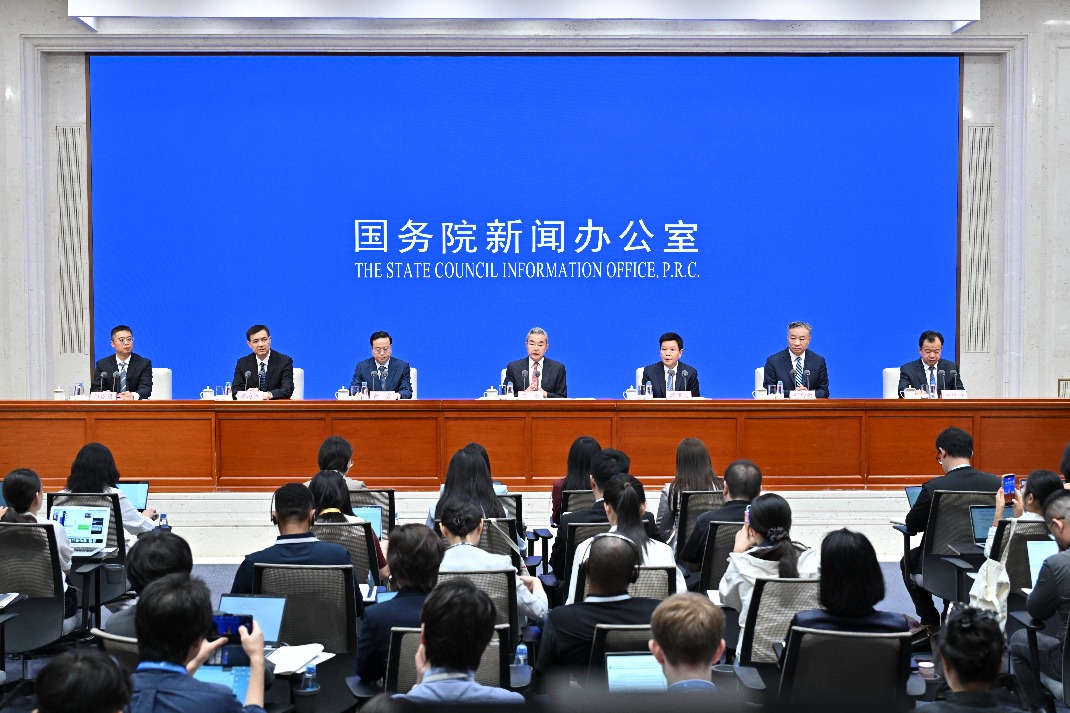
    On June 17, 2026, China’s State Council Information Office officially released a landmark white paper in Beijing titled *More Just and Equitable Global Governance: China’s Principles, Proposals and Actions*, laying out the country’s long-held stance, actionable proposals, and ongoing commitments to reforming and improving the global governance system. The document comes at a time of rising global fragmentation, growing governance deficits, and intensifying cross-border challenges that demand coordinated collective action from the international community. Its core goal is to clarify China’s approach, build broader consensus among nations, and strengthen collective capacity to address shared global risks, ultimately laying the groundwork for a more inclusive and fairer global governance framework. As the white paper emphasizes, global governance is a collective undertaking that shapes the long-term well-being of all people around the world. The pursuit of a just and equitable system has been a shared aspiration of communities across every region for decades, and China has consistently positioned itself as an active participant, dedicated contributor, and responsible builder of the global governance order. Central to China’s modern approach to global governance is the vision of a global community with a shared future for mankind, put forward by President Xi Jinping in the new era. Under this guiding vision, China advocates for a global governance system rooted in the principles of extensive consultation, joint contribution, and shared benefits. It also promotes true multilateralism, with the aim of nurturing an equal and orderly multipolar world and driving economic globalization that is universally beneficial and inclusive to all nations. In 2025, President Xi Jinping launched the Global Governance Initiative (GGI), a framework crafted to address the two defining questions of the current era: what kind of global governance system the world needs, and how to reform and improve existing governance structures to meet modern challenges. Since its introduction, the initiative has garnered remarkable international support: nearly 160 countries and international organizations have backed the proposal, and more than 60 nations have joined the GGI’s Group of Friends. The white paper notes that the international community recognizes the GGI sends a powerful, clear message: the world must reaffirm its commitment to multilateralism, unite divided forces, and work collectively toward a fairer global future. Aligned with the growing global push for greater democracy in international relations, the GGI has renewed international confidence in the practice of multilateralism, at a moment when multilateral institutions face unprecedented pressure and skepticism. It provides a clear, practical roadmap for upgrading global governance, offering much-needed stability and positive momentum to a world grappling with geopolitical turbulence, economic uncertainty, and overlapping transnational crises. The white paper underscores that the core foundation for effectively implementing the GGI is unwavering respect for the authority and central role of the United Nations in global affairs. For the initiative to succeed, major powers must step up to their international responsibilities, and all countries must come together in cooperative partnership to address the growing deficits in peace and development across the globe. All nations, the document stresses, should firmly uphold the international system centered on the United Nations, protect the international order rooted in international law, and abide by the basic norms of international relations grounded in the purposes and principles of the UN Charter — rejecting attempts to fragment the global order through exclusionary blocs and frameworks that serve narrow national interests. Structured into five core sections, in addition to a preface and concluding chapter, the white paper opens by outlining the severe, complex challenges facing the contemporary world. It moves on to explain how the GGI responds to these pressing modern challenges, before detailing China’s existing contributions to advancing more inclusive global governance. It then lays out the vision for guiding global governance reform toward a more prosperous and equitable future, and closes by calling for collective action at this critical juncture in global history. The release of the white paper comes as China prepares to host the inaugural Xiong’an Global Governance Forum, marking another key step in advancing dialogue and cooperation on global governance reform among the international community.

  • Equatorial Guinea government resigns after failing to meet targets

    Equatorial Guinea government resigns after failing to meet targets

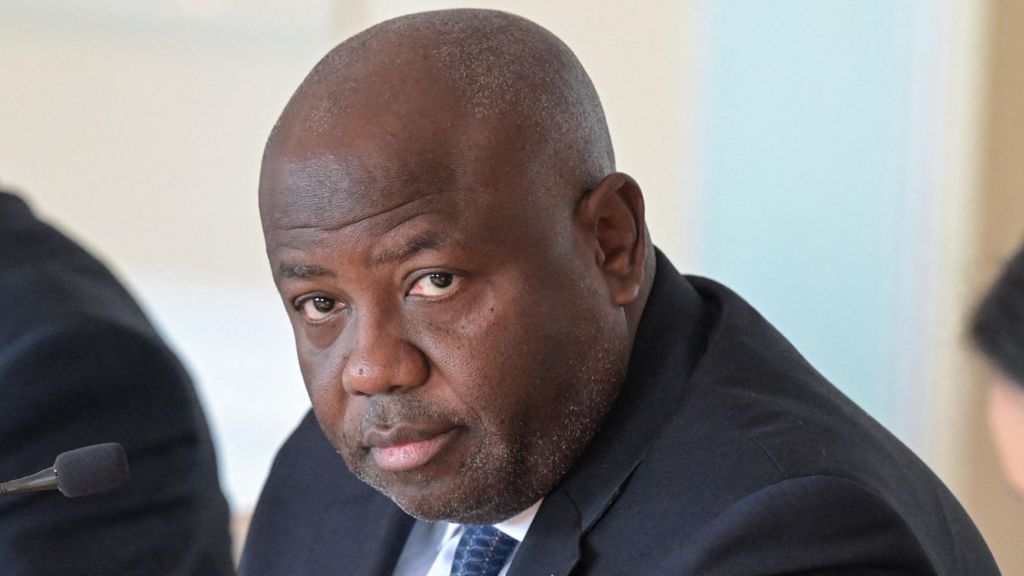
    The entire cabinet of Equatorial Guinea has stepped down after the government was formally accused of failing to meet its policy targets, enabling systemic corruption, and stalling long-planned economic diversification efforts, according to Vice-President Teodoro Nguema Obiang Mangue.

    Vice-President Obiang Mangue — who is the son of long-ruling President Teodoro Obiang Nguema Mbasogo, the world’s longest-serving incumbent head of state — confirmed that Prime Minister Manuel Osa Nsue Nsua submitted the collective resignation of all government ministers this week. The outgoing administration, which was only appointed in early 2024, delivered less than 10 percent of its stated policy goals, the vice-president confirmed in a public post on X, the social platform formally known as Twitter.

    While the vice-president did not outline specific unmet targets in his announcement, an official statement from the ruling Democratic Party of Equatorial Guinea (PDGE) laid out the full scope of presidential dissatisfaction. According to the party’s statement, President Obiang Nguema Mbasogo identified endemic corruption, misappropriation of public funds for personal gain, and widespread stagnation in national development projects as core failures of the outgoing administration. The president also criticized the cabinet for failing to advance policies to diversify the national economy, particularly a lack of progress supporting growth in the domestic agricultural sector, a key step to reduce the country’s reliance on imported goods that can be produced locally.

    For decades, Equatorial Guinea’s economy has been almost entirely dependent on oil and gas exports, which generate the vast majority of the country’s total export revenue and government budget. Despite its significant national oil wealth, widespread poverty remains pervasive across the country of 1.8 million people, with most residents seeing little benefit from the nation’s natural resource reserves. In recent years, the economy has also faced growing headwinds driven by declining oil production and shifting global demand for fossil fuels, making economic diversification a higher priority for policymakers.

    President Obiang Nguema Mbasogo has held uninterrupted control of the West African nation since 1979, and has drawn longstanding international criticism for concentrating political power in the hands of his family, with multiple close relatives holding key senior government positions. The vice-president framed the mass resignation as a commitment to accountability in public governance, noting on X that “the principle that responsibility in public management must be accompanied by results” demanded the cabinet’s exit. He added that the low level of policy delivery achieved by the outgoing cabinet was “clearly insufficient in relation to the expectations and commitments undertaken.”

    Local political observers expect President Obiang Nguema Mbasogo to announce a new full cabinet appointment in the coming days to replace the outgoing administration, with formal nominations expected to be made public shortly after the resignation is formalized.

  • Taiwan’s foreign minister says Chinese pressure on countries over the island is a ‘new normal’

    Taiwan’s foreign minister says Chinese pressure on countries over the island is a ‘new normal’

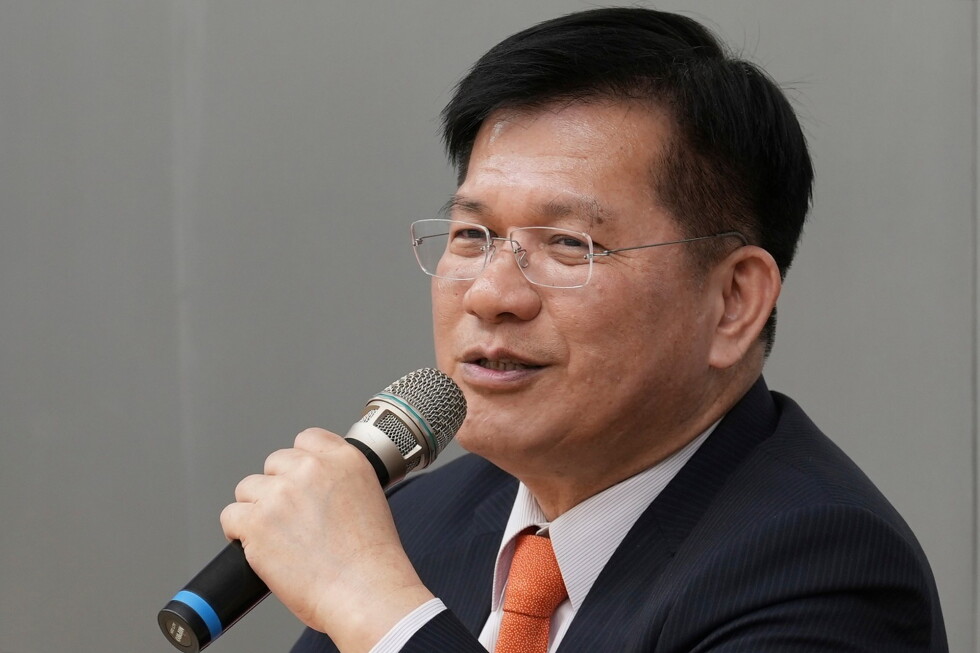
    MOMBASA, Kenya and TAIPEI, Taiwan — A fresh incident of Taiwan being blocked from a major international conference has underscored what Taiwan’s top diplomat describes as a persistent, growing pattern of Chinese pressure to shut the self-ruled island out of global engagements. On Wednesday, Taiwan Foreign Minister Lin Chia-Lung publicly condemned the recent detention and exclusion of two Taiwanese delegates from the Our Ocean Conference in Mombasa, Kenya, an incident Taipei attributes directly to coercive pressure from Beijing on Kenyan organizers.

    According to Taiwan’s Foreign Ministry, the two delegates were detained for more than 20 hours after Kenyan authorities seized their passports and mobile phones, barring them from entry on the grounds that their Taiwan-issued passports were not legally recognized. In response to the incident, the entire remaining Taiwanese delegation withdrew from the high-stakes conference, which gathers global stakeholders to tackle pressing ocean governance challenges ranging from climate change-driven ocean degradation to biodiversity loss and plastic pollution.

    Kenyan officials have defended their decision to block the delegates, aligning with Beijing’s longstanding “One China” policy that claims Taiwan as an inalienable province of China. “Our foreign policy recognizes only one China,” Korir Sing’oei, Principal Secretary of Kenya’s Foreign Ministry, told reporters. “Any person purporting to hold a Taiwanese passport would ordinarily not be allowed through our borders for lacking proper documentation and would not in any event be part of a formal state meeting convened by Kenya government.”

    Lin pushed back sharply against Kenya’s justification, arguing that Nairobi had “unilaterally distorted and unwarrantedly expanded” its interpretation of the One China principle to exclude Taiwan’s delegates. “The obstruction of our delegates from attending the meeting is absolutely wrong, and we strongly condemn and protest against it,” Lin stated during an event hosted by the Taiwan Foreign Correspondents’ Club Wednesday.

    The Mombasa incident is far from an isolated case, Lin emphasized: Beijing’s campaign to pressure third-party countries to restrict Taiwan’s access to international forums has become “the new normal” for cross-strait and global diplomatic engagement. The Chinese government has for decades pushed to limit Taiwan’s participation in multilateral bodies, barring the island from full membership in the World Health Organization and forcing it to compete under the altered name “Chinese Taipei” at the Olympic Games. In recent months, however, Lin said Beijing has ramped up these coercive efforts, particularly targeting developing and emerging economies in the Global South that are increasingly vulnerable to Chinese economic influence.

    “Some Global South countries are manipulated by the Chinese government in every way,” Lin said, adding that “some democratic countries are trying to fight against it.”

    A high-profile earlier incident this year laid bare the extent of Beijing’s pressure: In April, Taiwan’s president was forced to postpone a planned visit to Eswatini — one of the 13 countries that still officially recognize Taipei — after three neighboring nations reversed earlier approvals for his plane to fly through their airspace, a move widely attributed to Chinese coercion. The president eventually traveled to the African kingdom days later aboard a chartered plane provided by Eswatini’s monarch.

    The 2024 Our Ocean Conference, hosted for the first time by an African nation, has been framed by organizers as a landmark moment for African leadership in global ocean stewardship. The event draws hundreds of delegates from across the African continent, the United States, the European Union, and small island developing states that are disproportionately impacted by rising ocean levels and climate change. China has not yet issued any public comment on the accusations of pressure related to the Kenya incident.

    Cross-strait relations have been defined by separate governance since the end of the Chinese Civil War in 1949, when defeated Nationalist Party forces retreated to Taiwan after the Communist Party seized control of mainland China. The island has since transitioned from decades of martial law to a full multi-party democracy, but Beijing has never renounced its claim to Taiwan and has repeatedly stated it reserves the right to use military force to annex the island if it formally declares independence.

  • Philippine Senate president allied with Duterte removed ahead of his daughter’s impeachment trial

    Philippine Senate president allied with Duterte removed ahead of his daughter’s impeachment trial

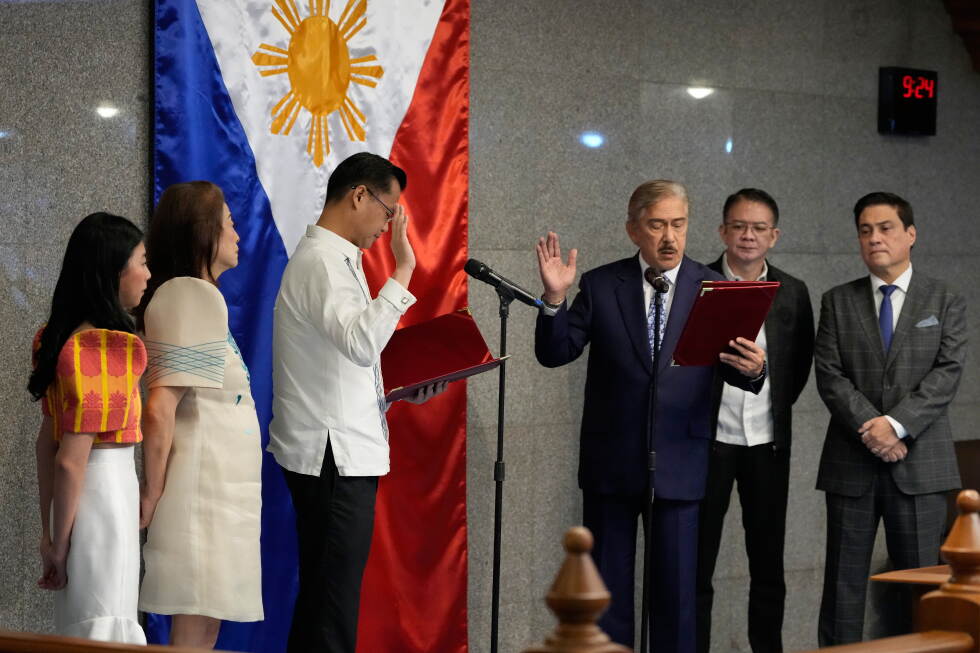
    After a bitter two-week leadership deadlock that exposed deep political rifts at the heart of the Philippine government, a close ally of incumbent President Ferdinand Marcos Jr. has claimed the top leadership post in the Philippine Senate, ousting an ally of former President Rodrigo Duterte just months ahead of the impeachment trial of Duterte’s daughter, sitting Vice President Sara Duterte.

    Sherwin Gatchalian secured the Senate presidency in a final vote Wednesday, earning the backing of 13 of the chamber’s 24 senators. His challenger, Alan Peter Cayetano — a long-time loyalist of the former Duterte political bloc — formally conceded defeat shortly after the vote result was finalized. The standoff began in early May when both Gatchalian and Cayetano claimed the Senate presidency, each citing conflicting legal interpretations of legislative quorum rules to legitimize their separate faction votes.

    The deadlock broke abruptly Wednesday when one senator previously aligned with Cayetano defected to the pro-Marcos bloc, handing Gatchalian’s side the clear majority needed to formalize his leadership. The shake-up comes against a backdrop of intensifying political conflict between the Marcos administration and the Duterte camp, a once-formidable alliance that collapsed into open hostility in recent months, laying bare the persistent institutional vulnerabilities that have long marked Philippine democracy.

    “It’s a relief,” noted Jean Franco, a political science professor at the state-run University of the Philippines, in the wake of the resolution. But she cautioned that the country’s democratic system, “with its weak and fragile institutions,” continues to face mounting challenges.

    Observers have widely framed the Senate leadership fight as a proxy battle for the broader power struggle between Marcos and Vice President Sara Duterte, the country’s two highest-elected officials. The pair governed as coalition partners for years, but their relationship has fractured dramatically, a split that mirrors the deep partisan divisions that have roiled Philippine politics for decades.

    Tensions escalated sharply after the 2023 handover of former President Rodrigo Duterte to the International Criminal Court (ICC) to face trial for alleged crimes against humanity stemming from his administration’s brutal anti-drug crackdown, which left thousands of mostly low-income drug suspects dead between 2016 and 2022. Sara Duterte has publicly blamed Marcos for orchestrating the arrest and transfer of her father, who has repeatedly denied authorizing extrajudicial killings throughout his time in office. Duterte’s ICC trial is scheduled to open in November.

    In a twist that fueled the initial leadership deadlock, Cayetano claimed the Senate presidency on May 11 after Sen. Ronald dela Rosa — Duterte’s former national police chief and an alleged co-perpetrator in the ICC’s crimes against humanity case — emerged from months of hiding to cast the deciding vote for Cayetano. Hours after Cayetano’s win, the ICC unsealed an arrest warrant for dela Rosa, prompting him to return to hiding, where he remains at large.

    The pro-Duterte bloc has suffered additional setbacks in recent weeks: another of Cayetano’s key allies, Sen. Jinggoy Estrada, was arrested on June 1 on a plunder charge linked to alleged massive kickbacks from a government flood control infrastructure project. Estrada has denied all wrongdoing and was released after posting bail.

    Control of the Senate carries profound political stakes for the Marcos administration, as the chamber is set to convene the impeachment trial of Sara Duterte in July. The impeachment case was advanced last month by the House of Representatives, which is currently dominated by Marcos allies. Duterte faces multiple charges, including allegations of unexplained wealth and public statements threatening to assassinate President Marcos. She has denied all accusations, with her supporters arguing the charges are politically manufactured to derail her already-announced plan to run for the Philippine presidency in 2028, when Marcos’s current six-year term concludes.

  • Litchfield set to miss three T20 World Cup games

    Litchfield set to miss three T20 World Cup games

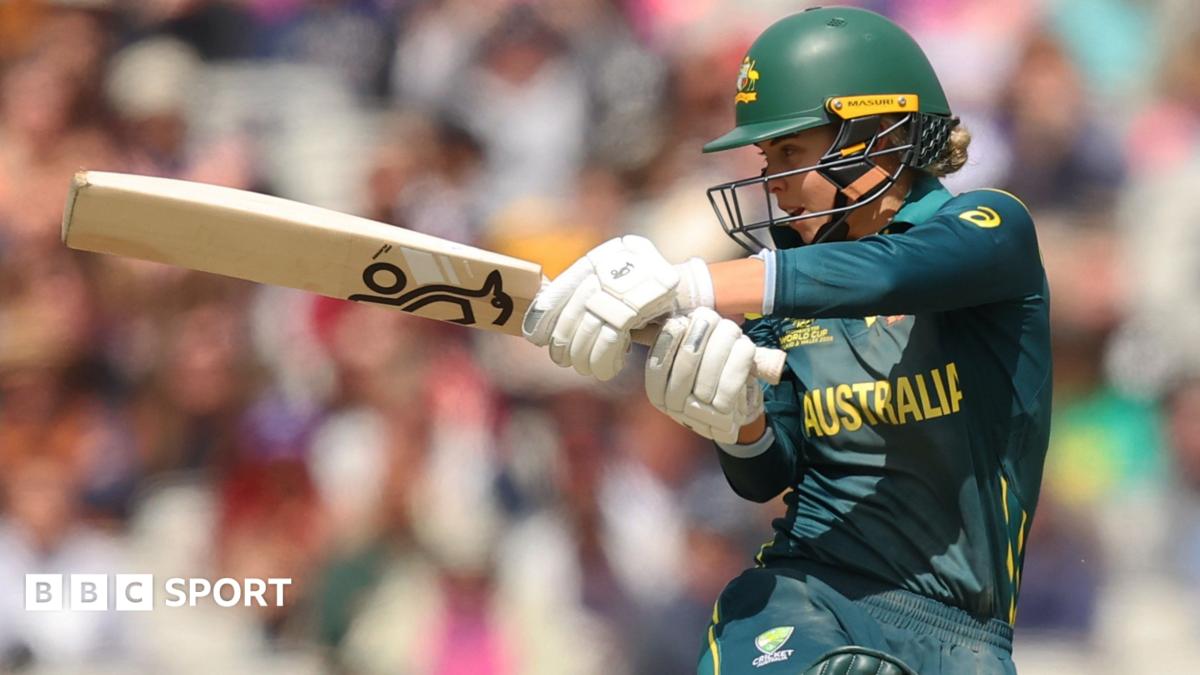
    As the Women’s T20 World Cup enters its early group stage, defending six-time champions Australia are facing a sudden wave of injury issues that threaten to disrupt their tournament campaign. Left-handed opening batter Phoebe Litchfield, who turned in a standout performance with a half-century in Australia’s dominant 65-run opening win against South Africa, picked up a quad strain during her batting innings in that fixture. The emerging star is now set to sit out Australia’s next three scheduled group matches, team officials have confirmed.

    The injury list does not end there for the Australian side: star all-rounder Ashleigh Gardner also missed the team’s second group fixture against Bangladesh at Headingley on Wednesday after suffering an ankle sprain ahead of the clash. To cover the absences, head coach and selectors called in all-rounder Grace Harris to take Litchfield’s spot in the batting line-up against Bangladesh, while fast bowler Megan Schutt replaced Gardner in the 11-player match day squad.

    Australia is next set to face the Netherlands this coming Saturday, before taking on Pakistan just four days later on Tuesday. Despite the double injury setback early in the tournament, the Australian camp remains optimistic about Litchfield’s timeline for recovery. Team medical staff and management expect the young opener to regain full fitness in time for Australia’s final group stage match against India, which is scheduled for 28 June.

    The defending champions got their tournament off to a flying start with a comprehensive victory over South Africa, but the untimely injuries have created a last-minute test of the team’s depth as they navigate the first half of group play.

  • Protesters block copper exports to China from Rio Tinto mine in Mongolia

    Protesters block copper exports to China from Rio Tinto mine in Mongolia

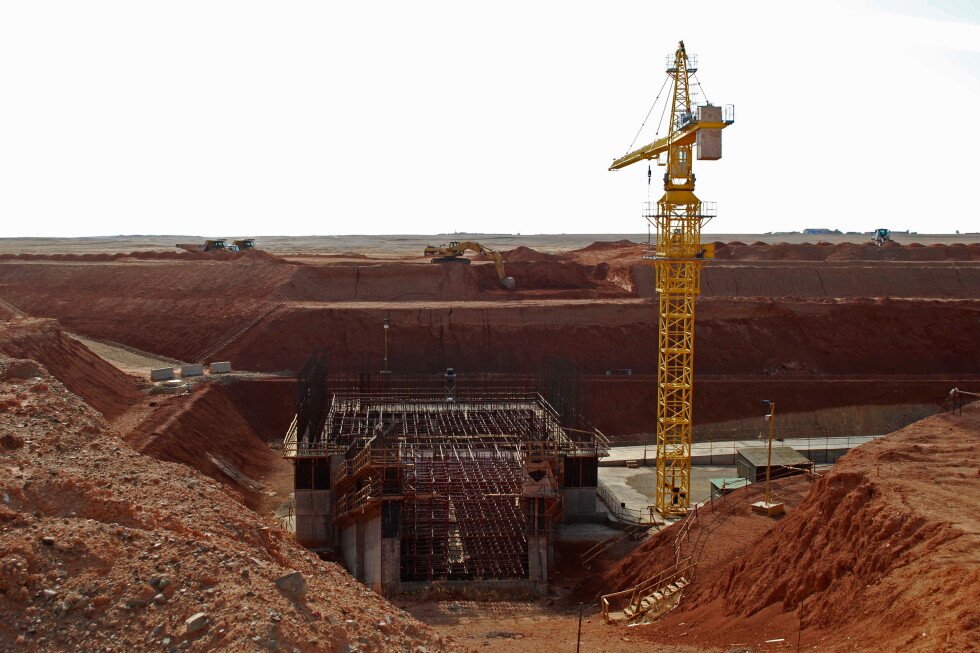
    On a clear sunny day in southern Mongolia’s Gobi Desert, a small group of activists from the domestic advocacy group Radical Reform Movement erected a makeshift barrier across the only two-lane road leading out of the massive Oyu Tolgoi copper and gold mine, halting all copper concentrate shipments bound for global markets Wednesday. The demonstration has thrown a spotlight on long-simmering public discontent over foreign ownership of Mongolia’s vast mineral wealth, and created an unexpected disruption to a critical copper supply chain that feeds into China’s booming renewable energy and electric vehicle sectors.

    Copper is a foundational material for electric vehicle batteries, wind turbines, and solar power infrastructure — industries where China holds global leadership in production and deployment. Oyu Tolgoi, located just 50 miles north of the Mongolia-China border, is projected to become the world’s fourth-largest copper mine once fully operational, holding one of the planet’s largest untapped reserves of the critical mineral. The project is a joint venture between British-Australian mining giant Rio Tinto, which controls a 66% stake, and the Mongolian government, which holds the remaining 34% share.

    For decades, Mongolian public discourse has centered on inequitable distribution of mining revenue: the country counts extensive deposits of copper, gold, coal and other critical minerals, yet widespread poverty remains pervasive across much of the population. The Radical Reform Movement, the group behind the blockade, has gone as far as calling for the full expulsion of foreign investors from the country’s mining sector, while even more moderate voices within the Mongolian government are pushing to renegotiate the original operating agreement with Rio Tinto to secure a larger share of project profits for the Mongolian public.

    Videos posted to Facebook by the advocacy group showed protesters gathering around the barrier, which included a tire wall and a large tree branch strung with a white banner emblazoned with red text reading “Stop Rio Tinto”, set across the road cutting through the arid Gobi landscape. As of Wednesday, it remains unclear whether the demonstration is a one-day action intended to raise awareness of the group’s demands, or the opening of an extended standoff that could trigger broader economic repercussions for both Mongolia and its key trading partner China.

    According to official statements from the Oyu Tolgoi joint venture, the mine contributes roughly 9% of Mongolia’s total annual government tax revenue. The company warned that a prolonged seven-day blockade would cut into government revenue by an estimated 35 billion Mongolian Tugrik, equal to roughly $13.3 million. Following the blockade, Mongolian Prime Minister Uchral Nyam-Osor directed the country’s justice and internal affairs minister at a weekly Cabinet meeting to uphold existing law, and hold all participants accountable for unlawfully disrupting legally authorized commercial operations, according to a post on the Mongolian government’s official Facebook page.

  • Spain’s former PM Zapatero faces questioning by judge in corruption probe

    Spain’s former PM Zapatero faces questioning by judge in corruption probe

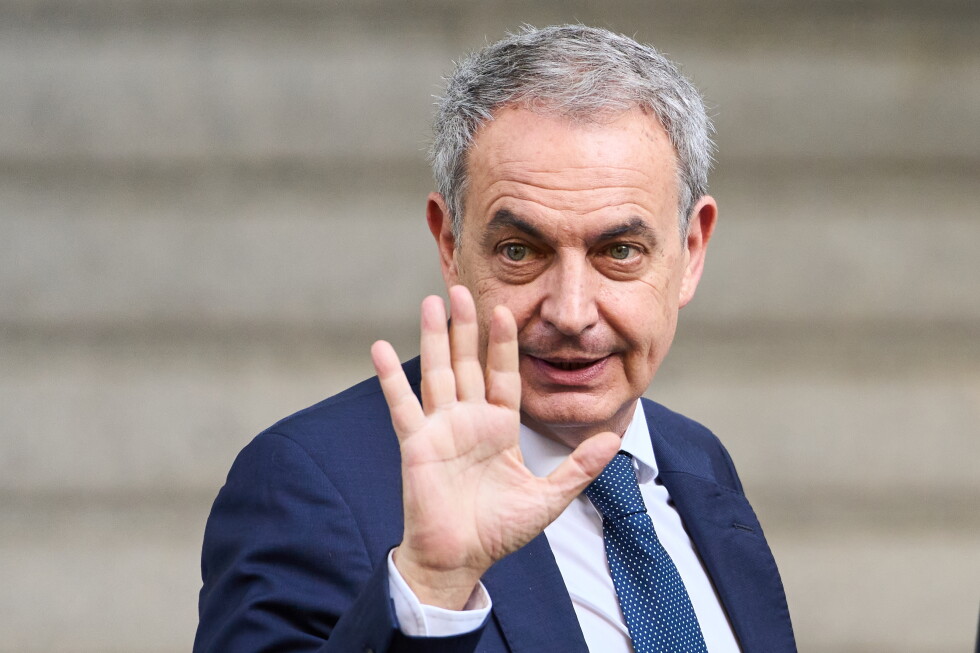
    MADRID – Former Spanish Prime Minister José Luis Rodríguez Zapatero has appeared before a National Court judge in Madrid this Wednesday, marking his first in-person court appearance since formal investigations were launched against him last month over a series of alleged financial crimes. The 65-year-old Socialist leader, who held the premiership between 2004 and 2011, faces accusations of influence peddling, money laundering, and other financial misconduct connected to a 53 million euro ($61.5 million) public bailout granted to defunct carrier Plus Ultra Airlines in 2021.

    The bailout funds, which were drawn from the European Union’s COVID-19 economic recovery program, were approved a full decade after Zapatero left public office. Plus Ultra, which specialized in routes connecting Spain to South America, counted Venezuelan investors among its major stakeholders, a detail that carries added context given Zapatero’s well-documented post-premiership work facilitating diplomatic dialogue with the government of Venezuela, which has faced widespread diplomatic isolation from Western nations following a crackdown on opposition political movements.

    Beyond the airline bailout probe, presiding judge José Luis Calama is also examining separate allegations of tax fraud and contraband trafficking tied to 1.3 million euros worth of jewelry uncovered by police during a May search of Zapatero’s Madrid office. The unreported jewelry was found locked in a secure safe during the law enforcement raid.

    Zapatero has issued public statements vigorously rejecting all wrongdoing tied to the airline bailout case. Regarding the seized jewelry, he has stated that the pieces were either inherited from family or received as formal gifts over the course of his political career.

    The former prime minister remains a prominent influential figure within Spain’s Socialist Party, which is currently led by incumbent Prime Minister Pedro Sánchez. Over the past two years, Sánchez’s administration has been repeatedly shaken by a string of public corruption scandals that have eroded public trust in the party.

    Under Spanish judicial procedure, the investigative judge assigned to the case is tasked with reviewing evidence to confirm whether criminal suspicion warrants advancing the matter to a formal trial. If sufficient evidence is uncovered, a separate judge will oversee the full trial proceedings. Judicial observers note that the full investigative and trial process can extend for months, or even multiple years, depending on the complexity of the case.

  • Emotional Messi explains tears after Argentina goal

    Emotional Messi explains tears after Argentina goal

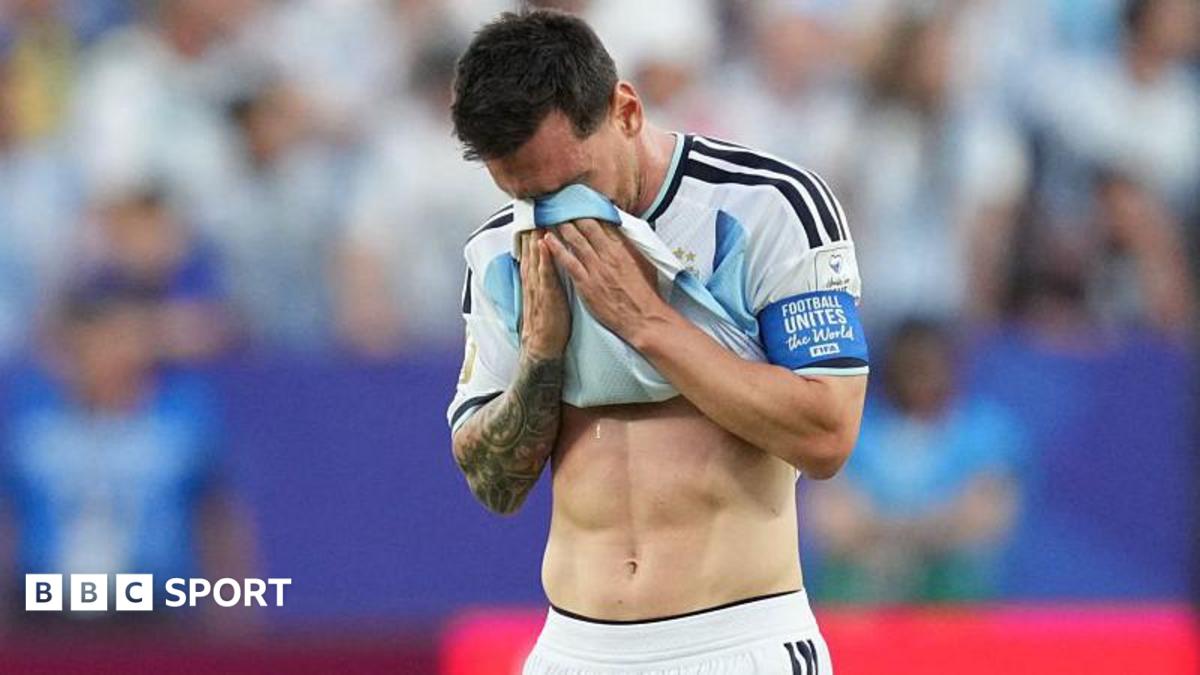
    Twenty years to the day after he made his unforgettable World Cup debut, Lionel Messi added another unprecedented chapter to his already legendary career on Tuesday, delivering a masterclass performance that powered defending champion Argentina to a dominant 3-0 opening win over Algeria at the 2026 FIFA World Cup. Beyond securing a critical three points to kick off Argentina’s title defense, the historic hat-trick — the first of Messi’s decades-long World Cup career — pulled the 38-year-old even with Germany’s Miroslav Klose for the all-time leading goal scorer in men’s World Cup history, with 16 tournament goals overall. The milestone capped a chaotic lead-up for the Argentine captain, who entered the match facing lingering fitness questions just weeks after an early substitution due to muscle fatigue in his final Inter Miami MLS outing before the tournament. What left fans and teammates stunned, however, was the raw emotion Messi displayed moments after netting his first goal of the night. Just 18 minutes into the match, the eight-time Ballon d’Or winner curled a stunning strike into the back of the net, and after celebrating with swarming teammates, cameras caught him wiping tears from his face with the hem of his jersey. In post-match comments, Messi revealed the emotion stemmed from a personal struggle completely separate from the sport. “I went through some difficult days, but I’m grateful to the entire delegation and my teammates because they were always by my side, giving me a lot of strength to help me get through it,” the captain explained. “Why did I cry? It was something completely unrelated to football.” Tuesday’s match marked Messi’s 200th cap for the Argentine national team, and it also cemented another unprecedented first in World Cup history: he is now the only player to ever compete in six editions of the tournament, two decades to the day after he first took the World Cup stage as a teen prospect, where he notched a goal in Argentina’s 6-0 win over Serbia and Montenegro. Beyond the individual records, the win carried historic weight for Argentina as well. It marks the first time the side have opened their World Cup campaign with a victory as defending champions, after opening defeats in both the 1982 and 1990 tournaments. After 80 minutes of electric play that had the crowd at Kansas City Stadium on its feet, Messi was substituted to a raucous standing ovation, with fans chanting his name echoing through the arena. Reflecting on the whirlwind moment, Messi sounded content and grateful for the milestone, capping a journey that has defined one of the greatest careers in football history. “It makes me very happy to have lived through everything that came my way. What I’m living through now is the cherry on top. I’m very happy and grateful for this wonderful group, I enjoy it so much,” he added. For his teammates, the performance put to rest any outside speculation that Argentina could thrive better without their aging leader. Argentina midfielder Alexis Mac Allister was unequivocal in his praise after the final whistle: “There are no words to describe him. If anyone thought this team was better without Leo, today it was proven that the opposite is true. He is our most important player. We need to build a team around him, and we are doing it.” Now, Argentina turn their focus to their second Group J matchup, scheduled for next Monday, June 22 against Austria, kicking off at 18:00 BST. For Messi and his side, the opening win has put them in strong position to pursue an unprecedented back-to-back World Cup title — only the third nation in history to ever defend the men’s World Cup crown, a goal that would add yet another legendary milestone to Messi’s already unparalleled career. It was back in 2022 Qatar that Messi finally claimed the one major trophy that had eluded him throughout his career, lifting the World Cup for the first time and cementing his legacy as the greatest player of his generation. Now, 16 tournament goals and six World Cup appearances later, he is once again just a few wins away from adding another chapter to that story.