A high-stakes two-day Russia-ASEAN summit has opened Wednesday in the Russian city of Kazan, where President Vladimir Putin is hosting top leaders from the 11-member Southeast Asian bloc to deepen economic, political and people-to-people ties across the partnership. This year’s gathering carries special significance, as it commemorates 35 years of formal relations between Moscow and the Association of Southeast Asian Nations, a milestone that both sides have framed as a cornerstone of their evolving engagement.
ASEAN has maintained official dialogue partner status with Russia for decades, holding annual top-level meetings to align on shared priorities. This summit is tasked with advancing the existing Russia-ASEAN strategic partnership, exploring new avenues for collaboration that span trade, investment, and regional governance. Ahead of the official leadership talks, a pre-summit business forum brought together private sector representatives from both sides. In a welcome message to attendees, Putin emphasized his expectation that the forum would unlock new opportunities for expanding mutually beneficial trade, investment, and industrial cooperation, while strengthening direct, open dialogue between Russian and ASEAN business communities.
Kremlin foreign policy advisor Yuri Ushakov outlined the summit’s full agenda to reporters, noting that leaders will not only review progress on existing cooperative initiatives but also exchange candid views on pressing global and regional security challenges. A core unifying theme set to emerge from the gathering, Ushakov highlighted, is a shared commitment to building a fair, democratic multipolar global order rooted firmly in the principles of international law and the United Nations Charter. Beyond plenary discussions, the schedule includes one-on-one bilateral meetings between Putin and individual ASEAN leaders to address country-specific priorities and collaborative projects.
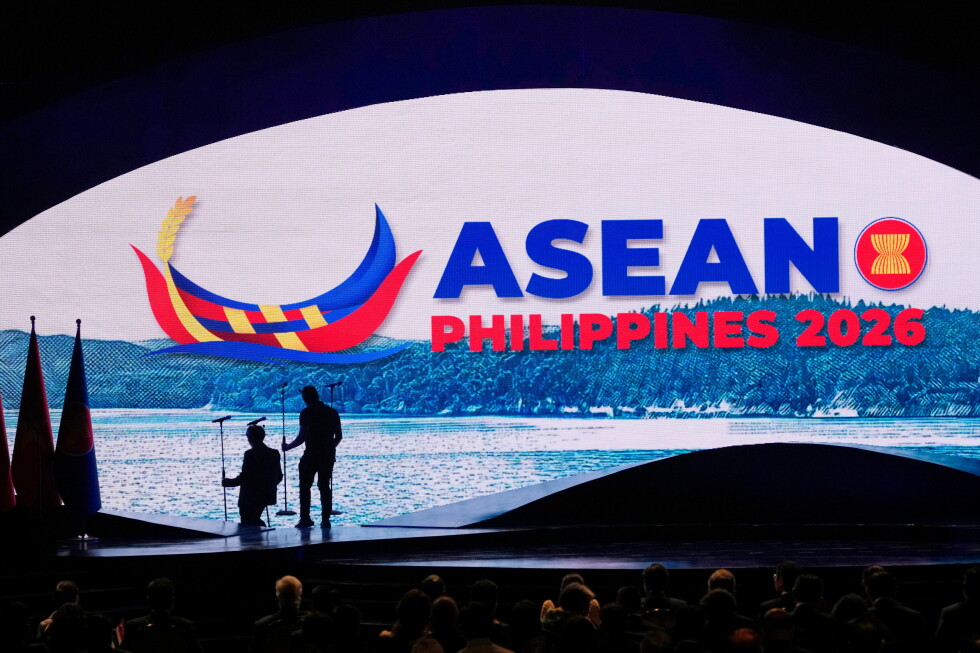
The ASEAN bloc includes 11 diverse member states with varied geopolitical alignments: the Philippines, which currently holds ASEAN’s annual rotating presidency, is broadly aligned with the United States, while other member states maintain deep trade and security ties with both Russia and China. Since global energy prices spiked in the wake of heightened geopolitical conflict that disrupted regional oil markets, a number of major ASEAN economies including the Philippines, Indonesia, Thailand, and Vietnam have either moved to import Russian crude oil or publicly expressed interest in expanding purchases of the commodity, underscoring the practical economic drivers shaping the bloc’s engagement with Moscow.