作者: admin

  • Watch: Why Australia’s PM apologised for ‘inappropriate’ Kylie comments

    Watch: Why Australia’s PM apologised for ‘inappropriate’ Kylie comments

    A political controversy has erupted in Australia this week after Prime Minister Anthony Albanese was forced to issue a public apology for ill-judged remarks he made about global pop superstar Kylie Minogue during a podcast interview taped last week.

    The comments, which Albanese has since acknowledged were inappropriate, quickly drew public attention after clips and transcripts of the interview began circulating across social media platforms, prompting widespread backlash from critics and members of the public alike. Within hours of the inappropriate remarks coming to light, the prime minister moved quickly to address the situation, issuing a formal apology for the wording and tone of his comments about the Australian-born entertainment icon.

    The incident has shone a light on the scrutiny that political leaders face when speaking in informal settings like podcast interviews, where off-the-cuff remarks can quickly escalate into full-blown political controversy. While details of the exact comments have not been reprinted here, Albanese’s swift apology underscores the importance that modern political leaders place on addressing public missteps quickly to avoid prolonged damage to their public image.

  • Ebola deaths in DR Congo top 500 amid continued community transmission

    Ebola deaths in DR Congo top 500 amid continued community transmission

    KINSHASA, July 6 — The ongoing Ebola outbreak in the Democratic Republic of the Congo (DRC) has reached a grim new milestone, with the total number of fatalities surpassing 500, national health authorities announced in an official update released Sunday.

    As of the latest data compilation, the outbreak has recorded 1,561 laboratory-confirmed Ebola infections, of which 506 have resulted in death. So far, 254 patients have successfully recovered from the virus, while 628 confirmed cases are currently receiving care in isolation facilities or hospital settings. Health officials are also investigating 354 additional suspected cases, which have already been linked to 110 deaths.

    The outbreak has spread across 36 separate health zones distributed across three DRC provinces, and transmission trends continue to move in a worrying direction. Official epidemiological data shows weekly confirmed case counts have kept climbing, with the 25th and 26th epidemiological weeks of the outbreak marking the highest infection levels recorded since the event began. Each of these two weeks reported more than 300 new confirmed cases, providing clear evidence that sustained community transmission is still ongoing across affected regions.

    In response to the growing public health crisis, the World Health Organization announced Thursday that a new clinical trial has begun recruiting patients in the DRC to test promising candidate treatments for the current strain of the virus. The ongoing outbreak is caused by Bundibugyo ebolavirus, a pathogen for which no approved vaccine or specific, standardized treatment currently exists. The trial is being hosted at the CME Ebola treatment center located in Rwampara health zone, Ituri Province — the geographic epicenter of the current outbreak.

  • US marks July 4 amid heat

    US marks July 4 amid heat

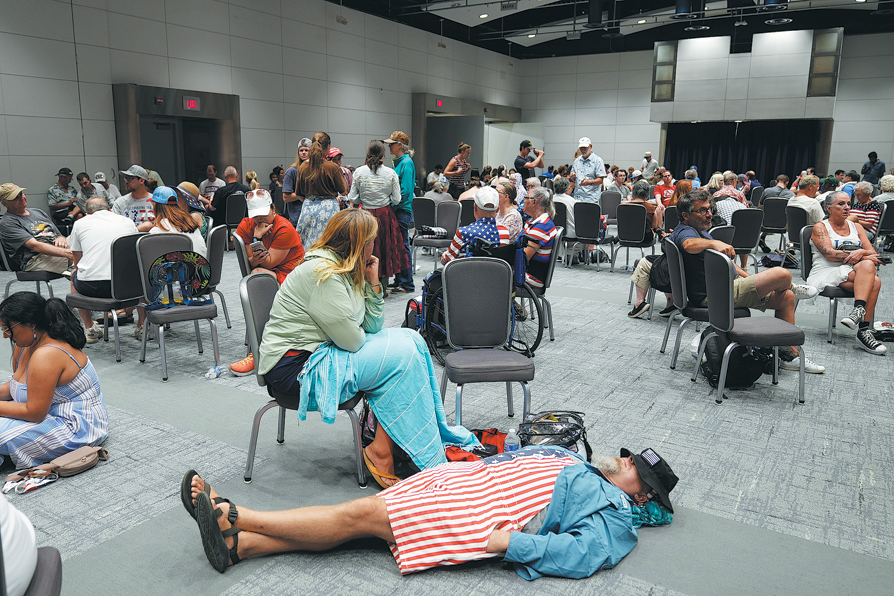
    On July 4, 2026, the United States marked its landmark 250th anniversary of national independence against a backdrop of extreme weather, heightened political tension, and widespread public reflection on the country’s past and future. What was meant to be a unifying day of national celebration was disrupted by multiple unforeseen challenges, from record-breaking heatwaves that forced event cancellations to public displays of division and outbreaks of violence that underscored the deep rifts running through modern American society.

    The day’s flagship celebration, hosted on Washington DC’s National Mall, faced an early disruption when an incoming severe storm triggered a full evacuation of the grounds just after 7 p.m. local time, delaying the event by roughly two hours. After the area was cleared and deemed safe, former President Donald Trump delivered a keynote address to a large, heavily secured crowd gathered near the Washington Monument. During his speech, Trump framed remarks on US history around symbolic historical artifacts, including the flag that draped Abraham Lincoln’s casket and a flag that flew on the plane of aviation pioneers the Wright Brothers during their first controlled powered flight.

    Long before the evening’s main event, dangerous heat had already upended celebration plans across the East Coast. The US National Weather Service recorded brutal peak temperatures between 43°C and 46°C across the region, prompting an official Extreme Heat Warning that forced the National Park Service to cancel the annual National Independence Day Parade earlier that morning. A scheduled regional rodeo was also called off over heat safety concerns. Event organizers for the National Mall celebrations scrambled to adapt, adding additional free water stations, cooling zones, and on-site medical support to help attendees cope with the sweltering conditions, while DC’s metro system recorded overcrowding as visitors sought shelter in air-conditioned indoor spaces.

    The day was also marked by openly displayed political tension and violence. Dozens of masked members of the white nationalist group Patriot Front staged a public march through the celebration area carrying Confederate battle flags; local Metropolitan Police confirmed no arrests were made during the demonstration, per Associated Press reporting. Outside of Washington, a shooting in New York City’s popular Coney Island neighborhood left eight people injured, including four children, late on Independence Day, according to ABC News citing NYPD officials. As of Sunday morning, no suspects had been taken into custody.

    Against this chaotic backdrop, the 250th milestone has prompted Americans across the country to reflect on deep-seated political division and the current state of national pride. Recent polling reveals just how fractured public sentiment is: an April 2026 poll conducted by the AP-NORC Center for Public Affairs Research found that only 40% of US adults feel proud of the country on its 250th birthday, while the latest Gallup survey found just 46% of Americans believe all citizens have equal access to the American Dream.

    Many citizens shared critical perspectives on the challenges facing the nation in interviews. “Well, our leaders need to get their act together and be able to just talk,” 78-year-old Randy Tennant, a visitor from Syracuse, New York, told reporters. “They don’t talk now. They just argue. They put each other down. 25, 30 years ago, they used to talk together.”

    New York resident Ryan Hilligoss summed up the national mood as a “midlife crisis” for the 250-year-old nation. “I would say America, 250 years old, is in a midlife crisis, for sure,” he said. “With all the oligarchy that’s going on, with the economics, the American Dream is very limited.”

    Other residents described mixed feelings about the anniversary, acknowledging the nation’s growth while recognizing its deep divides. “I think the 250th year represents growth, different perspectives, divisiveness, all the above,” said New Yorker Shuba Maniram. California resident Peter Christian pointed to two interconnected issues driving national tension: “Wealth disparity is causing a serious problem, and you have a lot of people who have taken a ‘my way or the highway’ attitude toward everything, and those two things are causing a lot of problems for the country.”

  • Why an anti-sacrilege law in India’s Punjab has sparked controversy

    Why an anti-sacrilege law in India’s Punjab has sparked controversy

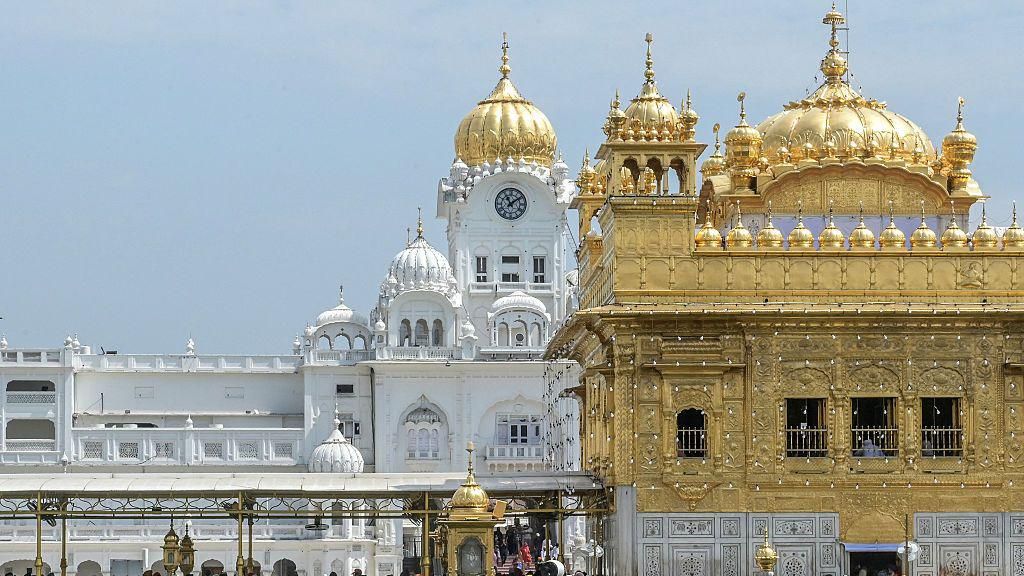
    In India’s northern Sikh-majority state of Punjab, a newly enacted stricter law targeting sacrilege against the Guru Granth Sahib — Sikhism’s highest spiritual and temporal authority — has ignited a high-stakes political and religious controversy that is roiling the state ahead of upcoming 2027 elections.

    The ruling Aam Aadmi Party (AAP) government, led by Chief Minister Bhagwant Mann, pushed the legislation through the state assembly in April 2026. Framed as a fulfillment of a key 2022 election campaign promise, the law was designed to deliver harsher penalties for desecration of the Guru Granth Sahib, which Sikhs revere not just as a holy scripture containing the hymns of Sikh Gurus and interfaith saint-poet compositions, but as their eternal living Guru. The new legislation marks the first time sacrilege has been formally defined in Indian state law, covering a wide range of acts from deliberate physical damage, theft, and defacement to verbal, written, and digital communications intended to insult the scripture or offend Sikh religious sensibilities. Convictions carry prison sentences ranging from seven to 20 years, plus fines between 200,000 and one million Indian rupees, with steeper penalties for offences tied to criminal conspiracies targeting communal peace or religious harmony. All offences under the law are classified as cognisable and non-bailable, permitting police to make arrests without a warrant and making bail extremely difficult to secure.

    What makes this law the third failed attempt in a decade to enact stricter sacrilege penalties in Punjab, and what has sparked the current firestorm, is not the harsher sentencing itself, but new administrative provisions added to the existing 2008 Jaagat Jot Sri Guru Granth Sahib Satkar Act. The 2008 legislation, originally passed by the previous Shiromani Akali Dal-Bharatiya Janata Party (SAD-BJP) government, only regulated the printing, publication, and distribution of the Guru Granth Sahib. The 2026 amendments add new rules for scripture registration, custody, administrative oversight, and grant the state government broad authority to draft implementing regulations, including a provision requiring unique ID numbers for all physical copies of the scripture and a central government-held registry.

    These provisions have drawn fierce pushback from the Akal Takht, the highest governing body for Sikh temporal and spiritual affairs, which is headquartered steps from the Golden Temple in Amritsar. The Akal Takht argues that the law oversteps its bounds: while it supports harsh penalties for sacrilege, it says administrative and religious matters related to the Guru Granth Sahib fall exclusively under the purview of Sikh religious institutions, not the state government. Critically, the Akal Takht says it was never consulted during the drafting process, a omission it has decried as unacceptable.

    The controversy is rooted in decades of religious and political tension in Punjab. A string of high-profile Guru Granth Sahib desecration incidents in 2015 sparked massive statewide protests that culminated in police opening fire on demonstrators in Behbal Kalan, killing two protesters. The issue quickly became a persistent political flashpoint: the 2015 incident’s poor handling was widely cited as a key factor in the SAD-BJP government’s 2017 election defeat, and the succeeding Congress government also faced widespread backlash for delays in investigating the unresolved cases. The AAP made delivering accountability for these 2015 incidents a core campaign pledge ahead of its 2022 state election victory, and after taking office, it reopened stalled investigations before advancing the new sacrilege law.

    Previous attempts to enact stricter sacrilege laws failed over constitutional and procedural hurdles. In 2016, the SAD-BJP government proposed a bill that would have imposed life imprisonment for desecration, but India’s federal government blocked it on the grounds that a law protecting only one faith violated the country’s secular constitution. The Congress government tried again in 2018, expanding the proposal to cover holy texts from all major Indian religions, but the bill never secured presidential assent and never took effect. The AAP initially pursued a similar broadly inclusive bill in 2025, but after it was referred to a legislative committee for further review, the government opted to amend the existing 2008 law focused exclusively on the Guru Granth Sahib to avoid the same gridlock.

    In the weeks after the law’s passage, the Akal Takht escalated its objections, summoning AAP speaker Kultar Singh Sandhwan in early May to answer for the lack of consultation. Sandhwan appeared before the body and defended the legislation as a necessary protection for the Sikh faith, but the Akal Takht continued to press its case. It later summoned all Sikh legislators and ministers from across Punjab’s political parties who had supported the bill, and according to reports from India’s Press Trust of India, multiple lawmakers admitted they had not read the full legislation before voting, as copies of the bill were distributed only hours before the assembly debate. Akal Takht head Kuldip Singh Gargajj called the admission an example of “serious negligence” and gave the Mann government a one-month deadline to amend the disputed provisions, ordering the government not to implement the administrative rules in the interim.

    While the Akal Takht holds no formal constitutional authority over Punjab’s elected government, it wields enormous informal religious and social influence among the Sikh community, a force no state government can afford to ignore, given Punjab’s long history of intertwined religion and politics. The controversy has also quickly become a political cudgel for the state’s opposition parties: the Congress, SAD, and BJP have all united in criticizing the AAP for rushing the bill through the assembly without proper consultation with Sikh religious leaders, accusing the government of playing politics with a sensitive religious issue.

    The dispute comes at a particularly sensitive moment for Mann, with state legislative elections scheduled for early 2027. Mann is already grappling with a separate personal controversy, after opposition parties shared an alleged video they claim shows Mann consuming alcohol and splashing it on photographs of Sikh Gurus — an accusation Mann has dismissed as a fabricated political smear. On the sacrilege law, Mann has stood firm, reiterating that the government has no intention of withdrawing the legislation entirely, but has acknowledged the government is open to reviewing the Akal Takht’s suggestions and considering targeted amendments to resolve the deadlock.

  • Clashes in Sri Lankan prison leave at least 25 dead and over 100 injured

    Clashes in Sri Lankan prison leave at least 25 dead and over 100 injured

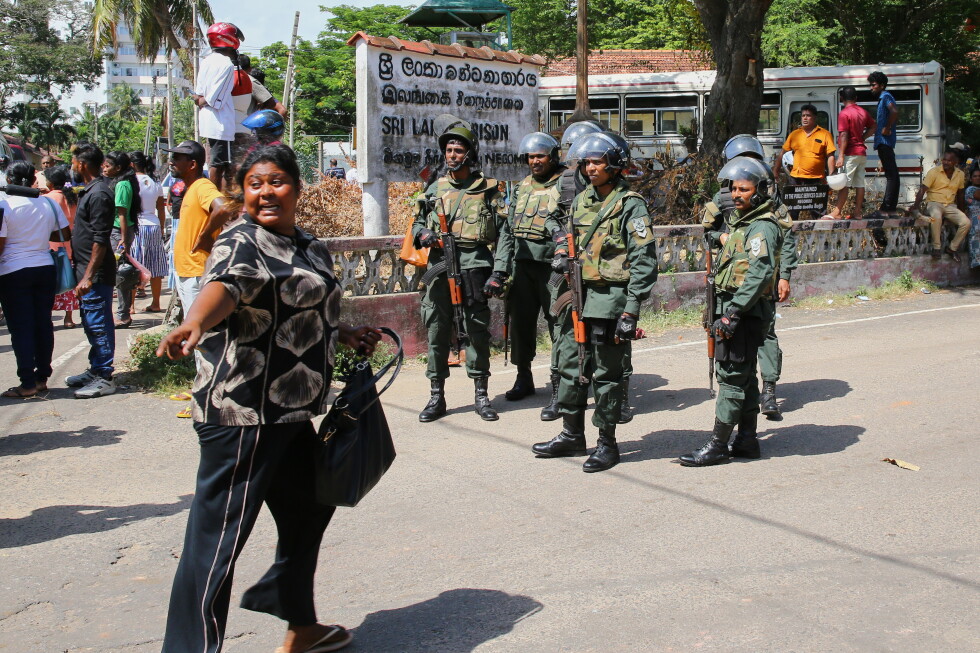
    On Monday, official reports and local television broadcaster Hiru TV confirmed a tragic outbreak of violence at a suburban Sri Lankan prison, which has left at least 25 people dead and more than 100 others injured. The violent unrest erupted at the correctional facility in Negombo, a coastal town located roughly 35 kilometers (22 miles) north of the nation’s capital Colombo, and carried on into a second day on Monday after starting the previous day, according to local police.

    Police spokesperson Chandana Herath acknowledged the occurrence of fatalities in the clash, but declined to immediately verify the casualty count released by Hiru TV. The local broadcaster’s reporting indicates that victims of the violence include both incarcerated inmates and serving prison staff, though no further breakdown of the death toll has been released at this early stage.

    As of Monday, authorities have not released a confirmed cause for the sudden outbreak of internecine violence at the prison. A senior official at the region’s leading public hospital, speaking on condition of anonymity due to restrictions on speaking to press without official authorization, confirmed that more than 100 injured people have been admitted for treatment. The official did not provide additional details on the nature or severity of the injuries sustained in the clash.

    This deadly incident draws renewed attention to a longstanding crisis in Sri Lanka’s correctional system: severe overcrowding that has created persistent unsafe conditions nationwide. Official data shows the country’s prison system was designed to hold a maximum of 10,000 inmates, but currently houses more than 39,000 incarcerated people, a more than 290% overcapacity rate that has long been flagged by human rights groups as a major public safety and human rights concern.

  • More than 300 children killed or injured in Sudan war in 6 months, UNICEF says

    More than 300 children killed or injured in Sudan war in 6 months, UNICEF says

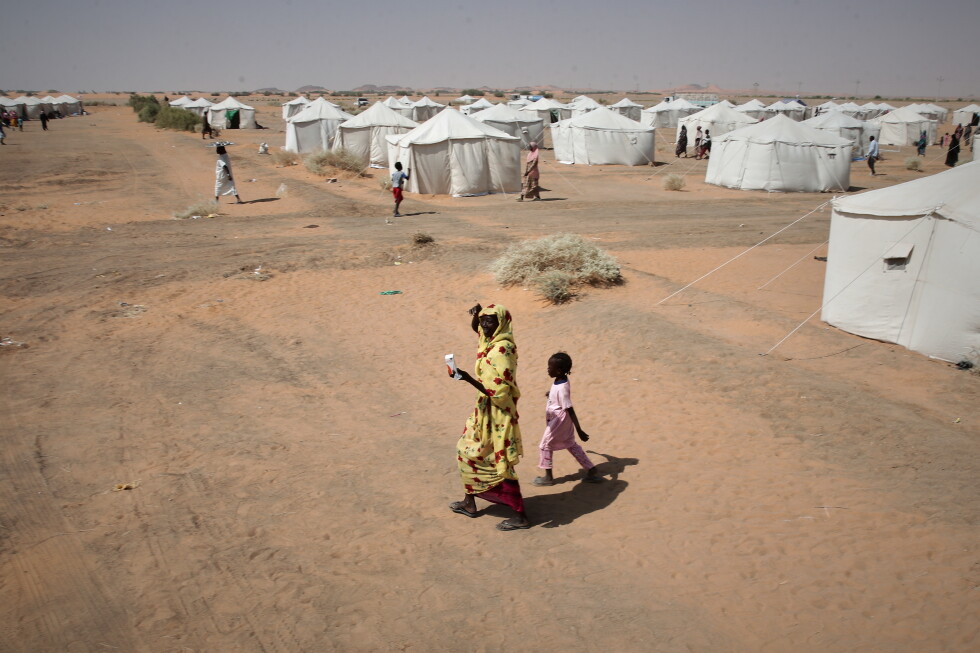
    CAIRO – In a stark new assessment released Monday, the United Nations Children’s Fund (UNICEF) has revealed that more than 300 children have been killed or injured across Sudan over the past six months, with the vast majority of these casualties linked to increasingly widespread drone strikes across the war-torn nation.

    Sudan’s brutal internal conflict, which pits the country’s official military against the powerful paramilitary Rapid Support Forces (RSF), has stretched on since April 2023, leaving the nation fragmented and its population in crisis. Today, the heaviest fighting is concentrated in three key regions: Kordofan, Darfur, and Blue Nile states. According to UNICEF’s casualty analysis, drone attacks account for 60 percent of all child harm recorded in the latest six-month period.

    International bodies and major global powers including the United Nations, the United States, and the United Kingdom have raised urgent alarm over reports of potential mass atrocities as both factions battle for control of el-Obeid, a strategically critical city in North Kordofan. The battle for this urban center has worsened already desperate conditions for civilians trapped in the crossfire.

    The full scale of the conflict’s human cost is staggering. Official estimates place the total death toll at no less than 59,000 people, while more than 13 million Sudanese have been forced from their homes to escape violence. Large swathes of the country are now on the brink of famine, and more than 30 million Sudanese – nearly two-thirds of the nation’s population – require life-saving humanitarian aid to survive.

    Indiscriminate drone strikes and artillery shelling have repeatedly targeted civilian infrastructure that communities depend on, including schools, public markets, fuel depots, and water distribution stations. UNICEF estimates that these deliberate attacks have put more than 500,000 civilian lives at direct risk, and residents across contested areas have endured nearly a year of conditions that amount to a de facto siege, cutting them off from basic supplies and emergency care.

    “Children are being caught in a relentless cycle of violence, displacement and deprivation,” said Sheldon Yett, UNICEF’s top representative for Sudan. In line with the agency’s statement, the United Nations has issued a formal call to both warring parties, demanding that they uphold international humanitarian law by protecting civilians and civilian infrastructure, grant unimpeded, rapid, and safe access for humanitarian aid convoys, and take every possible measure to shield children from the harm of ongoing conflict.

  • Girl trapped in Venezuela quake ‘survived on ketchup and cheese’

    Girl trapped in Venezuela quake ‘survived on ketchup and cheese’

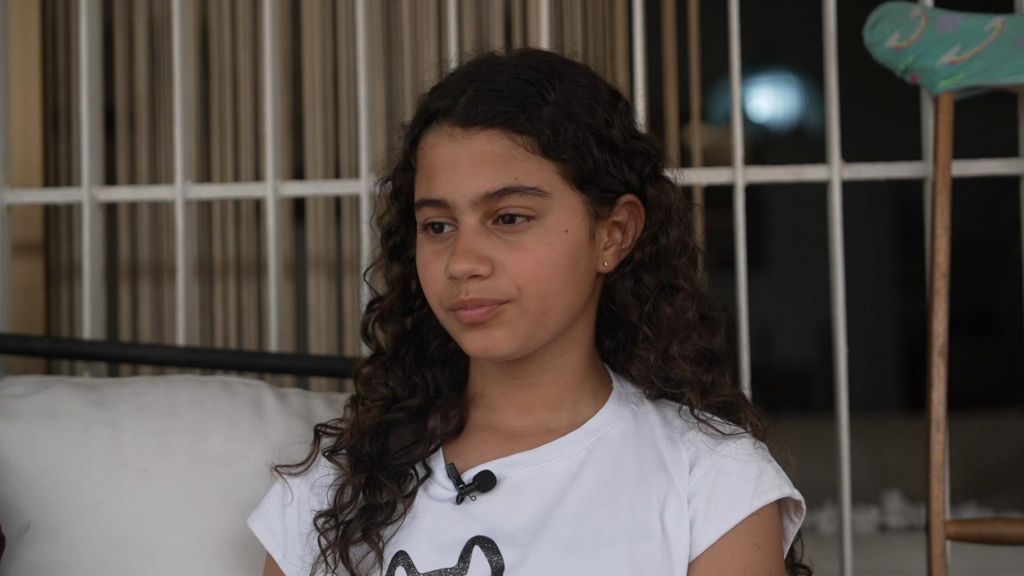
    In the aftermath of a catastrophic series of earthquakes that ripped through Venezuela, leaving widespread destruction and thousands displaced, one extraordinary story of resilience has captured global attention. BBC international correspondent Yogita Limayee recently sat down with 12-year-old Fabiana, a young girl who cheated death after being trapped beneath rubble when the tremors struck, to hear her harrowing yet inspiring account of survival.

    The earthquakes, which hit the South American nation with magnitudes that leveled buildings and collapsed infrastructure, turned countless communities into piles of broken concrete and twisted metal in mere minutes. Amid the chaos of collapsed homes and frantic rescue efforts, Fabiana was cut off from the outside world, trapped in a dark, confined space with almost no access to food or clean water. Against all odds, the preteen survived by subsisting on just two common pantry items: ketchup and cheese, waiting out agonizing days before rescue teams could reach her.

    In her interview with Limayee, Fabiana recounted the fear and confusion of those trapped days, the quiet grit that kept her going, and the overwhelming relief of being pulled alive from the wreckage. Her story stands as a stark testament to the human capacity for survival in the face of natural disaster, even at a young age, and shines a spotlight on the ongoing human toll of the seismic events that devastated Venezuela.

    Rescue and recovery efforts across the affected regions continue in the wake of the quakes, with responders working against the clock to locate missing people and provide aid to survivors who have lost their homes and loved ones. Fabiana’s miracle survival has become a beacon of hope amid the widespread grief and destruction that has impacted the country.

  • After Asia’s World Cup stumble, resignations pile up from Seoul to Riyadh

    After Asia’s World Cup stumble, resignations pile up from Seoul to Riyadh

    The 48-team expanded men’s World Cup has left Asian football grappling with widespread fallout and introspection following a historically underwhelming continental performance, which has already triggered high-profile leadership resignations across multiple national federations.

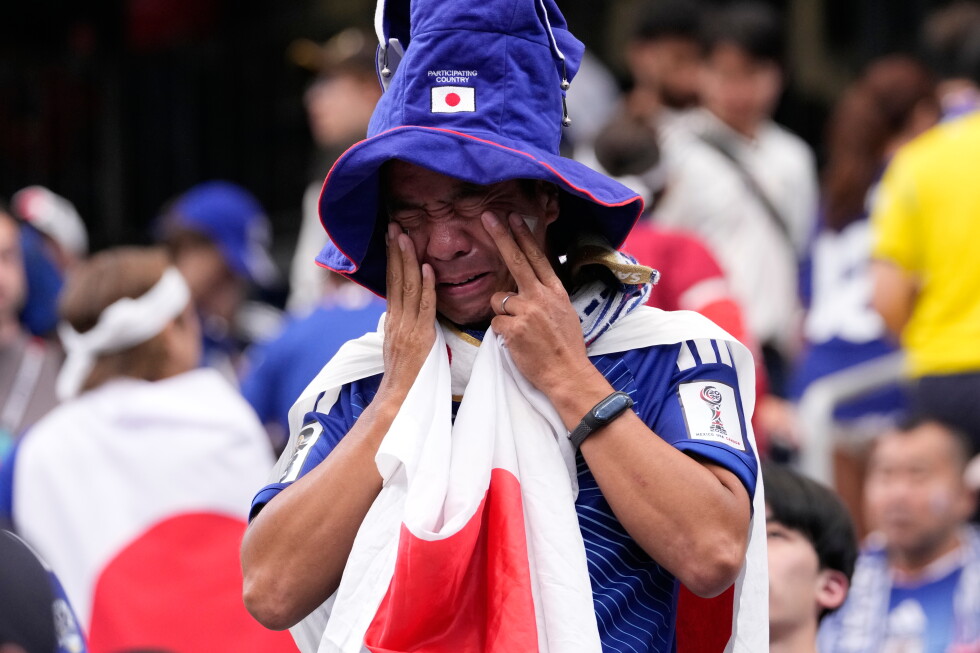
    South Korea became the first major federation to see top-level changes after the Taegeuk Warriors suffered an early group-stage exit, capped by a 1-0 defeat to South Korea that ended their tournament. Just one week after head coach Hong Myung-bo stepped down in the wake of the elimination, South Korean Football Association president Chung Mong-gyu — who had held his post since 2013 — announced his resignation on Monday. His departure came after sharp public criticism from South Korea’s president over the team’s performance. In a statement acknowledging his responsibility, Chung noted, “There were moments when I lived up to expectations and moments when I left you deeply disappointed. All the success is thanks to our players and fans, and all the mistakes are my responsibility.” He added that he remains confident Korean football will rebound from the setback, as it has done in the past. South Korean superstar Son Heung-min echoed this accountability, sharing a lengthy emotional post on social media where he said he felt “indescribably hurt” by the early exit and was determined to win back the support of the Korean public.

    The wave of resignations quickly spread to West Asia: just 24 hours after Hong stepped down in Seoul, Yasser Al-Misehal announced his resignation as president of the Saudi Arabia Football Federation. The Green Falcons fell at the group stage in their seventh World Cup appearance, a result Al-Misehal admitted fell far short of the nation’s ambitions. “I bear full responsibility for it, apologizing to everyone who hoped to see our team in a better position,” he wrote on his official social media channels.

    A broader look at the tournament results underscores the depth of Asian football’s challenges this cycle. Across nine Asian Football Confederation (AFC) representatives, AFC teams secured only three total wins from 29 matches, with just two nations — Australia and Japan — advancing past the group stage. Iran, who finished the group stage unbeaten with three draws, narrowly missed out on a knockout spot, while debutants Jordan, Qatar, Iraq and Uzbekistan all failed to progress, with Uzbekistan failing to pick up a single point. Jordan, making its first ever World Cup appearance, already parted ways with head coach Jamal Sellami on Sunday, just days after the team finished its campaign with three straight losses. Sellami had only taken the role in 2024, but guided the nation to its first ever World Cup qualification in June 2025. Speculation continues to swirl around the futures of the head coaches of Qatar and Iraq, who both finished bottom of their respective groups, while Uzbekistan confirmed its coach, 2006 World Cup-winning Italian captain Fabio Cannavaro, will remain in his post. Cannavaro framed the debut campaign as a valuable learning experience for his young side. “All my players realized just how difficult it is to play at this level,” he said. “We gained valuable experience — not just the players, but myself, our staff and the federation as well. I hope this experience will give us more motivation for the future.”

    Both Australia and Japan’s knockout runs ended at the first knockout stage (the round of 32). Australia, the last remaining AFC side in the tournament, was eliminated by Egypt in a penalty shootout. Notably, Socceroos head coach Tony Popovic had already secured his job before the World Cup, signing a contract extension immediately after his side’s opening win over Turkey. Japan turned in the strongest performance of any AFC side: after beating Tunisia 4-0 and earning draws with the Netherlands and Sweden to finish second in their group, the Samurai Blue took a 1-0 lead over five-time champions Brazil at halftime, before conceding a late 96th-minute winner to exit the tournament. Japanese head coach Hajime Moriyasu said the near-upset gave him confidence in the nation’s long-term trajectory. “Through the three group-stage matches and the hard-fought game against Brazil, I sensed that what we have built can compete on the world stage,” he said. “If we continue this growth steadily, a day will come when we can be the best in the world.”

    AFC president Sheikh Salman bin Ibrahim Al Khalifa acknowledged the incremental progress made by the continent’s leading sides while calling for targeted work to lift the standard of AFC football overall. “While we celebrate our two qualified teams, we must also look realistically at the overall outcomes,” he said. “Our teams are making strides and displaying great fighting spirit, the gap at the absolute top tier remains tight, and we must continue to work hard to bridge it.”

    For context, Asian football’s highest benchmark at the men’s World Cup remains South Korea’s historic semifinal run in 2002 as co-host. Japan has now fallen in four consecutive World Cup knockout stage matches, while Australia has never won a knockout fixture at the tournament, falling to 0-3 in knockout matches after this year’s exit.

  • Gold rings around 2,000 years old found during dig at Thailand archaeological site

    Gold rings around 2,000 years old found during dig at Thailand archaeological site

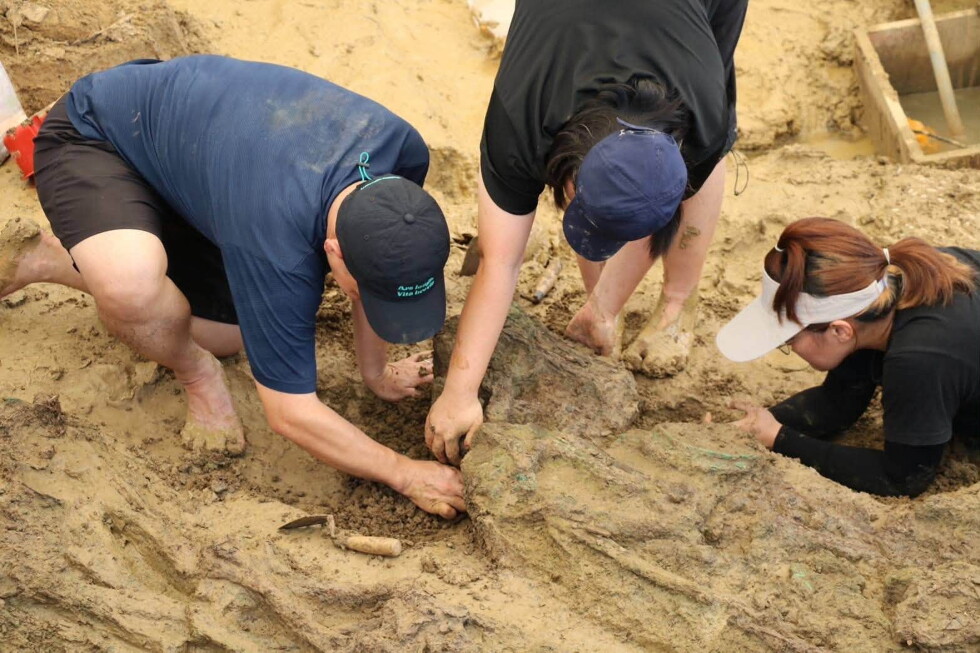
    Archaeological excavations in western Thailand have uncovered a pair of 2-millennia-old gold rings that offer striking new evidence of ancient cross-cultural trade connections between South Asia and Southeast Asia, Thailand’s Fine Arts Department announced this week. The artifacts were recovered alongside partial human skeletal remains during an ongoing dig at the Don Yai Thong site, located in Phetchaburi province roughly 130 kilometers southwest of Bangkok, and their discovery is reshaping current understandings of regional Iron Age social structures and commercial networks.

    The site itself first came to the attention of cultural authorities earlier this year, when local rice farmers working in their fields stumbled on fragmented pieces of ancient bronze drums. The accidental find prompted the Fine Arts Department to launch a full systematic excavation starting in February, which has already produced a remarkably rich collection of prehistoric artifacts. To date, archaeologists have recovered eight complete human skeletons, a range of bronze and gold decorative pieces, handcrafted pottery, and other objects that point to this being a ceremonial burial ground reserved for elite or wealthy members of Iron Age Thai society.

    Of all the finds uncovered so far, the two gold rings recovered last week have emerged as the most significant. The first, unearthed Thursday, bears a fine engraved inscription in Brahmi script, an ancient writing system that originated in India and spread across much of South and Southeast Asia along early trade routes. Initial expert analysis has translated the inscription as *pusarakhitasa*, a term meaning “the one protected by Pushya.” In traditional Indian astronomy, Pushya is classified as one of the most auspicious zodiac signs, linking the artifact to South Asian cultural and astrological traditions. The second ring, found alongside the first in the same burial, is an unadorned solid gold band with no engravings or decorative patterns.

    Based on the inscribed text and the presence of two gold items in a single burial, department experts have put forward a working hypothesis that the individual interred here was a merchant belonging to the Vaishya caste, the traditional merchant and trading class of ancient India’s social structure. This aligns with growing evidence that active maritime and overland trade routes connected the Indian subcontinent to mainland Southeast Asia by the Iron Age, creating deep cultural and economic ties that predated later state formation in the region.

    The Don Yai Thong site is officially dated to Thailand’s late prehistoric Iron Age, a window of human settlement that falls between 2,500 and 1,500 years before the present, placing the newly found rings at roughly 2,000 years old. The excavation is scheduled to conclude in one month, after which the Fine Arts Department plans to organize a public exhibition of all the significant artifacts recovered from the site to share this new chapter of Thailand’s ancient history with local and international visitors.

  • Neymar says Brazil career over after Norway defeat

    Neymar says Brazil career over after Norway defeat

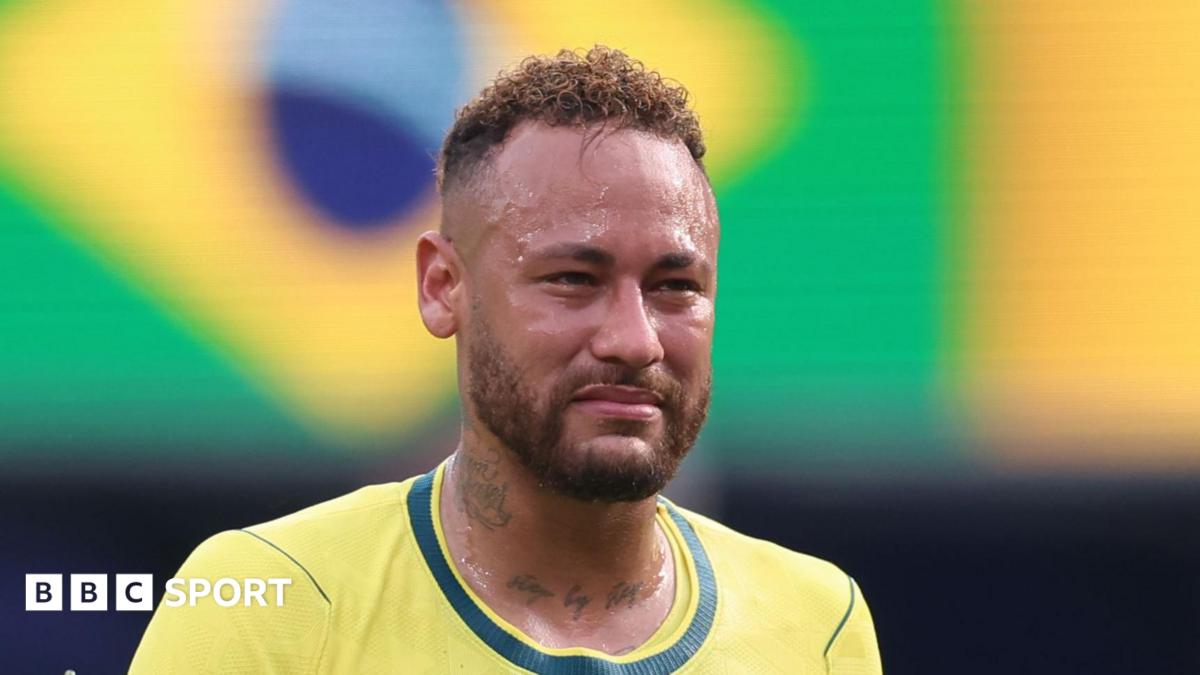
    Four World Cups, 16 years of national team service, and a record-breaking goal tally came to a bittersweet close Saturday for Brazilian football superstar Neymar, who confirmed his international career is finished following Brazil’s knockout-stage elimination at the hands of Norway at the 2026 FIFA World Cup.

    The 34-year-old attacking icon entered the last-16 clash at New Jersey’s MetLife Stadium in the 67th minute, with Brazil already trailing 2-0 to a Norwegian side led by red-hot striker Erling Haaland. Despite being brought on to turn the tide of the match, Neymar could not reverse the Selecao’s fortunes, though he slotted home a late penalty deep into second-half stoppage time to grab one final international goal. The strike only served as a consolation, however, as Norway held on to advance to the tournament’s quarter-finals, ending Brazil’s 2026 campaign.

    In an emotional post-match interview with Brazil’s TV Globo, Neymar reflected on the full-circle nature of his final international appearance, which came on the same pitch where he made his Brazil debut 16 years earlier. “I tried, I tried. Now it’s over. I started here, I finished here,” the forward said.

    Neymar’s first cap for Brazil came at MetLife Stadium back in August 2010, in a friendly fixture against the United States where he even marked his debut with a goal in a 2-0 Brazilian win. Over 16 years of national team duty, Neymar rewrote the record books: he leaves the international set-up as Brazil’s all-time leading men’s goalscorer with 80 goals, and his 130 senior caps rank second in the nation’s history behind only Cafu, who recorded 142 appearances between 1990 and 2008.

    This World Cup run marked Neymar’s fourth consecutive appearance at the global tournament, having also featured for Brazil in the 2014, 2018, and 2022 editions. Injuries had kept him sidelined from international action for more than two years before his selection to the 2026 squad, and he only featured twice across the entire tournament: a late substitute appearance in Brazil’s final group-stage win over Scotland, and his final bow against Norway.

    The early exit has sparked widespread discussion about the future of the Brazilian national team, with analysts arguing that the ageing squad requires widespread restructuring ahead of the next cycle of international competition. Questions are already circulating about whether newly appointed head coach Carlo Ancelotti is the right leader to overhaul the side and return Brazil to trophy contention in coming years.