作者: admin

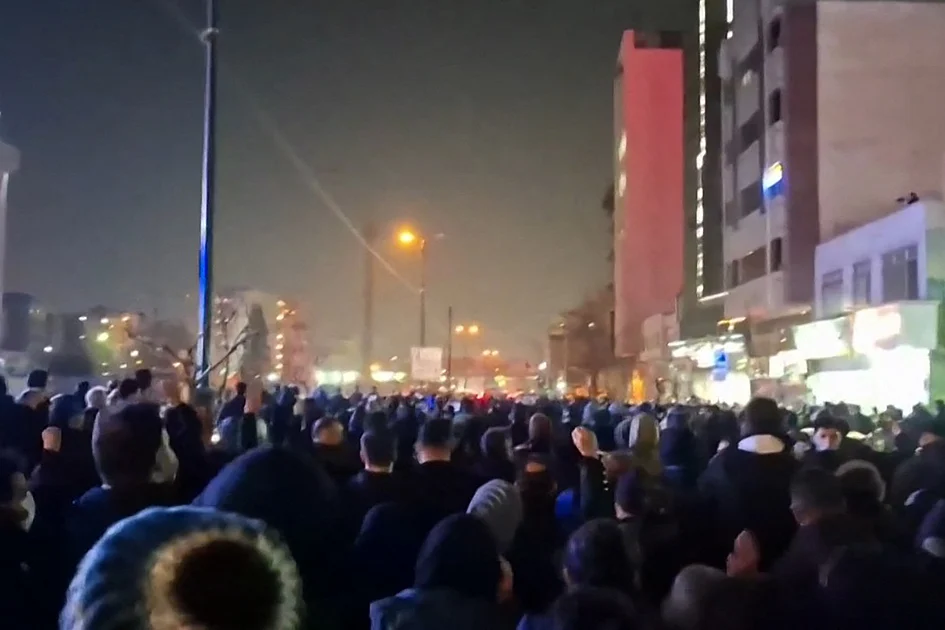
  • ‘My nightmare’: Iranians recount crackdown under internet blackout

    ‘My nightmare’: Iranians recount crackdown under internet blackout

    Survivors of Iran’s violent suppression of nationwide protests have begun sharing harrowing accounts of state-sponsored brutality, describing scenes resembling war zones amid a complete information blackout imposed by authorities. The testimonies emerge as international organizations struggle to document the full extent of casualties, with estimates ranging from several thousand to potentially tens of thousands dead.

    Kiarash, a 44-year-old witness who spoke from Germany after visiting Tehran, described experiencing near-fatal encounters with government forces. ‘One move in the wrong direction and I would have been dead,’ he recounted, detailing how a shooter concealed in traditional chador garments opened fire on crowds in northern Tehran on January 10. The streets, he testified, ran with blood as multiple protesters collapsed simultaneously under gunfire.

    The violence followed economic protests that dramatically escalated on January 8, prompting authorities to implement a comprehensive internet shutdown that continues to hamper independent verification of events. Norway-based Iran Human Rights (IHR) has verified 3,428 protestor deaths but warns the actual toll could be substantially higher, with some sources suggesting numbers reaching 20,000.

    Eyewitness accounts describe horrific scenes at medical and burial facilities. Kiarash reported visiting Behesht-e Zahrah cemetery where warehouses overflowed with black body bags stacked two or three high, estimating between 1,500 to 2,500 casualties in a single facility. Grieving families struggled to identify loved ones, with one theater actor reportedly identified only through his tattoos after being shot in the head.

    Despite the communication blackout, videos have emerged showing extensive demonstrations with participants chanting against Supreme Leader Ayatollah Ali Khamenei and calling for monarchy restoration. The footage, geolocated to various cities including Kermanshah, captures what appears to be automatic weapon fire and shows police vehicles and mosques in flames.

    International response has intensified with the United States expressing support for ‘the brave people of Iran’ while Canada confirmed a citizen killed and France reported a French-Iranian woman injured. Iranian authorities maintain they confronted ‘riots’ and ‘terrorist operations’ fueled by the United States and Israel, claiming only ‘hundreds’ died while showcasing pro-government demonstrations on state media.

    For those who witnessed the violence, the psychological impact remains profound. ‘This is my nightmare right now,’ Kiarash stated, capturing the trauma experienced by countless Iranians who now navigate a transformed reality where normalcy has been irrevocably shattered.
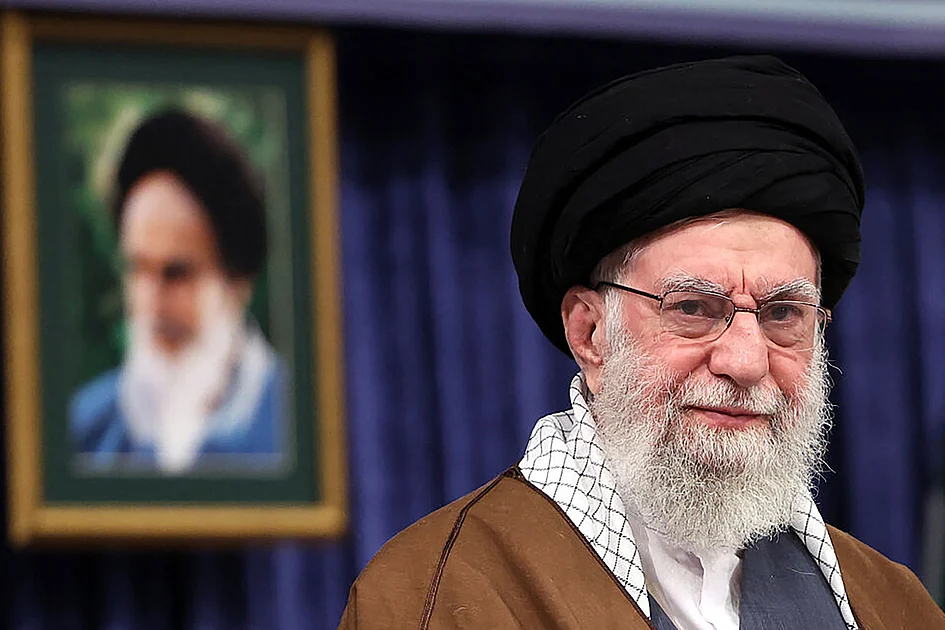

  • Iran’s Khamenei calls Trump ‘criminal’ for causing casualties, damage on Iranians

    Iran’s Khamenei calls Trump ‘criminal’ for causing casualties, damage on Iranians

    In a significant escalation of diplomatic tensions, Iran’s Supreme Leader Ayatollah Ali Khamenei has formally characterized U.S. President Donald Trump as a ‘criminal’ for his administration’s handling of recent Iranian protests. The religious leader’s statements, disseminated through state media on Saturday, January 17, 2026, accused the American president of directly contributing to Iranian casualties, substantial material damage, and engaging in systematic slander against the nation.

    Khamenei emphasized the unprecedented nature of recent events, noting that ‘the latest anti-Iran sedition was particularly distinguished by the U.S. President’s personal involvement.’ This represents a notable intensification from previous rhetoric, where Khamenei had previously described Trump merely as ‘arrogant’ and suggested he focus on domestic American challenges rather than Iranian affairs.

    The Supreme Leader further drew historical parallels, suggesting Trump faced potential overthrow similar to Iran’s pre-1979 imperial dynasty. These comments emerge amidst ongoing regional tensions, with Trump having previously issued multiple military threats against Iran should authorities harm protesters. The son of Iran’s deposed Shah, Reza Pahlavi, has concurrently advocated for stronger U.S. intervention.

    Despite Trump’s assurances that ‘help was on the way’ to the Iranian people, concrete action has remained absent. Recent diplomatic efforts led by Saudi Arabia, Qatar, and Oman reportedly sought to persuade the U.S. administration to allow Iran opportunity to demonstrate peaceful intentions. Trump subsequently claimed to have ‘convinced himself’ against military strikes, attributing this decision to Iran’s cancellation of 800 scheduled executions.

  • China’s condom tax no way to pump up low birth rates

    China’s condom tax no way to pump up low birth rates

    China has initiated a novel fiscal approach to combat its deepening demographic crisis by imposing a 13% value-added tax on contraceptives effective January 1, 2026. This policy shift emerges as the nation grapples with a critically low fertility rate of 1.0 children per woman—far beneath the 2.1 replacement threshold necessary for population stability.

    The contraceptive taxation strategy complements existing pronatalist measures, including last year’s allocation of 90 billion yuan ($12.7 billion) for a national childcare program providing approximately 3,600 yuan ($500) per child under three years old. Despite these substantial investments, demographic experts remain skeptical about their potential efficacy.

    Professor Dudley L. Poston Jr., a veteran China demography scholar with nearly four decades of research experience, asserts that these interventions are unlikely to significantly alter fertility trajectories. The symbolic contraceptive tax—adding mere dollars to annual contraceptive expenses—pales against the staggering 538,000 yuan ($77,000) average cost of raising a child to adulthood in urban China.

    China’s demographic challenges reflect broader regional patterns, with Singapore maintaining a 1.2 fertility rate despite decades of incentives and South Korea recording the world’s lowest at 0.7 despite investing over $200 billion in birth rate programs since 2006. These Asian nations demonstrate how modernization, rising educational opportunities for women, and substantial child-rearing expenses create structural barriers that policy interventions struggle to overcome.

    The current fertility crisis partly stems from China’s own historical policies. The notorious one-child policy successfully drove fertility from over 7.0 in the 1960s to 1.5 by 2015. Subsequent shifts to two-child (2015) and three-child (2021) policies failed to produce anticipated baby booms, with fertility rates continuing their decline to the current historic low.

    Demographers reference the ‘low-fertility trap’ theory suggesting that once rates fall below 1.4-1.5, increases of 0.3 or more become extraordinarily difficult due to entrenched socioeconomic factors. With urbanization, female empowerment, and exorbitant education costs reshaping reproductive decisions, China’s contraceptive tax appears more symbolic than substantively impactful in addressing its demographic challenges.

  • Protests in Greenland and Denmark against Trump plans

    Protests in Greenland and Denmark against Trump plans

    A significant diplomatic crisis has erupted across the North Atlantic following U.S. President Donald Trump’s persistent campaign to acquire Greenland, an autonomous Danish territory. The escalating situation has triggered mass demonstrations in both Greenland and Denmark, while prompting the Trump administration to implement punitive economic measures against several European nations.

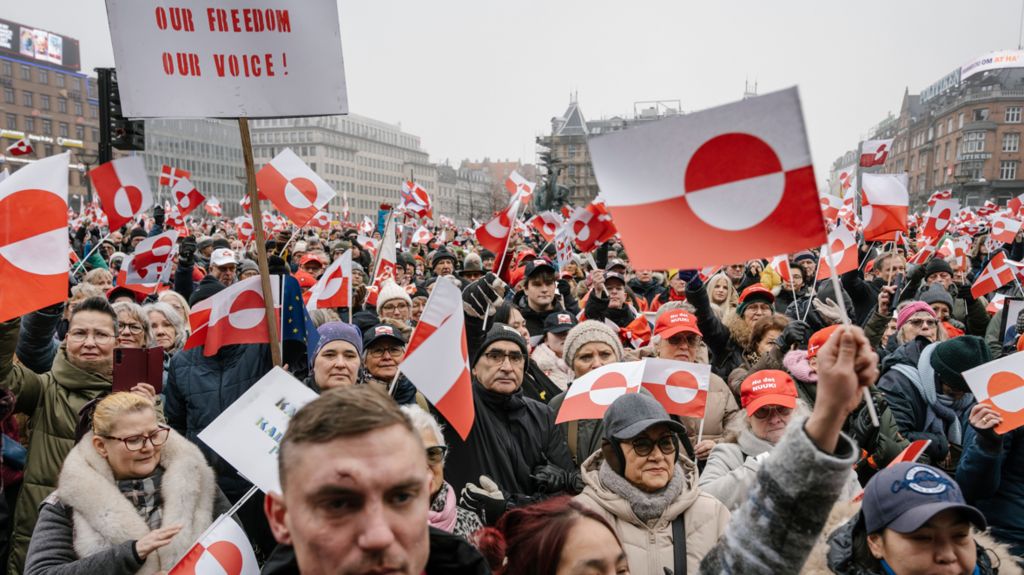
    Thousands of protesters gathered in Copenhagen and Nuuk, Greenland’s capital, waving Greenlandic flags and carrying placards with messages such as ‘Hands Off Greenland’ and ‘Greenland for Greenlanders.’ The coordinated protests, organized by Greenlandic and Danish non-governmental organizations, coincided with a visit by a U.S. Congressional delegation to Copenhagen.

    In a significant escalation, President Trump announced on his Truth Social platform the imposition of 10% tariffs on goods from Denmark, Norway, Sweden, France, Germany, the UK, the Netherlands, and Finland, effective February 1. The President threatened to increase these tariffs to 25% by June 1 ‘until such time as a Deal is reached for the Complete and Total purchase of Greenland,’ accusing these countries of playing ‘a very dangerous game.’

    Greenlandic politicians and community leaders have vehemently opposed the proposal. Erik Jensen, a Greenlandic politician, told Reuters, ‘It’s very important that we stay together and show that Greenland is not for sale and we would not like to be an American or won’t be annexed by the USA.’ Camilla Siezing, head of Inuit (an umbrella group of Greenlandic associations), emphasized the demand for ‘respect for the Danish Realm and for Greenland’s right to self-determination.’

    The territory’s strategic importance cannot be overstated. Greenland’s sparse population belies its resource wealth and crucial geographic position between North America and the Arctic, making it invaluable for early warning systems against missile attacks and regional maritime monitoring.

    European allies have rallied to Denmark’s defense, with France, Germany, Sweden, Norway, Finland, the Netherlands, and the UK deploying small troop contingents to Greenland on what they term ‘reconciliation missions.’ These nations argue that Arctic security should remain a joint NATO responsibility rather than falling under unilateral American control.

    Even within U.S. political circles, skepticism prevails. Senator Chris Coons, leading the Congressional delegation in Copenhagen, described Trump’s rhetoric as ‘not constructive,’ though he acknowledged legitimate reasons to ‘explore ways to invest better in Arctic security broadly, both in the American Arctic and in our NATO partners.’ Opinion polls indicate overwhelming opposition among Greenlanders, with 85% rejecting the territory’s potential accession to the United States.

  • US invites Erdogan to join Gaza ‘Board of Peace’

    US invites Erdogan to join Gaza ‘Board of Peace’

    The United States has extended a formal invitation to Turkish President Recep Tayyip Erdogan to serve as a founding member on the newly established Board of Peace, a high-level international body that will oversee the administration and reconstruction of the Gaza Strip. This development comes as part of a comprehensive post-war governance framework unveiled by the White House on Friday.

    According to sources familiar with the matter, the Board of Peace will be chaired by US President Donald Trump, who brokered the Gaza peace agreement in September with mediation support from Egypt, Turkey, and Qatar. The invitation to President Erdogan proceeded despite reported Israeli objections to his inclusion. Burhanettin Duran, Director of Communications for the Turkish presidency, confirmed the invitation via social media, noting that Trump sent the formal letter on January 16, 2026.

    The newly announced governance structure consists of multiple interconnected bodies. The National Committee for the Administration of Gaza (NCAG), comprising fifteen Gazan technocrats led by Dr. Ali Shaath, will handle day-to-day civil services including education, sewage management, and infrastructure. However, the NCAG will hold no political authority and will report directly to the US-led Board of Peace.

    A separate Executive Board will develop long-term strategic vision for Gaza, with members including US Secretary of State Marco Rubio, special envoys Steve Witkoff and Jared Kushner, former UK Prime Minister Tony Blair, World Bank President Ajay Banga, and American investor Marc Rowan. The White House stated that each member will oversee critical portfolios including governance capacity-building, regional relations, reconstruction, investment, and large-scale capital funding.

    The administration also appointed Aryeh Lightstone, CEO of the Abraham Accords Peace Institute, and Josh Gruenbaum, Commissioner of the US General Services Administration’s Federal Acquisition Service, as senior advisers. Their appointments have drawn scrutiny due to Lightstone’s controversial role in the suspended Gaza Humanitarian Foundation and Gruenbaum’s limited foreign policy background, having gained prominence for leading financial crackdowns on US universities over pro-Palestine activism.

    Former UN envoy Nikolay Mladenov has been named Gaza High Representative, serving as principal intermediary between the NCAG and the Board of Peace. Major General Jasper Jeffers will command the International Stabilisation Force (ISF) tasked with maintaining security and monitoring ceasefire compliance within Gaza.

    The complex governance framework has generated confusion among observers, particularly as several appointed figures are viewed as holding strongly pro-Israeli positions, raising questions about balanced representation in Gaza’s post-war administration.

  • ‘Diplomatic channels are the way to go’ over Greenland, US speaker tells BBC

    ‘Diplomatic channels are the way to go’ over Greenland, US speaker tells BBC

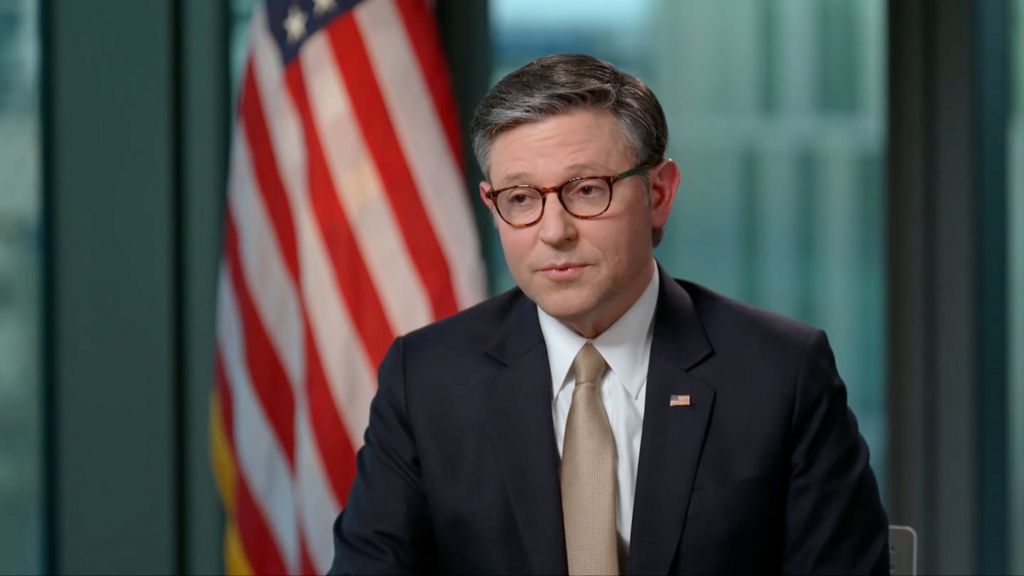
    In a significant statement to the BBC, US House Speaker Mike Johnson has explicitly ruled out American military intervention in Greenland, emphasizing diplomatic engagement as the preferred approach. The high-ranking official clarified Washington’s position regarding the strategically significant Arctic territory, which has recently garnered international attention. Johnson’s remarks come amid growing geopolitical interest in the region due to its strategic location and untapped natural resources. The Speaker’s comments represent an important articulation of US foreign policy direction, underscoring a commitment to peaceful international relations and diplomatic protocols. This position aligns with established international norms regarding territorial sovereignty while acknowledging Greenland’s current constitutional relationship with the Kingdom of Denmark. The statement serves to clarify US intentions amid complex Arctic governance discussions and changing geopolitical dynamics in the polar region.

  • Trump appoints Tony Blair to Gaza ‘Board of Peace’

    Trump appoints Tony Blair to Gaza ‘Board of Peace’

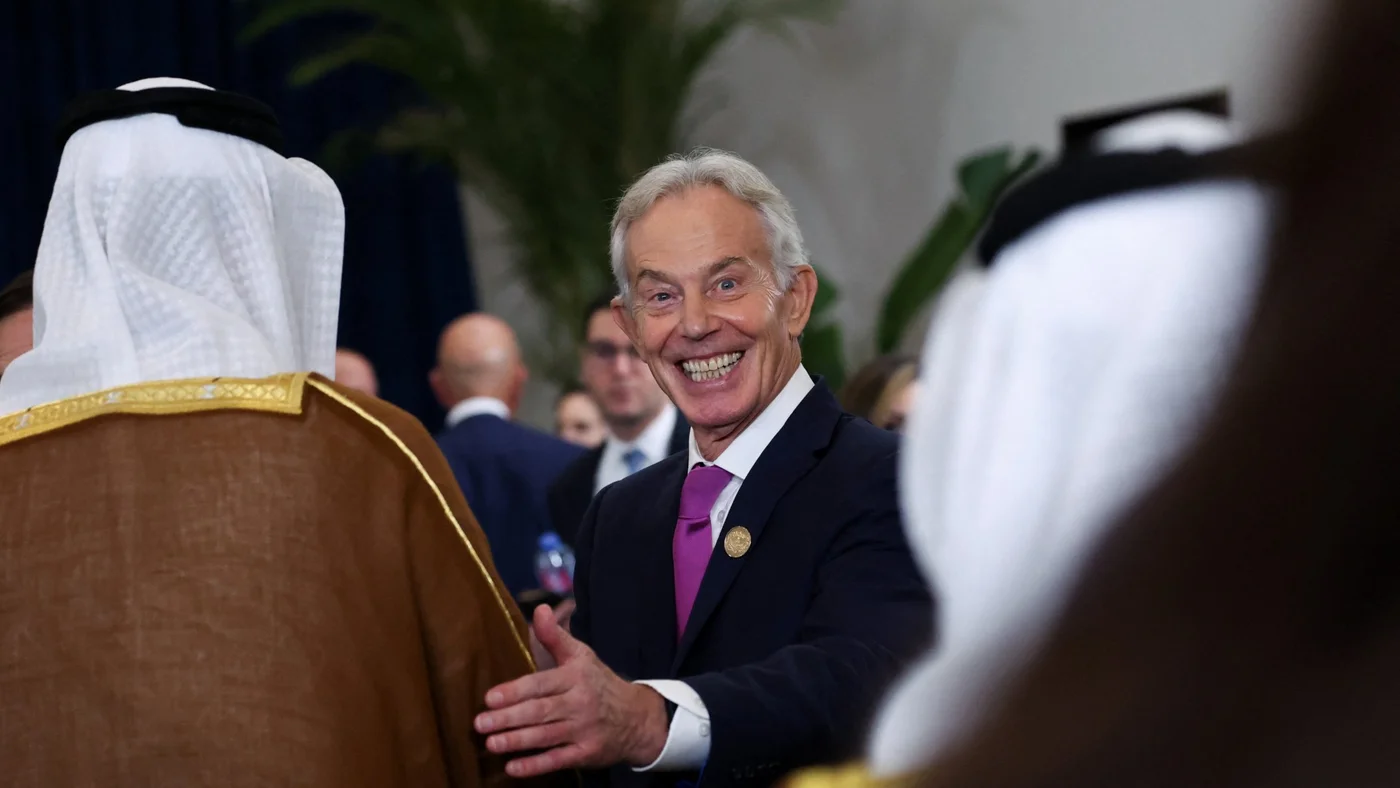
    Former US President Donald Trump has announced the formation of an international ‘Board of Peace’ to oversee governance and reconstruction efforts in Gaza, naming several high-profile figures to lead the initiative. The seven-member board will be chaired by Trump himself and includes former UK Prime Minister Tony Blair, US Secretary of State Marco Rubio, World Bank President Ajay Banga, and Trump’s son-in-law Jared Kushner.

    The board’s operational leadership will consist of Aryeh Lightstone and Josh Gruenbaum as senior advisers managing day-to-day strategy, with Bulgarian diplomat Nicholay Mladenov, former UN Middle East peace coordinator, serving as High Representative of Gaza. According to a White House statement, each member will assume specific responsibilities critical to Gaza’s stabilization, including governance capacity-building, regional relations, reconstruction, investment attraction, and large-scale funding mobilization.

    The board will supervise a technocratic committee comprising 15 Palestinians, led by former Palestinian deputy minister for planning Ali Shaath. Trump enthusiastically described the newly-formed body as “the greatest and Most Prestigious Board ever assembled at any time, any place,” representing the next phase of his 21-point plan for Gaza.

    However, several appointments have generated significant controversy, particularly that of Tony Blair. Critics point to Blair’s role in the 2003 US-led invasion of Iraq and his organization’s consultancy work for autocratic governments including Egypt, the UAE, and Saudi Arabia. The Tony Blair Institute has faced additional scrutiny for accepting funds from figures linked to illegal Israeli settlements and American Islamophobic networks, as well as Blair’s honorary patronage of the UK branch of Israel’s Jewish National Fund.

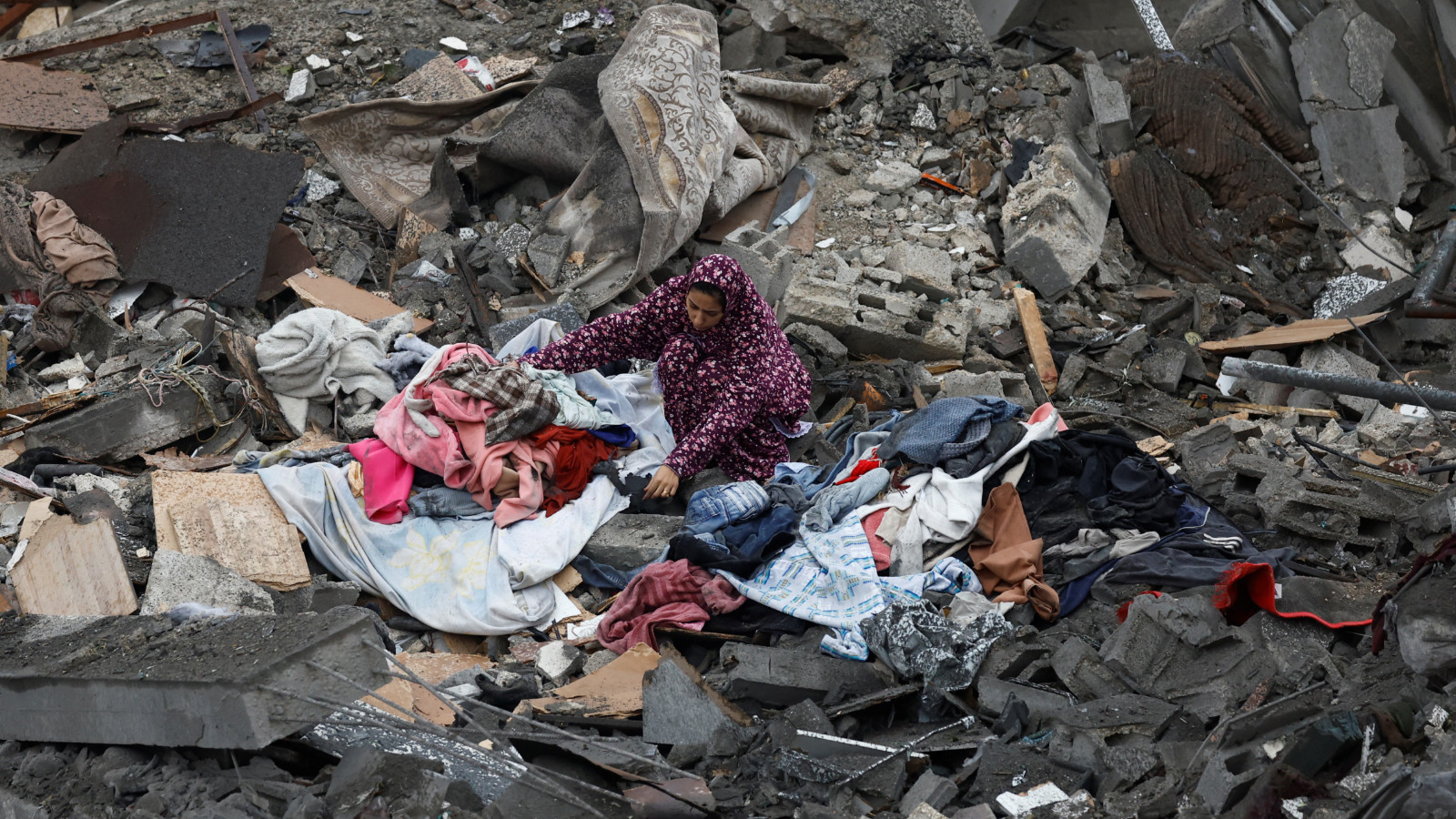
    The board’s launch coincides with deteriorating humanitarian conditions in Gaza, where Israeli restrictions on aid delivery have exacerbated a severe winter crisis. Recent rainstorms have destroyed thousands of tents and compromised structurally damaged buildings, leading to at least 31 winter-related Palestinian deaths, including 19 children from hypothermia. Since the October 2025 ceasefire, continued Israeli attacks have resulted in 450 Palestinian fatalities, adding to the overwhelming death toll of more than 71,400 Palestinians killed since October 2023.

  • Losar warmth in a new home

    Losar warmth in a new home

    China Daily Information Co (CDIC) has established stringent copyright protection protocols governing all digital content published through its platforms. The comprehensive policy explicitly prohibits unauthorized republication or utilization of any materials—including textual content, photographic imagery, and multimedia information—without obtaining formal written consent from CDIC.

    The organization maintains robust digital infrastructure requirements, recommending optimal viewing experiences through browsers supporting 1024*768 resolution or higher. This technical specification ensures consumers access content with maximum fidelity to original publishing standards.

    CDIC operates under formal regulatory frameworks, including Multimedia Online Publishing License 0108263 and Registration Number 130349, demonstrating compliance with China’s digital content distribution regulations. The company facilitates multiple engagement channels through dedicated sections for corporate information, advertising opportunities, employment inquiries (including expatriate positions), and general contact protocols.

    As an integrated information provider, CDIC emphasizes legal compliance while maintaining audience connectivity through standardized follow mechanisms across digital platforms. The copyright notice explicitly references foundational protections dating to 1994, establishing longstanding continuity in content governance practices.

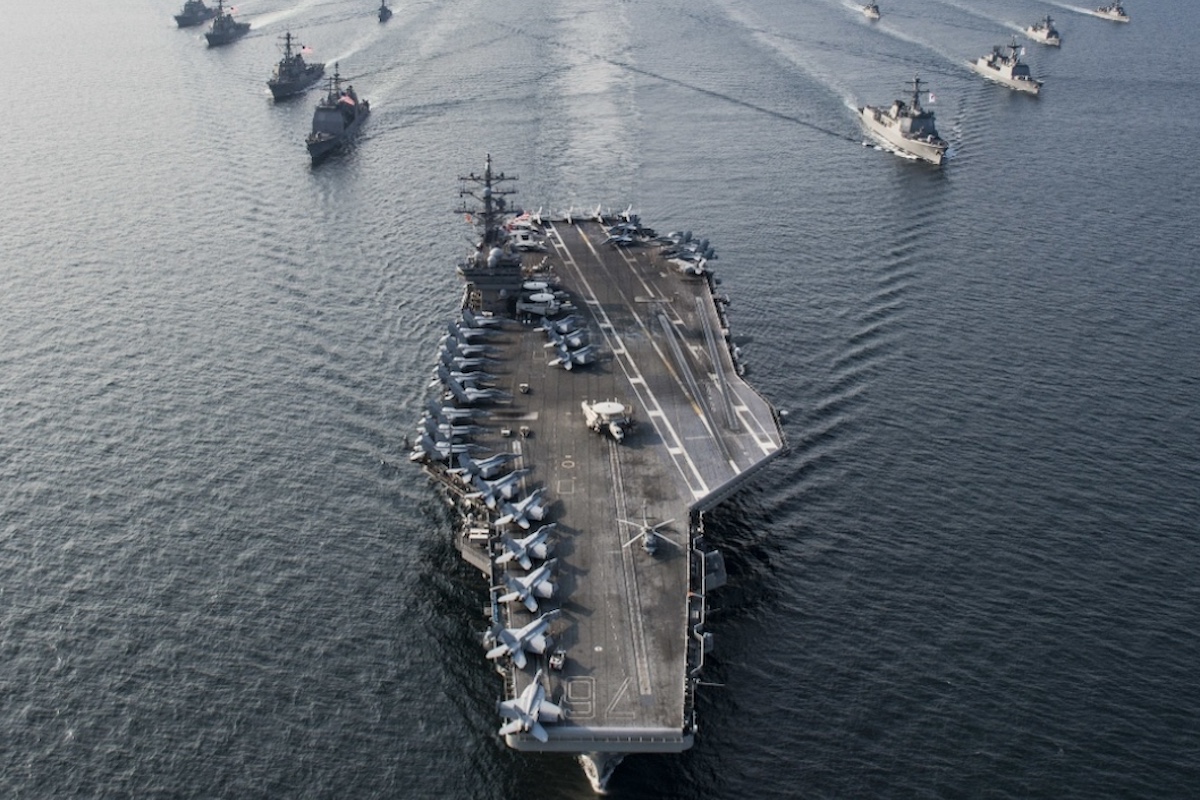
  • US paralysis on Iran crisis owes to Navy capacity gaps

    US paralysis on Iran crisis owes to Navy capacity gaps

    Escalating civil unrest across Iran has triggered a severe governmental crackdown, creating a complex geopolitical crisis with global implications. Nationwide protests erupted on December 28 amid deteriorating economic conditions, crippling sanctions, and widespread discontent over resource mismanagement. Iranian security forces, including the Revolutionary Guard Corps (IRGC) and Basij militia, have responded with violent suppression tactics including live ammunition and nationwide internet blackouts.

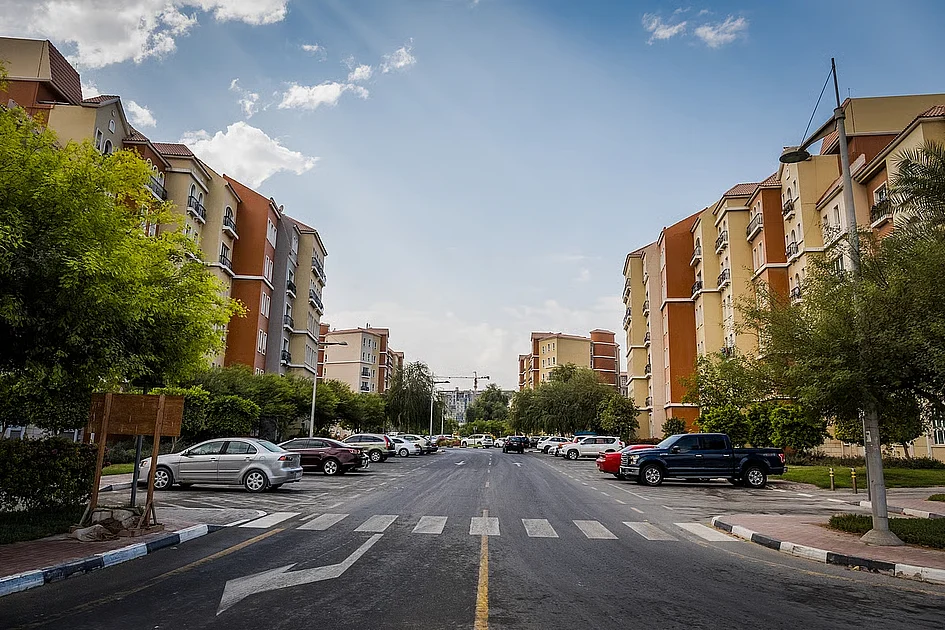
  • Paid parking in Discovery Gardens, registration deadline pushed after app issues reported

    Paid parking in Discovery Gardens, registration deadline pushed after app issues reported

    Dubai’s Discovery Gardens community has received a reprieve from paid parking enforcement following widespread technical difficulties with the Parkonic mobile application. The parking management company announced an extension of the registration deadline until 8pm on January 19th, 2026, after numerous residents reported persistent issues with vehicle registration and system synchronization.

    The implementation of paid parking, originally scheduled to commence on January 15th, will now activate on January 19th. This decision comes after Dubai Holding Community Management had previously established December 24th, 2025, as the opening date for free permit applications and January 9th for paid subscriptions.

    Residents expressed significant frustration with the technical shortcomings. D. Shah, one affected tenant, detailed problems including automatic removal of registered tenancies after app updates, inability to link vehicles to tenancies, and unresponsive customer support. Many worried about potential fines despite their efforts to comply with the new system.

    Parkonic acknowledged the challenges, stating: “We understand the frustration and want to reassure you that cases where registration cannot be completed due to activation or system synchronization steps are being handled with consideration during this phase.” The company emphasized that residents need not resubmit information as support teams process cases sequentially.

    The parking framework itself has sparked controversy regarding its pricing structure. Each residential unit without private parking receives one free permit, but additional vehicles require paid subscriptions costing 945 AED monthly or 2,625 AED quarterly. Visitor parking charges variable rates from 4-6 AED per hour, including Sundays—a point of contention among residents who note that parking is typically free on Sundays elsewhere in Dubai.

    Many residents, particularly those in what they describe as a middle-income community, have labeled the fees for additional vehicles “alarmingly high” and “an unfair financial burden.” Mohammad Ahamd, a tenant, emphasized that second vehicles often represent necessity rather than luxury for managing work commitments and family responsibilities.

    Despite these concerns, Parkonic clarified that pricing parameters and regulations were established through an approved framework with relevant stakeholders and authorities, not independently set by the company.

    Interestingly, the new system has received support from some residents who have already noticed improved parking availability. Many reported that 30-40% of parking spaces became available within a single day of registration, suggesting that unauthorized parking by non-residents had been a significant problem.

    Residents must provide title deeds, Ejari, and lease agreements to complete registration, with approval subject to document verification. Parking eligibility activation requires an authorized PIN received via email from Parkonic.