作者: admin

  • Who was El Mencho, Mexico’s most wanted man?

    Who was El Mencho, Mexico’s most wanted man?

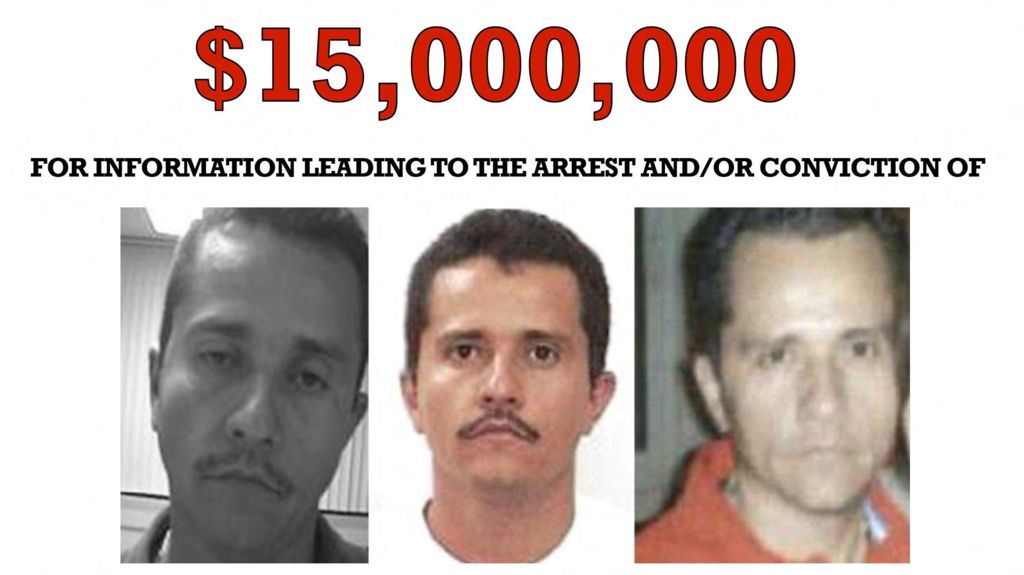
    The elimination of Nemesio Oseguera Cervantes, infamously known as ‘El Mencho,’ marks a pivotal moment in Mexico’s ongoing battle against organized crime. As the mastermind behind the Jalisco New Generation Cartel (CJNG), his death represents both a significant tactical victory for authorities and a potential catalyst for escalated violence across the nation.

    US intelligence agencies played a crucial role in the operation that brought down Mexico’s most feared cartel leader, demonstrating unprecedented cross-border cooperation between Mexican and American authorities. This joint effort underscores the international dimension of combating drug trafficking organizations that operate across national boundaries.

    In the immediate aftermath of El Mencho’s death, his organization has launched a coordinated campaign of violence and intimidation. From Guerrero on the Pacific coast to Tamaulipas in the northeast, cartel members have erected roadblocks and unleashed violence in at least eight Mexican states. The western state of Jalisco, the cartel’s home territory, has witnessed particularly severe unrest with masked gunmen setting fire to businesses in Guadalajara—a designated host city for the upcoming FIFA World Cup.

    Tourist destinations like Puerto Vallarta have been paralyzed as both visitors and residents shelter indoors awaiting the passing of this violent outburst. This widespread display serves dual purposes: demonstrating loyalty to the fallen leader and expressing fury toward government forces responsible for his elimination.

    The strategic vacuum left by El Mencho’s death raises critical questions about the future balance of power within Mexico’s criminal landscape. Historical patterns suggest that despite the removal of such influential figures, criminal organizations typically maintain continuity through well-established succession structures. The CJNG likely has several high-ranking lieutenants prepared to assume leadership, though replicating El Mencho’s unique combination of strategic vision and brutal effectiveness may prove challenging.

    El Mencho’s criminal career followed a trajectory common to many cartel leaders. Beginning with marijuana cultivation in his native Michoacán, he advanced through the criminal ranks during his time as an undocumented immigrant in California. Multiple arrests and eventual deportation shaped his development into a calculating and ruthless operator who ultimately built Mexico’s predominant criminal enterprise from the remnants of the fractured Milenio Cartel.

    His rise coincided with the decline of the Sinaloa Cartel following the extradition of Joaquín ‘El Chapo’ Guzmán. The CJNG strategically expanded its operations during this power transition, particularly capitalizing on the lucrative fentanyl trade that has become a primary concern for American authorities.

    The Sheinbaum administration now faces the complex challenge of managing both the security fallout from cartel violence and the diplomatic implications of deepened cooperation with the United States. This operation may temporarily alleviate pressure from Washington regarding cross-border fentanyl trafficking while potentially forestalling calls for unilateral American military action on Mexican soil—a proposition that has gained traction among some Republican policymakers.

    As Mexico processes the death of its most wanted criminal, the nation watches nervously to determine whether this represents a turning point in the drug war or merely another chapter in the cyclical violence that has long plagued the country.
  • US futures fall while Asian markets are mostly higher after the Supreme Court nixes Trump’s tariffs

    US futures fall while Asian markets are mostly higher after the Supreme Court nixes Trump’s tariffs

    Financial markets across Asia and the United States exhibited divergent reactions Monday following a landmark Supreme Court decision that struck down the majority of former President Donald Trump’s sweeping tariff policies. The ruling, which dismantled a key component of Trump’s trade architecture, triggered a complex recalibration of market positions globally.

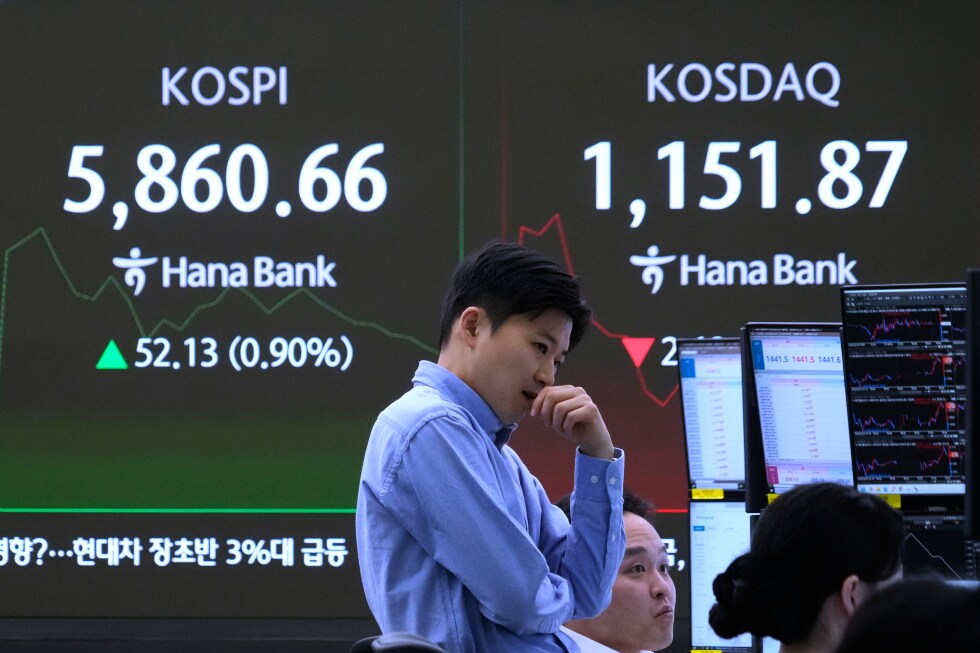
    Asian markets largely celebrated the judicial intervention, with Hong Kong’s Hang Seng Index leading regional gains by surging 2.2% to 27,003.47. South Korea’s Kospi advanced 1.1% to 5,873.07 while Taiwan’s Taiex jumped 1.4%. Conversely, China’s Shanghai Composite bucked the regional trend by declining 1.3% to 4,082.07, and Australia’s S&P/ASX 200 shed 0.4% to 9,041.00. Tokyo markets remained closed for a national holiday.

    The contrasting performances illustrated what Rabobank strategist Benjamin Picton described as “the winners-and-losers effect of shifts in tariff policy,” noting that the decision “delivered a boost to countries who previously had a comparatively bad deal.”

    U.S. futures signaled caution ahead of the Wall Street opening, with S&P 500 futures dropping 0.7%, Dow Jones Industrial Average futures falling 0.6%, and Nasdaq composite futures declining 0.8%. This contrasted with Friday’s relatively calm reaction on Wall Street itself, where the S&P 500 had actually risen 0.7% to 6,909.51 following the ruling.

    Despite the court’s decision, trade policy uncertainty persists as Trump announced alternative measures to maintain import taxes, including a potential 15% global tariff through executive action. “We have tariffs, we just have them in a different way,” Trump told reporters, indicating he would pursue tariffs through other legal avenues requiring Commerce Department investigations.

    Individual stocks reflected the ongoing market adjustments, with Akamai Technologies plummeting 14.1% despite strong earnings, as its profit forecast disappointed investors. The company plans increased spending on equipment investments, potentially reflecting broader economic impacts from AI-driven memory shortages.

    Meanwhile, economic indicators continued to present a complex picture with reports showing slowing U.S. economic growth alongside accelerating inflation. Traders maintained expectations of at least two Federal Reserve rate cuts this year, though Fed officials emphasized the need for further inflation reduction before supporting additional rate reductions.

    In commodity markets, U.S. benchmark crude declined 53 cents to $65.95 per barrel while Brent crude dropped 51 cents to $70.79. Precious metals rallied sharply with gold rising 1.9% and silver surging 5.5%, as currency markets saw the U.S. dollar soften against the yen and euro.

  • South Korea protests ‘Victory’ banner hung from Russian embassy

    South Korea protests ‘Victory’ banner hung from Russian embassy

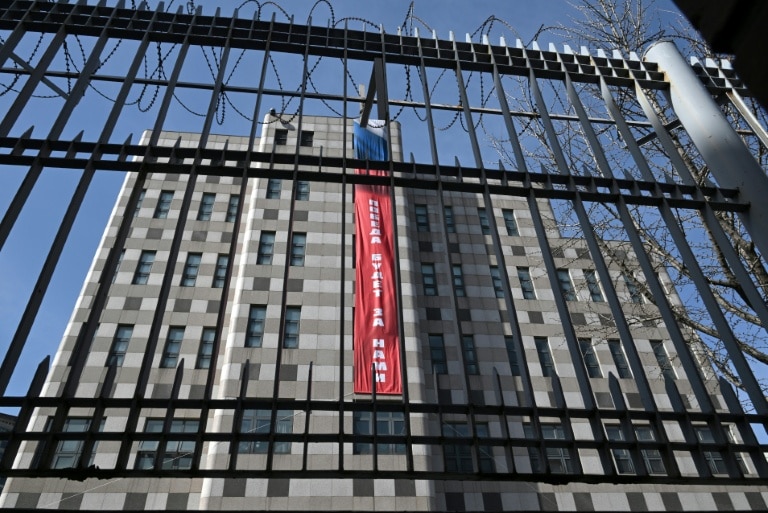
    South Korea has issued a formal diplomatic protest against Russia following the display of a contentious banner on the exterior wall of the Russian Embassy in Seoul. The banner, featuring the phrase \”Victory will be ours\” in Russian colors, appeared over the weekend coinciding with the four-year anniversary of Russia’s invasion of Ukraine.\n\nThe South Korean Foreign Ministry characterized the display as inappropriate given Seoul’s consistent position that \”Russia’s invasion of Ukraine is an illegal act.\” Officials confirmed they had communicated their objections to Russian representatives regarding both the banner and recent public statements made by Russian Ambassador Georgy Zinoviev.\n\nThe diplomatic friction intensifies amid reports that North Korea has dispatched thousands of troops to support Russian forces in Ukraine. South Korean intelligence estimates approximately 2,000 North Korean soldiers have been killed in combat operations. Ambassador Zinoviev had previously praised North Korean contributions to Russian military efforts in the Kursk region, comments that drew sharp criticism from Seoul.\n\nSouth Korea considers the growing military cooperation between Moscow and Pyongyang a \”serious threat to our national security,\\” particularly given the technically unresolved state of war between the Koreas since the 1950-53 conflict ended with an armistice rather than a permanent peace treaty. Analysts suggest North Korea receives financial assistance, military technology, and essential supplies in exchange for its troop deployments.\n\nNeither the Russian nor Ukrainian embassies in Seoul provided immediate commentary on the developing situation as diplomatic tensions continue to escalate.

  • What’s behind Israel’s ‘special relationship’ with India?

    What’s behind Israel’s ‘special relationship’ with India?

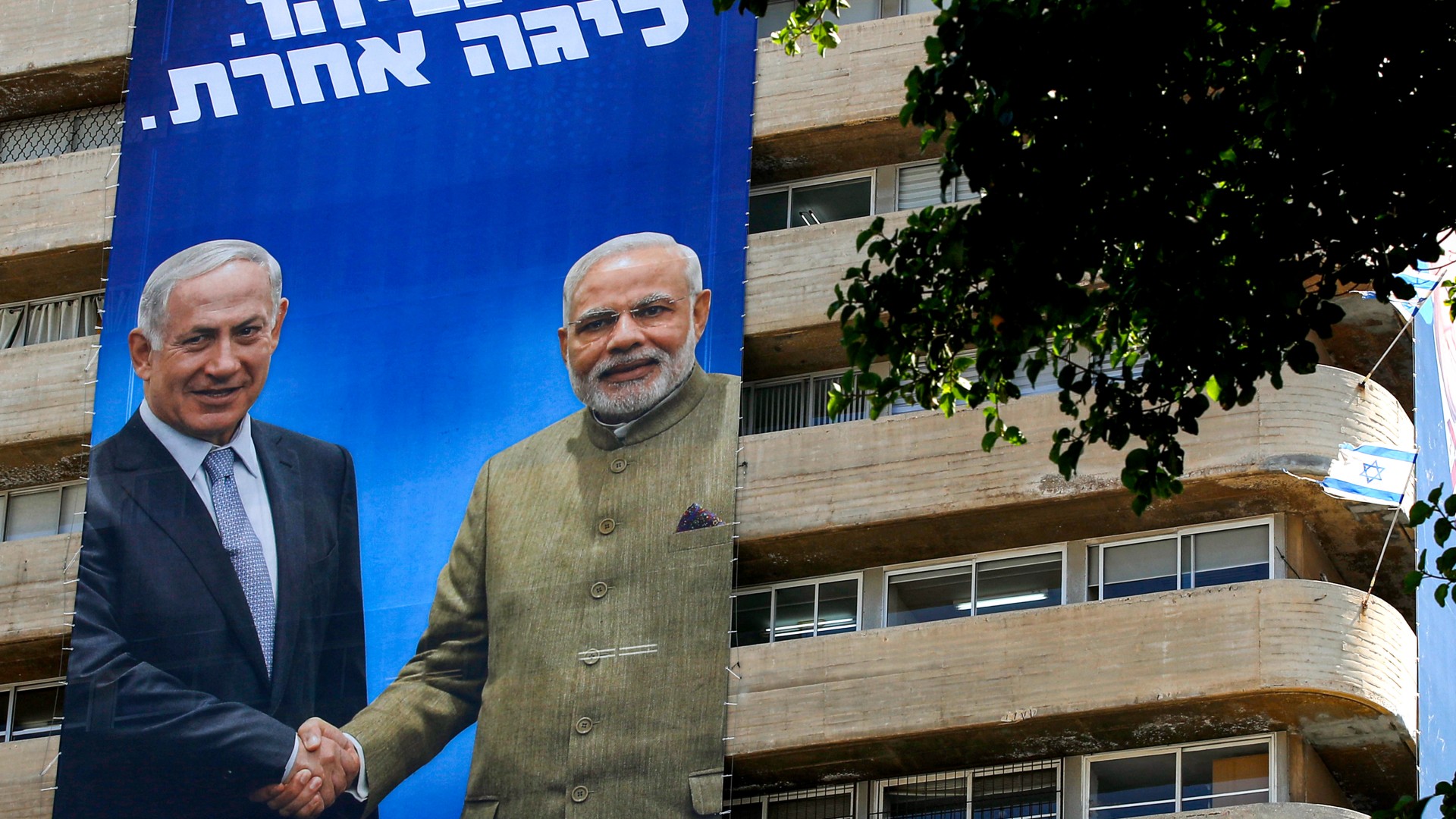
    Indian Prime Minister Narendra Modi’s upcoming two-day visit to Israel marks a significant moment in the deepening strategic partnership between the two nations. The visit, described by Israeli Prime Minister Benjamin Netanyahu as highlighting a “special relationship,” comes at a critical juncture in Middle Eastern geopolitics, with escalating tensions with Iran and ongoing conflict in Gaza.

    The relationship between India and Israel has evolved substantially since Netanyahu’s landmark 2017 visit to India, which established the countries as strategic partners in water and agriculture. Modi’s current visit represents a continuation of this growing alliance, particularly in defense and technology sectors.

    Over the past decade, India has emerged as the largest purchaser of Israeli weapons systems, with defense purchases increasing by 175% between 2015-2019. The partnership extends beyond mere transactions to include co-production agreements and technology transfer, supporting Modi’s “Make in India” initiative for military modernization and indigenous manufacturing.

    The timing of the visit is strategically significant for both leaders. Netanyahu faces elections in nine months and benefits from demonstrating strong international alliances, while Modi reinforces his global stature and strategic outreach to the Global South. The visit includes addressing the Israeli Knesset—an honor reserved for special guests—and meetings focused on technology innovation in Jerusalem.

    Notably absent from the itinerary are visits to occupied Palestinian territories, reflecting India’s policy under Modi to “de-hyphenate” Israel and Palestine relations, despite India’s official commitment to a two-state solution.

    The countries recently signed a Bilateral Investment Agreement aimed at protecting mutual investments and advancing broader economic integration. Discussions during the visit are expected to focus on expanding cooperation in intelligence, weapons development, anti-ballistic missile systems, and emerging technologies including artificial intelligence and quantum computing.

    Netanyahu has articulated a vision of forming a “hexagon” of alliances involving India, Arab nations, African countries, Mediterranean states, and Asian partners, seen as an effort to create a pro-Western, anti-Iran economic and strategic bloc building on the India-Middle East-Europe Economic Corridor.

    While the visit has been celebrated in mainstream Indian media, it has also prompted concerns and protests from Palestinian advocates within India, met with government crackdowns. The opposition Indian National Congress has criticized the lack of transparency surrounding the visit rather than the substance of the relationship itself.

  • Shaping a human-centric future for AI – AI Impact Summit 2026

    Shaping a human-centric future for AI – AI Impact Summit 2026

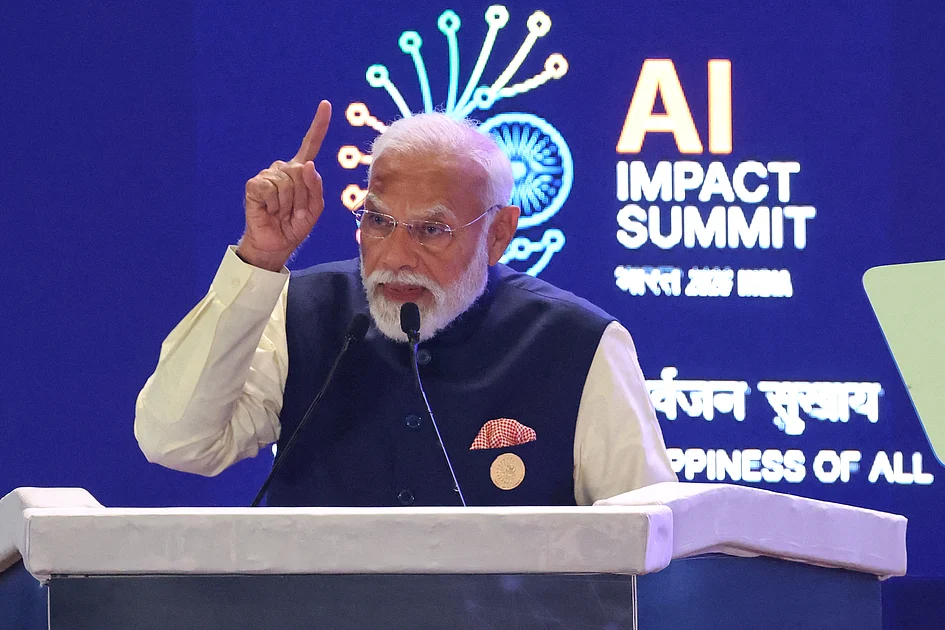
    New Delhi hosted a landmark convergence of global leadership at the AI Impact Summit 2026, marking a pivotal chapter in technological history. Prime Minister Narendra Modi welcomed representatives from over 100 nations alongside innovators and thousands of youth participants, creating what organizers described as the world’s most democratized AI gathering.

    The summit positioned artificial intelligence as a civilization-altering force comparable to fundamental discoveries like fire and electricity, but with unprecedented acceleration. Unlike previous technological revolutions, AI’s transformative effects are unfolding within weeks rather than decades, creating both extraordinary opportunities and urgent challenges.

    Central to the discussions was India’s philosophical shift toward human-centric AI development. The principle of ‘Sarvajana Hitaya, Sarvajana Sukhaya’ (Welfare for All, Happiness of All) formed the ethical foundation for conversations about AI’s global role. This approach contrasts with machine-centric models, emphasizing technology as an amplifier of human potential rather than a replacement for human agency.

    India demonstrated practical implementations through case studies including ‘Sarlaben,’ an AI-powered digital assistant serving 3.6 million dairy farmers with real-time guidance in local languages. Another platform, Bharat Vistaar, provides multilingual agricultural information to empower farmers with crucial data from weather patterns to market dynamics.

    The summit’s most significant contribution emerged as India’s ‘Manav’ framework for global AI governance. This comprehensive structure establishes five pillars: Moral and Ethical Systems for ethical guidelines, Accountable Governance through transparent oversight, National Sovereignty regarding data rights, Accessible and Inclusive implementation to prevent monopolization, and Valid and Legitimate systems adhering to verifiable legal standards.

    Addressing critical trust challenges, Prime Minister Modi proposed authenticity labeling for digital content analogous to nutritional labels on food products. This initiative responds to growing concerns about deepfakes and disinformation threatening democratic societies. India has already implemented legal requirements for labeling synthetically generated content.

    The summit highlighted India’s substantial infrastructure investments under the India AI Mission, including deployment of thousands of GPUs and establishment of a national AI Repository. These developments enable even small startups to access world-class computing power at affordable rates, potentially reshaping the global innovation landscape.

    With its unique combination of demographic dynamism, democratic values, and technological ambition, India positioned itself as a testing ground for inclusive AI solutions. The country’s invitation to global innovators—’Design and develop in India. Deliver to the world’—signals its aspiration to become the epicenter of human-centric artificial intelligence development.

  • Pakistan claim of killing 80 militants ‘false’: Afghan security source

    Pakistan claim of killing 80 militants ‘false’: Afghan security source

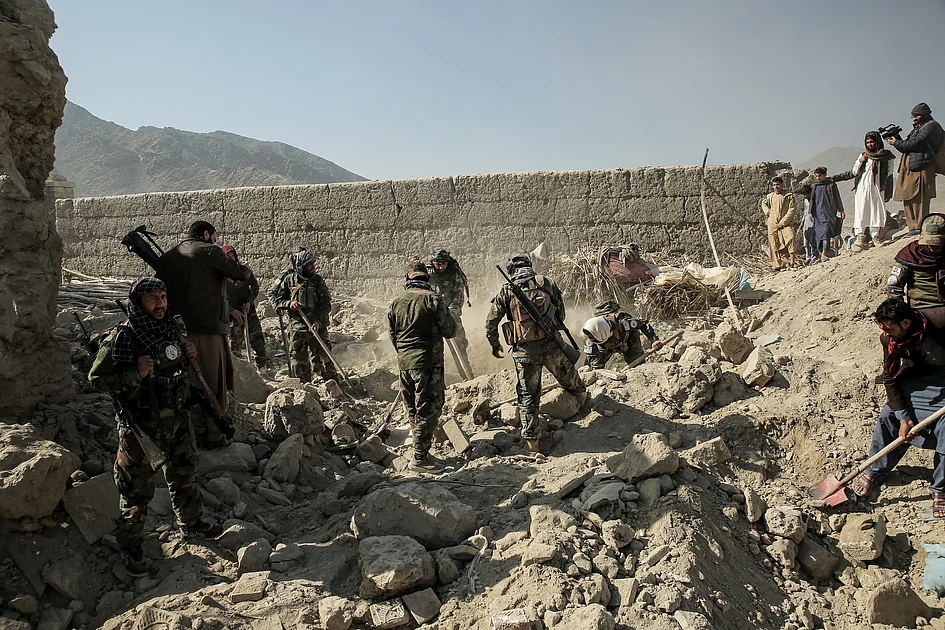
    A senior Afghan security official has categorically rejected Pakistan’s assertion that its recent military strikes in Afghanistan resulted in the deaths of approximately 80 militants. Speaking to AFP on Sunday under conditions of anonymity, the source within the Taliban-led government described the casualty figures presented by Pakistani authorities as “false and imaginary.

    The dispute centers around cross-border operations conducted by Pakistani forces, which have escalated tensions between the neighboring nations. While Pakistan maintains its operations successfully targeted militant hideouts, Afghan officials present a starkly different account.

    According to local authorities in Afghanistan, the strikes resulted in at least 18 confirmed fatalities, including several children. This significant discrepancy in casualty reports highlights the ongoing information warfare accompanying military actions in the restive border region.

    International journalists stationed in Afghanistan have been unable to independently verify either side’s claims due to the remote and dangerous nature of the conflict zones. The lack of transparent access to these areas continues to complicate objective assessment of military operations and their outcomes.

    The incident represents the latest flare-up in long-standing tensions between Pakistan and Afghanistan regarding border security and militant activity. Both nations have historically accused each other of insufficient action against armed groups operating in their respective territories.

  • AFL 2026: Melbourne captain Max Gawn opens up on the rule changes

    AFL 2026: Melbourne captain Max Gawn opens up on the rule changes

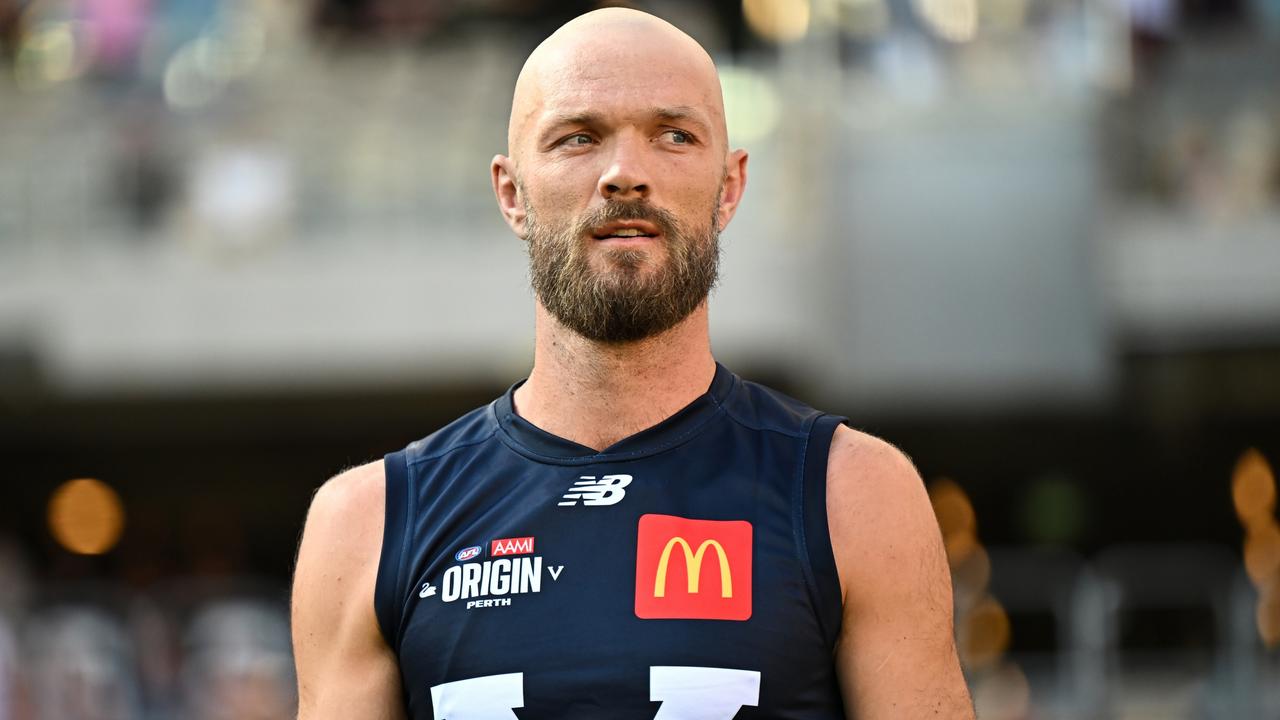
    Melbourne Demons captain Max Gawn, an eight-time All Australian ruckman, finds himself returning to fundamental study of his craft as new AFL regulations present unexpected challenges late in his distinguished career. The 34-year-old skipper acknowledges the league’s rule modifications—particularly mandatory jumping at center ball-ups and reduced throw-ins due to the new last disposal between arcs rule—have delivered what he describes as a professional “curveball.” Despite his reservations about the changes, Gawn demonstrates adaptability by committing to refine his techniques during his 17th season. The veteran athlete has resumed analyzing game footage, though he notes the limited sample size of available visuals showing the new rules in action. Gawn maintains that while he doesn’t personally favor the rule adjustments, their implementation necessitates strategic adaptation. He anticipates particularly testing the boundaries of legal ruck craft against more athletic opponents like Luke Jackson, acknowledging that pure jumping ability alone shouldn’t determine ruck dominance. Gawn remains confident in his overall contribution, emphasizing that his marking prowess around the ground will continue to provide significant value to his team alongside any adjusted ruck techniques.

  • Kim Jong Un re-appointed leader of North Korea’s ruling party

    Kim Jong Un re-appointed leader of North Korea’s ruling party

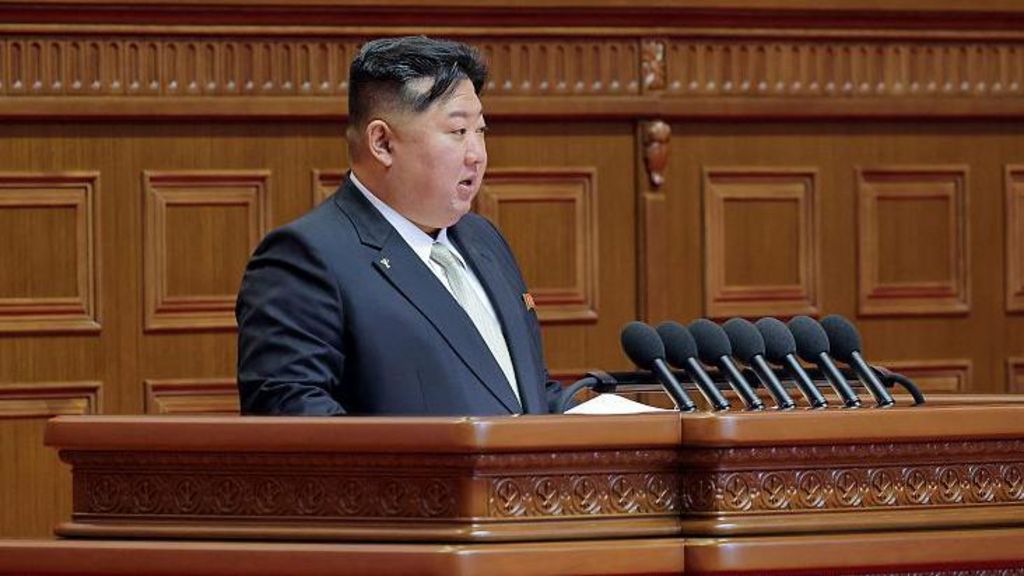
    North Korea’s ruling Workers’ Party has unanimously reconfirmed Kim Jong Un as its General Secretary during the ongoing Ninth Party Congress, reinforcing his position at the helm of the authoritarian regime. The assembly, which commenced on February 19th and occurs quinquennially, brings together approximately 5,000 party delegates in a highly orchestrated display of political consolidation.

    In his inaugural address, Chairman Kim emphasized dual national priorities: enhancing economic conditions and elevating living standards for citizens, while simultaneously advancing the country’s military capabilities. State media outlet KCNA reported significant improvements in national ‘war deterrence’ capacities, centering around nuclear development. However, the opaque nature of the regime makes independent verification of these claims virtually impossible.

    The congress provides rare insight into North Korea’s political machinery, revealing substantial reshuffling within the presidium—the executive committee. Over half of its 39 members have been replaced since the previous convention in 2021, indicating possible strategic realignments or internal consolidation of power.

    Anticipating potential announcements regarding the nuclear program, the regime recently showcased new nuclear-capable rocket launchers. These developments unfold against a backdrop of persistent international sanctions aimed at curbing Pyongyang’s weapons proliferation.

    Attention also focuses on Kim Jong Un’s daughter, Ju Ae, whose repeated appearances at high-profile events—including military inspections and diplomatic functions—fuel speculation about her potential role as a political successor, as suggested by South Korean intelligence.

  • Severe weather to drench NSW with intense rainfall and flash flood risk

    Severe weather to drench NSW with intense rainfall and flash flood risk

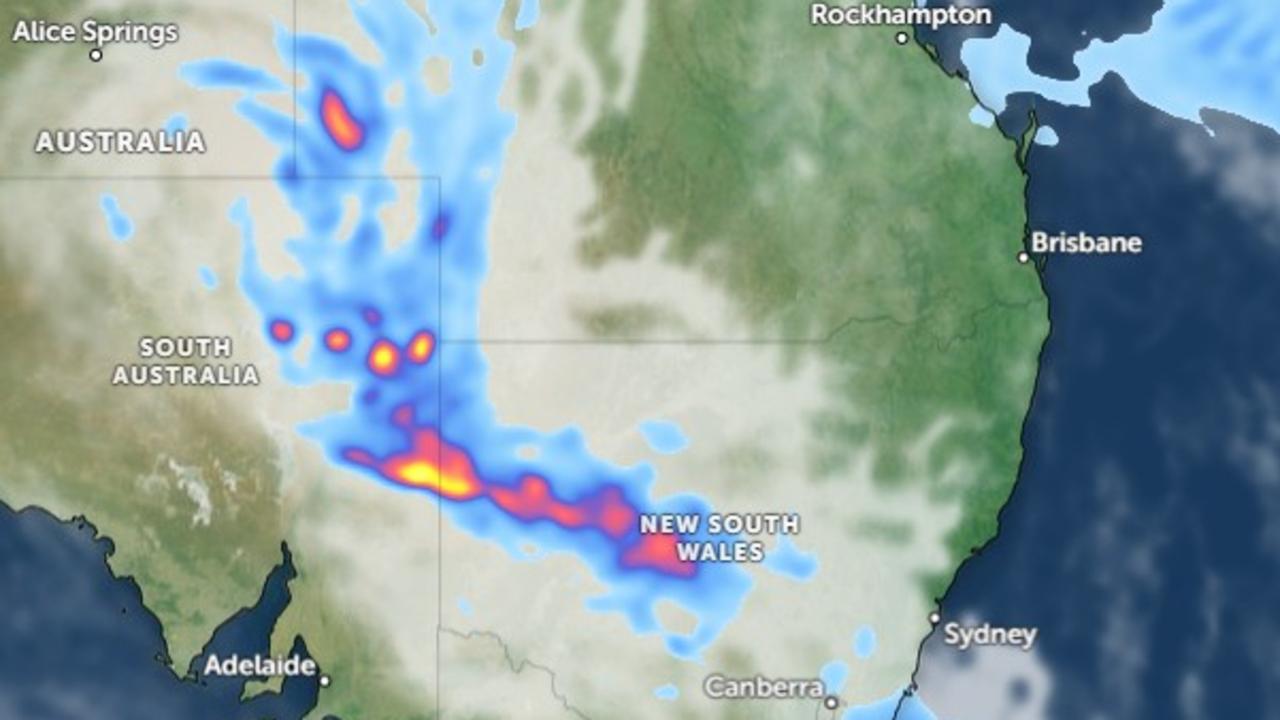
    Meteorological authorities have issued urgent warnings for Australia’s New South Wales region as an extreme weather system threatens to unleash dangerous conditions through Thursday. The Bureau of Meteorology has elevated alerts to severe levels, particularly for the Upper Western District near the South Australian border, where intense rainfall could trigger significant flash flooding events.

    Senior meteorologist Dean Narramore from the Bureau provided concerning projections, indicating widespread rainfall accumulations of 100-200mm across affected regions, with isolated areas potentially receiving 250-300mm by week’s end. Such precipitation levels are expected to create major flooding conditions and substantial operational challenges for emergency services.

    The developing situation stems from an unusual convergence of meteorological phenomena. A persistent tropical low-pressure system originating from central inland Australia has been interacting with a cold front and upper trough system, creating optimal conditions for sustained heavy precipitation and severe thunderstorms.

    Specific communities including Tibooburra, White Cliffs, Wanaaring, Louth, Tilpa and Fords Bridge have been identified as high-risk zones. Preliminary data shows Tibooburra already received 20mm of rainfall within hours since Monday morning, providing a precursor of more substantial rainfall to come.

    The weather system’s influence extends beyond immediate flood concerns. Sydney residents should prepare for increased precipitation probabilities, with forecasts indicating 60% chance of rainfall by Wednesday, escalating to 70% likelihood during the weekend alongside seasonal temperatures ranging from 22°C to 30°C.

    Authorities have expanded monitoring efforts, issuing Flood Watch advisories across multiple jurisdictions including Queensland, South Australia and the Northern Territory, indicating the broad geographical impact of this developing weather pattern.

  • Impressive Del Toro takes statement victory in UAE

    Impressive Del Toro takes statement victory in UAE

    In a stunning display of cycling prowess, 22-year-old Mexican sensation Isaac Del Toro captured the overall title at the UAE Tour on Sunday, delivering a performance that signals the arrival of a major new force in professional cycling. While Italian sprinter Jonathan Milan claimed his third stage victory of the week in the final 147km leg around Abu Dhabi, it was Del Toro’s comprehensive dominance that captured the spotlight.

    The young Mexican prodigy secured his victory with a commanding 20-second margin over Italian rider Antonio Tiberi, while Australia’s Luke Plapp finished nearly a minute behind in third position. Del Toro’s triumph was built on multiple strengths—winning two stages during the weeklong event while demonstrating exceptional versatility across different racing disciplines.

    Del Toro’s development trajectory draws compelling parallels with cycling superstar Tadej Pogacar, who previously won this same Emirati race. Both riders emerged from the UAE development system and both claimed victory at the Tour de l’Avenir—the prestigious junior version of the Tour de France—before transitioning seamlessly into professional success. Del Toro continued this pattern by achieving victories in his very first professional races, including the 2024 Tour Down Under.

    What makes Del Toro particularly remarkable is his multi-dimensional racing capability. He has demonstrated excellence in time trials, mountain climbing—evidenced by his second-place finish in the recent Giro d’Italia—and now even sprinting, having outperformed dedicated sprinters in the tour’s opening stage.

    The Mexican’s breakthrough performance stood in stark contrast to the disappointing outing by Olympic champion Remco Evenepoel, who entered as Del Toro’s primary rival. The Belgian star, recently transferred to the Red Bull–BORA–Hansgrohe team, struggled throughout the tour’s key mountain stages at Jebel Mobrah and Jebel Hafeet, ultimately finishing tenth overall. Evenepoel cited illness and lack of freshness as contributing factors to his underwhelming performance.

    With this statement victory, Del Toro has positioned himself as a rider to watch in the upcoming Grand Tours, particularly his anticipated Tour de France debut in July. His comprehensive skill set and mental fortitude suggest cycling may have discovered its next transcendent talent.