作者: admin

  • Death toll in Sri Lanka’s prison clash rises to 26, with another 77 in hospital

    Death toll in Sri Lanka’s prison clash rises to 26, with another 77 in hospital

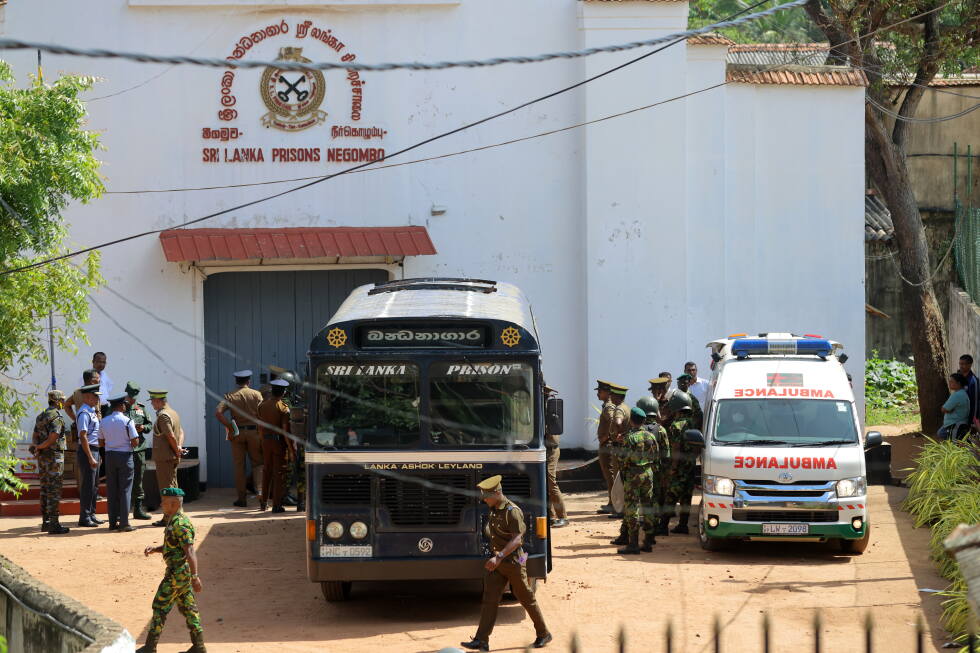
    A violent confrontation inside a Sri Lankan correctional facility has ended in one of the deadliest prison incidents in the country’s recent history, with the official death toll rising to 26 by Tuesday, according to government updates. The tragedy unfolded at the Negombo Prison, located roughly 35 kilometers north of the island nation’s capital, Colombo, and has left authorities grappling to uncover what triggered the widespread unrest.

    The chaos first began on Sunday as a dispute between rival groups of incarcerated people, before escalating into full-scale violence on Monday when inmates turned on responding prison guards, Justice Minister Harshana Nanayakkara confirmed to parliament. During the height of the unrest, inmates attempted to breach the prison’s main entrance to escape, but security personnel successfully blocked the breakthrough attempt, officials added.

    By Tuesday’s update, 19 inmates and seven correctional officers were confirmed dead, while another 77 people — 23 prison staff and 54 incarcerated individuals — remain hospitalized for injuries sustained during the clashes. Nanayakkara labeled the event an unambiguous “tragic incident,” though he declined to share detailed specifics on the causes of death or the nature of the wounds suffered by those impacted.

    Officials have since confirmed that the initial conflict broke out between two rival gangs tied to the illegal drug trade operating inside the prison. By Monday evening, order had been partially restored, and the inmates identified as leaders of the violence were transferred to other correctional facilities across the country to prevent further unrest.

    In response to the deadly incident, the Sri Lankan government has launched three parallel independent investigations to get to the root of the clash. Alongside an internal administrative review by the national prison department and a formal criminal probe led by national police, a special independent committee headed by a retired judge will also conduct a separate inquiry. Nanayakkara told lawmakers that the probes will examine a range of potential contributing factors, including possible security failures, the role of severe overcrowding that has plagued Sri Lanka’s prison system for years, and systemic gaps that allowed the violence to escalate to such a deadly scale. The overarching goal of the investigations, he added, is to implement reforms that will prevent similar tragedies from occurring in the future.

    Footage and on-the-ground reporting from Tuesday showed hundreds of distraught family members gathering outside both the Negombo Prison and local hospitals, crying and pleading with officials for updated information on the status of their incarcerated loved ones. Many have been left waiting for hours with no clear updates, amplifying grief and anxiety among the affected community.

    In the wake of the clash, security around the Negombo Prison has been significantly bolstered. Authorities have deployed additional army troops to the site, along with armored vehicles, to secure the facility and prevent any further outbreaks of violence.

    Longstanding systemic overcrowding has been a well-documented crisis in Sri Lanka’s prison system for decades. Current official data shows the system holds more than 39,000 incarcerated people, despite having a designed maximum capacity of just 10,000. Correctional reform advocates have repeatedly warned that this severe overcrowding elevates the risk of gang violence, the spread of contraband including illegal drugs, and violent clashes between inmates and security staff.
  • Explosions rock Damascus, wounding 18, as French President Macron visits Syria

    Explosions rock Damascus, wounding 18, as French President Macron visits Syria

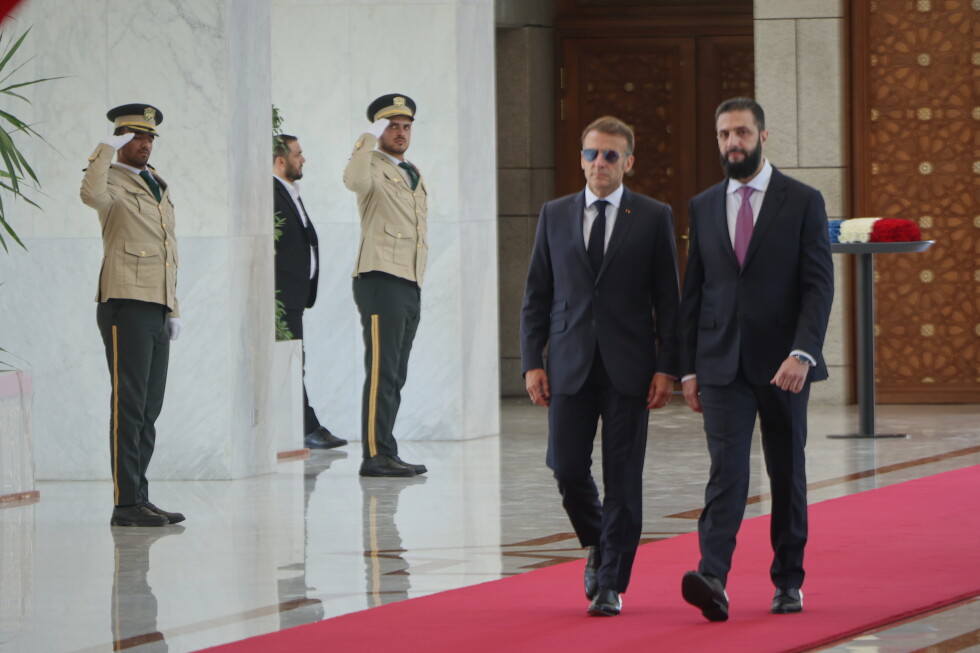
    DAMASCUS, Syria – Two coordinated explosive device attacks shook central Damascus on Tuesday, as French President Emmanuel Macron held a landmark meeting with Syria’s new President Ahmad al-Sharaa, leaving at least 18 people injured, Syria’s Interior Ministry confirmed. The incident marks the second major deadly explosion in the capital in less than a week, throwing a shadow over efforts to stabilize the war-battered nation and rebuild its economy following 14 years of conflict.

    According to Syrian Interior Ministry statements carried by state media, the two blasts detonated in a busy central district of Damascus, just a short distance from the Four Seasons Hotel where Macron was confirmed to be staying, and close to the presidential palace where the meeting between the two leaders was taking place. One explosive device was hidden inside a public garbage bin, while the second was placed in a parked car. Four of the 18 injured people are active-duty police officers, and official sources confirmed no fatalities had been reported as of Tuesday afternoon. Local security forces have cordoned off the blast site to launch a full investigation into the attack, and no group has yet claimed responsibility for the assault.

    Footage of the incident widely shared across social media platforms captured a large plume of black smoke rising from the attack zone, which sits steps from the Syrian Tourism Ministry headquarters and the Damascus National Museum. The footage also shows a van and a motorcycle engulfed in flames, with visible blood stains on the pavement of the busy commercial street. Immediately following the blasts, the Élysée Palace issued a statement confirming that Macron was unharmed and that his scheduled meeting with al-Sharaa was proceeding as planned.

    Macron’s visit to Syria is unprecedented in modern Syrian-Western relations: he is the first leader of a major Western power to travel to Damascus since al-Sharaa took power in 2024, after leading an insurgency that ousted long-time authoritarian ruler Bashar Assad. Macron arrived in the country on Monday night accompanied by a large delegation of French business and economic leaders, with plans to sign a series of bilateral memorandums of understanding aimed at opening the door for foreign investment to support Syria’s reconstruction.

    The French president has been a leading voice among Western leaders pushing for the European Union and United States to lift the majority of economic sanctions imposed on Syria over decades of conflict and authoritarian rule. Al-Sharaa’s new administration has made attracting foreign reconstruction investment a top priority, after 14 years of war left the country’s infrastructure in ruins, displaced millions of people, killed nearly half a million, and left millions more trapped in poverty. Independent analysts estimate Syria will require hundreds of billions of dollars in total investment to fully rebuild.

    The attack comes just days after a separate explosive device detonated at a cafe near the Damascus Justice Palace, which killed at least 10 people and wounded more than 20. For al-Sharaa, the repeated blasts in the capital represent a major setback to his efforts to consolidate full control over Syrian territory, restore nationwide stability, and build trust with Western governments and domestic minority groups skeptical of his background as the leader of Hayat Tahrir al-Sham, a group once linked to al-Qaeda. Al-Sharaa’s government has committed to sweeping political and economic reforms after decades of autocratic rule, and until this recent string of attacks, the capital had remained largely peaceful through the post-Assad transition period, even as the new administration faced scattered clashes with armed factions in outlying regions.

    Before heading to his meeting at the presidential palace on Tuesday, Macron held a closed-door session with members of Syrian civil society. The Élysée Palace has not released details on the participants or content of that meeting. Macron is scheduled to depart Damascus this week to travel to Ankara, Turkey, to attend the upcoming NATO summit.

  • Watch: Moment rare tornado lashes central Chinese cities

    Watch: Moment rare tornado lashes central Chinese cities

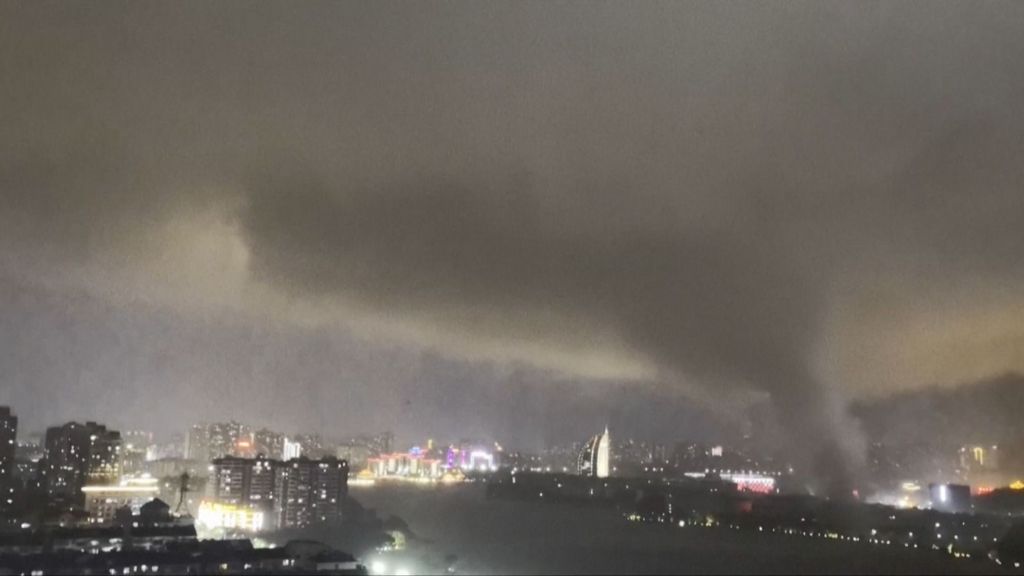
    A rare and unexpected tornado has swept through two central Chinese cities located in Hubei province, leaving dramatic footage of the destructive weather event in its wake. User-generated videos of the storm, which impacted both Ezhou and Huanggang, have been shared with British public broadcaster BBC, capturing the intense power of the rare twister as it moved through the populated urban areas.

    In the recorded footage, large pieces of debris can be seen being hurled through the air by the tornado’s powerful winds, a clear demonstration of the extreme force the storm brought to the region. Tornadoes are relatively uncommon in central China, making this sudden weather event an unusual and notable occurrence for local communities and meteorological observers alike.

    As the footage circulated, it provided a stark first-hand look at how the sudden severe weather disrupted daily life in the two affected cities. While full details on damage assessments and potential impacts to local infrastructure and residents have not been released in the initial reporting, the video documentation has brought global attention to this rare severe weather event in central China.

  • Big four banks rally but fail to stop miners dragging down ASX

    Big four banks rally but fail to stop miners dragging down ASX

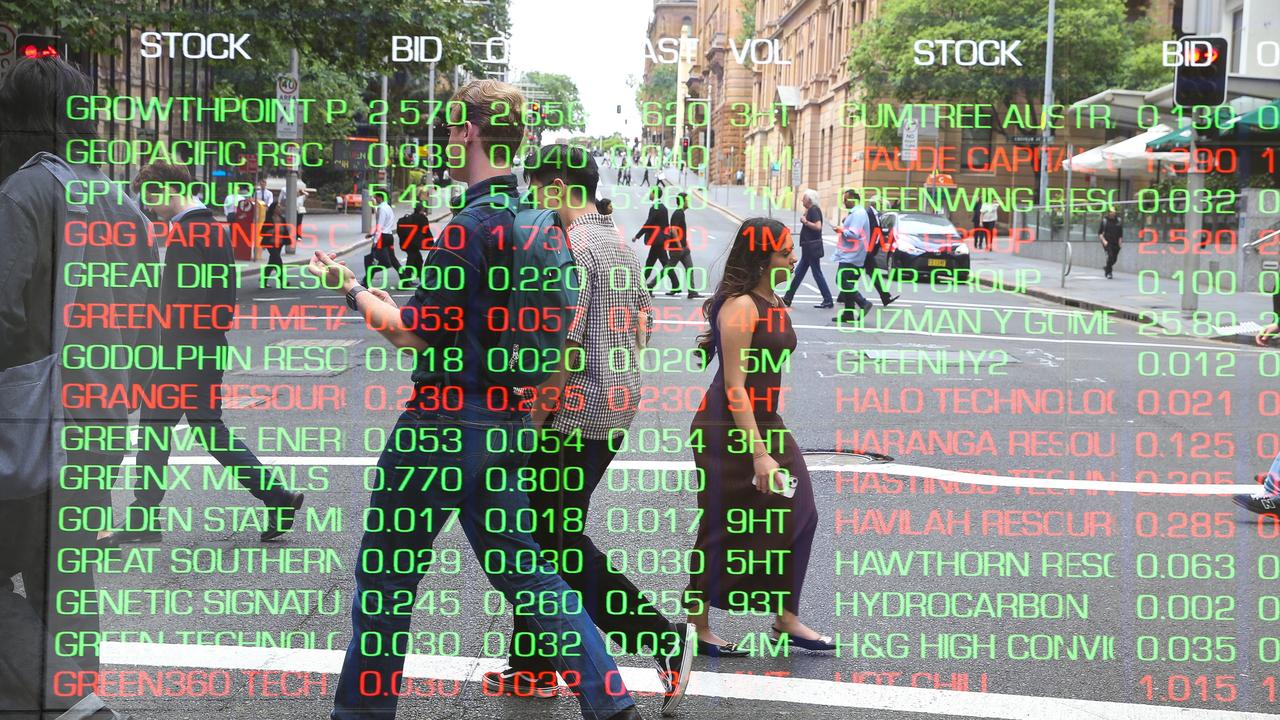
    The Australian share market closed in negative territory on Tuesday, dragged down by two major global shocks: a projectile attack on a Qatari LNG carrier in the strategic Strait of Hormuz that sent crude oil prices surging, and unexpected volatility in global tech markets following mixed results from Samsung Electronics. The benchmark ASX 200 index shed 27.10 points, or 0.31%, to settle at 8803.90, while the broader All Ordinaries index dropped 32.30 points, or 0.36%, to close at 9004.70. The Australian dollar also edged lower, declining 0.17% against the U.S. dollar to trade at 69.43 U.S. cents.

    Seven of the 11 major sectors tracked on the ASX recorded losses for the session, with the materials sector – led by large-scale mining and gold producers – suffering the steepest declines. Major miners slumped an average of 2.64% as rising energy costs increased operational expenses for the resource extraction industry. BHP shares fell 1.92% to $58.87, Rio Tinto declined 1.77% to $168.14, and Fortescue Metals Group slipped 0.76% to $18.38.

    The attack on the Qatari state-owned LNG carrier, which occurred as the vessel transited the Strait of Hormuz – a critical global energy chokepoint through which roughly 20% of the world’s oil and LNG supplies pass – pushed Brent crude oil prices up 1.2% to a one-week high of $72.85 U.S. per barrel. The oil price surge also spilled over to gold markets, pulling gold prices down 0.8% to $4130 U.S. per ounce. That decline hit gold producers hard: Northern Star Resources dropped 5.10% to $20.66, Evolution Mining fell 5.31% to $11.94, and Newmont declined 2.43% to $137.61. Rare earths miner Lynas Rare Earths also closed 6.37% lower at $16.91, following its announcement of a $50 million ordinary equity investment in JS Link to support construction of a new magnet processing factory in Malaysia.

    Losses across the materials and mining space were partially offset by strong gains for Australia’s four largest retail banks. Commonwealth Bank of Australia rose 1.24% to $166.70, Westpac Banking Corporation surged 2.38% to $36.13, National Australia Bank jumped 1.47% to $39.22, and ANZ Group added 1.26% to $35.44.

    Beyond the energy market disruption, the ASX also faced downward pressure from broad weakness in overseas equity markets. U.S. futures traded in negative territory during Australian trading hours, with Nasdaq 100 futures down 0.7%. In South Korea, the tech-heavy KOSPI index plummeted 8% in early trading, triggering a 20-minute market-wide circuit breaker that halted all trading activity. The sell-off was sparked by unexpected investor reaction to Samsung Electronics’ quarterly results: even though the global tech giant projected a 19-fold jump in second-quarter operating profit, its share price still fell 8% on the day, dragging down broader market sentiment.

    Marc Jocum, senior product and investment strategist at Global X, noted that the domestic Australian economic calendar is unusually light this week, leaving local markets highly sensitive to offshore market developments. “That leaves the Australian share market vulnerable to every twist in the global narrative, whether it’s developments in the Middle East, Asian market volatility, or the resilience of the AI trade, with overseas headlines likely to matter more than domestic data over the coming days,” Jocum explained.

    Despite the overall market downturn, a number of individual stocks posted notable gains on Tuesday. Logistics technology firm WiseTech Global saw its shares soar 5.65% to $37.37, after billionaire founder Richard White announced he would step down from his role as executive chairman. White will retain a seat on the company’s board and will take up the new position of chief innovation officer. Media companies Nine Entertainment and Sky New Zealand both closed higher after announcing they had secured joint broadcast rights for both men’s and women’s NRL competitions from 2028 to 2034 for their respective home markets. Nine’s shares gained 0.50% to $0.92, while Sky New Zealand’s rallied 3.75% to $2.77. Wealth management firm Netwealth also climbed 6.73% to $24.43 after upgrading its forecast for funds under administration, projecting growth of between 17% and 30% by the 2027 financial year. Finally, casino operator Star Entertainment gained 1.05% to $0.096 after announcing it had settled a long-running tax dispute with the Australian Taxation Office (ATO) related to pre-2020 junket operations. As part of the settlement, Star will receive a $33 million refund from the $88 million it had previously paid to the tax office to resolve the dispute.

  • Militants kill 9 police officers in attack on post in southwest Pakistan

    Militants kill 9 police officers in attack on post in southwest Pakistan

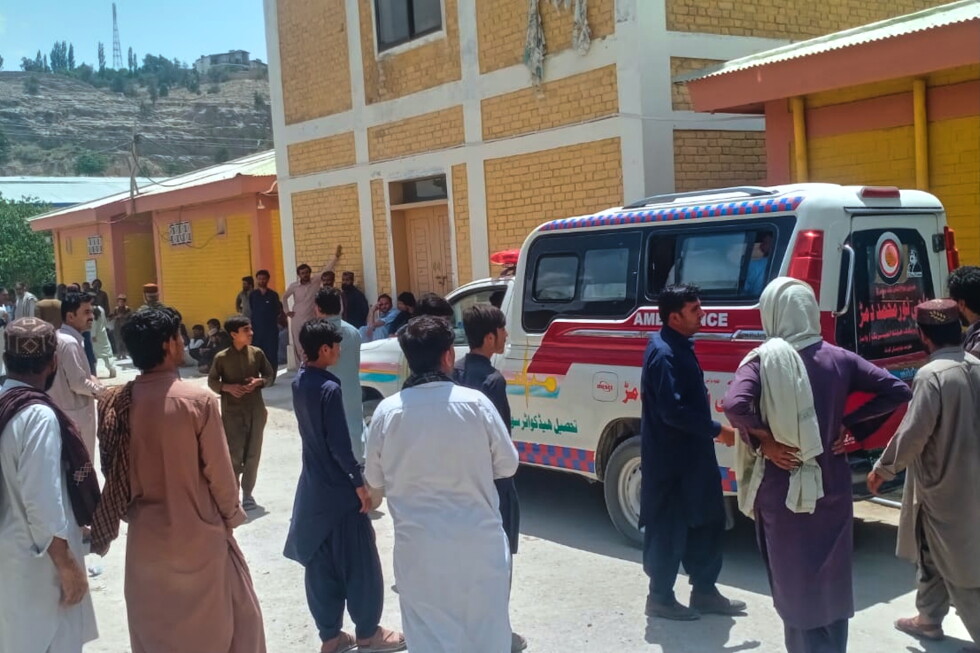
    A coordinated overnight assault by dozens of militants on a southwest Pakistani security outpost has left nine police officers dead and multiple personnel wounded, officials confirmed Tuesday, marking the latest sharp escalation of insurgent violence in a region that has seen a steady spike in anti-security force attacks in recent weeks.

    The attack unfolded in a sparsely populated remote zone of Ziarat district, located in Balochistan province, Pakistan’s largest geographically but most thinly populated administrative region. Along with the casualties among police, the attackers abducted eight officers during the incursion, according to Shahid Rind, a spokesperson for the Balochistan provincial government. Rind confirmed that all eight abducted personnel were later rescued unharmed by responding security forces.

    Immediately after the assault, security forces launched a clearance operation to sweep the area for remaining attackers. The operation concluded with 15 militants killed, Rind said. He added that targeted, intelligence-driven counterinsurgency operations will continue across the province, and pledged that Pakistani authorities would meet all future attacks on security personnel with decisive force.

    No militant organization has immediately stepped forward to claim responsibility for the Ziarat district attack. Security analysts and officials widely expect blame to fall on the Baloch Liberation Army (BLA), a banned separatist insurgent group that the U.S. Department of State designated as a foreign terrorist organization in 2019. The BLA already claimed a suicide bombing targeting a security outpost in the coastal Balochistan town of Jiwani over the weekend, though Pakistani federal and provincial authorities have not yet publicly confirmed or rejected that claim.

    Independent of the BLA’s claim, Pakistani officials have confirmed that another separate attack targeting civilians on the outskirts of Quetta, the capital of Balochistan, also took place over the same weekend. In response to that assault, local villagers have organized a public sit-in protest near Quetta, calling on provincial and federal authorities to boost security infrastructure and guarantee better protection for local communities from future attacks.

    Pakistan’s federal Interior Minister Mohsin Naqvi issued a statement attributing the latest Ziarat attack to what he called Indian-backed militants. Naqvi did not release any public evidence to support this allegation. India has consistently and repeatedly denied Pakistan’s long-running claims that it provides backing to Baloch separatist insurgents or Tehrik-e-Taliban Pakistan (TTP) militants operating within Pakistan’s borders.

    In his statement, Naqvi also paid formal tribute to the nine police officers killed in the assault, extended his deepest condolences to the families of the fallen personnel, and emphasized that violent attacks like this would not undermine or derail ongoing efforts to secure peace across Balochistan.

    Beyond the BLA’s separatist insurgency, Balochistan also hosts a significant presence of the Pakistani Taliban, officially known as Tehrik-e-Taliban Pakistan or TTP, which has carried out dozens of high-profile attacks against security and civilian targets across the province for years. For decades, the province has been a hotbed of overlapping insurgent activity, with both separatist factions and extremist militant groups targeting state infrastructure and security personnel in a bid to undermine government control.

  • Fair Work Commission rulings reveal when Australian workers can be refused work-from-home arrangements

    Fair Work Commission rulings reveal when Australian workers can be refused work-from-home arrangements

    Australia’s years-long national debate over permanent work-from-home arrangements has entered a decisive new chapter, with a series of recent rulings from the Fair Work Commission (FWC) clarifying exactly when employers have the legal right to deny remote work requests – and shifting the balance of workplace flexibility back toward in-office attendance. The post-pandemic remote work boom upended traditional corporate structures across the country, giving millions of employees a new expectation of flexible location arrangements. But these recent FWC decisions have cemented a critical legal precedent: working from home is not an automatic, guaranteed entitlement for Australian workers, and employers have successfully secured legal backing to require staff return to in-office attendance under defined conditions. Under Australia’s existing Fair Work Act, employers are only permitted to reject applications for flexible work arrangements if they can cite “reasonable business grounds” for the refusal. The FWC’s new wave of cases is actively clarifying the boundaries of that phrase, drawing clear lines that have not been tested in prior legal disputes. The rulings also send a clear warning to workers balancing caregiving responsibilities: the commission has distinguished between accommodating family needs and allowing remote work to act as a replacement for formal childcare arrangements. That boundary was tested in a recent Sydney case, where payroll officer Rabin Gurung lost his bid to secure permanent work-from-home status for Mondays and Fridays. Gurung had requested the arrangement to serve as the primary carer for his two young children, aged two and four, while his pregnant wife managed a serious medical condition. His employer offered multiple alternative compromises to accommodate his situation, including reduced daily hours and a compressed four-day work week, but Gurung rejected all offers. In its final ruling, the commission found it was not feasible for an employee to fulfill full-time, complex payroll duties that required uninterrupted focus while also serving as the on-site primary carer for young children. A similar case unfolded in Melbourne, where a customer service employee at energy firm AGL – who was caring for her ailing mother – lost her bid for full-time remote work. The FWC instead ordered a six-month trial arrangement requiring the employee to attend the office for just four hours every two weeks, a partial compromise that still ruled in favor of the employer’s core position. Caregiving responsibilities are not the only boundary being clarified by the new rulings; seniority and leadership roles are also being addressed in the new precedents. In a recent case heard in Victoria, the tribunal established that an employee’s senior status and experience can itself qualify as a reasonable business ground for requiring in-person attendance. Steven Polak, a senior planner and building liaison officer for the Macedon Ranges Shire Council, challenged his employer after officials rejected his request to cut his in-office days to just one per week. Polak was already on a hybrid arrangement, working two days in the office and three at home. He argued his lengthy daily commute caused persistent work-related fatigue, his dependent child needed the family car for university travel, and he could collaborate effectively with colleagues via Microsoft Teams. But the council countered that Polak’s in-person presence was a critical requirement for his role, specifically to mentor less experienced junior planning staff. In his ruling, FWC Deputy President Kamal Farouque sided with the council, confirming the organization had reasonable business grounds to deny Polak’s request. Farouque acknowledged that Polak could complete most of his routine day-to-day job duties remotely from home, but upheld the refusal because the planning team required consistent, reliable in-person presence to build team cohesion and strengthen in-person collaboration – a need that directly conflicted with Polak’s request for near-total remote work. Despite the wave of rulings favoring employers, the outcomes do not represent a complete rejection of employee requests for flexible work. The FWC continues to uphold flexible arrangements that do not undermine core business needs. For example, a Sydney mother recently won her workplace dispute after successfully requesting adjusted work hours to allow her to drop her children off at school each morning, an arrangement the commission found posed no material risk to business output. Even so, the latest string of cases makes clear the FWC firmly recognizes team collaboration, in-person connection, and senior-level mentorship as legitimate, binding business needs. For Australian workers, that means a long daily commute or a general personal preference for working from home is no longer sufficient to guarantee approval of a permanent remote work arrangement.

  • South Korean law targeting ‘fake news’ takes effect as journalists’ groups raise concerns

    South Korean law targeting ‘fake news’ takes effect as journalists’ groups raise concerns

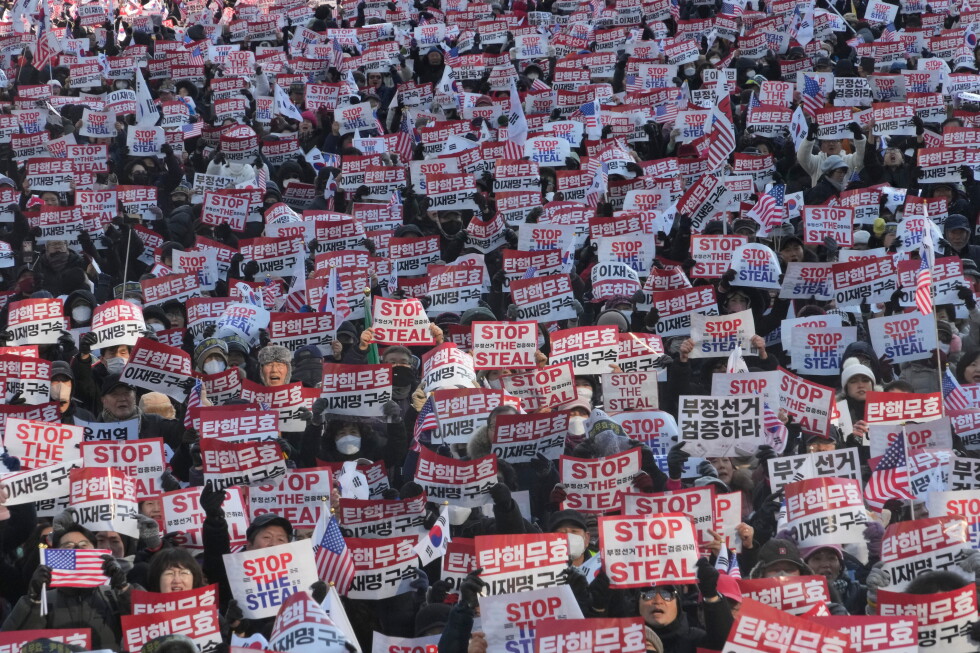
    South Korea’s controversial new anti-disinformation law entered into force on Tuesday, triggering fierce debate over press freedom and the risk of state censorship, as journalists and civil liberty advocates warn the vaguely drafted legislation could stifle open public discourse and discourage critical reporting. The legislation, which allows for harsh punitive damage claims against news outlets and social media influencers that spread false information, was championed by President Lee Jae Myung’s ruling liberal Democratic Party and passed by the National Assembly in December, despite a full boycott from the conservative opposition bloc. The current push for tighter regulations on false information follows a period of deep political upheaval in South Korea, sparked by former President Yoon Suk Yeol’s short-lived 2024 declaration of martial law, which ultimately led to his impeachment, removal from office, and a life sentence for rebellion that he is currently appealing. In the wake of that crisis, Lee’s administration has framed the law as a critical defense against harmful disinformation, which proponents argue is eroding democratic norms by stoking societal division and amplifying hate speech. Critics note Yoon, who remains politically active while facing multiple ongoing criminal cases, has spread unsubstantiated claims of election fraud through right-wing YouTube channels to rally his conservative base, deepening the country’s already sharp political polarization and making compromise on key issues all but impossible. Under the terms of the new law, courts can award punitive damages of up to five times the proven harm caused to individuals or entities by news organizations and large social media creators that distribute illegal, false, or manipulated content for profit or to cause damage. Repeat offenders — those who continue to share content after a court has ruled it false or manipulated — face fines as high as 1 billion South Korean won, equal to roughly $656,000, from the national media regulator. Major social media platforms with more than 1 million daily active users in South Korea are also legally required to implement proactive measures, including removing flagged content and suspending offending user accounts, after receiving reports of false or fabricated information. The Korea Media and Communications Commission, the country’s top media regulator, has sought to downplay widespread concerns that the law will be abused as a tool for political censorship. Regulators emphasize that private platform operators, not government officials, will make initial calls on whether reported content qualifies as disinformation, and that the legislation explicitly exempts public interest reporting from punitive damage claims. But these assurances have done little to ease fears from media groups and independent analysts, who warn the law’s vague language leaves dangerous room for misuse. The Journalists Association of Korea argued in a formal statement that the constant threat of massive damage claims and protracted legal disputes will create an inevitable chilling effect across the media landscape. “Even if a law’s objective is legitimate, it could erode the foundations of democracy if it’s enforced in a way that discourages the media and ordinary citizens from freely criticizing and scrutinizing those in power,” the group said. The Seoul Foreign Correspondents’ Club has also echoed these concerns, warning the law could disrupt the free flow of information both within South Korea and to global audiences. Independent analysts share these worries. Kim Hong-yeol, a media studies professor at Seoul’s Duksung Women’s University, argued in an analysis for Korean news outlet Medius that the law will almost certainly push journalists and ordinary social media users toward widespread self-censorship, discouraging open discussion of politically sensitive or controversial issues. Kim added that large social media platforms, seeking to avoid potential legal liability, are likely to adopt overly aggressive content moderation policies that will result in the removal of legitimate, newsworthy content alongside confirmed disinformation. Domestic South Korean internet giants including Naver and Kakao have confirmed they are updating their content moderation systems to align with new regulatory guidelines, but it remains unclear how major foreign platforms — most notably Google-owned YouTube, which is a major hub for political content in the country — will comply. Google has not yet issued a public response to requests for comment on its plans. The law has also drawn international criticism. Shortly after its passage in December, U.S. Under Secretary of State Sarah B. Rogers publicly condemned the legislation in a post on X, warning the law threatens bilateral tech cooperation and argued that “it’s better to give victims civil remedies than give regulators invasive license for viewpoint-based censorship.”

  • Messi v Salah in World Cup last-16 showdown

    Messi v Salah in World Cup last-16 showdown

    The 2026 FIFA World Cup enters its knockout stage with one of the most anticipated round of 16 matchups, as defending champions Argentina led by superstar Lionel Messi will square off against Mohamed Salah’s Egypt on Tuesday in Atlanta. The winner of this high-stakes encounter will advance to the quarter-finals and face the victor of the simultaneous last-16 tie between Switzerland and Colombia, held in Vancouver.

    Argentina narrowly escaped a stunning upset in their opening knockout match against tournament debutants Cape Verde, scraping through to the round of 16 after an exhausting 120-minute extra time bout, secured only by a late own goal from Diney Borges. Now, Lionel Scaloni’s side is gearing up to face an Egyptian side that has never progressed past the round of 16 in World Cup history, but enters the fixture in confident form after eliminating Australia on penalties in the previous round.

    Speaking ahead of the matchup, Argentina manager Scaloni emphasized his side is taking nothing for granted, echoing the focused preparation they brought to the Cape Verde game. “Egypt is also a good rival. It’s a very good team. They have important players and a coach that has been working with them for a while now. They play good football and always make it difficult for their rivals,” Scaloni told reporters. He added of Egyptian star Salah: “Salah is a great player — it will be a pleasure to face him. Our team knows how to face these great players and we always work hard for it.”

    Scaloni also confirmed that 39-year-old Messi, who played the full 120 minutes against Cape Verde, is fully fit and will start Tuesday’s clash. Messi enters the game with plenty to play for beyond a quarter-final spot: he currently holds seven tournament goals, tied with France’s Kylian Mbappe and Norway’s Erling Haaland in the race for the Golden Boot, with Mbappe holding the narrow lead on assists. The two superstars are also neck-and-neck for the title of the World Cup’s all-time leading goalscorer, with Messi sitting just one goal ahead of Mbappe on 20 career World Cup strikes.

    For Egypt, the matchup represents a historic chance to notch a breakthrough result at football’s biggest global tournament. Salah, currently a free agent after departing Liverpool, has only scored once in four matches so far at this World Cup, but remains one of the most dangerous attacking players in the world and a constant threat to Argentina’s backline. Egypt head coach Hossam Hassan said his side has prepared without fear of their opposition’s status, saying “This is a World Cup, a great opportunity to prove ourselves and that we belong here.”

    Across the country in Vancouver, the other last-16 fixture on Tuesday will pit unbeaten Switzerland against unbeaten Colombia, with both sides vying for a spot in the quarter-finals. Colombia has been widely tipped as a dark horse contender for the tournament title, backed by thousands of passionate traveling fans, and boasts a stout defensive record that has conceded just one goal through four matches. Their attack is led by star winger Luis Diaz and 2014 Golden Boot winner James Rodriguez, giving the South American side plenty of attacking firepower.

    Switzerland, by contrast, have not reached the World Cup quarter-finals since hosting the tournament in 1954, but turned heads with a convincing 2-0 win over Algeria in the previous round to book their spot in the knockout stage. The winner of this tie and the Argentina-Egypt clash will join an already confirmed star-studded quarter-final line-up that includes France, Morocco, Norway, England, Spain and Belgium.

    In other late Monday results, Spain dashed Cristiano Ronaldo’s final World Cup hopes with a 1-0 win over Portugal, while Belgium secured a comfortable 4-1 victory over the United States. The defeat for the US means all three 2026 co-host nations have now been eliminated from the tournament, following earlier exits for Canada and Mexico. The US’ build-up to the Belgium clash was marred by controversy, however, after forward Folarin Balogun was surprisingly cleared to play despite receiving a red card in the final group stage match against Bosnia and Herzegovina. Reports later confirmed that the controversial ruling came after United States President Donald Trump personally called FIFA president Gianni Infantino to urge him to review Balogun’s suspension.

  • Hong Kong activist Joshua Wong set for September sentencing in second national security case

    Hong Kong activist Joshua Wong set for September sentencing in second national security case

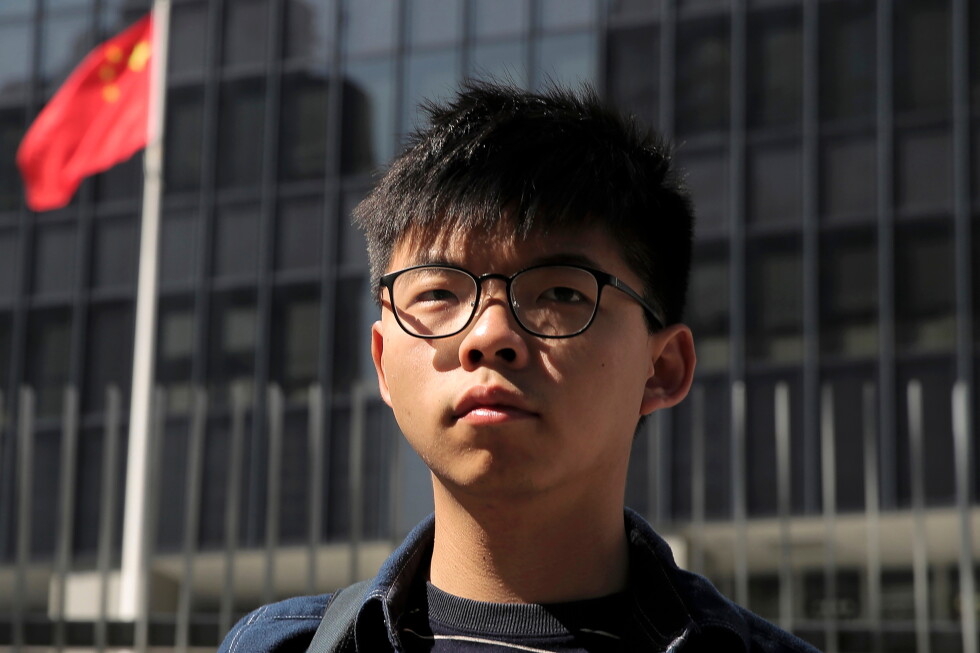
    HONG KONG – A high-profile Hong Kong pro-democracy figure Joshua Wong will face formal sentencing this September over charges laid under the controversial national security law implemented by Beijing, a legislation widely criticized by international observers for systematically silencing the city’s once-vibrant pro-democracy opposition movement.

    Wong, who first emerged as a student leader during early pro-democracy mobilizations in Hong Kong, was taken into custody in June 2025 on suspicion of conspiracy to collude with foreign forces to undermine China’s national security. This marks the second time Wong has faced charges under the 2020 national security law, a legislative package introduced in the wake of large-scale anti-government protests that roiled the semi-autonomous region in 2019.

    Public records published on the Hong Kong judiciary’s official website this Tuesday confirm that a plea and sentencing hearing for Wong has been scheduled for September 2, with the proceeding expected to conclude within a single business day.

    According to the charge documents, Wong is alleged to have conspired with fellow exiled activist Nathan Law and other unnamed co-accused between July 1 and November 23, 2020, to solicit foreign governments, global institutions and overseas individuals to implement sanctions, trade blockades or other hostile measures targeting both the Hong Kong Special Administrative Region and the central Chinese government. Under the national security law, this offense carries a mandatory prison sentence ranging from three to 10 years, with the possibility of life imprisonment if the court rules the offense qualifies as “of a grave nature.”

    This is not Wong’s first conviction under the sweeping security legislation. Back in 2024, he pleaded guilty in an unrelated national security case tied to an unofficial pro-democracy primary election, for which he received a sentence of four years and eight months in prison.

    Wong’s trajectory as an activist stretches back more than a decade. He first rose to public attention in 2012 as a high school student leading widespread public demonstrations against plans to introduce mandatory national education courses in Hong Kong’s public schools. He cemented his international profile three years later as one of the most visible young leaders of the 2014 Occupy Central movement, also known as the Umbrella Movement, which called for greater democratic reforms in the city. In 2016, he joined Nathan Law and other young pro-democracy organizers to co-found the political party Demosisto, which focused on advancing democratic self-governance for Hong Kong. When the national security law came into effect in 2020, Demosisto voluntarily disbanded to avoid widespread retaliatory action against its members.

    During the 2019 anti-government protests, Wong played a key role in reaching out to international governments and organizations to build support for the pro-democracy movement. This activism prompted Beijing to officially label him a proponent of Hong Kong independence who actively “begged for foreign interference” in China’s internal affairs. Chinese and Hong Kong authorities have repeatedly stated that the national security law has restored stability to Hong Kong after the unrest of 2019.

    In recent years, Hong Kong authorities have taken additional steps to target pro-democracy activists who have fled the city, including offering a reward of 1 million Hong Kong dollars (equivalent to roughly $127,600) for information that leads to the arrest of Nathan Law, who now resides in exile in the United Kingdom, and other overseas-based opposition figures. Just last month, a court in London handed down prison sentences to a former British border official and a retired Hong Kong police officer after convicting them of spying on Chinese dissidents and Beijing critics based in the U.K. Prosecutors in that case confirmed that Nathan Law was one of the key targets of the surveillance operation.

  • Teenager fighting for life after fall from building had completed marathon just hours earlier

    Teenager fighting for life after fall from building had completed marathon just hours earlier

    An 18-year-old beloved community volunteer and athlete from Queensland’s Gold Coast is clinging to life after suffering a catastrophic fall from a residential building, just hours after crossing the finish line of the Gold Coast Half Marathon. Emergency services rushed Tyler Calleja to Gold Coast University Hospital in the early hours of Saturday morning, after a maintenance worker discovered him unconscious in the building’s underground car park around 4:30 a.m.

    Queensland Police confirmed that Calleja fell while attempting to re-enter the Surfers Paradise apartment where he was staying. Paramedics documented that he arrived at the hospital with severe life-threatening injuries to his head and abdomen, requiring urgent intensive care. Local law enforcement officials have called his survival of the high fall nothing short of extraordinary.

    “It is remarkable the young man survived the fall. We see falls all the time from buildings and the result is quite tragic. So for him to have survived that is quite remarkable,” Queensland Police Superintendent Kylie Rigg told reporters on Monday, per the Gold Coast Bulletin.

    Community members who have long known Calleja for his active involvement in local sports, charity work and neighborhood events have rallied around him and his family in the wake of the tragedy, launching a crowdfunding campaign on GoFundMe to offset the unexpected costs that accompany a major medical crisis. The fundraiser, which is organized by members of Calleja’s community, notes that he is currently surrounded by his family as he receives ongoing specialized care on the Gold Coast.

    “Many in our community know Tyler as someone who is always willing to lend a hand. Through his involvement in local sport, fundraising and community events, he’s always been there for others. Now it’s our turn to be there for him,” the campaign page reads. Organizers added that all funds will go toward covering travel, accommodation and other unplanned costs, freeing the Calleja family to focus entirely on Tyler’s recovery, which remains uncertain as he continues to fight for his life.

    As of Tuesday afternoon, the outpouring of community support has already pushed the total raised past the $40,000 mark. In an update to supporters, organizers extended gratitude on behalf of the Calleja family, noting that the widespread generosity of donors means more than words can adequately express amid the family’s most difficult time.