作者: admin

  • White House expands power, raises concern

    White House expands power, raises concern

    Political analysts are raising alarms about the substantial expansion of presidential authority in the United States, warning that the current administration’s unprecedented use of executive actions threatens the foundational system of checks and balances. With 228 executive orders issued within the first year—a significant increase over previous administrations—concerns are mounting about the long-term implications for American democracy.

    The American Presidency Project database reveals that many of these orders invoke national emergency declarations or national security justifications to implement sweeping policies across immigration, trade, and foreign affairs. Notably, the administration declared a national emergency at the southern border on its first day in office, followed by April’s invocation of the International Emergency Economic Powers Act to impose comprehensive ‘reciprocal tariffs’ on all trading partners without congressional consultation.

    According to Zhang Guoqing, associate researcher at the Chinese Academy of Social Sciences’ Institute of American Studies, ‘This explosion of orders and routine use of national emergency declarations have significantly expanded executive power beyond traditional boundaries.’

    Experts identify multiple factors enabling this power shift, including legislative gridlock and heightened partisan polarization. Diao Daming, professor of US studies at Renmin University of China, notes that ‘executive orders allow the administration to bypass legislative constraints on controversial policies’ when congressional cooperation proves unattainable.

    Zhang Tengjun, deputy director of the China Institute of International Studies’ Department for American Studies, observes that the current administration operates within legal gray areas where constitutional boundaries remain ambiguous. ‘The power to levy taxes is constitutionally granted to Congress, not the president. Yet massive tariffs were imposed without congressional consultation through emergency powers,’ he noted.

    The legislative branch’s weakened response reflects both partisan alignment and institutional limitations. With Republicans controlling both chambers, few party members challenge presidential actions from their own party. Meanwhile, the judicial system shows increasing signs of politicization, with appellate judges appointed by Democratic presidents ruling against administration policies 73% of the time compared to 32% for Republican-appointed judges.

    Diao warns that ‘the independence of the US judicial system has clearly been significantly eroded,’ as evidenced by divergent rulings on identical legal questions along partisan lines. This erosion of traditional safeguards creates long-term risks for institutional stability and social cohesion.

    Experts conclude that while executive power expansion offers short-term policy implementation efficiency, it potentially inflicts profound damage on constitutional separation of powers. The precedent established could enable future presidents—regardless of party—to govern through executive action rather than legislative process, potentially triggering systemic crisis in America’s constitutional order.
  • IMF warns of trade tension risk to global growth

    IMF warns of trade tension risk to global growth

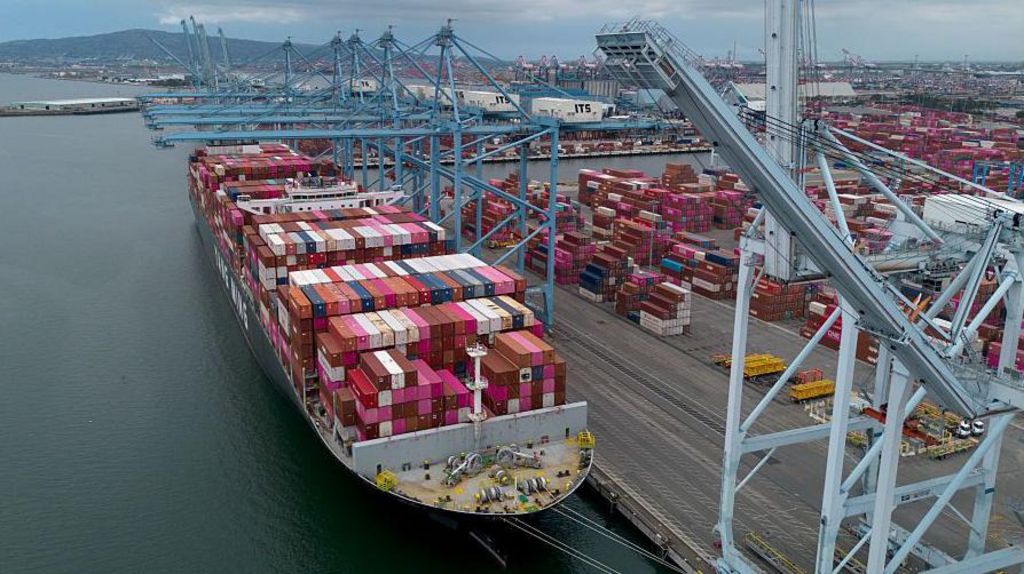
    The International Monetary Fund (IMF) has issued a stark warning that escalating trade conflicts and a potential reversal in the artificial intelligence investment boom represent significant threats to global economic stability. In its latest World Economic Outlook assessment, the IMF characterized the current global economic condition as “steady” with “resilient” growth projections for the coming year, while simultaneously highlighting several critical vulnerabilities.

    The IMF’s economic forecast, completed prior to former President Donald Trump’s recent threat to impose tariffs on eight European nations opposing his Greenland acquisition proposal, projects global growth at 3.3% for 2026—an upward revision from the previous 3.1% estimate. This expansion is expected to moderate slightly to 3.2% in 2027. The United Kingdom demonstrated modest improvement with 1.4% growth in 2025, though projections remain at 1.3% for 2026 before accelerating to 1.5% in 2027.

    Inflation trends show promising signs of moderation globally, with estimates declining from 4.1% in 2025 to 3.8% in 2026, and further dropping to 3.4% in 2027. The UK specifically anticipates returning to the 2% inflation target by year’s end as labor market softening continues to suppress wage pressures.

    The fund emphasized that risks to the global outlook “remain tilted to the downside,” particularly noting that excessive optimism about AI capabilities could trigger abrupt market corrections if expectations prove unfounded. Simultaneously, the institution cautioned that renewed trade tensions could prolong uncertainty and substantially dampen economic activity.

    Conversely, the IMF identified potential positive scenarios where AI investments translate into sustainable productivity growth and easing trade disputes provide additional economic momentum. The report noted that despite previous tariff implementations, the global economy had demonstrated a “muted response” thus far, with trade tensions gradually abating since October.

    In a particularly significant declaration, the IMF stressed that central bank independence remains “paramount for macroeconomic stability and economic growth.” This warning follows an unprecedented criminal investigation against US Federal Reserve Chair Jerome Powell, allegedly initiated due to presidential dissatisfaction with interest rate policies. The situation prompted global central bank leaders to express solidarity with Powell while drawing strong criticism from three former Fed chairs.

    The IMF concluded that preserving both legal and operational autonomy of central banks is essential for avoiding fiscal dominance, anchoring inflation expectations, and enabling effective mandate fulfillment.

  • Two dead, 84 injured, eight missing after blast at steel factory in Inner Mongolia

    Two dead, 84 injured, eight missing after blast at steel factory in Inner Mongolia

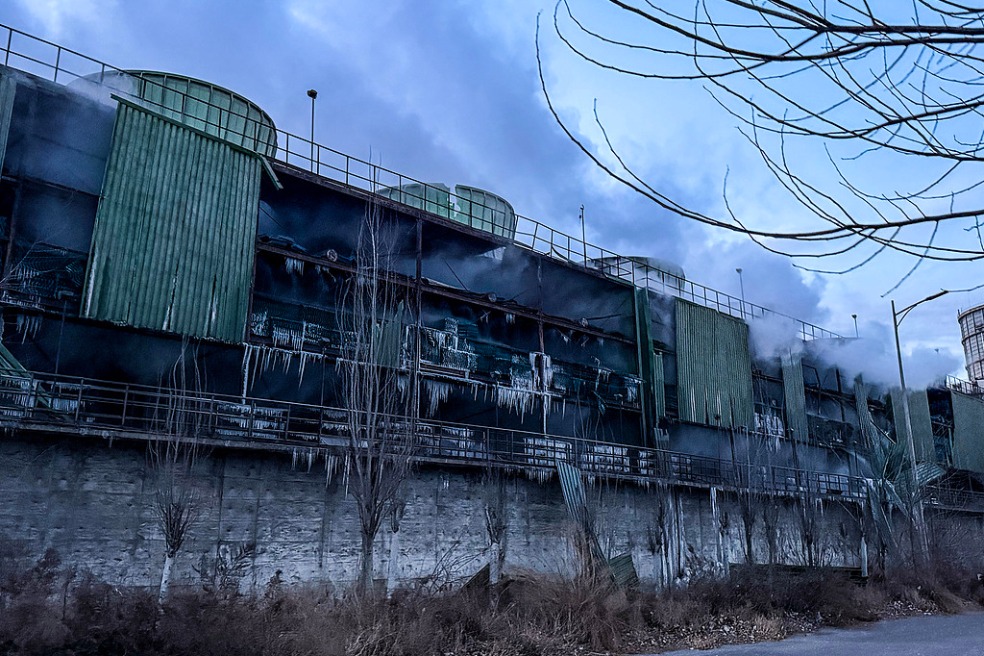
    A catastrophic explosion has rocked a major industrial facility in northern China, resulting in multiple casualties and triggering a massive emergency response. The blast occurred at approximately 3:03 pm local time on Sunday, January 18, 2026, within the steel-making division of Baogang United Steel’s rare earth steel plate factory in Baotou, Inner Mongolia Autonomous Region.

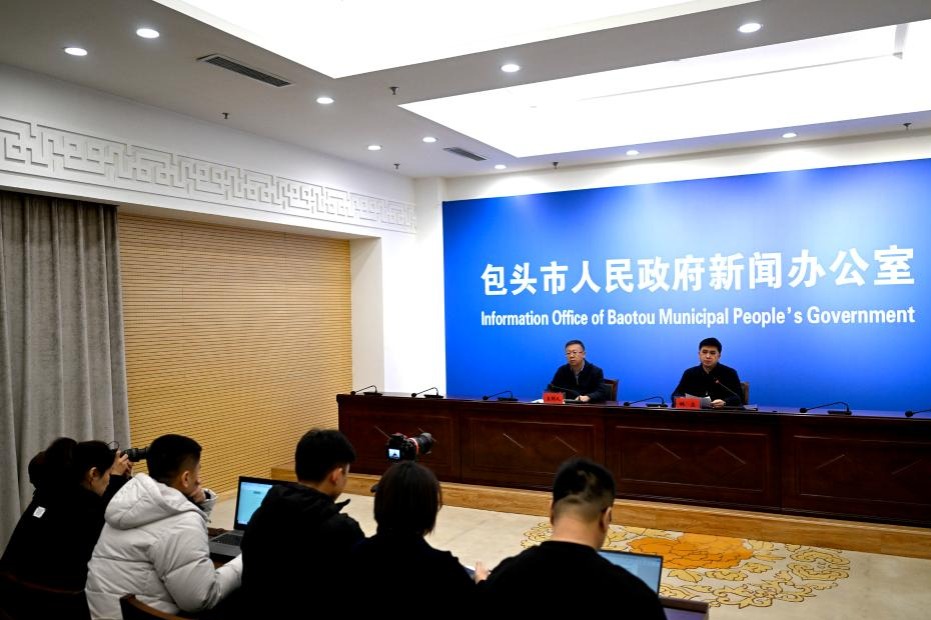
    Local authorities confirmed the grim statistics during a press briefing on Monday morning: two fatalities, 84 individuals sustaining injuries, and eight personnel reported missing following the industrial accident. The incident has mobilized an extensive multi-agency response involving fire and rescue services, emergency management, law enforcement, medical professionals, and market regulation officials.

    Medical authorities report that among the 84 hospitalized victims, five remain in critical condition while the other 79 suffered minor injuries. A specialized medical team from the regional health commission is overseeing treatment protocols, with all patients currently reported as stable.

    In response to the tragedy, investigation teams have been immediately constituted to determine the precise cause of the explosion and establish accountability. Government representatives have unequivocally stated that negligent parties will face strict legal consequences, with preliminary legal actions already initiated against relevant company personnel.

    Search and rescue operations continue unabated as emergency teams work to locate the eight missing individuals while providing ongoing medical care to the injured. The explosion at this strategically significant rare earth steel production facility has raised serious concerns about industrial safety protocols in China’s critical manufacturing sector.

  • Infantino condemns Senegal for ‘unacceptable scenes’ in AFCON final

    Infantino condemns Senegal for ‘unacceptable scenes’ in AFCON final

    FIFA President Gianni Infantino has issued a stern condemnation of the conduct displayed by segments of the Senegalese national team and their supporters during the tumultuous Africa Cup of Nations final against Morocco. The championship match, held at Rabat’s Prince Moulay Abdellah Stadium, was dramatically overshadowed by a mass walk-off from the pitch by Senegalese players in protest of a contentious refereeing decision.

    The incident erupted deep into injury time of a goalless regulation match when the Video Assistant Referee (VAR) system prompted the awarding of a penalty to Morocco following a challenge on Brahim Diaz. This decision incited fury among the Senegalese camp, which had been aggrieved minutes earlier by the disallowance of a goal for a perceived soft foul. The ensuing chaos saw most Senegalese players exit the field while, simultaneously, clashes broke out in the stands between a group of Senegalese fans and Moroccan security personnel, resulting in damaged stadium seating.

    The match was suspended for nearly twenty minutes before order was restored. Upon the players’ return, orchestrated largely by team captain Sadio Mane who remained on the pitch to mediate, Diaz’s weakly executed ‘Panenka’ penalty was comfortably saved by goalkeeper Edouard Mendy. The deadlock was finally broken in extra time by Pape Gueye’s decisive goal, securing a 1-0 victory for Senegal before a crowd of 66,526.

    In an official statement, Infantino denounced the actions as ‘unacceptable,’ emphasizing that abandoning the field of play and any form of violence have no place in football. He praised Morocco’s overall hosting of the tournament, a significant test event for its co-hosting duties of the 2030 World Cup. However, Moroccan coach Walid Regragui expressed his dismay at the ‘shameful’ global image projected by African football due to the extended stoppage.

    In a post-match admission, Senegal coach Pape Thiaw apologized for his role in instructing the team to walk off, attributing it to a heat-of-the-moment reaction to a ‘feeling of injustice.’ Infantino concluded by calling for disciplinary measures from the Confederation of African Football (CAF) and reiterating the paramount importance of respecting match officials’ decisions to safeguard the sport’s integrity.

  • Xinjiang prunes transform desert to oasis

    Xinjiang prunes transform desert to oasis

    In a remarkable environmental transformation, the barren Gobi desert of China’s Xinjiang region has been converted into lush, productive oasis land through an innovative agricultural initiative centered on prune cultivation. The astonishing metamorphosis, occurring within just a decade, represents one of China’s most successful desert reclamation projects.

    Associate Professor Yusufujiang Yusuyin, who has studied the transformation firsthand, confirmed the dramatic change: “The oasis you see today was barren Gobi desert just about 10 years ago.” The statement underscores the magnitude of an ecological revival that has defied conventional expectations about desert rehabilitation.

    The miracle crop behind this environmental success story is the Xinjiang prune, a specialized variety that has demonstrated extraordinary adaptability to arid conditions. Grown primarily in Jiashi county, these prune orchards have not only stabilized previously shifting sands but have also created microclimates conducive to additional vegetation growth.

    The scientific methodology behind this transformation involves strategic planting patterns that reduce wind erosion, improve soil water retention, and gradually build organic matter in previously infertile ground. The deep root systems of prune trees have proven particularly effective at accessing subsurface moisture while preventing further desertification.

    Beyond environmental benefits, the prune cultivation initiative has generated substantial economic opportunities for local communities. What began as an ecological restoration project has evolved into a thriving agricultural industry, providing employment and export revenue through premium prune products.

    The success in Xinjiang offers a replicable model for other arid regions facing desertification challenges, demonstrating how targeted agricultural interventions can reverse environmental degradation while creating sustainable economic development.

  • US-led Gaza board triggers backlash

    US-led Gaza board triggers backlash

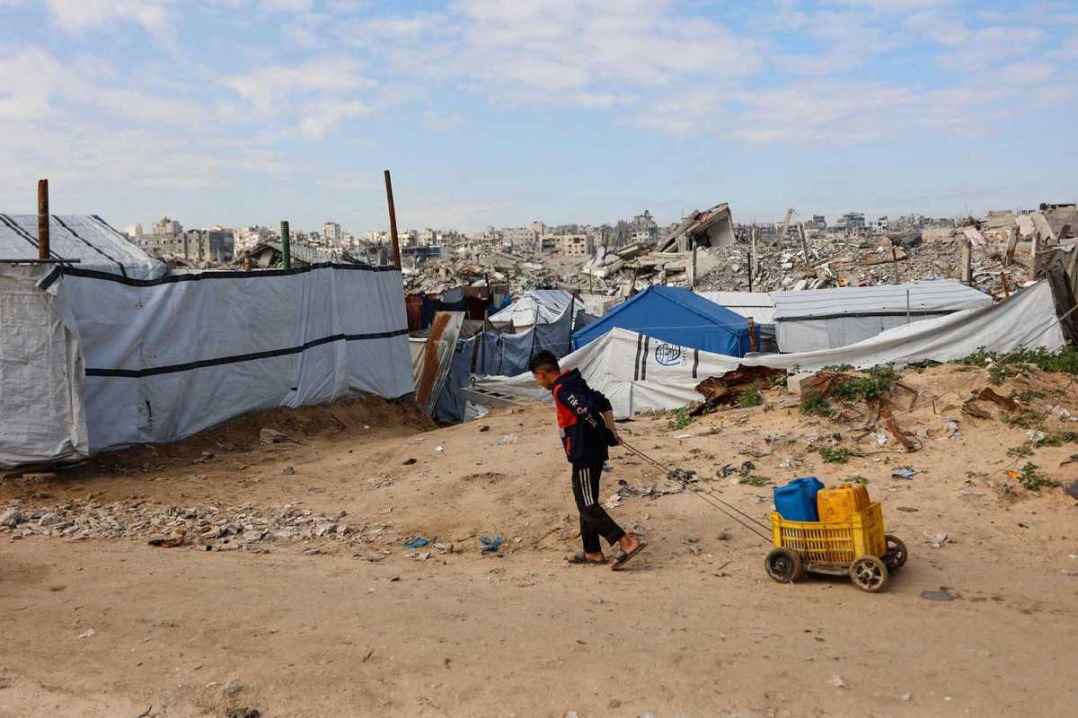
    The Trump administration’s newly announced “Board of Peace” for Gaza has ignited significant criticism from multiple stakeholders, raising questions about its legitimacy and operational transparency. President Donald Trump unveiled the initiative as part of his comprehensive 20-point plan to resolve the ongoing conflict in the Palestinian territory, establishing both a broader Board of Peace that he will personally chair and a specialized “Gaza Executive Board” to implement specific stabilization measures.

    The White House revealed that the executive board includes prominent figures such as US Secretary of State Marco Rubio, Special Envoy Steve Witkoff, former British Prime Minister Tony Blair, Trump’s son-in-law Jared Kushner, World Bank Group President Ajay Banga, Apollo Global Management CEO Marc Rowan, and Deputy National Security Adviser Robert Gabriel. According to official statements, these members will oversee critical portfolios including governance capacity-building, regional relations, reconstruction efforts, investment attraction, and large-scale funding mobilization.

    However, the announcement encountered immediate resistance. Israeli Prime Minister Benjamin Netanyahu’s office stated that the board membership “was not coordinated with Israel and runs contrary to its policy,” with instructions given for the Foreign Affairs Minister to contact the US Secretary of State regarding the matter.

    Palestinian factions expressed stronger objections. The Islamic Jihad Movement condemned the initiative as serving “Israeli interests” and aligning with “occupation specifications,” viewing it as indicative of negative intentions regarding ceasefire implementation. Meanwhile, the parallel formation of a 15-member Palestinian technocrat committee led by Ali Shaath, hailed by the US as a “vital step forward,” failed to alleviate concerns.

    Critics highlighted fundamental flaws in the approach. Ashish Prashar, former aide to Tony Blair, criticized board members for having a “strong track record of endorsing and arming Israel’s project of genocide” and emphasized that “the future of Palestine should only be decided by Palestinians.” Academic expert Abdul Wahed Jalal Nori of the International Islamic University Malaysia questioned the mechanism’s credibility, legitimacy, and intent, stating that any peace initiative “while excluding Palestinians from meaningful consultation is fundamentally flawed.”

    The emerging consensus among critics suggests the board is perceived less as a genuine peace mechanism and more as an administrative tool designed to manage the consequences of destruction rather than address root causes of the conflict, with particular concern about the documented history of military intervention and political cover for Israel’s actions among proposed board members.

  • Philippine president announces new gas find in waters facing the disputed South China Sea

    Philippine president announces new gas find in waters facing the disputed South China Sea

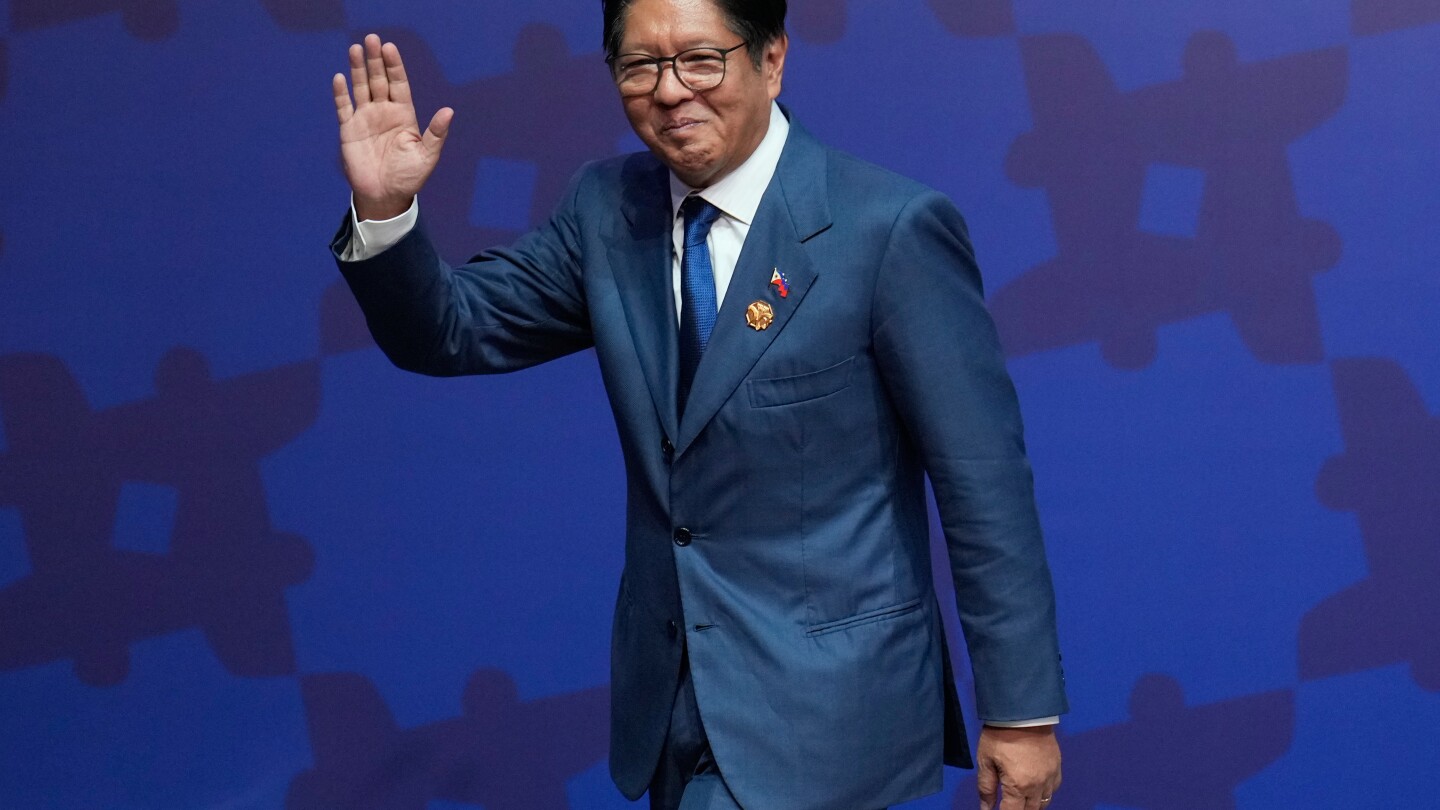
    MANILA, Philippines — In a significant development for national energy security, Philippine President Ferdinand Marcos Jr. has confirmed the discovery of a substantial new natural gas reservoir adjacent to the existing Malampaya field in the West Philippine Sea. The find promises to mitigate potential power shortages while reinforcing domestic energy independence.

    The newly identified deposit, designated Malampaya East 1, is situated approximately 5 kilometers east of the primary production site northwest of Palawan province. Initial assessments indicate the reservoir contains an estimated 98 billion cubic feet of natural gas, with preliminary testing demonstrating a potential daily extraction capacity of 60 million cubic feet.

    President Marcos characterized the discovery as crucial for extending Malampaya’s operational lifespan and ensuring stable electricity generation for Luzon, the nation’s most populous region. The field’s output could potentially power over 5.7 million households annually while yielding valuable condensate fuels.

    This discovery arrives as the original Malampaya field, operational since 2001 and responsible for generating more than 20% of Luzon’s electricity, faces projected production declines. Last year, Marcos extended exploration rights at Malampaya for an additional 15 years to prevent energy shortfalls.

    The geological find occurs within the Philippines’ Exclusive Economic Zone, where the nation maintains sovereign resource rights under international law. However, the discovery highlights ongoing regional complexities, as similar exploration attempts at Reed Bank—another prospective area within the West Philippine Sea—remain stalled due to territorial disputes with China.

    Beijing’s expansive claims over the South China Sea have previously complicated energy exploration efforts by multiple nations, including Vietnam and Malaysia. While the Malampaya East 1 site falls unequivocally within Philippine jurisdiction, its discovery underscores the strategic importance of domestic energy resources amid geopolitical tensions in the contested waterways.

  • Starmer says Trump’s Greenland tariff threat ‘completely wrong’ and a trade war in no one’s interest

    Starmer says Trump’s Greenland tariff threat ‘completely wrong’ and a trade war in no one’s interest

    LONDON — British Prime Minister Keir Starmer has publicly denounced former U.S. President Donald Trump’s proposed tariff measures against European allies as “completely wrong,” warning that such protectionist policies would harm global economic interests. The diplomatic friction emerged following Trump’s announcement of impending 10% import duties on goods from eight European nations, including the United Kingdom, scheduled to take effect in February.

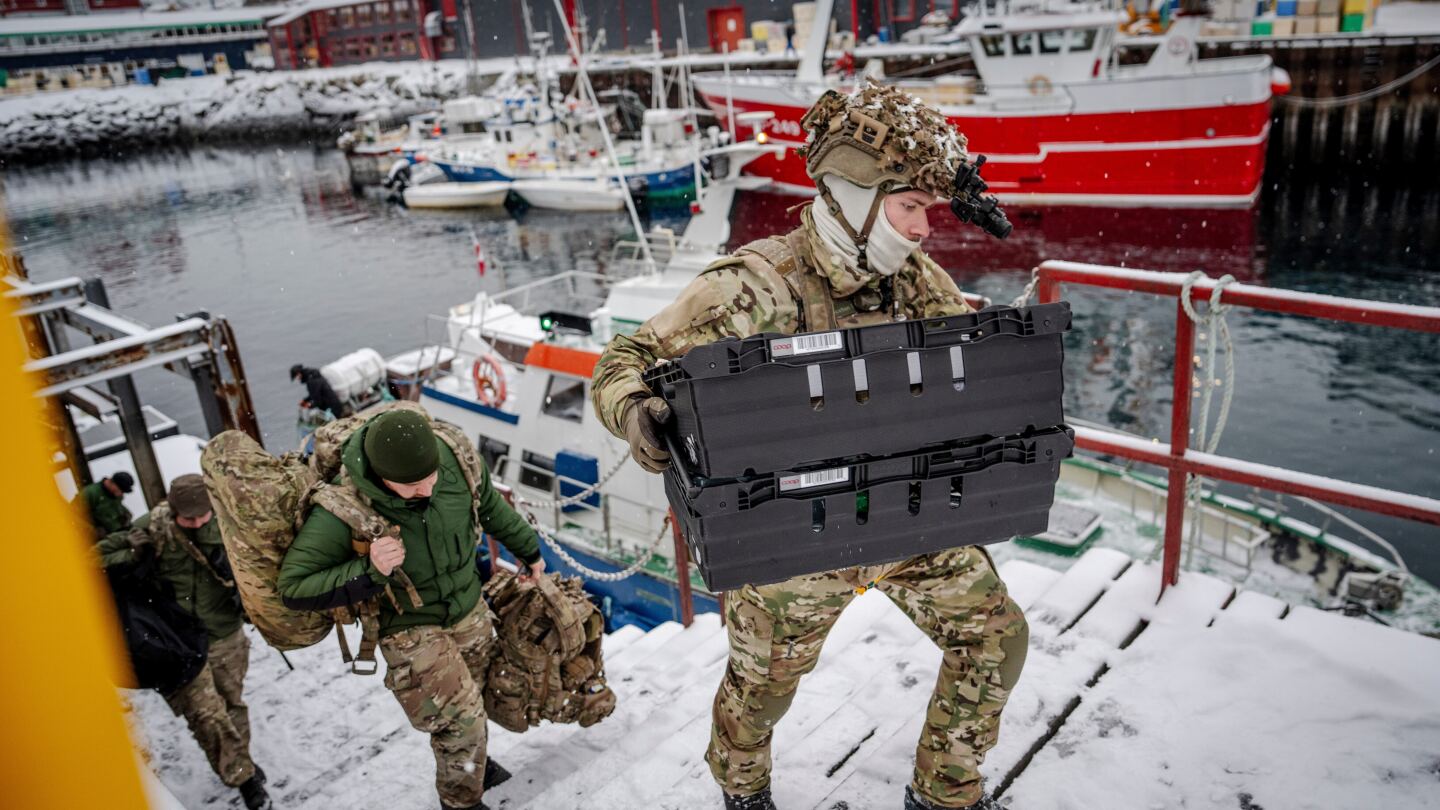
    The controversial tariff threat represents retaliation against European countries’ symbolic military deployment to Greenland, a semi-autonomous territory under Denmark’s administration. Trump characterized these troop movements as essential for maintaining the U.S. “Golden Dome” missile defense infrastructure while expressing concerns about potential territorial ambitions from Russia and China regarding the strategic Arctic island.

    During a London press conference, Starmer emphasized Britain’s unwavering support for Greenland and Denmark’s sovereign rights to determine the island’s future. While acknowledging the critical importance of maintaining strong U.K.-U.S. relations, the British leader clarified that “being pragmatic does not mean being passive and partnership does not mean abandoning principles.”

    The Prime Minister indicated that Britain currently has no plans for retaliatory trade measures, stating his administration’s priority is preventing further escalation through continued dialogue with European partners, NATO allies, and American officials. Starmer characterized the transatlantic relationship as vital but noted that strength comes from acknowledging differences rather than ignoring them.

  • Return capsule of Shenzhou XX spaceship safely returns to Earth

    Return capsule of Shenzhou XX spaceship safely returns to Earth

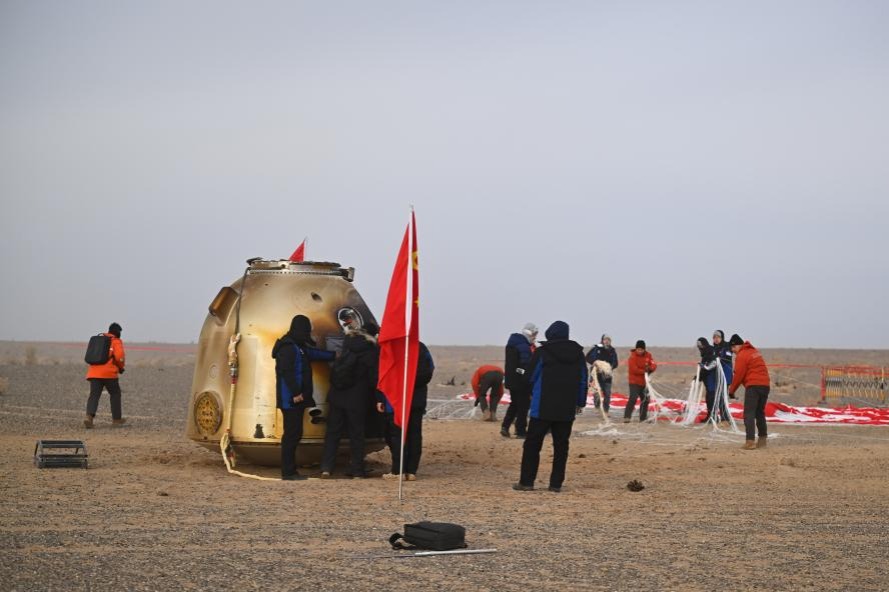
    China’s ambitious space program marked another significant achievement on January 19, 2026, as the return capsule of the Shenzhou XX spacecraft completed its journey back to Earth, touching down safely at the Dongfeng landing site in Inner Mongolia Autonomous Region. The successful recovery operation, documented by photographer Wang Jiangbo, demonstrates China’s growing capabilities in space exploration and spacecraft retrieval technology.

    The landing represents the culmination of a meticulously planned mission that underscores China’s advancing position in the global space community. The return capsule’s descent through Earth’s atmosphere and subsequent parachute-assisted landing required precise engineering and coordination between ground control teams and the autonomous systems aboard the spacecraft.

    Located in North China, the Dongfeng landing site has previously served as the recovery zone for multiple Chinese space missions, with infrastructure specifically designed to support these complex operations. The site’s remote characteristics provide ideal conditions for spacecraft recovery while minimizing potential risks to populated areas.

    The Shenzhou program, which began in the 1990s, has evolved into a cornerstone of China’s space ambitions, encompassing both crewed and uncrewed missions. This latest successful return further validates the program’s technical maturity and operational reliability as China continues to expand its activities in space, including the development of its Tiangong space station and planned lunar exploration missions.

  • Factory blast in China’s Inner Mongolia kills 2, missing rises to 8, 84 injured

    Factory blast in China’s Inner Mongolia kills 2, missing rises to 8, 84 injured

    A catastrophic industrial explosion has rocked Baotou City in China’s Inner Mongolia Autonomous Region, resulting in multiple casualties and triggering a massive emergency response. The incident occurred at 3:03 PM local time on Sunday at a plate manufacturing facility operated by Baogang United Steel, one of the region’s major industrial enterprises.

    According to official statements from Baotou executive vice mayor Lin Li, the disaster originated from the sudden detonation of a 650-cubic-meter saturated water and steam spherical tank. The explosion’s force caused significant damage to the facility and resulted in substantial human casualties.

    The current casualty figures indicate two confirmed fatalities, with eight individuals remaining unaccounted for. Medical facilities across the region are treating 84 injured personnel, including five patients in critical condition. The majority of injuries consist of facial wounds and soft tissue contusions, with all affected individuals reported to be in stable condition under the care of leading medical specialists.

    Emergency response teams have established a comprehensive rescue headquarters to coordinate multi-departmental efforts involving fire control, public security, health services, and market supervision authorities. The local government has implemented immediate safety measures, including the suspension of operations at the affected plant and initiating a city-wide safety inspection across all industrial and trade enterprises.

    Environmental monitoring agencies have conducted preliminary assessments indicating no adverse effects on surrounding air quality, soil conditions, or water systems. Utility services and residential heating in adjacent areas continue to operate normally without disruption.

    Regional authorities have formed a specialized investigation team to determine the precise cause of the accident and assess potential liabilities. Legal proceedings have been initiated against responsible parties within the enterprise management structure.