作者: admin

  • IMF sees steady global growth in 2026 as AI boom offsets trade headwinds

    IMF sees steady global growth in 2026 as AI boom offsets trade headwinds

    The International Monetary Fund has delivered an optimistic revision to its global economic outlook, projecting sustained growth through 2026 driven by artificial intelligence investments and evolving trade dynamics. In its latest World Economic Outlook update, the IMF forecasts global GDP expansion of 3.3% for both 2025 and 2026, representing upward adjustments of 0.1 and 0.2 percentage points respectively from October’s projections.

    According to IMF Chief Economist Pierre-Olivier Gourinchas, the global economy demonstrates remarkable resilience despite previous trade disruptions. ‘The global economy is shaking off the trade and tariff disruptions of 2025 and is coming out ahead of what we were expecting before it all started,’ Gourinchas told reporters.

    The United States leads this upgraded outlook with 2026 growth projected at 2.4%, boosted by massive AI infrastructure investments including data centers, advanced chips, and power systems. Spain similarly benefits from technology investments, receiving a 0.3 percentage point upgrade to 2.3% growth for 2026.

    Trade dynamics have shifted significantly since the peak of tariff tensions in April 2025. Businesses have adapted through supply chain rerouting, while trade agreements have reduced effective U.S. tariff rates from approximately 25% to 18.5%. China’s growth forecast for 2026 was upgraded to 4.5%, reflecting both tariff reductions and successful export diversification to Southeast Asian and European markets.

    The AI boom presents a dual-edged scenario: while driving current growth through investment and wealth effects, it carries inflation risks if development continues at its breakneck pace. Conversely, if anticipated productivity gains fail to materialize, market corrections could dampen economic momentum.

    Regionally, the euro zone expects 1.3% growth in 2026, boosted by German public spending and strong performances in Spain and Ireland. Japan benefits from fiscal stimulus, while Brazil represents a notable exception with reduced growth projections due to tighter monetary policy combating inflation.

    Globally, inflation continues its downward trajectory from 4.1% in 2025 to a projected 3.4% in 2027, creating conditions for more accommodative monetary policies that should further support economic expansion.


  • In pictures: Valentino’s life and work – and the stars who shared his journey

    In pictures: Valentino’s life and work – and the stars who shared his journey

    The fashion world continues to reflect on the monumental legacy of Valentino Garavani, the Italian couturier who passed away recently, leaving behind an indelible mark on haute couture. Founding his eponymous fashion house in 1960, Valentino’s designs became synonymous with elegance and glamour, gracing international red carpets and award ceremonies for over six decades.

    This retrospective showcases the designer’s profound influence through his relationships with iconic figures. The late Diana, Princess of Wales, exemplified Valentino’s regal aesthetic in a sophisticated velvet and lace creation in 1992. Throughout the 1990s supermodel era, Valentino frequently collaborated with fashion luminaries including Naomi Campbell, Claudia Schiffer, Linda Evangelista, and Helena Christensen, defining the decade’s glamour standards.

    The designer’s Hollywood connections produced memorable red carpet moments, with Sharon Stone, Halle Berry, and Cate Blanchett wearing Valentino creations to major events including the Golden Globes and Academy Awards. Berry’s bronze gown at the 2002 Golden Globes and Blanchett’s silk-taffeta dress at the 2005 Oscars demonstrated Valentino’s mastery of both color and structure.

    Valentino maintained particularly close personal relationships with several stars, referring to Anne Hathaway as “like my daughter” and considering Gwyneth Paltrow a cherished friend. Following his passing, Paltrow expressed being “so lucky to know and love Valentino,” while Jennifer Lopez frequently selected his designs for her most prominent public appearances.

    Even after his 2008 retirement, the Valentino brand continues to captivate the fashion world under creative director Pierpaolo Piccioli. Recent appearances by Pedro Pascal at the 2023 Met Gala demonstrate the label’s ongoing relevance and ability to capture public attention, proving that Valentino’s vision continues to inspire contemporary fashion.

  • Swiss councillors to vote on Uefa tax exemption over failure to suspend Israel

    Swiss councillors to vote on Uefa tax exemption over failure to suspend Israel

    The Canton of Vaud in Switzerland is poised to make a significant political statement regarding international sports governance as its councillors prepare to vote on a resolution challenging UEFA’s tax-exempt status. The initiative, led by councillor Theophile Schenker and supported by members across four political parties, emerges from UEFA’s continued recognition of the Israeli Football Association despite Israel’s occupation of Palestinian territories.

    European football’s governing body enjoys tax privileges in Nyon, Vaud, where numerous international sports federations are headquartered. These exemptions are contingent upon organizations demonstrating tangible efforts to promote peace and combat discrimination through their activities. The proposed resolution argues that UEFA’s failure to suspend the Israeli Football Association—particularly following the International Court of Justice’s advisory opinion on July 19, 2024, which deemed Israel’s occupation unlawful—directly contradicts these peace-promotion mandates.

    The resolution highlights apparent double standards in UEFA’s governance approach, noting the organization’s swift sanctions against Russia following its invasion of Ukraine while taking no comparable action against Israel. Schenker emphasized that UEFA’s tax exemption exists specifically because international sports federations are expected to uphold peace values, a condition he believes UEFA is currently failing to meet.

    Rather than immediately revoking tax privileges, the resolution would instruct the Vaud government to initiate formal proceedings requiring UEFA to justify how its current position aligns with its peace-promotion obligations. Depending on UEFA’s response, the government would then reassess the exemption eligibility. Even if successful, UEFA would retain the right to challenge any unfavorable decision in court.

    The political maneuver comes amid revelations that UEFA’s executive committee had planned to vote on suspending Israel on September 30, 2024, over allegations of genocide in Gaza, but paused proceedings following a ceasefire proposal from former US President Donald Trump. Campaigners argue that UEFA President Aleksander Ceferin’s decision to halt the vote represents either complicity or political naivete regarding Israel’s documented human rights abuses.

    While acknowledging the resolution’s primarily symbolic nature, Schenker believes parliamentary approval would send a powerful message to both the Vaud government and UEFA leadership, potentially providing ‘the missing energy’ needed for member associations to push for Israel’s suspension in alignment with international law.

  • Adnoc Gas signs $3 billion, 10-year LNG deal with Hindustan Petroleum

    Adnoc Gas signs $3 billion, 10-year LNG deal with Hindustan Petroleum

    In a significant development for global energy markets, Adnoc Gas has finalized a monumental ten-year liquefied natural gas (LNG) supply agreement with India’s Hindustan Petroleum Corporation Limited (HPCL), valued between $2.5 to $3 billion. The landmark deal was formalized during President Sheikh Mohamed bin Zayed Al Nahyan’s diplomatic visit to India, where he conferred with Prime Minister Narendra Modi, highlighting the growing strategic energy partnership between the two nations.

    The contract execution ceremony featured Dr. Sultan Ahmed Al Jaber, UAE Minister of Industry and Advanced Technology and Adnoc Managing Director, exchanging documents with HPCL Chairman Vikas Kaushal. This agreement transforms a previously signed Heads of Agreement into a comprehensive long-term supply arrangement that will see Adnoc Gas export 0.5 million tonnes per annum of LNG to India through its Das Island liquefaction facility, one of the world’s longest-operating LNG plants with a production capacity of 6 mtpa.

    Fatema Al Nuaimi, Chief Executive Officer of Adnoc Gas, emphasized the agreement’s significance: “This long-term supply arrangement reflects the robust energy partnership between our nations and demonstrates our commitment to meeting global LNG demand while supporting India’s objective to increase natural gas to 15% of its energy portfolio by 2030.”

    The strategic pact elevates India to become the UAE’s largest LNG customer, with Adnoc Gas now contracted to supply 3.2 million tonnes per annum to Indian energy companies by 2029. This represents approximately 20% of the 15.6 MTPA that Adnoc Gas will operate. The agreement reinforces the company’s expanding footprint in Asia’s rapidly growing energy markets, bringing its total contract value to over $20 billion.

    This arrangement represents Adnoc Gas’s continued market diversification strategy, marking the latest in a series of long-term LNG contracts secured over the past three years, ranging from 0.4 to 1.2 mtpa with durations extending to 14 years. The Das Island facility, with its proven track record of delivering more than 3,500 LNG cargoes globally, provides the operational reliability crucial for meeting India’s growing energy demands.

  • Indonesian President nominates nephew as central bank deputy governor

    Indonesian President nominates nephew as central bank deputy governor

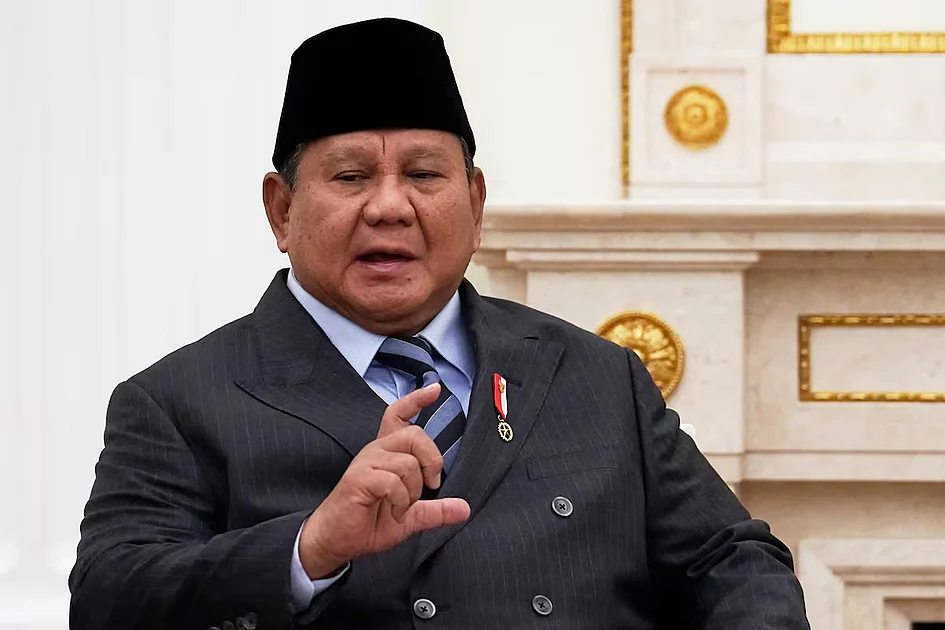
    Indonesian President Prabowo Subianto has formally nominated his nephew, Thomas Djiwandono, for a position on the central bank’s board of governors, triggering immediate concerns about the financial institution’s independence. The announcement was confirmed by State Secretariat Minister Prasetyo Hadi during a Monday press conference, revealing that multiple candidates had been submitted to parliament for consideration following the resignation of incumbent deputy governor Juda Agung.

    Djiwandono, who currently serves as deputy finance minister—a position he assumed in July 2024 under previous president Joko Widodo—now faces parliamentary scrutiny through a mandatory ‘fit-and-proper’ hearing process. The nomination comes at a critical juncture for Indonesia’s economic policy, with the central bank preparing to announce its latest benchmark interest rates this week.

    The development has reignited longstanding concerns about governance transparency in Southeast Asia’s largest economy, which has historically struggled with corruption and concentration of power among political elites. Bank Indonesia, tasked with maintaining monetary stability and overseeing the financial system, now faces questions about its operational independence from executive influence.

    Central bank spokesman Ramdan Denny Prakoso emphasized that ‘Bank Indonesia remains focused on its core mandates of currency stability, payment system integrity, and financial system security to support sustainable economic growth.’ The statement came as President Prabowo pushes an ambitious economic agenda aiming to accelerate growth from approximately 5% to 8% by 2029, adding significance to the central bank’s leadership composition.

  • UAE boosts digital trade as mBridge volumes top $55b

    UAE boosts digital trade as mBridge volumes top $55b

    The United Arab Emirates is solidifying its position at the forefront of digital trade innovation as transaction volumes on the mBridge platform exceed $55 billion. This groundbreaking multi-central bank digital currency (CBDC) initiative is fundamentally transforming international payment systems by enabling real-time settlements using sovereign digital currencies.

    Developed through collaboration between central banks across Asia and the Middle East, mBridge represents a paradigm shift in cross-border financial transactions. The platform connects the People’s Bank of China, Hong Kong Monetary Authority, Bank of Thailand, Central Bank of the UAE, and Saudi Central Bank, with participation from over 20 commercial banking institutions. This coalition bypasses traditional correspondent banking networks, creating a more efficient settlement infrastructure.

    Atlantic Council data reveals that mBridge has already processed more than 4,000 cross-border transactions, with settlements occurring in seconds and at minimal transaction costs. Notably, approximately 95% of the total settled value has been conducted using China’s digital yuan, demonstrating both the scale of early adoption and the growing preference for digital currencies in wholesale payments.

    The UAE’s strategic engagement with mBridge extends beyond technological advancement. In November 2025, the nation formally launched its live operations with a cross-border payment to China, executed by Vice President and Deputy Prime Minister Sheikh Mansour bin Zayed Al Nahyan. This milestone followed an earlier landmark transaction in January 2024, when Sheikh Mansour initiated the first Digital Dirham transfer to China, sending Dh50 million via the platform.

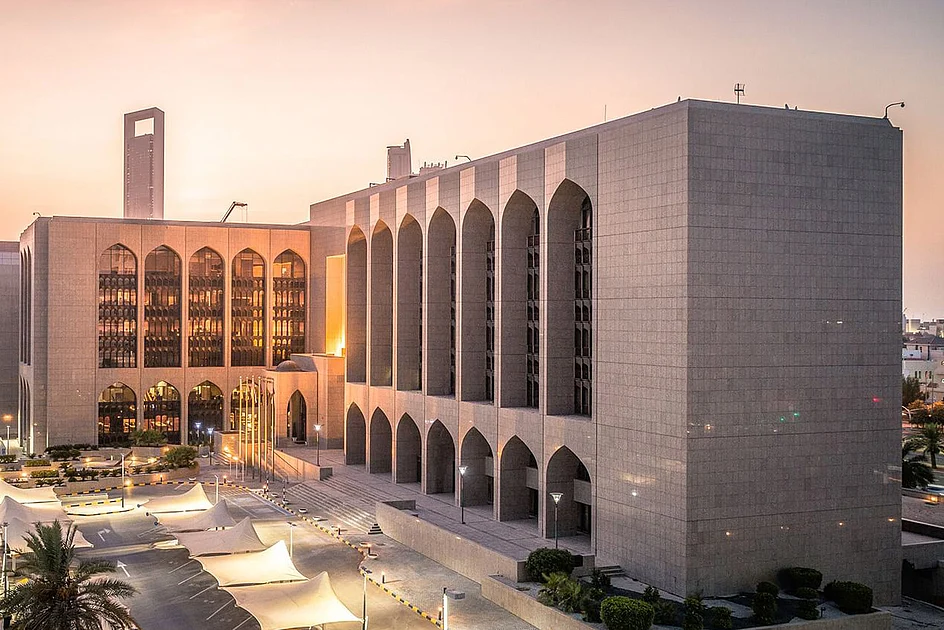
    The Central Bank of the UAE anticipates steady growth in mBridge usage as more financial institutions join and payment corridors expand. The platform serves as a cornerstone of the bank’s Financial Infrastructure Transformation programme, which aims to modernize payment systems, enhance financial inclusion, and strengthen the country’s competitiveness as a regional clearing hub.

    Unlike conventional transfers that rely on SWIFT messaging and correspondent banks, mBridge enables direct bank-to-bank transactions using tokenized central bank money. This architecture eliminates multiple intermediaries, reduces settlement risk, and compresses processing times from days to seconds. Embedded smart contracts automate compliance checks, foreign exchange conversion, and settlement finality.

    Market analysts observe that mBridge’s expanding transaction volumes signal a broader transformation of global payment infrastructure. While the digital yuan currently dominates settlement flows, participation from the UAE and other jurisdictions is enhancing the platform’s multi-currency functionality and establishing foundations for wider CBDC-based trade settlement adoption.

    According to People’s Bank of China data, the digital yuan has processed approximately 3.4 billion domestic and cross-border transactions worth around $2.4 trillion. These figures suggest China’s CBDC is transitioning from pilot programs to practical commercial applications, with mBridge providing a crucial international settlement channel.

    The Atlantic Council reports that 136 countries are currently exploring CBDCs at various development stages. While few nations have fully launched retail digital currencies, rapid progress with wholesale platforms like mBridge is attracting significant attention from central banks seeking alternatives to legacy payment systems.

    For the UAE, mBridge participation reinforces its role as a connector between Asian and Middle Eastern financial markets. As trade flows between the UAE, China, and other Asian economies continue to grow, faster settlement times and reduced transaction costs are expected to deliver substantial benefits for exporters, importers, and financial institutions.

    Although analysts suggest mBridge is unlikely to challenge the US dollar’s dominance in global finance immediately, its increasing adoption indicates a gradual shift toward more diversified, technology-driven settlement networks that could reshape international trade dynamics in the coming decades.

  • Aid cuts push Yemen towards catastrophe as famine pockets feared: Report

    Aid cuts push Yemen towards catastrophe as famine pockets feared: Report

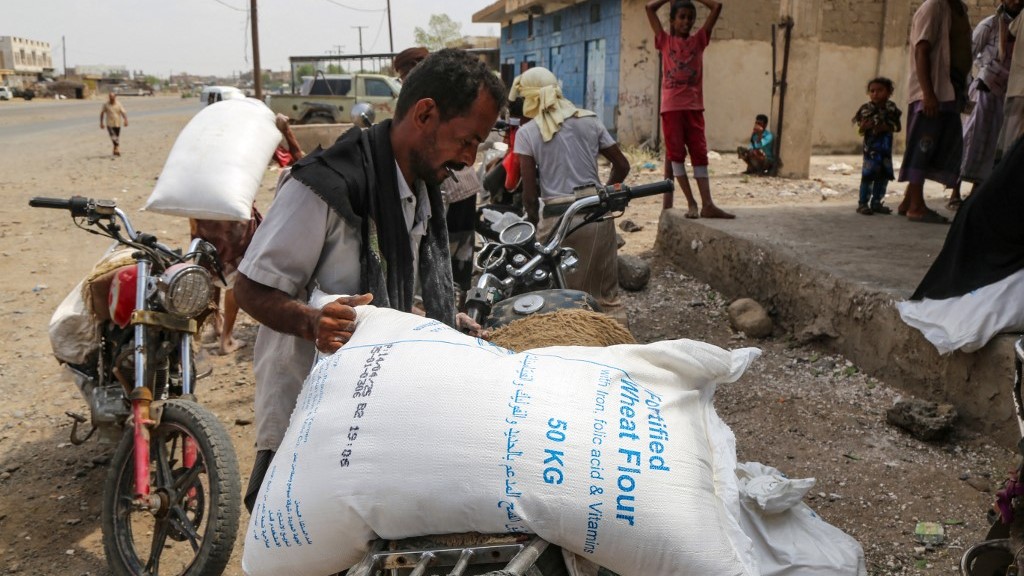
    Yemen is rapidly descending toward its most severe food security catastrophe since 2022, with the International Rescue Committee (IRC) warning that pockets of famine affecting over 40,000 people will emerge across multiple districts within the next sixty days. The humanitarian organization issued this grave assessment on Monday, indicating the nation is entering a dangerous new phase of widespread hunger.

    Projections indicate that more than half of Yemen’s population—approximately 18 million people—will experience deteriorating food security by early 2026. According to the latest Integrated Food Security Phase Classification (IPC) analysis, an additional one million individuals could be pushed into life-threatening hunger levels.

    This escalating crisis stems from a decade of relentless conflict and mass displacement that has systematically dismantled livelihoods and deprived communities of essential health and nutrition services. The situation has been exacerbated by a nationwide economic collapse that has severely diminished household purchasing power, coinciding with dramatic reductions in humanitarian funding.

    By the conclusion of 2025, the aid response was funded at less than 25% capacity—the weakest financial support level in ten years—while life-saving nutrition programs received under 10% of required funding. Humanitarian agencies identify these funding cuts as primary accelerants of the collapse, with more than 80% of US foreign aid programs cancelled alongside reductions from other international donors.

    The consequences are already visible: clean water systems have ceased operation in cholera-prone regions, healthcare services have shuttered, and millions have lost access to basic medical care. Less than 10% of the $2.5 billion required for Yemen’s 2025 humanitarian response has been secured.

    Caroline Sekyewa, IRC’s Country Director in Yemen, expressed grave concern about the alarming pace of deterioration. ‘The people of Yemen still remember when they didn’t know where their next meal would come from. I fear we are returning to this dark chapter again,’ she stated. ‘What distinguishes the current deterioration is its speed and trajectory. Food insecurity in Yemen is no longer a looming risk; it is a daily reality forcing parents into impossible choices.’

    Local organizations report dismantling fragile protection networks established over years, particularly for women, through the closure of safe spaces, suspension of psychosocial services, and halted legal aid.

    Compounding the humanitarian disaster, political tensions are resurfacing. In early January, Saudi Arabia launched strikes against the UAE-aligned separatist Southern Transitional Council (STC) and targeted an Emirati arms shipment in Mukalla’s port city. Abu Dhabi subsequently withdrew its forces from Yemen, resulting in the collapse of STC control and government troops retaking Aden and surrounding areas. These developments have raised prospects of further escalation as regional powers continue to vie for influence over Yemen’s future.

  • Family of Belfast man seek answers over Dublin death

    Family of Belfast man seek answers over Dublin death

    A Northern Irish family is seeking accountability after their loved one’s identified body remained unclaimed in a Dublin morgue for over a year despite carrying multiple forms of identification. James O’Neill, a 43-year-old father of two from Belfast, was discovered deceased in Phoenix Park, Dublin, in November 2023. Yet, it wasn’t until December 2024—more than 13 months later—that his family was officially notified of his death.

    The O’Neill family met with investigators from Fiosrú, the Republic of Ireland’s police ombudsman office, as they launched a formal investigation into the Gardaí’s handling of the case. Paul O’Neill, the deceased’s father, expressed profound frustration that despite his son carrying “nine separate identification items” at the time of discovery, authorities failed to identify him promptly or make any public appeal for information.

    “The last couple of years have been devastating, bewildering, confusing,” stated Mr. O’Neill. “Sleepless nights, questions unanswered, and again the constant question: Why could this have been allowed to happen?”

    Family solicitor Pádraig Ó Muirigh described the case as “very tragic but also very preventable,” citing “serious shortcomings” in the police investigation. The family has enlisted former Northern Ireland state pathologist Jack Crane to conduct an independent review of the case. An inquest scheduled for last week was adjourned pending further investigation.

    Both the Gardaí and Fiosrú have declined to comment citing the ongoing investigation. The O’Neill family emphasizes that their pursuit of answers aims to prevent similar institutional failures from affecting other families in the future.

  • Congolese soldiers reenter key eastern city after M23 rebels’ withdrawal, army and residents say

    Congolese soldiers reenter key eastern city after M23 rebels’ withdrawal, army and residents say

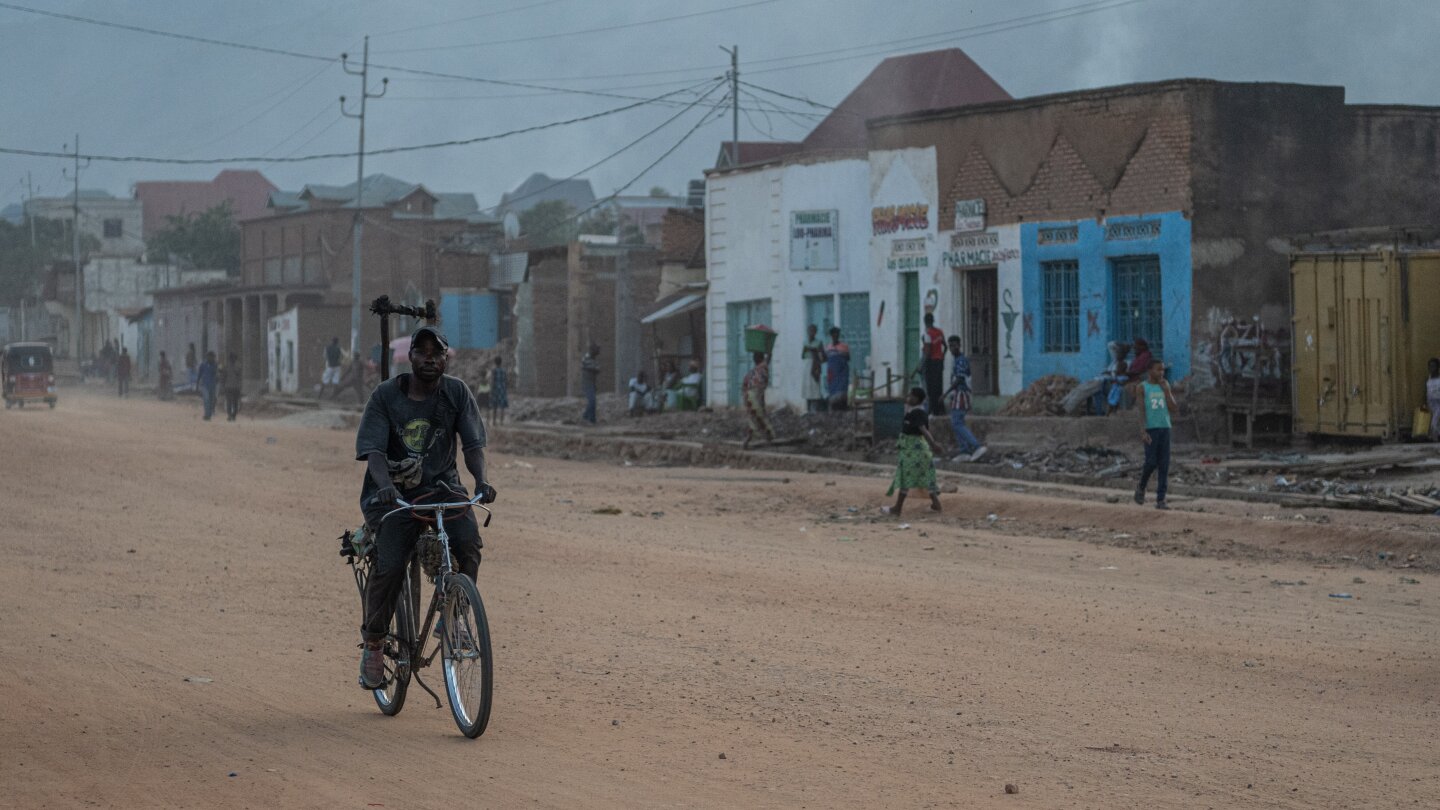
    DR Congo military forces, alongside pro-government Wazalendo militia fighters, have successfully reoccupied the strategic eastern town of Uvira following a month-long occupation by Rwanda-backed M23 rebels. The retaking of this crucial territorial foothold in South Kivu province marks a significant development in the ongoing conflict that continues to destabilize the mineral-rich region despite internationally-mediated peace efforts.

    Army spokesperson Mak Hazukay confirmed in an official statement that governmental forces initiated deployment throughout Uvira and surrounding areas on Sunday, aiming to consolidate defensive positions and ensure civilian security. This military advancement occurred precisely one month after M23 rebels captured the town during a rapid offensive that displaced approximately 300,000 residents and claimed over 1,500 lives according to government spokesperson Patrick Muyaya.

    Local resident Alain Ramazani reported witnessing the return of Congolese soldiers after their prolonged absence, noting their coordinated presence with Wazalendo militia members. However, Observatory for Human Rights director Ghislain Kabamba, based in Uvira, observed that despite military patrols circulating through the town Monday morning, sporadic gunfire persisted amid concerns about widespread weapon proliferation among various armed groups and civilians.

    The rebel group had previously announced their withdrawal as a “unilateral trust-building measure” requested by United States mediators to facilitate peace negotiations. This development occurs against a complex geopolitical backdrop where Congo, supported by U.S. intelligence and UN experts, alleges Rwandan sponsorship of M23—a rebel force that has expanded from hundreds to approximately 6,500 combatants since 2021 according to United Nations assessments.

    The capture of Uvira had carried particular strategic significance as it represented the final major government stronghold in South Kivu province following February’s fall of provincial capital Bukavu. Its seizure had enabled rebels to establish a consolidated corridor of influence across eastern Congo while bringing the conflict to the doorstep of neighboring Burundi, raising concerns about potential regional escalation given Burundi’s longstanding military presence in the area.

    This military shift unfolds despite high-level diplomatic efforts, including recent meetings between Congolese President Félix Tshisekedi and Rwandan leader Paul Kagame with U.S. mediators in Washington to reaffirm peace commitments. The persistent violence underscores the profound challenges in resolving a conflict involving over 100 armed groups vying for control in eastern Congo, which has created one of the world’s most severe humanitarian crises with more than 7 million displaced persons according to UN refugee agencies.

  • Enterprise security strategies evolve as digital transformation accelerates across the Middle East

    Enterprise security strategies evolve as digital transformation accelerates across the Middle East

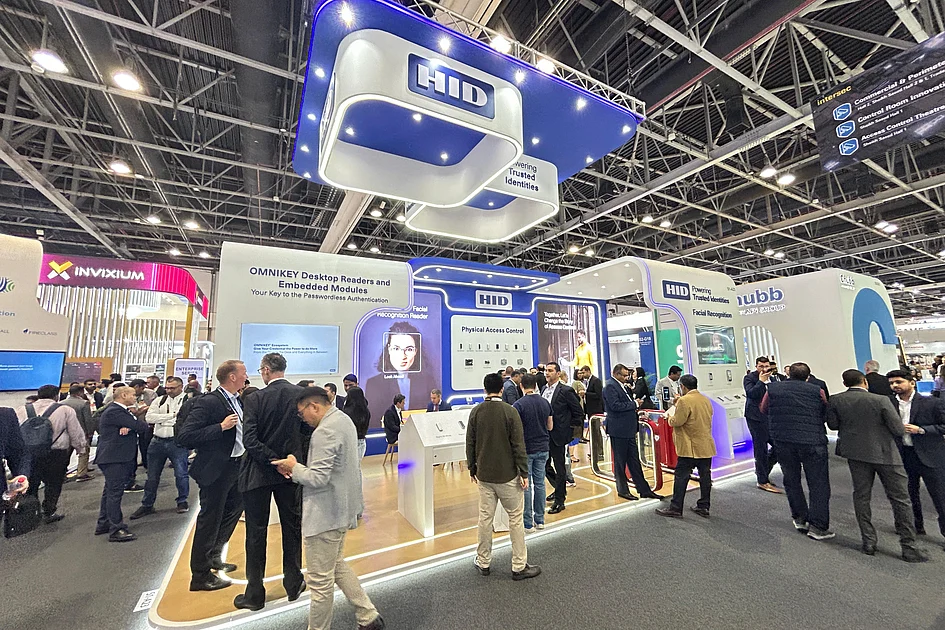
    The accelerating pace of digital transformation across Middle Eastern nations is fundamentally reshaping enterprise security paradigms, according to insights revealed at Intersec Dubai 2026. Government-led initiatives and private sector adoption are creating a new security landscape where traditional access control methods are rapidly giving way to sophisticated biometric authentication systems.

    Sam Cherif, Senior Director and Head of the Middle East at HID, emphasized that digital transformation is no longer a choice but a necessity driven by governmental vision programs including We the UAE Vision 2031 and Saudi Vision 2030. “The core challenge has shifted from whether to modernize to how to implement advanced security systems without introducing new vulnerabilities,” Cherif stated during the security technology exhibition.

    Biometric authentication has emerged as a cornerstone technology, particularly in high-traffic environments including corporate campuses, critical infrastructure sites, and transportation hubs. Organizations are increasingly implementing multi-factor authentication protocols that combine facial recognition with mobile credentials to secure sensitive areas.

    HID’s demonstration of its Amico biometric facial recognition readers highlighted the industry’s move toward contactless, high-throughput authentication systems. These next-generation devices represent a significant advancement over legacy biometric systems, which were often standalone devices with limited processing power and vulnerability to spoofing attacks.

    Modern biometric platforms function as secure identity endpoints incorporating real-time liveness detection, anti-spoofing measures, and hardware-based encryption. “They operate within a broader trusted identity ecosystem,” Cherif explained, “seamlessly integrating physical access control with cloud-based identity management solutions.

    The transition toward contactless access, accelerated during the global pandemic, continues to gain momentum with facial recognition and digital credentials replacing traditional authentication methods. Mobile credentials have become central to enabling fully contactless experiences, with over 60% of security leaders identifying them as the future of access control.

    This shift aligns with broader sustainability goals and the region’s digital evolution, positioning mobile and virtual credentials as key components in the Middle East’s security infrastructure. HID’s regional strategy remains focused on supporting organizations through this digital transition, with growth projections tied directly to the region’s continuing technological advancement.