作者: admin

  • Standard Chartered Mauritius: A super-connector linking Africa, Asia and the Gulf

    Standard Chartered Mauritius: A super-connector linking Africa, Asia and the Gulf

    Positioned uniquely within Standard Chartered’s global network, the Mauritius operation has established itself as a pivotal financial bridge connecting three dynamic economic regions: Africa, Asia, and the Middle East. Operating across some of the world’s most rapidly expanding trade and investment corridors, the institution combines profound local market intelligence with international banking capabilities to serve corporations, financial institutions, and investors navigating complex cross-border landscapes.

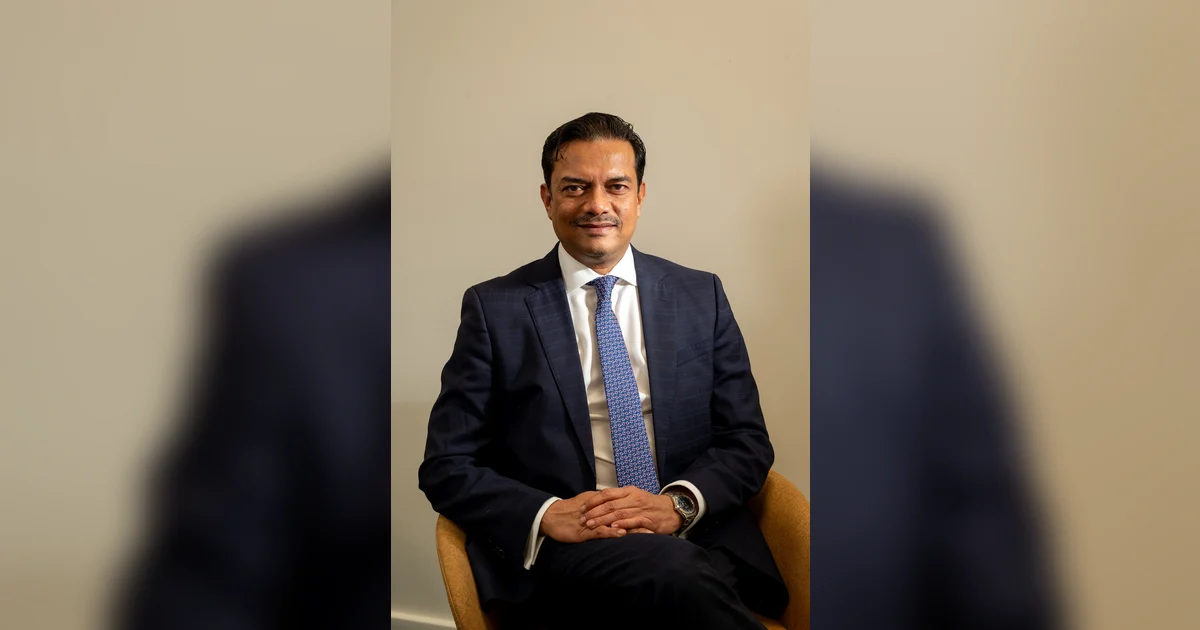
    According to Abrar A. Anwar, CEO and Head of Coverage at Standard Chartered Mauritius, the bank’s network represents its fundamental competitive advantage. “We function as a super-connector financial institution, enabling multinational corporations to capitalize on growth potential across emerging and frontier markets,” Anwar stated. The Group recognizes Mauritius not merely as an entry point to the African continent but as a crucial anchor market for Sub-Saharan Africa, consistent with its strategic objective to become the ‘Gateway to Africa and Asia’.

    The Mauritian franchise benefits from an exceptional operational footprint. As the sole global bank in Mauritius maintaining presence in nine additional African nations, Standard Chartered provides clients with confident access to regional opportunities. Its comprehensive service portfolio includes cash management, custody services, trade finance, financial markets operations, and transactional banking—all supported by sophisticated digital solutions and efficient, reliable cross-border payment systems.

    Mauritius’s evolution into a significant International Financial Centre (IFC) further amplifies the bank’s strategic importance. The jurisdiction currently hosts over 20,000 global business entities and approximately 1,000 funds that collectively administer assets surpassing $1 trillion. While capital flows traditionally originated from European and American sources, post-pandemic investment patterns demonstrate increasing Asia-to-Africa investment, particularly within infrastructure, mining, and energy sectors. Standard Chartered Mauritius facilitates these financial movements through customized treasury services, foreign exchange solutions, and specialized structuring capabilities.

    Digital transformation constitutes a fundamental pillar of the bank’s strategic direction. Throughout the past five years, Standard Chartered has allocated approximately $300 million toward technological advancement across Sub-Saharan Africa. The Straight-to-Bank platform alongside regional liquidity management solutions continue to optimize efficiency for regional treasury centers, with Mauritius leading the implementation of such capabilities continent-wide.

    Environmental and social governance principles are deeply integrated into the bank’s operational framework. Standard Chartered provided technical assistance to the Mauritian government in developing its inaugural Sustainable Finance Framework during 2023 and subsequently served as Sustainability Coordinator for a groundbreaking $400 million sustainability-linked loan facility. “Sustainable finance requires tailored approaches rather than universal solutions, particularly for small island economies,” Anwar emphasized, underscoring the necessity for customized transition financing mechanisms.

    Through robust governance protocols, security-focused platform design, and close regulatory cooperation, Standard Chartered Mauritius maintains its position as a reliable financial partner, channeling global capital toward local economic ambitions while supporting the nation’s long-term developmental objectives.
  • ‘Notorious Tanzanian drug trafficker’ arrested during raid in Zambia

    ‘Notorious Tanzanian drug trafficker’ arrested during raid in Zambia

    Zambian law enforcement authorities have apprehended a high-profile Tanzanian narcotics trafficker in a significant intelligence-driven operation targeting transnational drug networks. Ahmed Muharram, identified as a notorious kingpin long monitored by the Drug Enforcement Commission (DEC), was captured in Lusaka alongside multiple accomplices.

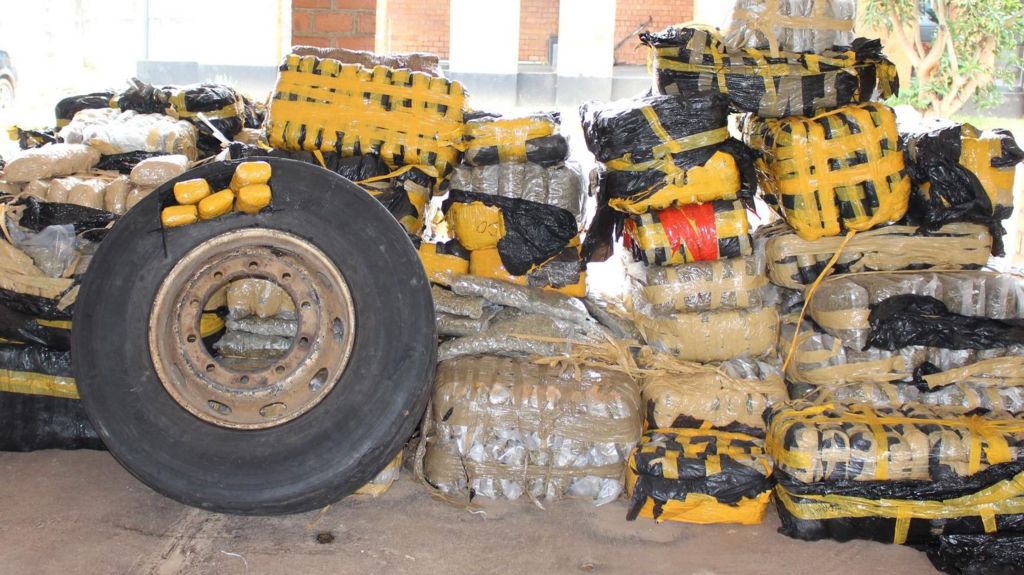
    The coordinated raids, executed on Tuesday, yielded substantial drug seizures including 1,380.8 kilograms of high-grade cannabis discovered in multiple locations. Authorities revealed that 221.2kg was initially found concealed within a commercial vehicle in the Lilayi district, with an additional 1,159.6kg uncovered during a subsequent search of Muharram’s residential property in the same area.

    In parallel operations, DEC officers arrested several other suspects involved in sophisticated trafficking schemes. These included a Zambian national apprehended with 55 boxes of codeine-based cough syrup, two additional Zambians transporting cannabis in their vehicle, and two Burundian nationals caught at the Chirundu border crossing with drugs hidden in innovative concealment methods. The contraband was discovered inside spare tire compartments, gas compressors, and mixed with household substances like sugar, salt, and paint within sealed containers.

    DEC officials emphasized that Muharram’s arrest represents a major breakthrough in combating organized drug trafficking in the region. The suspect, who has remained silent since his detention, faces serious charges under Zambian narcotics legislation that prohibits possession, trafficking, and use of dangerous drugs including cannabis. Penalties upon conviction may include substantial fines or imprisonment.

    The commission reaffirmed its commitment to preventing Zambia from being utilized either as a transit corridor or destination for international drug trafficking operations. All detained suspects remain in lawful custody awaiting formal court proceedings.

  • Thousands of Venezuelans march to demand Maduro’s release

    Thousands of Venezuelans march to demand Maduro’s release

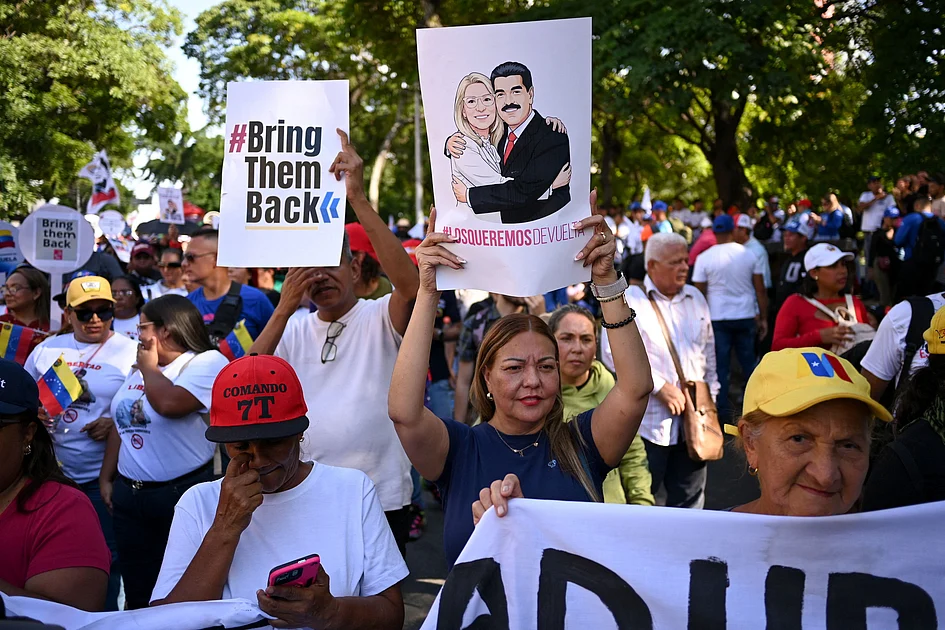
    Caracas witnessed massive demonstrations on Tuesday as thousands of Venezuelans mobilized in support of ousted leader Nicolás Maduro, exactly one month after his dramatic capture by U.S. forces. The government-organized protest saw public sector workers and loyalists marching through the capital, brandishing photographs of both Maduro and his wife Cilia Flores—both currently detained facing narcotics charges in New York.

    The atmosphere crackled with anti-American sentiment as protesters, many draped in the signature red of the Chavista movement, chanted “Venezuela needs Nicolás” and waved national flags. The demonstration stretched several city blocks, accompanied by music-blaring trucks that amplified the crowd’s energy.

    Nicolás Maduro Guerra, the former leader’s son and a National Assembly deputy, addressed the gathering with fiery rhetoric: “These people are not American. We have achieved a profound anti-imperialist consciousness.”

    The protests unfold against a complex political backdrop where interim President Delcy Rodríguez navigates competing pressures. While maintaining diplomatic channels with Washington—evidenced by the recent arrival of U.S. envoy Laura Dogu—Rodríguez must also preserve support from Maduro loyalists within her government.

    In a significant policy shift, the interim administration has begun releasing political prisoners and opening Venezuela’s nationalized oil industry to private investment. Rodríguez confirmed having “frank conversations” with U.S. officials regarding a three-phase transition plan aiming for a “prosperous and democratic Venezuela.”

    Parallel demonstrations occurred as hundreds of students and relatives of political prisoners marched demanding expedited approval of Rodríguez’s promised amnesty law. Opposition deputy Stalin González expressed hope that the legislation, potentially debated Thursday, might “open the door to reconciliation, coexistence, peace and democracy.”

    The day’s events highlight Venezuela’s deep political divisions, with pro-Maduro factions chanting “Freedom is in the streets and no one can stop it!” while opposition groups call for new elections following Maduro’s ouster.

  • Serbian government official faces forgery trial over withdrawn Kushner-linked project

    Serbian government official faces forgery trial over withdrawn Kushner-linked project

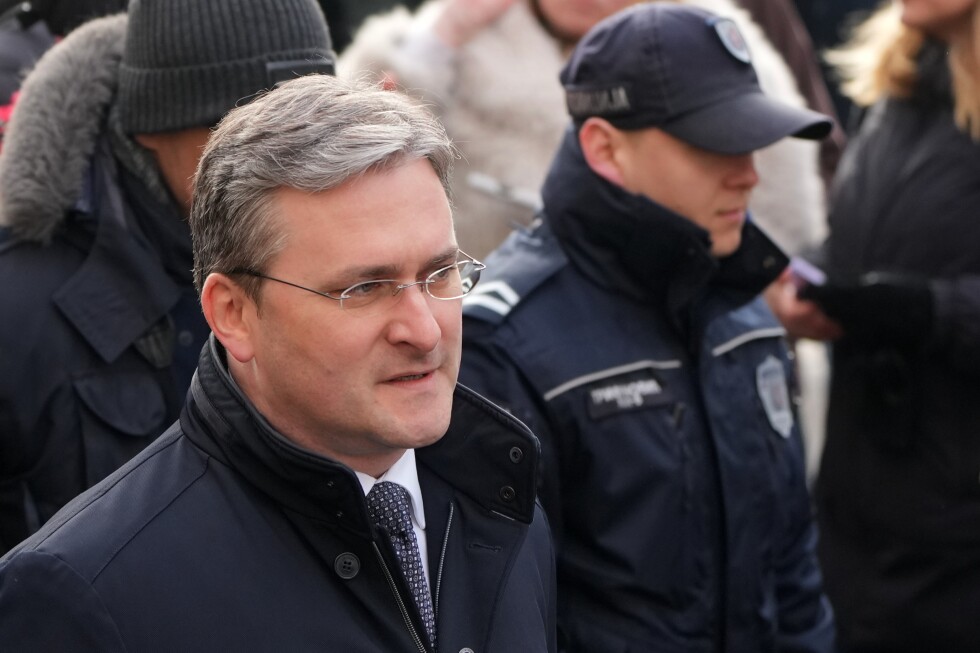
    A high-profile corruption trial commenced in Belgrade on Wednesday, targeting Serbian Culture Minister Nikola Selaković and three government officials charged with document forgery and abuse of office. The case centers on their alleged manipulation of protected cultural status to facilitate a major real estate development previously backed by Jared Kushner, son-in-law of former U.S. President Donald Trump.

    The controversial project envisioned transforming Belgrade’s bombed-out military complex—a protected modernist architectural site—into a luxury commercial hub featuring high-rise hotels, premium apartments, and retail spaces. Kushner’s investment firm subsequently withdrew from the multi-million dollar initiative following public outcry and international condemnation.

    Designed by renowned Yugoslav architect Nikola Dobrović, the damaged building holds significant historical value and became a symbol of NATO’s 1999 bombing campaign against Serbia during the Kosovo conflict. Heritage preservation groups strongly opposed the commercialization of the culturally protected zone, which had received endorsement from President Aleksandar Vučić’s administration.

    The trial unfolds amidst growing political tensions as Vučić’s government faces widespread protests over judicial reforms perceived as undermining legal independence. The Serbian parliament recently passed legislation restricting the authority of organized crime prosecutors, prompting criticism from EU Enlargement Commissioner Marta Kos who called the measures ‘a serious setback’ for Serbia’s European integration prospects.

    Prosecutors staged silent demonstrations against these reforms, while anti-government protesters gathered outside the courthouse chanting ‘thieves!’ as defendants arrived. This case represents the latest challenge to Vučić’s increasingly authoritarian rule, which has included crackdowns on dissent and strengthening control over state institutions despite formal commitments to EU membership.

  • Enhanced airport services ease chunyun journey

    Enhanced airport services ease chunyun journey

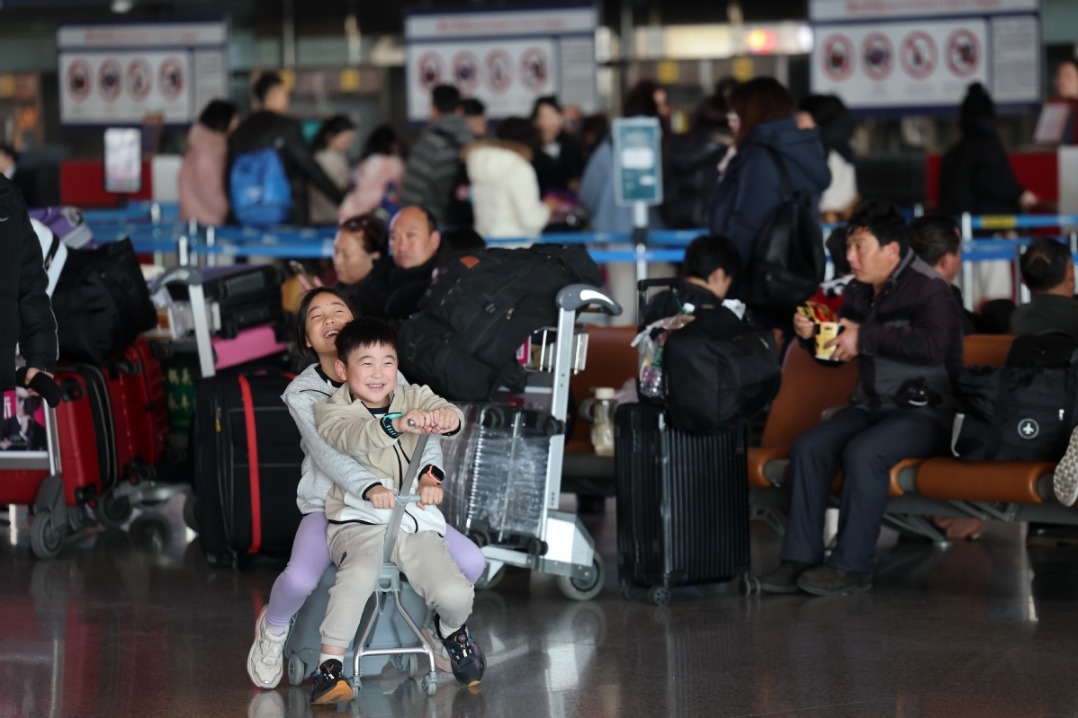
    China’s extensive 2026 Spring Festival travel period (chunyun) is now officially underway, marked by unprecedented operational coordination among the nation’s aviation sectors. In response to the extended holiday timeline—the longest recorded—airports nationwide have implemented comprehensive service enhancements to accommodate the massive surge in passenger traffic.

    Airlines, airport authorities, and air traffic control agencies have achieved full synchronization in their preparations. Key measures include a significant expansion of flight capacity, the optimization of check-in procedures to reduce waiting times, and the implementation of advanced logistical protocols to ensure terminal operations proceed without disruption.

    A notable improvement is the streamlined experience for international travelers arriving at major hubs like Beijing Capital International Airport. Authorities have successfully integrated processing systems, allowing international passengers to clear checks with efficiency comparable to domestic travel, effectively eliminating previous bottlenecks during peak periods.
    This systemic upgrade represents a significant investment in China’s transportation infrastructure, aiming to transform the traditionally hectic chunyun into a smoother and more manageable travel experience for millions of citizens journeying for family reunions.

  • The former Prince Andrew moves to King Charles III’s private estate after Epstein document uproar

    The former Prince Andrew moves to King Charles III’s private estate after Epstein document uproar

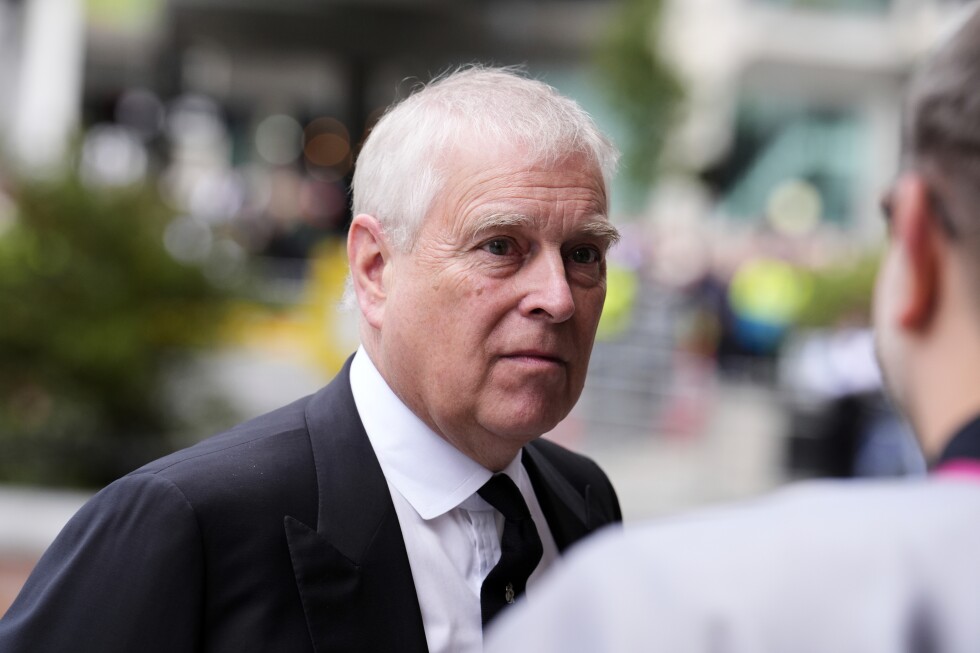
    In a dramatic acceleration of royal restructuring, Andrew Mountbatten-Windsor has abruptly vacated his Windsor residence following renewed scrutiny from recently unsealed Epstein investigation documents. The brother of King Charles III departed Royal Lodge on Monday, relocating to the monarch’s private Sandringham estate in eastern England rather than awaiting his previously announced spring timeline.

    The sudden relocation coincides with Thames Valley Police confirming an investigation into fresh allegations that Epstein facilitated another woman’s travel to Britain for sexual encounters with the former prince. Legal representatives disclosed to BBC that the alleged incident occurred in 2010 within the very premises Andrew has now vacated.

    These developments emerge alongside the U.S. Department of Justice’s release of 3 million pages of case documents, wherein Andrew features prominently. One disclosed email from March 2011 reveals an exotic dancer’s legal counsel alleging Epstein and Andrew coerced her into sexual acts during a 2006 gathering in Florida, subsequently compensating her merely $2,000 of the promised $10,000. Separate correspondence shows Epstein offering to arrange a date between Andrew and a 26-year-old Russian woman.

    The Royal Lodge residence had become a focal point of contention between the monarch and his brother since Charles’s ascension in 2022. Despite Andrew’s insistence on honoring a lease extending to 2078, public and parliamentary pressure mounted regarding his favorable occupancy terms for the 30-room crown-managed property. Sandringham Estate, conversely, remains the king’s personal property rather than crown estate, providing a more discreet retreat.

    While the documents showcase Epstein’s extensive network without implying wrongdoing by all named individuals, they have intensified scrutiny on Andrew’s associations. The former prince maintains his consistent denial of any misconduct regarding his relationship with Epstein.

  • UK will release files related to Mandelson’s ambassador appointment in more Epstein fallout

    UK will release files related to Mandelson’s ambassador appointment in more Epstein fallout

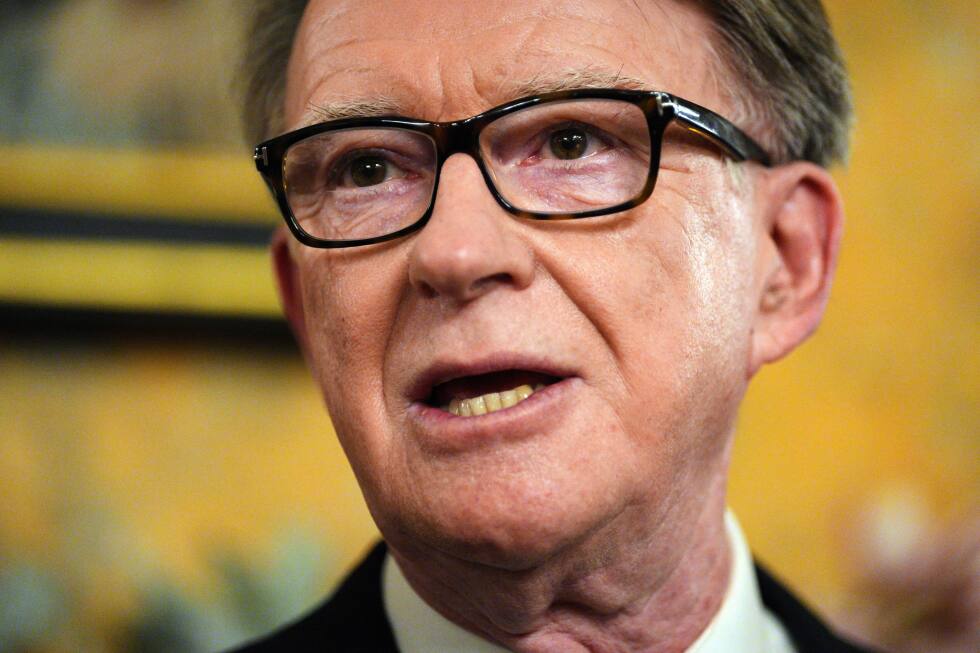
    LONDON — In a significant political development, the British government has capitulated to parliamentary pressure by agreeing to disclose emails and official documents pertaining to the controversial appointment of Peter Mandelson as ambassador to the United States. This decision follows the Conservative Party’s threat to force a parliamentary vote demanding transparency regarding Mandelson’s 2024 diplomatic assignment, despite known associations with convicted sex offender Jeffrey Epstein.

    The government has committed to releasing all requested materials, reserving only those documents that could potentially compromise national security or international relations. The exact scope and timeline for this disclosure remain unspecified.

    Mandelson’s diplomatic career unraveled dramatically when he was terminated from his Washington post in September following revelations of his sustained friendship with Epstein after the financier’s conviction for sex crimes involving minors. The situation escalated further this week when Mandelson resigned from the House of Lords amid an ongoing police investigation into allegations of misconduct in public office.

    Newly unveiled documents from the U.S. Department of Justice suggest potentially serious breaches of official conduct. Evidence indicates that during his tenure as government minister approximately fifteen years ago, Mandelson may have shared sensitive information with Epstein, including attempts to lobby against banker bonus taxes, disclosure of internal government reports discussing asset sales, and advance warning of European currency bailout measures.

    Financial records reveal three separate payments totaling $75,000 from Epstein to accounts associated with Mandelson or his partner between 2003-2004. The offense of misconduct in public office carries a maximum penalty of life imprisonment, though investigation initiation does not presuppose guilt.

    Epstein died in custody in 2019 while awaiting trial on federal charges related to the sexual abuse of numerous minors. Attempts to reach Mandelson for comment through House of Lords channels remained unanswered.

  • Russia and Ukraine envoys are due to meet in Abu Dhabi for US-brokered talks

    Russia and Ukraine envoys are due to meet in Abu Dhabi for US-brokered talks

    Diplomatic efforts to resolve the ongoing conflict between Russia and Ukraine are set to continue as representatives from both nations prepare for another round of U.S.-mediated negotiations in Abu Dhabi on Wednesday. The talks, which include U.S. Special Envoy Steve Witkoff and Jared Kushner, son-in-law of former President Donald Trump, follow previous discussions that yielded limited progress without achieving major breakthroughs.

    The renewed diplomatic initiative unfolds against a backdrop of intensified military aggression. Russian forces launched a massive overnight bombardment from Monday to Tuesday, deploying hundreds of drones and a record 32 ballistic missiles that injured at least ten civilians. These attacks specifically targeted Ukraine’s energy infrastructure, exacerbating the humanitarian crisis during one of the coldest winters in recent years, with temperatures plummeting to minus 20 degrees Celsius (-4°F).

    The timing of these strikes appears particularly significant given previous assurances. According to Trump, Russian President Vladimir Putin had committed to a temporary cessation of attacks on Ukraine’s power grid—a claim contradicted by the recent escalation. Ukrainian President Volodymyr Zelenskyy accused Moscow of duplicity, noting that barely four days had passed before renewed assaults on critical energy infrastructure.

    Analysts from the Institute for the Study of War suggest these developments represent a calculated negotiating strategy by the Kremlin. “The Kremlin will likely attempt to portray its adherence to this short-term energy strikes moratorium as a significant concession to gain leverage in the upcoming peace talks, even though the Kremlin used these few days to stockpile missiles for a larger strike package,” the Washington-based think tank reported.

    The human cost of the conflict continues to mount. In the central Dnipropetrovsk region, a Russian strike on a residential area killed a 68-year-old woman and a 38-year-old man. The southern city of Odesa also endured large-scale attacks that damaged approximately 20 residential buildings, requiring the rescue of four individuals from beneath rubble.

    These diplomatic efforts coincide with the impending expiration of the last remaining nuclear arms control treaty between Russia and the United States on Thursday, adding another layer of complexity to the already tense international landscape. The simultaneous occurrence of these events raises stakes for all parties involved in the negotiations.

  • European Union citizens want more unified and bold leadership, survey suggests

    European Union citizens want more unified and bold leadership, survey suggests

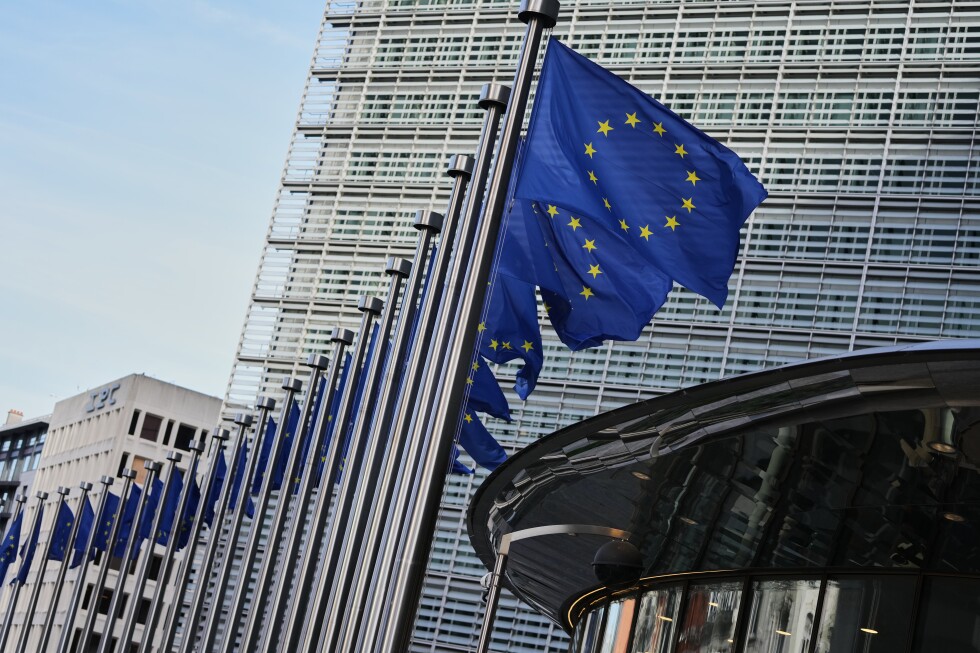
    BRUSSELS (AP) — A comprehensive European Union survey reveals overwhelming public support for enhanced EU leadership capabilities as the bloc confronts mounting geopolitical, economic, and environmental challenges. The Eurobarometer study, conducted through extensive face-to-face interviews with over 2,600 citizens across all 27 member states, demonstrates a clear mandate for more robust collective action.

    The research, completed in November prior to recent international developments, indicates exceptionally strong backing for expanded EU security responsibilities (69%), more assertive diplomatic engagement (87%), and deeper unification to address critical issues (90%). The survey carries a margin of error of just 2 percentage points, reflecting its statistical reliability.

    Citizens expressed profound concern about multiple threat vectors, including military conflicts near EU borders, climate-induced natural disasters, and sophisticated cyber warfare operations. Defense priorities have surged to the forefront, emerging as the primary concern in 18 member nations.

    The findings align strategically with European Commission President Ursula von der Leyen’s agenda for strengthening Brussels’ authority in trade and defense matters. Her administration has pursued numerous international trade agreements responding to global economic pressures, including tariff threats from the United States and China’s restrictions on vital mineral exports.

    Notably, the poll suggests that external attempts to fragment EU cohesion—whether from Russia, the United States, or far-right movements—have largely failed to undermine public support for European integration. However, respondents identified serious anxieties about hybrid threats including drone incursions, disinformation campaigns, artificial intelligence manipulation, social polarization, election interference, and defense supply chain dependencies.

    A striking paradox emerged between personal optimism and global pessimism: while citizens feel positive about their individual circumstances and the EU collectively, they maintain deep concerns about worldwide stability. This divergence between personal confidence and broader uncertainty significantly influences civic priorities, governance expectations, and demands for multinational cooperation at various administrative levels.

  • Colombia to work with US on drug trafficking: president

    Colombia to work with US on drug trafficking: president

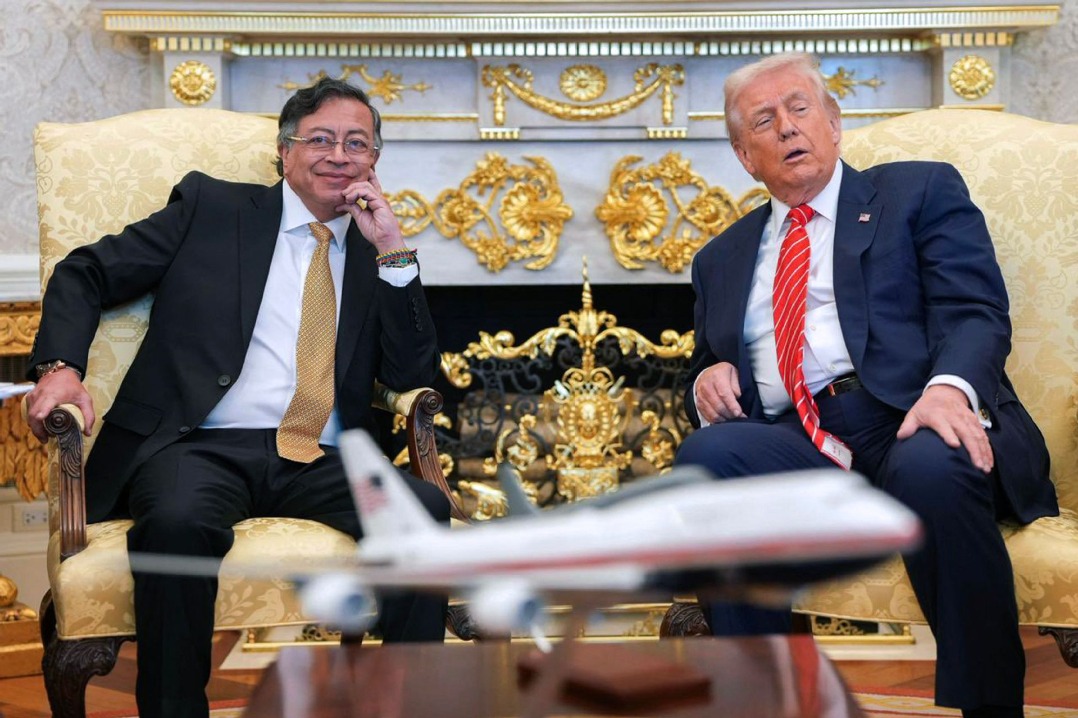
    In a significant diplomatic development, Colombian President Gustavo Petro and U.S. President Donald Trump have established a collaborative framework to combat international drug trafficking networks. The agreement emerged during their February 3rd meeting at the White House, marking a pivotal moment in bilateral security cooperation.

    President Petro subsequently revealed to Colombian media that the discussions exposed substantial differences in strategic perspectives regarding security policy and narcotics enforcement. The Colombian leader expressed particular surprise at what he characterized as President Trump’s ‘misinformation’ concerning Colombia’s current security landscape and drug trafficking dynamics.

    Beyond narcotics enforcement, the bilateral dialogue addressed regional stability concerns. President Petro confirmed Colombia’s supportive stance toward Venezuela’s ongoing political transition, emphasizing that ‘Venezuela deserves the future. The past will be evaluated, but the present and future are fundamental.’

    In a gesture of diplomatic goodwill, President Petro extended an invitation for his American counterpart to visit Cartagena, a historic Colombian coastal city symbolizing the nations’ complex but enduring partnership. This invitation signals Colombia’s commitment to maintaining constructive engagement despite acknowledged policy differences.