作者: admin

  • Kyiv struck after attack on Russian e-commerce giant

    Kyiv struck after attack on Russian e-commerce giant

    Escalating cross-border attacks have plunged the Russia-Ukraine war into a dangerous new phase, with Russian ballistic missiles striking multiple civilian targets across Ukraine’s capital Kyiv overnight in retaliation for a major Ukrainian drone assault on Russian logistics infrastructure. The July 19 bombardment, which comes as Ukraine grapples with rare domestic political upheaval in its fifth year of full-scale invasion, has left conflicting casualty figures and widespread damage across the capital.

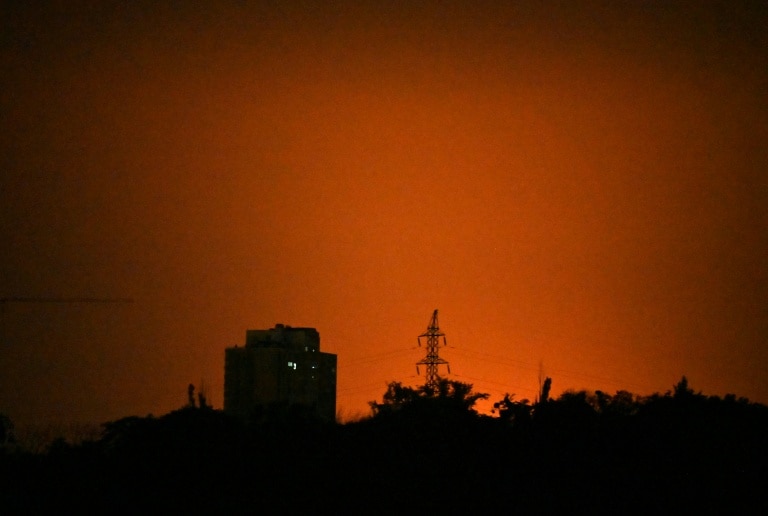
    Moments after Ukraine’s Air Force pushed an emergency alert to residents via the messaging platform Telegram warning of incoming ballistic threats, AFP correspondents on the ground in Kyiv heard multiple loud explosions. One blast was powerful enough to trigger car alarms across the city’s central district, witnesses confirmed. Initial casualty reports have been inconsistent: Kyiv’s military administration announced one fatality in a Telegram update, while Mayor Vitali Klitschko reported seven injuries with no confirmed deaths, and Ukraine’s state emergency service put the number of wounded at just two.

    Local authorities confirmed that the overnight strikes ignited multiple fires and damaged structures across five of Kyiv’s districts. In the Solomianskyi district, an apartment building was directly hit, and a nearby supermarket caught fire. A residential home burned in the Sviatoshynsky district, while strikes were also confirmed at a shopping and entertainment complex in Dniprovsky district, a second apartment building in the central Shevchenkivsky district, and an unused non-residential structure. This latest wave of attacks is part of Russia’s nearly daily campaign of missile and drone strikes against Ukrainian cities that has continued uninterrupted since the full-scale invasion began in February 2022.

    The retaliatory Russian strike came one day after Ukraine launched a large-scale drone attack on e-commerce warehouses in Russia’s Moscow and Tambov regions. Ukrainian officials confirmed the attack, which killed eight people and sparked massive infernos across the two logistics hubs. In a post on X, Ukrainian President Volodymyr Zelensky stated that the strike was a direct response to repeated Russian attacks on Ukrainian civilian infrastructure, adding that the targeted warehouses were being used to store sanctioned components for Russian drone manufacturing and navigation systems.

    In simultaneous attacks across Ukraine on Saturday, Russian strikes killed five people and injured nearly 20 more in regions spanning the country’s southeastern frontline. Over recent months, Kyiv has stepped up long-range strikes on Russian territory, a campaign it frames as “long-range sanctions” intended to punish Moscow for its years of bombardment of Ukrainian civilian areas. The campaign has primarily targeted Russian oil infrastructure, contributing to widespread fuel shortages in one of the world’s largest oil-producing nations. Moscow has meanwhile reported a sharp rise in incoming drone attacks: Russian capital mayor Sergei Sobyanin confirmed that more than 370 drones were launched toward the Moscow region overnight in the recent attack, adding that nearly 1,900 incoming Ukrainian drones were intercepted in the week between July 11 and 18.

    Beyond the escalating cross-border fighting, Ukraine is facing unprecedented domestic political unrest amid a sudden military leadership shakeup. For the third consecutive day on Saturday, thousands of protestors gathered in major Ukrainian cities to oppose Zelensky’s dismissal of popular Defense Minister Mykhailo Fedorov. The tech-focused minister, who had pushed aggressive reforms to digitize and modernize Ukraine’s war-weary military, was removed in a surprise cabinet reshuffle at a moment when Ukrainian forces had been gaining incremental momentum on the frontline, triggering a rare public backlash against Zelensky’s administration.

    The reshuffle has also fuelled widespread media speculation that army chief General Oleksandr Syrsky could be next to be replaced, as Zelensky held two consecutive days of closed-door meetings with top military commanders over the weekend. During his six months in office, Fedorov repeatedly clashed with the 60-year-old Syrsky over his modernization and digitization agenda for the Ukrainian military, which has been strained by more than four and a half years of continuous high-intensity combat.
  • New EU border system tripling time at passport control, airport boss says

    New EU border system tripling time at passport control, airport boss says

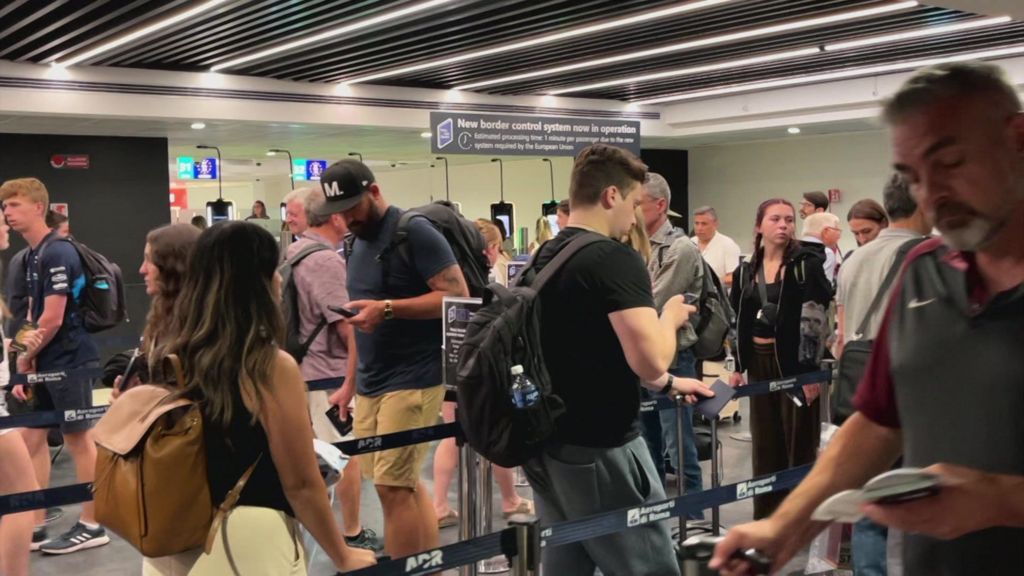
    As peak summer travel season hits the European Union, the bloc’s newly rolled-out digital Entry Exit System (EES) has triggered widespread long queues and significant processing delays for non-EU travelers at major continental airports, drawing sharp criticism from airport operators and airline carriers alike.

    Implemented in a phased rollout starting last October, EES mandates that all non-EU citizens entering the 29-nation Schengen Area must register biometric data — including fingerprints and a facial photograph — upon arrival, with the information cross-checked when travelers exit the bloc. Most processing is completed via standalone automated kiosks, though minors and other travelers with special requirements must complete the step in person with border agents. Even with incremental technical adjustments and process changes implemented in recent months, top officials at Rome’s Fiumicino Leonardo da Vinci Airport, Italy’s busiest international gateway, confirm wait times for UK travelers have nearly tripled compared to pre-EES protocols.

    Fiumicino’s Chief Aviation Officer Ivan Bassato told the BBC that even after integrating EES processing into existing passport e-gates — a modification that followed a €12 million investment in standalone kiosks that proved unable to handle peak passenger volumes — average wait times for UK nationals have jumped from just 7 minutes pre-EES to 20 minutes currently. Some passengers arriving during peak windows have reported waiting one to two hours to clear border control, with several missing connecting transportation and even departing flights after long holds. Bassato, whose airport is widely regarded as one of the most technologically advanced in Europe, emphasized that current wait times are unacceptable, calling for urgent systemic fixes. He outlined two key adjustments: cutting redundant process steps that create unnecessary duplication, and expanding the use of the EU’s pre-registration app, which is currently only active in two member states: Sweden and Portugal.

    While airport and airline leaders have urged the European Commission to allow member states to temporarily suspend EES during peak travel periods to ease congestion, a policy meeting held earlier this month failed to produce any changes to the current framework. Member states retain the right to suspend the system only under exceptional circumstances.

    The issue is not isolated to Italy. At Portugal’s busy Faro Airport, a top destination for summer sun-seeking UK travelers, border police have also documented growing delays linked to EES, as well as recurring technical bugs. Superintendent Pedro Oliveira, head of border control at Faro, acknowledged that what previously would have been a 10-minute wait can now stretch to more than 30 minutes. He added that the system is vulnerable to cross-network outages: server issues originating in other parts of the EU can crash EES across all member states simultaneously, requiring a full system reboot that adds more downtime for passengers. Oliveira noted that these outages have become less frequent in recent months, and that extreme waits over an hour are rare at Faro, limited only to unexpected peaks when dozens of flights arrive within a narrow window. Portugal has responded to delays by recruiting additional border officers and adjusting rules to require all minors under 16 to process with staff rather than kiosks.

    Budget carrier Ryanair, one of the largest operators of transnational flights into the EU, has been among the most vocal critics of the rollout, calling it a “failed implementation” that creates avoidable travel disruption. The airline has warned UK passengers traveling to Europe this summer to plan for extended waits and build extra time into their travel itineraries. Passengers interviewed across Rome, one of the world’s most popular tourist destinations, shared widespread stories of frustrating delays: UK traveler Carl, who arrived in Rome from Yorkshire with young children, reported a two-hour wait from plane disembarkation to border clearance. “I knew it was going to be bad, but not that bad,” he said. US visitor David, traveling with his wife, waited an hour and missed his pre-booked private transfer. Other travelers arriving through Barcelona similarly reported 45 to 60 minute waits, with some noting their border queue time matched the length of their flight to Spain.

    In response to the widespread reports of disruption, the European Commission stated that disruptions are limited at most EU airports, adding that it will continue providing full support to member states as they work through implementation challenges.

  • Influencer Andrew Tate and brother arrested in Miami

    Influencer Andrew Tate and brother arrested in Miami

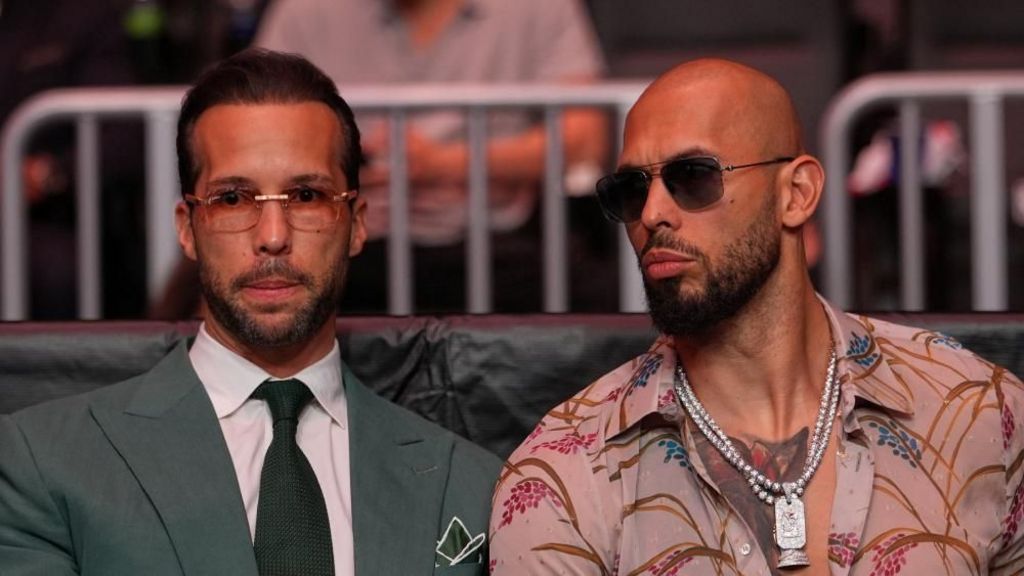
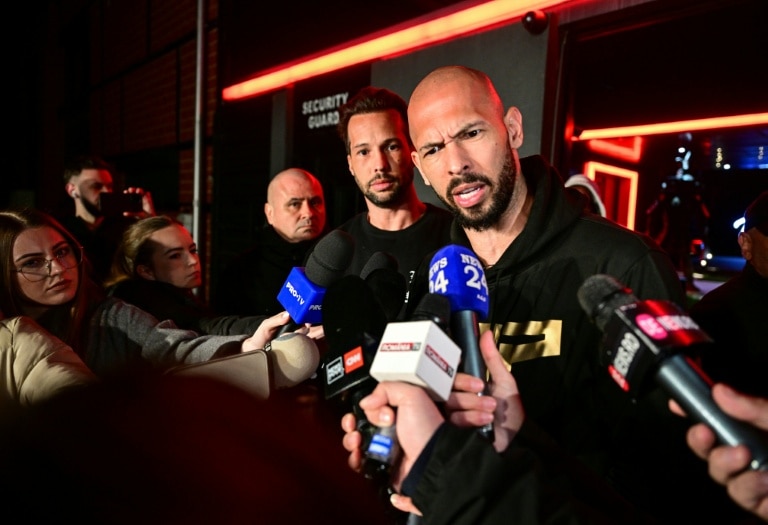
    In a high-profile law enforcement development that has drawn global attention, controversial social media influencer Andrew Tate and his brother Tristan were taken into custody by U.S. Marshals Service agents in Miami on Saturday. The arrest comes as British authorities move to extradite the pair to face a series of serious criminal charges, including rape, sexual trafficking and physical assault.

    A spokesperson for the U.S. Marshals Service confirmed the arrest of 39-year-old Andrew Tate — a self-identified misogynist with a massive global social media following — and his younger brother to Agence France-Presse, but declined to release additional details citing a sealed arrest warrant. U.S. celebrity news outlet TMZ released on-the-ground footage showing uniformed officers placing the brothers in handcuffs before leading them to unmarked law enforcement vehicles. The video, also shared to the social platform X, shows Tristan Tate ignoring a bystander’s request for comment as he is escorted away.

    In an official public statement, the U.K. Crown Prosecution Service (CPS) confirmed the arrest aligned with its extradition request for the pair, who face multiple felony charges in British courts. Malcolm McHaffie, head of the CPS Special Crime Division, outlined the scope of the new prosecution: “We have decided to prosecute Andrew and Tristan Tate for further offences including rape, arranging or facilitating trafficking for sexual exploitation and offences relating to indecent images of a child.” McHaffie added that the updated charges were filed after investigators received new evidence from Bedfordshire Police, bringing the total number of alleged victims connected to the case to seven.

    The latest legal action is not the first investigation into the Tate brothers. Earlier in 2025, Hertfordshire Police, based north of London, announced it was reopening an investigation into historical rape and sexual assault allegations against Andrew Tate stemming from incidents alleged to have occurred between 2014 and 2015. Separate allegations of rape and human trafficking, investigated by Bedfordshire Police — which covers the pair’s hometown of Luton, also north of London — have also been pending, and the brothers additionally face accusations of tax evasion and money laundering under British law.

    Dual British-American citizens, the Tate brothers have long been vocal supporters of former U.S. President Donald Trump. Back in March 2025, Florida state authorities launched a separate criminal investigation into the pair, though no updates on the status of that probe have been released publicly.

    Andrew Tate is one of the most high-profile figures in the online “manosphere” — a loose network of online communities centered on traditional masculinity, anti-feminist rhetoric and gendered self-improvement. He has built an audience of millions across social platforms, including 10.8 million followers on X, by spreading polarizing content that leans heavily into alpha-male posturing and openly misogynistic viewpoints. For the past several years, the brothers have primarily resided in Romania, where they already face local charges of trafficking minors, sexual intercourse with a minor and money laundering.

    Throughout all ongoing investigations, the Tate brothers have issued blanket denials of all accusations against them.

  • World Cup 2026: Palestinian flags become a target at US-based games

    World Cup 2026: Palestinian flags become a target at US-based games

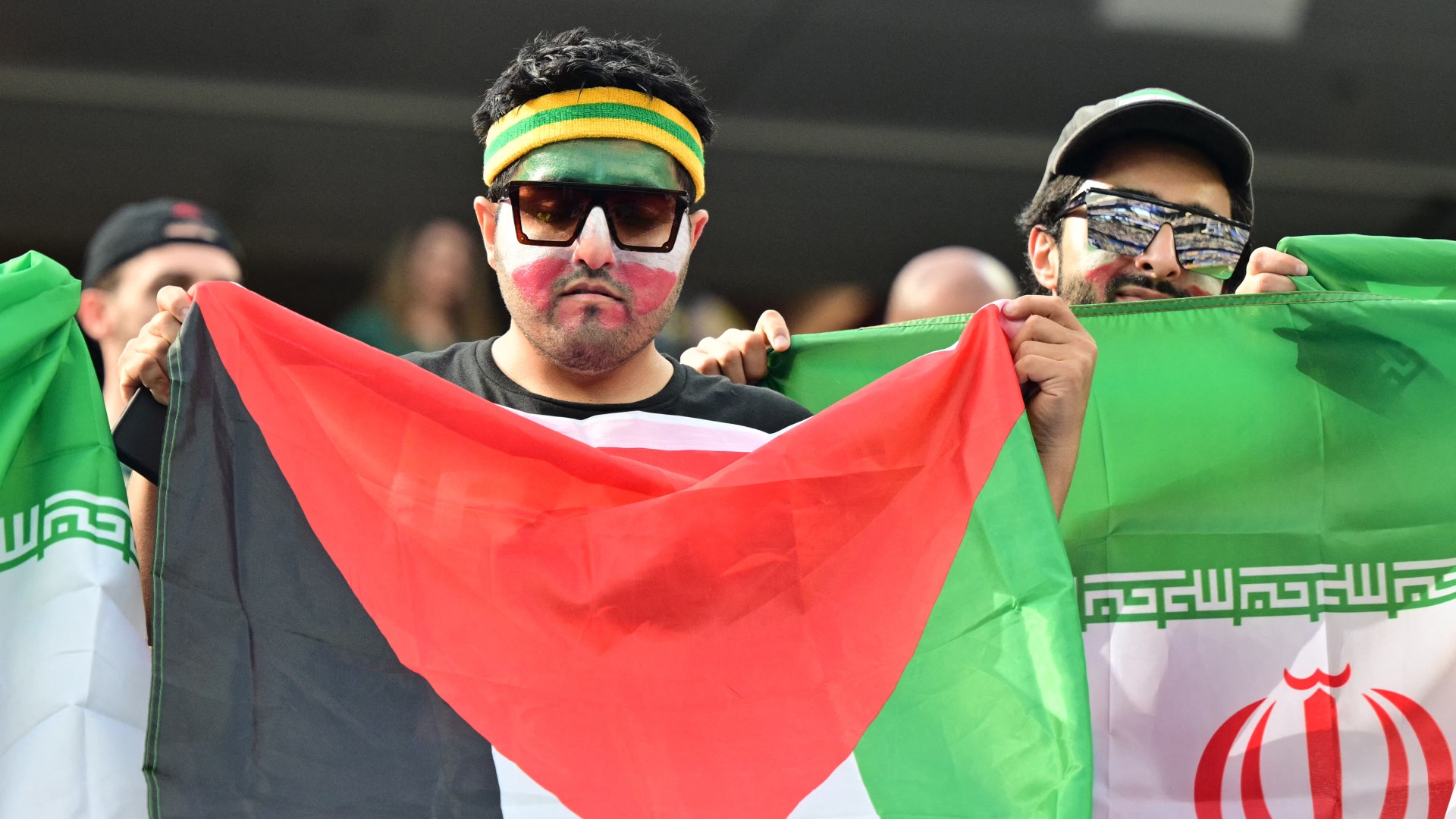
    As the 2025 World Cup hosted in the United States heads into its highly anticipated final match at New Jersey’s MetLife Stadium, a simmering debate over the display of Palestinian flags has emerged as one of the tournament’s most contentious off-pitch stories, drawing new attention to inconsistent political policies within global football governance. What has become clear over the course of the competition is that the Palestinian flag has become both one of the most widely visible symbols of solidarity in stadium stands and one of the most frequently targeted by venue security personnel.

    Multiple supporters who brought Palestinian flags to matches have told Middle East Eye that they were stopped by security officials during venue entry and ordered to remove the flags or face confiscation, a move that directly contradicts FIFA’s own public regulations that permit all national flags to be brought into World Cup stadiums. These confrontations have occurred amid a groundswell of grassroots solidarity from fans of Arab nations competing in the tournament, who have turned out in large numbers to display Palestinian flags throughout the stands, even though Palestine is not a participating team in this year’s competition.

    For pro-Palestine activists and organizers, these repeated incidents are not isolated mistakes, but rather a reflection of what they frame as growing systemic scrutiny of Palestinian identity in public spaces across the U.S., even as popular global support for Palestinian statehood and an end to the war in Gaza has become increasingly visible. As the tournament prepares for its final showdown, two major questions remain unanswered: whether venue authorities will allow Palestinian flags to be displayed openly in the stands of MetLife Stadium, and whether Israeli Prime Minister Benjamin Netanyahu – who faces widespread accusations of war crimes for his government’s military campaign in Gaza – will attend the final as previously rumored.

    Maisa Morrar, a Palestinian-American community organizer based in Oakland, argues that FIFA itself bears ultimate responsibility for the clashes between security guards and flag-bearing fans. She explains that conflicting pre-tournament messaging from the global football governing body over whether Palestinian flags would be allowed created unnecessary confusion, which in turn emboldened security staff to confront supporters displaying the symbol. “We were seeing reports that FIFA was allowing the Palestine flag in stadiums, and my first thought was, why was that even a question?” Morrar said in an interview. “People bring their national flags to World Cup matches all the time; it was bizarre that there was ever any question over whether Palestinians could fly their flag.”

    For many attendees, those unclear policies quickly turned into on-the-ground conflict. Omar Dreidi, a Palestinian-American from Southern California and an NBA player agent with past connections to FIFA through the FIFA Masters program, was confronted by security while attending a match at California’s Levi’s Stadium. He told Middle East Eye that security approached him directly and said he was not permitted to display his Palestinian flag.

    Dreidi, who is familiar with FIFA’s official rules and maintains connections within the organization, refused to comply. A viral video he posted to the social platform X immediately after the confrontation shows him draped in the Palestinian flag, challenging security: “If you’re going to make me take down my Palestinian flag, then make that person take off their keffiyeh,” he says in the footage, pointing to another supporter who had stepped in to defend him. After an extended back-and-forth, the security guard radioed his supervisors before returning to inform Dreidi he could keep the flag. “When he told me I could keep it, he said ‘you can chill now’ – and I told him, you were the one who came and harassed me,” Dreidi recounted.

    The incident drew immediate solidarity from nearby spectators, with two Algerian fans stepping in to support Dreidi, and another attendee beginning to record the interaction. “It shows acts of solidarity and pride and love, and I was really grateful for those two guys,” Dreidi said. After he shared his experience online, Dreidi received dozens of messages from other fans across the tournament reporting identical confrontations, many of whom had their Palestinian flags confiscated by security. “I felt bad because I wish they knew their rights under FIFA rules,” he said. He has since urged all Palestinian supporters attending matches to familiarize themselves with tournament regulations, document all interactions with security if possible, and says he has connected with FIFA’s legal team to offer support to fans facing similar harassment.

    Middle East Eye reached out to FIFA for official comment on the incidents ahead of publication, but did not receive a response before the article went to press.

    The disputes over Palestinian flags are unfolding against a backdrop of broader criticism of the current World Cup and FIFA’s leadership on multiple human rights fronts. While FIFA markets the tournament as a global celebration of football and cross-national unity, campaigners and activists have accused the governing body of failing to uphold those stated principles when confronted with ongoing war, human rights abuses and political expression.

    Critics have repeatedly highlighted what they call FIFA’s deeply inconsistent approach to global conflicts. In 2022, Russia was fully suspended from international football within days of launching its full-scale invasion of Ukraine. Yet repeated calls from the Palestinian Football Association and dozens of global human rights organizations to suspend Israel over its ongoing military campaign in Gaza, which has killed more than 34,000 Palestinians to date, the majority of them women and children, have not resulted in any similar action from FIFA.

    FIFA has also faced new scrutiny over its increasingly close public alignment with former U.S. President Donald Trump, who has made multiple high-profile appearances at tournament events. Rights groups have raised alarm over FIFA’s willingness to align itself with a political leader accused of undermining international law and domestic civil liberties, particularly after FIFA awarded Trump its annual FIFA Presidential Award earlier in the tournament.

    For many Palestinian supporters, these broader institutional controversies have framed the flag disputes as part of a larger pattern of institutional bias, rather than isolated errors by individual security staff.

    For Dreidi, however, the tournament has also highlighted football’s unique power to unite diverse supporters across national and political divides. “We have many problems with FIFA – the peace prize for Trump, the way they allow Israel to play without any sanctions, we have a lot of problems – but put that aside for a second,” he said. “The World Cup is a really unique sporting event because it brings people together. I see the pride and the joy it brings in people.”

    When asked what message he wants the global public to take from the widespread display of Palestinian flags at the tournament, Dreidi said it boils down to a simple demand for equality and inclusion. “I just want everybody to know that the Palestinian flag, like any other nation in the world, is allowed in stadiums,” he said. “We’re allowed to wear our jerseys, we’re allowed to fly our flag high, and be prideful. I knew that going in.”

    For Morrar, attending the tournament was about far more than watching football. She said it felt critical to be present at a major U.S.-hosted global event at this historic moment, and to witness the widespread grassroots solidarity firsthand. “It felt really important for me to go and see the camaraderie and the solidarity, not just for the games but also for us as Palestinians,” she said. She added that fans from dozens of competing nations repeatedly approached her to express solidarity, ask to hold her Palestinian flag, and join chants in support of Palestinian liberation. “Everywhere we’ve gone, people have been so receptive to the flag, and I think a large part of that has to do with the genocide in Gaza,” Morrar said. “The message I’ve fully received and witnessed is that the people are really standing with Palestine, and that at the end of the day it’s always about people’s struggles and their liberation.”

  • Tate brothers arrested in US after more charges laid against them in UK

    Tate brothers arrested in US after more charges laid against them in UK

    In a major development in the long-running legal case against controversial online influencers Andrew and Tristan Tate, the pair have been taken into custody in the United States, just hours after British prosecuting authorities announced a new round of serious criminal charges against both men.

    The UK Crown Prosecution Service (CPS) confirmed on Friday that Andrew Tate, 39, faces an additional seven counts of rape, alongside new charges connected to alleged sex trafficking and the possession of child pornography. For his part, 37-year-old Tristan Tate has been hit with one count of sexual assault, two counts of rape, and three counts of arranging or facilitating human trafficking for the purpose of sexual exploitation.

    According to CPS Special Crime Division head Malcolm McHaffie, the latest charging decisions came after prosecutors received an expanded evidence file from investigators at Bedfordshire Police. This addition of new alleged offenses pushes the total number of identified victims in the case to seven. All of the newly alleged criminal activity is said to have occurred between June 2010 and August 2017, expanding the timeline of alleged offending beyond the previously charged acts which date from 2012 to 2016.

    Both brothers have repeatedly and unequivocally denied all allegations of wrongdoing brought against them since the investigation first opened.

    U.S. law enforcement officials have confirmed the arrest details: U.S. Marshals Service took the pair into custody, and a spokesperson for the U.S. Department of Justice clarified that the arrests were carried out as part of ongoing extradition proceedings. The CPS has publicly stated that UK prosecutors will formally request the extradition of both Tate brothers to the United Kingdom to face trial on all accumulated charges.

    This latest action comes more than a year after May 2025, when UK prosecutors first confirmed an initial list of 21 charges that the pair would face in UK courts. This is an ongoing, developing breaking news story, with additional details expected to be released in the coming hours as extradition proceedings move forward.

  • FIFA toasts World Cup triumph as tournament draws to close

    FIFA toasts World Cup triumph as tournament draws to close

    When the 2026 FIFA World Cup was awarded to the United States, Mexico and Canada, critics and observers braced for a tournament plagued by chaos. Pre-tournament warnings painted a grim picture: exorbitant ticket prices, simmering geopolitical tensions, the shadow of global conflict, and dangerous extreme summer heat across the three host nations. On top of that, FIFA’s landmark decision to expand the field from 32 to 48 teams sparked fierce debate, with many arguing the change would dilute the quality of play at football’s most prestigious global event.

    Nearly a month later, as only the final between defending champion Argentina and Spain remains to be played, the verdict is clear: the largest and most logistically complex World Cup in history has defied every low expectation, emerging as an unexpected triumph for the sport. What fans will remember is not the pre-tournament doom-mongering, but a relentless stream of thrilling matches and a joyful, unifying atmosphere that swept across all three host nations.

    Fears that adding 16 new teams — including several tiny, first-time qualifying nations — would produce lopsided, low-quality football have been thoroughly debunked. Instead, the expanded format delivered exactly the kind of high-drama, giant-killing upsets that make the World Cup a global cultural phenomenon. Cape Verde, a small Atlantic island nation, held eventual finalist Spain to a stunning goalless draw in their tournament opener, then pushed Lionel Messi’s Argentina to extra time in the Round of 16 before falling 3-2. Caribbean nation Curacao, with a total population of just 185,000, earned a credible 0-0 draw against South American powerhouse Ecuador. Egypt, which reached the knockout stage for the first time in its World Cup history, came within 11 minutes of a massive upset over Argentina, holding a 2-0 lead before Messi’s individual brilliance turned the game around for the defending champions.

    These underdog success stories are part of a larger shift: a record nine African nations advanced to the knockout round, marking a clear signal of the continent’s growing prominence in global men’s football.

    The tournament’s biggest established stars have also delivered career-defining performances, living up to the global spotlight. Messi, playing in a record sixth World Cup, kicked off Argentina’s campaign with a mesmerizing hat-trick against Algeria. Entering Sunday’s final, Messi has scored eight goals, just two behind tournament leader Kylian Mbappe of France, who has notched 10 goals. Mbappe’s total pushes his career World Cup goal tally to 22, making him the all-time leading scorer in tournament history. Norway’s Erling Haaland quickly became a global fan favorite, scoring seven times including two goals in a Round of 16 upset over Brazil. England’s Jude Bellingham also scored seven goals, with captain Harry Kane adding six, as the Three Lions secured a third-place finish. All three host nations — Canada, Mexico and the United States — advanced to the Round of 16 before exiting the tournament.

    Through 103 matches, the 2026 tournament has produced 307 goals, for an average of 2.98 goals per game. That makes it the highest-scoring World Cup since the 1958 finals in Sweden, which averaged 3.6 goals per match.

    Off the pitch, the event has drawn record crowds despite steep ticket prices. FIFA’s controversial “dynamic pricing” model, which adjusts prices based on demand, was condemned by fan groups as a “monumental betrayal” before the tournament even began. But even with some tickets costing thousands of dollars, fans turned out in record numbers. Before Saturday’s third-place match, FIFA released figures showing total attendance had reached 6,665,825 — more than the combined total attendance of the 2018 Russia World Cup and 2022 Qatar World Cup. Average attendance per match sits at 65,351, with stadiums hitting a 99.7% occupancy rate.

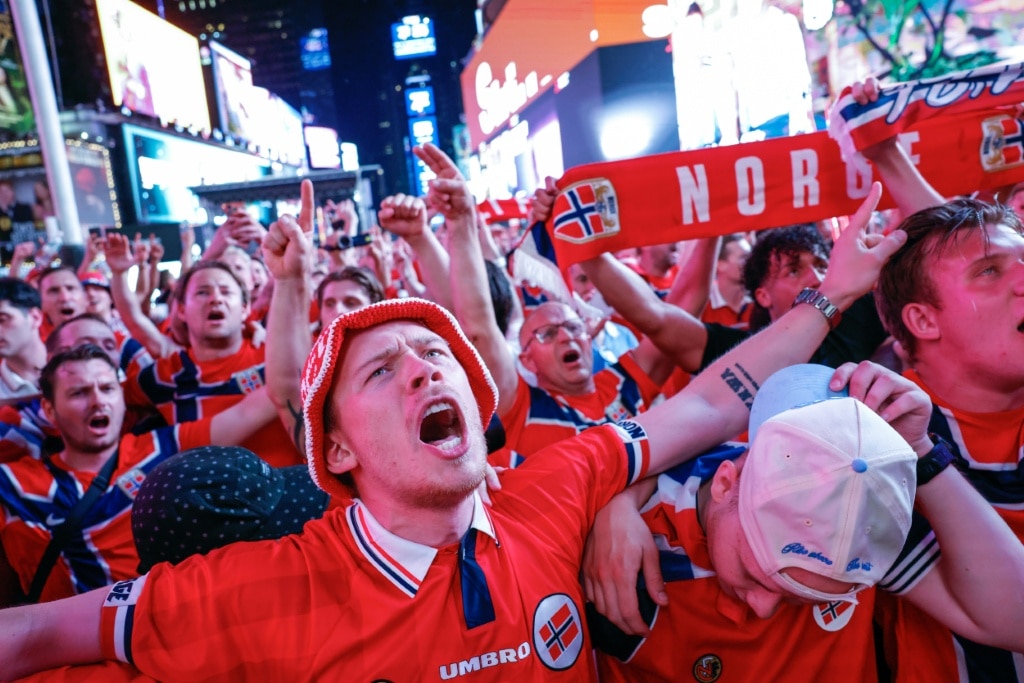
    The celebration extended far beyond stadium walls. Host cities were transformed into global carnival grounds: Scotland’s famous Tartan Army packed Boston bars dry, while thousands of Norwegian fans performed their iconic collective “Viking row” in New York’s Times Square. With the majority of matches held across the United States, international visitors took to social media to gush about quintessentially American experiences, from oversized grocery stores to massive BBQ ribs and creamy ranch dressing. One U.S. commentator noted the surprising turnaround: “The 2026 World Cup has become a global love fest for the US — at a time when the rest of the world has plenty of reasons to dislike us.”

    For all its successes, the tournament has not been without controversy, much of it tied to U.S. government policies and former president Donald Trump. Somali referee Omar Artan was barred from entering the United States due to the Trump administration’s hardline immigration restrictions, with U.S. officials citing “vetting concerns” for the denial. Iran’s team was also forced to navigate crippling visa restrictions: after relocating their training camp from Arizona to Mexico, players and staff were required to leave the U.S. within hours of finishing each match. “I think we are the most oppressed team in the World Cup,” Iran head coach Amir Ghalenoei said bitterly after his side’s opening match.

    The biggest scandal erupted when news broke that Trump had personally intervened with FIFA president Gianni Infantino to delay a one-game suspension for U.S. striker Folarin Balogun ahead of the team’s knockout round match against Belgium. The improper intervention sparked widespread outrage across the global football community, and neutral fans widely celebrated when Belgium defeated the U.S. 4-1.

    While the controversy has been an embarrassment for Infantino, it is not expected to threaten his bid for re-election as FIFA president in 2027. The powerful confederations of Asia, Africa and South America have already pledged their support for his next term. And the overwhelming success of the 2026 expanded tournament is expected to give Infantino political capital to push for even further expansion, with a proposal to expand the 2030 World Cup to 64 teams already set to be discussed in coming years.

  • ‘It didn’t hurt’: Jaeman Salmon responds to Alex Twal incident as two Wests Tigers players face bans following ugly loss

    ‘It didn’t hurt’: Jaeman Salmon responds to Alex Twal incident as two Wests Tigers players face bans following ugly loss

    The 2024 National Rugby League (NRL) season has delivered another devastating blow to the Wests Tigers, whose 13-year wait for a return to the finals now looks all but impossible after three of their first-grade players were hit with disciplinary charges following a lopsided 0-point loss to the Canterbury-Bankstown Bulldogs on Saturday. The result and subsequent disciplinary action have compounded a brutal five-game losing streak for the club, which has been reeling from off-field and on-field turbulence in recent weeks.

    The most high-profile charges landed on young gun Latu Fainu and key playmaker Adam Doueihi, both of whom accepted early guilty plea offers that will see them sidelined for upcoming matches. Fainu received a Grade 3 dangerous contact charge stemming from a dangerous tackle that earned him a 10-minute sin bin during the clash, carrying an automatic two-match suspension if he takes the proposed deal. Doueihi, meanwhile, was handed a one-match ban for a high tackle on Bulldogs player Harry Hayes, and is set to miss the Tigers’ upcoming away fixture against Canberra. If either player chooses to challenge the charges at the NRL Judiciary and lose their appeal, they will face an additional one-week suspension on top of the proposed bans. With Doueihi out, five-eighth Jarome Luai — playing his first match for the Tigers since confirming his 2025 transfer to the Parramatta Eels — will be forced to carry a larger playmaking load for the depleted side.

    The most shocking moment of the match came from veteran Tigers prop Alex Twal, a player widely known for his calm on-field demeanor, who lost his composure in two separate incidents. Twal was sent to the sin bin in the 69th minute for striking Bulldogs utility Jaeman Salmon in the face, with the Tigers already down to 12 men due to Fainu’s earlier sin binning. While he avoided a suspension, Twal will be required to pay a $1800 fine for contrary conduct if he accepts the early guilty plea. Just before full time, when Twal returned to the field, he clashed again with Bulldogs forward Josh Curran as the final siren sounded — an altercation that match officials opted not to penalize with a second sin bin.

    Speaking to reporters in the Bulldogs’ changing rooms after the match, Salmon downplayed the incident, confirming the two shook hands post-game and noting that the physical exchange was nothing out of the ordinary for rugby league. “It didn’t hurt that much,” Salmon said. “It was a bit of theatrics with it I guess, but what happens on the field stays on the field and I’m sure Twal is a good fella. It was just a bit of push and shove. I might have got under his skin a bit, but it’s all good. It was rugby league.” Salmon also revealed he had played the entire match through significant pain, having undergone two finger surgeries in as many weeks after a tendon injury flared up. He had to get a local anaesthetic injection just to take the field, adding that he entered the match with a real chance of needing a third surgery if his stitches split again.

    For the Bulldogs, the shutout win has kept their own 2024 finals hopes very much alive. Saturday’s result leaves Cameron Ciraldo’s side just two points outside the NRL’s top eight, with star captain Stephen Crichton expected to make his return from injury for their upcoming blockbuster against the in-form New Zealand Warriors. Ciraldo kept a long-held team tradition alive after the win, confirming the side will get free coffee at all team training sessions next week as a reward for holding the Tigers scoreless. Salmon said the shutout performance marked a return to the aggressive, disciplined identity the Bulldogs have been working to rebuild this season. “A couple of performances haven’t gone our way this year, but I can’t knock the way we’ve been training,” he said. “If we can put a couple more performances like that together, we’ll give ourselves a good shot to make the finals. We had to get back to our 2025 selves and I think tonight was a good step.”

    The disciplinary announcements from the NRL also included charges for two other players across the league: Canberra Raiders forward Owen Pattie and South Sydney Rabbitohs veteran David Fifita, both of whom have been offered one-match bans for their own dangerous contact offences from Round X.

  • India’s Ganesh idol makers count the cost of devastating floods

    India’s Ganesh idol makers count the cost of devastating floods

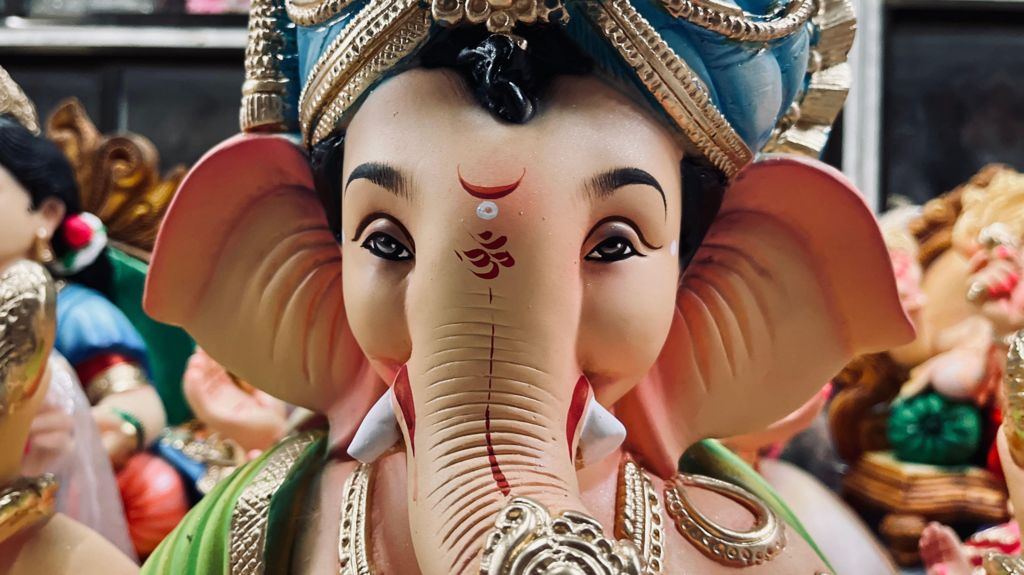
    Weeks before the start of Ganesh Chaturthi, one of Hinduism’s most widely celebrated annual festivals, catastrophic monsoon flooding has unleashed unprecedented destruction across India’s Raigad district, wiping out thousands of finished Ganesh idols and crippling a regional industry that supports hundreds of thousands of working families. For seasoned sculptor Dilip Mhatre, the disaster erased six months of meticulous craft work in hours. The 40-year-old artisan had completed 500 clay idols of the elephant-headed deity Ganesha, valued at approximately 800,000 Indian rupees ($8,300), that were scheduled for delivery to communities and customers across Maharashtra in the lead-up to the festival. Standing amid the splintered remains of his inventory in his flood-ravaged workshop, Mhatre described the scale of his loss: “But the flood washed everything away. We have no idols, no moulds and no raw material. We don’t know how we’ll fulfil the orders now.”

    Mhatre’s devastation is far from an isolated case. It is part of a sweeping crisis that has shaken the core of Raigad’s economy, a region long known as the beating heart of India’s Ganesh idol production. Each year, roughly 20,000 local workshops craft up to 8 million clay idols for the festival, where millions of households and community groups install the idols for celebrations before carrying out a ceremonial immersion in water at the end of the event. The multi-billion-rupee industry provides seasonal work for 150,000 people across the district, and serves as the primary source of income for generations of artisan families. This year’s extreme rainfall has upended that entire ecosystem, damaging thousands of idols and inundating hundreds of workshops, putting the livelihoods of thousands of craftspeople at severe risk just weeks before the peak buying period.

    Sachin Patil, president of the regional idol makers’ association Ganesh Murtikar Utkarsh Mandal, estimates that nearly 1 million idols across Raigad have been damaged by the extreme downpour, with approximately 3,000 workshops impacted by flood damage. While local authorities have begun conducting damage assessments to qualify artisans for government financial assistance, the process is still in its early stages, leaving many craftspeople in limbo.

    While seasonal monsoon rains are a normal annual occurrence in western India, and Raigad’s sculptors have long adapted their practices to protect their work from seasonal flooding, this year’s rainfall has far outpaced any recent event. Between July 5 and 7 alone, the district recorded more than 548 millimeters (21.6 inches) of rain — nearly matching the 663 millimeters recorded across the entire month of July 2025, according to India’s official meteorological department. The relentless downpour overwhelmed local rivers and drainage infrastructure, triggering widespread flooding that rose several feet in low-lying workshop areas, overcoming the standard flood protections artisans have relied on for decades, such as plastic sheeting and raised storage platforms. “In the past, rainwater would collect in the village but never reach the workshop area,” Mhatre explained. “This time, everything was washed away.”

    The destruction extends far beyond finished idols. Many artisans lost critical tools, custom moulds, and raw materials including raw clay and plaster of Paris — supplies that are essential to restarting production even if they wanted to begin over from scratch. Crafting a Ganesh idol is a deeply labour-intensive process that requires multiple stages of moulding, casting, drying, sculpting, and hand-painting. Even small, affordable idols that retail for just $5 to $8 can take up to two weeks to complete, while large community idols can cost tens of thousands of rupees and require months of work. For many artisans, this means that even with additional supplies, it is impossible to replace the lost inventory in time for the upcoming festival, which is only weeks away.

    Mhatre, for example, estimates the floods have cost his family roughly 1.2 million rupees in lost inventory, materials, and revenue. Idol making has been his family’s only source of income for three decades, covering household costs and his children’s education. He has already been forced to notify customers he cannot fulfill their pre-placed orders, and plans to take on high-interest debt to refund advance payments he received months ago.

    For most craftspeople, the damage is effectively irreversible. Rain-soaked idols warp and degrade quickly, making them unsellable, and only a small share of idols with minor damage can be dried, repaired, and put back on the market. While a small number of workshop owners carry insurance, many say the policies provide negligible payouts that come with restrictive fine print that makes meaningful compensation nearly impossible. “If the actual loss is 1m rupees, the insurance payout may be only around 10,000 rupees,” explained Anita Patil, a 53-year-old workshop owner in Kalve village. “There are many conditions attached to these policies and getting meaningful compensation is not easy.” Patil added that the floods have disrupted the entire annual production cycle, leaving artisans unsure how many of their waterlogged idols can even be salvaged.

    The economic ripples of the disaster extend beyond Raigad, with artisans warning that international orders for Ganesh idols, already hit by slowing global demand, will face significant delays. Some artisans say they may need to rely on craftspeople outside Raigad to fulfill existing overseas commitments, as they do not have the inventory to meet demand.

    In the wake of the disaster, many Raigad artisans are already rethinking their approach to future monsoon seasons, with plans to invest in permanent flood protections including raised concrete platforms, water-proof roofing, and elevated indoor storage for finished idols ahead of the rainy season. But with the 2026 Ganesh Chaturthi festival just weeks away, all efforts are currently focused on damage control. Many artisans are scrambling to source replacement idols from unaffected neighboring workshops, though they admit the chances of finding enough inventory to meet demand are slim. “With the festival so close, it is impossible to remake the same number of idols,” said sculptor Mahendra Patil. “If we cannot source idols from elsewhere, we will have to refund the advance payments.”

    Slowly, workshops that were fully submerged just days ago are beginning to clear debris and dry out salvageable inventory across Raigad. While few artisans expect to fully recover from their financial losses anytime soon, nearly all say they have no plans to abandon the craft that has sustained their families for generations, as they work to salvage what they can of the 2026 festival season.

  • England finish third as Spain and Argentina brace for World Cup final

    England finish third as Spain and Argentina brace for World Cup final

    As the 2026 FIFA World Cup enters its final stretch, England secured a third-place finish Saturday with a dramatic 6-4 victory over France in Miami, while finalists Argentina and Spain made their final preparations for Sunday’s championship match at MetLife Stadium in New Jersey, with wildfire smoke from Canada casting a temporary shadow over the host region.

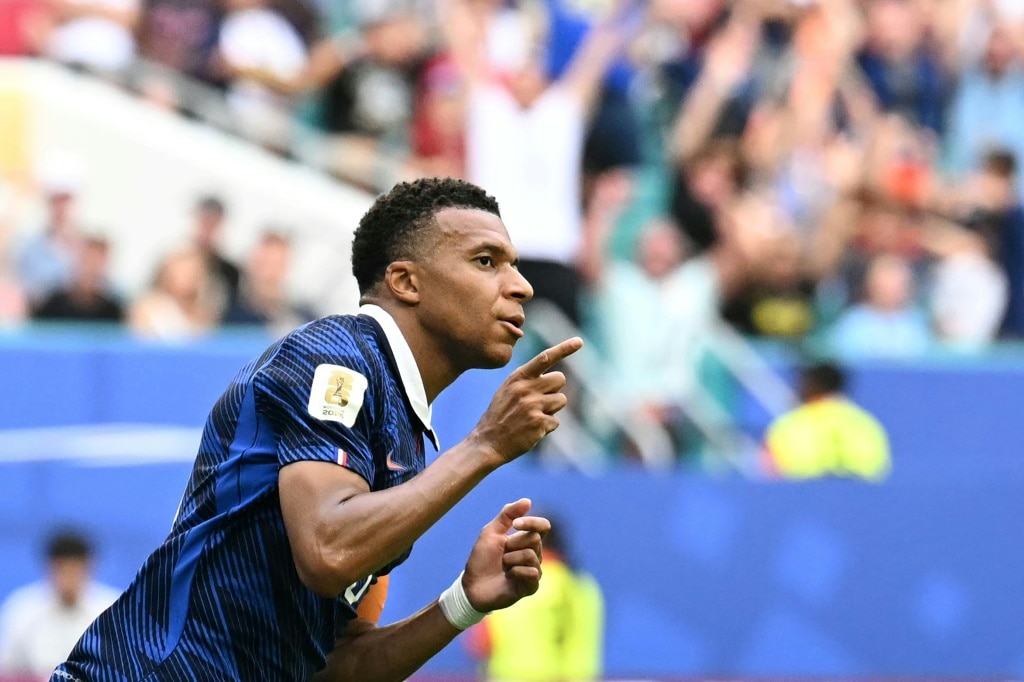
    The bronze medal match delivered all the entertainment fans expected, ending with a stunning individual milestone for France’s Kylian Mbappe. The 27-year-old striker netted two goals in the second half to surpass Lionel Messi’s career World Cup goal total, finishing the contest with 22 career tournament goals to claim the all-time top scorer record – a mark Messi can retake as early as Sunday.

    France, playing with a heavily rotated lineup after their semi-final defeat to Spain, suffered a catastrophic first-half collapse that head coach Didier Deschamps, in his final match leading Les Bleus, openly criticized. England’s Declan Rice opened the scoring with a blistering long-range strike, before defender Ezri Konsa doubled the lead with a header. Bukayo Saka scored twice before halftime to put England up 4-0, leaving France with a massive mountain to climb.

    Deschamps threw on his first-choice starters at the break, and the change sparked an immediate second-half comeback. Within three minutes of the restart, Mbappe notched his ninth goal of the 2026 tournament, and winger Bradley Barcola added a second to cut the deficit. Mbappe’s landmark goal soon followed, pushing him past Messi’s previous record of 21 career World Cup goals. Saka completed his hat-trick from the penalty spot to extend England’s lead again, but Ousmane Dembele’s stoppage-time strike gave France a faint chance of an unlikely draw. That hope was dashed by Jude Bellingham, who capped off a standout tournament by dribbling past France’s reshuffled defense to score England’s sixth goal – making him the first English player ever to net seven goals in a single World Cup.

    After the match, Mbappe put his milestone in perspective, saying, “I would have preferred not to be the all-time top scorer and to be playing tomorrow’s match.”

    Across the northeastern United States, the build-up to Sunday’s final was overshadowed by hazardous air quality caused by thick, acrid smoke drifting south from ongoing wildfires in Canada. On Saturday, New York City briefly ranked as the most polluted major city in the world, with the iconic Manhattan skyline completely obscured from view across the Hudson River at MetLife Stadium. Residents across New York, Washington D.C. and the Midwest were urged to stay indoors to avoid health risks from the poor air quality. A torrential Saturday storm brought limited relief, however, and forecasters predict clear, sunny conditions for match day on Sunday.

    The final will draw an 80,000-person crowd, including a high-profile roster of global leaders. Former U.S. President Donald Trump will attend, marking his first match appearance of the tournament, and he will be joined by Mexican President Claudia Sheinbaum and Canadian Prime Minister Mark Carney – meaning the leaders of all three 2026 co-host nations will be in attendance. On Friday, Trump hosted FIFA President Gianni Infantino at a New York reception, where he praised the 2026 World Cup as “the most successful sporting event, maybe in the history of the world.” Infantino echoed the praise, using extreme language to frame the tournament as a historic global occasion. “This has not just been and is not just the greatest World Cup of all times,” he said. “It is the greatest human, social, and cultural event that mankind has ever witnessed.”

    Sunday’s final will be one of the most historic in the tournament’s history. Argentina, the defending 2022 champions, are seeking to become the first men’s national team to win back-to-back World Cup titles since Brazil in 1962. For Spain, the match marks a chance to claim a second World Cup crown, 16 years after their maiden victory in 2010.

    The match is also widely expected to be the final World Cup appearance for 39-year-old Lionel Messi, the Argentine icon widely regarded as the greatest men’s footballer of all time, who led his nation to glory in Qatar four years ago. Argentina head coach Lionel Scaloni urged fans to savor what could be Messi’s final tournament bow. “He has made history. He is a legend,” Scaloni said of the former Barcelona star. Argentina have cemented their reputation as a resilient side throughout the 2026 tournament, pulling off a dramatic late semi-final comeback against England to reach the final. By contrast, Spain have delivered a near-perfect run to the championship, conceding only one goal across seven matches and outclassing France in their semi-final win.

  • Russians turn to cash, putting more strain on slowing wartime economy

    Russians turn to cash, putting more strain on slowing wartime economy

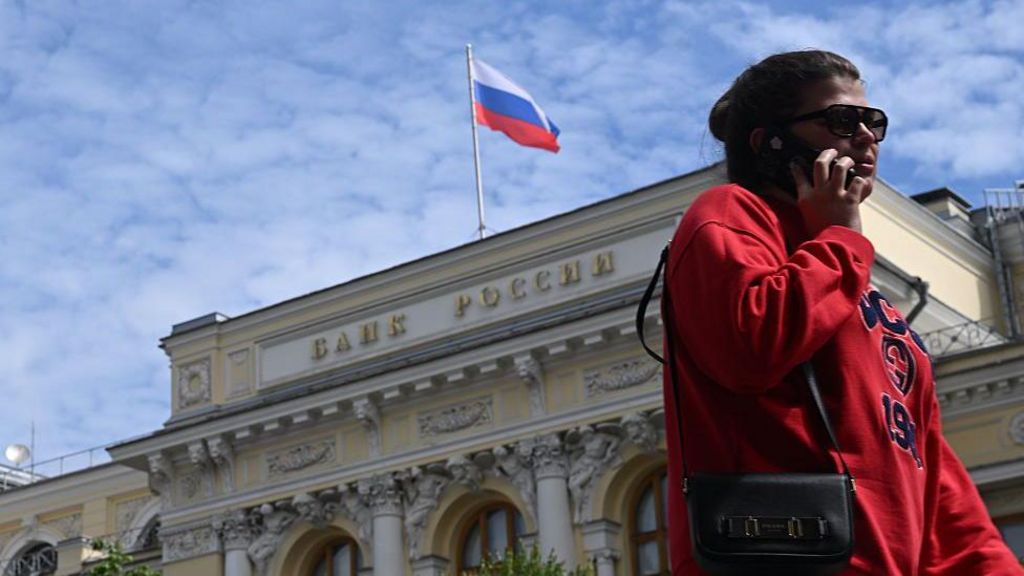
    More than four years into Russia’s ongoing conflict with Ukraine, a dramatic shift toward cash transactions is sweeping the country, driven by two interconnected forces: repeated mobile internet shutdowns ordered to counter Ukrainian drone strikes, and growing numbers of businesses turning to off-the-books operations to survive mounting financial and tax pressures.

    New analysis of Russian Central Bank data conducted by the BBC reveals that the nation has injected 1.56 trillion roubles (equivalent to $20 billion or £14.8 billion) into cash circulation since the start of 2026. This marks the largest first-half increase in cash supply outside the acute disruption of the Covid-19 pandemic, underscoring the scale of the current trend.

    The immediate trigger for the latest spike in cash demand has been a series of widespread mobile internet outages implemented by the Kremlin to disrupt Ukrainian drone operations. Without stable connectivity, digital card payments and mobile transactions frequently fail, leaving millions of consumers unable to complete purchases unless they have physical banknotes on hand. For many ordinary Russians, holding cash has become a simple hedge against the uncertainty of wartime life. “Having cash on hand gives you some sense of control and security,” a Moscow resident, speaking on condition of anonymity, told the BBC. “If there’s an emergency in the city, I know I’ll still be able to buy basic necessities, even if the mobile network goes down.”

    This is not the first time cash withdrawals have surged during the war. Previous spikes occurred after President Vladimir Putin announced partial mobilization in September 2022, and again during the short-lived Wagner mercenary group mutiny in June 2023, as Russians rushed to build a financial buffer against chaos. What makes the current shift unique is its lasting impact on state finances, coming at a moment when the Kremlin is already grappling with a widening budget deficit and urgently needs additional revenue to fund its military campaign in Ukraine.

    While Russia’s oil and gas sector – which generates roughly a quarter of all state revenue – has seen a short-term boost from rising global oil prices following the Iran conflict, the broader domestic economy is slowing sharply. In May 2026, the Russian Ministry of Economy downgraded its full-year GDP growth forecast to just 0.4%, which would be the weakest annual expansion the country has seen since 2022.

    To close the budget gap, the Kremlin implemented a controversial tax hike in January 2026, raising the standard value-added tax (VAT) from 20% to 22% and lowering the income threshold that requires small and medium-sized enterprises (SMEs) to pay the tax. The change has squeezed already thin profit margins for countless small businesses, pushing many toward informal cash operations to underreport their income and avoid the full tax burden.

    From neighborhood pharmacies and family restaurants to beauty salons and local corner shops, more merchants are now encouraging customers to pay with cash to keep transactions off official books. “Stalls at our market have been closing one after another because it’s no longer profitable to stay open,” said the owner of a small clothing boutique at a market in Pskov, a western Russian city. “Most of those still trading ask customers to pay in cash whenever they can, so less money goes through the till.”

    The trend extends even to employee wages. Taras Skvortsov, chief financial officer of Sberbank, Russia’s largest financial institution, warned in a recent June 2026 address that there are “very serious signs” of a rise in under-the-table “envelope wages” that avoid payroll tax. Cited by Russian state news agency Interfax, Skvortsov noted: “We are not seeing cash return to the banking system through cash collection, ATMs or self-service terminals. It is staying in people’s hands.”

    A May 2026 survey conducted by Opora Russia, the country’s largest small business association, found that roughly 6% of entrepreneurs have already adopted “grey economy” schemes to cope with the new higher tax burden, including skipping official cash register receipts. For businesses, cash transactions allow them to underreport total turnover to remain below the mandatory VAT threshold, while unreported cash wages cut their payroll tax obligations.

    The growing shadow economy puts the Kremlin in a contradictory position. Cracking down on informal activity has been a top policy priority for the Russian government: before the VAT hike took effect, Putin publicly warned that the new rules must not push businesses into the informal sector, and called for a “radical reduction in illegal employment.”

    Analysts point out that the Kremlin’s own policies are working at cross-purposes. “One arm of the government is trying to squeeze as much money as possible out of people through higher taxes, fines and other charges,” said Alexander Kolyandr, non-resident senior fellow at the Center for European Policy Analysis. “But another, in trying to counter so-called terrorist threats, is undermining that strategy by making it harder to collect tax,” he explained, referencing the routine mobile internet shutdowns that have made digital payments unreliable.

    Even with the Central Bank holding interest rates high to combat war-driven inflation – offering double-digit returns on bank deposits that should incentivize keeping money in accounts – the old Soviet-era habit of holding cash “under the mattress” is making a rapid comeback. Sberbank currently offers a 10% annual interest rate on 100,000-rouble one-year fixed deposits, yet Central Bank data shows that Russians withdrew 550 billion roubles from bank accounts in May 2026 alone, including 200 billion roubles from fixed-term savings products.

    For consumers, the shift is also being driven by businesses offering incentives for cash payments. Anton, a Moscow-based copywriter, told the BBC he recently received a discount for paying cash at a local vinyl record shop, with the vendor openly citing higher taxes as the reason. During the heightened security and mobile internet shutdowns around Russia’s May Victory Day celebrations, Anton said he witnessed widespread disruption at a central Moscow flower market, where customers scrambled to find working ATMs that still had cash available. “There was a woman going from one ATM to another, looking for one that still had banknotes,” he recalled.