作者: admin

  • Teen pleads guilty in school shooting in Georgia that killed four

    Teen pleads guilty in school shooting in Georgia that killed four

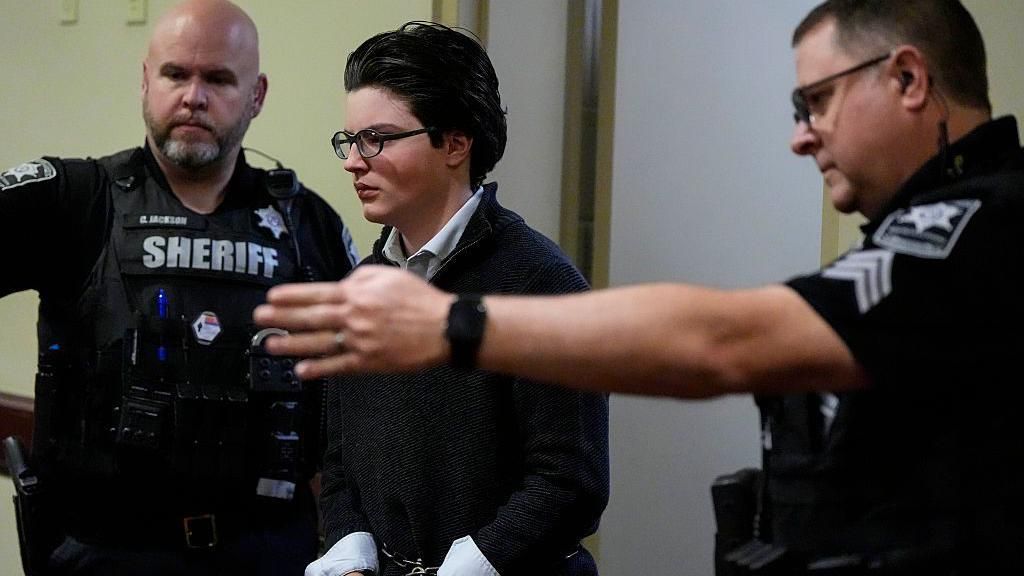
    In a stunning development that has closed off the prospect of a public trial, 16-year-old Colt Gray has formally pleaded guilty to four counts of murder and additional charges stemming from a 2024 mass shooting at Apalachee High School in Winder, Georgia, that took the lives of two students and two educators.

    Gray, who was just 14 years old when the shooting unfolded in September 2024, was tried as an adult on charges including malice murder, illegal weapons possession, and cruelty to children. Court documents confirm he entered a non-negotiated guilty plea, a legal move that eliminates the need for a jury trial and moves the case directly to the sentencing phase.

    The case has already drawn national scrutiny over the role of Gray’s father, who was convicted of murder in March 2025. The elder Gray was found guilty of providing the semi-automatic weapon used in the attack to his son as a Christmas gift, a decision that directly enabled the deadly violence at the suburban Atlanta high school.

    During Friday’s court hearing, grieving family members delivered raw, emotional victim impact statements to the court. Breanna Schermerhorn, mother of 14-year-old victim Mason Schermerhorn, spoke openly about the permanent trauma of losing her child, telling the court that she wakes every day forced to confront the reality that her son will never come home. Looking directly at the teen defendant, she stated plainly, “I do not forgive, Mr. Gray.”

    The shooting remains one of the deadliest K-12 school attacks in the United States in recent years, reigniting long-running national debates over gun control, parental responsibility for weapon access, and youth violence prevention. Sentencing for Colt Gray is scheduled at a later date, with prosecutors expected to push for the maximum penalty allowed under Georgia law for juvenile defendants tried as adults.

  • Tens of thousands in France flee burning holiday haven, by road and sea

    Tens of thousands in France flee burning holiday haven, by road and sea

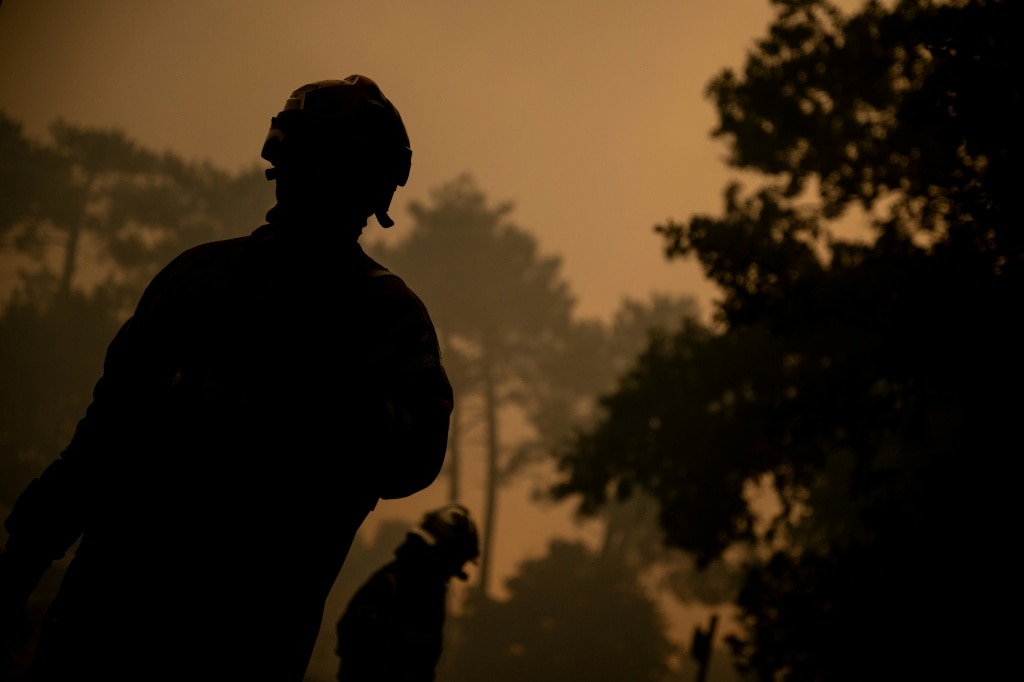
    One of France’s most beloved summer retreats, long a quiet favorite of A-list celebrities and wealthy families, has been reduced to a smoky disaster zone, forcing a massive coordinated evacuation of more than 35,000 residents and tourists as an out-of-control wildfire sweeps across the Cap Ferret peninsula.

    Known for its windswept Atlantic sand dunes, casual oyster shacks and understated luxury that draws stars like Marion Cotillard and Jean Dujardin away from the glitzy bustle of the French Riviera, Cap Ferret is now a near-empty landscape. Deserted streets, shuttered storefronts and locked vacation homes mark the normally bustling peak summer tourist season, a transformation that long-term residents say is surreal.

    The blaze ignited on Wednesday in the nearby village of Saumos, just kilometers from the world-famous Medoc wine region, before spreading rapidly through the dense pine forests that cover the Atlantic coast. By Thursday, it had jumped to the Cap Ferret peninsula, prompting regional authorities to order a full evacuation of the peninsula’s 40,000 seasonal and permanent residents.

    Jean Goncalves, a 54-year-old resident of 30 years, fled his home early Friday after watching his neighbor’s wooden home go up in flames. “It’s a disaster, it’s horrible,” he told reporters from AFP, with a cloth tied over his face to block the acrid smoke. At the peninsula’s ferry terminal, local resident Cecile Maumy compared the empty streets to the height of the Covid-19 pandemic lockdowns. “There’s not a soul around. It feels like the Covid period. It’s unbelievable,” she said.

    While no fatalities have been reported as of Friday, the fire has already destroyed more than 50 residential structures and an entire seaside campsite. Regional prefect Sophie Brocas labeled the blaze an “XXL wildfire, unpredictable and voracious,” with locals describing the landscape as resembling a war zone.

    The mass evacuation unfolded via two routes: most evacuees left by private car along the peninsula’s only connecting road, while hundreds of others were transported out by civilian and government ferries. This sea evacuation plan, drafted after devastating 2022 wildfires in the same region, was activated for the first time this week. Local shopkeeper and elected official David Lafforgue noted that the evacuation itself proceeded calmly, despite the chaos of the situation. “Everything was handled smoothly. Suitcases were ready, and people remained calm,” he said.

    But Lafforgue warned of catastrophic long-term impacts for the local tourism-dependent economy. The peak summer tourist season runs from mid-July to mid-August, the most profitable month of the year for local businesses. “Economically, it’s catastrophic. We go from everything to nothing,” he said. “We don’t know whether our seasonal workers will come back or whether our customers will return.”

    Many evacuees have been relocated to the larger coastal town of Andernos, where authorities are now preparing for a potential full evacuation of that town as well, as the fire continues to advance. Andernos deputy mayor Jean-Francois Garric explained that the town is already adjusting to the shifting danger. “We are welcoming people from the peninsula who have been evacuated to our reception centres, and now we have been instructed to evacuate those centres as well,” he said.

    Ninety-year-old Maria Lalanne, a lifelong Cap Ferret resident with no immediate family who fled to Andernos, spoke of her disorientation after being forced to leave her home quickly. She accidentally left her hearing aids and glasses behind amid the rush to evacuate. “I have heart disease, blood pressure issues, eye problems. I don’t know how long this will last. I don’t know what has happened to my house,” she said.

    For visiting tourist Julie Boisvert, who was staying in the nearby village of Le Porge, the evacuation came with only minutes of warning. Gendarmes went door-to-door ordering residents to leave, giving her family just two minutes to depart with their two young children, ages two and five. “We had already packed suitcases just in case, but they gave us only two minutes and carefully checked that nobody was still inside the house,” she said, adding that she had already begun to feel surrounded by advancing flames.

    The Cap Ferret fire is not the only major blaze raging in southwestern France this week. Firefighters are also battling a second large wildfire near the town of Biscarrosse, southwest of Bordeaux, which broke out on Thursday and has already forced the evacuation of 18,000 people. Landes prefect Gilles Clavreul noted that the scale of this year’s fire season is unprecedented for the region. “We have never experienced anything like this,” he said.

    This year’s wave of intense wildfires follows three record-breaking heatwaves that have hit France since May, part of a global pattern of more frequent and more severe extreme weather events directly tied to human-caused climate change. The heat has already caused thousands of excess deaths across the country, dried up major rivers, and created ideal dry conditions for wildfire ignition and spread.
  • Poland’s biggest opposition party faces split over tensions about its direction

    Poland’s biggest opposition party faces split over tensions about its direction

    WARSAW, Poland – A deep ideological and leadership rift has thrown Poland’s largest opposition party, Law and Justice (PiS), into open crisis, with party chairman Jarosław Kaczyński confirming Friday that over 30 sitting parliamentary lawmakers have effectively severed their ties to the conservative nationalist group. The split, which has been months in the making, comes as the party braces for a critical national election next year and faces growing pressure from far-right competitors seeking to erode its voter base.

    Law and Justice governed Poland for eight consecutive years from 2015 to 2023, when it was ousted from power by a centrist-liberal coalition led by current Prime Minister Donald Tusk. During its time in office, the party drew widespread international and domestic criticism for overhauling the country’s judicial system – a process that involved packing higher courts with party loyalists and launching disciplinary proceedings against judges who opposed the reforms. Since taking office, Tusk’s administration has made rolling back these judicial changes a top policy priority, but its efforts have been repeatedly blocked by two consecutive Polish presidents who maintain close alignment with Law and Justice.

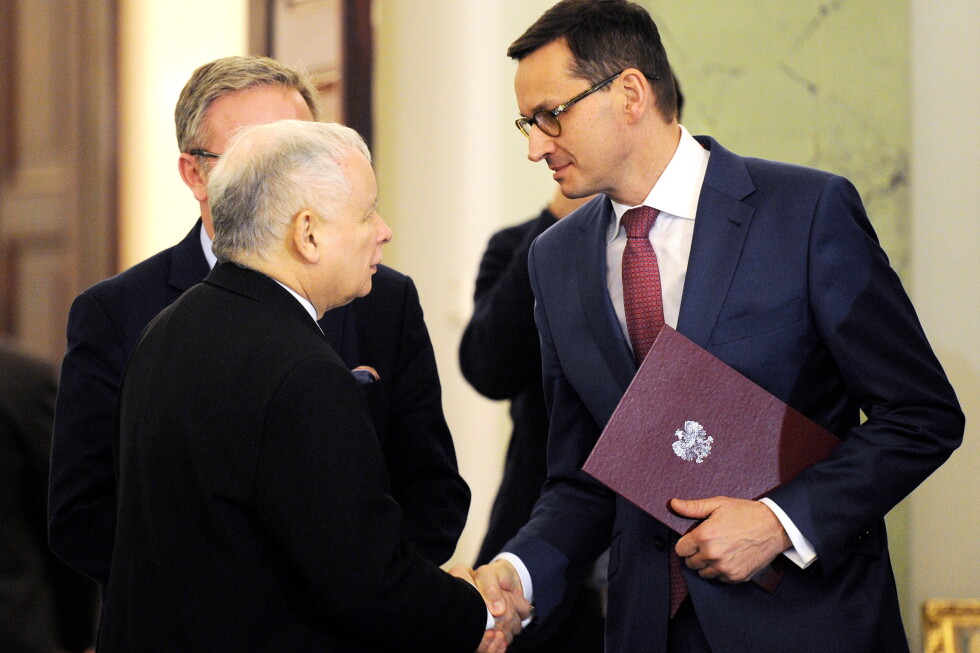
    The internal friction within the party has intensified in recent months, pitting long-time party leader Kaczyński against former Polish Prime Minister Mateusz Morawiecki, who held the nation’s top executive office from 2017 until the 2023 election defeat. Morawiecki leads a relatively moderate faction within the hardline conservative party, and in April he launched a new policy-focused association called Development Plus, a move that sparked deep suspicion among Kaczyński’s loyalist wing, which viewed the group as a launching pad for a leadership challenge.

    Party leadership set a firm deadline of Thursday night for all PiS lawmakers to pledge they would cut ties to any external political associations like Development Plus. A last-minute meeting between Kaczyński and Morawiecki held Thursday failed to bridge their differences, setting the stage for this week’s split.

    On Friday, Kaczyński announced the outcome of the deadline, confirming that more than 30 lawmakers had effectively resigned from PiS membership, according to Poland’s national news agency PAP. The party’s political committee is scheduled to hold a formal meeting Tuesday to officially recognize the departures.

    But the two sides have already offered conflicting accounts of the situation. Piotr Müller, a Law and Justice member of the European Parliament and a vocal Morawiecki supporter, disputed the leadership’s claims in a post on X, writing that no PiS members affiliated with Development Plus have formally resigned from the main party.

    Morawiecki himself offered a muted statement Friday, telling reporters that he and his association’s members have not yet held discussions about forming an entirely new political party. “We have to discuss all plans for the future,” he told PAP, leaving the ultimate outcome of the rift unresolved.

    At present, Law and Justice holds 186 of the 460 total seats in the Sejm, Poland’s lower house of parliament. A permanent split that removes more than 30 lawmakers would drastically reshape the country’s opposition landscape ahead of next year’s election, creating uncertainty for both the Tusk government and Poland’s broader political trajectory.

  • Pompeii archaeologists reconstruct frescoed ceiling of a banquet hall, with more fragments to come

    Pompeii archaeologists reconstruct frescoed ceiling of a banquet hall, with more fragments to come

    ROME – One of the world’s most iconic archaeological sites, the ancient Roman city of Pompeii, has revealed a remarkable new cultural artifact: a partially reconstructed vaulted ceiling covered in intricate frescoes, decorated with vivid depictions of figures from classical Greek mythology. Pompeii, famously frozen in time when Mount Vesuvius erupted catastrophically in 79 AD, has yielded countless treasures over centuries of excavation, and this new discovery adds another extraordinary layer to our understanding of daily life in the ancient city. The finished partial reconstruction was presented to the public this Thursday, marking the conclusion of an international workshop focused on cutting-edge new findings and modern restoration practices at the UNESCO World Heritage Site. Drawing more than 2.5 million visitors annually, Pompeii remains Italy’s one of the most popular tourist destinations, making new archaeological developments there closely watched by both the global heritage community and cultural travel sectors. Officials from the Pompeii Archaeological Park announced further details of the project in an official statement released Friday. According to park authorities, the restored ceiling is thought to have originally decorated a large banquet hall on the upper floor of a residential villa, which also included an adjacent commercial bakery on the premises. Unlike traditional static restoration methods, the project team employed a groundbreaking modular approach to reconstruct the curved vault. Experts first built a custom curved supporting structure that matches the original curvature of the ancient ceiling, then fitted all recovered and restored fresco fragments into their correct positions on the frame to recreate the original layout. A key advantage of this innovative system is its flexibility: as additional fresco fragments are uncovered in future excavations and undergo restoration, they can be seamlessly added to the existing reconstruction, gradually completing the full artwork over time. Following careful analysis of the recovered imagery, archaeologists have confirmed that the central narrative theme of the ceiling frescoes centers on the mythic pairing of Dionysus, the Greek god of wine, celebration and feasting, and Ariadne, the Cretan princess famous for her role in the myth of the Minotaur. The union of Dionysus and Ariadne is one of the most enduring and widely depicted myths in classical Greco-Roman art, making it a fitting decorative theme for a space used for grand social banquets in ancient Pompeii. This project not only preserves a fragile piece of ancient art for future study but also demonstrates how modern innovative techniques are transforming the way archaeologists recover and display artifacts from this unique site.

  • Man City and Spain midfielder Rodri to have back surgery after winning the World Cup

    Man City and Spain midfielder Rodri to have back surgery after winning the World Cup

    In his first official public appearance as Manchester City’s newly appointed head coach, Enzo Maresca has delivered two key updates for the Premier League giants: confirming star midfielder Rodri will undergo urgent back surgery next week, and quelling widespread transfer speculation by reaffirming the Ballon d’Or winner remains part of the club’s long-term plans.

    The announcement of Rodri’s upcoming procedure caps a turbulent 12 months for the Spanish international, who already navigated an ACL injury in 2024 that disrupted his entire club campaign. Despite the fitness setback, Rodri emerged as a driving force behind Spain’s 2024 World Cup triumph, cementing his status as one of the most influential midfielders in global football. Maresca declined to specify a timeline for Rodri’s recovery from his latest back issue, but made clear the club has no intention of allowing their talisman to leave.

    “Big players always attract speculation, that’s just part of the game, and I’m not concerned about it,” Maresca told reporters on Friday. “After winning the World Cup, of course every top club will be linked to one of the best players in the world. Any manager would jump at the chance to sign Rodri, he’s a generational talent. But right now, the focus is on his surgery scheduled for Monday. He needs time to rest, recover, and heal properly. When he’s ready, he’ll be back with this squad.”

    Maresca’s introductory press conference came just weeks after the departure of Pep Guardiola, the iconic manager who stepped down at the end of the 2023-24 season after an unprecedented eight-year reign of success at the Etihad Stadium. Across his tenure at City, Guardiola claimed 17 major honours, including six Premier League titles and the club’s first-ever Champions League crown in 2023. With 35 major trophies collected across stints at Barcelona, Bayern Munich and City, Guardiola is widely regarded as one of the greatest managers in football history.

    For 46-year-old Maresca, taking the helm at City marks a homecoming rather than an entirely new chapter. The Italian coach previously cut his teeth at the club as an academy coach during the 2020-21 season, before stepping up to serve as Guardiola’s assistant for the 2022-23 campaign – the historic treble-winning season where City claimed the Premier League, Champions League and FA Cup. After two recent senior management spells at Leicester City and Chelsea, Maresca said returning to City felt like coming full circle.

    “It is an absolute privilege to be asked to lead this club,” Maresca said. “I’ve said many times before that Pep is the best manager of the last 20 to 25 years, and stepping into his role is a huge challenge – but it’s one I embrace wholeheartedly. I think the club chose me because my tactical philosophy aligns closely with the foundations built here. We want to keep playing aggressive, possession-based football that imposes our will on opponents. At the end of the day, that’s what matters: winning matches and continuing this club’s incredible run of success.”

  • New UK leader Andy Burnham caps a busy first week with a part-time office move to Manchester

    New UK leader Andy Burnham caps a busy first week with a part-time office move to Manchester

    Just days after stepping through the doors of 10 Downing Street as Britain’s new prime minister, Andy Burnham is already moving at a breakneck pace to deliver on his campaign promises and set a starkly different tone from his ousted predecessor Keir Starmer. Since his Monday arrival at Downing Street, the new Labour Party leader has crisscrossed four regions of the United Kingdom, held introductory calls with more than a dozen global heads of state, and rolled out a series of small but symbolically charged economic policy tweaks to signal his government’s priorities. These early actions include a temporary tax cut for residential electricity bills, a £2 ($2.70) price cap on single bus fares across the country, and a targeted tax break for public houses, a staple of British community life.

  • Ten killed in Russian attack on Kyiv as Ukraine targets Wildberries

    Ten killed in Russian attack on Kyiv as Ukraine targets Wildberries

    The ongoing full-scale conflict between Russia and Ukraine has entered a new phase of intensified cross-border targeting, with a wave of coordinated strikes over a 24-hour period leaving dozens dead on both sides and triggering an unprecedented security response from a NATO member state.

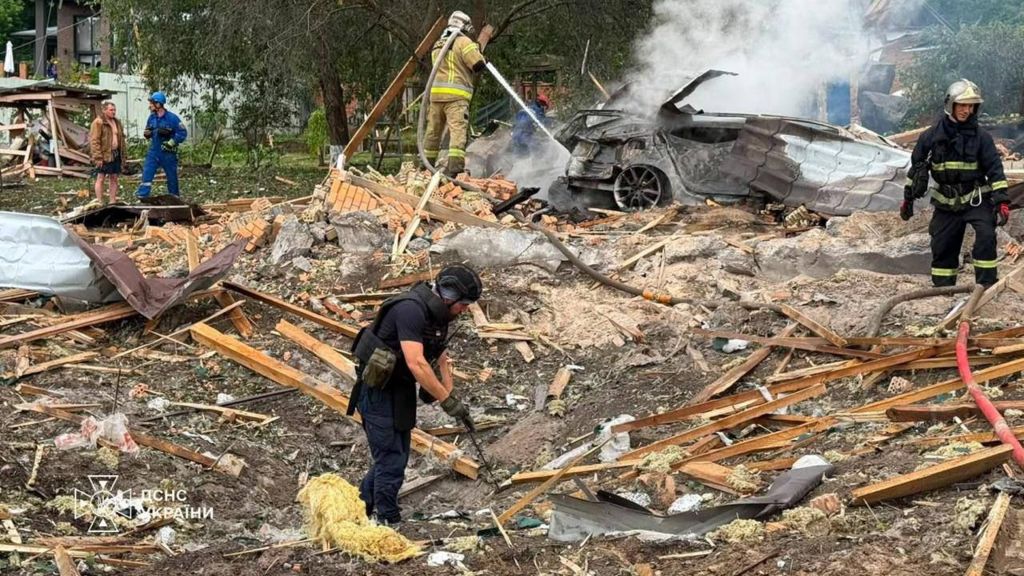
    Russia launched a series of overnight and daytime attacks across Ukraine on Friday, killing at least 16 civilians and military personnel. The deadliest single incident was a ballistic missile strike on an outdoor training ground just outside Kyiv, where a public exhibition of Ukrainian defense industry technologies was being held. According to Ukrainian Air Force spokesman Yuri Ihnat, Russia fired three ballistic missiles at the site, and only one was successfully intercepted by Ukrainian air defense systems.

    Initial official updates from Kyiv put the death toll from this strike at 10, with approximately 100 people injured. Emergency response teams have been working around the clock to clear rubble and search for survivors. Among the intended targets of the strike were two high-profile Ukrainian figures connected to the national military: Serhiy Beskrestnov, a Defense Ministry advisor widely known by the alias “Flash”, and Lyuba Shypovych, who leads development of military technologies for Ukraine’s armed forces. Both confirmed their safety via social media shortly after the attack.

    This strike marks at least the third time that a public defense industry exhibition has been targeted by Russian strikes since the full-scale invasion began in February 2022. The incident has sparked significant domestic controversy in Ukraine, as public reports indicate the event was openly advertised and widely publicized despite ongoing conflict risks. Ukrainian President Volodymyr Zelensky has ordered a full official investigation into the incident, while the country’s prosecutor general has launched a probe to determine who authorized the public event and what safety protocols were in place to protect attendees.

    A separate Russian strike on the eastern Ukrainian city of Sloviansk killed five additional people overnight, bringing the total Russian-caused death toll across Ukraine to 16 in the 24-hour period.

    In reciprocal cross-border attacks, Ukraine launched strikes deep into Russian territory that left six dead and 26 injured near Kirov, a city located more than 600 miles behind Russia’s frontline combat positions. Zelensky confirmed that the Kirov strike targeted a key military production facility that supplies critical components for Russian aircraft and missile systems used to attack Ukrainian territory.

    Ukrainian forces also carried out the third strike in six days against warehouses operated by Wildberries, Russia’s largest domestic online retailer. The latest attack hit a distribution center near Saint Petersburg, triggering massive fires that spread across the facility. In the first wave of Wildberries strikes over the previous weekend, two warehouses were hit: one in Elektrostal, east of Moscow, and another in Kotovsk, roughly 250 miles from the Ukrainian border. Eight nightshift workers were killed in those initial attacks, dozens more were injured, and an estimated $1 billion worth of stored goods were destroyed. The repeated strikes have hit the bottom lines of thousands of small and medium-sized Russian businesses that rely on Wildberries for e-commerce distribution.

    Ukrainian officials have confirmed a shift in their long-range strike strategy: after months of targeting Russian energy infrastructure including oil depots and refineries, Kyiv is now prioritizing attacks on Russian logistics hubs that support military procurement and frontline supply lines. Publicly available screenshots of Wildberries’ website taken hours after the latest strike show the retailer continues to list body armor and other military-related equipment for sale to Russian buyers.

    Beyond the territory of Russia and Ukraine, the conflict spilled over into NATO member state Romania on Friday. Romanian President Nicusor Dan confirmed that a Romanian Air Force F-16 fighter jet intercepted and shot down a Russian drone that had breached the country’s sovereign airspace. Romanian authorities had earlier issued public security alerts across multiple eastern and southeastern counties ahead of the interception, marking one of the most direct military encounters between NATO and Russian forces since the full-scale invasion began.

  • All passengers rescued after fiery seaplane crash

    All passengers rescued after fiery seaplane crash

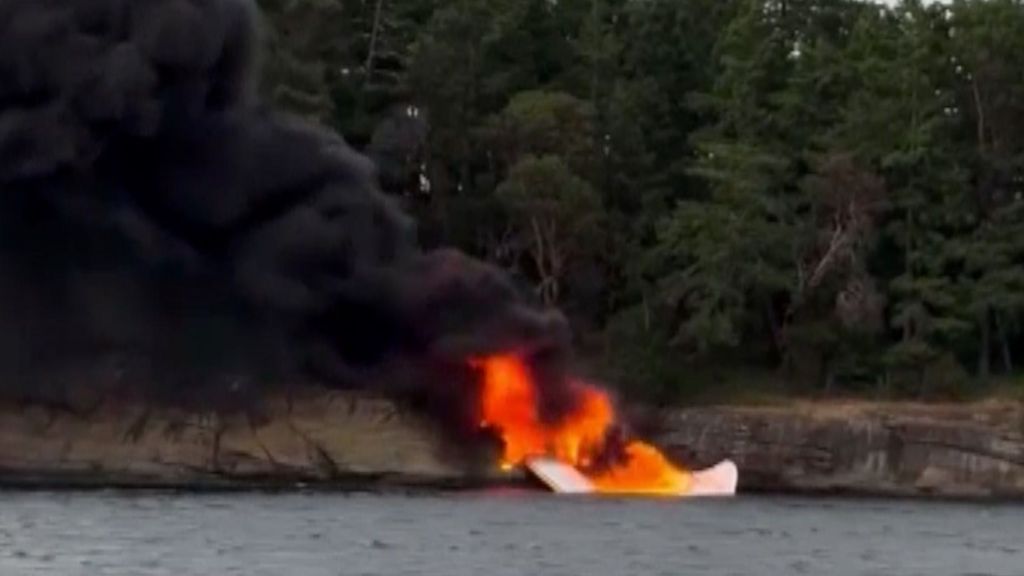
    A dramatic seaplane accident has ended with a positive outcome, after every passenger on board was successfully rescued before the aircraft was engulfed in intense flames. Footage captured during the incident reveals the seaplane struggled to stabilize as it touched down on the water surface, resulting in a clumsy, off-kilter landing that triggered emergency response efforts. First responders and nearby rescuers moved rapidly to reach the downed craft, pulling all passengers from the seaplane before the catastrophic fire broke out. The shocking on-the-ground video documents the entire sequence of events, from the unstable initial landing to the coordinated rescue operation, and finally the moment the aircraft is consumed by raging fire. While investigations into the root cause of the awkward landing and subsequent blaze are still in their early stages, the successful evacuation of all people on board has been widely hailed as a testament to the speed and efficiency of the emergency response teams that responded to the scene.

  • Bangladesh’s president, once a close ally of ousted premier Sheikh Hasina, resigns

    Bangladesh’s president, once a close ally of ousted premier Sheikh Hasina, resigns

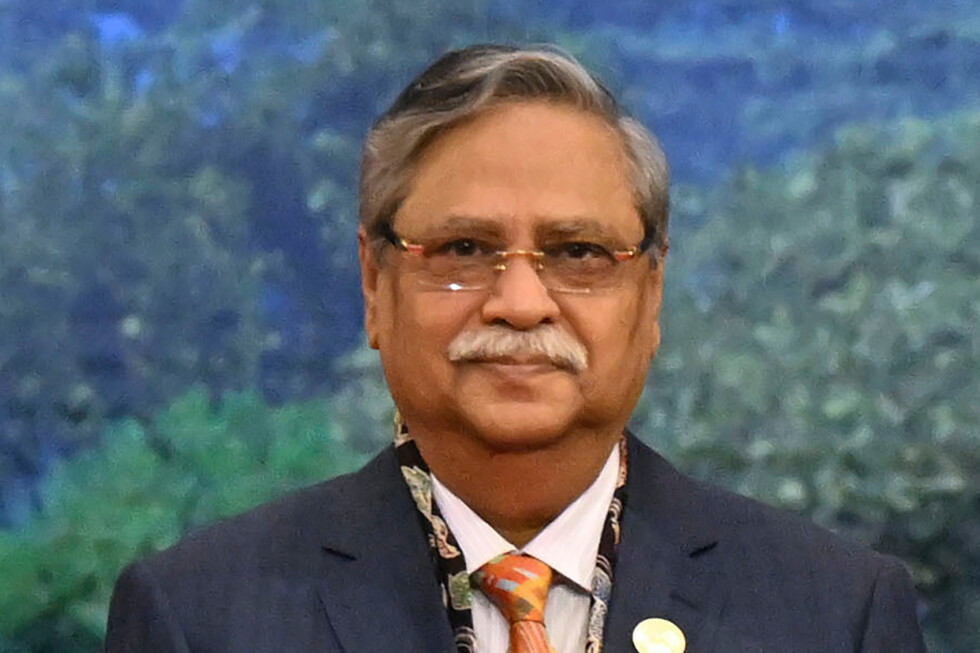
    After years of escalating political turbulence that reshaped South Asia’s most densely populated nation, Bangladesh’s sitting president Mohammed Shahabuddin — a key ally of ousted former Prime Minister Sheikh Hasina — formally stepped down from office Friday, cutting short his five-year term halfway through its tenure.

    Shahabuddin’s exit comes nearly three months after a new administration led by Prime Minister Tarique Rahman, the son of former premier Khaleda Zia and Hasina’s long-time arch political rival, swept to power in a landslide February electoral victory. That vote marked the end of an 18-month interim government headed by Nobel Peace Prize laureate Muhammad Yunus, which was installed after a mass anti-government uprising ended Hasina’s 15 consecutive years in power in August 2024. Following the collapse of her government, Hasina fled to neighboring India, where she remains in exile.

    In official documents reviewed by the Associated Press, Shahabuddin cited medical grounds for his resignation, which he submitted Friday to Parliament Speaker Hafiz Uddin Ahmad. Ahmad confirmed to reporters shortly after receiving the document that he had accepted the resignation. However, local Bangladeshi media outlets have reported that the president’s departure was forced by pressure from the current ruling administration, stemming from unconfirmed allegations that Shahabuddin held an unauthorized phone call with Hasina during a May medical trip to London. The AP has not independently verified these claims.

    A long-time trusted confidant of Hasina, Shahabuddin had faced sustained pressure to step down even before the February election. Student groups that led the 2024 uprising against Hasina repeatedly branded him a close collaborator of the ousted government, organizing mass street demonstrations demanding both his resignation and arrest. The National Citizen Party (NCP), the new political party formed by those uprising leaders, made removing Shahabuddin from office a core campaign plank. The NCP currently sits as part of the ruling electoral alliance led by Bangladesh Jamaat-e-Islami, the country’s largest Islamist political party.

    Under Bangladesh’s constitution, the Parliament speaker will automatically assume the presidency on an interim basis until lawmakers elect a new head of state. While the presidency is largely a ceremonial figurehead role, it carries significant constitutional authority during periods of political crisis and designates the holder as commander-in-chief of the country’s armed forces. Shahabuddin, who was Hasina’s handpicked candidate, was sworn in as Bangladesh’s 22nd president in April 2023, months after Hasina’s ruling Awami League party secured a fourth consecutive parliamentary term in a January 2024 election boycotted by all major opposition parties, including Rahman’s Bangladesh Nationalist Party.

    Shahabuddin’s resignation eliminates one of the last remaining institutional allies Hasina held within Bangladesh. From exile, the ousted prime minister has told multiple Indian media outlets that she plans to return to Bangladesh in December and surrender to domestic courts to face outstanding charges against her. Successive Bangladeshi administrations — first Yunus’s interim government, and now Rahman’s elected government — have repeatedly requested India extradite Hasina to face prosecution, but New Delhi has refused to comply.

    In November 2024, a special Bangladeshi tribunal sentenced Hasina to death in absentia, convicting her of ordering the violent crackdown on last year’s anti-government uprising. A United Nations investigative report later estimated that nearly 1,400 people were killed during the crackdown. Hasina has repeatedly denied all allegations against her from her exile in India.

  • Tanzanian lecturer arrested over anti-government protests charged with terrorism

    Tanzanian lecturer arrested over anti-government protests charged with terrorism

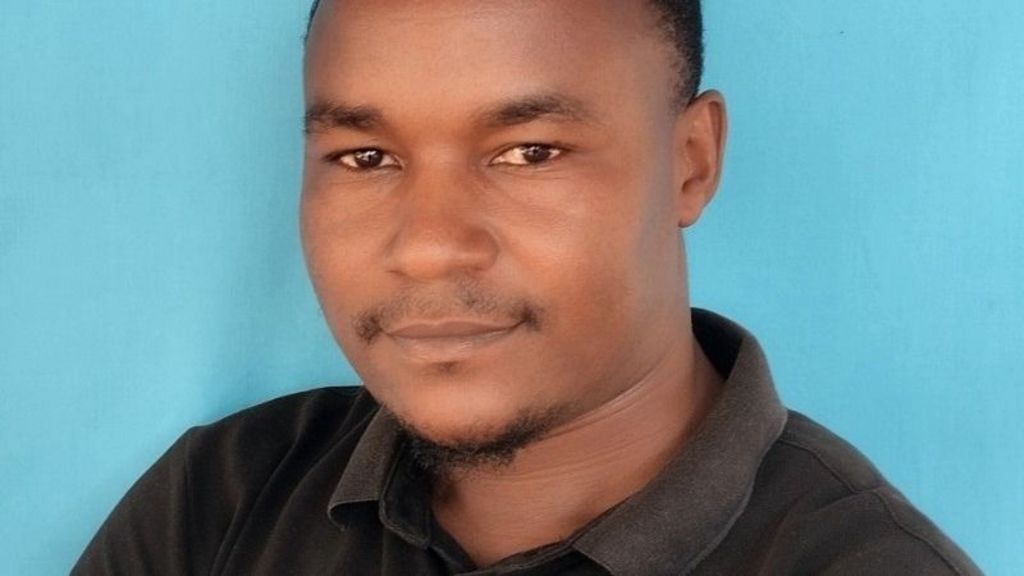
    A political science lecturer from one of Tanzania’s top public higher education institutions has been upgraded to a terrorism charge following his arrest earlier this month amid a sweeping government crackdown on opposition-linked dissent. Melkisedek Kaijage, a faculty member at the University of Dodoma, was one of more than 130 people taken into police custody after the planned July 7 pro-democracy demonstrations, which were blocked by authorities before they could get underway.

    Kaijage’s case took a sharp turn during a recent bail hearing at a lower magistrate’s court, where prosecutors announced the revised terrorism charge after the lecturer had spent 15 days in initial police detention. The academic was originally arrested one day after the planned nationwide protests, which were organized to demand sweeping democratic reforms and accountability for the hundreds of people killed in a post-election government crackdown that followed the October 2025 general election. Under Tanzanian legal rules, terrorism charges carry an automatic bar to pre-trial bail in nearly all cases, meaning Kaijage will remain behind bars until his full trial proceeds. No plea was requested from the lecturer at Thursday’s preliminary hearing, as terrorism cases fall exclusively under the jurisdiction of the country’s higher courts.

    Prosecutors have now added a new allegation that Kaijage threatened to burn down public government buildings as part of what authorities frame as coordinated intimidation tactics to incite unrest. Tanzania’s penal code treats terrorism-related offenses with extreme severity: convictions for activities including recruiting for terrorist groups, facilitating terrorist activity, harboring suspected terrorists, or supporting terrorist operations carry prison sentences ranging from a mandatory 10 years up to life imprisonment.

    Gerald Shija, head of the University of Dodoma Academic Staff Association (Udomasa), confirmed that Kaijage has been moved from local police holding facilities to Isanga Prison, located in the country’s capital city of Dodoma. Colleagues who work alongside Kaijage describe him as a widely respected educator whose popularity on campus stems entirely from his teaching work in political science and public administration, not from overt political activism.

    Kaijage’s terrorism charge comes amid a broader government campaign targeting opposition figures and government critics under the administration of President Samia Suluhu Hassan. Just last month, authorities issued an indefinite suspension of all political public gatherings across the country, justifying the move as a critical security measure to prevent widespread unrest.

    The ongoing crackdown follows deadly violence that erupted after the October 2025 presidential election, which was formally won by President Samia with an overwhelming 99% of the vote. Official findings from a presidential commission of inquiry confirmed that 518 people died from unnatural causes in the post-election unrest, including 192 people killed by gunshot. The scale of this violence upended Tanzania’s long-held international reputation as a stable, consensus-driven East African nation that had avoided large-scale political conflict for nearly 60 years. The opposition rejected the 2025 election result as a undemocratic sham, after President Samia’s two main political challengers were barred from running. In response, President Samia has maintained the election was conducted fairly and transparently, and has blamed foreign actors for orchestrating the post-election unrest as part of a plot to remove her from power.