作者: admin

  • 2 dead as US hit by historic winter storm

    2 dead as US hit by historic winter storm

    A catastrophic winter storm of historic proportions has unleashed chaos across the United States, resulting in multiple fatalities and widespread disruption. The massive weather system, stretching an unprecedented 2,300 miles from the Central Plains to the East Coast, has triggered emergency declarations in 21 states and placed nearly 200 million Americans under various winter weather alerts.

    The human toll continues to mount with two confirmed hypothermia fatalities in Louisiana, while New York City authorities are investigating five additional deaths potentially linked to the extreme conditions. Victims were discovered across multiple boroughs including Brooklyn, Manhattan, and Queens as the arctic blast descended upon the Northeast.

    Critical infrastructure has been severely compromised with PowerOutage.com reporting over one million customers without electricity, particularly concentrated in Tennessee, Mississippi, and Louisiana. The transportation network faces parallel disruptions with more than 30,000 flight cancellations and delays nationwide, creating travel chaos during the peak winter period.

    In response to the escalating crisis, President Donald Trump authorized a Presidential Emergency Disaster Declaration for ten severely impacted states on Saturday. The storm system, fueled by an exceptionally cold arctic air mass that initiated on Friday, is projected to maintain its intensity through Monday, prolonging the dangerous conditions across much of the nation.

    Meteorologists note this event has broken records for the simultaneous number of US counties under winter storm warnings, underscoring the unprecedented scale of this weather emergency that continues to challenge emergency response capabilities from local to federal levels.

  • Mark Tully, BBC correspondent known as the ‘voice of India,’ dies at 90

    Mark Tully, BBC correspondent known as the ‘voice of India,’ dies at 90

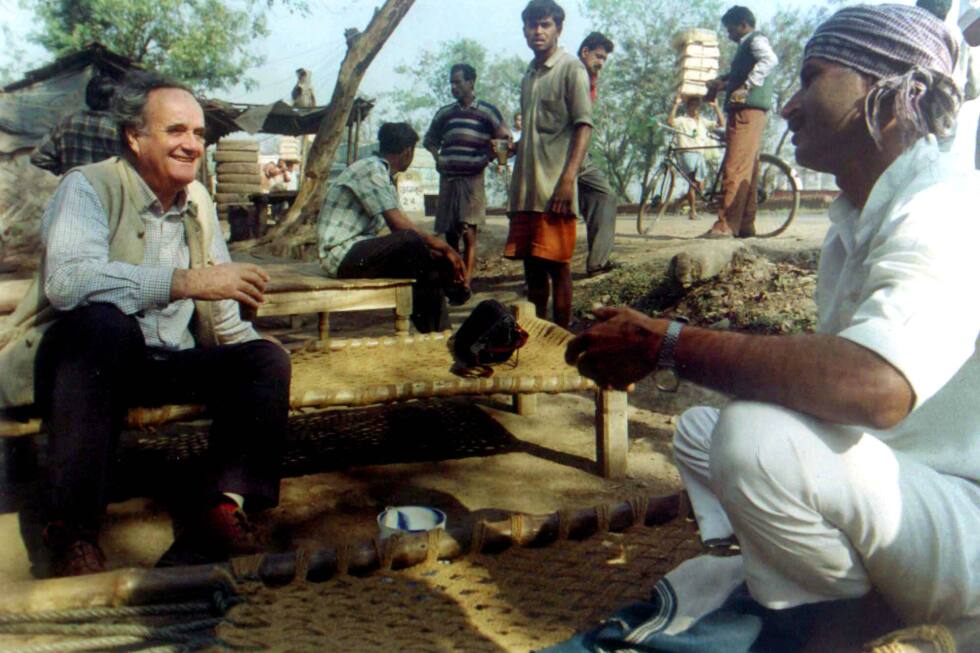
    NEW DELHI — The world of journalism mourns the loss of Sir Mark Tully, the legendary BBC correspondent whose profound connection to India earned him the revered title ‘voice of the nation.’ The broadcaster confirmed his passing at the age of 90. Tully died on Sunday in a New Delhi hospital following a short illness, concluding a monumental chapter in international reporting.

    Born in Kolkata (then Calcutta) in 1935, Tully’s journalistic journey with the BBC began in 1965. His deep understanding of the subcontinent led to his appointment as the New Delhi correspondent in 1971, a role he masterfully expanded to become the BBC’s Bureau Chief for South Asia for over twenty years.

    Tully’s career was defined by his authoritative coverage of the most pivotal events that shaped modern South Asia. He provided the world with front-line reporting on the 1971 Indo-Pakistani War that resulted in the independence of Bangladesh. His incisive analysis guided global audiences through the complex 1984 Golden Temple siege, the tragic 1991 assassination of Prime Minister Rajiv Gandhi, and the deeply divisive 1992 Babri Masjid demolition that sparked extensive civil unrest across India. His reporting extended beyond India’s borders, delivering crucial dispatches from Pakistan, Bangladesh, and Sri Lanka.

    Indian Prime Minister Narendra Modi led tributes, recognizing Tully as “a towering voice of journalism” whose profound connection to India and its citizens was vividly reflected in his body of work. “His reporting and insights have left an enduring mark on public discourse,” Modi stated in a social media post.

    In recognition of his exceptional contributions to broadcasting and journalism, Britain knighted Tully in 2002. India further honored his dedication by awarding him two of its highest civilian honors—the Padma Shri and the Padma Bhushan—solidifying his unique status as a foreign journalist who became an integral part of the nation’s narrative.

  • He left Myanmar for Michigan. Trump’s travel ban cut off his US college studies midway

    He left Myanmar for Michigan. Trump’s travel ban cut off his US college studies midway

    Patrick Thaw’s academic journey at the University of Michigan came to an abrupt halt when presidential policy left him stranded halfway across the globe. What began as a routine summer internship in Singapore transformed into an educational limbo after former President Donald Trump’s travel ban targeted citizens from 12 nations, including Thaw’s native Myanmar.

    The neuroscience major found himself attending classes via FaceTime while his college friends gathered in Ann Arbor, a cruel irony for someone who had embraced American campus life with exceptional enthusiasm. Thaw had immersed himself in university activities, from biology fraternity events to Alzheimer’s research, becoming known among faculty as an intellectually curious student unafraid of academic risks.

    His situation reflects broader challenges facing international students during the Trump administration’s first year back in office. Visa appointment pauses and enhanced vetting procedures contributed to declining foreign enrollment numbers, particularly affecting students like Thaw who were already deep into their American educational journeys.

    University administrators nationwide have responded with creative solutions, reviving pandemic-era remote learning options and offering placements at international partner institutions. For Thaw, Michigan officials suggested an Australian study abroad program as a temporary measure, though visa complications ultimately made this option unviable.

    The educational disruption represents more than mere inconvenience for Thaw, who viewed American higher education as an escape route from Myanmar’s civil unrest. His childhood memories include taking shifts with his mother to watch for Molotov cocktails igniting bamboo in their front yard and missing algebra exams due to bomb explosions.

    Facing indefinite separation from his academic community, Thaw made the difficult decision to transfer to universities outside the United States. He now holds acceptance letters from institutions in Australia and Canada, with hopes of attending the University of Toronto to maintain proximity to his Michigan friendships.

    His story underscores how geopolitical decisions create ripple effects through academic communities, separating promising students from their chosen educational paths and forcing universities to develop increasingly flexible international policies.

  • Legends of Winter Olympics: heroes of the slopes

    Legends of Winter Olympics: heroes of the slopes

    As the Milan-Cortina Winter Olympics approach their February 6 opening, the spotlight turns to legendary alpine skiers whose Olympic triumphs and personal journeys have shaped winter sports history.

    Toni Sailer, Austria’s ‘Blitz from Kitz’, revolutionized alpine skiing during his brief but spectacular career. At just 20 years old during the first televised Winter Games, Sailer achieved an unprecedented triple victory in slalom, giant slalom, and downhill events. His dominance extended to the combined championship, earning him additional recognition. Though narrowly missing a repeat sweep at the 1958 World Championships, Sailer transitioned to a multifaceted post-athletic career encompassing film work as James Bond’s stunt double, music recording, ski equipment entrepreneurship, and sports administration. His legacy was cemented as Austria’s ‘Sportsman of the Century’ in 1999.

    Jean-Claude Killy mirrored Sailer’s achievement under controversial circumstances during the 1968 Grenoble Olympics. After overcoming health challenges that hampered his 1964 Olympic performance, Killy dominated the World Cup circuit for two consecutive seasons. His Olympic triple crown was secured amid dramatic foggy conditions during the slalom event, where officials disqualified competitors Karl Schranz and Hakon Mjoen for missed gates after reviewing television footage. The French skier’s triumph sparked such public euphoria that authorities required helicopter extraction to escape adoring crowds. Killy later diversified into motor racing, co-chaired the 1992 Albertville Olympics, and joined the International Olympic Committee, though his association with Vladimir Putin later attracted criticism.

    Hermann Maier’s narrative embodies extraordinary resilience. Initially rejected for his small stature, the Austrian developed into a powerfully built competitor through bricklaying work and regional competitions. His Olympic debut featured a spectacular downhill crash that saw him somersault through safety barriers, followed by remarkable super-G and giant slalom victories just days later. After equaling Killy’s World Cup record, Maier survived a motorcycle accident that nearly cost him his leg, missing the 2002 Games but returning to claim additional Olympic medals in 2006.

    Sweden’s Ingemar Stenmark established unparalleled dominance in technical events with a record 86 World Cup victories between 1974-1989. Despite limited Olympic appearances due to eligibility controversies, Stenmark capitalized on his 1980 Lake Placid opportunity with dramatic come-from-behind victories in both giant slalom and slalom events. His sponsorship-related exclusion from the 1984 Sarajevo Games underscored the sport’s transition from amateurism, yet his victory record endured until Mikaela Shiffrin surpassed it in 2023.

  • ‘So little we know’: in submersibles revealing the deep sea

    ‘So little we know’: in submersibles revealing the deep sea

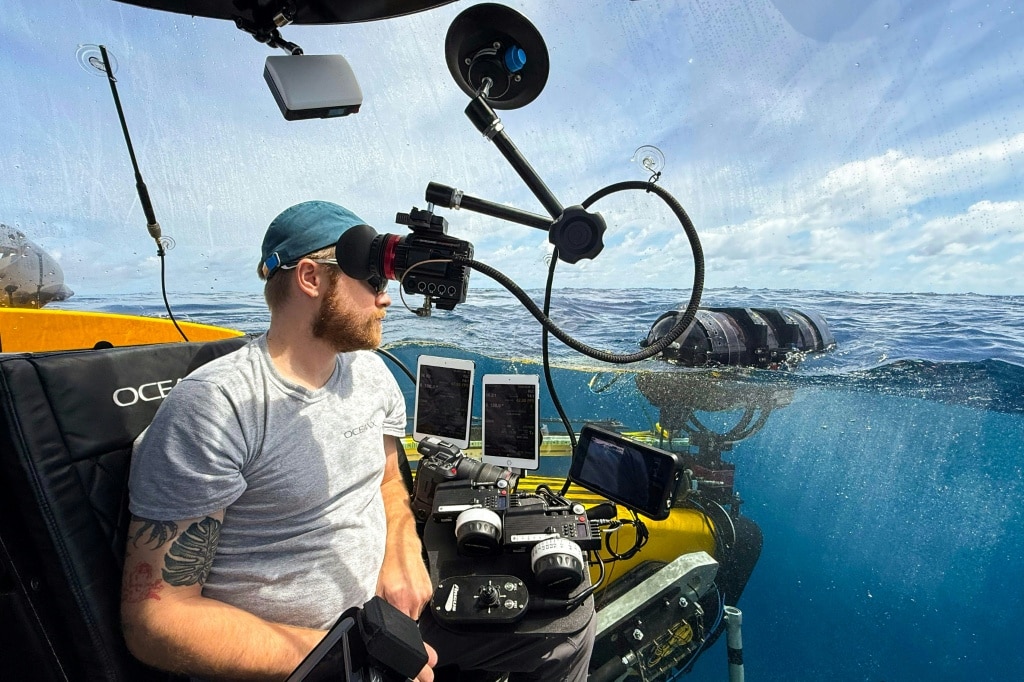
    Beneath the waves off Indonesia’s Sulawesi island, a state-of-the-art submersible descends into the abyss, carrying scientists on a mission to document unknown species and uncover potential medical breakthroughs from the deep. AFP recently joined OceanX’s research expedition aboard the advanced OceanXplorer vessel, funded by billionaire Ray Dalio and his son, which represents a new paradigm in marine exploration.

    The expedition focuses on a previously mapped seamount chain where Indonesian researchers are conducting biodiversity surveys using two specialized submersibles. The Neptune is equipped for scientific collection with hydraulic arms and suction tubes, while the Nadir features high-end cameras for media documentation—reflecting OceanX’s philosophy that compelling imagery makes scientific research more accessible and impactful.

    At 200 meters depth, sunlight vanishes completely, leaving only the submersible’s lights to illuminate the eternal darkness. Researchers like Husna Nugrahapraja of Institut Teknologi Bandung experience both anxiety and wonder during their first descent into this alien environment. The beams reveal ‘marine snow’—continuous showers of organic debris—and extraordinary bioluminescent displays triggered by the vessel’s lights.

    The team encounters fragile comb jellies with pulsating illuminations, translucent siphonophores resembling abstract art, and silver fish no larger than fingernails. On the seafloor, delicate sea stars and fronded soft corals thrive in complete darkness under immense pressure.

    For deeper exploration down to 6,000 meters, OceanX employs a remotely operated vehicle (ROV) controlled from a mission center resembling NASA mission control. Operators in gamer-style chairs maneuver hydraulic arms to collect specimens including a bone-white lobster, horned sea cucumber, and a hermit crab living inside a deceased sea star.

    The expedition operates under strict safety protocols, with submersibles regularly inspected according to industry standards—a pointed contrast to the tragic Titan submersible implosion of 2023. Each dive vehicle carries four days of emergency life support as backup systems.

    Despite technological advances, much of the deep ocean remains unmapped and unexplored. Researchers like crustacean specialist Pipit Pitriana discover potentially new species, including pearl-sized barnacles, highlighting how little humanity knows about deep-sea biodiversity even as threats from plastic pollution, rising temperatures, and acidification intensify.

  • A girls’ soccer tournament drives HPV vaccine awareness in Zimbabwe

    A girls’ soccer tournament drives HPV vaccine awareness in Zimbabwe

    NORTON, Zimbabwe — While Lesotho’s Lishoeshoe soccer club suffered a decisive 5-0 defeat against South Africa’s Mamelodi Sundowns in a regional Under-17 girls’ tournament final, the actual victory extended far beyond the scoreline. This unique sporting event, hosted in Zimbabwe, represented a groundbreaking initiative blending athletics with public health education, specifically targeting cervical cancer prevention through HPV vaccination awareness.

    The tournament, organized through a collaborative effort between Africa’s soccer governing body CAF, the European soccer association, GAVI the Vaccine Alliance, and multiple African health ministries, brought together approximately 200 adolescent girls from six nations. Dubbed the ‘Goal Getters’ campaign, this innovative program previously launched in Tanzania and Eswatini before culminating in Zimbabwe during December.

    For participants like 16-year-old winger Nteboheleng Leticia Sooane, the educational component overshadowed competitive results. ‘Participating provided invaluable learning opportunities to disseminate crucial health information despite our loss in the finals,’ Sooane remarked while awaiting her medal in rain-drenched Norton stadium, near Harare.

    The initiative addresses a critical health emergency: cervical cancer claims a woman’s life every two minutes globally, with Africa bearing the heaviest burden. According to GAVI, the freely administered HPV vaccine for girls aged 9-14 can prevent up to 90% of cervical cancer cases, potentially saving families thousands in future treatment costs.

    Post-COVID-19 pandemic, Africa has significantly intensified HPV vaccination efforts. WHO data indicates coverage for at least one dose increased to 40% in 2023 from 28% the previous year, trailing only the Americas region. This progress stems from expanded government-backed campaigns supported by GAVI.

    ‘Goal Getters ingeniously merges two teenage passions—sports and health—creating secure environments where girls feel empowered and trusted,’ explained GAVI spokesman Olly Cann. The tournament launch featured vibrant dance and musical performances, while sidelines saw mothers visiting nearby clinics, some attracted by prominent women’s soccer figures, to vaccinate their children.

    HPV (human papillomavirus), a prevalent sexually transmitted virus, represents the primary cervical cancer cause. While most infections resolve naturally, persistent cases can develop into cancer years later. Cervical cancer ranks as the fourth most common female cancer worldwide, claiming approximately 350,000 lives annually. Africa accounts for nearly one-quarter of global deaths, with 19 of the 20 most affected nations located in sub-Saharan Africa.

    Zimbabwe faces particularly severe challenges, recording the highest cervical cancer rates among its female population with about 2,000 annual deaths. In a strategic move ahead of the tournament, Zimbabwe transitioned to a single-dose HPV vaccine regimen, aiming to improve uptake compared to the two-dose program initiated nationally in 2018.

    Despite medical advances, misinformation and reproductive health stigma present substantial obstacles. At Harare’s Budiriro Polyclinic in January, only two 10-year-olds arrived for vaccination—a typical turnout according to health officials, necessitating school-based vaccination programs.

    ‘Families frequently avoid clinic vaccinations, and even school follow-ups encounter refusals primarily due to religious beliefs,’ noted Barbara Mashonga, the clinic’s community mobilization lead. ‘Some parents mistakenly perceive these injections as covert family planning methods that might impair future fertility. These misconceptions underscore why health education remains central to our campaign.’

    Soccer-oriented initiatives help bridge this awareness gap. ‘We’re embracing these opportunities to enhance community wellbeing through football,’ stated Nqobile Magwizi, president of Zimbabwe’s football association, during celebrations for tournament winners Mamelodi Sundowns.

    For Sooane, the message transcended athletic competition: ‘Cancer remains a severe disease, so every child should receive vaccination for protection. We came here to learn about maintaining our health intact.’

  • Asian shares mostly dip as the yen rises against the U.S. dollar

    Asian shares mostly dip as the yen rises against the U.S. dollar

    Asian financial markets experienced broad declines on Monday, with Japan’s benchmark index leading the losses following a significant appreciation of the yen against the U.S. dollar. The Nikkei 225 plummeted 1.9% to close at 52,812.45, driven by substantial selling of major export-oriented corporations. Toyota Motor Corp. witnessed a notable 3.2% decline in share value, reflecting market concerns about reduced competitiveness in international markets due to currency fluctuations.

    The yen’s surge to 154.26 against the dollar, marking a substantial recovery from last week’s 158 yen level, came after financial authorities from both Japan and the United States indicated potential intervention measures to support the Japanese currency. This currency movement represents a dramatic shift from recent trends where the dollar had been consistently gaining ground against the yen.

    Other Asian markets followed the downward trend with South Korea’s Kospi declining 0.6% to 4,961.58. Hong Kong’s Hang Seng experienced a marginal 0.1% decrease to 26,722.89, while China’s Shanghai Composite managed a slight 0.1% gain to 4,141.10. Trading remained suspended in several major markets including Australia, New Zealand, India, and Indonesia due to local holidays.

    U.S. futures indicated continued market uncertainty, with S&P 500 and Dow Jones Industrial Average futures both declining 0.3%. This cautious sentiment reflects ongoing concerns regarding U.S. tariff policies and international trade tensions. Precious metals demonstrated strong performance as investors sought safe-haven assets, with gold climbing 2% to approach $5,100 per ounce and silver surging 6.4% to approximately $108 per ounce.

    Energy markets showed minimal movement with benchmark U.S. crude edging up 2 cents to $61.09 per barrel and Brent crude increasing 3 cents to $65.10. Market participants await the upcoming U.S. Federal Reserve meeting on Wednesday, where officials are expected to maintain current interest rate levels amid ongoing economic uncertainty.

  • Baghdad says it will prosecute Islamic State detainees transferred from Syria

    Baghdad says it will prosecute Islamic State detainees transferred from Syria

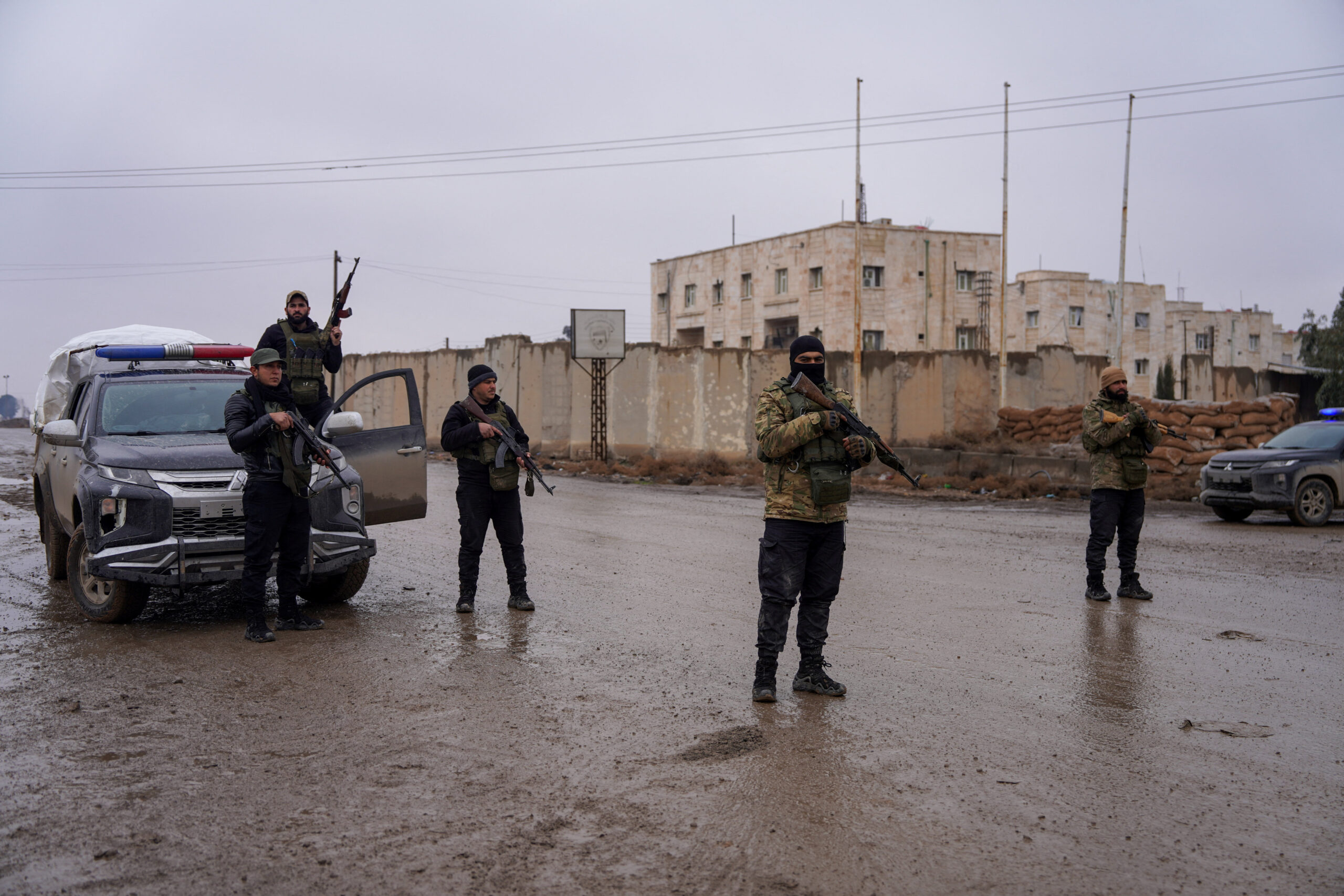
    In a significant development following regional military shifts, Iraq has formally announced it will prosecute Islamic State group prisoners being transferred from detention facilities in northeastern Syria. This judicial undertaking follows a US-mediated agreement that coordinates with recent Syrian army advances into territories previously controlled by the Syrian Democratic Forces (SDF).

    The prisoner transfer initiative gained momentum after Syrian government forces assumed control of key detention sites including al-Hol camp, al-Shaddadi prison, and al-Aqtan facility under a ceasefire extension. Although over 100 prisoners escaped during the chaotic SDF withdrawal from al-Shaddadi, Syrian authorities report most have been recaptured.

    Baghdad’s proposal to relocate detainees to Iraqi jurisdiction received approval from both Washington and Damascus, resulting in the aerial transfer of 275 prisoners to date. The Associated Press confirms 125 individuals were moved on Sunday alone, citing anonymous Iraqi security sources.

    Iraq’s Supreme Judicial Council has asserted exclusive judicial authority over all transferred detainees, regardless of nationality or specific role within the terrorist organization. The council emphasized that standard legal procedures will apply uniformly, with Iraqi security forces conducting preliminary investigations before trials commence in domestic courts.

    This judicial transfer has raised substantial concerns among human rights organizations. Legal action NGO Reprieve characterized the development as “extremely worrying,” citing documented patterns of summary trials and executions in Iraq. CEO Maya Foa warned that transferred prisoners face “a very real risk of being tortured into making a forced confession and executed.”

    Human Rights Watch has previously documented Iraq’s sentencing of hundreds of IS suspects through “rushed and deeply flawed” trials that frequently relied on confessions obtained under torture. These concerns emerge against the backdrop of ongoing security operations against IS remnants in Iraq, despite the group’s territorial defeat in 2017.

    The SDF, which played a pivotal role in IS’s territorial defeat in 2019, previously managed thousands of detainees until their withdrawal from predominantly Arab regions. The United Nations subsequently assumed management responsibilities for al-Hol camp, highlighting the complex international dimensions of post-conflict detention challenges.

  • Australian Open defending champion Madison Keys upbeat about fourth-round exit

    Australian Open defending champion Madison Keys upbeat about fourth-round exit

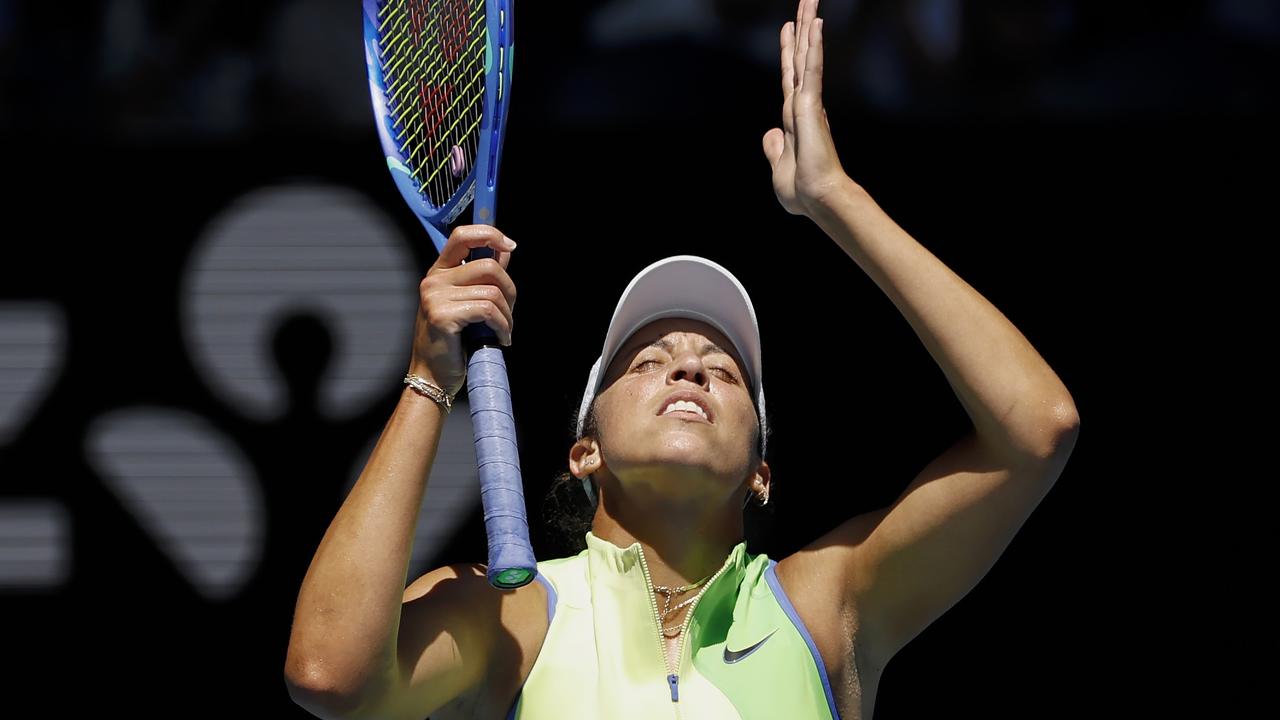
    MELBOURNE – Reigning Australian Open champion Madison Keys offered a refreshing perspective on competitive sportsmanship following her fourth-round elimination from the season’s first Grand Slam. The 30-year-old American fell to compatriot and close friend Jessica Pegula in straight sets (6-3, 6-4) on Monday, ending her title defense campaign at Melbourne Park.

    Despite the disappointment of her exit, Keys demonstrated remarkable philosophical maturity when reflecting on her loss. ‘Honestly, I’d say it feels way better losing while still being defending champion because it means you’ve won,’ Keys told reporters during her post-match press conference. She emphasized that a tournament defeat doesn’t diminish the value of previous accomplishments.

    The athlete revealed the psychological challenges professional tennis players face in balancing celebration with continuous competition. ‘When I won here, I had about 48 hours to enjoy it before immediately shifting focus to maintaining momentum for the next tournament,’ Keys explained. She noted the practical reality where champions often compete again within days of their victories, requiring rapid mental transition.

    Keys acknowledged the support from Melbourne crowds as particularly meaningful. ‘Those are moments that you just dream of as a little kid,’ she said, expressing gratitude for the fan encouragement even during her exit. The former finalist remains optimistic about her season ahead, noting she has ’11 months of the year left’ to implement improvements and build on her performance.

    The athlete humorously remarked that excessive focus on defending points rather than forward progress would make players ‘even more insane than we already are,’ highlighting the healthy perspective elite athletes must maintain in the demanding professional circuit.

  • Fifteen dead after Philippines ferry with 300 passengers sinks

    Fifteen dead after Philippines ferry with 300 passengers sinks

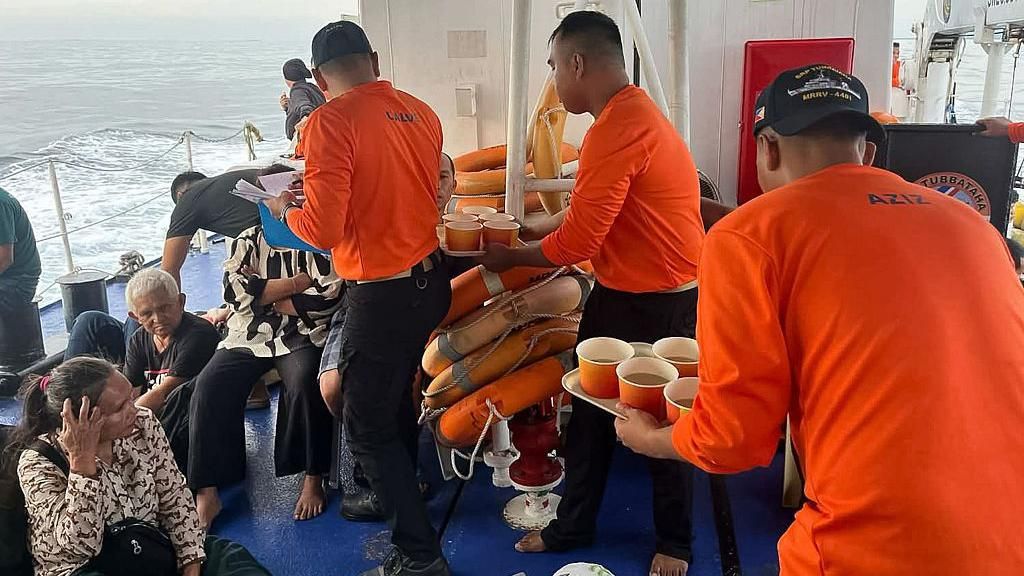
    A major maritime tragedy unfolded off the southern coast of the Philippines as the MV Trisha Kerstin 3, a combined cargo and passenger ferry, sank in turbulent waters, resulting in at least 15 fatalities. Search and rescue operations have successfully saved 316 individuals from the vessel that was carrying over 350 people when it issued a distress signal at 1:50 AM local time on Monday (17:50 GMT Sunday).

    The ferry was en route from Mindanao, the nation’s southern mainland, to Jolo island in the southwest Philippines when the incident occurred. Philippine Coast Guard spokeswoman Noemie Cayabyab indicated in a televised interview that rough sea conditions reported by survivors may have contributed to the disaster. The archipelago nation, consisting of approximately 7,100 islands, has experienced numerous maritime accidents throughout its history.

    Rescue efforts faced significant challenges as emergency responders became overwhelmed by the influx of survivors. Basilan emergency responder Ronalyn Perez confirmed to AFP that medical facilities were experiencing staffing shortages due to the volume of patients requiring attention. Social media footage shared by Basilan Governor Mujiv Hataman showed survivors wrapped in blankets disembarking from rescue vessels.

    Authorities have launched a formal investigation into the cause of the sinking, examining factors such as vessel maintenance, loading procedures, and weather conditions. The Philippines has historically struggled with maritime safety standards, with poor maintenance and overloading frequently cited in previous ferry accidents. Despite these risks, ferry travel remains a primary transportation method for many Filipinos due to its affordability.

    This incident follows other recent maritime tragedies in the region, including a May 2023 ferry fire that claimed 28 lives, including three children, and a high-speed ferry fire the previous year that resulted in at least seven fatalities among 134 passengers.