作者: admin

  • Macron urges Europe to start acting like world power

    Macron urges Europe to start acting like world power

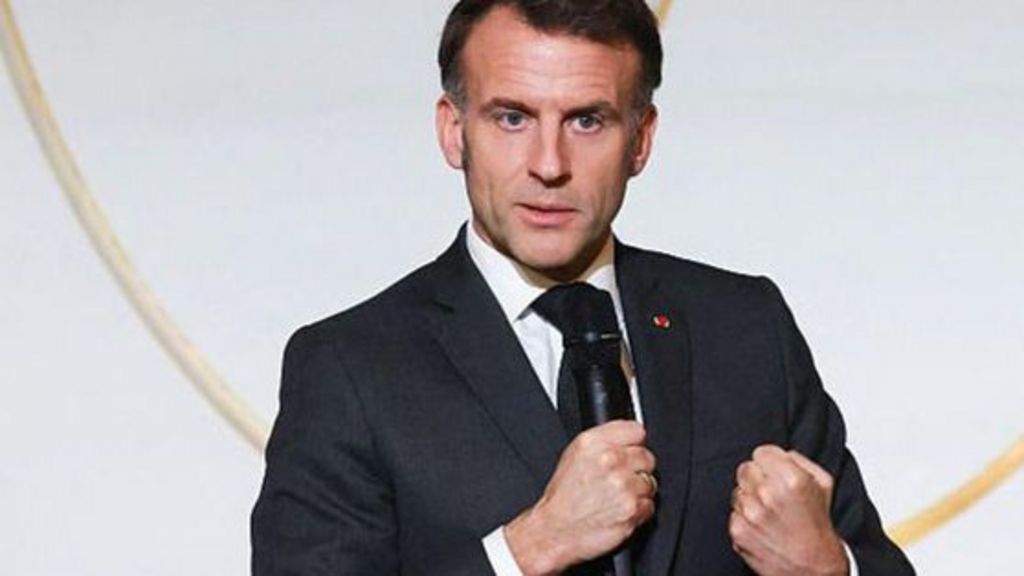
    French President Emmanuel Macron has issued a compelling call for Europe to transform into a formidable global power, emphasizing that the continent stands at a critical historical juncture. In a comprehensive interview with leading European publications ahead of an imminent EU summit in Brussels, Macron articulated that Europe confronts what he termed a definitive ‘wake-up call’ in an increasingly volatile international landscape.

    Macron delineated three fundamental domains where Europe must demonstrate enhanced sovereignty: economic and financial systems, defense and security infrastructure, and the preservation of democratic institutions. He championed the creation of mutualized EU debt instruments, proposing ‘eurobonds for the future’ as essential mechanisms to mobilize the estimated €1.2 trillion required annually for strategic investments in defense, clean energy transformation, and artificial intelligence capabilities.

    This proposition revisits previous initiatives that encountered resistance from Germany and other northern European nations, who have historically expressed reservations about collective debt arrangements that might disproportionately benefit less fiscally disciplined member states. Macron acknowledged France’s distinctive economic model, contrasting it with the ‘responsibility-based’ frameworks of northern economies and the transformative structural reforms implemented by southern European nations during the 2010s.

    The French leader presented a strategic analysis of global financial dynamics, noting growing international apprehension about over-reliance on the U.S. dollar and identifying substantial market demand for European debt alternatives. He positioned Europe’s democratic legal frameworks as a competitive advantage in attracting global investment, drawing a sharp contrast with China’s authoritarian governance and what he characterized as America’s gradual departure from rule-of-law principles.

    Macron framed Europe’s current challenges within a broader context of systemic global disorder, citing accelerated climate change, uncertain American security guarantees following decades of reliance, the cessation of affordable Russian energy supplies, and increasingly fierce competition from China. He emphasized that despite these pressures, Europe possesses unprecedented potential through its collective population of 450 million citizens.

    Addressing recent diplomatic tensions surrounding U.S. President Donald Trump’s apparent threats toward Greenland, Macron cautioned against European complacency, warning that temporary de-escalation should not be misinterpreted as resolution. He urged sustained vigilance against what he described as cyclical patterns of international ‘threats and intimidation’ followed by tactical withdrawals.
  • Filipino priest exposes ex-Philippine president Duterte’s war on drugs with traveling museum

    Filipino priest exposes ex-Philippine president Duterte’s war on drugs with traveling museum

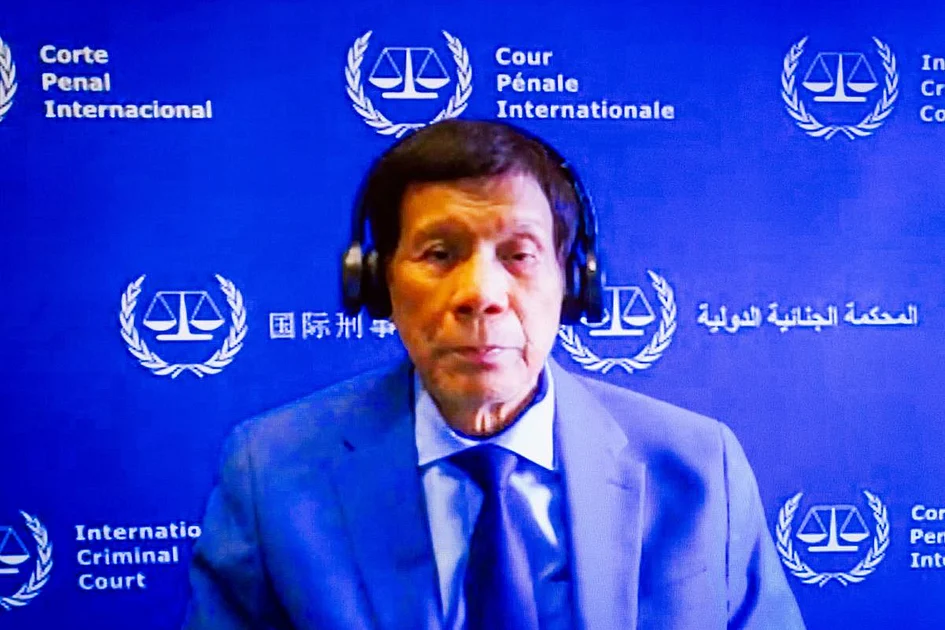
    As former Philippine President Rodrigo Duterte approaches his February 23 confirmation of charges hearing at the International Criminal Court, a powerful grassroots movement is ensuring the victims of his controversial drug war are not forgotten. Father Flaviano Villanueva, a reformed drug dependent turned advocate, has created ‘Lakbay Museo ng Paghilom’ (Traveling Museum for Healing) – a mobile exhibition documenting the human cost of Duterte’s anti-drug campaign.

    The museum, which has toured schools, church parishes, and government buildings including the Philippine Senate and Congress, displays artifacts, photographs, and personal narratives from families affected by extrajudicial killings. Among the most poignant exhibits is the bloodied shirt of three-year-old Myca Ulpina, killed during a police raid targeting suspected drug dependents.

    ‘To remember the victims by name, by story, by the fullness of their humanity—is to declare that the victims were not statistics, not collateral damage, not disposable,’ Father Villanueva stated during the exhibit’s opening. He emphasized that ‘memory protects truth when lies become louder’ and prevents building ‘a future on erasure.’

    The exhibition emerges as Duterte faces ICC charges of crimes against humanity related to his anti-drug operations. Human rights organizations estimate the campaign resulted in up to 30,000 deaths during his presidency from 2016-2022. The former leader, currently detained at the ICC prison in Scheveningen near The Hague, faces three sets of charges covering murders dating back to his tenure as Davao City mayor and subsequent presidential actions against alleged drug figures.

    While Duterte denied authorizing extrajudicial killings, he openly threatened to kill drug suspects and encouraged authorities to use lethal force if suspects resisted arrest – orders that Amnesty International claims led to thousands of unlawful deaths predominantly among poor communities.

    The traveling museum has sparked intense debate across Philippine society. Duterte supporters dismiss it as ‘black propaganda’ and argue that victims of drug-related violence deserve equal recognition. Some pro-Duterte social media commentators suggest the exhibition aims to divert attention from allegations against current President Ferdinand Marcos Jr., whom his own sister Senator Imee Marcos has alleged to be an illegal drug user.

    With emotions running high both online and in public discourse, the mobile memorial serves as a poignant counter-narrative to official accounts of the drug war as the nation awaits a landmark legal reckoning at the international level.

  • Eswatini angers Madagascar junta for hosting deposed leader

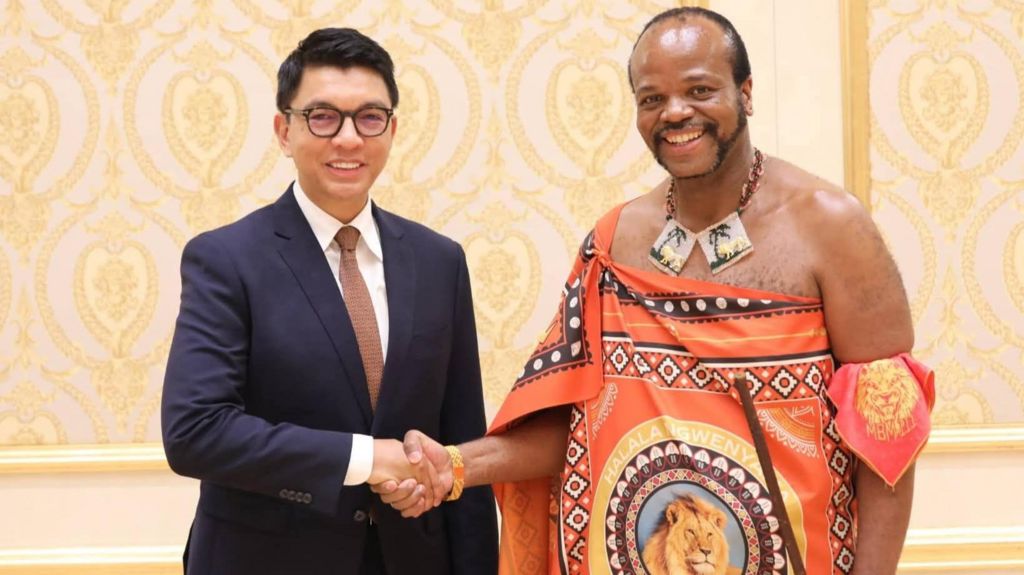
    Eswatini angers Madagascar junta for hosting deposed leader

    A significant diplomatic rift has emerged between Madagascar’s military government and the Kingdom of Eswatini following a controversial meeting between King Mswati III and deposed Malagasy President Andry Rajoelina. The encounter, which took place last week in Eswatini, has drawn sharp condemnation from Madagascar’s current military leadership.

    Colonel Michael Randrianirina, Madagascar’s military leader, issued a formal statement characterizing the visit as a “grave infringement of sovereignty” and “politically unacceptable.” The military government emphasized that Rajoelina had voluntarily renounced his Malagasy nationality after acquiring foreign citizenship, rendering any claims of legitimate representation “legally unfounded.”

    The backdrop to this diplomatic confrontation stems from Rajoelina’s ouster in October 2025 following widespread youth-led protests over persistent power and water shortages. The demonstrations culminated in military intervention that ultimately removed Rajoelina from power, with reports indicating approximately 30 casualties during the unrest.

    Eswatini’s monarchy has defended the meeting through spokesperson Percy Simelane, asserting that the engagement was conducted in consultation with the Southern African Development Community (SADC) and was part of Eswatini’s regional diplomatic facilitation role. “The deposed leader was not seeking protection or intervention from the Kingdom of Eswatini,” Simelane clarified, describing Madagascar’s criticism as “misguided and unfortunate.”

    The military authorities in Antananarivo expressed concern that Rajoelina’s reception could disrupt Madagascar’s ongoing national reconciliation process and constitutional restoration efforts. Colonel Randrianirina has previously committed to organizing new elections within a two-year timeframe, in alignment with SADC’s directive for Madagascar to submit a detailed roadmap for democratic restoration by February 28th.

    This meeting marks Rajoelina’s first visible diplomatic engagement since fleeing Madagascar, signaling potential complications in the region’s political dynamics as Madagascar navigates its transition back to constitutional governance.

  • Milan Cortina Olympics apologizes for podium surface damaging skaters’ blades

    Milan Cortina Olympics apologizes for podium surface damaging skaters’ blades

    MILAN — Olympic organizers have issued a formal apology after the medal podium at the Milano Ice Skating Arena caused unexpected damage to figure skaters’ blades during team medal celebrations. The abrasive anti-slip surface resulted in nicks and blemishes on the precision equipment of multiple athletes, prompting concerns about competitive impact.

    Among those affected were American gold medalists Madison Chock and Evan Bates, along with Japanese silver medalist Kaori Sakamoto, who immediately inspected her blades while celebrating. The Japanese Olympic Committee subsequently filed an official complaint regarding the podium’s problematic surface.

    In response to the incident, the Milan Cortina organizing committee announced immediate corrective measures. “We are taking steps to replace the surface to prevent a reoccurrence,” stated officials, while also arranging for complimentary blade-sharpening services and additional training sessions for the impacted teams from the United States, Japan, and Italy.

    The committee praised the Olympic spirit demonstrated by National Olympic Committees offering assistance to affected athletes from other countries. “We apologize for the inconvenience caused and reiterate our commitment to ensuring the best possible conditions for all athletes,” the statement concluded.

    The timing raised competitive concerns as some speculated whether blade damage might have contributed to Chock and Bates’ narrow defeat to French competitors Laurence Fournier Beaudry and Guillaume Cizeron in Monday’s rhythm dance event. However, Bates dismissed such theories, stating, “I think the skates are fine. The blades are good. We skated great. We felt like it was really strong.”

    Organizers have scheduled the next medal ceremony for Tuesday afternoon following the mixed team relay in short-track speedskating, with the next figure skating medal presentation set for Wednesday night. All future podium events will feature a resurfaced platform to prevent further equipment damage.

  • Xinjiang through my eyes: The sound from Pamir Plateau

    Xinjiang through my eyes: The sound from Pamir Plateau

    In the high-altitude terrain of the Tashikurgan Tajik Autonomous County within China’s Xinjiang region, a unique cultural preservation story unfolds through the dedication of Aikebaier, a local artist. Once a professional dancer and now a drummer, Aikebaier has devoted his life to mastering and promoting the traditional eagle bone flute—an instrument recognized as part of China’s intangible cultural heritage.

    During his leisure hours, Aikebaier engages in rigorous practice sessions, documents the flute’s distinctive melodies, performs for community gatherings, and instructs younger generations in playing techniques. His efforts represent a personal mission to safeguard this auditory emblem of Tajik culture from fading into obscurity.

    “The eagle bone flute embodies my lifelong passion,” Aikebaier stated, emphasizing his commitment to both preserving and popularizing this traditional art form. His aspiration extends beyond local recognition—he aims to introduce the haunting sounds of the Pamir Plateau to international audiences, ensuring the flute’s legacy continues resonating globally.

    This cultural initiative reflects broader efforts within Xinjiang to maintain ethnic traditions while fostering intercultural dialogue. Through Aikebaier’s dedication, the eagle bone flute transforms from a historical artifact into a living testament to Tajik heritage, demonstrating how traditional arts can thrive in contemporary society.

  • China moving early as confidence in US debt frays

    China moving early as confidence in US debt frays

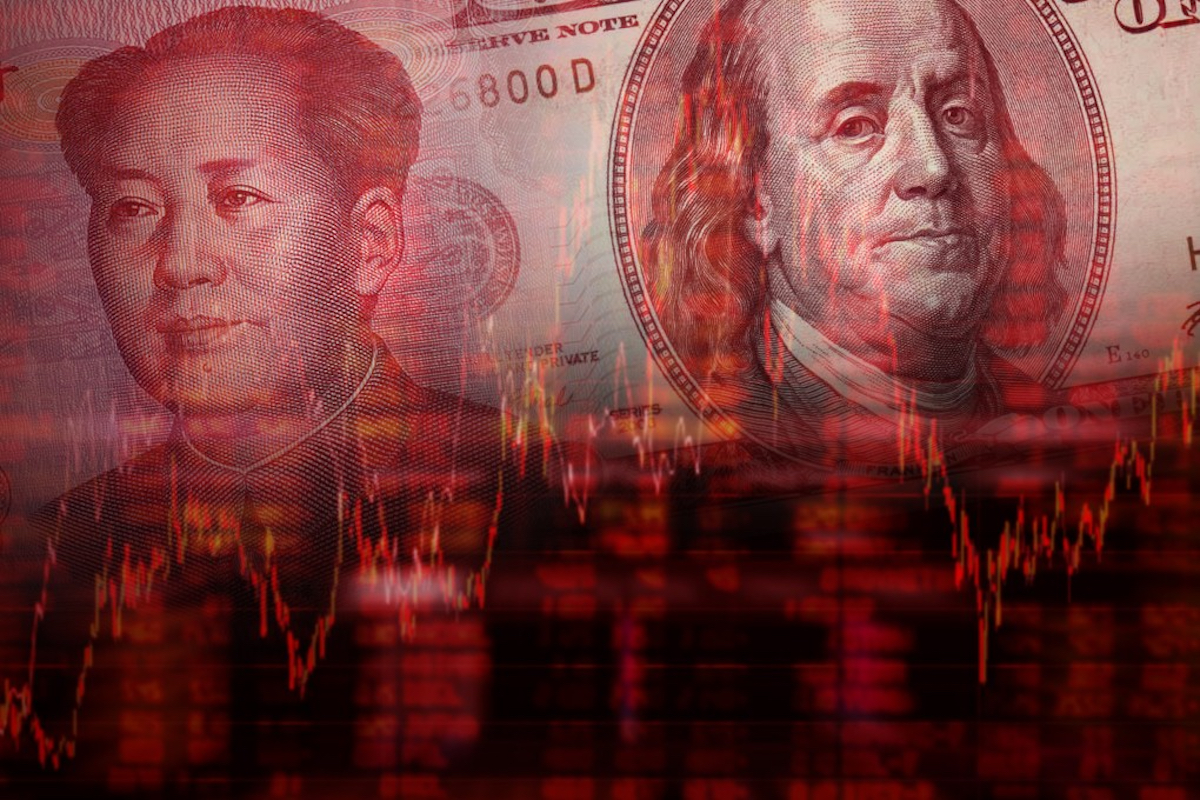
    Chinese financial regulators have issued directives to the nation’s largest commercial banks to curtail their exposure to US Treasury securities, signaling a strategic shift in how Asian capital perceives American debt instruments. This measured intervention into global finance mechanisms reveals growing regional concerns about concentration risks emanating from Washington.

    According to financial sector sources, Chinese authorities have verbally instructed major banking institutions to avoid increasing their already substantial positions in US government debt and to gradually reduce holdings where exposure is deemed excessive. Notably, these guidelines contain no specific targets or deadlines and explicitly exclude China’s official state foreign exchange reserves.

    As of September, Chinese banks held approximately $298 billion in dollar-denominated bonds, though the exact Treasury allocation remains unspecified. The regulatory move reflects concerns about volatility rather than creditworthiness, highlighting emerging doubts about the stability of what was long considered the world’s safest financial asset.

    For decades, Asian financial institutions treated US Treasuries as foundational assets—highly liquid, deeply traded, and presumed insulated from political manipulation. They served as critical balance sheet stabilizers during periods of market stress throughout the region from Tokyo to Singapore.

    The transformation stems not from changes in the instruments themselves but from evolving perceptions of their issuer. The current US administration has pursued more openly political fiscal policies, embraced expansionary deficits as permanent features rather than temporary necessities, and discussed the dollar as a tactical instrument for advancing domestic priorities including tariff implementations.

    When volatility metrics for US Treasuries recently fell to multi-year lows, Chinese regulators recognized the historical pattern where periods of unusual stability often precede sharp market repricing. This understanding has triggered a recalibration of risk assessment frameworks across Asian financial institutions.

    While foreign holdings of US Treasuries reached a record $9.4 trillion in November and auctions remain well-subscribed, China’s influential position as Asia’s largest capital allocator means its risk reassessment sends powerful signals throughout the region. Japanese banks, Southeast Asian sovereign funds, and regional insurers typically incorporate such directional shifts into their own stress testing models and investment assumptions.

    The strategic adjustment represents a quiet but significant evolution in global capital flows—not through dramatic exits but through marginal buyers stepping back, concentration being trimmed at the edges, and accumulation slowing gradually. This measured approach ultimately reshapes demand more effectively than wholesale divestment ever could.

  • Mobile museums bring cultural heritage of Gansu onto train

    Mobile museums bring cultural heritage of Gansu onto train

    In an innovative fusion of cultural preservation and modern transportation, Northwest China’s Gansu province has launched a groundbreaking ‘mobile museum’ initiative aboard high-speed rail services during the 2026 Spring Festival travel period. The program, which commenced on February 9th, transforms ordinary train carriages into dynamic cultural spaces where passengers encounter genuine artifacts and expert interpretations from nine of China’s most prestigious national first-grade museums.

    The specially designated train G848, traveling the extensive route from Lanzhou West Railway Station to Guangzhou South Railway Station, carries not just passengers but a carefully curated selection of Gansu’s cultural treasures. Representatives from renowned institutions including the Dunhuang Academy and Gansu Provincial Museum serve as onboard cultural interpreters, providing passengers with direct access to historical knowledge and traditional customs typically confined to museum walls.

    This initiative represents a significant advancement in cultural dissemination, effectively breaking down the physical barriers between heritage institutions and the public. During one of China’s busiest travel periods, when millions journey home for family reunions, passengers now experience an unexpected cultural enrichment opportunity. The mobile exhibition allows travelers to physically engage with replicas of artifacts while learning about the Silk Road’s historical significance, Buddhist cave art from Dunhuang, and various traditional practices indigenous to the Gansu region.

    The program’s timing during the Spring Festival travel rush—known as ‘chunyun’—is particularly strategic, capitalizing on captive audiences during long journeys while simultaneously addressing the cultural education needs of modern society. This approach demonstrates how traditional cultural promotion can adapt to contemporary lifestyles, making heritage appreciation accessible outside conventional museum settings. The initiative has been widely praised for its creative approach to public education and its success in transforming travel time into culturally productive experiences.

  • Teenagers deepen bonds through court chemistry spanning across Pacific

    Teenagers deepen bonds through court chemistry spanning across Pacific

    The rhythmic squeak of athletic shoes and distinctive pop of plastic balls striking paddles created an unconventional symphony of international diplomacy at the inaugural US-China Youth Pickleball Friendship Tournament. Held at the Dill Dinkers Pickleball Club in Rockville, Maryland, this sporting event served as the centerpiece of a cultural exchange program bridging teenagers across the Pacific.

    The exchange initiative traces its origins to April, when thirty students and staff from Maryland’s Montgomery County Public Schools embarked on an educational journey to Shanghai, Shenzhen, and Beijing. This February, reciprocity took shape as students from Shanghai’s Luwan Senior High School commenced a nine-day tour of American cities including New York, Philadelphia, Washington, and Maryland.

    Beyond competitive matches, the program fostered genuine cultural immersion. Chinese students visited Clarksburg High School and Hallie Wells Middle School, toured sports brand Joola’s headquarters, and attended a reception at the Chinese embassy. The exchange produced remarkable testimonies of cross-cultural connection, with American participants downloading language apps to study Chinese and even requesting lessons in Shanghai dialect.

    Zou Yan, a tenth-grade participant from Luwan High School, reflected: “I cherish this opportunity profoundly. The friendships forged through sport transcend winning or losing—what matters is the human connection we’ve established.”

    The tournament structure itself promoted integration, featuring mixed doubles teams pairing Chinese and American players. The courts buzzed with energy as dramatic saves, extended rallies, and powerful volleys drew enthusiastic cheers from spectators. Rajan Bell, a US participant, recounted a particularly memorable moment: “We were trailing significantly, but after an incredible save from my Chinese partner Michael, we swung the momentum and ultimately won the game.”

    Jeffrey Sullivan, Director of Athletics for Montgomery County Public Schools, contextualized the event within historical sporting diplomacy, noting how the University of Maryland had hosted China’s youth table tennis team during the famous 1972 ping-pong diplomacy era. “Now we employ pickleball as a contemporary medium to reunite Chinese and American youth,” Sullivan observed. “This represents a meaningful continuation of cross-cultural friendship.”

    Organizers from the Shanghai Magnolia Foundation for International Exchange expressed confidence that such people-to-people exchanges would strengthen future US-China relations, citing the genuine warmth and mutual curiosity demonstrated by participants from both nations.

  • Train stopovers help growth of tourism, trade

    Train stopovers help growth of tourism, trade

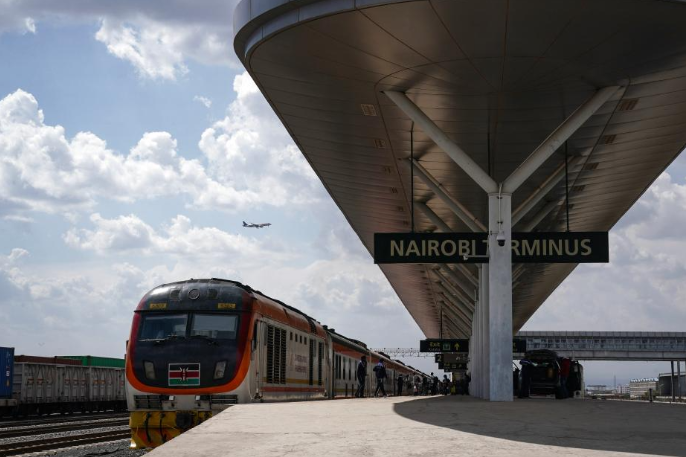
    A transformative infrastructure project is reshaping Kenya’s economic and tourism landscape nearly a decade after its inauguration. The Chinese-constructed Standard Gauge Railway (SGR), stretching 472 kilometers between Nairobi and Mombasa, has evolved beyond its primary transportation function to become a catalyst for regional development and wildlife tourism accessibility.

    As a flagship initiative of the Belt and Road framework and among Kenya’s most significant infrastructure endeavors since independence, the SGR’s Madaraka Express service has revolutionized mobility while creating unprecedented access to Tsavo East and Tsavo West National Parks. The railway has dramatically reduced travel time between Kenya’s two largest cities from over ten hours by road to merely five hours, establishing itself as the preferred transportation method due to its efficiency, safety, and affordability.

    The railway experience itself has become an integral component of the safari adventure, with passengers enjoying panoramic views of Kenya’s diverse landscapes and wildlife from air-conditioned coaches equipped with modern amenities including Wi-Fi, charging ports, and spacious seating arrangements. Kenya Railways Corporation offers multiple service classes, with premium options featuring reclining seats and enhanced comforts that rank among Africa’s finest passenger rail services.

    Philip Mainga, Managing Director of Kenya Railways Corporation, noted that premium service introductions respond to growing demand from tourists seeking seamless, high-quality transportation to wildlife destinations with fixed schedules that eliminate road-related delays. Gateway towns including Voi and Mtito Andei have experienced remarkable economic revitalization, with Voi alone recording approximately 900 weekly passenger arrivals and departures.

    The economic ripple effects extend across multiple sectors, with taxi operators, hospitality establishments, tour companies, and local merchants increasingly integrating rail services into their business models. Hospitality industry leaders report substantial increases in visitor numbers, with major lodges operating dedicated transfer services from SGR stations to their facilities.

    Surjeet Singh Basil, Director of Lion Hill Safari Lodge adjacent to Tsavo East National Park, described the SGR as a ‘game-changer for safari logistics,’ particularly following the introduction of nighttime stopovers in December 2024. This expansion, combined with existing afternoon and intercounty services, has further enhanced connectivity and passenger traffic patterns, driving expansion projects at multiple hospitality facilities across the region.

  • AI risks widening divide in ASEAN

    AI risks widening divide in ASEAN

    The rapid global expansion of artificial intelligence presents a dual-edged scenario for Southeast Asia, where technological advancement risks exacerbating pre-existing economic and digital divisions across the region. According to industry analysts, while nations like Singapore, Malaysia, and Vietnam stand to gain substantially from AI integration, less developed ASEAN members face the prospect of falling further behind in the technological race.

    Priyanka Kishore, Director and Principal Economist at Singapore-based consultancy Asia Decoded, emphasized that countries deeply embedded within global AI supply chains possess distinct advantages. “Singapore and Malaysia’s established positions within these networks provide them with continued opportunities to leverage the AI boom,” Kishore noted, adding that Singapore currently leads regional AI deployment with Vietnam demonstrating significant progress.

    Research from French investment bank Natixis, published in January, indicates that rising semiconductor demand driven by AI-related supply constraints will substantially contribute to Asian GDP growth throughout the first half of 2026. This technological surge particularly benefits economies with robust digital infrastructure, extensive tech ecosystems, and skilled digital workforce capabilities.

    Dominic Ligot, Founder of Manila-based AI training firm CirroLytix, warned of emerging disparities. “Urban centers with superior infrastructure and talent development pipelines will capture the majority of AI benefits,” Ligot stated. He further cautioned that regions lacking these resources face diminished innovation capacity and reduced business competitiveness, ultimately resulting in widened productivity gaps and unequal access to AI-enabled value chains.

    The labor market faces particular challenges, with Ligot identifying “polarization” as a significant risk. High-skilled workers capable of complementing AI systems may command increased wages, while routine service positions face potential displacement through automation.

    Lavanya Venkateswaran, Senior Economist for ASEAN at OCBC Bank, acknowledged AI’s potential to enhance productivity and stimulate growth across the region but noted adoption isn’t limited to supply chain participants. The technology nevertheless highlights the substantial economic disparities within ASEAN, which encompasses both highly developed economies like Singapore and emerging nations such as Laos and Timor-Leste.

    A July 2025 study by the Economic Research Institute for ASEAN and East Asia (ERIA) revealed significant digital readiness disparities among governments, corporations, and individuals throughout the region. Digital uptake varies considerably between nations with established technological infrastructure and those with limited resources.

    Elina Noor, nonresident scholar in the Asia Program at the Carnegie Endowment for International Peace, noted that existing digital divides complicate accurate assessment of AI’s economic impact across ASEAN. Noor also highlighted that current discourse frequently overlooks the environmental and social costs associated with AI-related investments, presenting additional considerations for regional policymakers.