作者: admin

  • Saudi Arabia, Turkey and Pakistan sign defence pact

    Saudi Arabia, Turkey and Pakistan sign defence pact

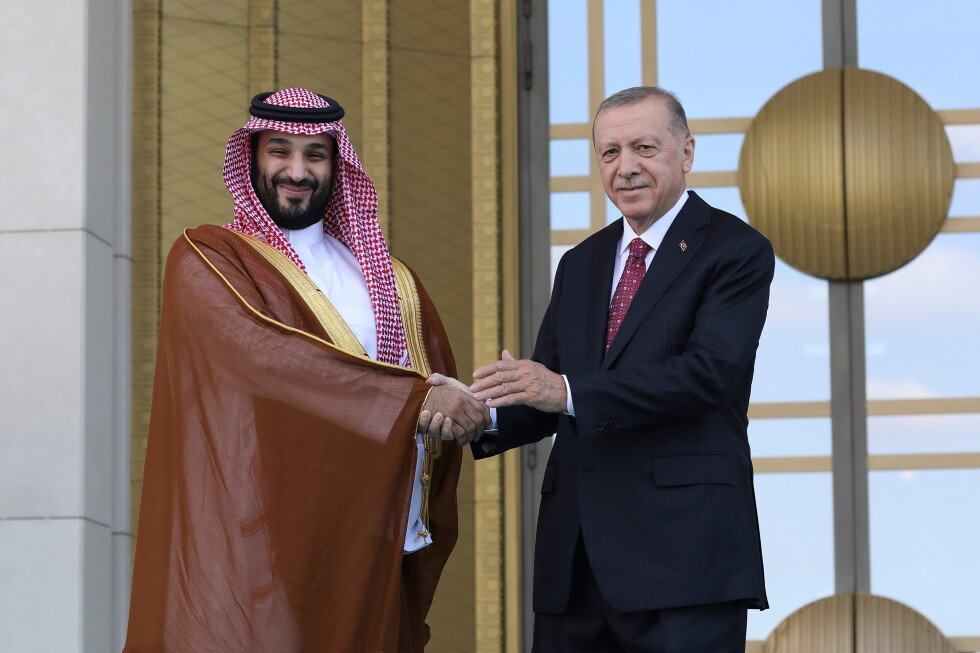
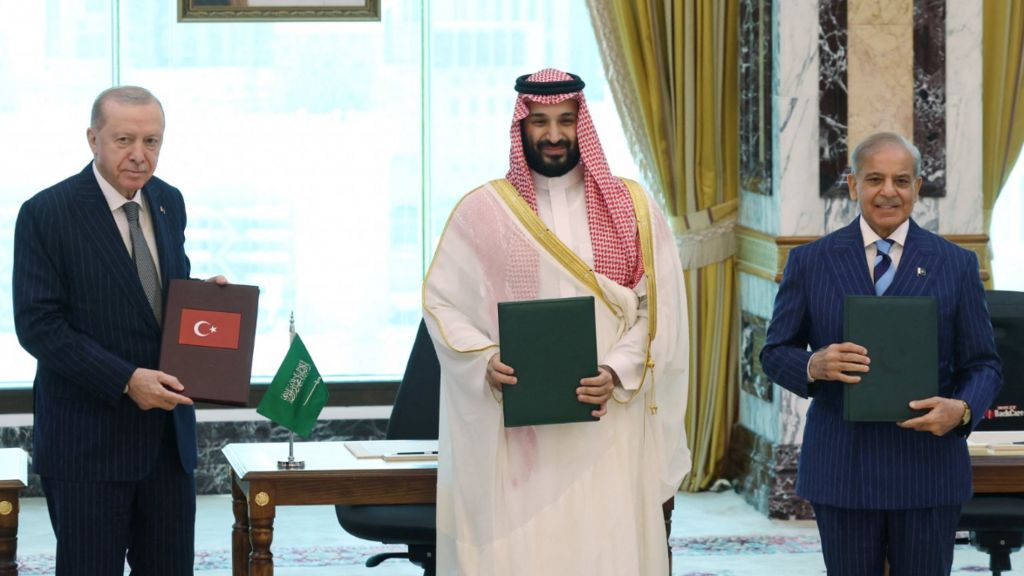
    Against a backdrop of simmering regional conflict that has disrupted critical global energy shipping lanes and dragged neighboring states into rising violence, three major Sunni Muslim nations have formalized a new collective security agreement. In a ceremonial signing held in the holy Saudi city of Mecca, Saudi Crown Prince Mohammed bin Salman, Turkish President Recep Tayyip Erdogan, and Pakistani Prime Minister Shehbaz Sharif put their signatures to the historic Mecca Joint Defence Agreement.

    The core commitment of the new pact is clear: any armed aggression against one of the three signatories will be treated as an attack against all three nations. Beyond this mutual defense guarantee, the agreement also lays out a framework to deepen collaboration across all areas of defense cooperation, with the explicit goal of strengthening collective deterrence against external threats. However, the document stops short of outlining specific, binding obligations for each member state, leaving details of how the pact will operate in practice still undisclosed. A senior Turkish official speaking to Reuters emphasized that the agreement is strictly defensive in its purpose and scope.

    This new trilateral agreement builds on a bilateral defense pact that Saudi Arabia and Pakistan agreed to one year ago, expanding the existing security partnership to include Turkey. The three nations bring complementary strengths to the alliance: Saudi Arabia contributes substantial financial resources and stands as one of the world’s largest importers of advanced military hardware; Turkey, NATO’s second-largest standing military force, boasts a robust and advanced domestic defense manufacturing sector; and Pakistan brings nuclear deterrence capability to the coalition.

    The pact comes amid rapidly escalating instability in the Middle East, rooted in ongoing conflict between the United States and Iran that has spilled over to disrupt critical maritime trade routes. The Strait of Hormuz, through which roughly a fifth of global oil supplies pass, and the Red Sea have both seen major disruptions to shipping since hostilities flared. Following joint US-Israeli strikes on Iran in late February, Iran and its allied militias launched retaliatory attacks on targets across Saudi Arabia and other Gulf states, and blocked commercial shipping transiting the region. Pakistan stepped in as a neutral intermediary, hosting ceasefire talks between the two sides that produced a temporary pause in fighting, but hostilities have since reignited.

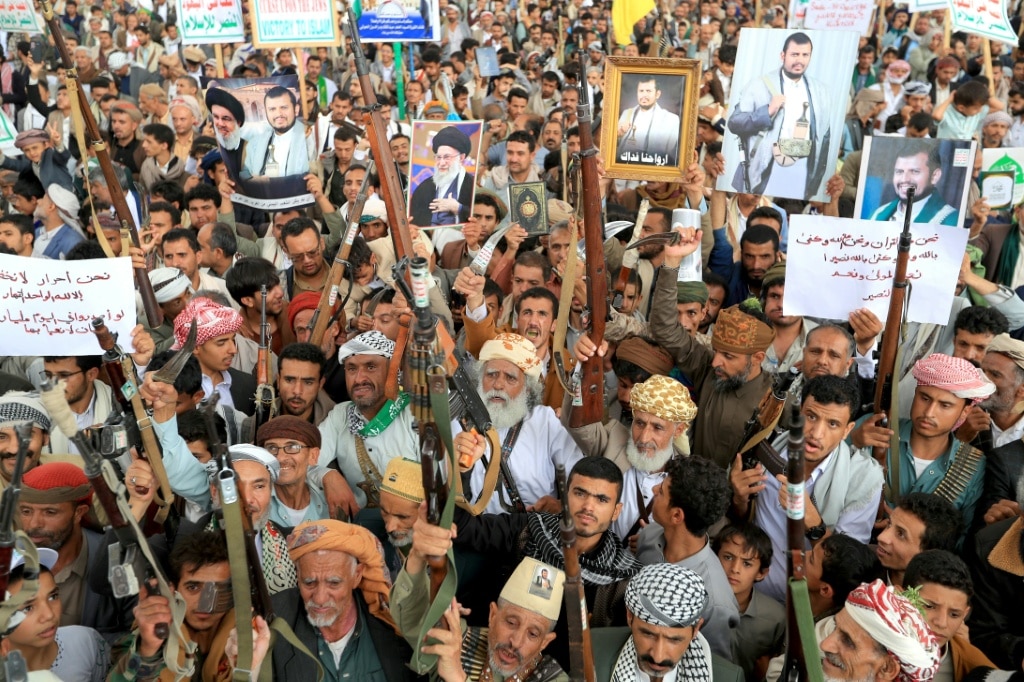
    Though Saudi Arabia has long sought to avoid direct entanglement in the broader US-Iran conflict, repeated attacks from Iranian-aligned groups forced the kingdom to respond. After coming under attack from multiple directions, Riyadh joined the US in joint airstrikes last month against Iranian proxy militias in Iraq that it accuses of launching repeated drone strikes against Saudi targets. In neighboring Yemen, the Iran-backed Houthi movement, which controls large swathes of northwestern Yemen, has stepped up attacks: the group announced a formal maritime embargo against Saudi Arabia last month, and has launched strikes targeting Saudi airports, critical oil infrastructure, and commercial tankers operating in the Red Sea. In response, Saudi Arabia has launched counter-strikes against Houthi military positions and joined a new international naval coalition tasked with protecting commercial shipping in the Red Sea and Gulf of Aden.

    For the three signatory nations, the new defense pact represents a coordinated effort to bolster collective security at a moment when regional tensions show no sign of de-escalation, and the United States faces growing challenges managing the spillover effects of the Iran conflict across the Middle East.

  • Surprise fall in US jobs last month as slow summer continues

    Surprise fall in US jobs last month as slow summer continues

    Official U.S. labor data has delivered an unexpected jolt to economic forecasts, revealing an unanticipated contraction in national employment last month, driven by sharp summer job losses in two key sectors: local government education and retail trade.

    Prior consensus among economic analysts projected a modest uptick of 80,000 new jobs for July in the world’s largest economy. Instead, official counts from the Bureau of Labor Statistics (BLS) show total non-farm employment shrank by 23,000 positions over the month. The single largest contributor to this unexpected drop was a decline in local government education roles, a common seasonal shift that was far more pronounced than projected, while the retail sector also posted broad losses across warehouse clubs, hypermarkets, fuel stations, and general merchandise outlets.

    Adding to the picture of a cooling labor market, the BLS also revised down its previously reported job growth numbers for May and June by a combined 103,000 positions, confirming that job creation has slowed far more dramatically over the summer than initial estimates indicated.

    The surprisingly weak jobs report has thrown new uncertainty into the Federal Reserve’s upcoming September interest rate decision. The U.S. central bank has held interest rates steady throughout 2024 as it balances persistent inflationary pressure with signs of cooling economic growth, and analysts have been split on whether the Fed will opt for another rate hike to tame inflation.

    Neil Birrell, chief investment officer at Premier Miton, noted that while monthly payroll data has a well-documented tendency to soften in July due to seasonal scheduling shifts, this year’s decline points to a far weaker labor market than most observers anticipated. “Labour force participation is back at levels not seen since the days of Covid, meaning jobs just aren’t being created,” Birrell explained.

    The conflicting economic landscape — with persistent inflation on one hand and a cooling labor market on the other — leaves the Federal Reserve in a difficult position. However, Birrell noted that the unexpected contraction eases pressure on policymakers to move forward with another rate increase when they convene in September, calling the final call “a big call” that remains far from settled.

  • Colombia’s new president to take office in ceremony in Cali highlighting hard line on armed groups

    Colombia’s new president to take office in ceremony in Cali highlighting hard line on armed groups

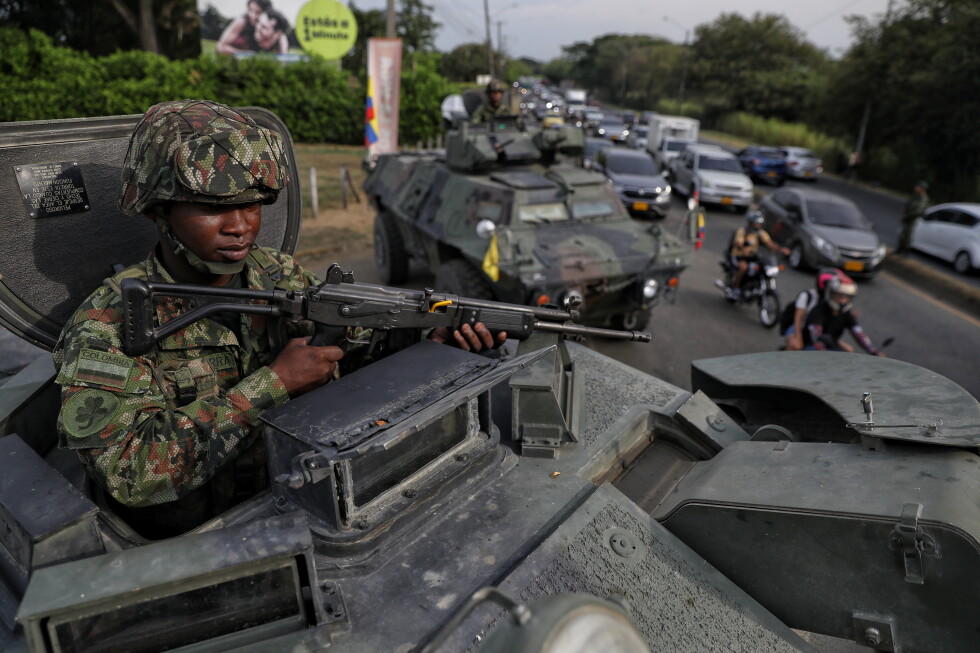
    On Friday, Colombian President-elect Abelardo de la Espriella, a 48-year-old conservative political outsider, will be sworn into office in the southwestern city of Cali under stringent security measures, breaking with decades of tradition that inaugurate new heads of state in the capital Bogotá. The unconventional venue is no random choice: it is a deliberate public signal of the new president’s uncompromising hardline stance against the illegal armed groups that have long plagued Colombia’s volatile southwestern regions.

    De la Espriella, who earned the nickname “El Tigre” (The Tiger) during his campaign, defeated former President Gustavo Petro’s ally Senator Iván Cepeda in a close June 21 runoff election to succeed Petro. A Colombian-American lawyer and businessman who has never previously held public office, de la Espriella self-funded his entire campaign with the personal fortune he built over his decades in the private sector, running as an anti-establishment outsider against the incumbent left-wing government’s policies.

    His inauguration, set to take place in a university auditorium before the full session of Colombian Congress, cements a broader rightward political shift that has swept across Latin America in recent years. High-profile international attendees include Spain’s King Felipe VI and a slate of conservative regional leaders: Argentina’s President Javier Milei, Ecuador’s President Daniel Noboa, and Chilean conservative leader José Antonio Kast.

    Following the swearing-in ceremony, de la Espriella will travel to a local Cali military battalion to address deployed troops. The trip serves two core purposes: to boost military morale amid ongoing counter-insurgency operations, and to deliver an explicit ultimatum to illegal armed groups active in the region: surrender immediately, or be designated legitimate military targets. The new president has made dismantling the power of these groups a central campaign promise, rejecting the outgoing Petro administration’s signature policy of negotiating with armed factions. He has repeatedly argued that the decade-old peace process initiated by the government with former rebel groups has failed to curb widespread violence linked to illegal economies including drug trafficking and unregulated mining.

    Colombia’s southwestern regions currently face persistent instability from multiple competing armed factions: dissident splinter groups of the formerly demobilized Revolutionary Armed Forces of Colombia (FARC) that rejected the 2014 peace agreement, the powerful Clan del Golfo drug cartel, and the ongoing National Liberation Army (ELN) guerrilla movement.

    On the international stage, de la Espriella’s rise to power has been framed by the backing of former U.S. President Donald Trump, coming at a moment of heightened regional anxiety over surging violent crime, mass irregular migration, and sluggish economic growth across Latin America. Glaeldys González, Andean analyst for the International Crisis Group, noted that de la Espriella’s election will reinforce the accelerating rightward shift across much of the region, helping to consolidate a cohesive bloc of conservative-led governments that stand in opposition to the shrinking number of remaining left-wing administrations across Latin America.

    De la Espriella has already confirmed that his new government will join the “Shield of the Americas”, a regional anti-drug trafficking coalition launched at a summit convened by Trump in March 2024. He has also announced sharp shifts in Colombian foreign policy: his administration will resume full diplomatic relations with Israel, while severing formal ties with Cuba and Nicaragua, which he has labeled authoritarian tyrannies.

    The new president will face immediate, fierce opposition from outgoing President Gustavo Petro, who has refused to recognize de la Espriella’s electoral victory and pushed unsubstantiated claims of widespread electoral fraud, alleging that thousands of vote tally sheets were manipulated by partisan programmers. Both Colombian electoral authorities and independent international election observers have thoroughly dismissed these fraud allegations.

    Political analyst Sergio Guzmán noted that Petro intends to act as a relentless, sharply critical opposition leader, using his platform to consolidate his standing among left-wing supporters. The outgoing president has gone so far as to urge social movements in southwestern Colombia to organize so-called “people’s militias” to defend against what he has labeled impending attacks from de la Espriella’s “fascist” administration. He has also called on his supporters to prepare for a national general strike if the new government moves to arrest him after he leaves office, a concern that comes after the U.S. Drug Enforcement Administration named Petro a “priority target” in comments reported by the AP in March 2024.

    Andrés Macías, a conflict and peace researcher at Colombia’s Externado University, warned that the combination of Petro’s inflammatory mobilization calls and de la Espriella’s hardline policy approach significantly raises the risk of violent confrontations during street protests, as well as more aggressive security responses from the new government.

    Protests are already planned across multiple major Colombian cities during the inauguration: in Cali, where Petro retains a large base of support, social and student organizations have called for demonstrations during the swearing-in ceremony, with additional protest actions expected in the capital Bogotá and the northern coastal city of Barranquilla.

  • Spanish-led police raid smashes a vast Mediterranean smuggling network, arresting 78

    Spanish-led police raid smashes a vast Mediterranean smuggling network, arresting 78

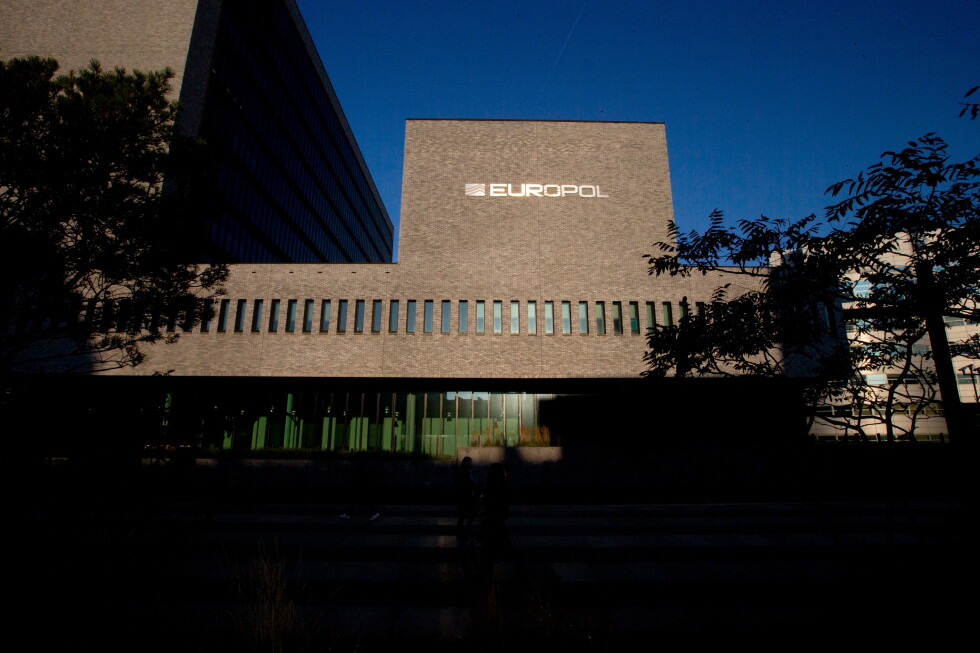
    THE HAGUE, Netherlands – A sweeping cross-border law enforcement operation, fronted by Spanish authorities and coordinated with the European Union’s law enforcement agency Europol, has taken down one of the largest transnational criminal networks operating smuggling routes for migrants, illicit drugs and weapons across the Western Mediterranean, officials announced in a press briefing Friday.

    The successful takedown shines a new light on the deeply organized, multi-billion-dollar shadow economy of transnational smuggling across the narrow sea that divides southern Europe from North Africa, where criminal groups have turned irregular migration and drug trafficking into one of their most profitable illicit activities. Spanish Civil Guard officials categorize the dismantled network as among the most significant criminal organizations focused on maritime human trafficking in the entire Mediterranean region.

    Friday’s announcement comes just one week after a sharp spike in irregular migration to Spain grabbed global attention, when tens of thousands of migrants crossed into Spain’s North African territory of Ceuta, driven by widespread false online rumors that the border would be opened to new arrivals. The vast majority of those migrants have since returned to Morocco.

    According to Europol, the broken-up criminal ring did not operate independently: it provided end-to-end logistical support to smaller smuggling gangs across the region, including secure storage, overland transport, refueling stops, mid-sea transfers of people and goods, vessel maintenance, and counter-surveillance tactics to evade detection by law enforcement. The investigation that led to the arrests was first launched by Spanish authorities in 2023, with Europol coordinating support from law enforcement agencies across France, Poland and Portugal, alongside Spain’s Civil Guard and National Police.

    The mass arrests were carried out during a coordinated action day on June 16. In total, 77 suspects were taken into custody across Spain, with one additional arrest made in Algeria. Law enforcement teams seized 18 motorboats — many of them high-speed craft — along with an undeclared quantity of drugs, multiple satellite communication devices, a loaded handgun, and more than €25,000 ($29,000) in untraceable cash. Footage released by Spanish law enforcement shows officers taking suspects into custody and counting large stacks of €50 bills recovered during property searches across the country.

    The network ran a profitable two-way smuggling corridor between Algeria and Spain, Spanish Civil Guard confirmed: it trafficked illicit drugs north to Europe from North Africa, then packed undocumented migrants onto unseaworthy boats for the return crossing to coastal towns in southern Spain. Officials estimate the group was responsible for at least 64 separate migrant smuggling voyages, moving more than 2,000 people into Spain illegally and generating total profits exceeding €24 million. All four of the organization’s top alleged leaders are now in custody, authorities confirmed.

    Beyond smuggling activity, the group is accused of brutal violence to protect their operations and evade capture. “They used extremely violent methods to protect the vessels and resist law enforcement,” the Civil Guard said in its official statement. Europol added that the network maintained a fleet of unregistered “ghost speedboats” — vessels specifically modified to avoid radar detection and skip official registration, a practice banned under Spanish law. Investigators have also documented severe abuses against the migrants the group trafficked, including reports of sexual assault, routine physical abuse, and the detention of migrants in overcrowded, unsanitary makeshift holding facilities before they are put on crossing vessels.

  • Republican Lisa Murkowski opposes Todd Blanche nomination for US attorney general

    Republican Lisa Murkowski opposes Todd Blanche nomination for US attorney general

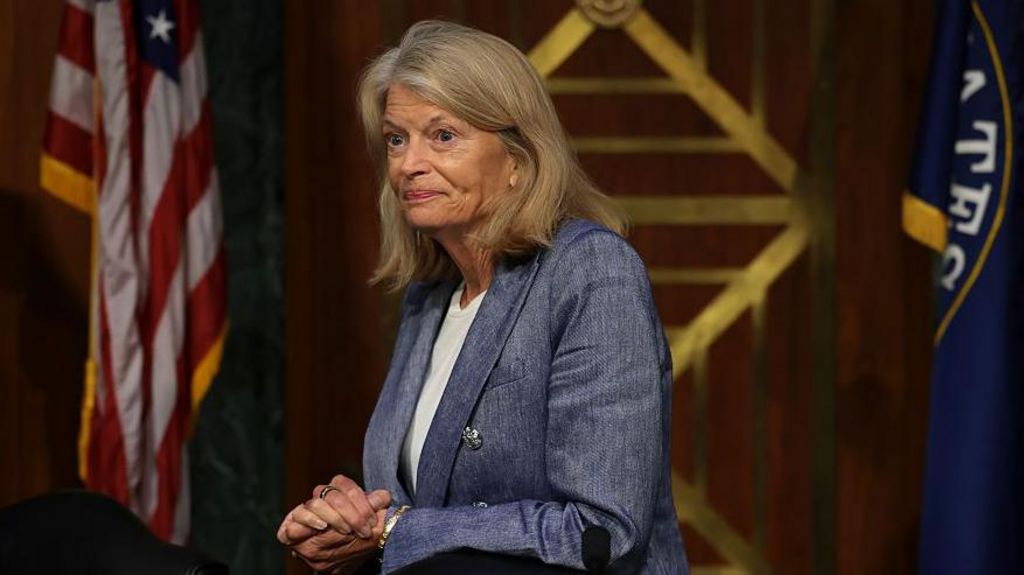
    A high-stakes political battle over the permanent leadership of the U.S. Department of Justice has taken a sharp turn, as centrist Republican Senator Lisa Murkowski of Alaska became the second member of her party to publicly reject former President Donald Trump’s nominee Todd Blanche for attorney general, deepening uncertainty over whether the nomination will survive a Senate vote.

    Blanche, who previously served as Trump’s personal defense lawyer and currently fills the role of acting attorney general, has faced sustained cross-party criticism since Trump tapped him to lead the Justice Department permanently. The nomination has already drawn opposition from a small but impactful bloc of Senate Republicans, and Murkowski’s opposition leaves confirmation hanging by a thread amid the narrow Republican majority in the chamber.

    In a formal statement announcing her decision, Murkowski highlighted deep-seated concerns that the Trump administration is seeking to politicize the nation’s top law enforcement agency, a red line for the moderate Alaska senator. She pointed to multiple controversial actions taken during Blanche’s short tenure as acting attorney general, including the administration’s controversial handling of the Jeffrey Epstein case files and the creation of a contentious $2 billion “anti-weaponization fund” carved out of a legal settlement between Trump and the federal government.

    Murkowski emphasized that the nation requires an attorney general willing to push back against the most extreme actions of the sitting administration. While she left open the possibility that Blanche could shift course if confirmed, she made clear she lacks confidence in his willingness to uphold the independence of the Justice Department. “The country needs an Attorney General who will check the worst impulses of this administration,” Murkowski wrote. “I hope Mr Blanche is able to achieve that, if confirmed, but I simply do not have confidence that will be the case.”

    The contentious fund at the center of the controversy was established as part of an IRS settlement between Trump and the federal government, which also granted Trump limited immunity from future personal tax audits. The fund was initially designed to pay out compensation to people who claim they were wrongfully persecuted by the federal government, but critics—including Murkowski—have warned it could ultimately payout to people convicted of participating in the January 6, 2021 attack on the U.S. Capitol. Both Trump and Blanche have pushed back against these claims, asserting that neither the president nor his family are eligible to access any money from the fund. Facing backlash from fellow Republicans even before Murkowski’s announcement, Blanche already pledged to roll back the controversial fund.

    Murkowski’s announcement comes just days after another moderate Republican, Senator Susan Collins of Maine, who is facing a competitive re-election campaign this cycle, confirmed she would also vote against Blanche’s confirmation. Currently, Republicans hold a slim 53-seat majority in the 100-member U.S. Senate, but that majority has been effectively cut to 52 because Senate Minority Leader Mitch McConnell of Kentucky has been absent from all floor votes and proceedings due to an ongoing illness.

    The path to confirmation now also hinges on the undecided vote of Republican Senator Bill Cassidy of Louisiana, who lost his 2026 Republican primary after Trump endorsed his primary challenger. Cassidy has not yet publicly stated whether he will support Blanche’s nomination, leaving the outcome entirely uncertain.

    Political analysts note that if just one more Republican joins Murkowski and Collins in opposing the nomination, Democrats can unified block Blanche’s confirmation, leaving Trump without his pick to lead the Justice Department. The nomination’s fragile standing underscores the lingering divisions within the Republican Party over Trump’s efforts to reshape the federal government and place loyalists in key law enforcement roles.

  • Editor of top Ethiopian independent news site seized by police, publisher says

    Editor of top Ethiopian independent news site seized by police, publisher says

    A coordinated multi-day crackdown by Ethiopian security forces has targeted one of the country’s most prominent independent news outlets, Addis Standard, leaving its editor-in-chief abducted, assaulted, and subjected to lengthy interrogation, according to the outlet’s parent company.

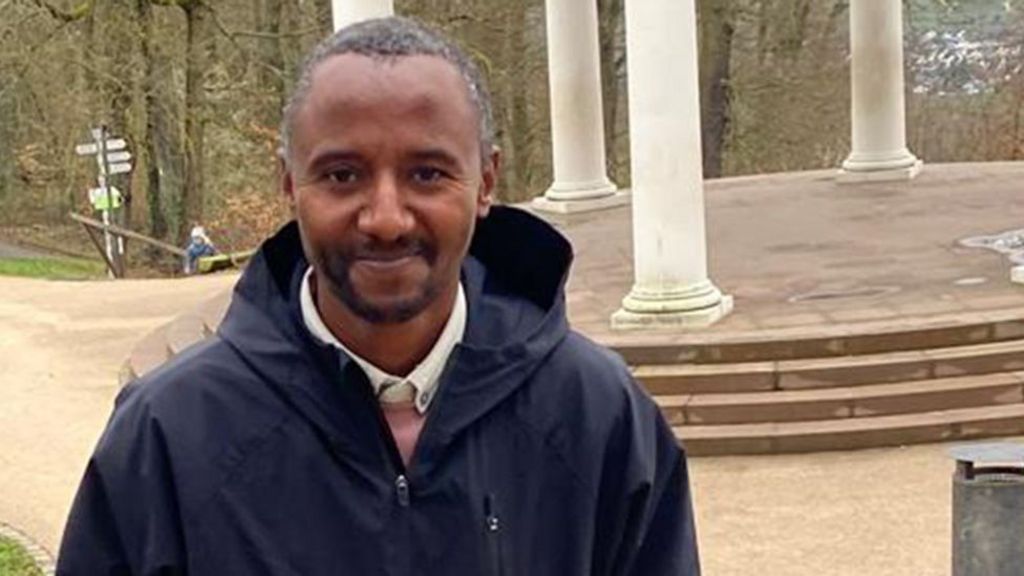
    Jakken Publishing, which owns Addis Standard, released a formal statement Thursday detailing the sequence of actions that unfolded over three days starting August 2. The first incident saw editor-in-chief Yonas Kedir forcibly seized by two plainclothes agents on Saturday. In a written statement obtained by Agence France-Presse, Yonas described the abduction as a violent encounter: the pair struck him before forcing him into a double-cab pickup truck, where they accused him of “selling the country out.” He was held in custody for 24 hours during which he endured prolonged interrogation, Jakken Publishing confirmed.

    The repression continued the following day, August 3, when an armed security team raided Addis Standard’s Addis Ababa newsroom without presenting any legal warrants or following due process. During the raid, the team confiscated critical production equipment from the outlet’s multimedia studio, crippling its on-site operations. On the third day of action, August 4, local police delivered an official eviction order, giving the outlet just 72 hours to vacate its long-held offices — a space where Addis Standard had operated for 16 years.

    The crackdown marks the latest escalation in a year-long campaign against independent media in Ethiopia that began earlier this year. Back in February, the Ethiopian Media Authority revoked Addis Standard’s official media registration, claiming the outlet had violated journalistic ethics and posed unspecified threats to national interests. The outlet never received clarification on which specific reports prompted the action, but it has continued publishing while legally challenging the revocation in Ethiopian courts. To date, the outlet’s website remains operational, and it continues to update readers with on-the-ground coverage of the crackdown and its aftermath, as outlet leadership consult legal and strategic advisors to determine their next steps.

    International press freedom and human rights organizations have condemned the coordinated action, framing it as part of a wider pattern of silencing critical journalism in the East African nation. The Committee to Protect Journalists (CPJ) described the recent incidents as an alarming escalation of the Ethiopian government’s systematic campaign to dismantle one of its leading independent news sources.

    Human Rights Watch (HRW) echoed that criticism, noting that the harassment of Addis Standard fits into a broader government effort to eliminate any critical coverage of state policy. Over the past 12 months, HRW data shows Ethiopian authorities have arbitrarily detained dozens of journalists, held many of them in incommunicado detention without access to lawyers or family, and stripped multiple independent outlets of their operating licenses. Most recently, the national media authority issued final formal warnings to two other independent outlets — broadcaster Arts TV and radio station Ahadu FM — threatening to suspend or revoke their operating licenses over allegations of repeated violations of national media regulations.

    As of Thursday, the Ethiopian government had not responded to repeated requests for comment from the BBC on the recent crackdown against Addis Standard.

  • Plan to limit ‘vertical drinking’ decried by pub landlords and UK politicians

    Plan to limit ‘vertical drinking’ decried by pub landlords and UK politicians

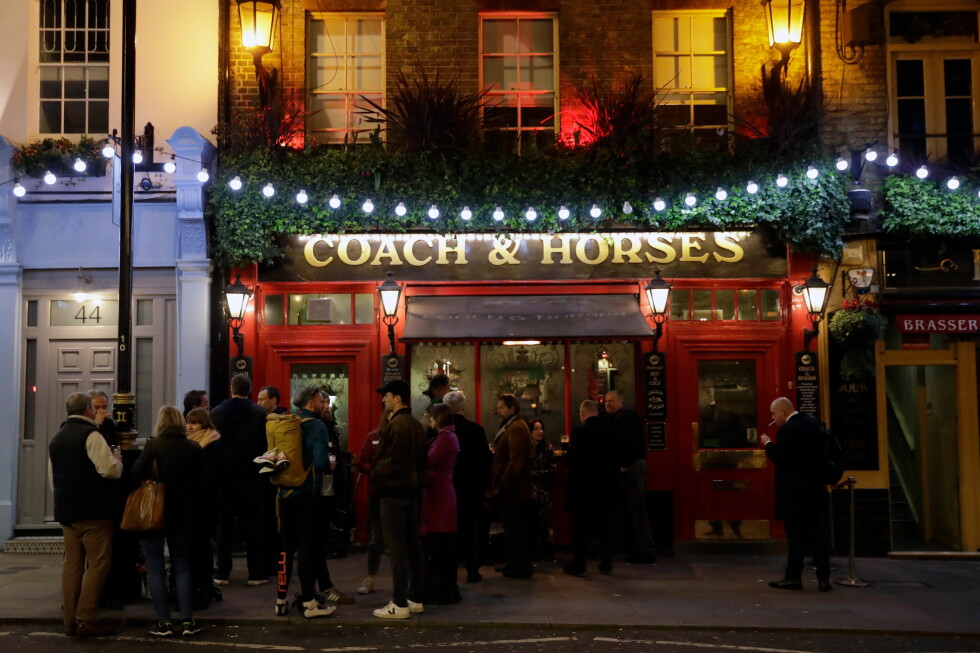
    A seemingly mundane draft policy proposal from a London local government has ignited a fierce national political debate, after a plan targeting so-called “vertical drinking” — the bureaucratic term for standing while consuming alcoholic drinks — erupted into a major public relations headache for Westminster City Council.\n\nWestminster City Council oversees licensing for thousands of pubs, bars and restaurants across London’s iconic West End, a global nightlife destination that draws millions of tourists and local visitors each year. Standing drinkers who gather in small groups to socialize, often spilling out onto sidewalks on warm spring and summer evenings, have long been a defining feature of the district’s pub culture, particularly in bohemian Soho.\n\nVeteran Soho publican Lesley Lewis, who has managed the French House pub for 37 years, warned that cracking down on this beloved tradition would backfire badly for local businesses already struggling with soaring commercial rents and rising business taxes. “We rely on those people standing up with the rents and the rates put upon us,” she explained. “People want to enjoy themselves in Soho, they want to have a drink outside, they want to dance. They don’t want to sit down and just be where they are, they want to meet people and chat.” Driving these customers away, Lewis argued, would only push business to other parts of the UK capital.\n\nAfter British national newspapers seized on the proposal with splashy front-page headlines including “Sitting room only at pubs?” and “Soho’s pubs won’t take clamp down on ‘vertical drinking’ lying down,” Westminster council pushed back against what it called misleading and confusing media coverage of its draft plan.\n\nCouncil leader Paul Swaddle released an official statement clarifying that the policy, which is still open for public consultation, does not aim to ban people from standing with a drink entirely. Instead, he framed the proposal as a targeted effort to cut down on public noise and unruly behavior by encouraging venues to shift more open bar space to seated table service that also supports food orders. “Let me be clear about what we’re trying to achieve,” Swaddle said. “This is about safety, not stopping anyone standing at a bar with a pint in their hand.”\n\nThe full draft licensing policy clarifies that the proposal is designed to discourage excessive public drunkenness, by incentivizing business owners to create more seated space for drinkers and table food service, rather than maintaining large open bar areas dedicated to high-volume standing drinking. Westminster is home to more alcohol-licensed hospitality venues than any other local authority in the United Kingdom, and the council notes that while the hospitality sector is a critical driver of the local economy, local leaders also have a core responsibility to ensure Westminster remains “a great place for residents to live.”\n\nThat clarification did little to defuse the backlash from senior national and city government officials, who have prioritized reviving a UK hospitality sector that has yet to fully recover from widespread disruptions and financial losses during the COVID-19 pandemic. A spokesperson for Prime Minister Andy Burnham called standing pub culture not a nuisance, but a core part of “British life,” adding that Burnham is pushing local leaders to collaborate with the hospitality industry to help pubs thrive. During a recent visit to a pub in Essex, the prime minister doubled down on this stance, saying: “The pubs that we’ve got are at the heart of high streets, and I think it’s really important to signal at the start of my time in office that I will be a defender for them. I will speak up for them and act.”\n\nLondon Mayor Sadiq Khan has also waded into the row, signaling he plans to use new regulatory powers set to take effect for his office later this year to review the Westminster policy. Taking to social media platform X to share his criticism, Khan argued: “You can’t run a world-famous nightlife district with a village-hall mindset. London’s hospitality and nightlife support jobs, culture and growth.”\n\nThe controversy highlights the ongoing tension between local authorities’ efforts to manage quality of life for residential communities, and policymakers’ priorities to support the recovery of Britain’s iconic hospitality industry, which remains a cornerstone of national culture and local economic activity across the country.

  • Saudi Arabia, Turkey and Pakistan to sign defence pact amid regional violence

    Saudi Arabia, Turkey and Pakistan to sign defence pact amid regional violence

    Against a backdrop of spreading regional violence, broken ceasefires and shifting global security alliances, three key Muslim-majority nations — Saudi Arabia, Turkey and Pakistan — are preparing to sign a landmark joint defense agreement on Friday, multiple anonymous sources confirmed to Agence France-Presse.

    The accelerated finalization of the pact comes as the Middle East grapples with escalating conflict between the United States and Iran, which has spilled across neighboring borders, disrupted global shipping lanes through the Strait of Hormuz and the Red Sea, and emboldened Iran-aligned militant groups across the region. Among these groups is Yemen’s Houthi movement, which has resumed large-scale attacks on Saudi territory after a four-year truce collapsed in recent weeks. The Houthis have also declared a maritime blockade against Saudi Arabia, launching strikes on Saudi commercial tankers to enforce their measure.

    Regional security analysts point to a growing perception among Saudi leadership that the United States, Riyadh’s long-time Western security partner, has become an increasingly unreliable ally amid the current crisis. In response, Saudi Arabia has actively pursued deeper security and diplomatic ties with regional and cross-regional partners including Turkey, Egypt and Pakistan, all of which have positioned themselves as neutral mediators working toward a negotiated end to ongoing conflicts across the Middle East.

    A source close to Saudi Arabia’s military and civilian leadership told AFP that while negotiations for the tripartite agreement have stretched over a long period, “the latest developments in the region expedited it.” A second anonymous source close to top Saudi officials confirmed the formal signing would proceed as scheduled on Friday.

    In line with the planned signing, high-level delegations from all three nations have gathered in Saudi Arabia’s Red Sea coastal city of Jeddah. Turkish President Recep Tayyip Erdogan arrived in Jeddah on Friday, according to official Saudi media, and is scheduled to hold bilateral talks with Saudi Crown Prince Mohammed bin Salman before joining a trilateral meeting with Pakistani Prime Minister Shehbaz Sharif. Sharif and Pakistan’s Army Chief General Asim Munir also traveled to the kingdom this week, and the pair completed a religious pilgrimage to Mecca ahead of diplomatic talks, Pakistan’s information ministry confirmed Friday.

    The upcoming defense pact marks a deepening of already growing security cooperation between the three nations, which have been the subject of months of regional speculation about a new strategic alliance. Pakistan, the only nuclear-armed state in the Muslim world, already signed a bilateral defense agreement with Saudi Arabia in 2025, a deal that drew widespread international attention for its strategic implications. Islamabad has also positioned itself as a key mediator in efforts to de-escalate the U.S.-Iran war, while Turkey has taken a leading diplomatic role in negotiations aimed at ending the ongoing conflict in Gaza.

    The resumption of large-scale Houthi hostilities has added new urgency to Riyadh’s push for expanded security alliances. The Iran-backed Houthi movement, which has controlled Yemen’s capital Sanaa and most of northern Yemen for a decade, has fought against Saudi-led coalition-backed Yemeni government forces since 2015, when Riyadh launched its military intervention to support Yemen’s internationally recognized government. A four-year truce brokered in 2021 had largely held until recent weeks, when full-scale hostilities resumed.

    In one of the deadliest single attacks for government forces in years, Houthi missile and drone strikes killed at least 58 Yemeni government troops on Thursday, a Yemeni military source confirmed. The decade-long Yemeni civil war has already killed hundreds of thousands of people through direct combat, famine and lack of access to healthcare, triggering one of the world’s worst ongoing humanitarian catastrophes.

    Beyond the immediate crisis in Yemen, the Houthi resumption of attacks has compounded pressure on Gulf energy exporters, already strained by Iran’s blockade of the Strait of Hormuz. The Houthis have also threatened global commercial shipping through the Red Sea, a critical chokepoint for roughly 12% of global oil trade and 10% of global seaborne trade, adding further disruption to already stressed global energy markets.

    Ahead of the talks, Pakistani foreign ministry spokesman Tahir Andrabi noted that the gathering and upcoming agreement carry weight far beyond the current regional crisis. “Although taking place against the backdrop of heightened tensions in the Gulf, the visit will carry significance beyond the immediate crisis and short-term considerations,” Andrabi said Thursday.

  • Officials say Saudi Arabia, Turkey and Pakistan have signed a key defense agreement

    Officials say Saudi Arabia, Turkey and Pakistan have signed a key defense agreement

    Amid a wave of escalating security uncertainties across the Middle East and South Asia, Saudi Arabia, Turkey, and Pakistan have formalized a landmark trilateral defense cooperation agreement, Pakistan’s Foreign Ministry confirmed in an official statement released Friday. The signing ceremony took place in Mecca, Islam’s holiest city, bringing together three of the region’s most influential leaders: Saudi Crown Prince Mohammed bin Salman, Turkish President Recep Tayyip Erdogan, and Pakistani Prime Minister Shehbaz Sharif.

    The core principle of the new pact is designed to build unified collective deterrence against external threats: according to the Pakistani Foreign Ministry’s text, any armed aggression against one of the three signatory nations will be considered an attack on all three members. Beyond this mutual defense commitment, the agreement lays the groundwork for expanding defense collaboration across every relevant domain, bringing together three nations with distinct strategic strengths: oil-rich Saudi Arabia, nuclear-armed Pakistan, and Turkey, which boasts NATO’s second-largest standing military and a fast-expanding domestic defense industry.

    According to preliminary reporting from Turkey’s Haberturk television and other local Turkish media outlets, the pact is expected to open the door to deeper practical cooperation, including joint military training exercises, cross-border defense technology transfers, and real-time intelligence sharing between the three states.

    The agreement marks a significant step in Saudi Arabia’s ongoing push to diversify its network of defense partnerships, a shift that comes after the kingdom’s critical energy infrastructure and oil facilities faced repeated targeted attacks amid escalating regional confrontation linked to tensions with Iran. It also builds on a separate bilateral mutual defense pact Islamabad and Riyadh signed just months earlier in September, which already established the principle that an attack on one constitutes an attack on both.

    For Turkey, the new trilateral alliance comes at a moment of sharp diplomatic friction with Israel over the ongoing conflict in Gaza, alongside widening instability across the broader Middle East, including active conflicts in Iran and Lebanon.

    Sharif arrived in Saudi Arabia on Thursday for a three-day official visit, accompanied by a high-level delegation that included Pakistan’s Army Chief Field Marshal Asim Munir, signaling the military’s strong backing for the new partnership. Beyond the defense pact, regional officials noted that the three leaders used the summit to discuss strategies to de-escalate ongoing tensions between the United States and Iran, while also exploring opportunities to expand cross-border trade, deepen economic ties, and build out broader security cooperation frameworks across the region.

    The Pakistani Foreign Ministry emphasized that while Sharif’s visit unfolded against the backdrop of heightened tensions in the Persian Gulf, the engagement was not limited to addressing the immediate crisis. Instead, the long-term goal of the trilateral partnership is to strengthen bilateral ties between all three nations and boost coordinated policy action on shared regional and international challenges.

  • US strikes $1.2bn deal to pay German firm to halt offshore wind projects

    US strikes $1.2bn deal to pay German firm to halt offshore wind projects

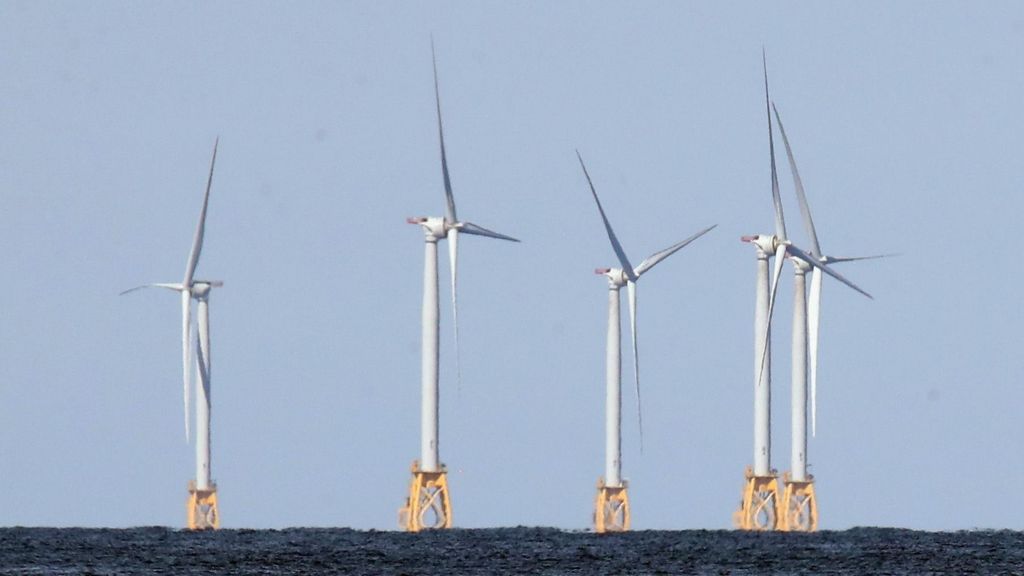
    In a move that underscores the Trump administration’s aggressive rollback of offshore wind energy development, German energy giant RWE has announced it will abandon all its U.S. offshore wind projects after securing a $1.2 billion settlement with the U.S. Department of the Interior (DoI). The company confirmed it will redirect the entire payout to conventional natural gas infrastructure, earmarking $900 million alone for a new liquefied natural gas (LNG) export terminal under construction in Louisiana.

    After a months-long internal review, RWE concluded there was no viable path to secure necessary construction permits for its offshore wind leases in the foreseeable future under the current administration’s regulatory framework. As part of the settlement agreement, the firm will relinquish all its federal wind leases spanning three major regions: the California coast, the Louisiana coast, and the New York Bight, a busy offshore stretch between New York and New Jersey that was targeted for large-scale wind development under prior administrations.

    Despite exiting offshore wind, RWE reaffirmed its long-term commitment to the U.S. energy market, outlining plans to invest roughly $19.6 billion (€17 billion) in expanding its U.S. power generation capacity over the next six years, all of which will focus on conventional fossil fuel and baseload energy projects under the new regulatory landscape.

    Interior Secretary Doug Burgum welcomed the deal in a post to social platform X, framing the agreement as aligned with the administration’s vision for U.S. energy. “Americans deserve an energy system built on common sense, not one propped up by costly, wasteful subsidies,” Burgum wrote. “We welcome RWE’s agreement and voluntary investment in projects that strengthen our nation’s energy security.”

    This settlement marks the third high-profile exit of a major energy company from U.S. offshore wind since Trump returned to office, consistent with his long-standing opposition to renewable wind development and his commitment to boosting the domestic fossil fuel industry. During his 2024 presidential campaign, Trump ran on the iconic fossil fuel-friendly slogan “drill, baby, drill,” and moved quickly to curtail offshore wind after his inauguration.

    Within days of taking office, Trump explicitly stated his administration would not advance new wind projects, dismissing offshore wind turbines as “big, ugly windmills” that pose unacceptable risks to coastal wildlife and marine ecosystems. The administration has since systematically slowed permit approvals for new offshore wind developments and encouraged companies to voluntarily exit existing wind leases in exchange for financial settlements, with incentives to redirect capital to fossil fuel projects.

    The pattern of exits began earlier this year in March 2026, when French energy major TotalEnergies reached a similar settlement to abandon its U.S. offshore wind holdings. In exchange for ending its wind projects, TotalEnergies agreed to shift investment to a new LNG facility in Texas and expand conventional oil exploration in the Gulf of Mexico. Just last month, the administration closed a $129 billion settlement with Duke Energy, a major U.S. utility based in Charlotte, North Carolina. Under that deal, Duke Energy relinquished its offshore wind lease in the Carolina Long Bay area in exchange for the settlement, which the company plans to redirect to conventional energy projects.

    The string of settlements has effectively halted most planned large-scale offshore wind development along U.S. coastlines, rolling back years of progress made under prior administrations to expand renewable energy capacity and cut greenhouse gas emissions from the power sector.